
Used Conventional Sleeper Trucks For Sale in Pennsylvania
Browse used conventional sleeper trucks in Pennsylvania. Compare specs, sleeper sizes, powertrains, and long-haul features for Class 8 hauling.
Selling a used conventional sleeper truck? List your used conventional sleeper truck for sale and reach thousands of commercial buyers.
Used Conventional Sleeper Trucks in Pennsylvania
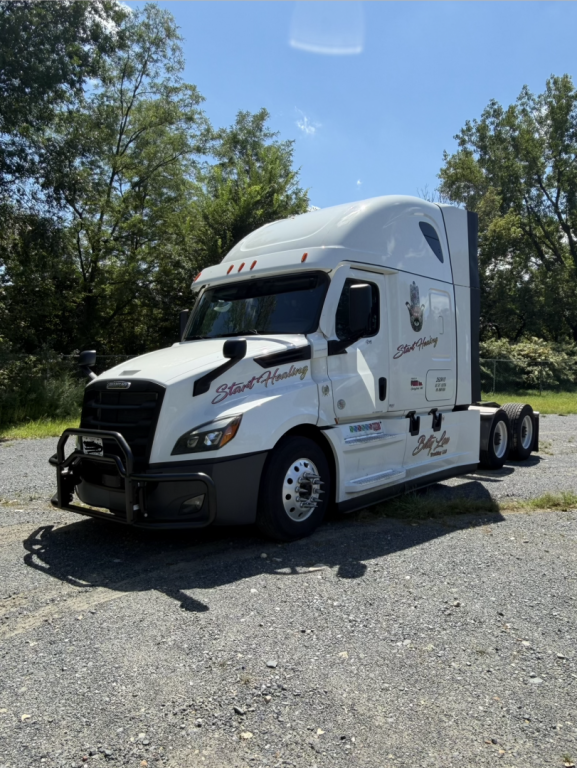
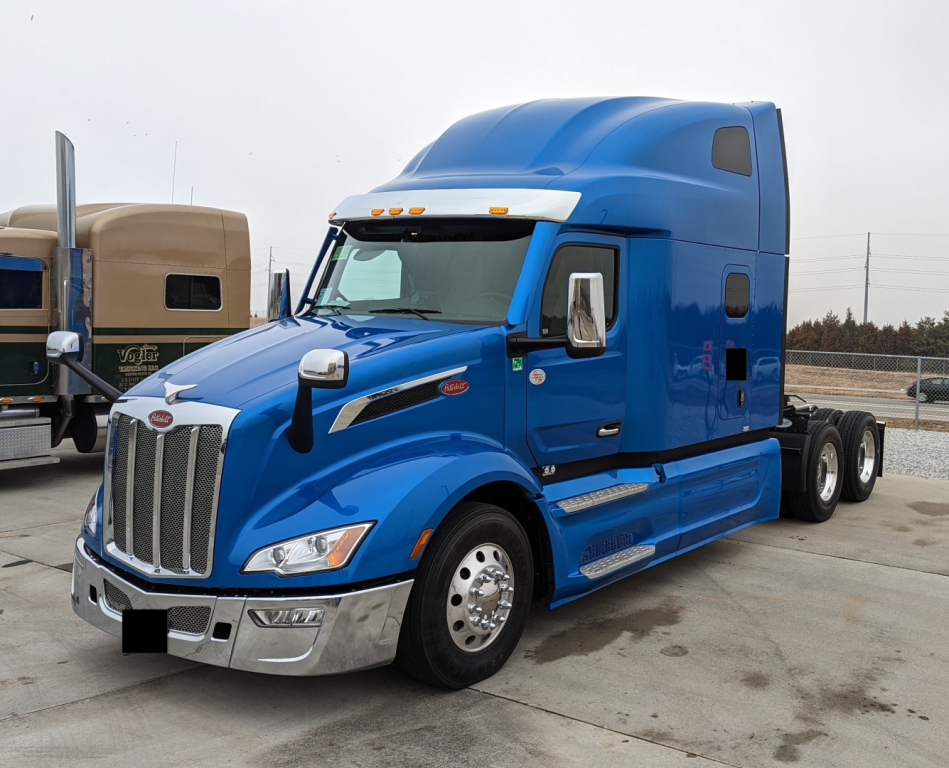
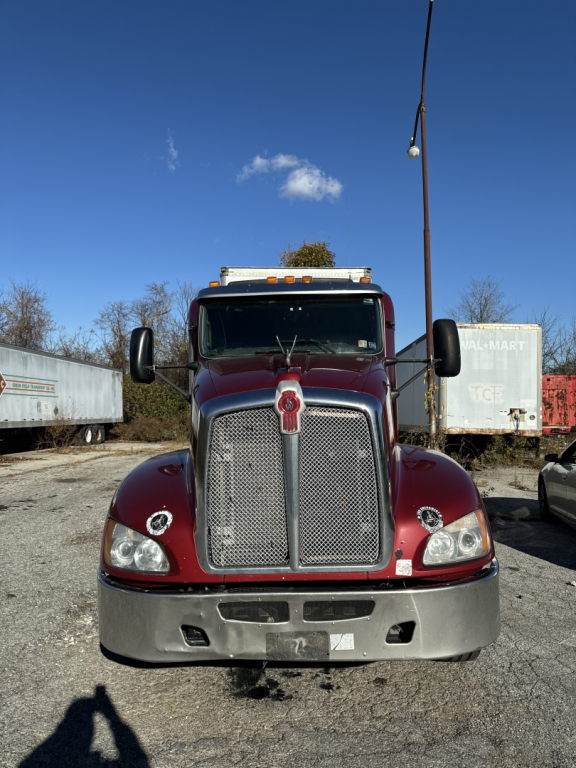
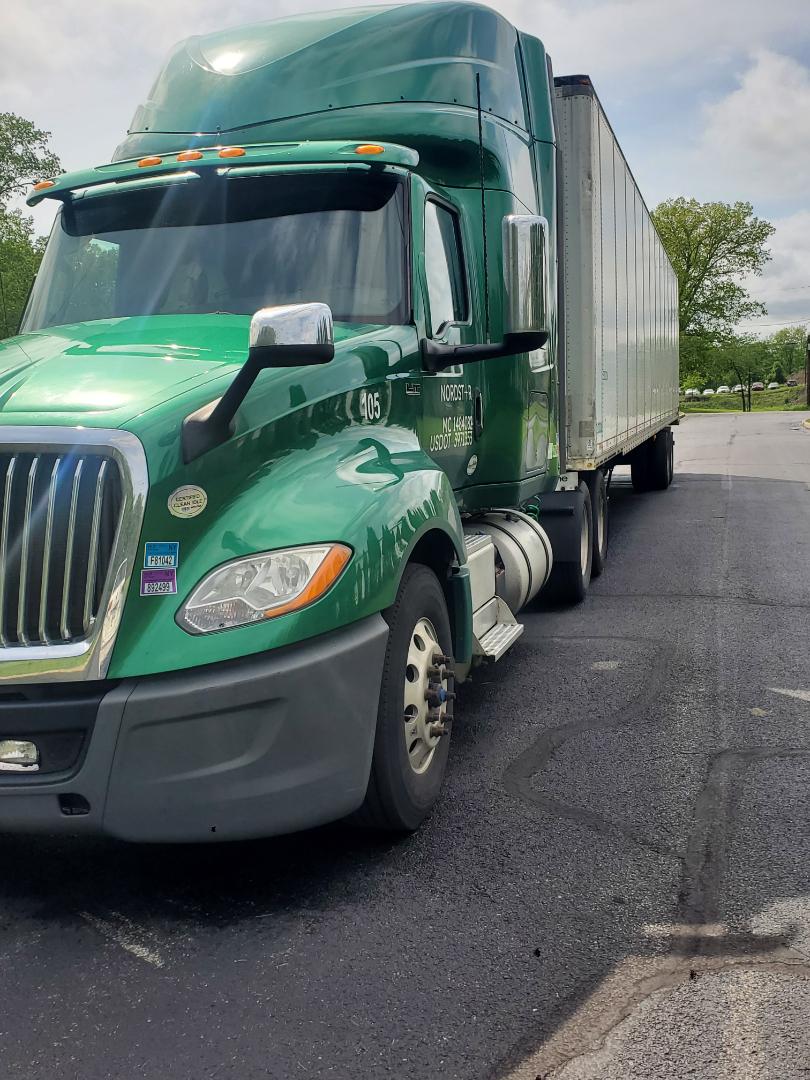
The biggest buying decision is usually powertrain and sleeper configuration. Common used models in this class include the Peterbilt 579, Kenworth T660, International LT, and International 9900i, with engines such as the Cummins ISX15 or PACCAR MX-13 in ratings often ranging from 400 to 565 horsepower. Buyers should look closely at torque, rear axle ratio, and transmission type because those choices affect fuel burn, gradeability, and driver acceptance. Automated manuals are common in newer fleets because they reduce driver fatigue and help standardize operation, while 13-speed and 18-speed manuals still hold value in heavy haul, mountain, and owner-operator applications. Sleeper sizes can range from compact bunks for regional overnight work to larger double-bunk and high-roof sleepers with room for appliances, inverters, auxiliary heaters, and more practical living space.
For a used truck, mileage alone does not tell the whole story. Service records, aftertreatment history, clutch life, DPF and SCR maintenance, overhead adjustments, coolant type, and signs of oil or coolant cross-contamination matter more than a headline odometer number. In Pennsylvania, corrosion exposure is a real consideration, so buyers should inspect frame rails, cab mounts, crossmembers, battery boxes, air tanks, brake hardware, and wiring for rust or winter road chemical damage. Tire wear patterns can reveal alignment or suspension issues, and a close look at kingpins, wheel seals, driveline components, and suspension bushings can prevent expensive downtime after purchase. On sleeper-equipped tractors, the bunk HVAC, APU or bunk heater, seals, and interior condition also deserve attention because these directly affect driver retention and daily usability.
A good conventional sleeper truck should match the freight and the territory. A lighter aerodynamic spec with a 10-speed or automated transmission may make sense for dry van or reefer lanes with an emphasis on fuel economy. A higher horsepower setup with deeper gearing and a larger sleeper may be the better tool for heavier freight, irregular routes, or teams. Buyers comparing used sleeper tractors should also verify wheelbase, fifth wheel position, tank capacity, fairing condition, and front axle loading so the truck is legal and efficient with the trailers it will actually pull. The best value in this category is usually a truck with a known maintenance story, a driveline suited to the lane, and a sleeper layout that supports the level of over-the-road use expected.
Frequently Asked Questions about Used Conventional Sleeper Trucks in Pennsylvania
What is a conventional sleeper truck?
A conventional sleeper truck is a Class 8 tractor with a standard hooded cab design and an integrated sleeping compartment mounted behind the driver area. It is built for over-the-road and regional hauling where drivers may need to stay with the truck overnight. Compared with day cabs, sleeper tractors add bunk space, storage, and often options such as bunk HVAC, inverters, refrigerators, or auxiliary heaters.
What should I inspect first on a used conventional sleeper truck?
Start with the engine, transmission, aftertreatment system, and maintenance documentation. A buyer should verify oil analysis if available, review DPF and SCR service history, check for active fault codes, inspect for coolant or oil leaks, and look at clutch or transmission wear based on the spec. After that, inspect frame corrosion, suspension condition, tire wear, brake life, bunk HVAC operation, and any signs of water intrusion in the sleeper. A clean pre-purchase inspection is more important than cosmetic appearance alone.
Are automated transmissions a good choice in used sleeper tractors?
Automated transmissions are a strong fit for many fleets and owner-operators because they reduce driver fatigue, simplify training, and can improve consistency in fuel economy. They are especially common in newer long-haul trucks. The key is to confirm software updates, clutch calibration history where applicable, and overall driveline condition. Manual transmissions still make sense for buyers who prefer direct control or run heavier, more demanding applications.
How much horsepower do I need in a conventional sleeper truck?
Most used conventional sleeper trucks fall in the 400 to 500 horsepower range, which is enough for general van and reefer freight in many lanes. Heavier loads, mountain terrain, and specialized work often justify 500 horsepower or more, especially when paired with the right torque rating and rear axle ratio. Horsepower should never be considered by itself because gearing, transmission choice, and gross combination weight determine how the truck will actually perform.
What matters most when buying a sleeper truck in Pennsylvania?
Pennsylvania buyers should pay close attention to rust, winter exposure, and how the truck is geared for Northeast and Appalachian terrain. Frame rails, crossmembers, cab mounts, brake hardware, and electrical connections should be checked for corrosion. It is also smart to confirm the truck can handle turnpike speeds, rolling grades, and the trailer lengths and weights common in the region. A well-maintained truck with the right gearing and a reliable bunk climate system is usually the better buy than a lower-priced truck with unknown history.