
Used Conventional Sleeper Trucks For Sale in Illinois
Browse used conventional sleeper trucks in Illinois with raised-roof cabs, automated transmissions, efficient spec options, and long-haul comfort.
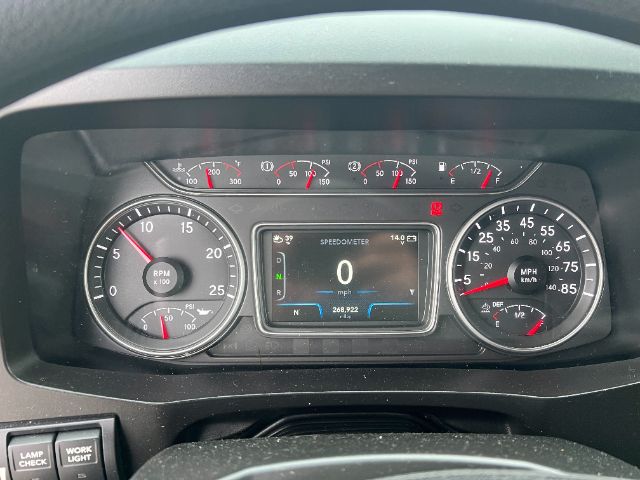
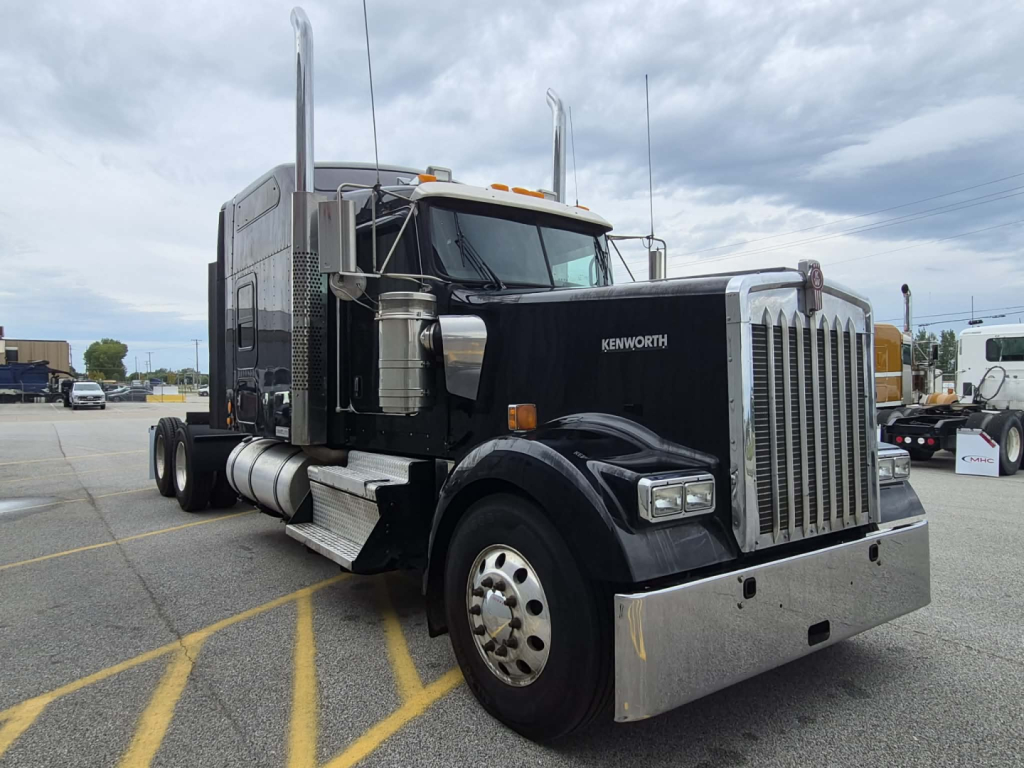
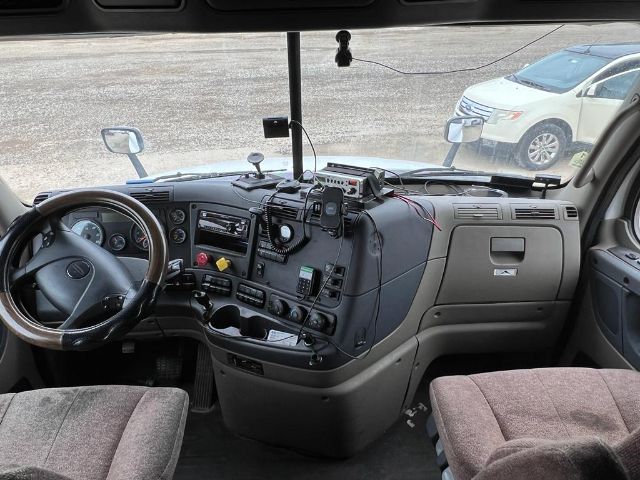
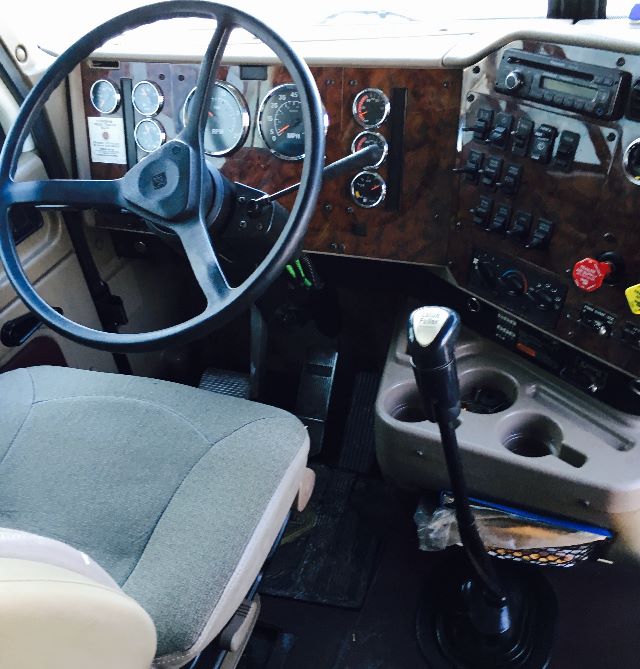

Selling a used conventional sleeper truck? List your used conventional sleeper truck for sale and reach thousands of commercial buyers.
Used Conventional Sleeper Trucks in Illinois
The biggest buying decisions usually come down to engine, transmission, rear axle ratio, and wheelbase. Common engines in this segment include the Cummins X15, Detroit DD13, Detroit DD15, PACCAR MX-13, and Volvo D13, typically rated around 450 to 455 horsepower for a balance of pulling power and fuel economy. Automated manual transmissions dominate the used market because they reduce driver fatigue, help standardize operation across fleets, and often support better fuel performance. A 40,000-pound rear axle setup with ratios like 2.64, 2.79, or 3.08 is typical for dry van and reefer work, while wheelbases in the low-220-inch to mid-230-inch range are common on aero conventional sleepers spec'd for van trailers.
Cab and chassis details matter more than many buyers expect. Air ride suspension, air slide fifth wheels, dual aluminum fuel tanks, disc or drum brake configuration, and tire size all affect service costs and day-to-day usability. Aerodynamic packages such as side fairings, cab extenders, quarter fenders, and horizontal exhaust are common on fleet-spec highway tractors because they support fuel economy and cleaner trailer airflow. Inside the sleeper, buyers should compare bunk layout, storage, insulation, HVAC performance, and driver-assist systems such as collision mitigation. Late-model conventional sleepers often include tilt and telescoping steering, cruise control, power windows, and upgraded interior trim, but condition and maintenance history matter more than trim level alone.
For Illinois buyers, corrosion exposure, idle hours, and prior duty cycle deserve close attention. A truck that spent most of its life on steady highway lanes will usually present differently than one that saw heavy urban congestion, winter road treatment, or frequent drop-and-hook work. Look closely at brake wear, fairing condition, fifth wheel operation, suspension components, emissions system history, and any signs of neglected PM intervals. The best used conventional sleeper truck is not just the newest one. It is the one with the right sleeper size, powertrain, axle ratio, and maintenance profile for the freight you plan to haul.
Frequently Asked Questions about Used Conventional Sleeper Trucks in Illinois
What is a conventional sleeper truck used for?
A conventional sleeper truck is built for over-the-road freight where the driver needs a sleeping compartment behind the cab. It is most commonly used for dry van, reefer, dedicated contract freight, and general long-haul applications. The sleeper allows legal rest breaks on the road, and the aerodynamic conventional hood design supports highway fuel economy and easier engine access for service.
What sleeper size is most common on used conventional sleeper trucks?
The most common sleeper sizes on late-model conventional sleepers are usually in the 72-inch to 76-inch range. Raised-roof and high-roof sleepers are especially common because they give the driver standing room, upper bunk options, and more storage for multi-day runs. Smaller sleepers can still work well for regional routes, but most long-haul buyers prefer a taller, larger bunk area for comfort and resale value.
Which engine and transmission specs are typical in this category?
Used conventional sleeper trucks are commonly equipped with engines such as the Cummins X15, Detroit DD13, Detroit DD15, PACCAR MX-13, and Volvo D13. Horsepower is often in the 450 to 455 HP range, which is a strong all-around spec for highway freight. Automated manual transmissions are now standard in much of the market because they improve consistency across drivers, reduce fatigue, and generally support fuel-efficient shifting strategies.
What rear axle ratio is best for a used sleeper tractor?
The best rear axle ratio depends on average load, terrain, cruising speed, and transmission setup. Ratios such as 2.64, 2.79, and 3.08 are common on aerodynamic sleeper tractors used in van and reefer service. Lower numerical ratios generally favor fuel economy at highway speed, while higher numerical ratios can improve startability and pulling performance in heavier or more demanding operations. The ratio should match the engine and transmission calibration, not be judged on its own.
What should I inspect first on a used conventional sleeper truck?
Start with maintenance records, engine hours, and the truck's prior application. Then inspect the emissions system, brake condition, tires, suspension, fifth wheel, fairings, and signs of frame or cab corrosion. On sleeper models, also check bunk HVAC performance, seals, storage components, and interior wear. A clean-looking truck can still carry expensive deferred maintenance, so service history and diagnostic information are usually more valuable than appearance alone.