
Used 2023 Conventional Sleeper Trucks For Sale in Illinois
Shop used 2023 conventional sleeper trucks in Illinois. Compare sleeper sizes, powertrains, wheelbases, and fleet-ready long-haul specs.
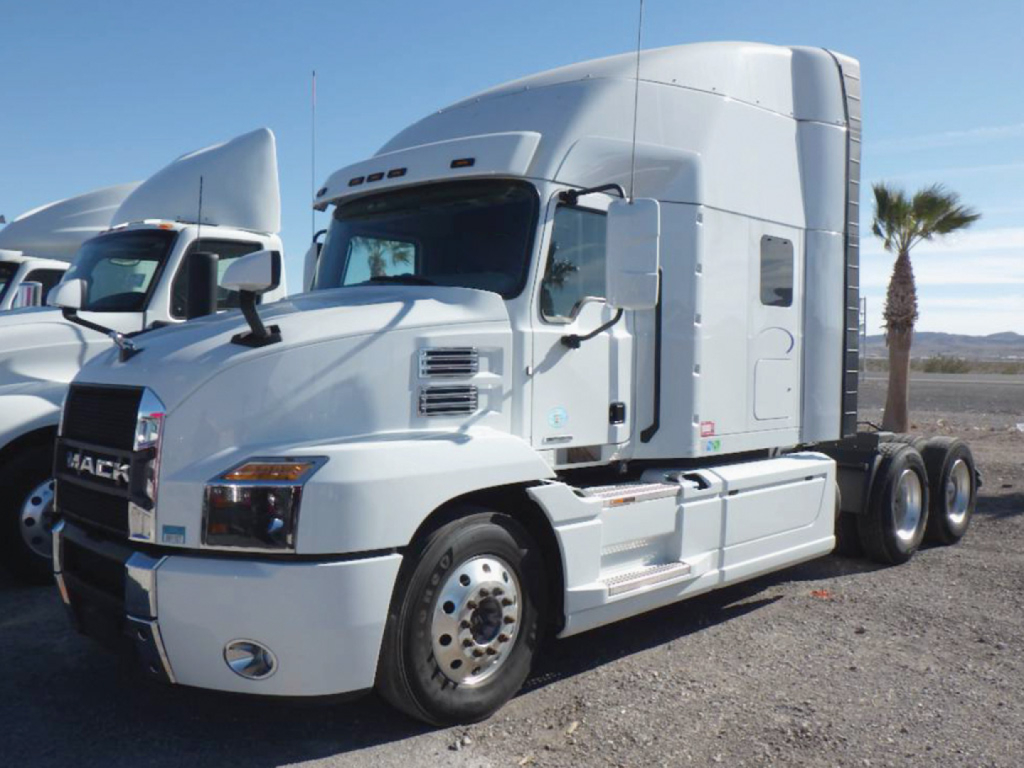
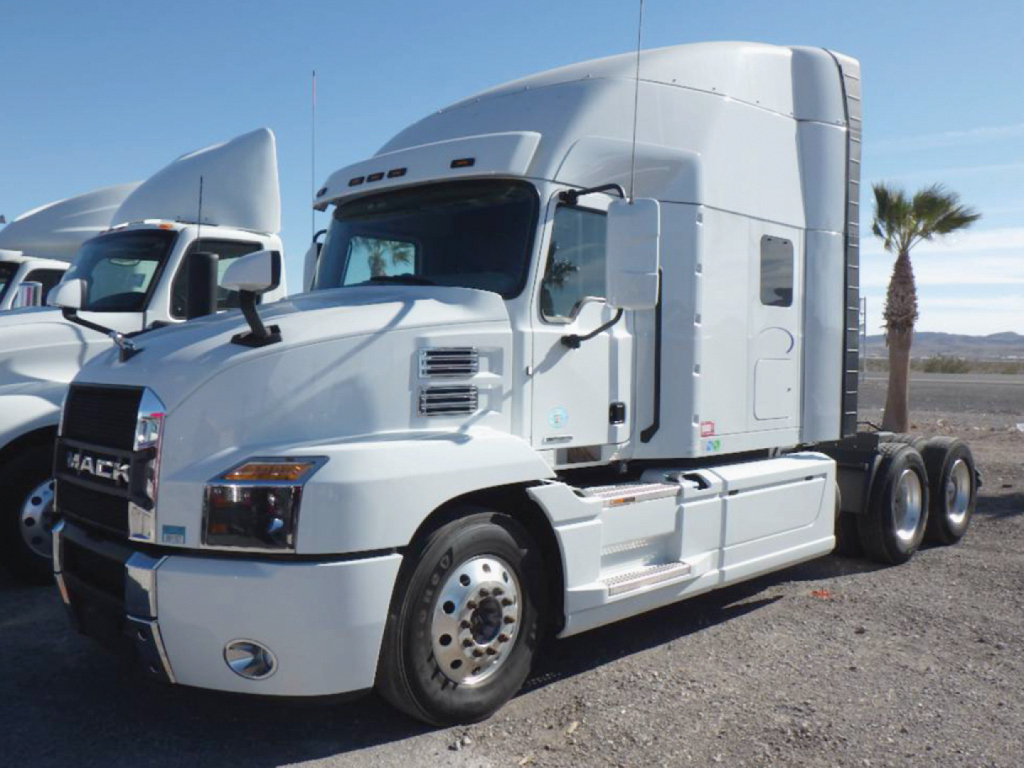
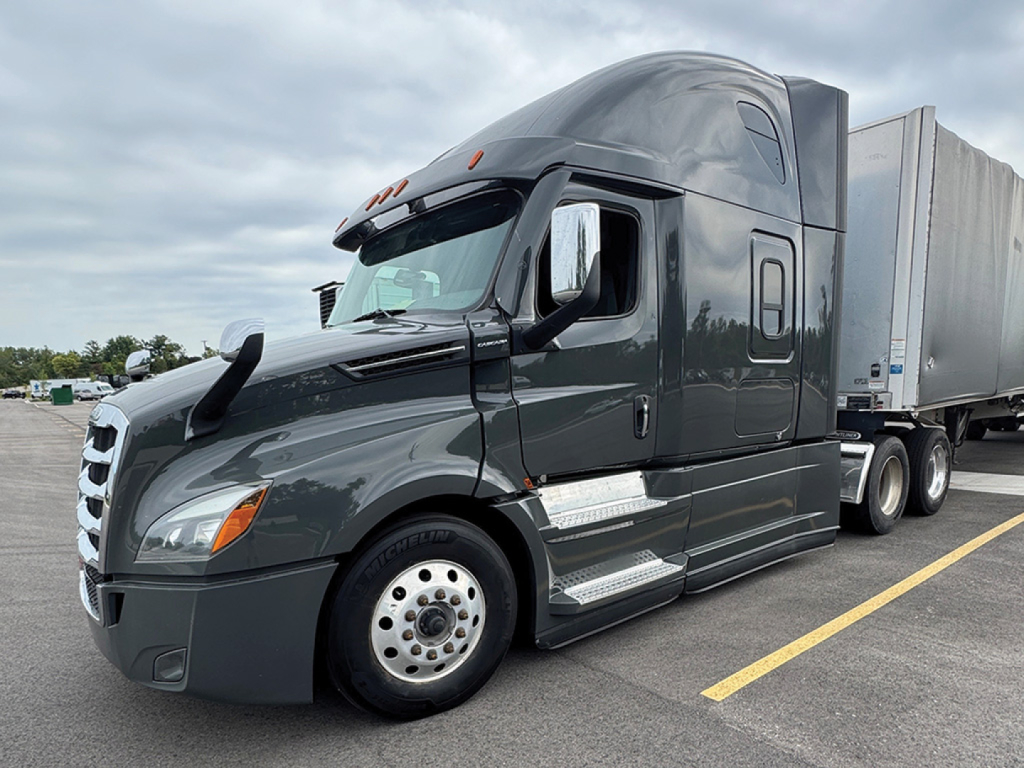
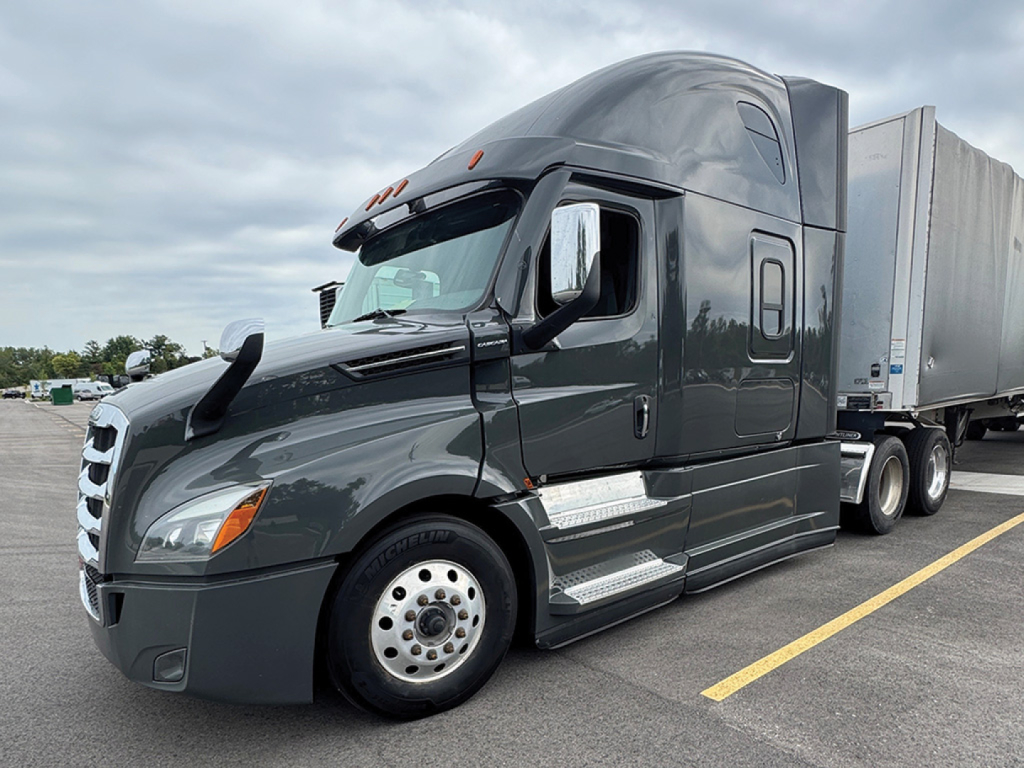
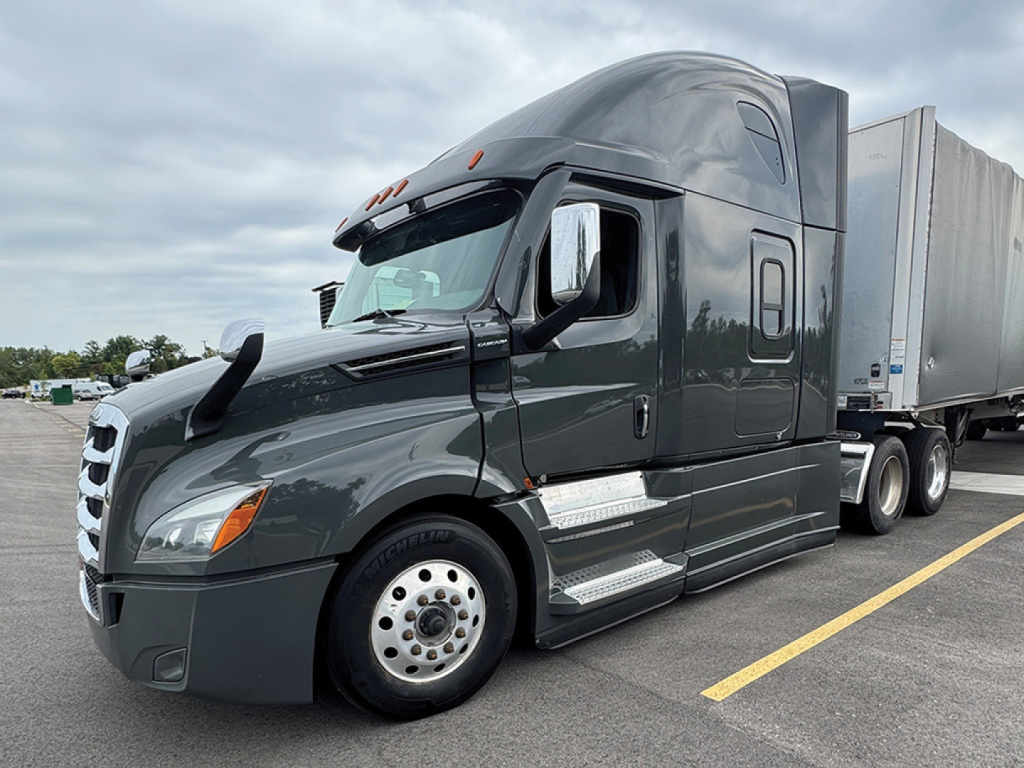
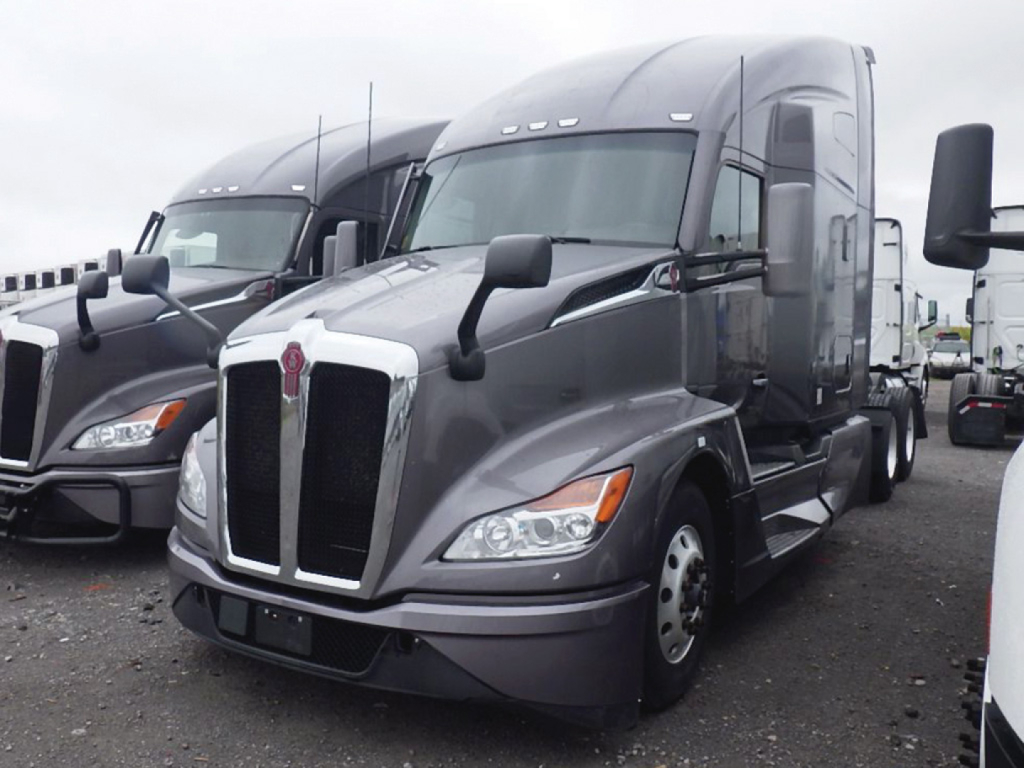
2023 Kenworth T-680 Next Gen
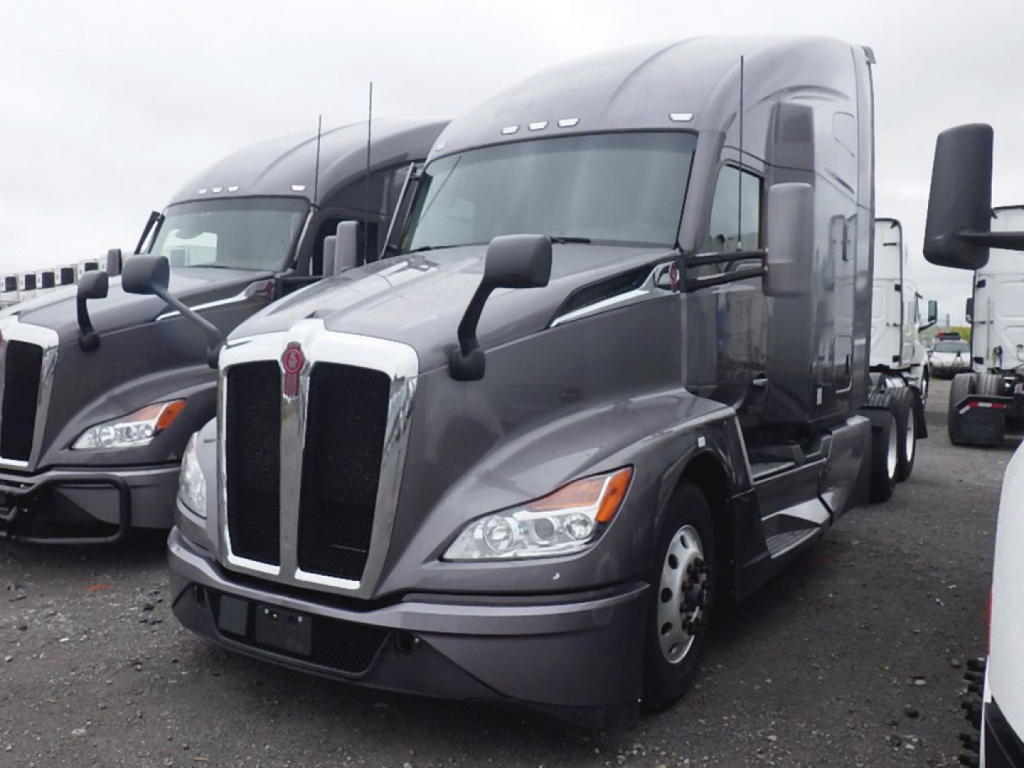
2023 Kenworth T-680 Next Gen
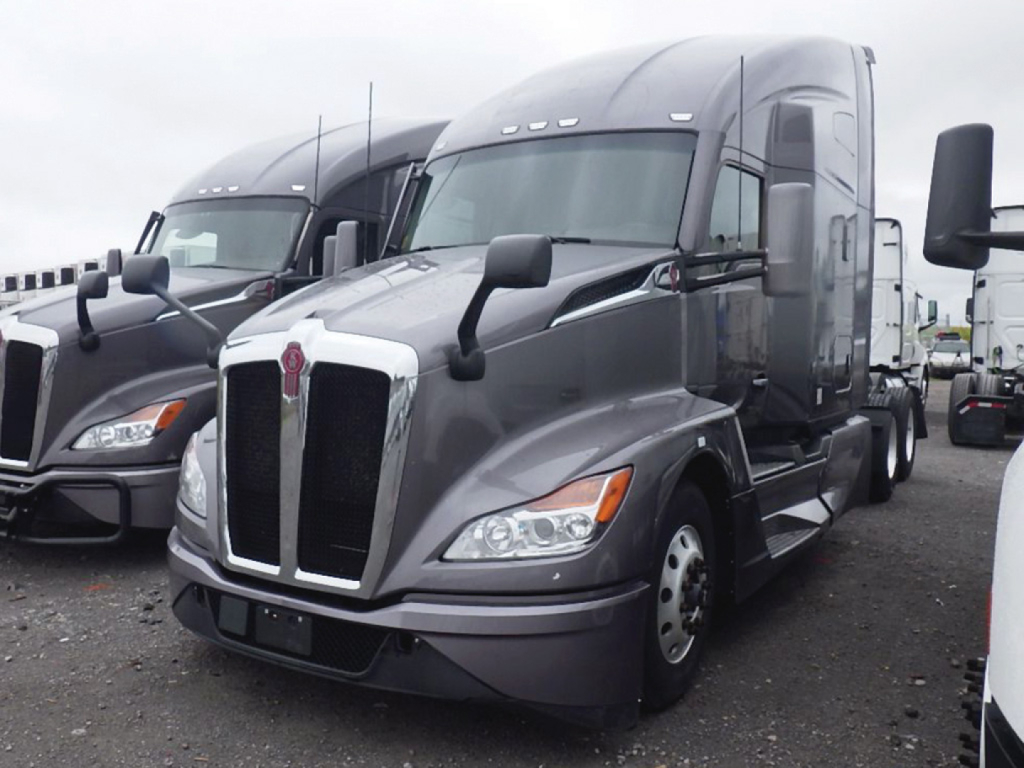
2023 Kenworth T-680 Next Gen
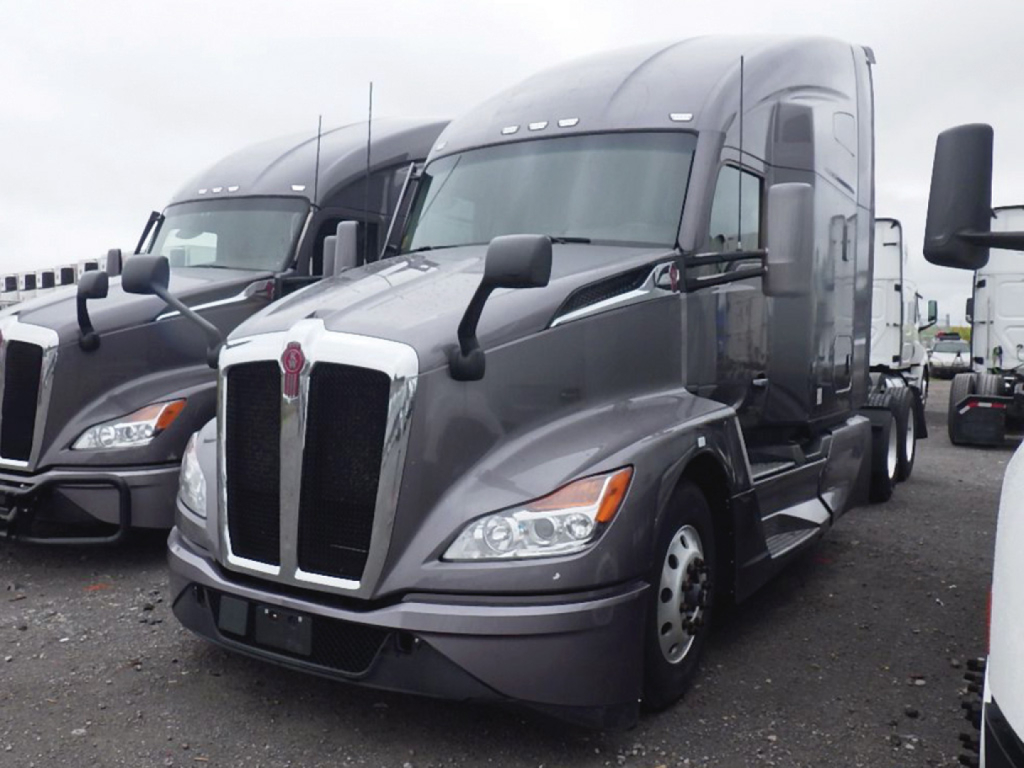
2023 Kenworth T-680 Next Gen
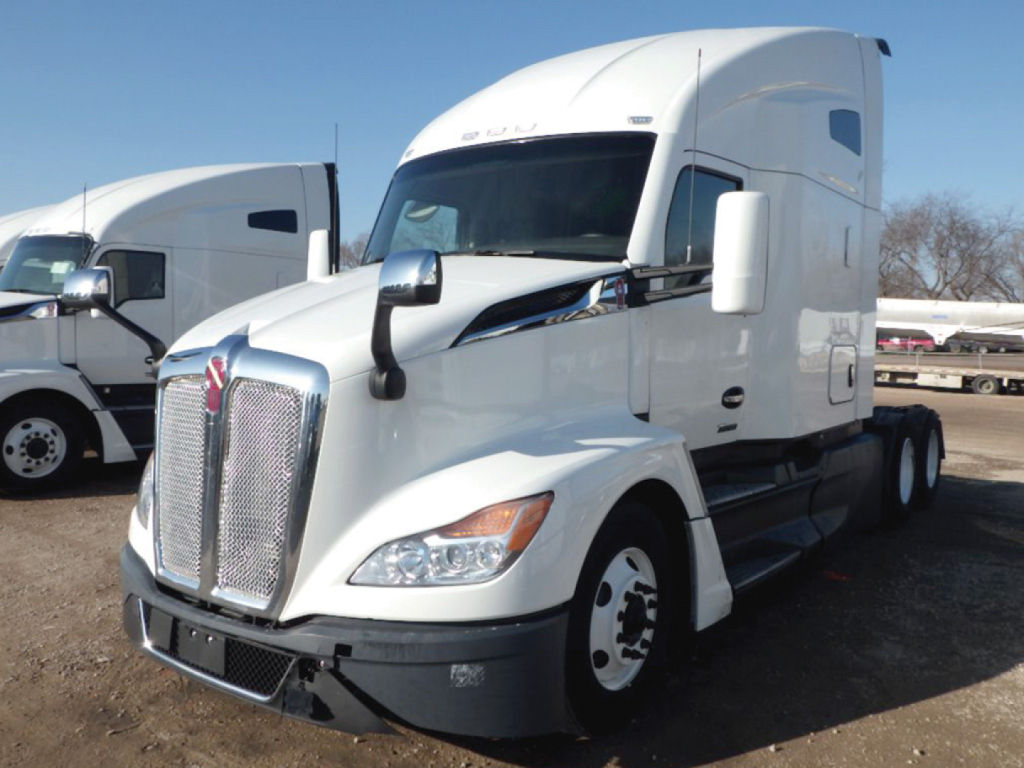
2023 Kenworth T-680 Next Gen
2023 Kenworth T-680 Next Gen
2023 Kenworth T-680 Next Gen
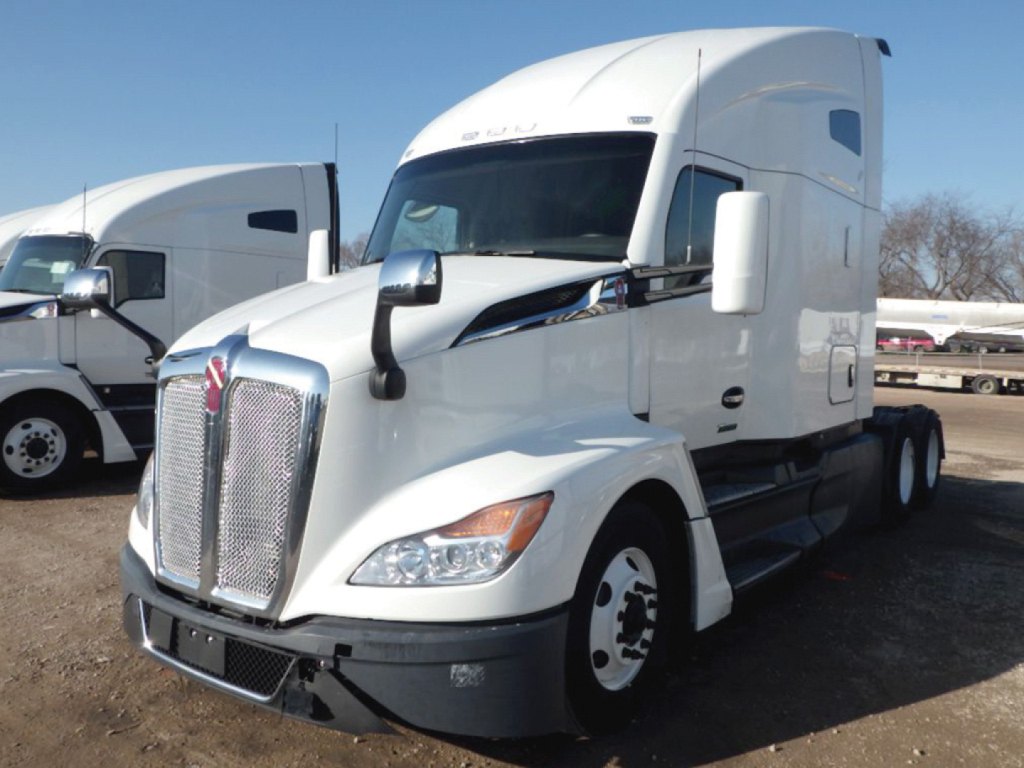
2023 Kenworth T-680 Next Gen
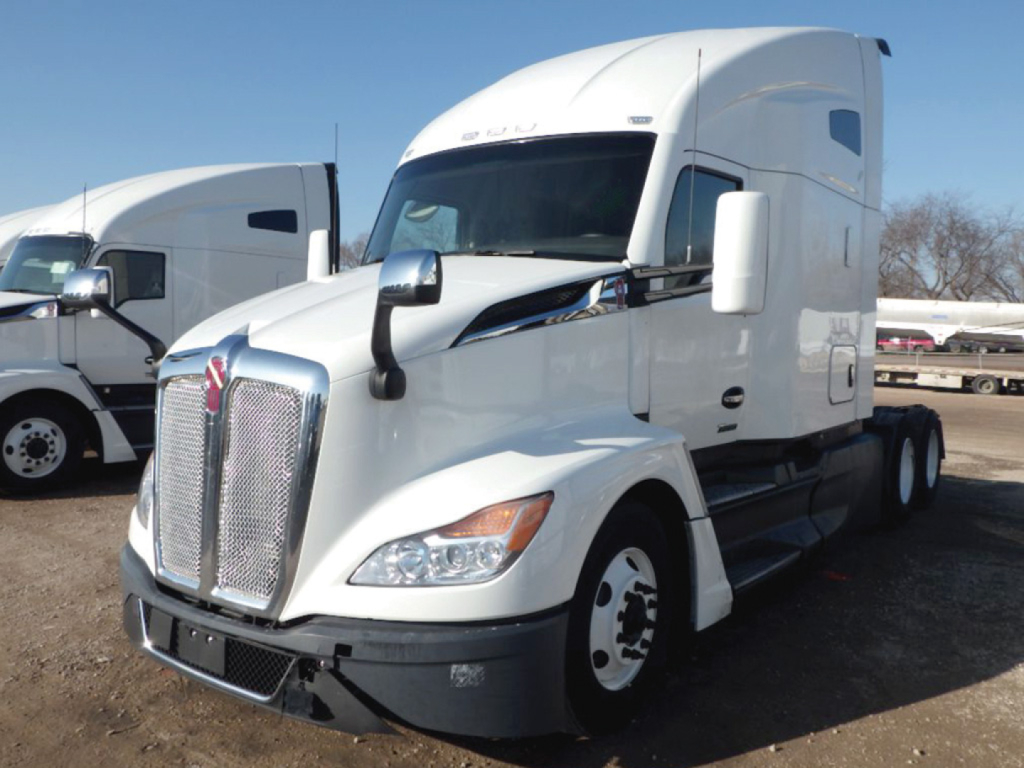
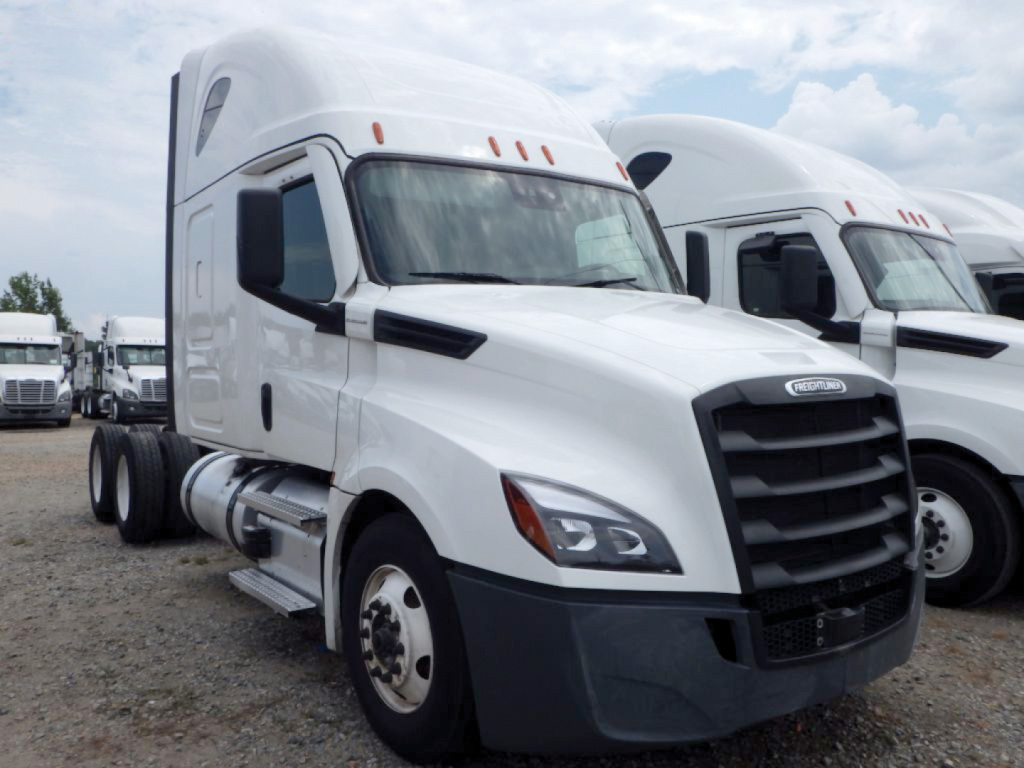
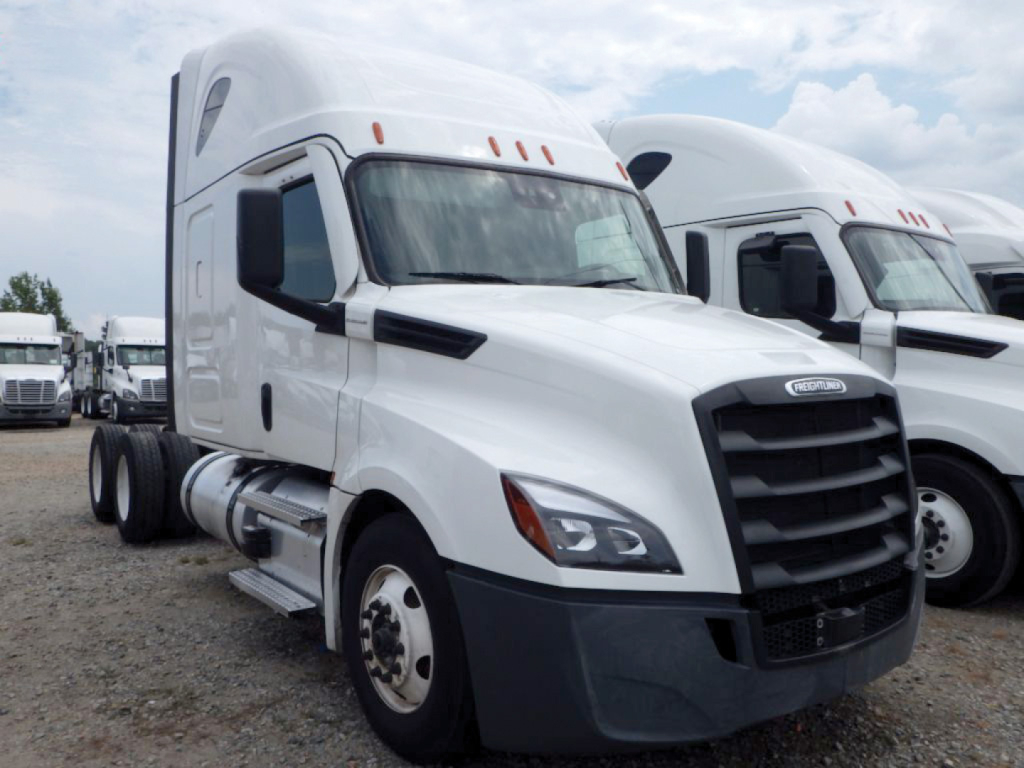
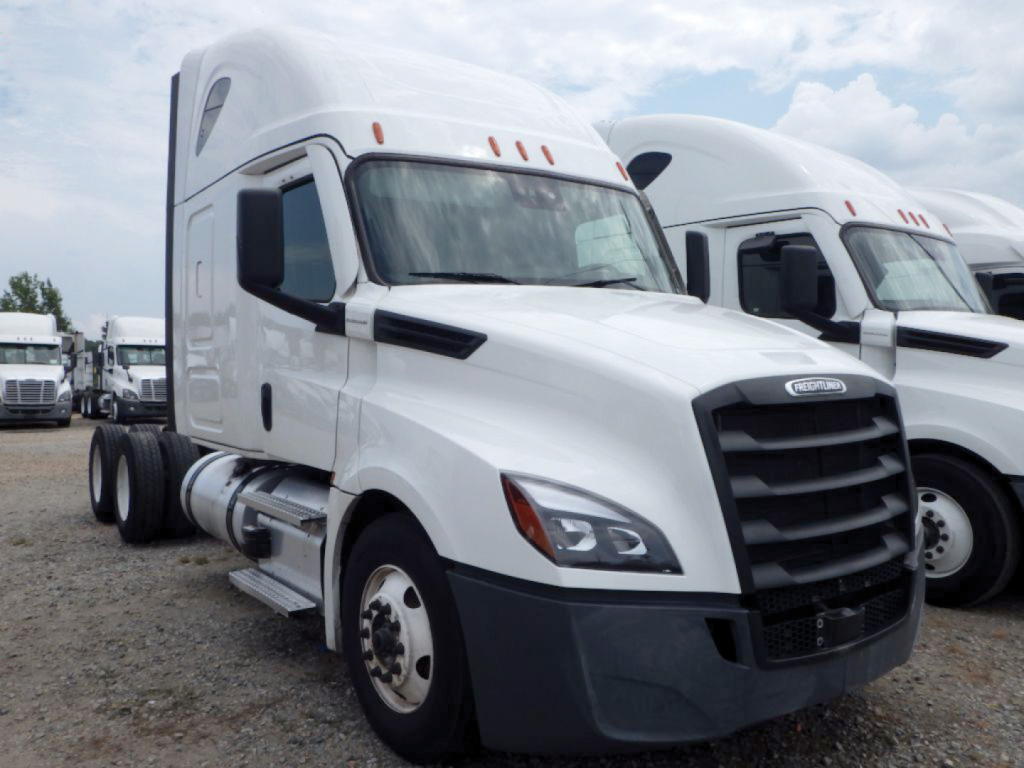
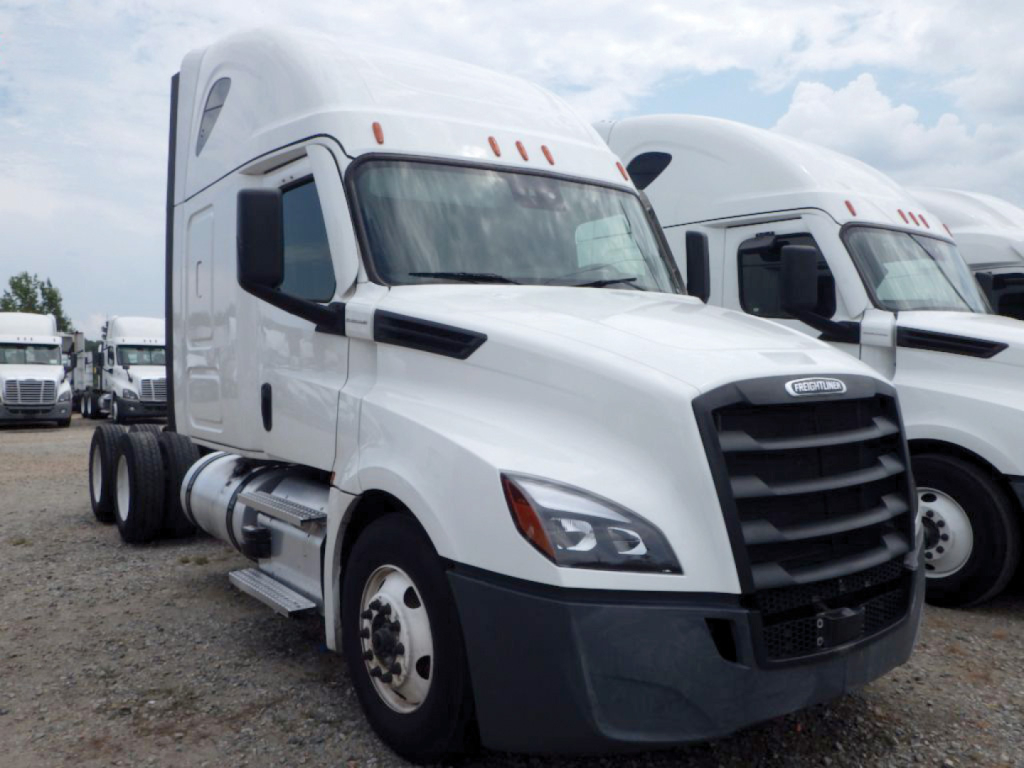
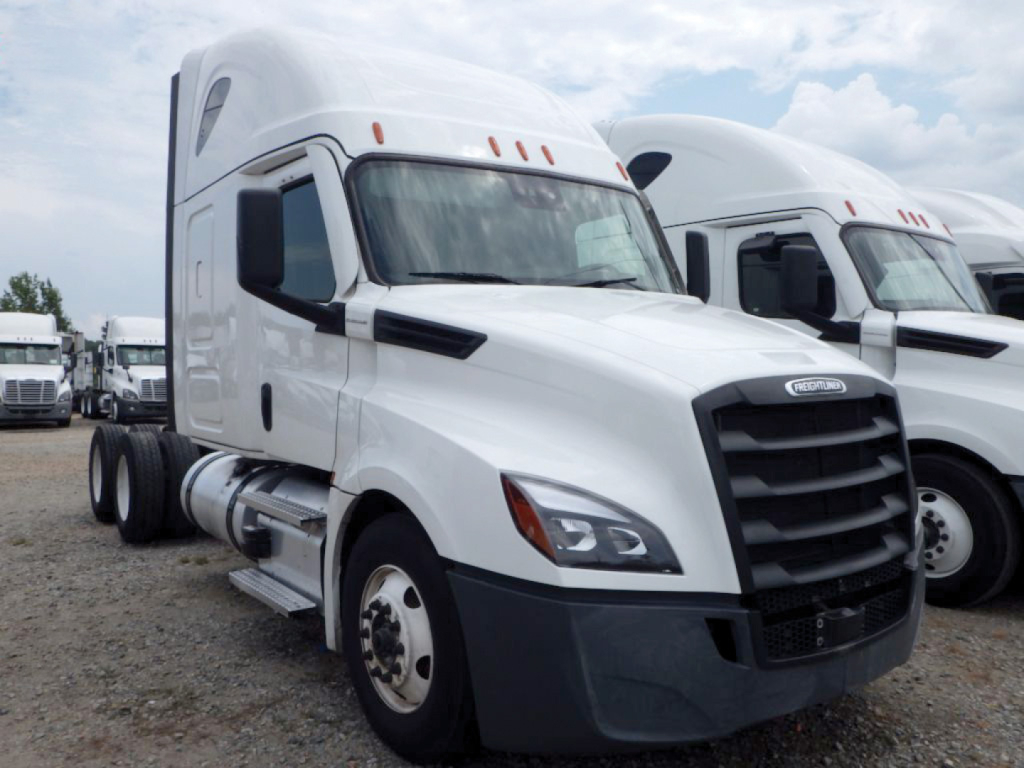
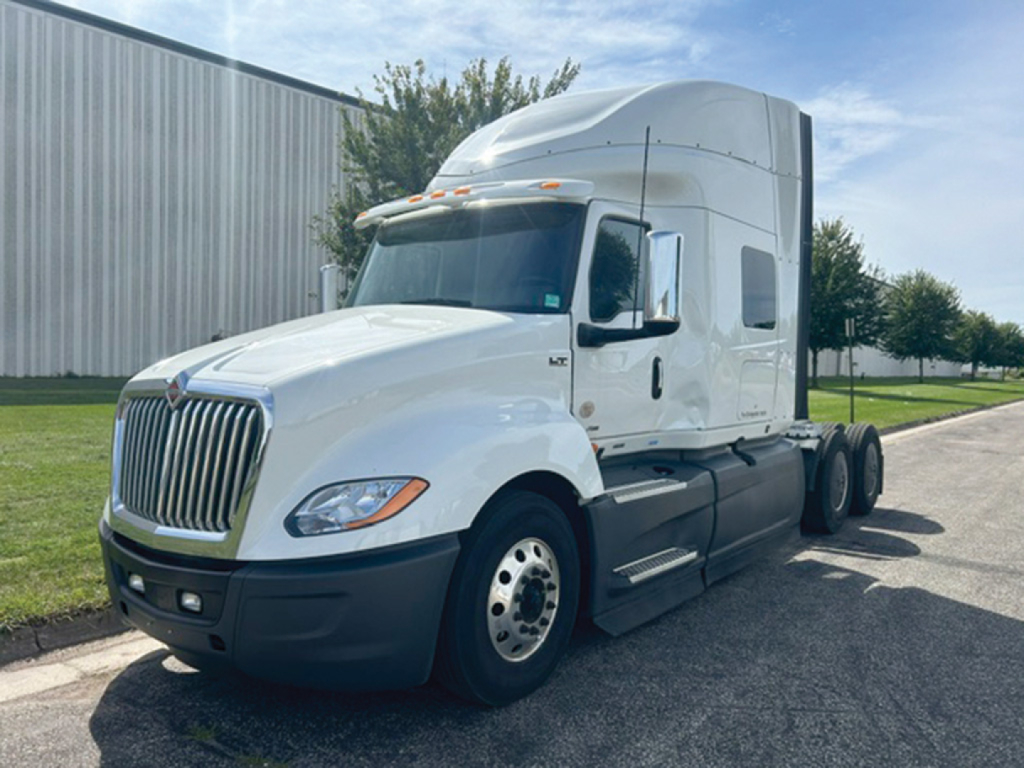
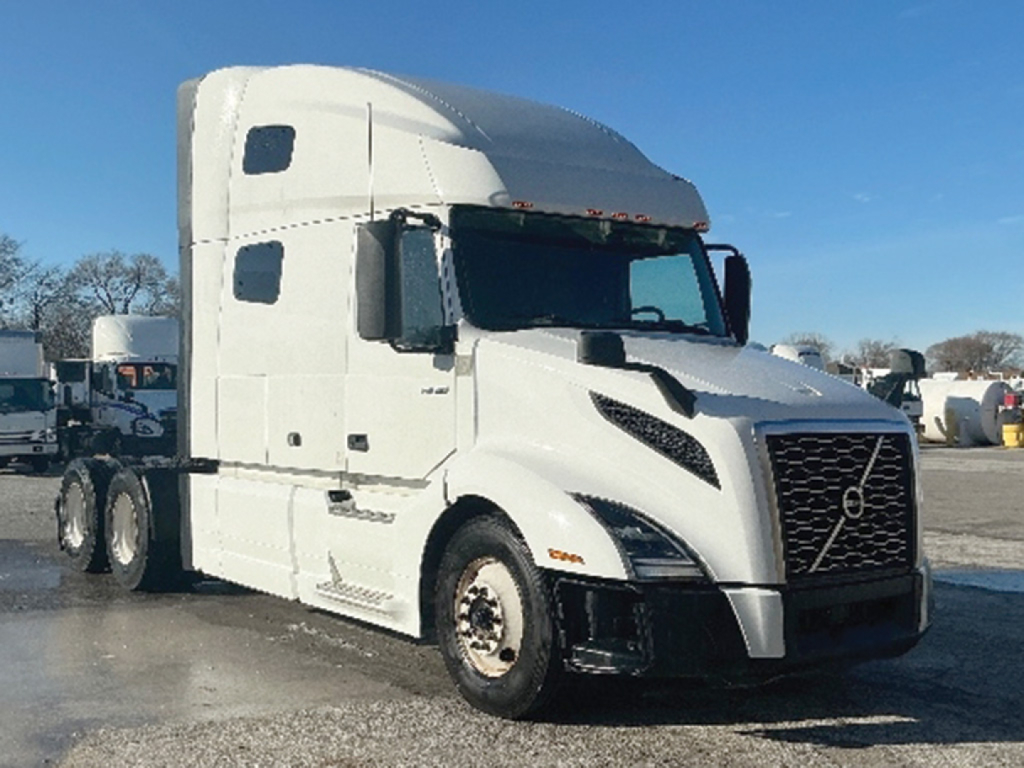

Looking for the easiest place to sell your used 2023 conventional sleeper truck? List it here to reach thousands of buyers.
Used 2023 Conventional Sleeper Trucks in Illinois
For most buyers, the key decisions start with sleeper size, engine rating, and rear axle ratio. Common sleeper configurations in this class range from mid-roof 48-inch sleepers up to 70-inch to 76-inch high-roof layouts with double bunks, workstation space, and more storage. Power usually falls in the 400 to 500 horsepower range, often paired with Detroit DD15, Cummins X15, PACCAR MX, International A26, or similar heavy-duty platforms. Automated transmissions dominate the segment, though some fleets still prefer manuals for specific driver groups or applications. Typical spec points include 12-speed automated gearboxes, 40,000 lb rear axles, wheelbases around 220 to 240 inches, and 2.47 to 3.08 rear ratios depending on fuel economy goals, terrain, and gross weight.
Illinois buyers often need a truck that can handle a mix of interstate linehaul, Chicago-area congestion, cold-weather starts, and stop-and-go terminal work. That makes driver-assist systems, engine brake performance, insulation, bunk HVAC, and durable interior trim worth close attention. Air slide fifth wheels remain common because they add flexibility across trailer lengths and kingpin settings. Aerodynamic packages such as roof fairings, cab extenders, side fairings, and chassis skirts matter more on long-haul lanes than many buyers realize, especially when fuel spend is a top operating cost. Brake type is another comparison point, with disc brakes gaining ground for stopping performance and easier service access in some operations.
A used 2023 conventional sleeper truck can be a strong fit for carriers that want current-generation technology without stepping into a brand-new price point. The best way to compare units in this category is by total operating spec, not just make and model. Look closely at engine hours versus odometer miles, warranty status, idle reduction equipment such as an APU, tire condition, service records, emissions history, and whether the truck was optimized for fuel economy or heavier pull. Cab layout, bunk height, storage, and driver comfort also matter because retention and uptime are directly tied to how livable the truck is on multi-day runs.
Frequently Asked Questions about Used 2023 Conventional Sleeper Trucks in Illinois
What is a conventional sleeper truck?
A conventional sleeper truck is a highway tractor with a hooded front end and an integrated sleeper compartment behind the cab. It is designed for over-the-road freight where drivers need rest space between loads. Compared with a day cab, a sleeper tractor adds bunk room, storage, and often larger fuel capacity, making it better suited for long-haul and multi-day routes.
What specs matter most when buying a used 2023 conventional sleeper truck?
The most important specs are sleeper size, engine model and horsepower, transmission type, rear axle ratio, wheelbase, and axle ratings. Buyers should also verify emissions system history, fifth wheel setup, brake type, tire size, and aerodynamic package. A truck spec'd for fuel-efficient van freight can be very different from one intended for heavier reefer or irregular-route work, even if both are 2023 sleepers.
Are automated manual transmissions standard in 2023 sleeper tractors?
Automated manual transmissions are very common in 2023 conventional sleeper trucks and are often the preferred setup for fleet use. They help with fuel economy consistency, driver onboarding, and reduced clutch wear. Manual transmissions still appear in some operations, but most late-model highway sleepers are spec'd with automated gearboxes from Eaton, Detroit, Mack, or other OEM-integrated systems.
What sleeper size is best for long-haul use?
For true long-haul service, many buyers prefer a 70-inch to 76-inch stand-up or high-roof sleeper because it provides better storage, easier movement inside the cab, and more comfort for multi-day runs. Mid-roof sleepers can work well for regional or shorter overnights where reduced weight and a slightly lower profile matter more than interior space. The right choice depends on route length, driver assignment, and how often the truck is used away from home base.
Why do rear axle ratio and wheelbase matter on a conventional sleeper?
Rear axle ratio and wheelbase have a direct effect on fuel economy, drivability, and application fit. Lower numerical ratios such as 2.64 or 2.79 are commonly chosen for highway fuel economy, while higher ratios may better support heavier loads or hillier terrain. Wheelbase affects ride quality, trailer gap, turning radius, and how the truck carries components like fairings, fuel tanks, and the fifth wheel position.