
Used 2026 Conventional Sleeper Trucks For Sale in Illinois
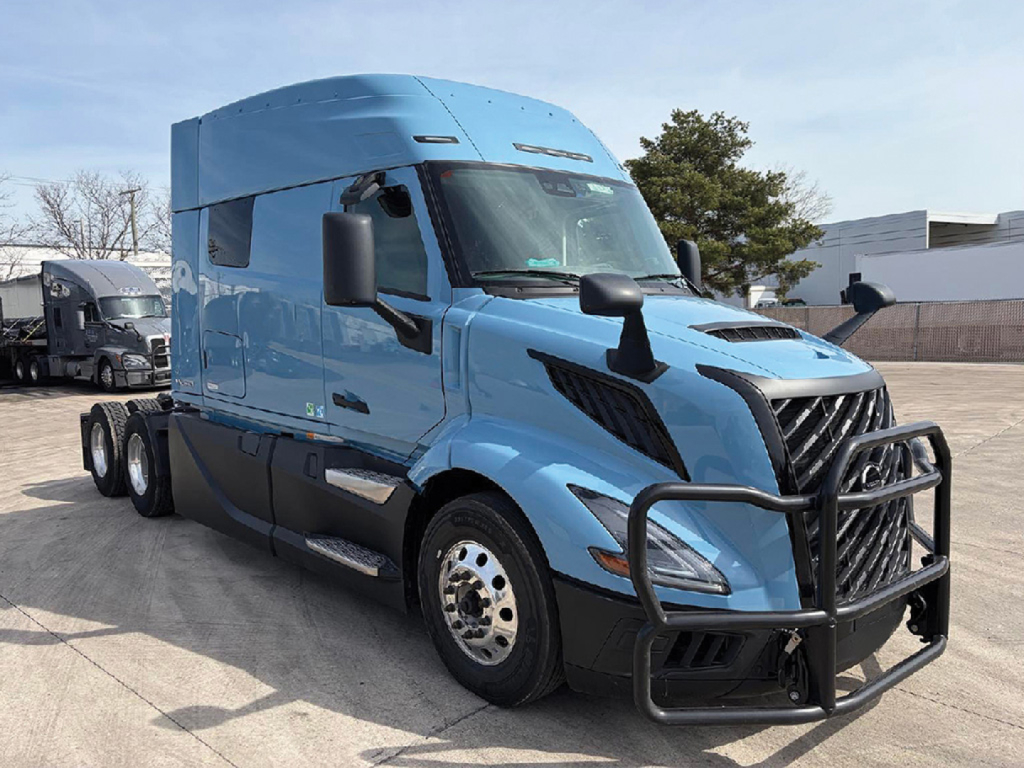
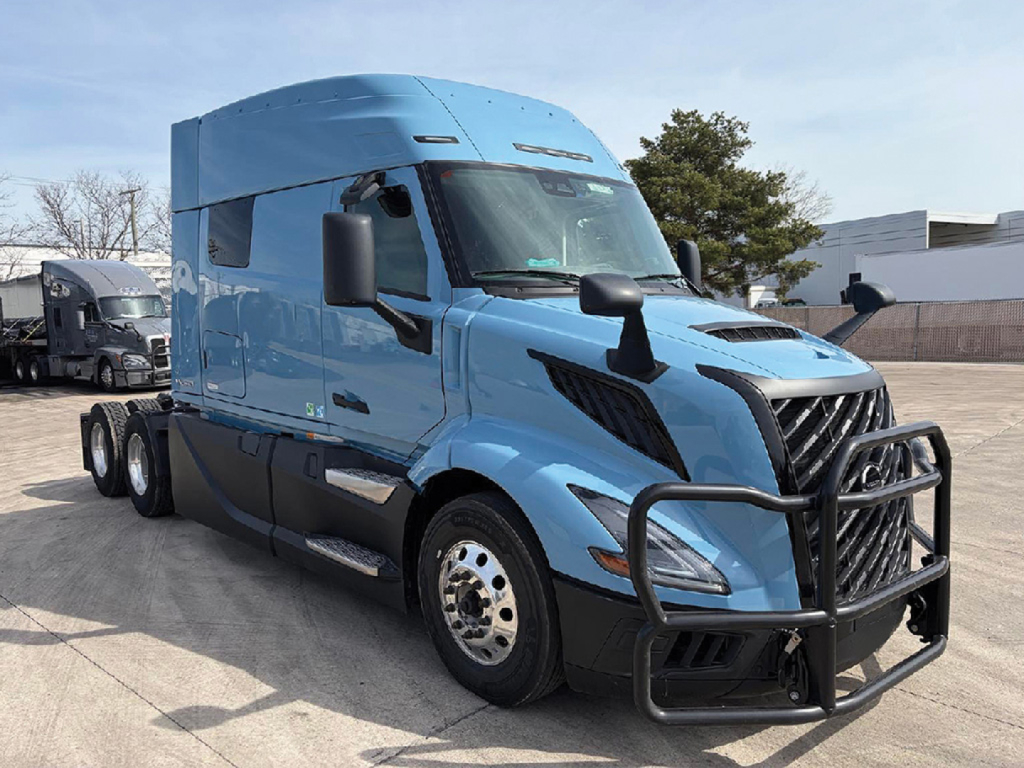
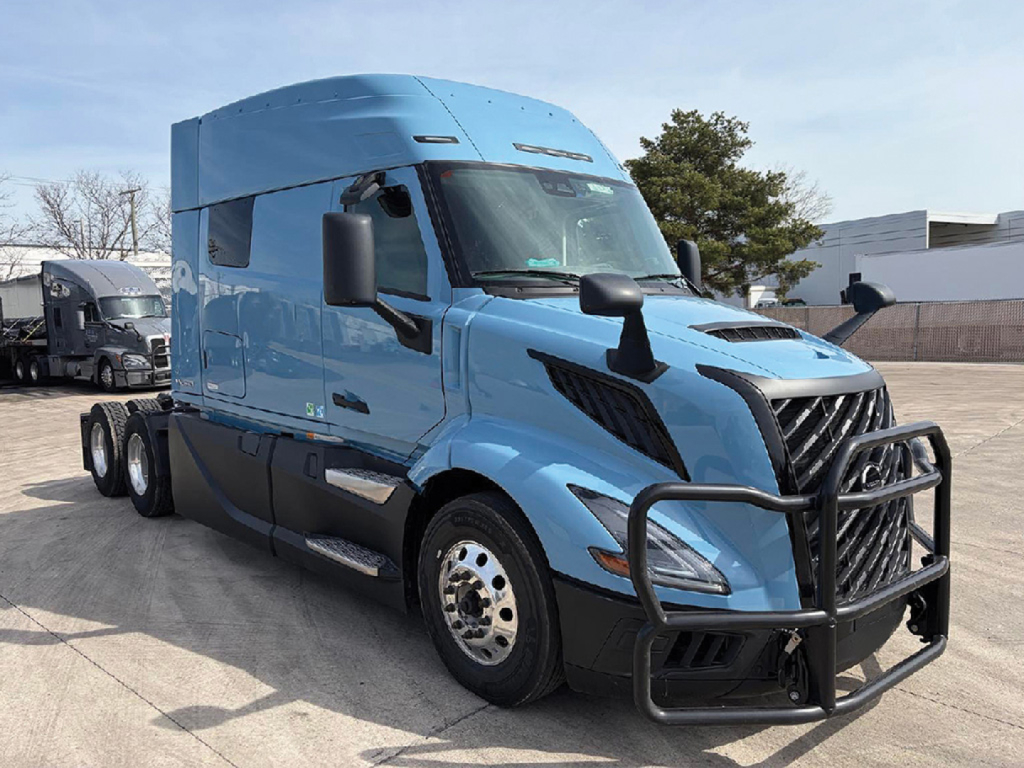
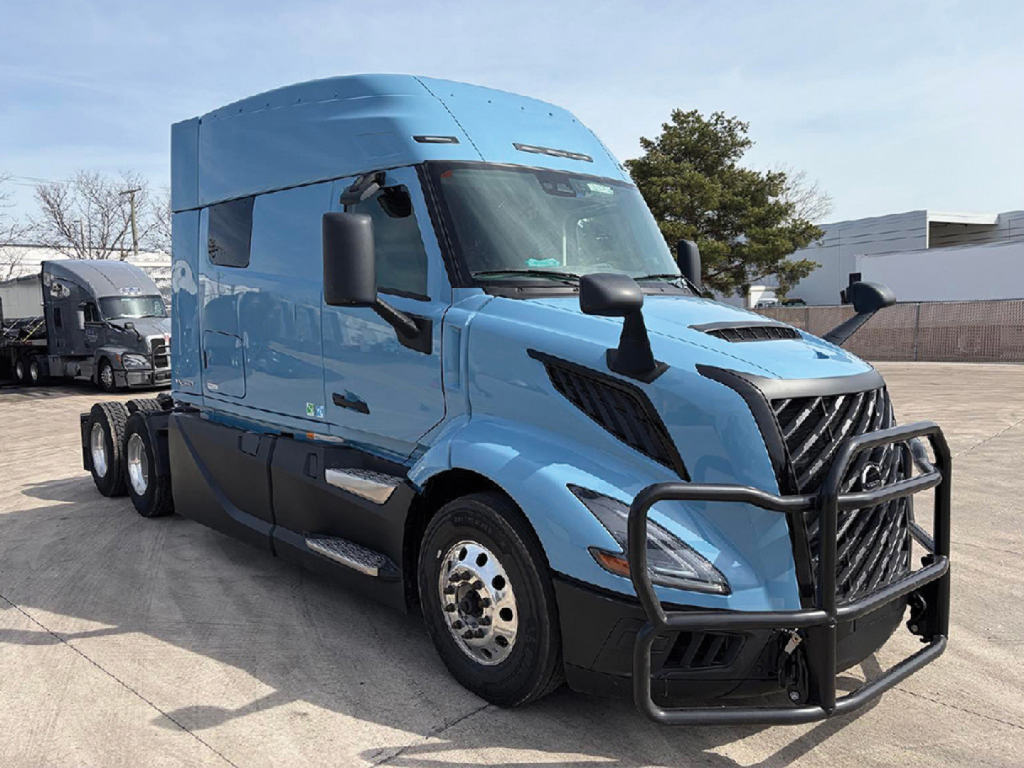
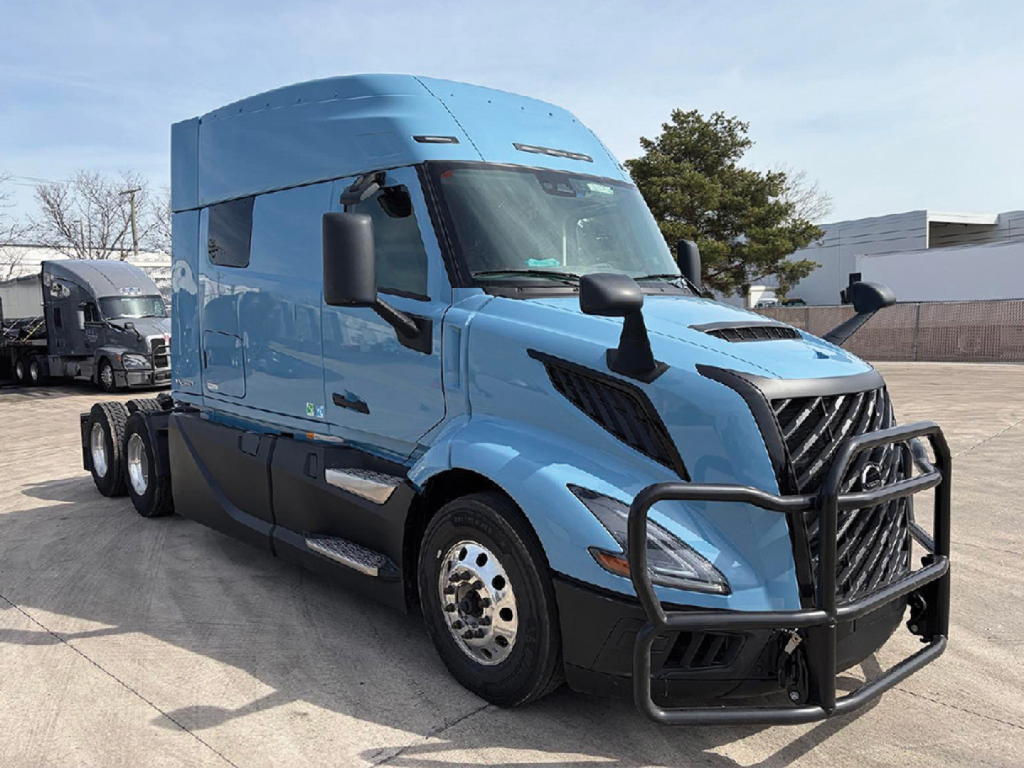
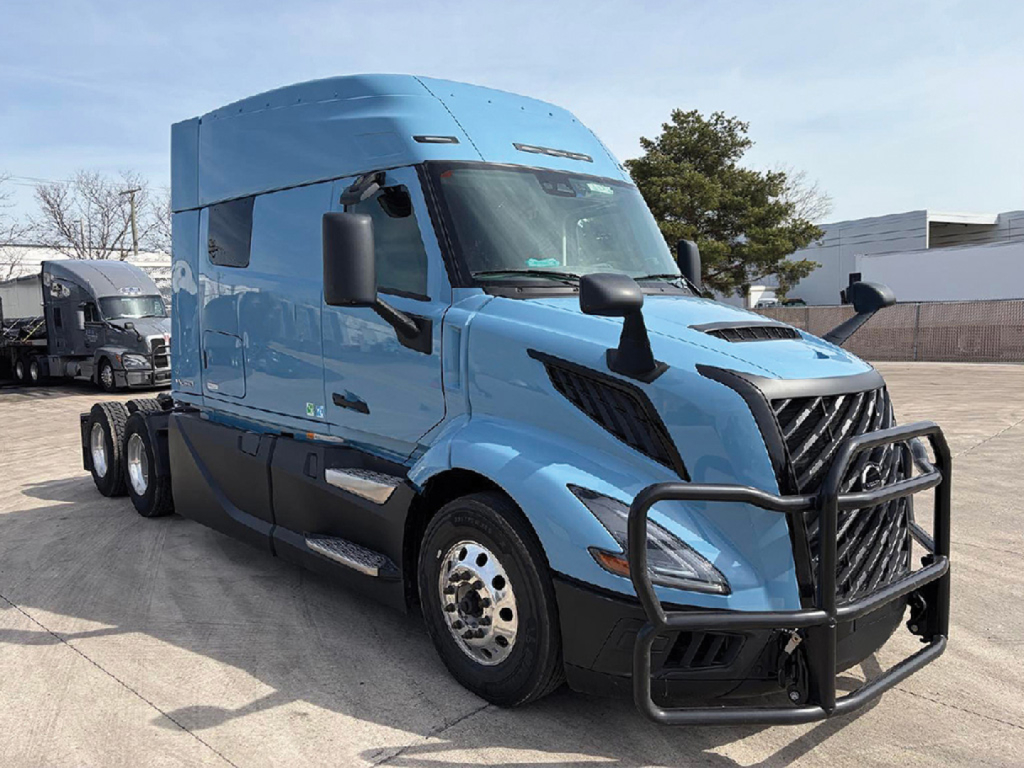
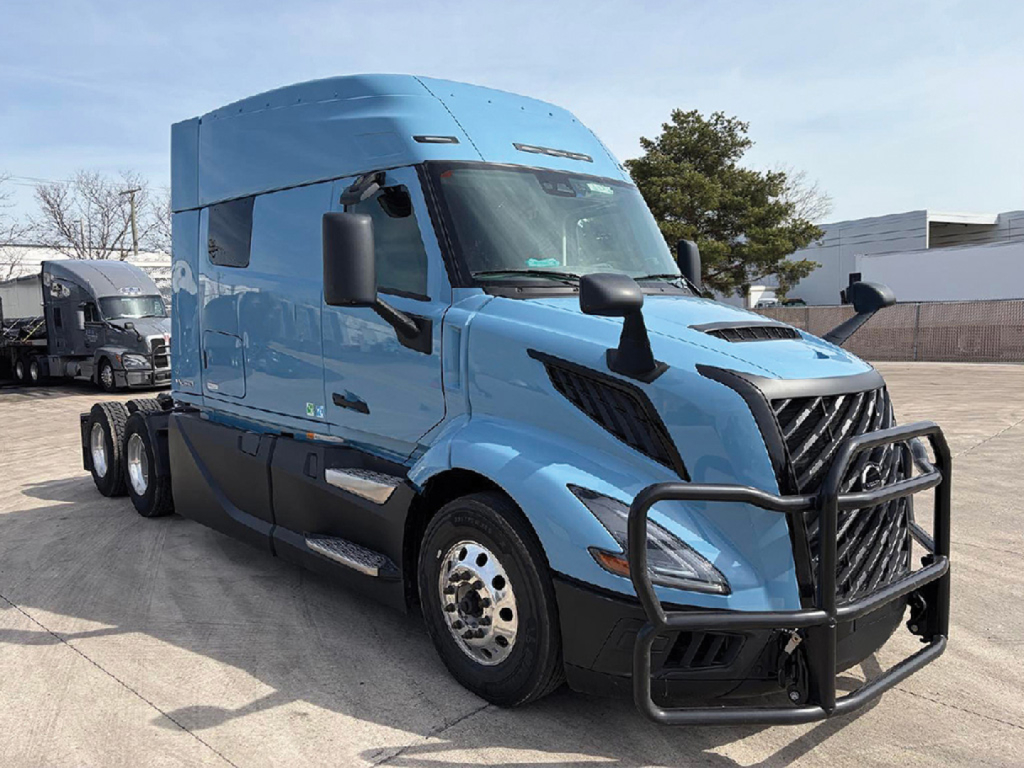
Have used 2026 conventional sleeper truck to sell? List it here to reach thousands of buyers.
Used 2026 Conventional Sleeper Trucks in Illinois
Powertrain selection drives operating cost. Most late-model conventional sleepers in this segment run 13-liter to 15-liter diesel engines from Cummins, Detroit, or Volvo, commonly rated around 400 to 455 horsepower. Automated transmissions such as the DT12, I-Shift, and Endurant-style units dominate this category because they help with fuel efficiency, driver retention, and consistency across fleets. Rear axle ratios like 2.16, 2.64, 2.79, and 3.08 tell you a lot about the truck’s intended duty cycle. A taller ratio generally favors fuel mileage on flat interstate lanes, while a deeper ratio can be better for heavier loads, more varied terrain, or lower-speed regional work. Wheelbase, often in the low-220-inch to mid-260-inch range, affects ride quality, trailer gap, bridge law flexibility, and turning radius.
For Illinois buyers, drivetrain and chassis spec should be matched to freight network and season. Tandem axle sleepers with 40,000-pound rears remain the standard for general dry van, reefer, and many flatbed operations. Some listings in this class may also include specialty configurations such as a single drive axle with liftable pusher for weight-sensitive applications. Air ride suspension, engine brakes, sliding fifth wheels, dual aluminum fuel tanks, side fairings, cab extenders, and low-profile 22.5 rubber are common. Disc brakes, collision mitigation systems, and adaptive driver-assist features are increasingly important on newer used trucks because they can improve stopping performance, reduce fatigue, and support fleet safety requirements.
The best used 2026 conventional sleeper truck is the one with a spec that matches your lanes, trailer type, and maintenance plan. Look closely at engine family, transmission model, fifth wheel setup, fuel capacity, tire size, and sleeper interior layout before focusing on cosmetic details. Service history, emissions warranty status, idle hours, and evidence of preventive maintenance matter more than trim package names. For long-haul applications, a well-spec'd sleeper with the right axle ratio, comfortable bunk, and proven automated drivetrain can lower cost per mile and keep the truck productive over a long replacement cycle.
Frequently Asked Questions about Used 2026 Conventional Sleeper Trucks in Illinois
What is a conventional sleeper truck used for?
A conventional sleeper truck is designed for over-the-road and multi-day freight hauling. It combines a highway tractor with an integrated sleeping compartment behind the cab, making it the standard choice for long-haul dry van, reefer, and many dedicated freight operations. Compared with a day cab, a sleeper tractor adds driver living space, more storage, and better suitability for routes that require overnight stops or team driving.
What sleeper size is most common on a conventional sleeper tractor?
Common sleeper sizes in this category are typically 72-inch to 76-inch raised-roof configurations, often with an upper bunk. That size range gives a good balance of driver comfort, storage, and overall tractor length. Buyers should pay attention to bunk layout, cabinet space, bunk heater, climate control, and mattress arrangement, because those details affect driver retention and real-world usability more than the published sleeper dimension alone.
How do axle ratios affect a used conventional sleeper truck?
Axle ratio has a direct effect on fuel economy, cruising RPM, startability, and how the truck performs with different trailer weights. Ratios such as 2.16 or 2.64 are often chosen for fuel-efficient highway use on flatter lanes, while 2.79 or 3.08 may be better for heavier freight, more stop-and-go work, or routes with rolling terrain. The right ratio depends on engine torque curve, transmission gearing, average gross weight, and your typical road speed.
Are automated manual transmissions standard in newer sleeper trucks?
Yes. Automated manual transmissions are now standard across much of the late-model conventional sleeper market. Units such as the Detroit DT12, Volvo I-Shift, and similar transmissions help improve fuel consistency, reduce driver training time, and lower clutch-related wear compared with traditional manuals. For many fleets and owner-operators, an automated transmission also improves resale appeal because it fits current driver preferences and mainstream over-the-road applications.
What should Illinois buyers check on a used 2026 conventional sleeper truck?
Illinois buyers should focus on corrosion exposure, tire condition, brake type, heater and HVAC performance, and whether the truck’s spec fits Midwest freight lanes. Look for service records, idle hours, aftertreatment history, and signs of proper maintenance on suspension, wheel seals, and emissions components. It is also smart to confirm wheelbase, fifth wheel travel, and rear axle capacity so the tractor matches the trailers and load weights it will actually pull.