
Used 2026 Conventional Sleeper Trucks For Sale
Shop used 2026 conventional sleeper trucks with modern aero cabs, high-roof sleepers, automated manuals, and long-haul specs.
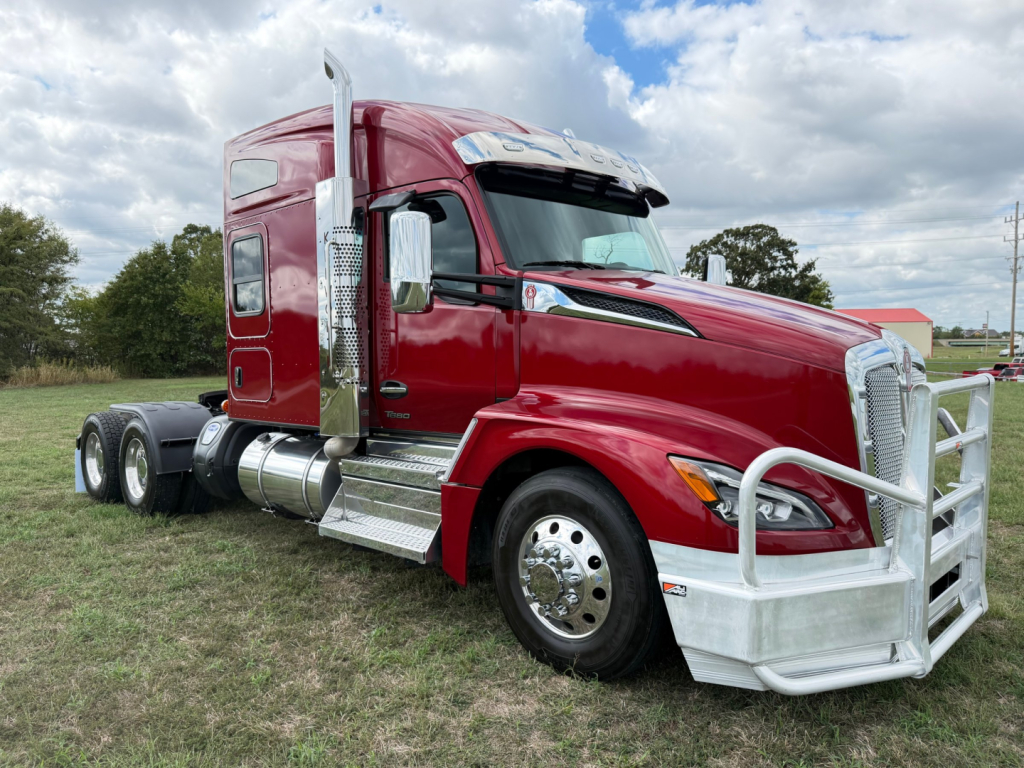
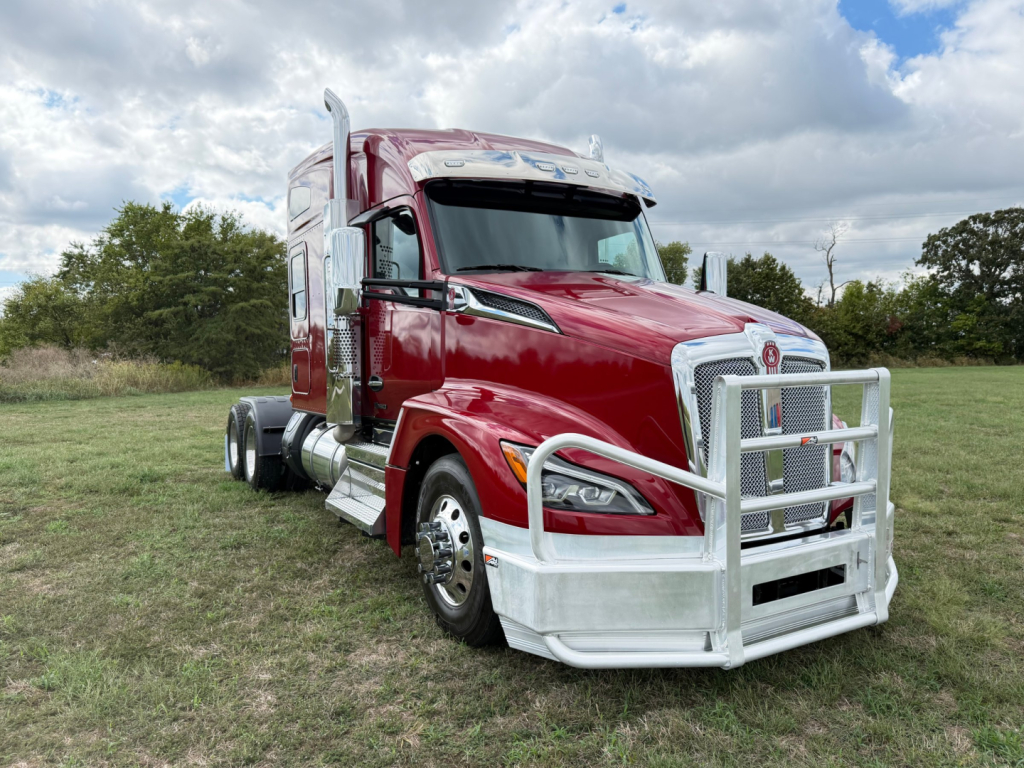

Selling a used 2026 conventional sleeper truck? List your used 2026 conventional sleeper truck for sale and reach thousands of commercial buyers.
Used 2026 Conventional Sleeper Trucks
The most common powertrain on late-model conventional sleepers is a 12 to 15 liter diesel paired with an automated manual transmission. Typical ratings fall in the 400 to 500 horsepower range with torque from 1,450 to 1,850 lb-ft, depending on duty cycle and fuel economy goals. Fleet-spec trucks often carry 2.47, 2.64, or 2.85 rear axle ratios to keep cruise RPM down, while heavier or more mixed-use applications may step up to a shorter ratio. Tandem rear axles at 40,000 pounds are standard, and wheelbases often land between about 220 and 240 inches depending on sleeper length, fairing package, and fifth wheel travel needs. Air slide fifth wheels, full fairings, dual aluminum fuel tanks, engine brakes, and air ride suspension are common features buyers expect in this model year range.
Sleeper layout matters more than many first-time buyers expect. A 70 to 80 inch high-roof sleeper typically offers the best balance for long-haul work, with room for upper bunk options, storage cabinets, inverter setups, bunk heaters, refrigerator space, and TV or microwave mounts. Drivers running irregular routes or long dwell times often look for an APU or parking heater to cut idle time and improve comfort. Safety and uptime also carry more weight on a 2026 conventional sleeper than on older trucks. Collision mitigation, lane departure warning, adaptive cruise functions, disc brakes on some specs, and integrated telematics are increasingly common. For buyers comparing used 2026 trucks, emissions warranty status, service history, aftertreatment performance, and software campaign completion are just as important as miles and engine hours.
Application should drive the final spec choice. A fuel-mileage-focused dry van operation may prefer an aero package, downsped drivetrain, and lighter wheelbase. Reefer and team freight often benefit from a larger sleeper, more battery reserve, and idle-reduction equipment. Flatbed and specialized freight can call for different wheelbase targets, axle ratios, and frame space depending on headache rack, tool storage, or wet kit plans. The best used conventional sleeper truck is not simply the newest or lowest-mile example. It is the one with the right sleeper configuration, drivetrain match, and maintenance profile for the lanes it will actually run.
Frequently Asked Questions about Used 2026 Conventional Sleeper Trucks
What is a conventional sleeper truck?
A conventional sleeper truck is a highway tractor with a hooded engine design and a built-in sleeping compartment behind the cab. It is the standard choice for long-haul trucking because it combines road comfort, fuel-efficient aerodynamics, and space for rest, storage, and driver amenities. In the used market, conventional sleepers are commonly spec'd for dry van, reefer, flatbed, and dedicated freight operations.
What specs matter most when buying a used 2026 conventional sleeper truck?
The key specs are engine make and horsepower, transmission type, rear axle ratio, sleeper size, wheelbase, and maintenance history. Buyers should also verify tandem axle rating, fifth wheel setup, fuel capacity, idle-reduction equipment, and safety systems such as collision mitigation. On a late-model truck, aftertreatment condition, software updates, and any remaining factory warranty can have a major effect on operating cost.
What sleeper size is best for over-the-road trucking?
For most over-the-road applications, a 70 to 80 inch raised-roof sleeper is the most practical setup. It gives drivers enough room for standing height, an upper bunk or extra storage, and common comfort features like an inverter, bunk heater, fridge space, or microwave mount. Smaller sleepers can work for regional operations, but long-haul and team applications usually benefit from the added room and storage of a larger high-roof design.
Are automated manual transmissions standard in late-model conventional sleepers?
Yes, most late-model conventional sleeper trucks are equipped with automated manual transmissions rather than traditional manuals. These transmissions help with fuel economy, simplify driver onboarding, and reduce clutch-related wear. Buyers should still confirm software calibration, clutch life, shift quality, and whether the drivetrain gearing matches the truck's intended lane speed and gross weight.
Is a lower rear axle ratio better on a sleeper truck?
A lower numerical ratio such as 2.47 or 2.64 is usually better for fuel-efficient highway cruising because it keeps engine RPM lower at road speed. That said, the best ratio depends on average gross weight, terrain, tire size, transmission gearing, and target cruise speed. Trucks that run heavier freight, steep grades, or more stop-and-go work may perform better with a shorter ratio such as 2.85 or higher.