
Used 2026 Volvo Conventional Sleeper Trucks For Sale in Illinois
Have used 2026 volvo conventional sleeper truck to sell? List it here to reach thousands of buyers.
Used 2026 Volvo Conventional Sleeper Trucks in Illinois
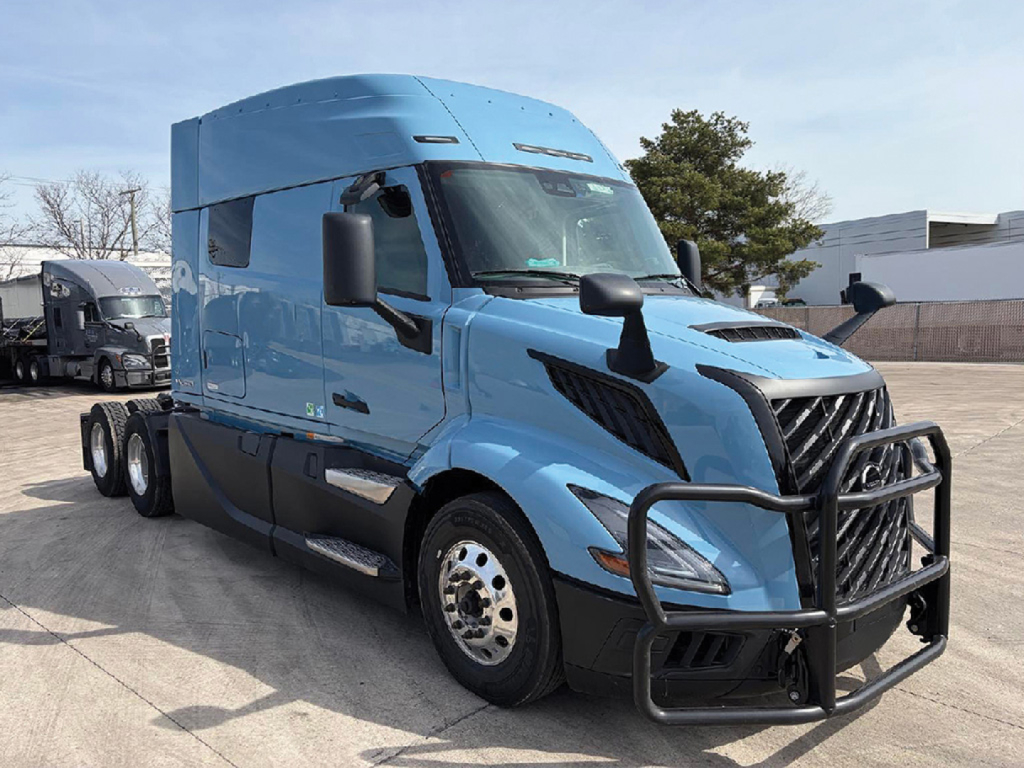
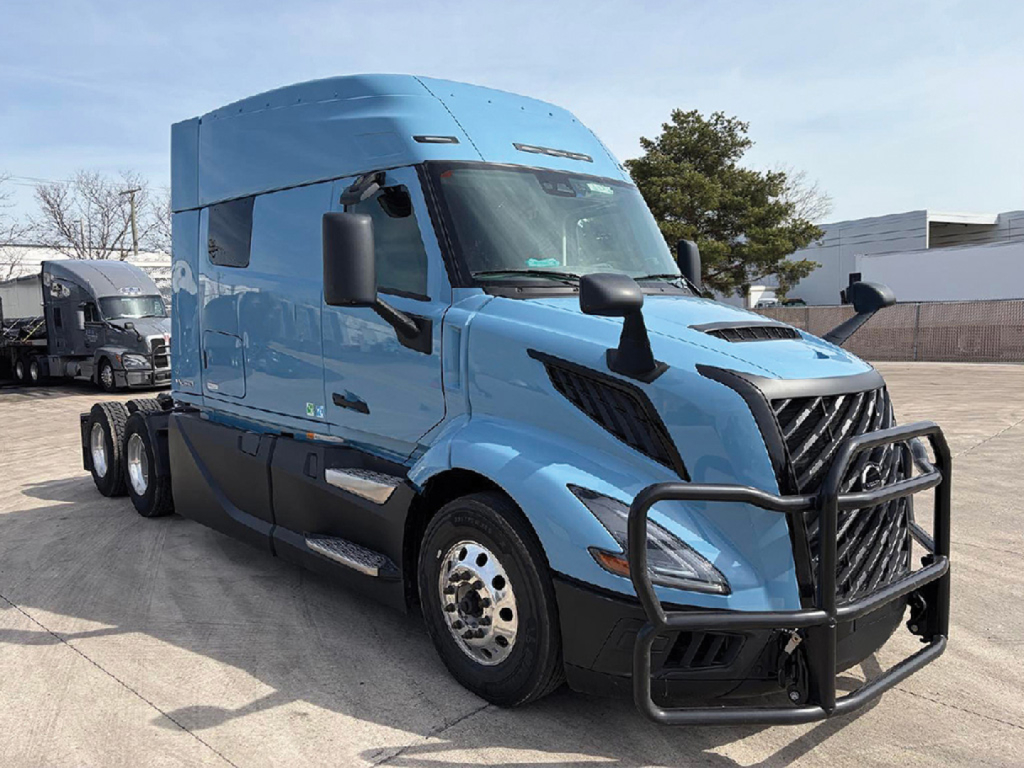
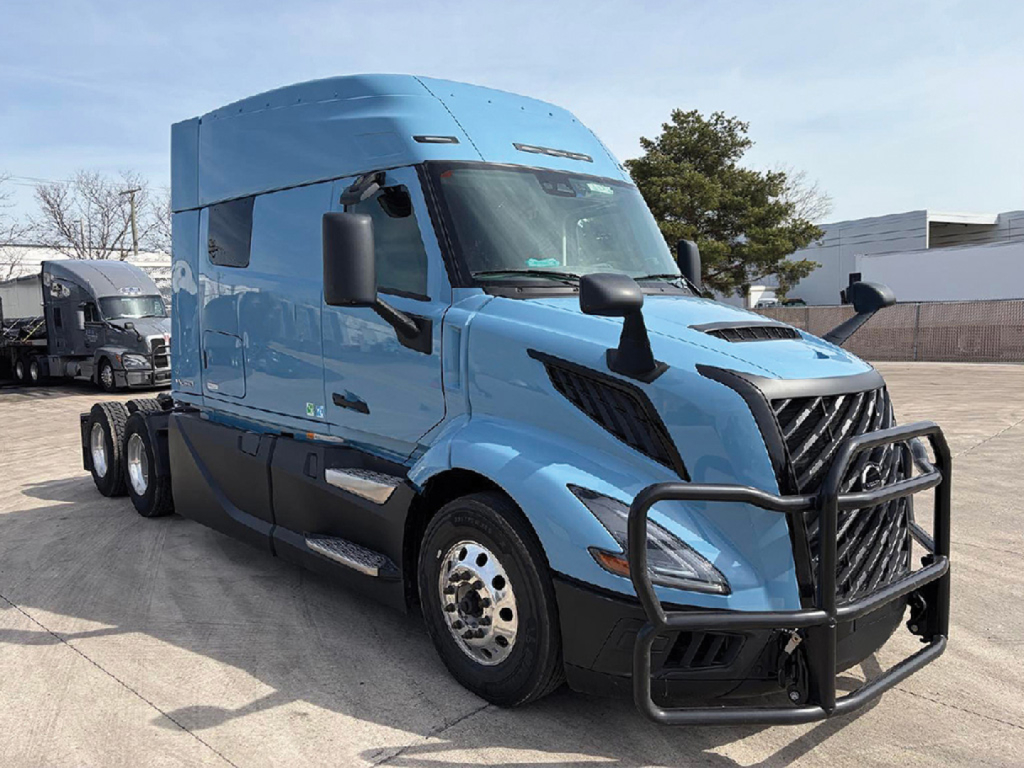
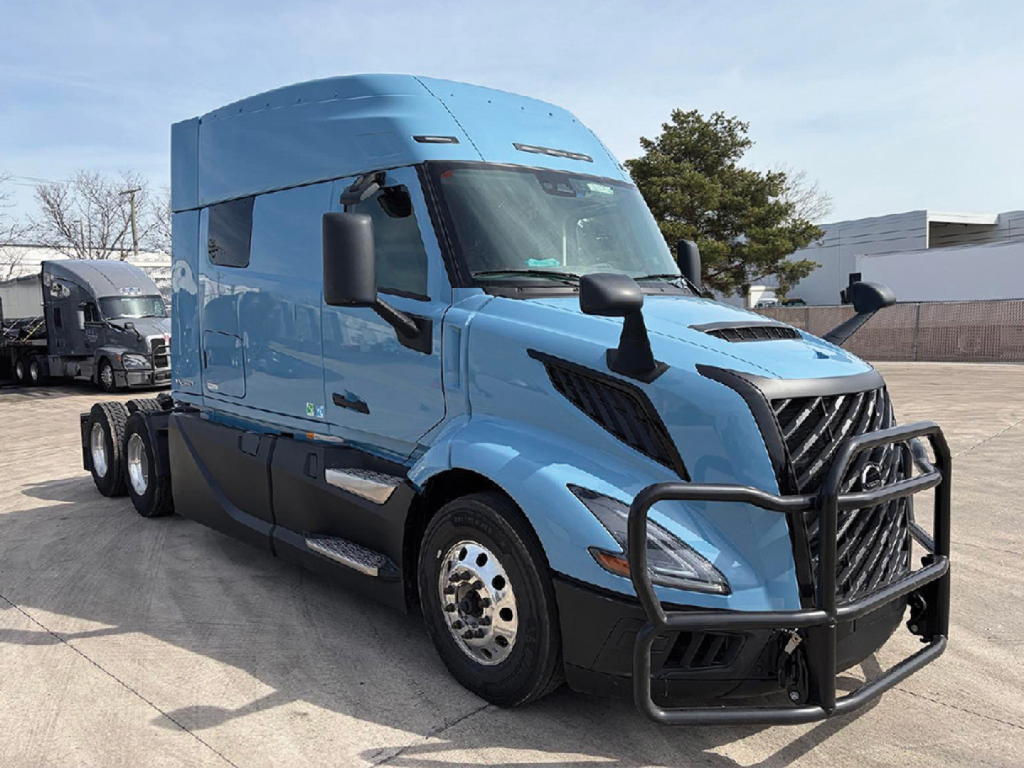
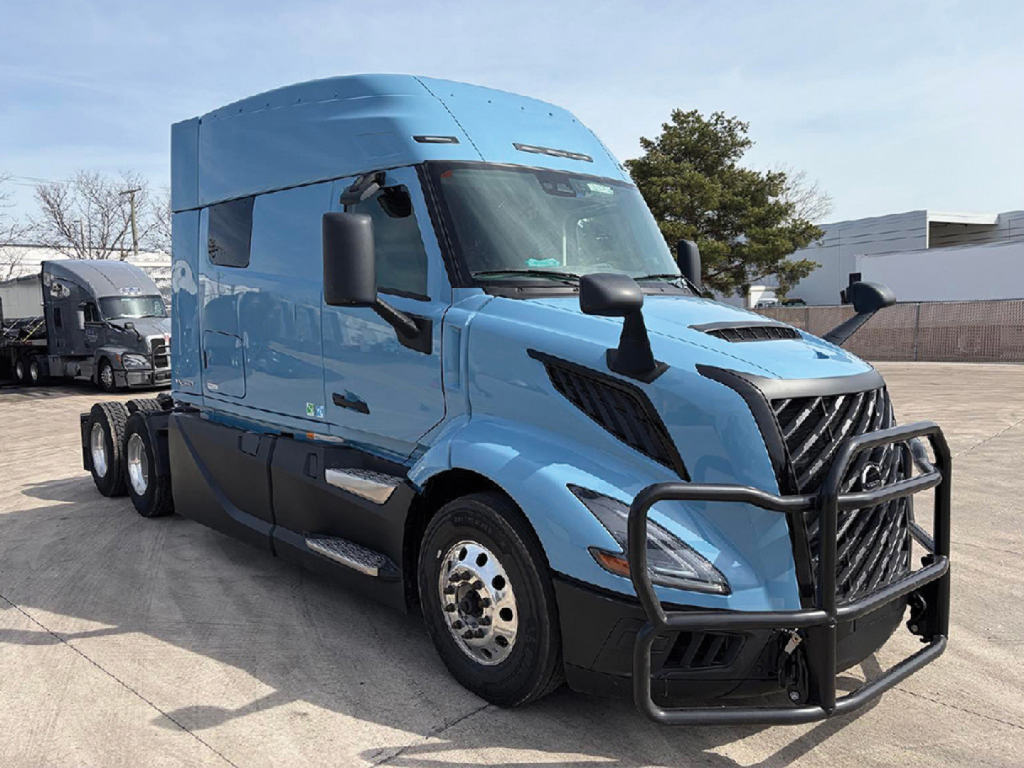
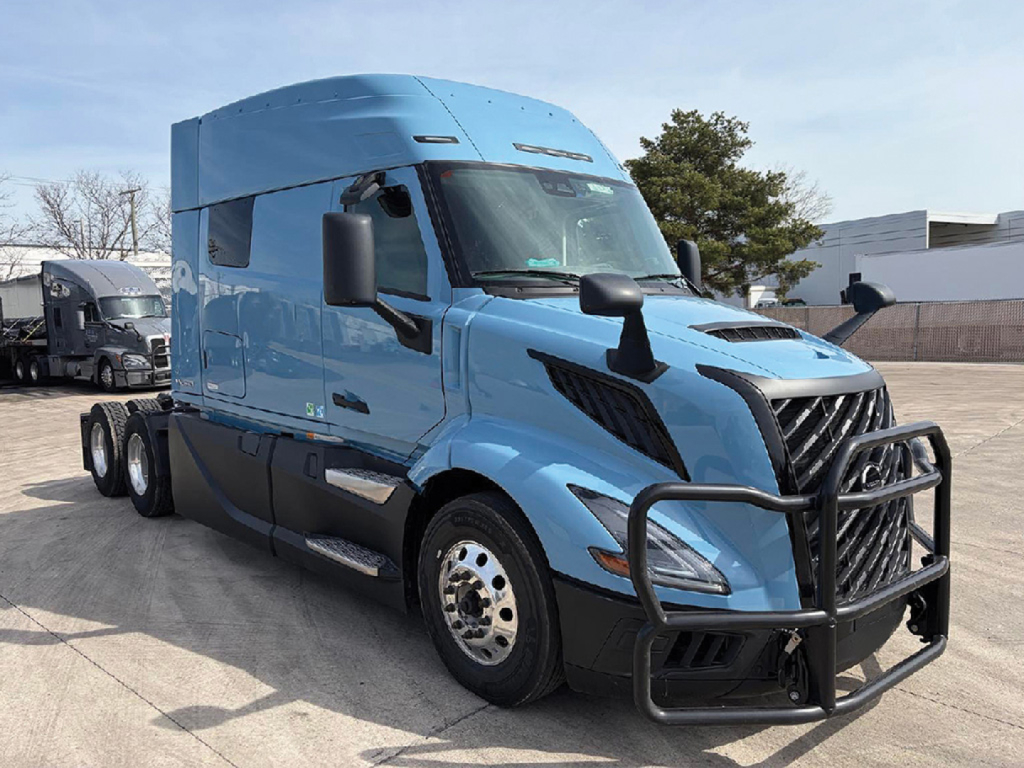
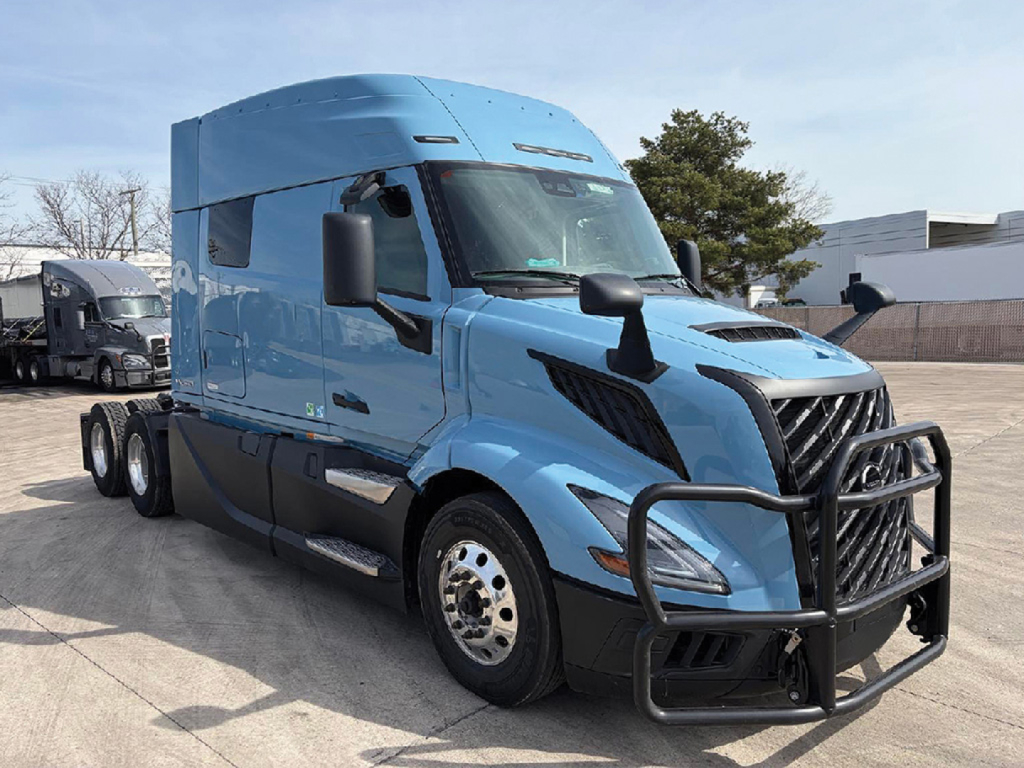
A 2026 Volvo conventional sleeper often comes with 425 to 455 horsepower, an engine brake, and a downsped driveline designed to keep the truck efficient at cruise speed. Ratios such as 2.15, 2.47, or 3.08 each point to a different job focus. Lower numerical ratios generally favor over-the-road fuel mileage on flat to rolling lanes, while a deeper ratio can make more sense for heavier freight or more varied terrain. Many late-model VNL sleepers are equipped with disc brakes, low-profile 22.5 tires, aluminum wheels, dual fuel tanks, and aerodynamic features like side fairings, cab extenders, and quarter fenders. In Illinois, those specs matter for carriers running I-55, I-57, I-70, and I-80 where fuel cost, seasonal weather, and interstate mileage all influence total operating cost.
The sleeper itself is a major buying point. Volvo conventional sleepers are known for practical driver accommodations, with common features including upper bunks, bunk heaters, refrigerators, shore power kits, premium interiors, digital dash layouts, and workstations on higher-spec trucks. Models such as the VNL 760, VNL 840, and VNL 860 differ mainly in sleeper size and interior packaging, so the right choice depends on haul length and driver retention priorities. A fleet running teams or extended OTR schedules may prioritize larger sleeper space and storage, while a regional operation may lean toward a shorter wheelbase and simpler interior spec. Air slide or adjustable fifth wheels also add flexibility for changing trailer lengths and kingpin settings.
For a used 2026 Volvo sleeper, the best evaluation goes beyond mileage alone. Buyers should review D13 service history, I-Shift software and clutch calibration records, brake and tire wear, aftertreatment condition, collision mitigation components, and any signs of fairing or bumper damage from yard use. It also pays to confirm axle configuration, pusher axle presence if applicable, rear suspension type, and the exact transmission model, since those details affect resale value and route suitability. A well-spec’d Volvo conventional sleeper can be a strong fit for dry van, reefer, and general freight operations where uptime, driver comfort, and fuel efficiency carry equal weight.
Frequently Asked Questions about Used 2026 Volvo Conventional Sleeper Trucks in Illinois
What engine and transmission are common in a used 2026 Volvo conventional sleeper truck?
Most used 2026 Volvo conventional sleeper trucks are equipped with a Volvo D13 diesel engine and a Volvo I-Shift automated manual transmission. Horsepower commonly falls in the 425 to 455 HP range, and many trucks include an engine brake, integrated powertrain controls, and fuel-efficiency-oriented driveline specs. This combination is popular because it balances highway performance, driver ease of use, and low fatigue in long-haul service.
What is the difference between Volvo VNL 760, VNL 840, and VNL 860 sleeper models?
The main difference is sleeper size and interior layout. The VNL 760 is typically a mid-roof or high-roof long-haul sleeper with a practical balance of space and maneuverability. The VNL 840 and VNL 860 generally provide larger sleeper accommodations and more room for storage, appliances, and driver amenities. Buyers should match the sleeper size to trip length, team driving needs, and the importance of driver comfort in their operation.
Are 2.15 rear axle ratios good for a Volvo sleeper truck?
A 2.15 rear axle ratio is typically chosen for downsped highway operation and fuel economy, especially when paired with an overdrive automated transmission and a D13 engine. It can be an excellent fit for dry van and reefer carriers running lighter to moderate loads on interstate routes. For heavier freight, steeper grades, or more start-stop work, some buyers may prefer a deeper ratio such as 2.47 or 3.08 to improve launch feel and gradeability.
What should I inspect on a used 2026 Volvo VNL sleeper before buying?
Focus on complete maintenance records, engine and aftertreatment performance, transmission operation, brake condition, tire wear pattern, suspension health, and any fault codes related to safety systems. Also inspect the sleeper components, including HVAC, bunk heater, refrigerator, digital dash functions, and shore power equipment if installed. Cosmetic condition on fairings, bumper corners, and cab extenders can also reveal how the truck was used and maintained.
What type of freight are Volvo conventional sleeper trucks best suited for?
Volvo conventional sleeper trucks are widely used in over-the-road dry van, refrigerated freight, dedicated contract carriage, and regional linehaul applications. Their aerodynamic cab design, integrated powertrain, and comfortable sleeper layout make them especially well suited for carriers that prioritize fuel economy and driver retention. The exact fit depends on axle ratio, wheelbase, fifth wheel setup, and whether the truck is spec’d for lighter van freight or heavier general commodities.