
Used 2026 Volvo Conventional Sleeper Trucks For Sale
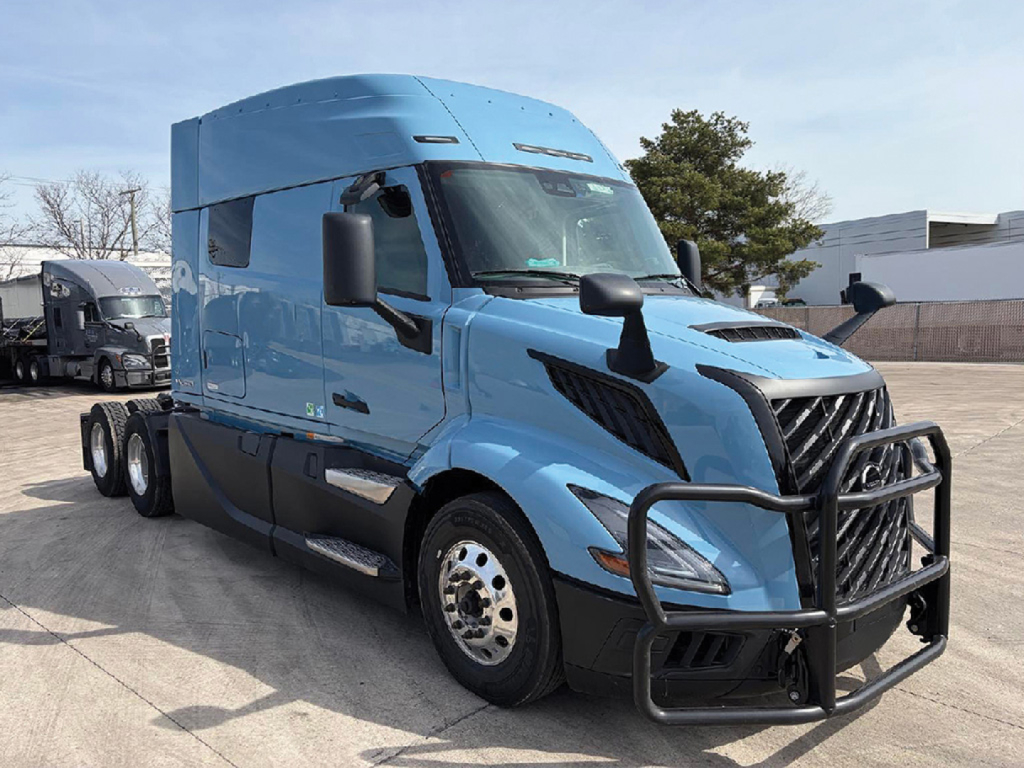
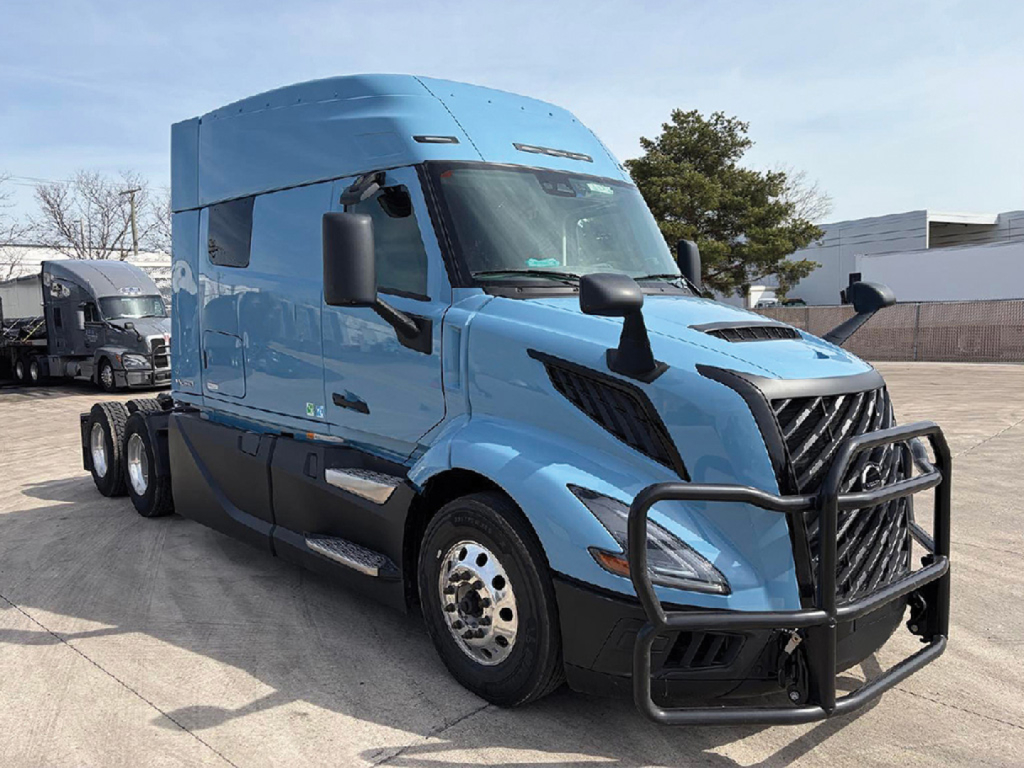
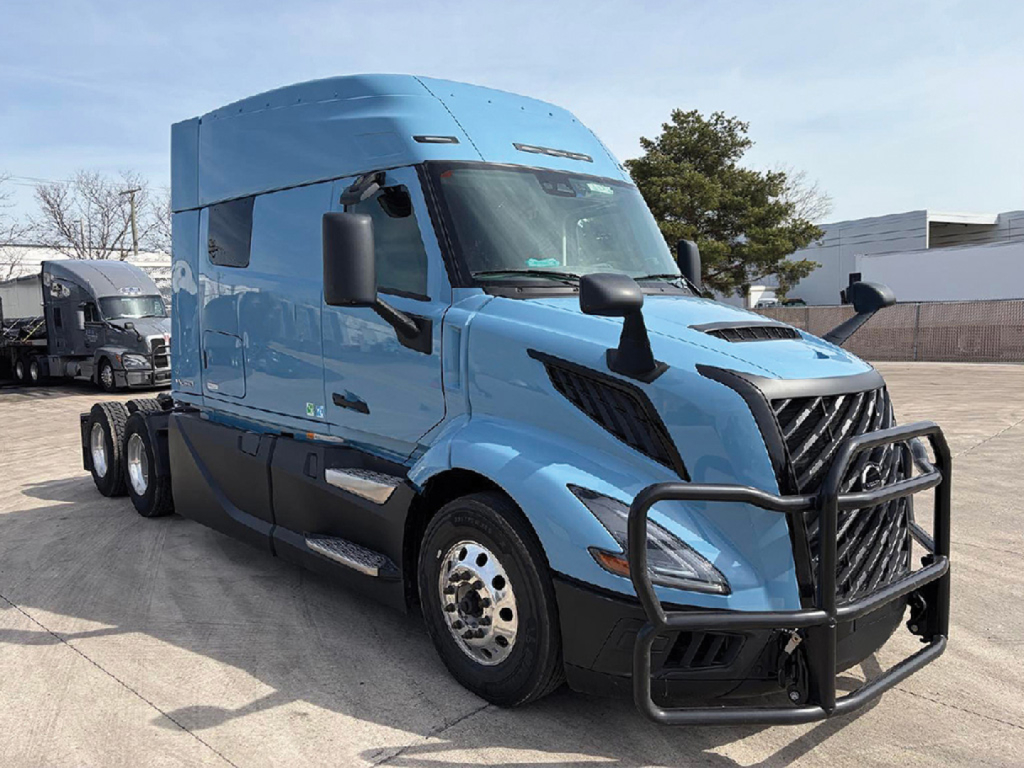
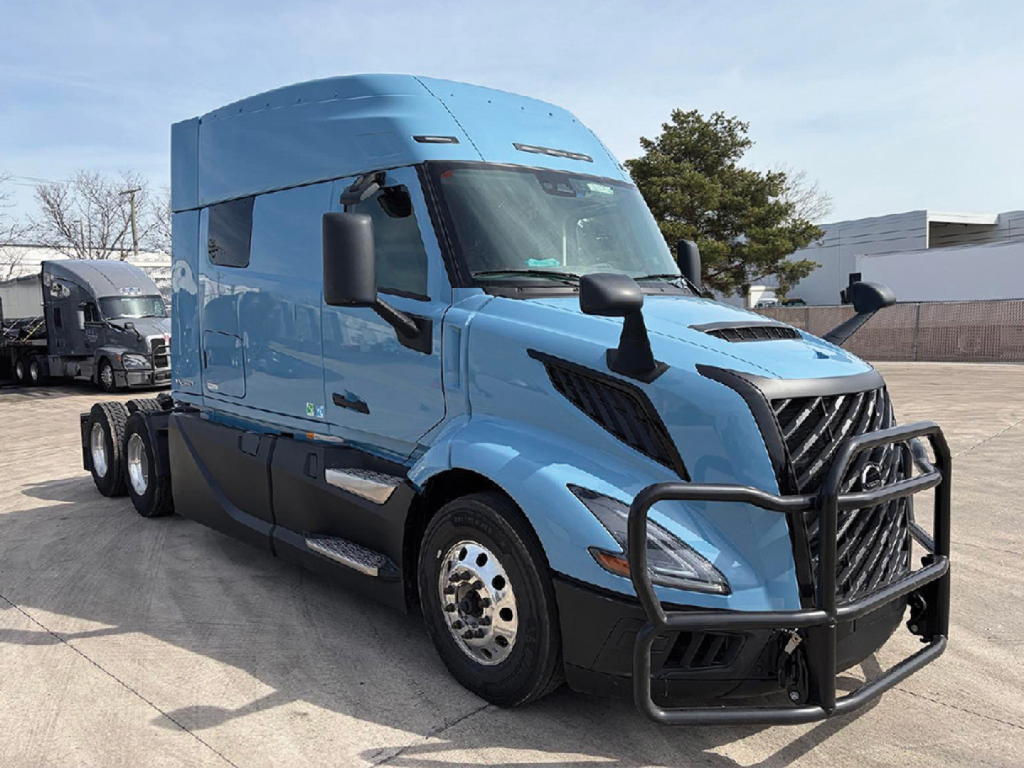
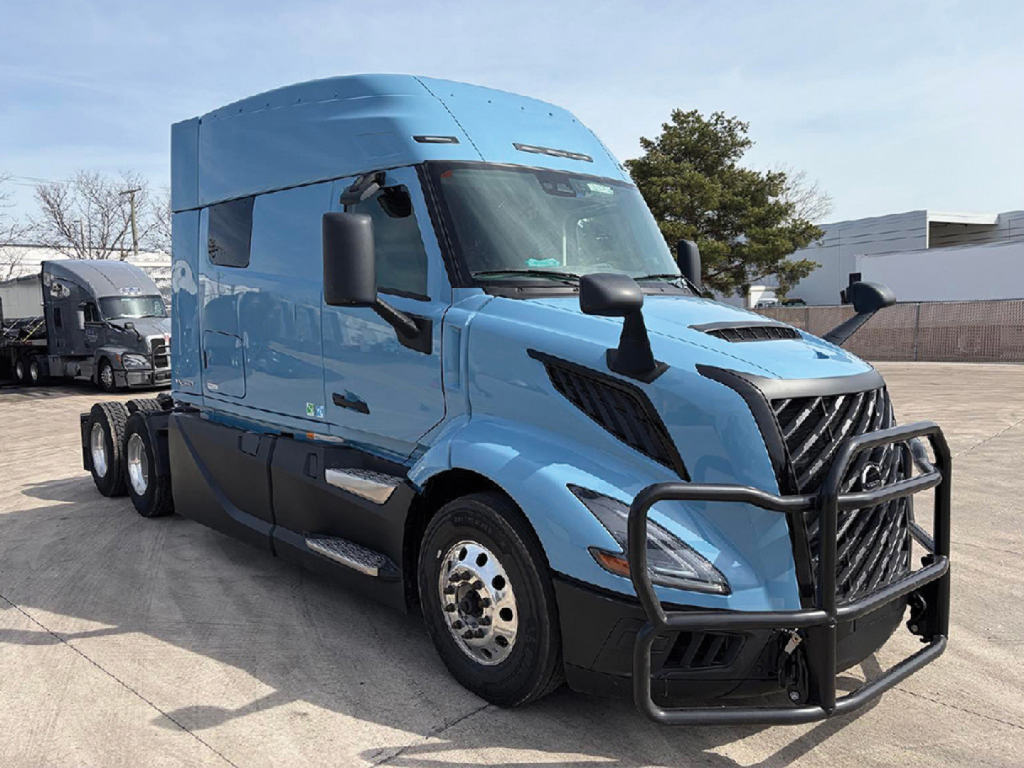
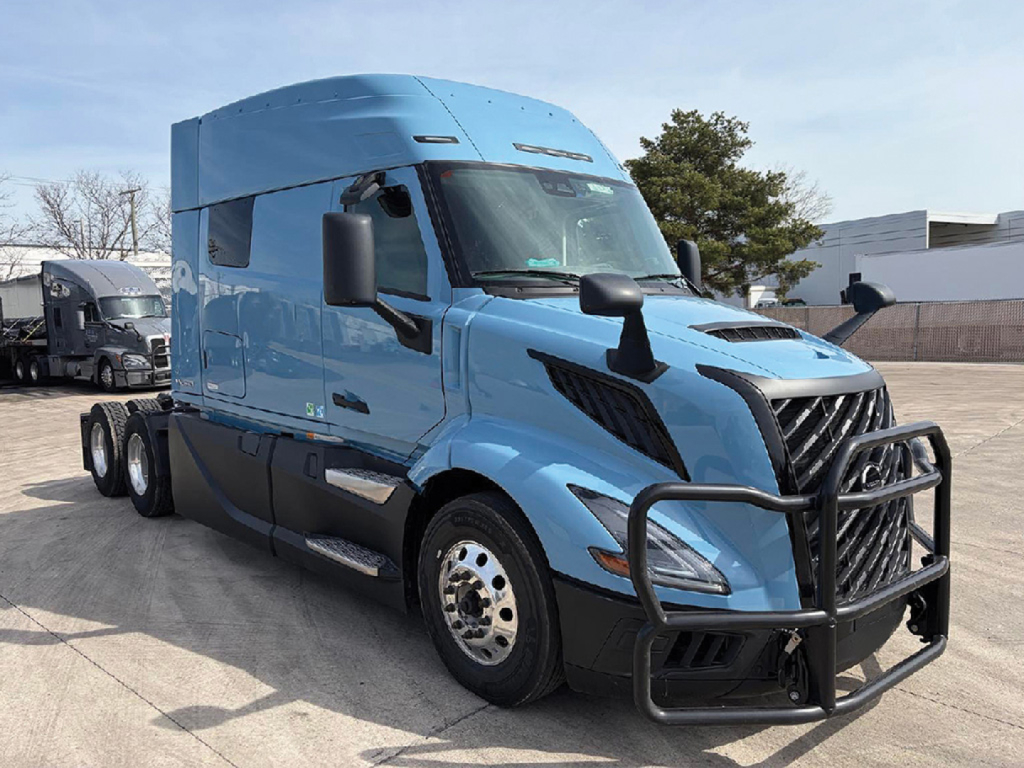
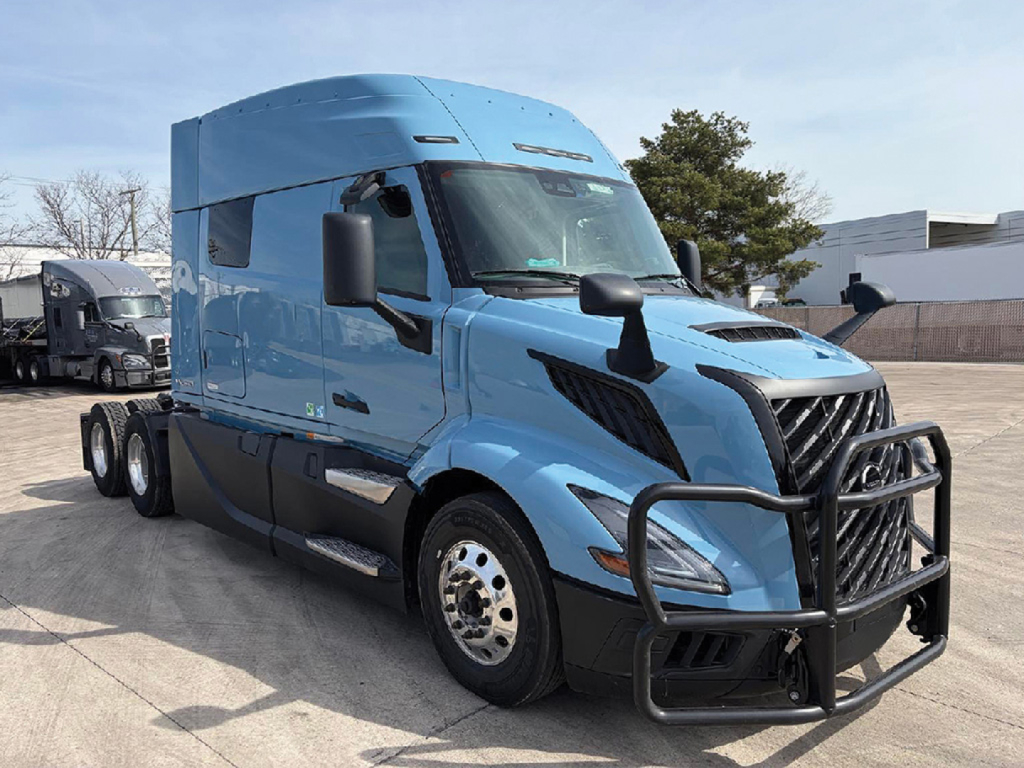
Have used 2026 volvo conventional sleeper truck to sell? List it here to reach thousands of buyers.
Used 2026 Volvo Conventional Sleeper Trucks
Powertrain spec is usually the biggest value driver in this category. Many Volvo conventional sleepers are built with the Volvo D13 engine in ratings commonly around 425 to 500 horsepower, paired with the Volvo I-Shift automated manual transmission. Rear axle ratios such as 2.47, 2.64, or 3.25 can significantly change how the truck performs in fuel-focused highway service versus heavier or more varied terrain. Tandem axle setups with 40,000-pound rears are common for general freight, while some later trucks may appear in lightweight or specialty regional specs. Engine brake performance, transmission calibration, idle management features, and maintenance history should all be reviewed closely because these trucks are often purchased for high-mile applications where uptime matters more than cosmetic condition.
Cab and chassis details separate one used Volvo sleeper from another more than many buyers expect. VNL 670, 740, 760, and 780 style sleepers each appeal to a different operation, with differences in storage, bunk layout, stand-up room, and driver living space. Look at fuel tank capacity, fifth wheel type and travel, wheelbase, suspension spec, brake type, and tire setup before comparing price alone. Air ride suspension, disc brakes, bunk heaters, collision mitigation, adaptive cruise functions, and aluminum wheels are all features commonly found in better-equipped units. For fleets running dry van, refrigerated, or dedicated route freight, aero packages and low rolling resistance tire combinations can make a measurable operating-cost difference over time.
A used 2026 Volvo conventional sleeper should also be evaluated for emissions system service history, software updates, and electronic diagnostics compatibility. For buyers planning interstate use, the truck’s gross combination weight rating, axle spread, and frame layout need to match trailer type and payload expectations. Volvo sleepers are well known for driver-friendly ergonomics, quiet cabs, and strong highway manners, but the best purchase usually comes down to matching the truck’s sleeper size, gearing, and chassis spec to the lane it will actually run. A well-matched conventional sleeper can lower fuel spend, improve retention, and deliver better resale value than a cheaper truck with the wrong configuration.
Frequently Asked Questions about Used 2026 Volvo Conventional Sleeper Trucks
What is a Volvo conventional sleeper truck?
A Volvo conventional sleeper truck is a highway tractor with the engine mounted ahead of the cab and a built-in sleeping compartment behind the driver area. In Volvo’s North American lineup, this is most often a VNL sleeper model designed for over-the-road and regional freight. The conventional layout improves service access and allows for aerodynamic hood and cab designs that support fuel economy on longer routes.
What engines and transmissions are common in used Volvo sleeper trucks?
The most common engine in this category is the Volvo D13, usually rated in the mid-400 to 500 horsepower range depending on application. Most late-model used Volvo sleepers are paired with the Volvo I-Shift automated manual transmission, which is widely used for fuel efficiency, ease of operation, and consistent shift quality. Buyers should confirm horsepower, torque rating, transmission model, and rear axle ratio together because the full driveline spec determines how the truck performs under load.
Which Volvo VNL sleeper size is best for long-haul use?
For long-haul service, high-roof VNL sleepers are generally preferred because they offer more standing room, storage, and bunk space for extended time on the road. Larger sleepers such as the VNL 760 or 780 style layouts tend to suit team operations or drivers who spend multiple nights per trip in the truck. Smaller sleepers can still work well in regional lanes where lower weight, shorter wheelbase, and easier maneuverability matter more than maximum living space.
What should I inspect first on a used Volvo conventional sleeper?
Start with engine hours, total miles, maintenance records, fault code history, and emissions system service documentation. After that, review the transmission operation, clutch logic if equipped, suspension wear, brake type and condition, tire match, fifth wheel wear, and signs of frame or cab damage. On a sleeper truck, the bunk HVAC, heater, electrical accessories, and interior condition also matter because they directly affect driver satisfaction and downtime risk.
Are Volvo sleeper trucks good for fuel economy?
Volvo sleeper trucks are generally strong fuel economy performers when spec’d correctly for the route. Aerodynamic bodywork, I-Shift transmissions, downsped drivetrains, and efficient D13 engine calibrations are common reasons fleets choose them for highway freight. Actual fuel mileage depends heavily on rear axle ratio, cruise speed, terrain, idle time, trailer aerodynamics, and payload, so buyers should compare the complete spec instead of judging by model name alone.