
Used 2020 Conventional Sleeper Trucks For Sale in Illinois
Browse used 2020 conventional sleeper trucks in Illinois. Compare sleeper size, engine, transmission, axle ratio, wheelbase, and spec fit.
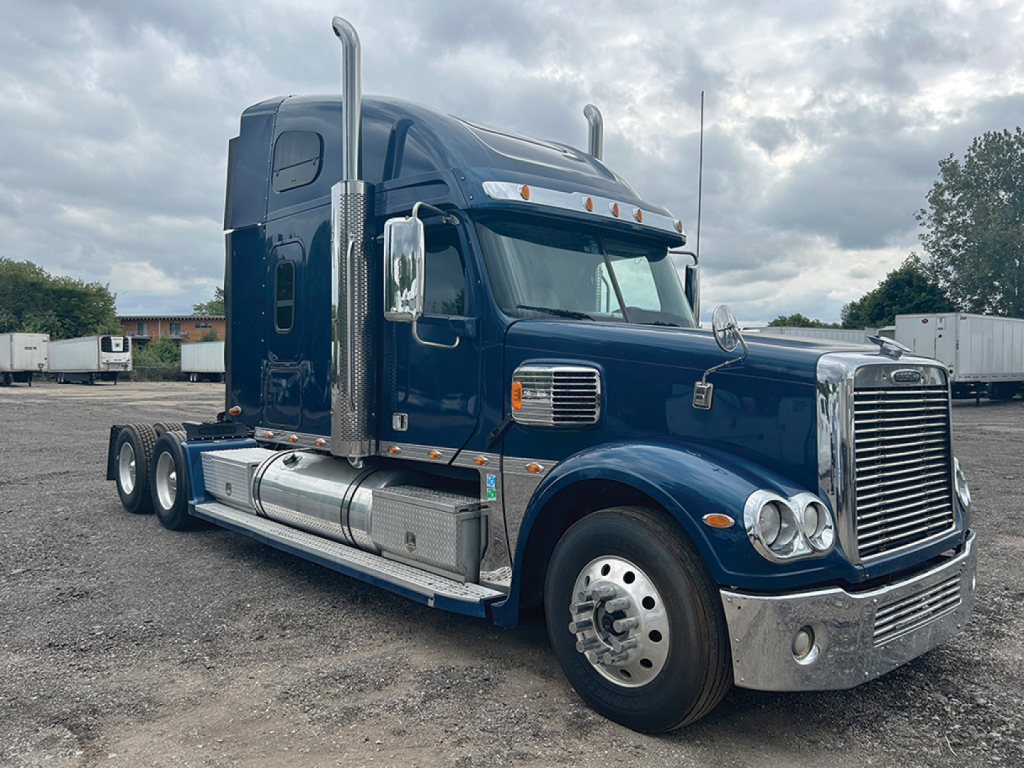
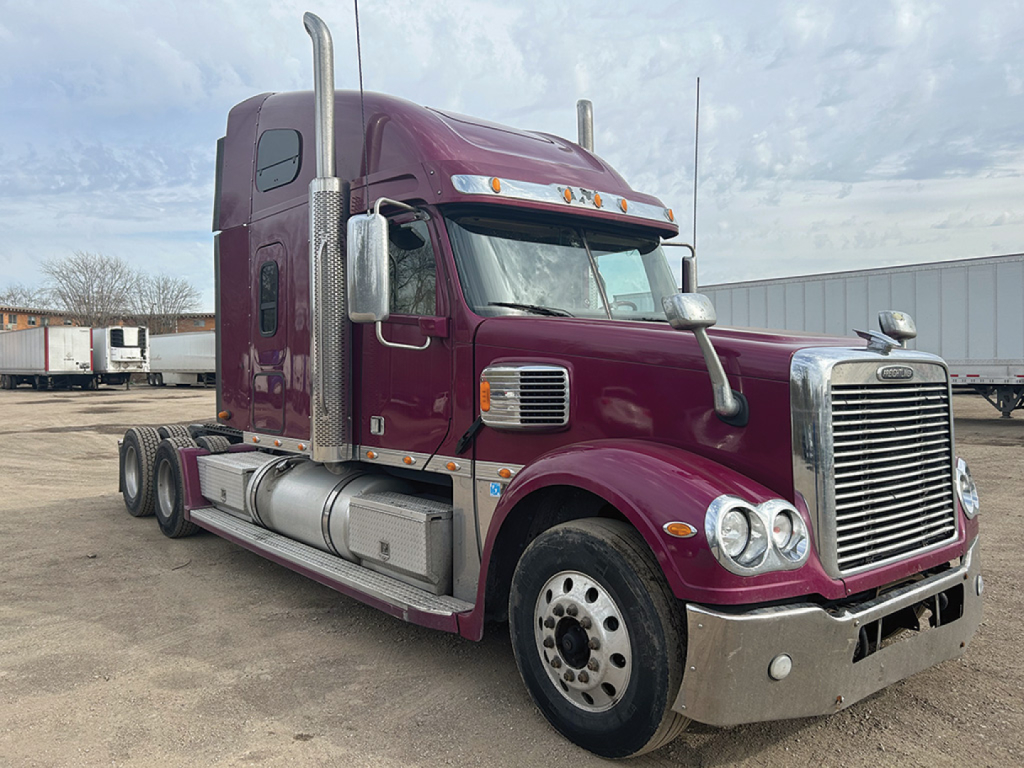
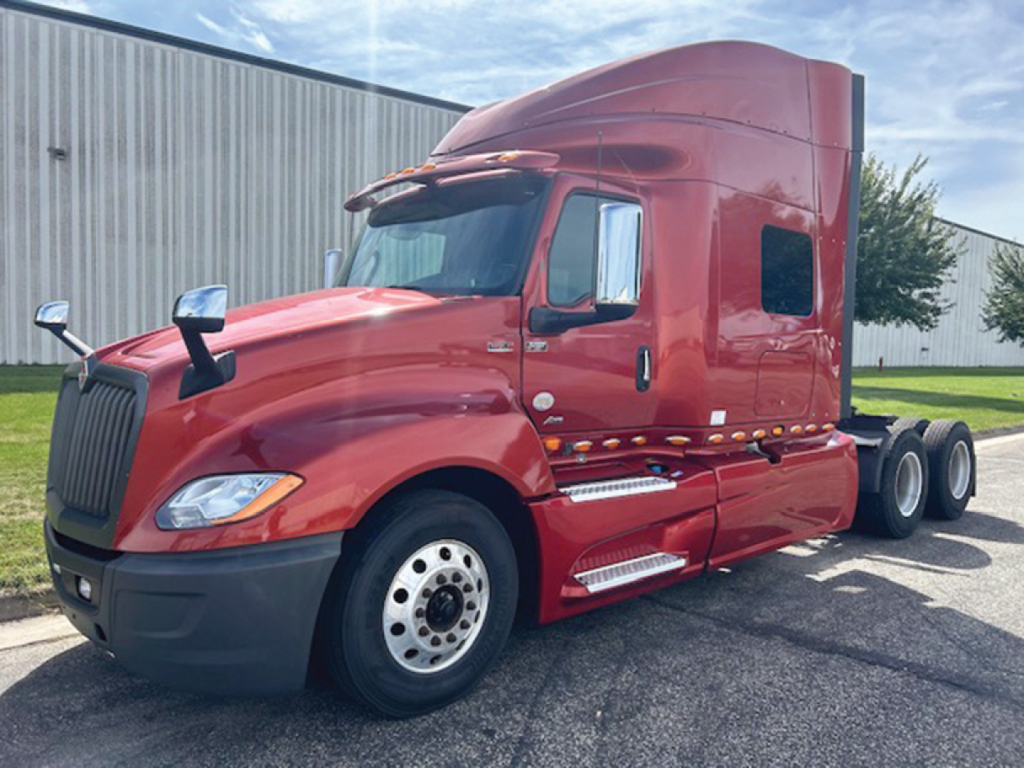
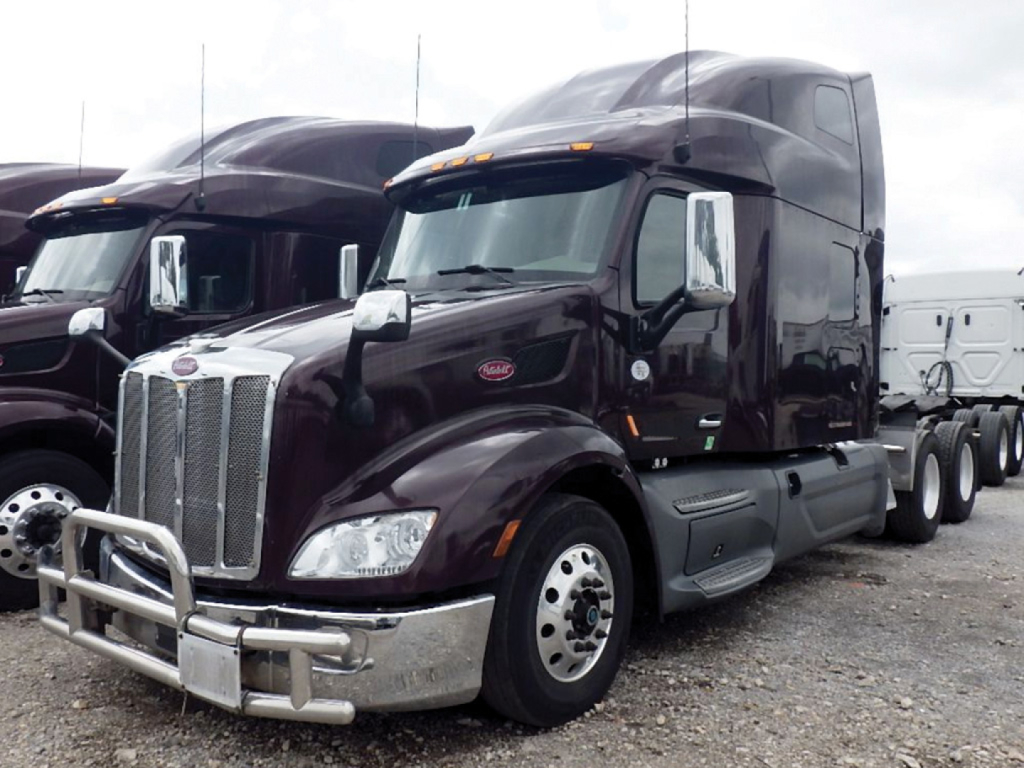
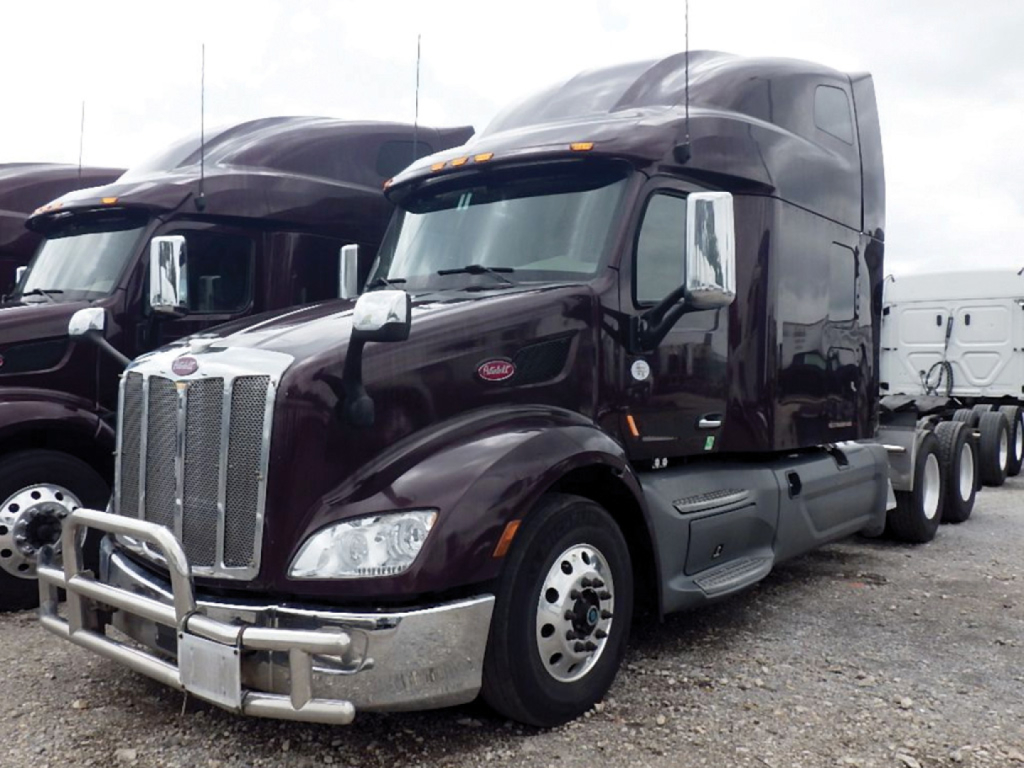
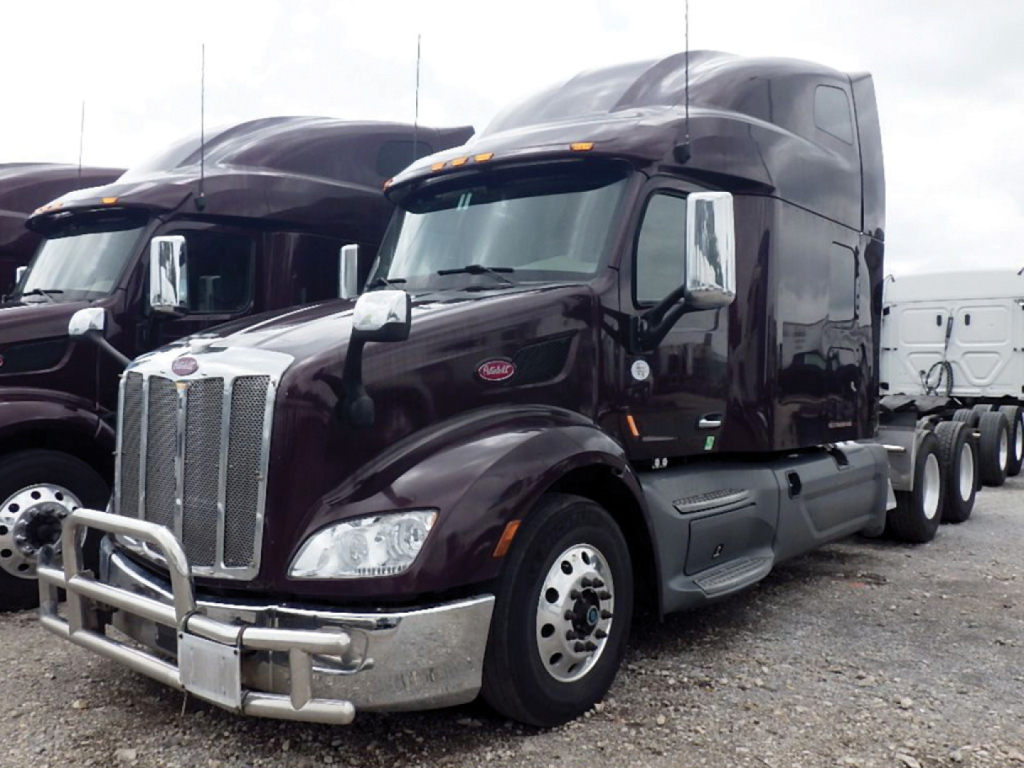
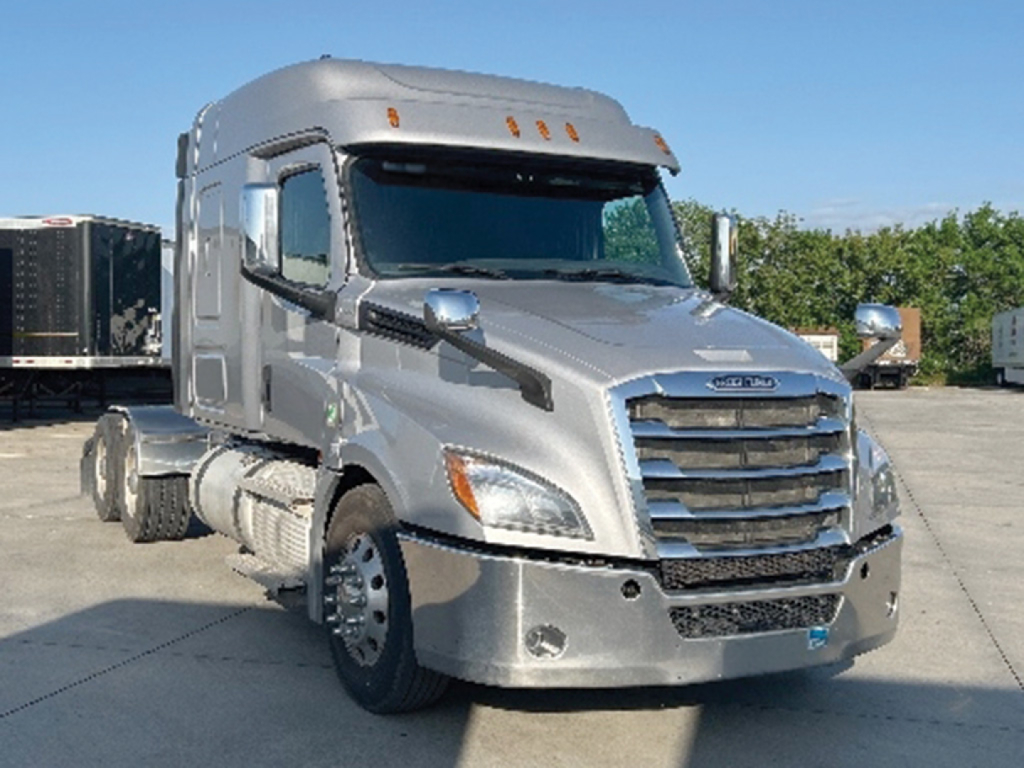
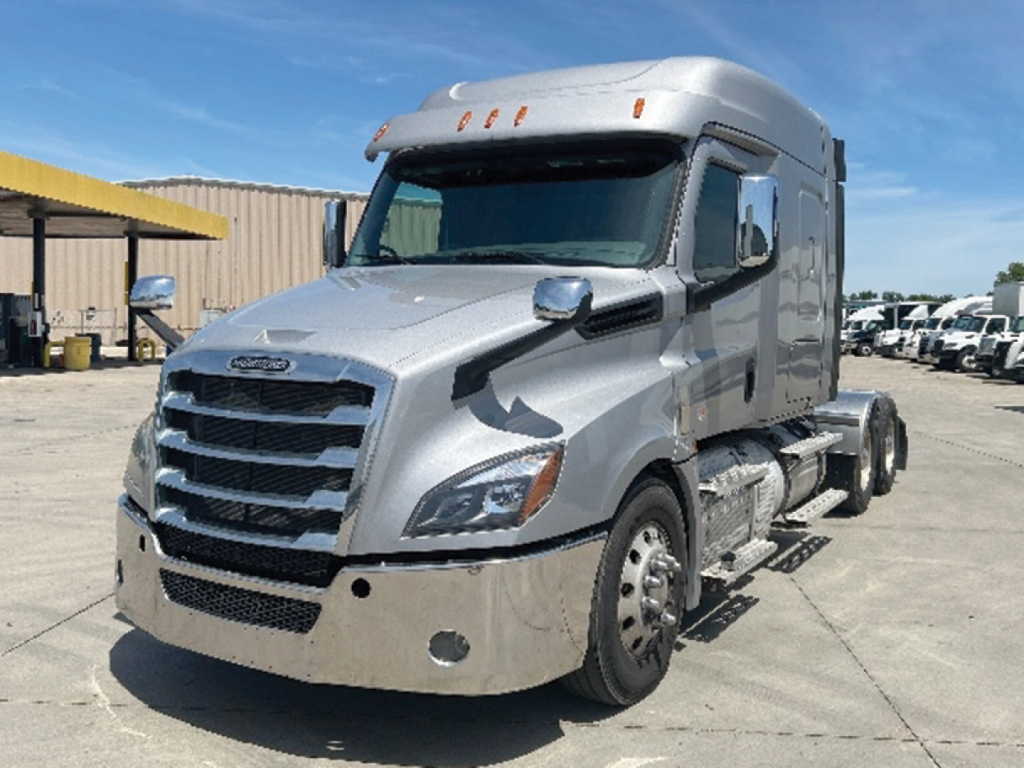

Have used 2020 conventional sleeper truck to sell? List it here to reach thousands of buyers.
Used 2020 Conventional Sleeper Trucks in Illinois
The 2020 model year typically puts buyers into proven platform families like the Peterbilt 579, Volvo VNL, Freightliner Cascadia, Kenworth T680, International LT, and Mack Anthem. Common engines in this segment include 12 to 13 liter diesels rated around 400 to 500 horsepower, usually paired with automated manual transmissions such as Volvo I-Shift, Mack mDrive, Detroit DT12, PACCAR automated gearboxes, or a 10-speed or 13-speed manual in some owner-operator specs. Most used 2020 conventional sleepers carry tandem 40,000 lb rears, air ride suspension, and highway gearing in the 2.64 to 3.42 range. That spec spread matters. Lower numerical ratios generally favor fuel economy on flatter lanes, while deeper ratios can help when the truck sees heavier gross weights, shorter runs, or more stop-and-go work.
Sleeper size and chassis layout should be matched to the freight and the driver's schedule. Stand-up sleepers in the 60 to 80 inch range are common, often with upper bunks, bunk heaters, storage cabinets, and space for an inverter or APU. Wheelbase, fuel tank capacity, and fifth wheel setup all affect trailer swing clearance, bridge law flexibility, and how the truck carries weight. Buyers should pay attention to fairings, cab extenders, quarter fenders, disc versus drum brakes, and tire spec, since these details influence maintenance cost and highway efficiency. Safety and driver-assist content became more common by 2020 as well, including collision mitigation systems, adaptive cruise features, and upgraded HVAC and sleeper climate controls.
For a used 2020 conventional sleeper in Illinois, the most important buying points are service history, emissions health, and how the original spec matches the intended lane. Review engine hours alongside miles, confirm DPF and aftertreatment maintenance, inspect transmission calibration history, and check for suspension wear, wheel seal leaks, and fifth wheel or frame corrosion from winter road treatment. A well-matched 2020 sleeper can still deliver strong fuel economy, good driver retention, and reliable linehaul performance if the spec is right for the load profile.
Frequently Asked Questions about Used 2020 Conventional Sleeper Trucks in Illinois
What is a conventional sleeper truck?
A conventional sleeper truck is a highway tractor with a standard hooded cab design and a built-in sleeper compartment behind the driver seats. It is designed for over-the-road and regional hauling where the driver may need rest space, added storage, larger fuel capacity, and a more comfortable wheelbase than a day cab.
What should I look for when buying a used 2020 conventional sleeper truck?
Focus first on the truck's original spec and maintenance history. Engine make, horsepower, transmission type, rear axle ratio, sleeper size, wheelbase, and fifth wheel position should fit the freight you plan to pull. On a 2020 model, buyers should also review aftertreatment service records, engine hours, fault history, tire and brake condition, and signs of excessive idle time or corrosion from Midwest winter operation.
Are automated manual transmissions common in 2020 sleeper trucks?
Yes. By 2020, automated manual transmissions were standard or very common in most fleet-spec conventional sleepers. Systems like Volvo I-Shift, Mack mDrive, Detroit DT12, and PACCAR automated transmissions were widely used because they improve shift consistency, support fuel economy programs, and reduce driver fatigue compared with a manual gearbox.
What sleeper size is most common on a conventional sleeper tractor?
Many conventional sleeper trucks are equipped with 60-inch to 80-inch sleepers, depending on the intended route and operator preference. A larger stand-up sleeper usually provides better storage, more living space, and room for options like upper bunks, bunk heaters, refrigerators, APUs, and inverters. A smaller sleeper may reduce weight and wheelbase for fleets focused on regional work.
Why does axle ratio matter on a used sleeper truck?
Axle ratio affects cruise RPM, gradeability, startability, and overall fuel economy. Ratios such as 2.64 or 2.85 are often chosen for linehaul efficiency on flatter interstate lanes, while 3.08 or 3.42 may be better for heavier loads, mixed terrain, or operations with more starts and stops. The right ratio depends on engine torque, transmission gearing, average gross weight, and the speed the truck will run most often.