
Used Freightliner Conventional Sleeper Trucks For Sale in Illinois
Browse used Freightliner conventional sleeper trucks in Illinois. Compare Cascadia specs, sleeper sizes, powertrains, and fleet-ready road features.
Have used freightliner conventional sleeper truck to sell? List it here to reach thousands of buyers.
Used Freightliner Conventional Sleeper Trucks in Illinois
On the used market, Freightliner sleeper trucks are often found with Detroit power, typically DD13 or DD15 engines, paired with automated manual transmissions such as the DT12. Some older units may have manual transmissions or alternative engine specs depending on the original fleet order. Buyers should pay close attention to axle ratio, horsepower, torque rating, and gross vehicle weight rating, since those details affect startability, cruise RPM, and fuel burn more than the badge on the hood. In Illinois, where trucks may run everything from Chicago-area distribution to I-55, I-57, I-70, and I-80 linehaul lanes, a practical spec often includes a mid-roof or raised-roof sleeper, fairings in good shape, and wheelbase dimensions that balance ride quality with trailer swing clearance.
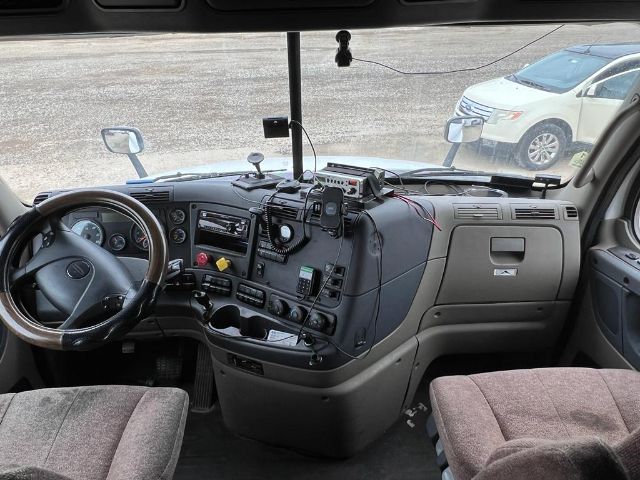
Cab and sleeper condition matter just as much as drivetrain history. A conventional sleeper is built to give the driver living space behind the seats, so inspect bunk layout, HVAC performance, insulation, storage, mattress platform, inverter setup, and signs of water intrusion around seals or roof components. On Freightliner models, buyers also tend to look closely at emissions system history, idle hours versus road miles, collision mitigation features, and the condition of common wear items such as suspension components, brakes, tires, and fairing mounts. Service records, fault code history, and evidence of consistent PM intervals can tell you more about a used sleeper truck than appearance alone.
Freightliner conventional sleeper trucks also hold value because parts availability and technician familiarity are strong in most major freight corridors. That matters when a truck is expected to stay productive instead of sitting for diagnosis. If the truck will haul heavier freight or operate in dense stop-and-go lanes, a buyer may lean toward a stronger torque rating and a rear axle spec that fits that work. If the priority is fuel-efficient highway running, aerodynamic package condition, idle management setup, and drivetrain calibration become more important. The best used Freightliner sleeper is the one whose original spec matches the freight, terrain, and daily operating pattern it is being asked to handle now.
Frequently Asked Questions about Used Freightliner Conventional Sleeper Trucks in Illinois
What is a conventional sleeper truck?
A conventional sleeper truck is a highway tractor with the engine mounted ahead of the cab and a built-in sleeping compartment behind the driver and passenger seats. It is also commonly called a sleeper semi tractor or sleeper cab truck. Compared with a day cab, it gives the driver space for rest, storage, and extended time on the road, which makes it the standard choice for over-the-road freight and many regional applications that involve overnight runs.
What should I check first on a used Freightliner Cascadia sleeper?
Start with the engine, transmission, aftertreatment history, and maintenance records. On a used Freightliner Cascadia sleeper, buyers typically review mileage, engine hours, idle hours, fault codes, DPF and SCR service history, clutch or AMT performance, and any evidence of repeated emissions-related repairs. After that, inspect tires, brakes, suspension, fairings, fifth wheel condition, sleeper HVAC, and signs of water leaks or crash repair. A clean service history and a spec that matches your freight usually matter more than cosmetic appearance.
Which engine is common in used Freightliner conventional sleeper trucks?
Many used Freightliner conventional sleeper trucks are equipped with Detroit DD13 or DD15 engines, often paired with a Detroit DT12 automated manual transmission. The DD13 is commonly seen in lighter linehaul or regional applications, while the DD15 is a frequent choice for broad over-the-road use because it offers higher horsepower and torque ranges. The right engine depends on loaded weight, terrain, average trip length, and the rear axle ratio the truck was built with.
Are Freightliner sleeper trucks a good fit for Illinois operations?
They are a strong fit for Illinois because they are common in Midwest freight networks and generally easy to service along major corridors. A Freightliner sleeper can work well in Chicago-area freight, downstate regional lanes, and multistate linehaul where access to parts and dealer support helps limit downtime. Buyers should still match the spec to the route. Urban and short regional work may benefit from a more maneuverable wheelbase, while longer interstate runs usually favor a larger sleeper and highway-focused drivetrain setup.
How important is sleeper size on a used conventional truck?
Sleeper size affects driver comfort, storage, resale appeal, and sometimes weight and wheelbase. A smaller sleeper can be a practical choice for regional operations with occasional overnight stays, while a mid-roof or raised-roof sleeper is often preferred for over-the-road use where the driver spends more consecutive days in the truck. On a used unit, the condition of the bunk area, cabinets, seals, HVAC, and electrical accessories is as important as the sleeper dimensions themselves.