
Used 2021 Freightliner Conventional Sleeper Trucks For Sale in Illinois
Shop used 2021 Freightliner conventional sleeper trucks in Illinois, including Cascadia models with DD15 engines, DT12 transmissions, and raised-roof sleepers.
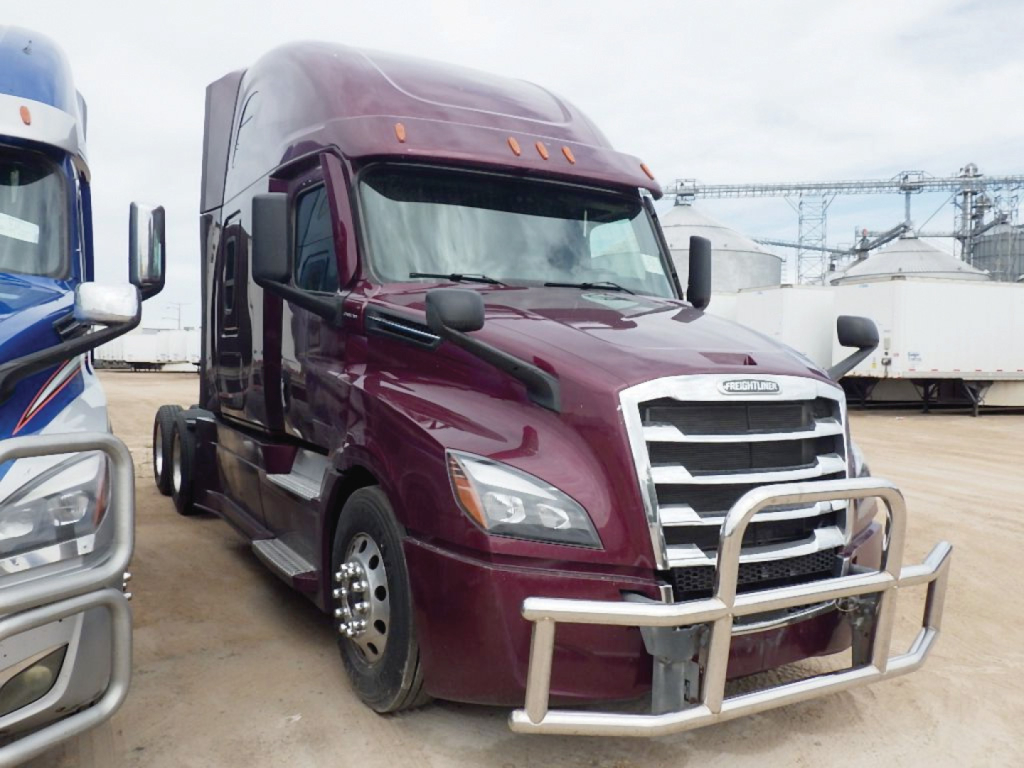
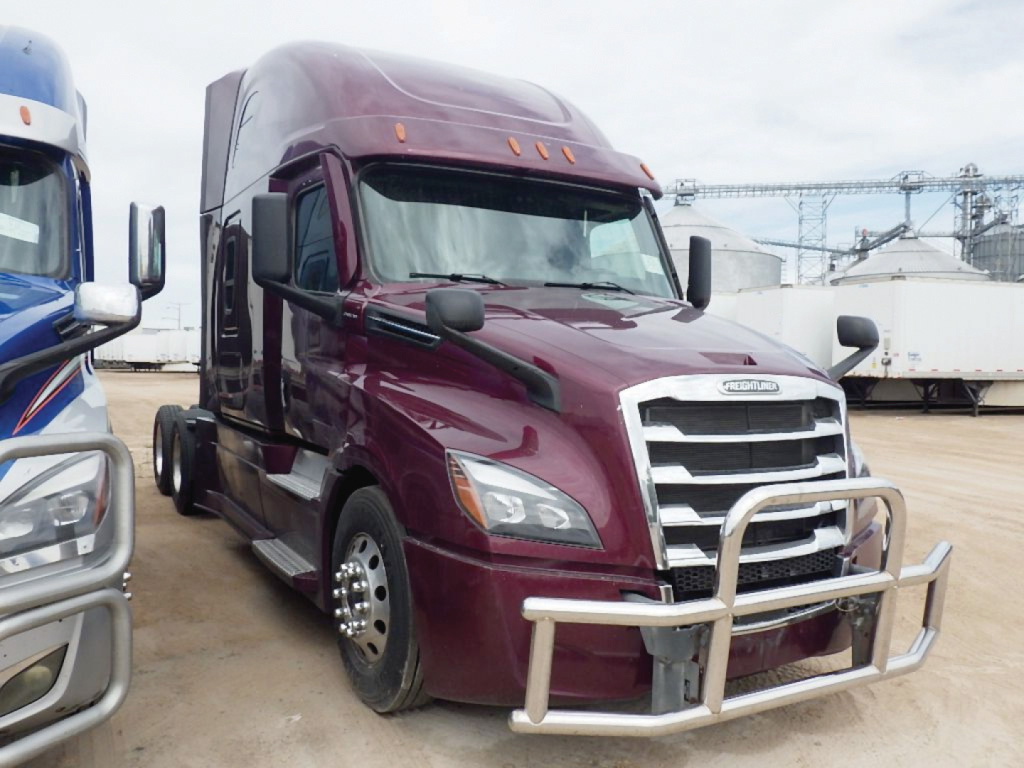
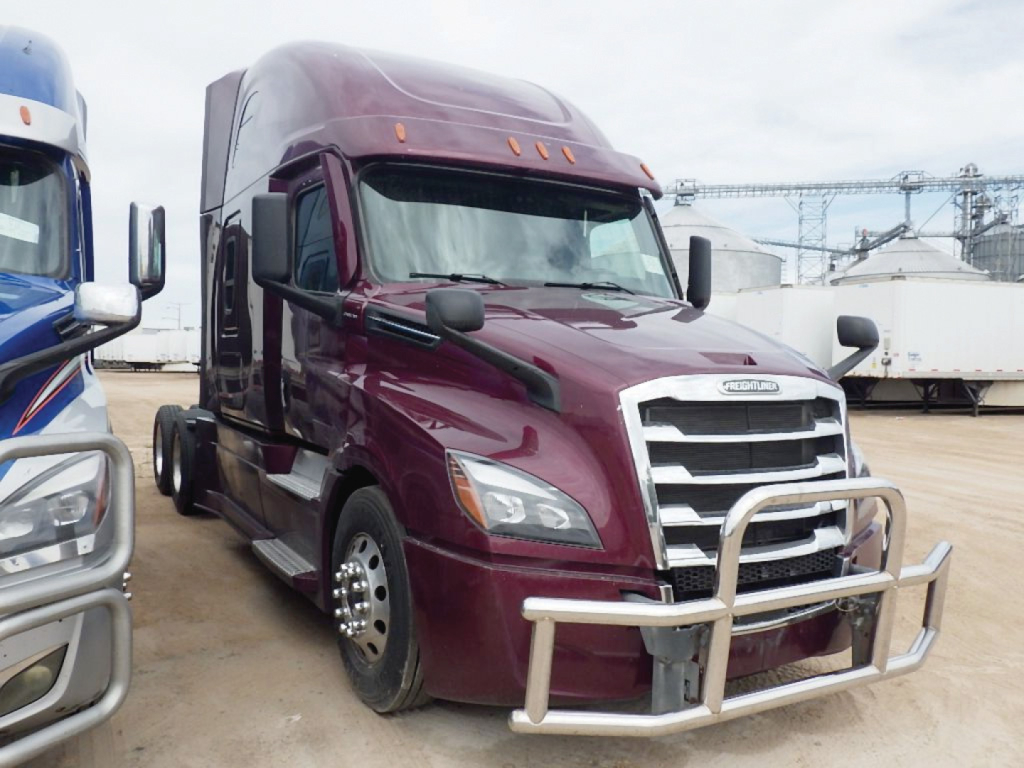
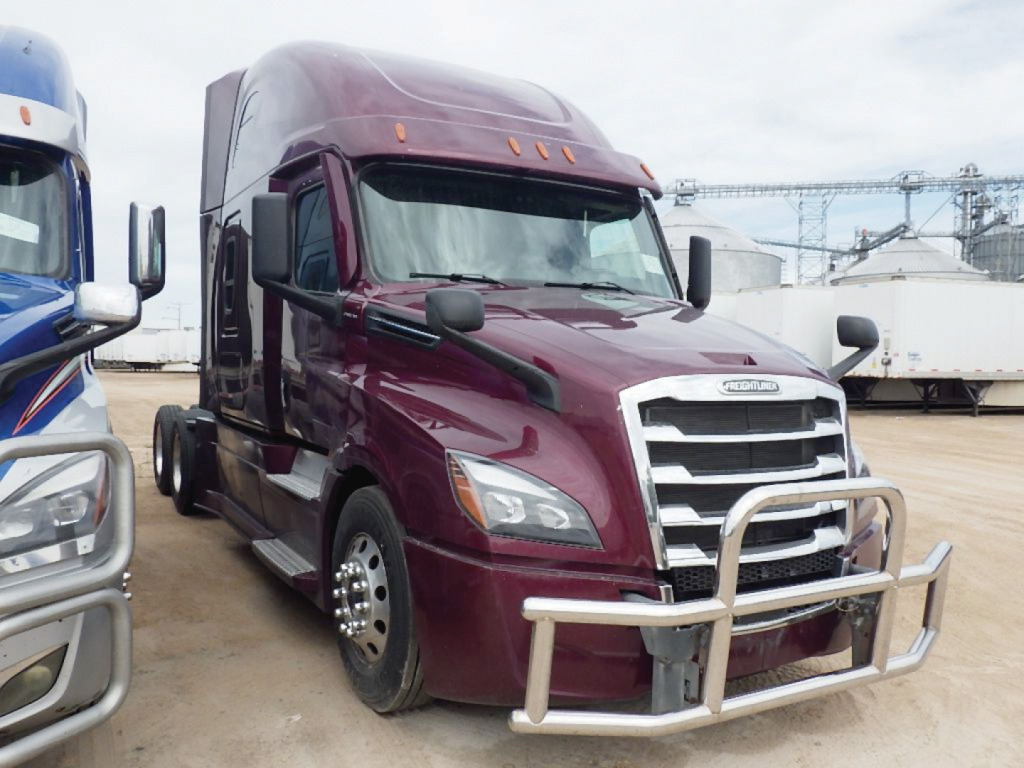
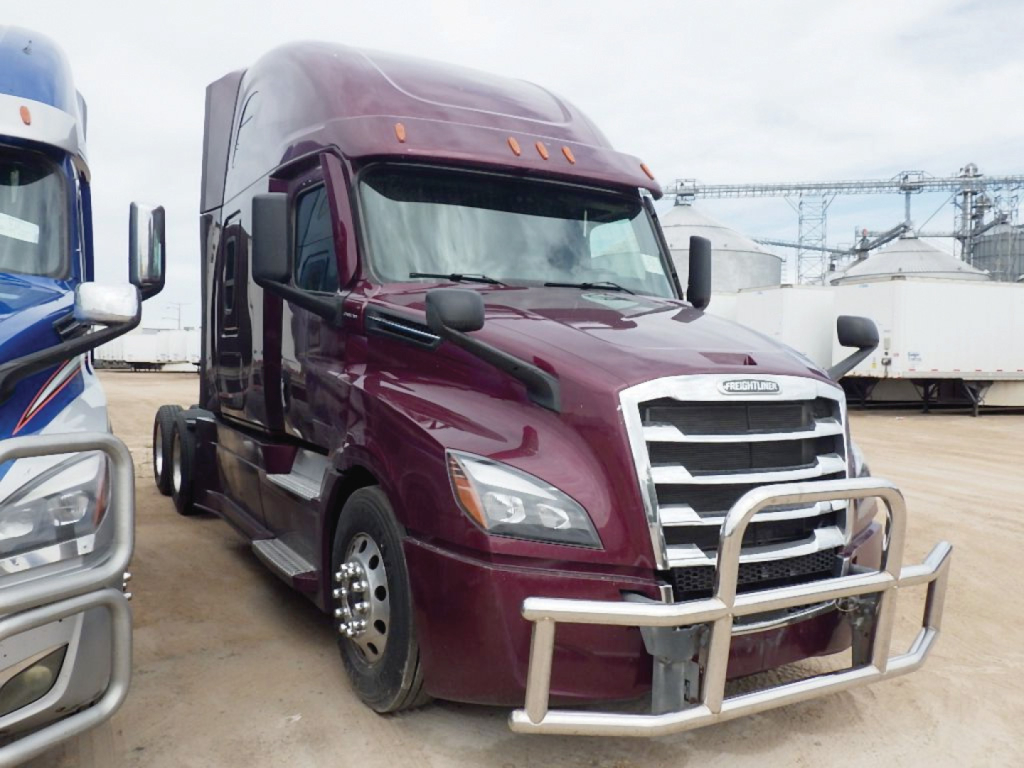
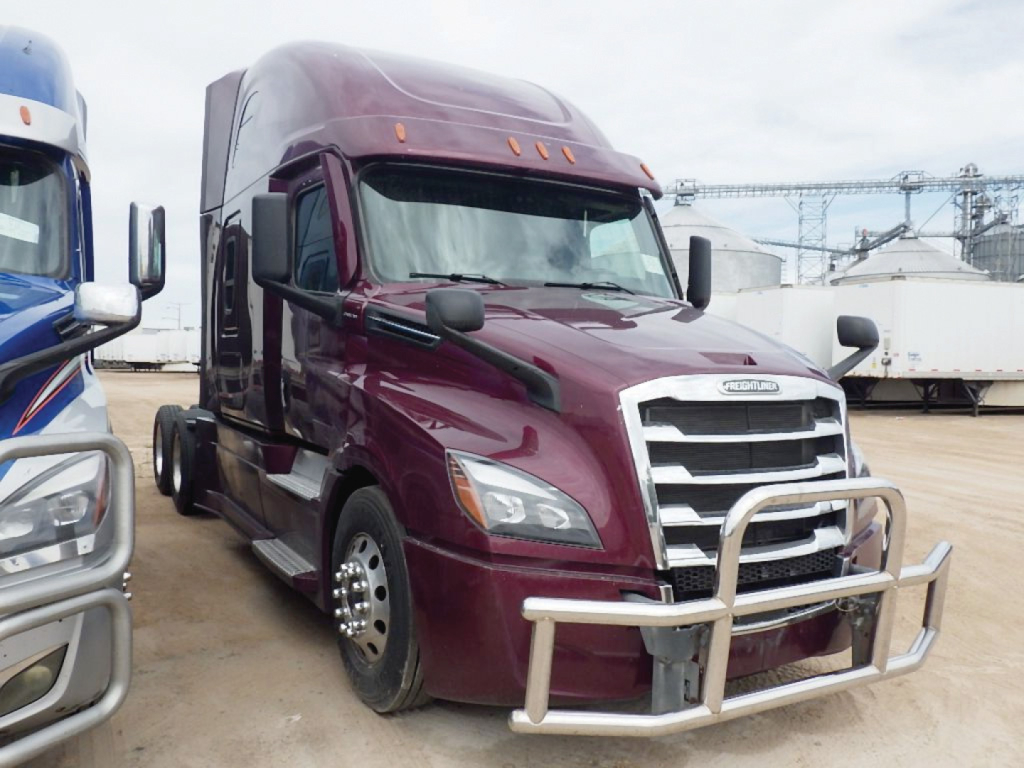
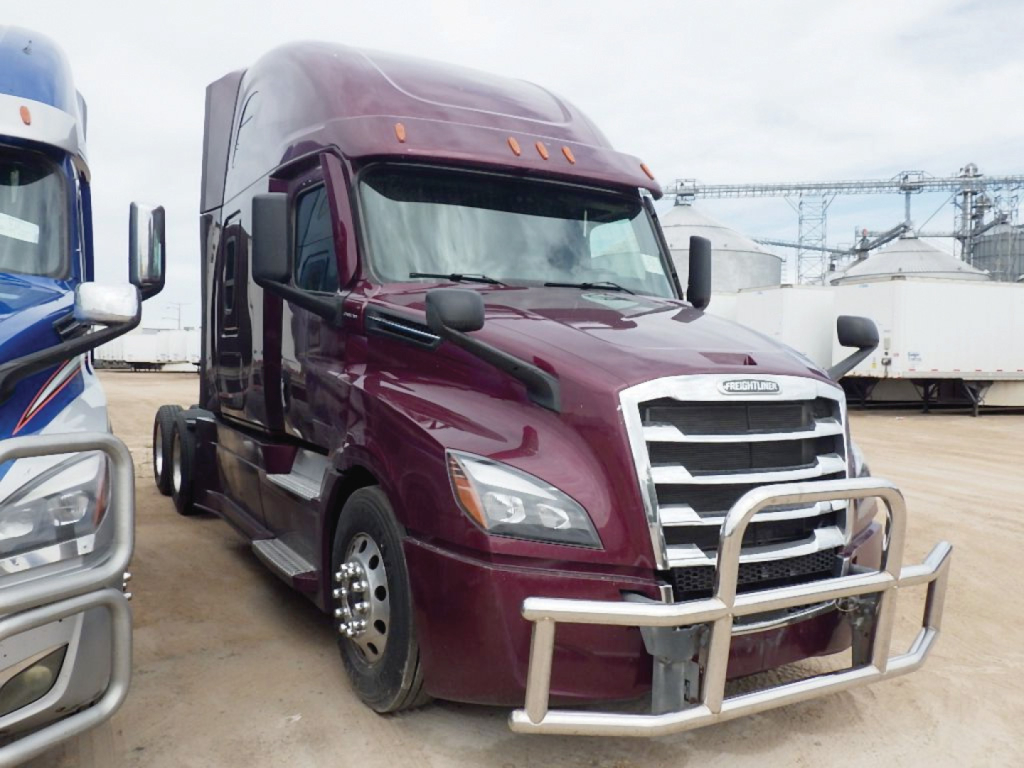
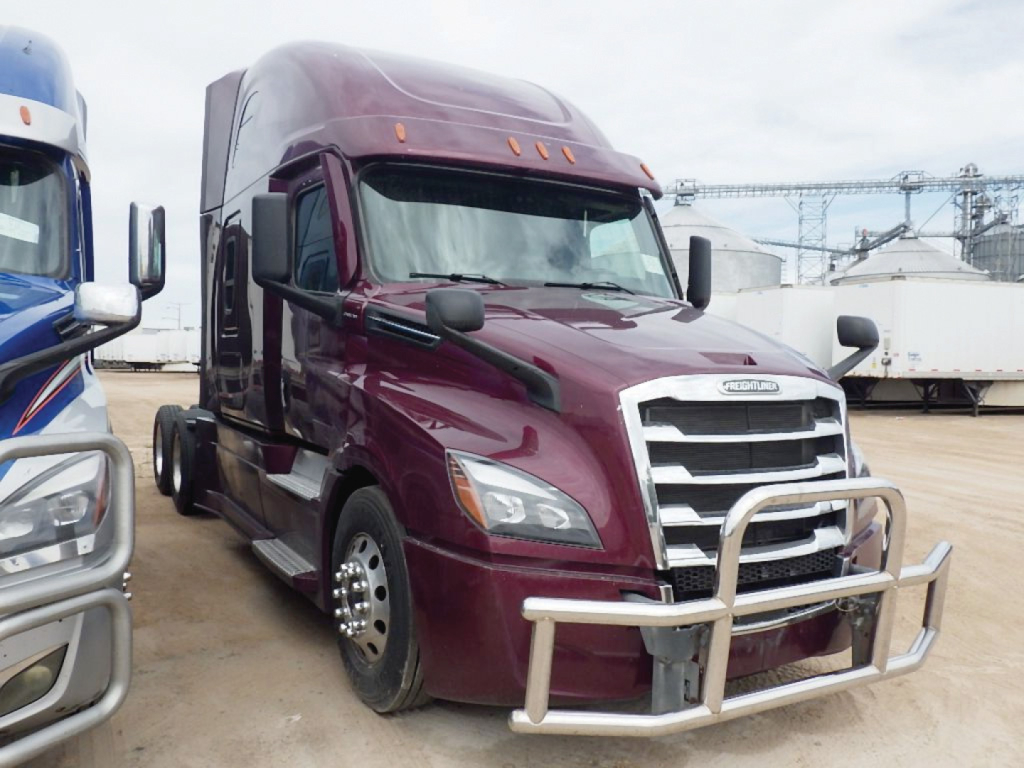
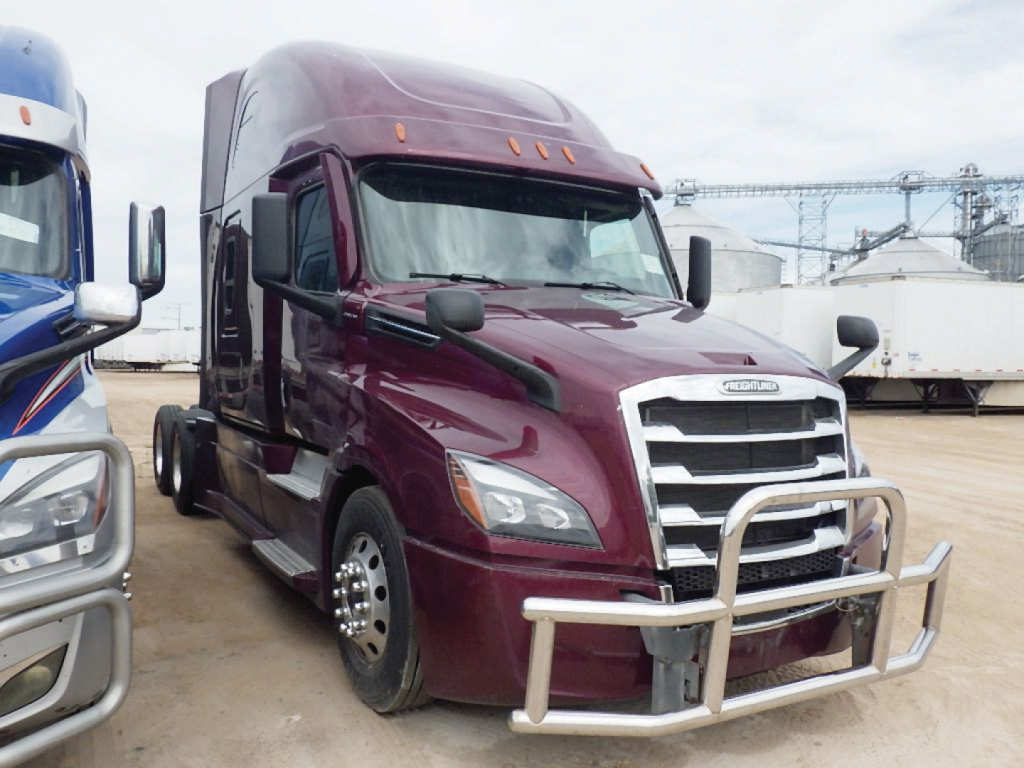
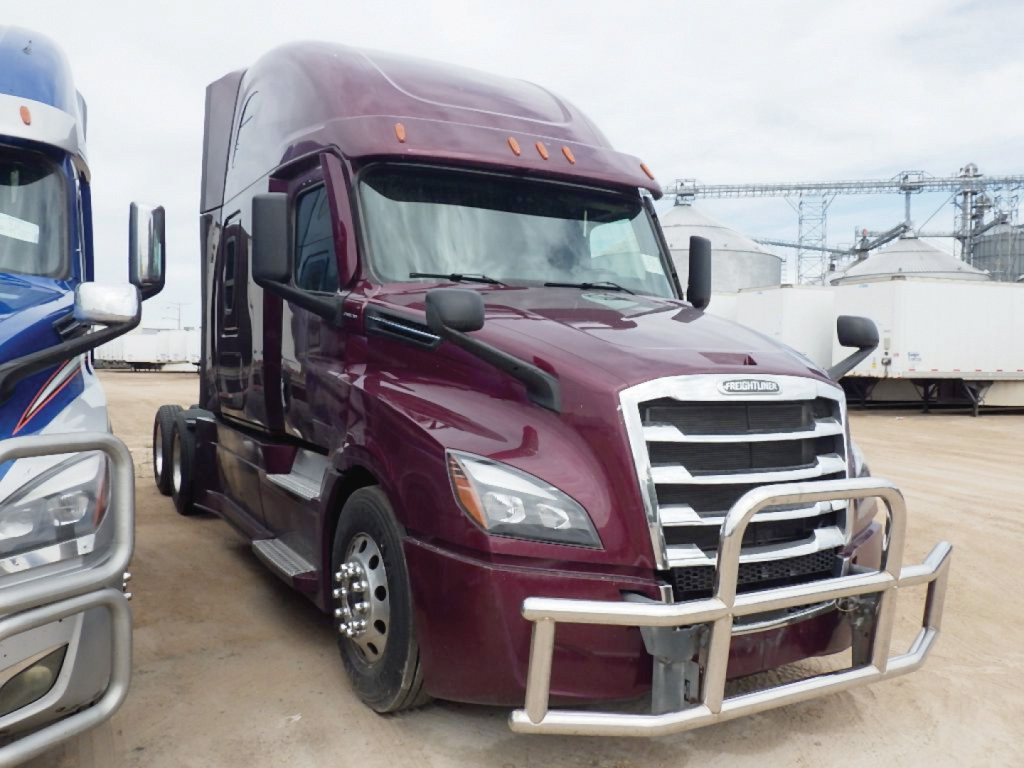
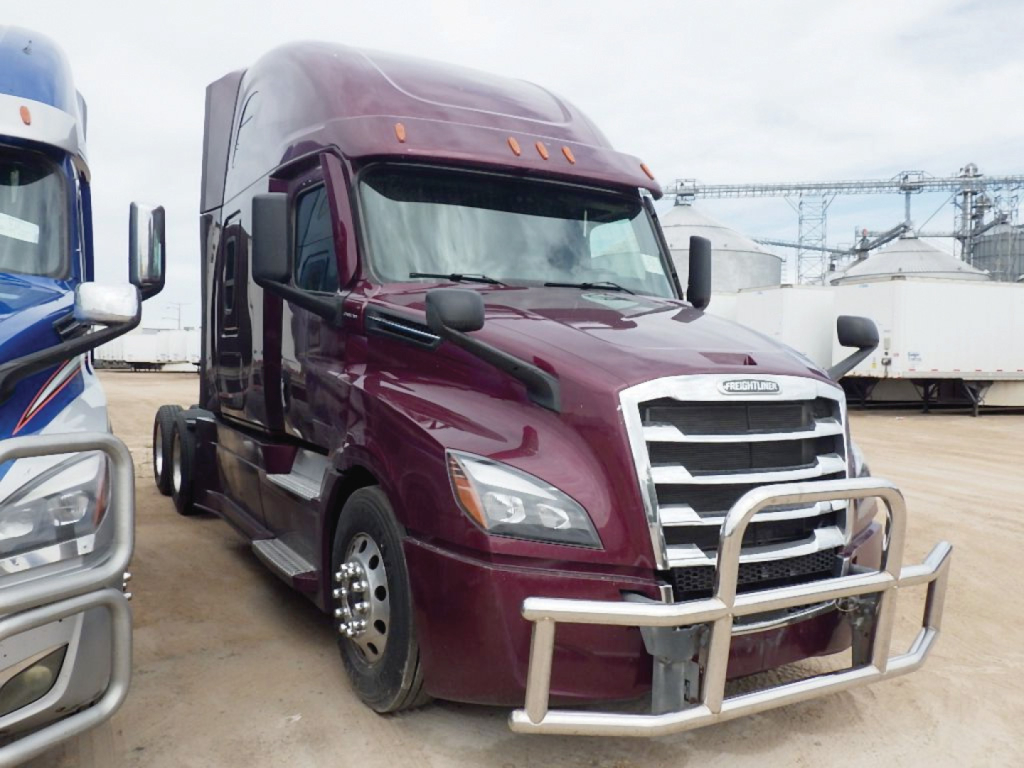
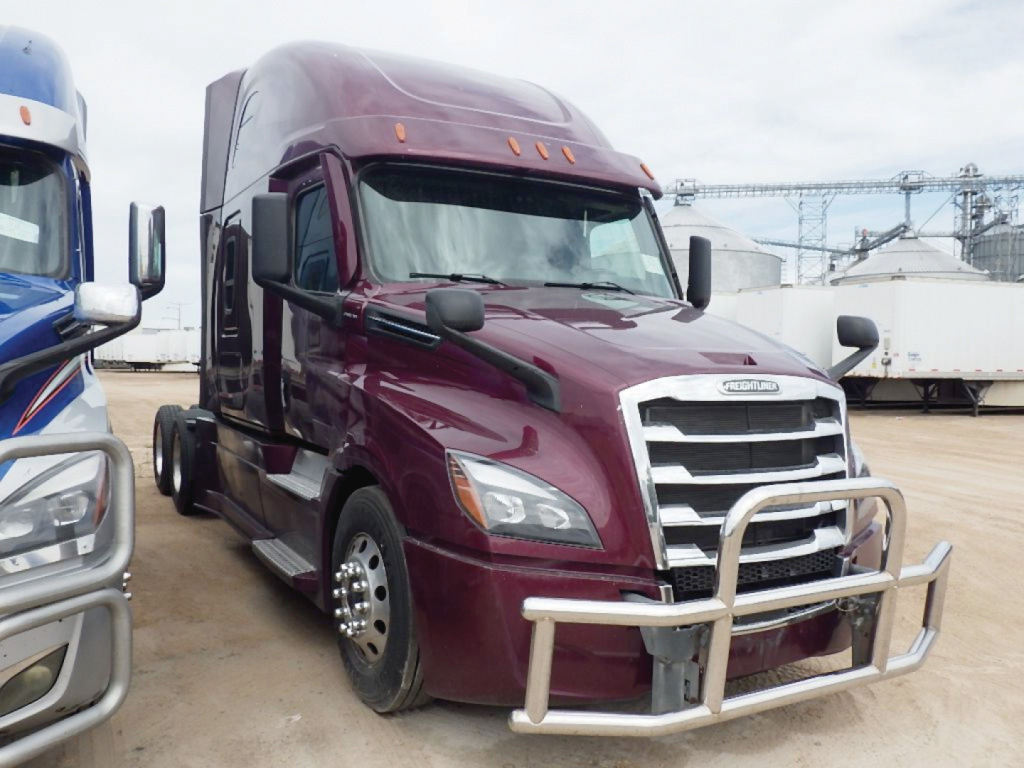
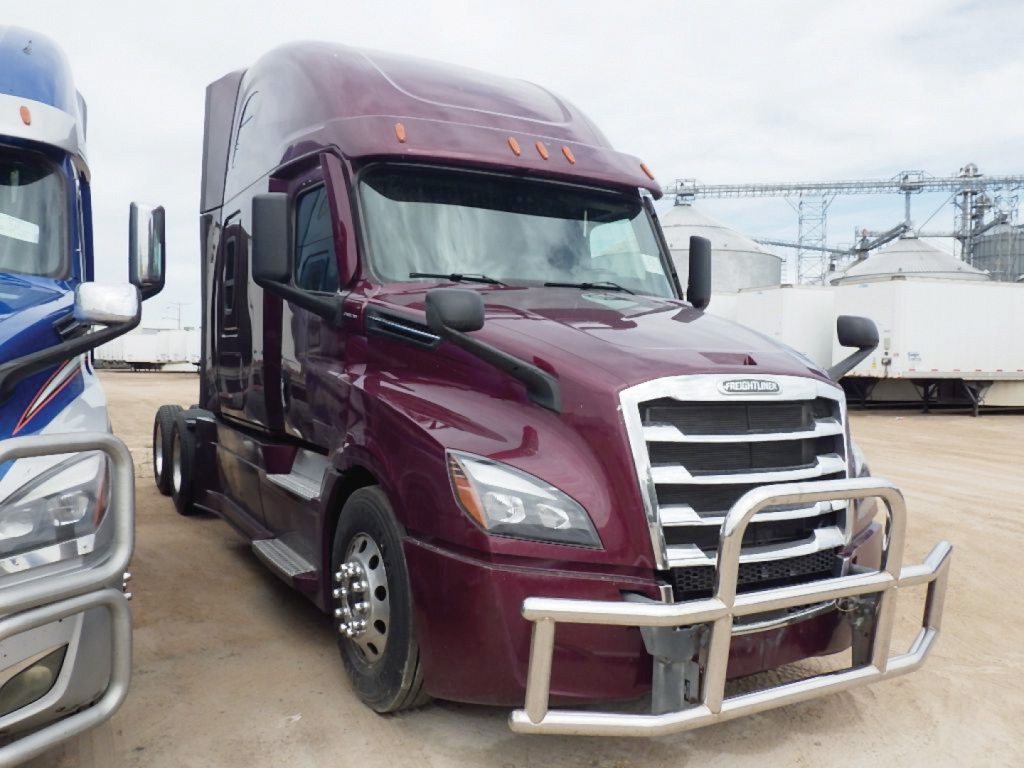
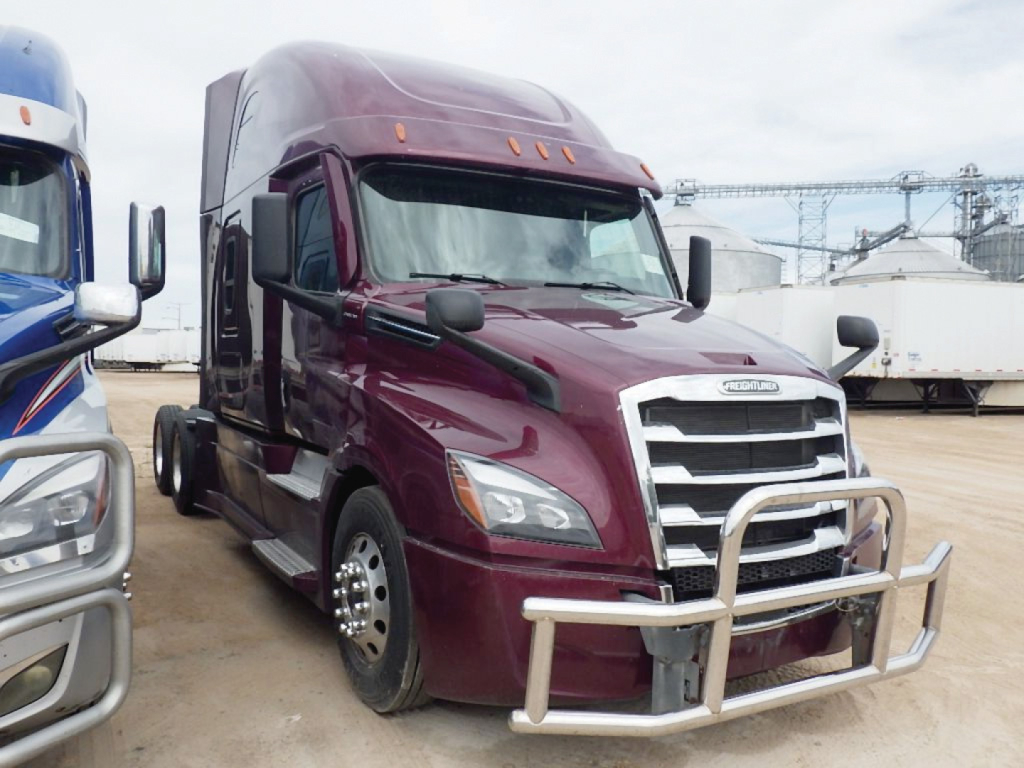
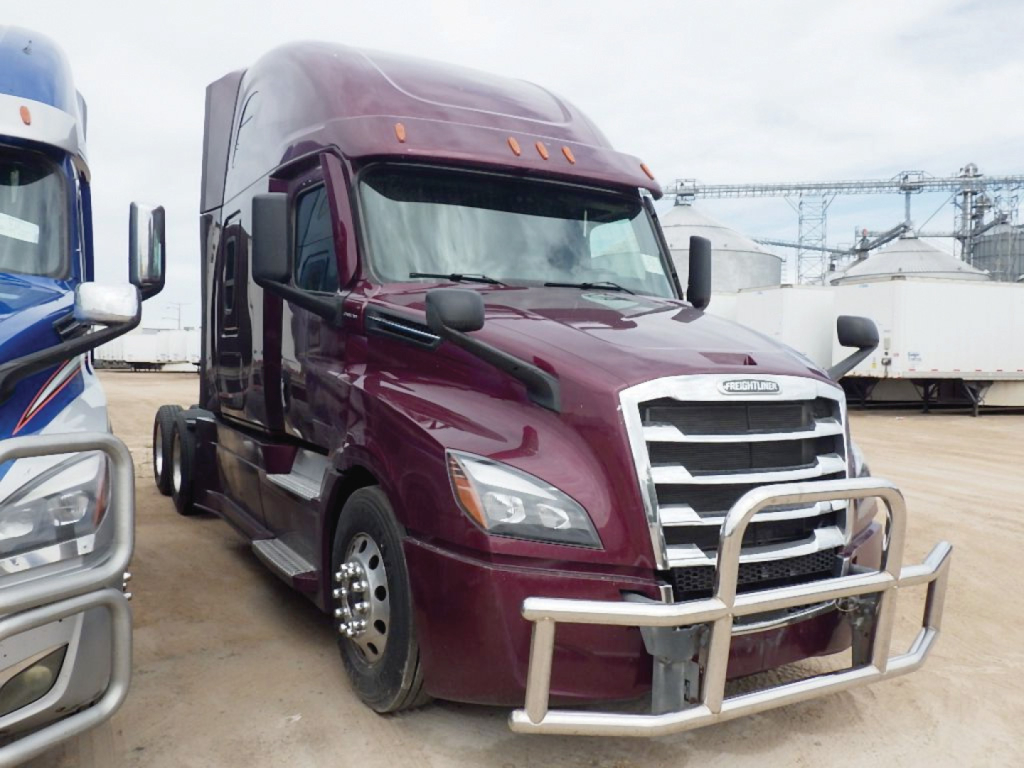
Looking for the easiest place to sell your used 2021 freightliner conventional sleeper truck? List it here to reach thousands of buyers.
Used 2021 Freightliner Conventional Sleeper Trucks in Illinois
The most important buying decisions are sleeper size, rear axle ratio, wheelbase, and powertrain rating. Many 2021 Freightliner conventional sleepers carry a 72-inch raised-roof sleeper with upper bunk, bunk heater, fairings, and cab extenders, which fits teams, longer dispatches, and drivers who spend serious time in the truck. On the drivetrain side, DD15 ratings around 400 hp are typical for fuel-conscious fleets, while higher horsepower specs are better suited to heavier payloads or more demanding terrain. Rear axle ratios in the low 2s are usually chosen for highway fuel economy, but they should be matched to tire size, cruise speed, and route profile. A 225-inch to 231-inch wheelbase is common on fleet-spec highway tractors and generally works well for van and reefer service while still allowing useful trailer gap adjustment through an air-slide 5th wheel.
A 2021 Freightliner Cascadia sleeper also tends to bring the safety and driver-assist features many buyers now expect in late-model fleet trucks. Collision mitigation systems, engine brakes, cruise control, power windows, tilt and telescoping steering, and air ride suspension are all meaningful value points in this age range. Buyers should also pay attention to fuel tank capacity, brake type, and wheel spec. Dual aluminum tanks are common for longer range between fills. Some trucks are equipped with disc brakes, which can improve stopping consistency and simplify service planning for certain operations. Aluminum outside wheels, side fairings, quarter fenders, and horizontal exhaust are typical details on aerodynamic over-the-road Freightliner sleepers.
For a used 2021 Freightliner sleeper truck, condition matters as much as spec. Review engine hours against mileage, confirm maintenance history on the DD15 and DT12, check for fault codes and aftertreatment work, and inspect the sleeper interior for signs of hard fleet use. In Illinois, a truck that has spent time on year-round highway duty should also be checked closely for frame corrosion, suspension wear, and wheel-end condition. If the truck will stay in linehaul service, prioritize a clean emissions history, tight steering, even tire wear, and a ratio that fits your loaded speed. If the plan is regional or dedicated work, focus on maneuverability, idle-management features like a bunk heater or APU, and a sleeper layout that supports driver retention. A well-spec'd 2021 Freightliner conventional sleeper remains one of the most practical choices in the used highway tractor market.
Frequently Asked Questions about Used 2021 Freightliner Conventional Sleeper Trucks in Illinois
What engine and transmission are common in a 2021 Freightliner conventional sleeper truck?
The most common setup is a Detroit DD15 engine paired with a Detroit DT12 automated manual transmission. This combination is widely used in Freightliner Cascadia sleepers because it delivers strong fuel economy, broad service support, and easy operation for fleet and owner-operator applications. Horsepower ratings often land around 400 hp in fuel-focused fleet specs, though some trucks are ordered with higher ratings for heavier or faster work.
Is a 72-inch raised-roof sleeper a good fit for over-the-road freight?
Yes. A 72-inch raised-roof sleeper is a standard long-haul configuration because it gives the driver enough living space for multi-day trips, team operations, and better onboard storage. Many include an upper bunk, bunk heater, and room for common driver amenities. For dry van and reefer operations running longer lanes, this sleeper size is one of the most practical and widely accepted specs.
Why do rear axle ratios matter on a used Freightliner Cascadia sleeper?
Rear axle ratio directly affects cruise rpm, launch performance, gradeability, and fuel consumption. Ratios in the 2.16 to 2.28 range are typically selected for fuel-efficient highway use, especially when paired with automated transmissions and low-profile 22.5 tires. Buyers should make sure the ratio matches their freight weight, average road speed, and terrain. A very fast ratio can save fuel on flat interstate lanes but may feel less flexible in heavier regional service.
What should I inspect first on a used 2021 Freightliner sleeper in Illinois?
Start with maintenance records, fault-code history, aftertreatment repairs, and tire wear patterns. Then inspect the frame, suspension, brake components, and wheel ends for signs of corrosion or deferred maintenance, especially on trucks that have spent winters on Midwestern roads. Inside the cab and sleeper, check bunk equipment, HVAC performance, switches, and general wear. A clean service history on the DD15, DT12, and emissions system is usually more important than cosmetic condition alone.
Are 2021 Freightliner conventional sleeper trucks mainly used for van and reefer work?
Yes, that is the most common application. The aerodynamic Cascadia sleeper spec is designed primarily for dry van, refrigerated freight, and general over-the-road truckload service. It also fits dedicated contract freight and some regional haul operations. The exact suitability depends on wheelbase, fifth wheel setup, axle ratio, and horsepower, but this category is broadly considered one of the standard highway tractor formats in North America.