
Used Peterbilt Conventional Sleeper Trucks For Sale in Illinois
Shop used Peterbilt conventional sleeper trucks in Illinois. Compare 579 and 388 specs, sleeper sizes, powertrains, wheelbases, and ratios.
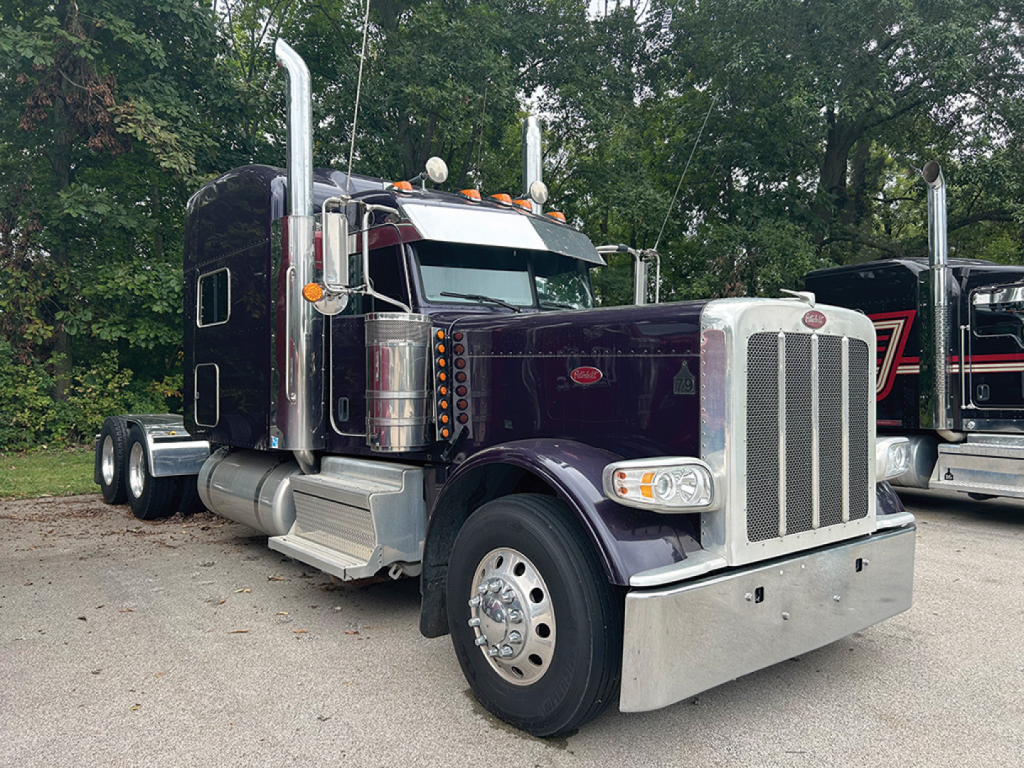
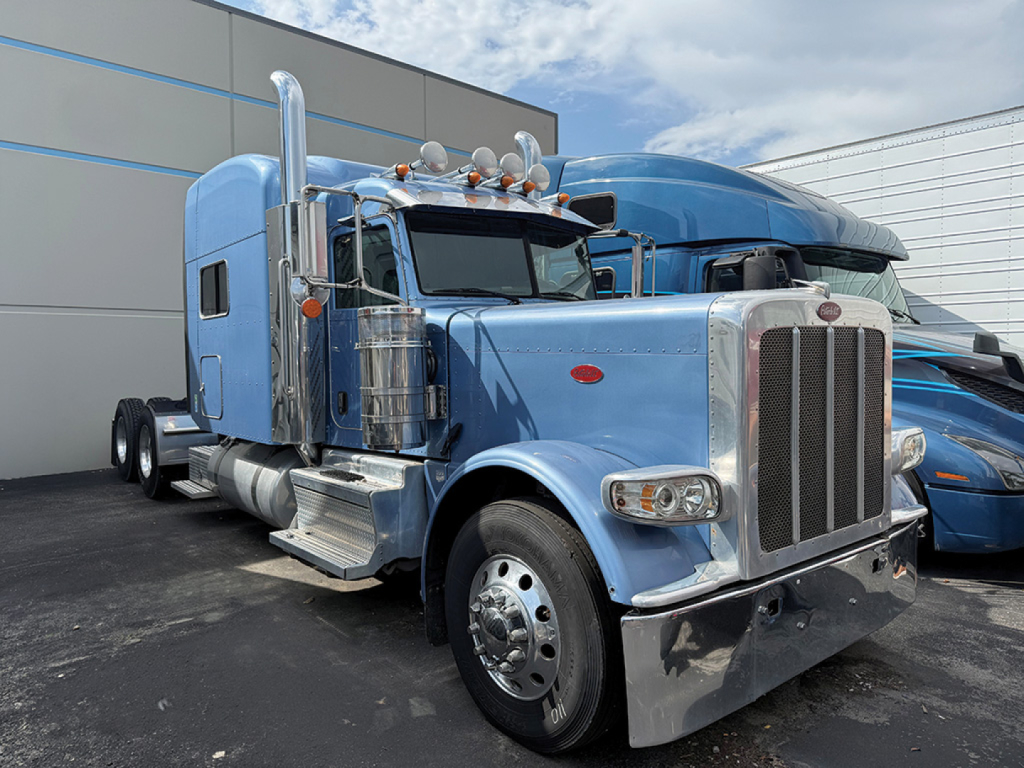
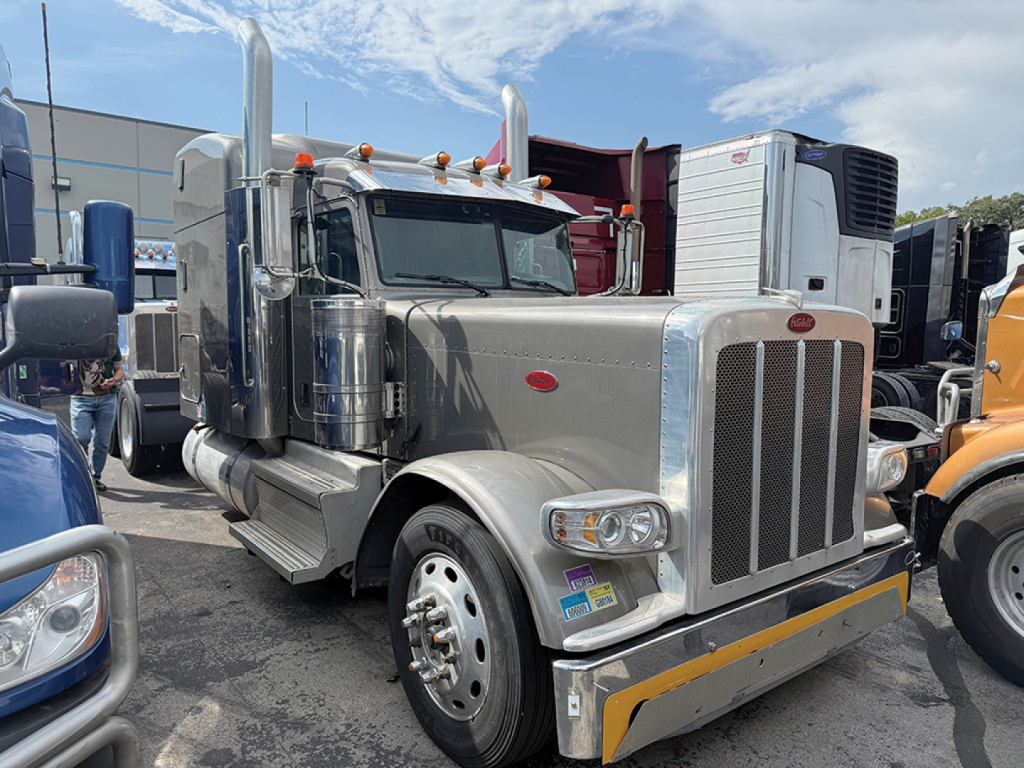
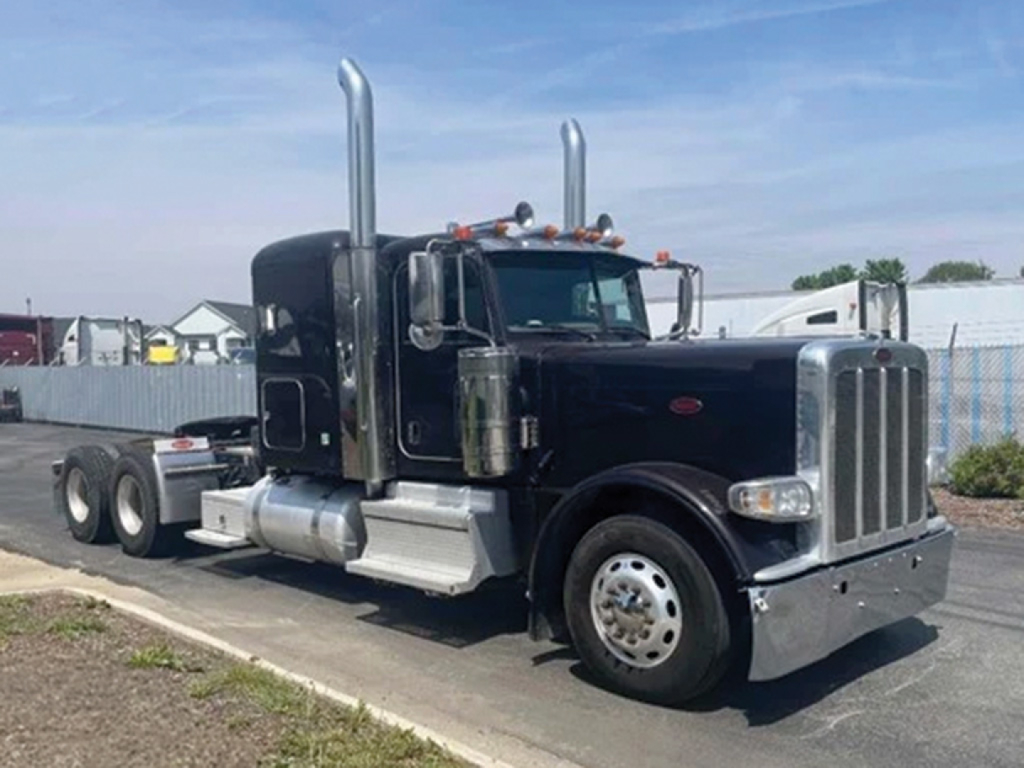
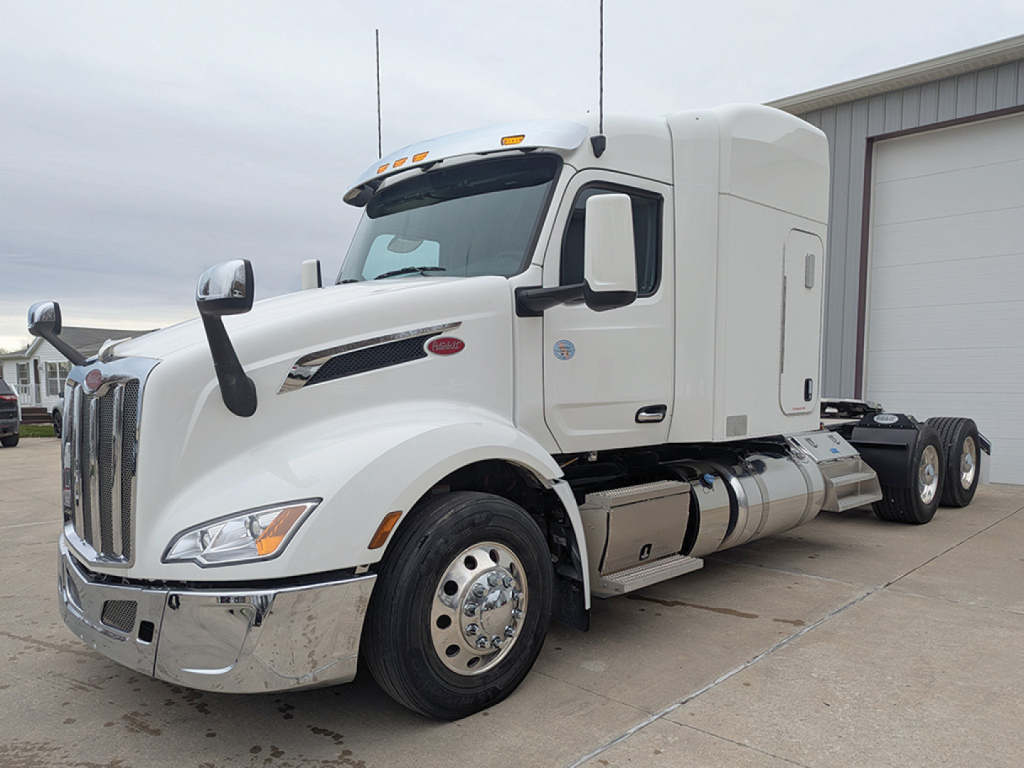
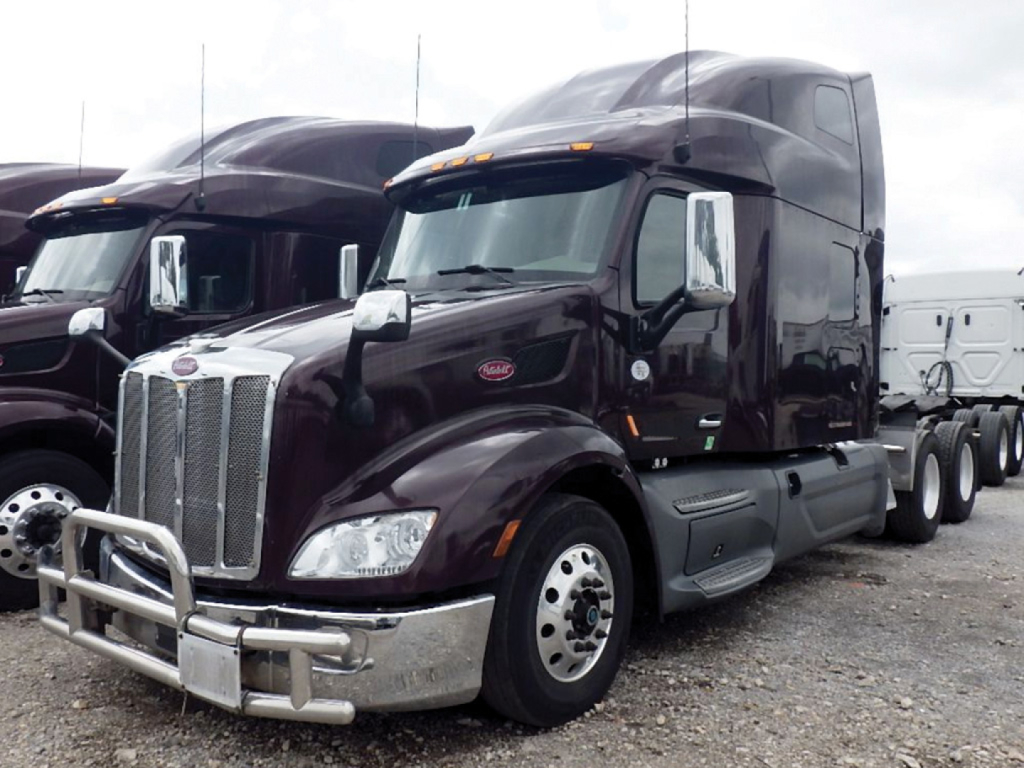

Have used peterbilt conventional sleeper truck to sell? List it here to reach thousands of buyers.
Used Peterbilt Conventional Sleeper Trucks in Illinois
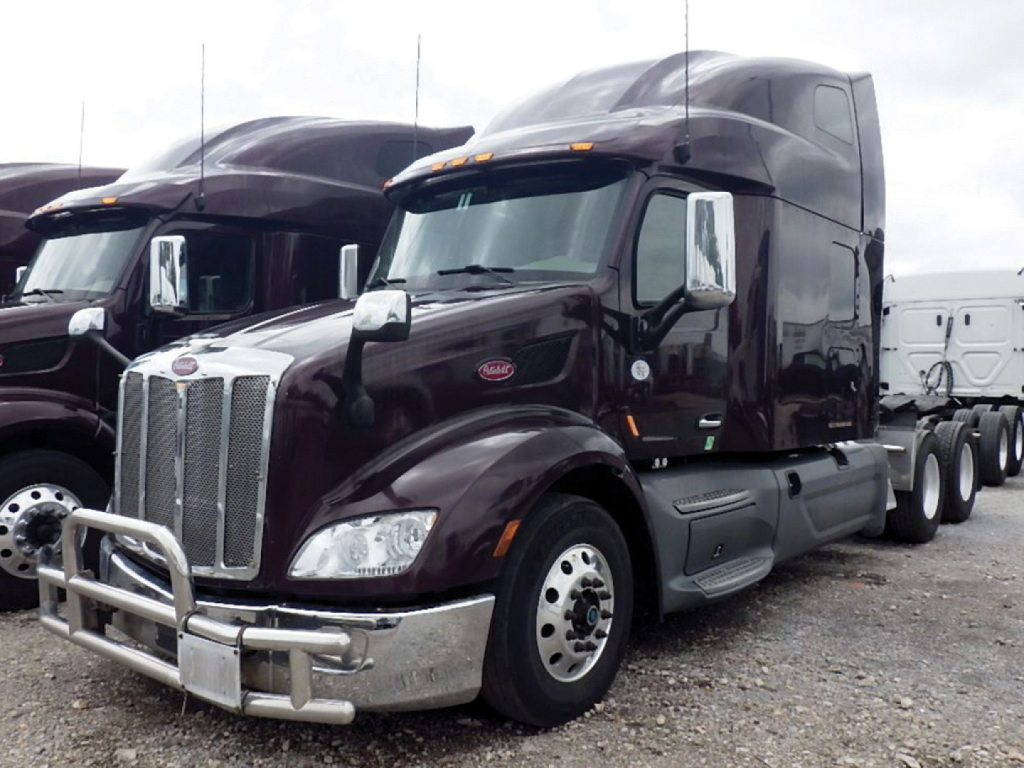
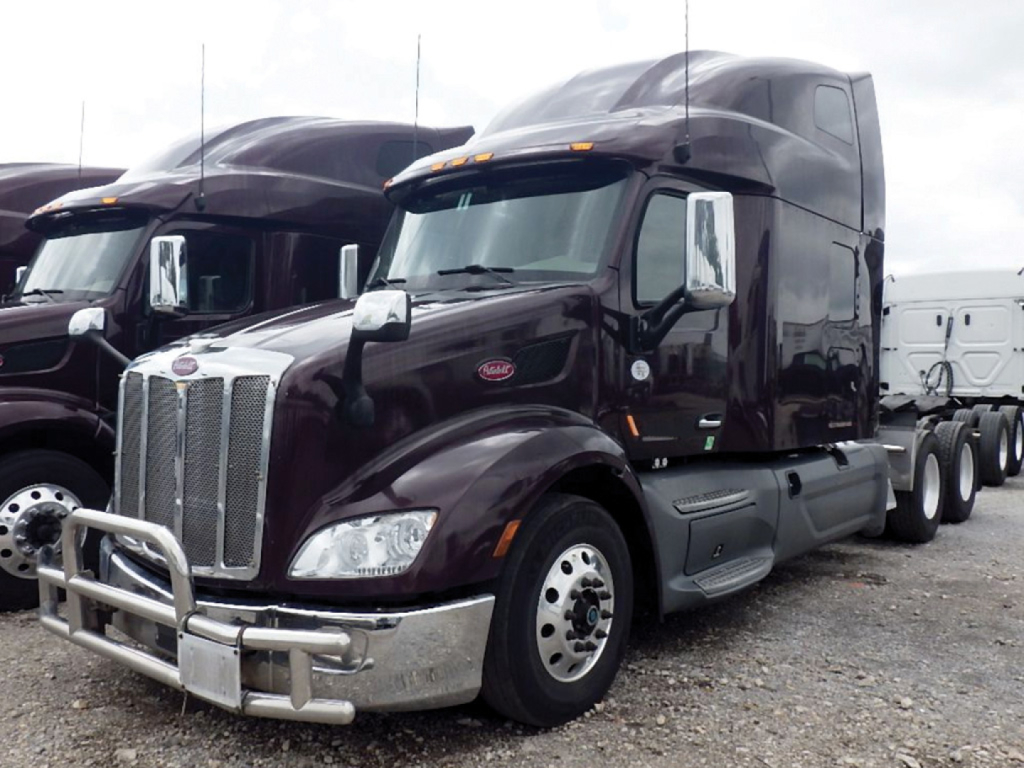
The first decision is usually cab and sleeper layout. Many Peterbilt conventional sleepers on the market use 48-inch flat-top, 80-inch high-roof Unibilt, or UltraLoft sleeper configurations. A 48-inch sleeper can work for shorter runs or fleets that want a lighter, simpler tractor. An 80-inch high-roof or UltraLoft sleeper is better suited for teams, extended trips, and drivers who need standing room, more storage, a refrigerator, inverter, or shore power setup. Wheelbase, fuel tank placement, and fairing packages also affect maneuverability, ride quality, and trailer gap management.
Powertrain specs matter more than the badge on the hood. Common used Peterbilt sleeper configurations include PACCAR MX-13 and Cummins ISX15 engines, typically in the 400 to 485 horsepower range, paired with 10-speed, 13-speed, or automated transmissions. Rear axle ratios such as 2.69, 2.85, 3.36, and 4.11 tell you a lot about intended use. Lower numerical ratios generally favor fuel-efficient highway cruising, while deeper ratios support heavier loads, more startability, and certain vocational or regional applications. Many buyers also compare engine brake performance, 40,000-pound rear axle ratings, suspension type, brake setup, and whether the truck has an air-slide or adjustable fifth wheel for flexibility across trailer lengths and kingpin settings.
When evaluating a used Peterbilt conventional sleeper, focus on maintenance history, aftertreatment service records, clutch or transmission condition, tire wear patterns, and signs of suspension or alignment issues. On aerodynamic models like the 579, inspect fairings, hood fit, bumper damage, and sleeper seals, since these affect both appearance and operating efficiency. Inside the cab, bunk heater function, HVAC performance, inverter wiring, and general sleeper condition are important indicators of how the truck was used. A well-spec'd Peterbilt sleeper can be a productive long-haul tractor, but the right choice depends on lane length, trailer type, gross weights, and how much priority you place on driver retention, fuel economy, and ease of service.
Frequently Asked Questions about Used Peterbilt Conventional Sleeper Trucks in Illinois
What is the difference between a Peterbilt 579 sleeper and a Peterbilt 388 sleeper?
The Peterbilt 579 is typically an aerodynamic highway tractor designed for fuel economy, lower drag, and modern driver comfort. The Peterbilt 388 has a more traditional long-hood design that many buyers prefer for appearance, service access, and certain heavy-haul or owner-operator applications. In used conventional sleeper listings, the 579 often shows up with high-roof sleeper options, automated transmissions, and highway axle ratios, while the 388 is more likely to be found with manual transmissions, deeper axle ratios, and traditional styling features.
What sleeper size should I look for in a used Peterbilt conventional truck?
Sleeper size should match trip length and driver needs. A 48-inch flat-top sleeper is usually enough for shorter overnights and can reduce weight and overall length. An 80-inch high-roof or UltraLoft sleeper offers more standing room, storage, and capacity for amenities like a refrigerator, inverter, upper bunk, or shore power. Buyers running multi-day routes or team operations usually benefit from the larger sleeper, while regional operations may prefer the smaller, lighter setup.
Are PACCAR MX-13 and Cummins ISX15 engines both common in used Peterbilt sleepers?
Yes. Both engines are common in used Peterbilt conventional sleeper trucks, and each should be evaluated based on service records, emissions system history, and intended use rather than name alone. The PACCAR MX-13 is widely spec'd in later-model 579 tractors and is often chosen for fuel-efficient linehaul work. The Cummins ISX15 is also common and is well known across heavy-duty applications. On either engine, buyers should review maintenance intervals, check for fault history, and inspect aftertreatment components, cooling system condition, and engine brake operation.
Which rear axle ratio is best for a used Peterbilt sleeper truck?
The best rear axle ratio depends on load, terrain, and cruising speed. Ratios like 2.69 or 2.85 are commonly used for fuel-efficient highway operation with downsped drivetrains. A 3.36 ratio can provide a balance between road speed and pulling power for mixed service. A 4.11 ratio is more aggressive and better suited to heavier loads, more stop-and-go work, or applications that need stronger startability. The axle ratio should always be considered with transmission type, tire size, and the truck's typical gross combination weight.
What should I inspect first on a used Peterbilt conventional sleeper in Illinois?
Start with the frame, suspension, tires, and cab structure, then move to engine and emissions records. Illinois trucks may see winter road treatment, so corrosion around frame components, crossmembers, battery boxes, and fairing mounts deserves close attention. After that, inspect the sleeper for water intrusion, HVAC performance, bunk heater operation, and electrical accessories such as inverters or shore power kits. A highway sleeper tractor can look clean and still have costly deferred maintenance, so service documentation is often as important as cosmetic condition.