
Used 2021 Conventional Sleeper Trucks For Sale in Illinois
Shop used 2021 conventional sleeper trucks in Illinois with popular specs like raised-roof sleepers, automated transmissions, and 400-455 HP engines.
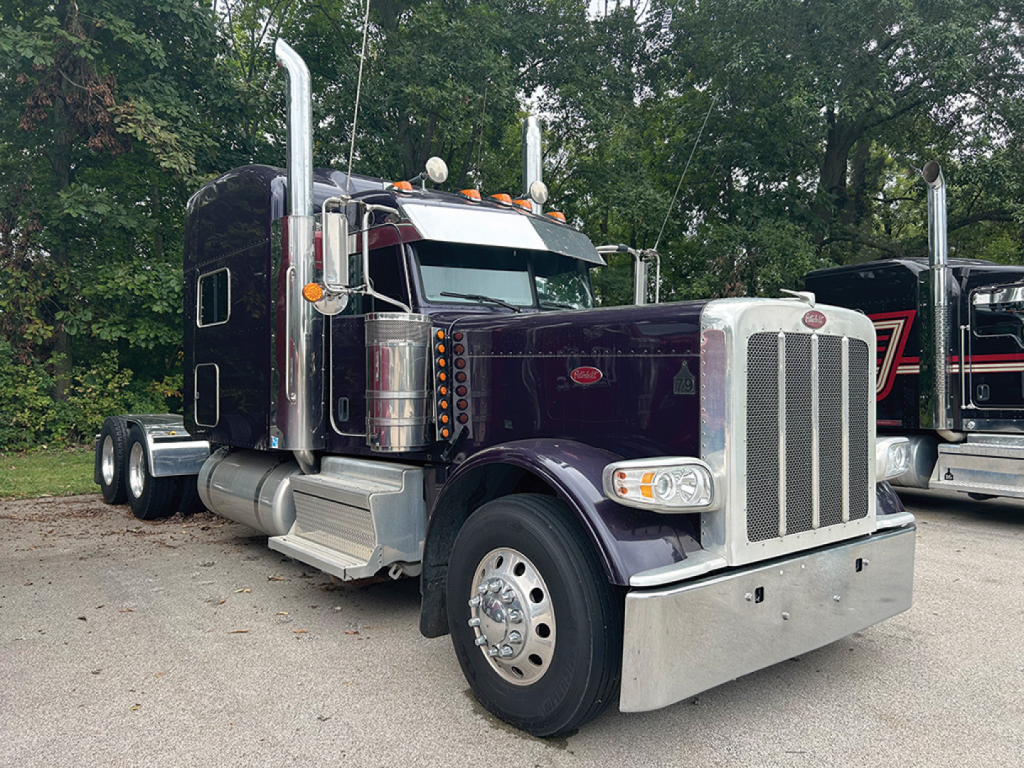
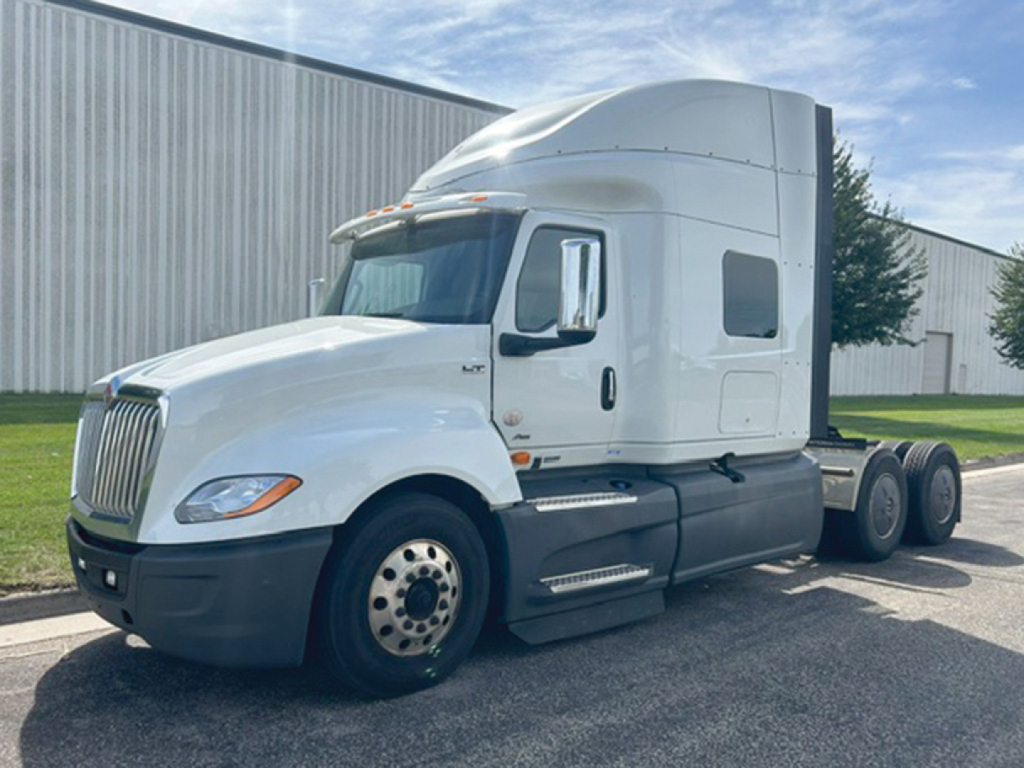
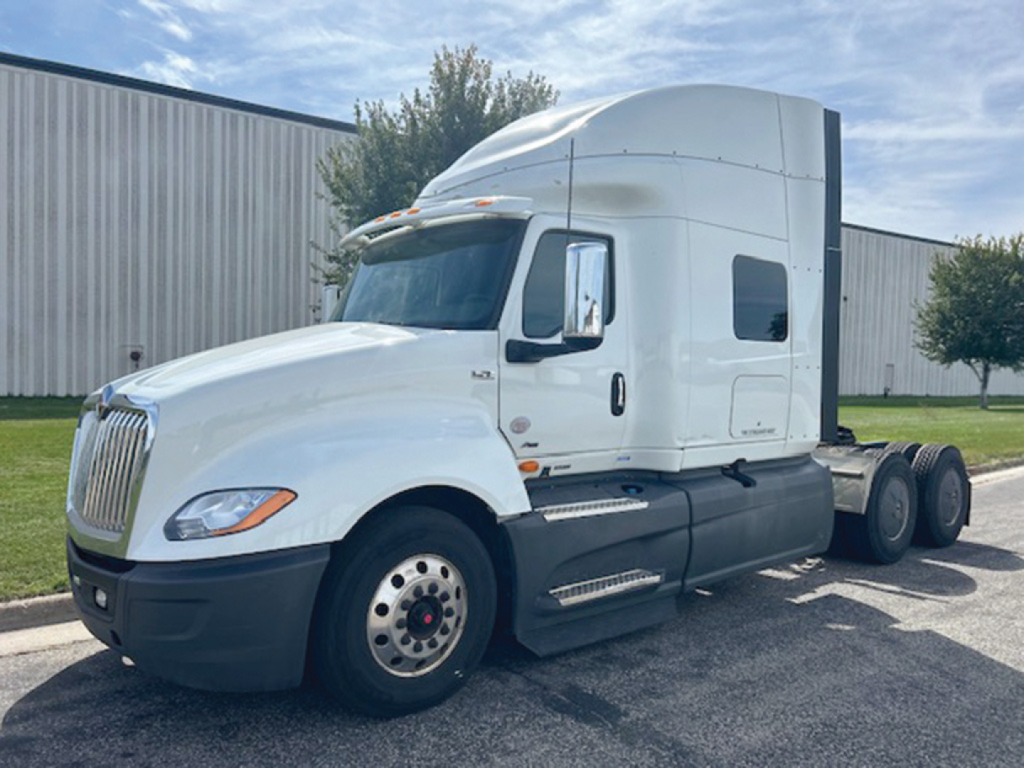
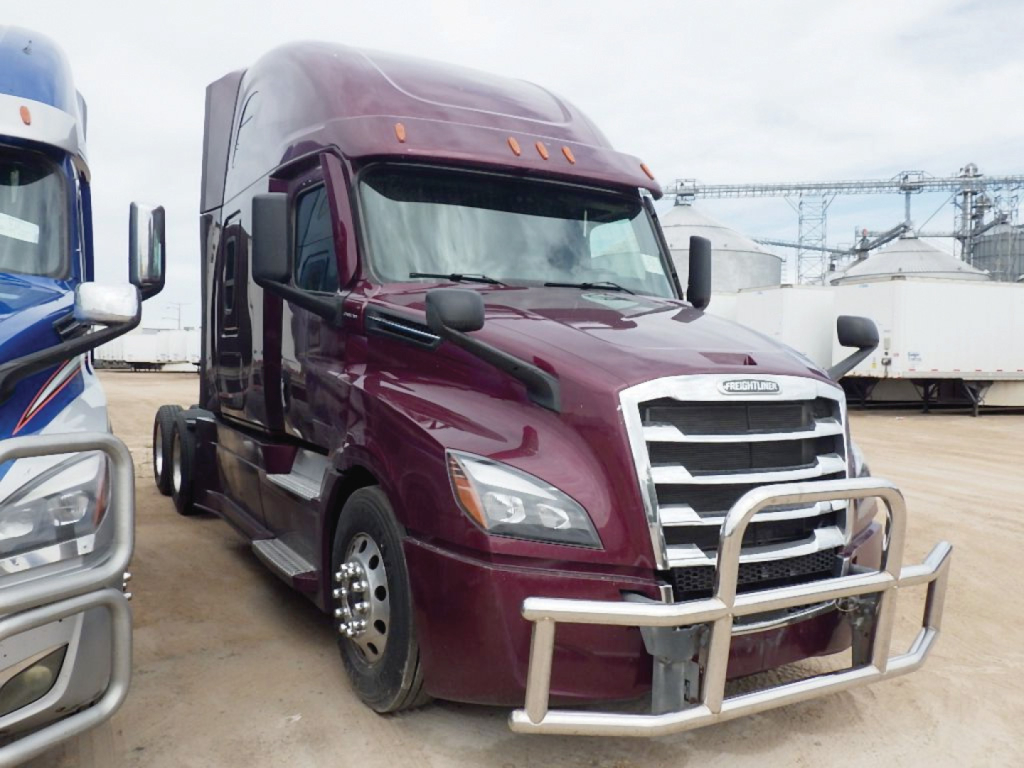
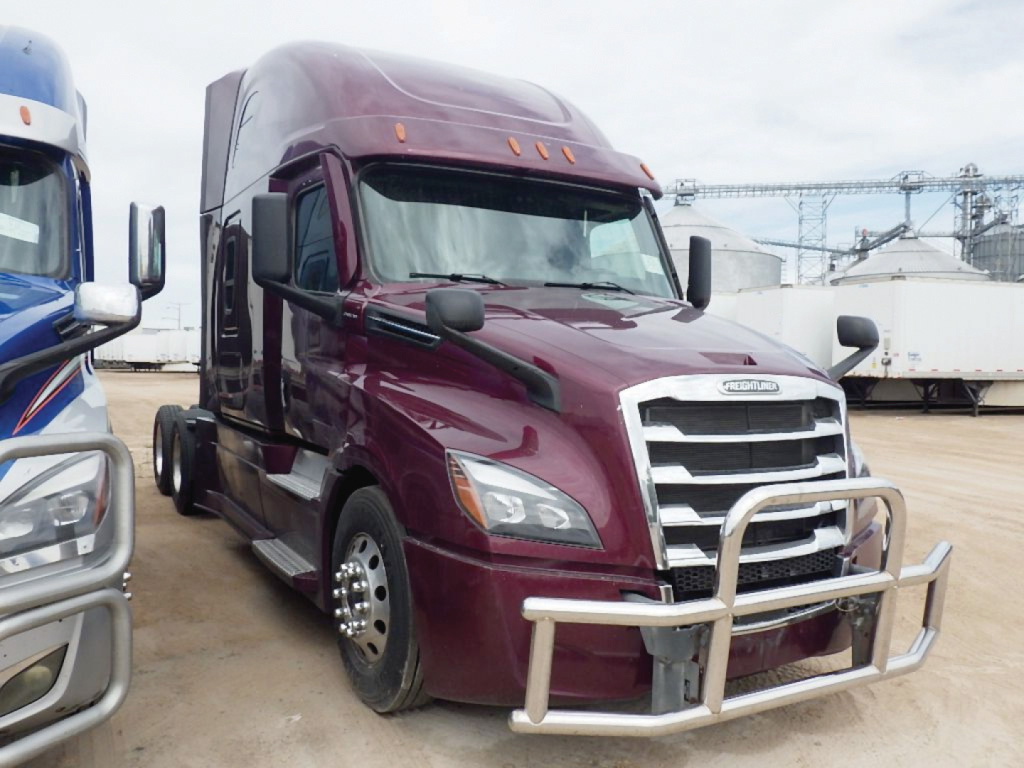
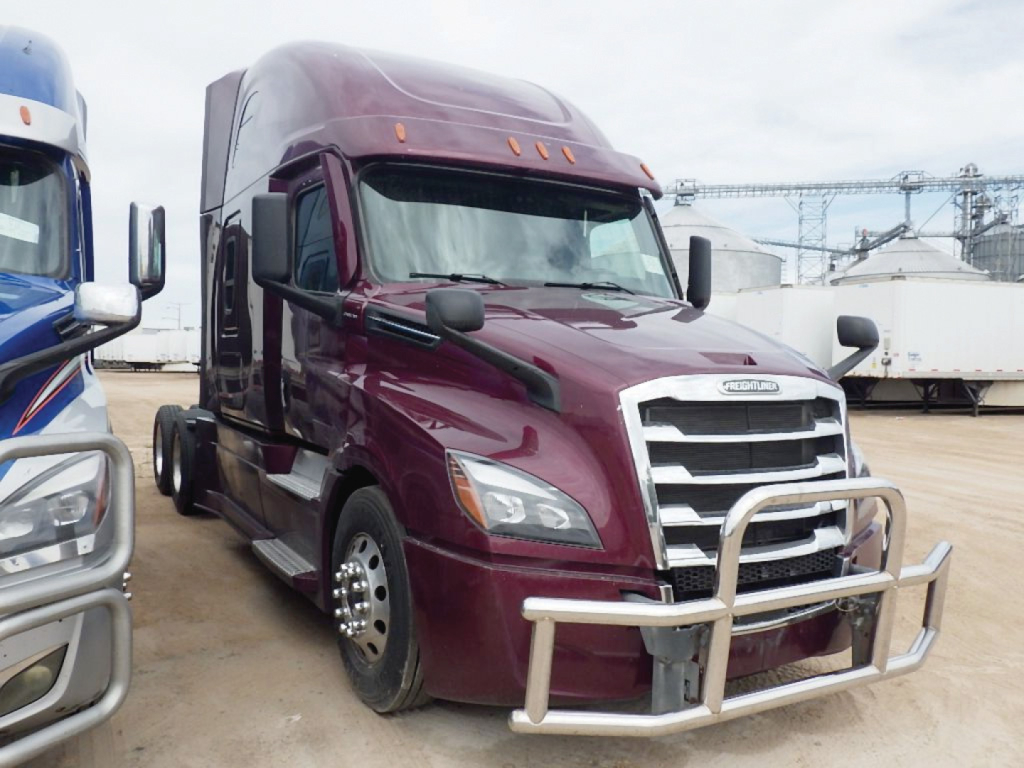
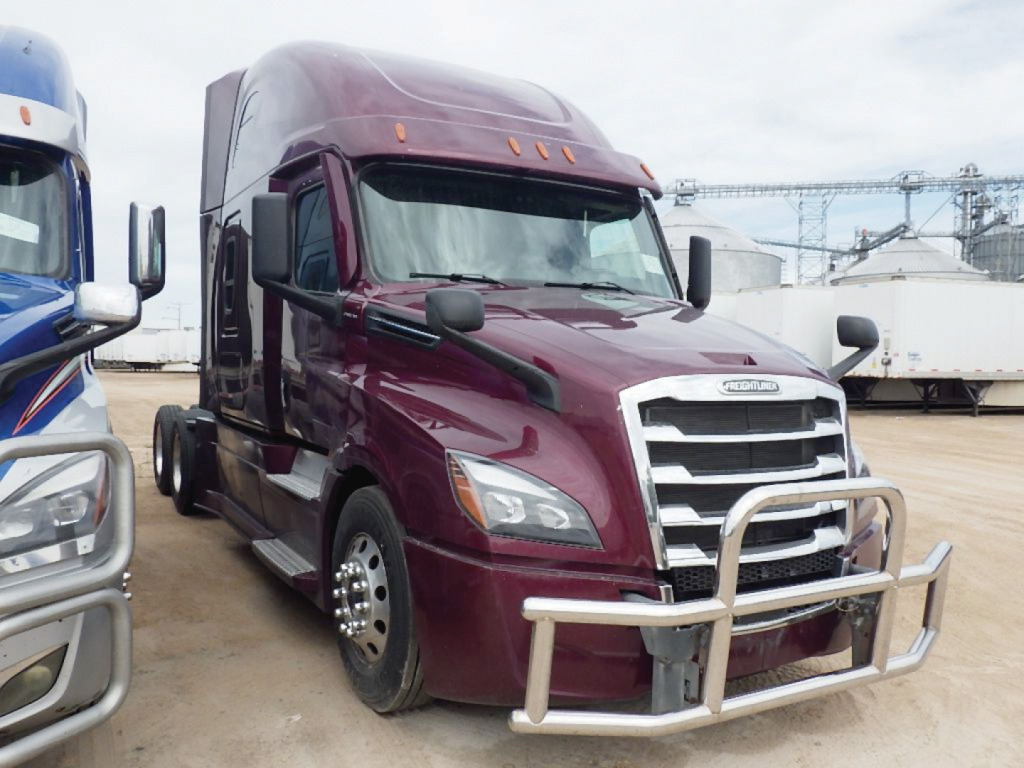
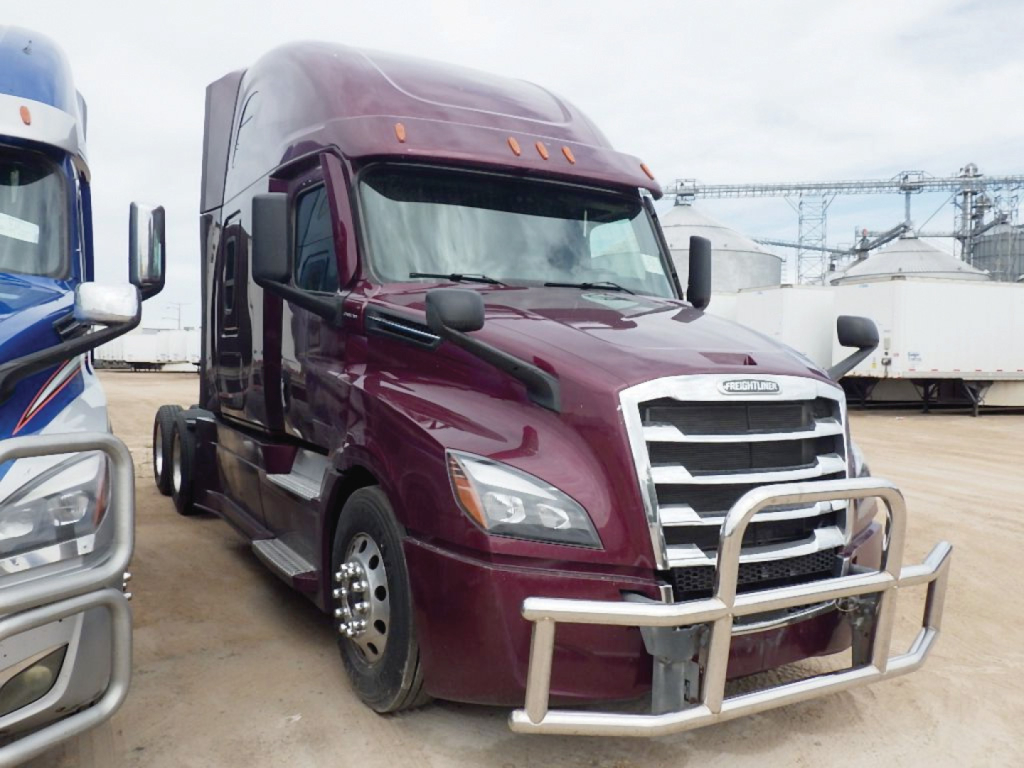
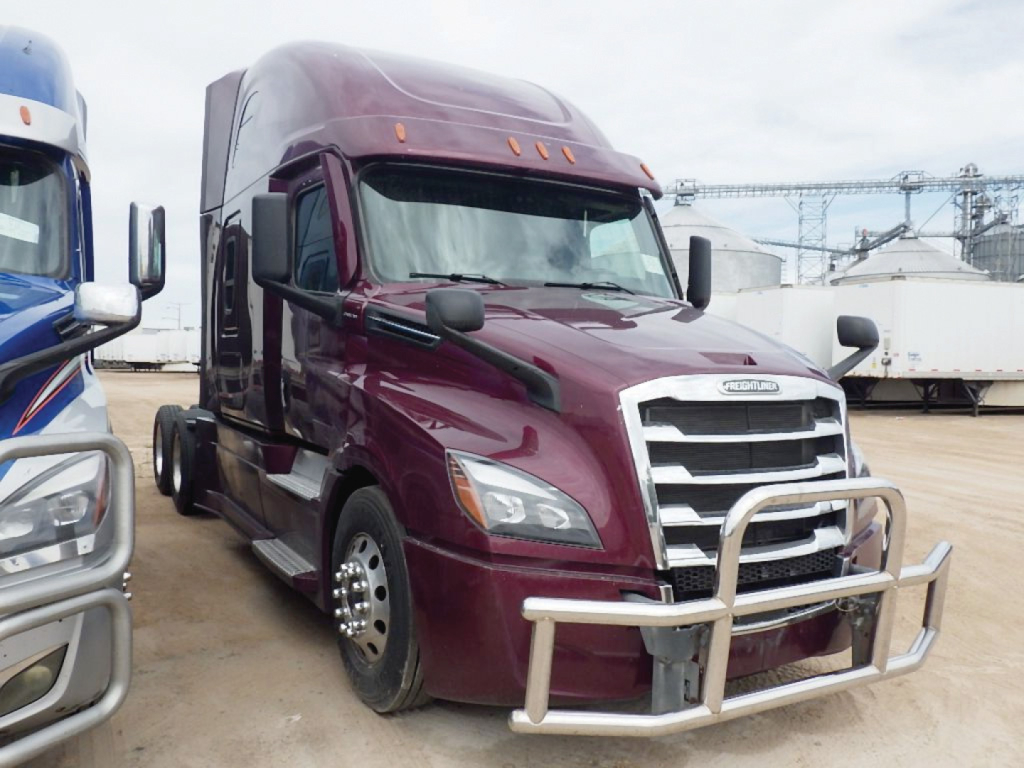
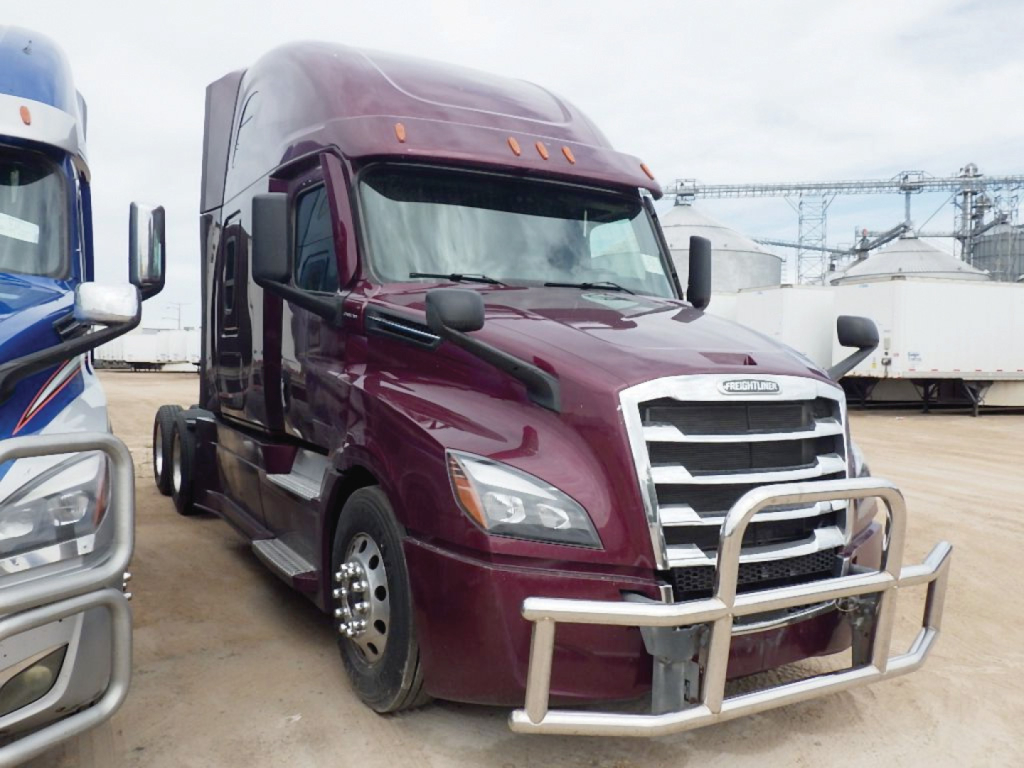
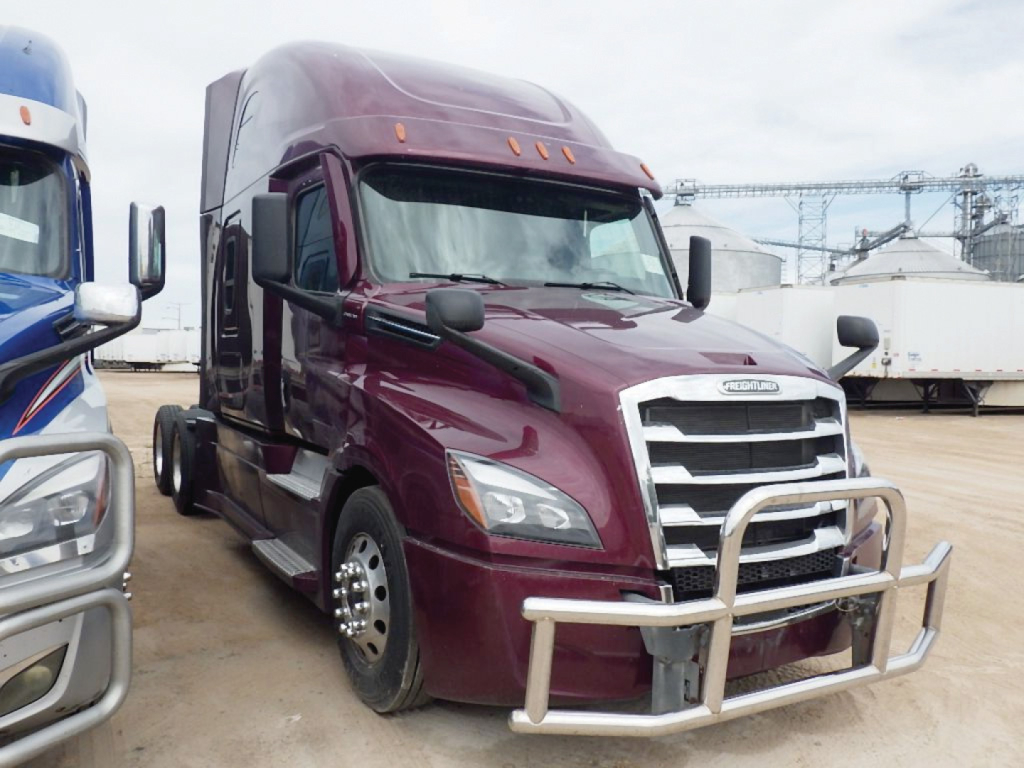
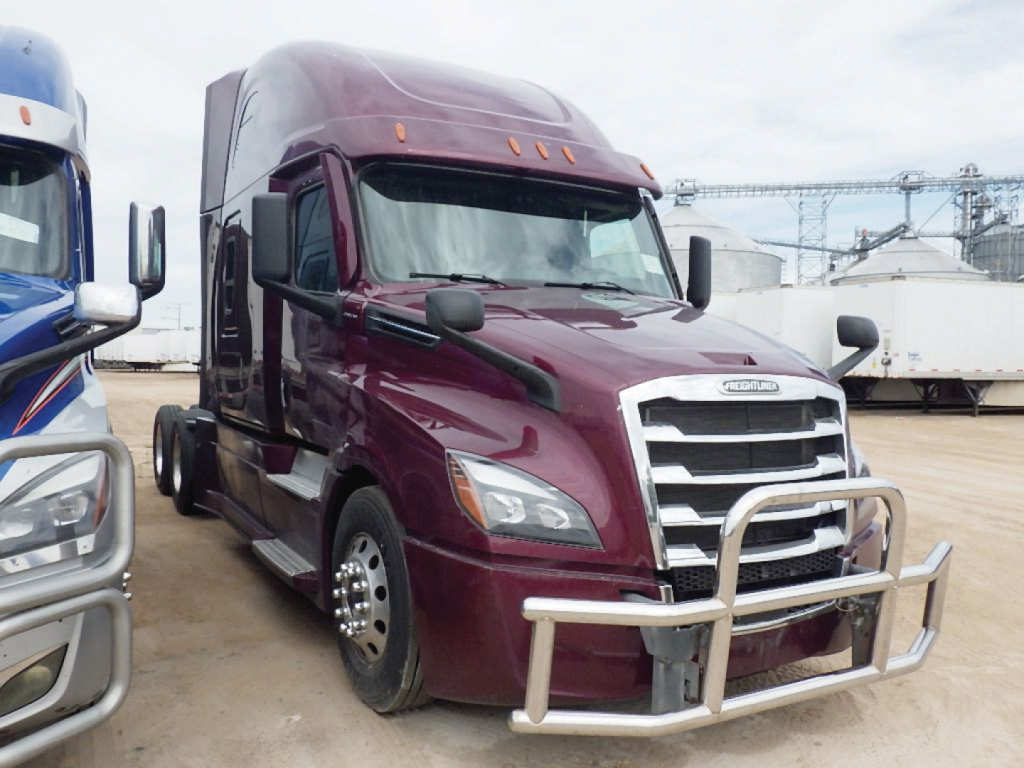
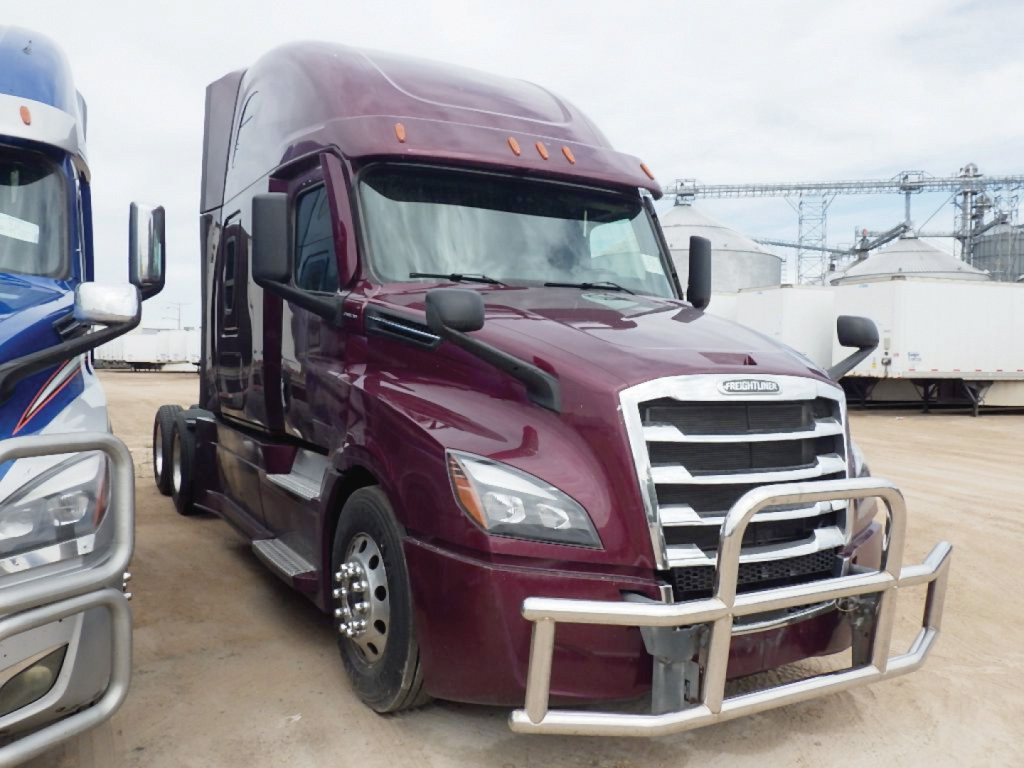
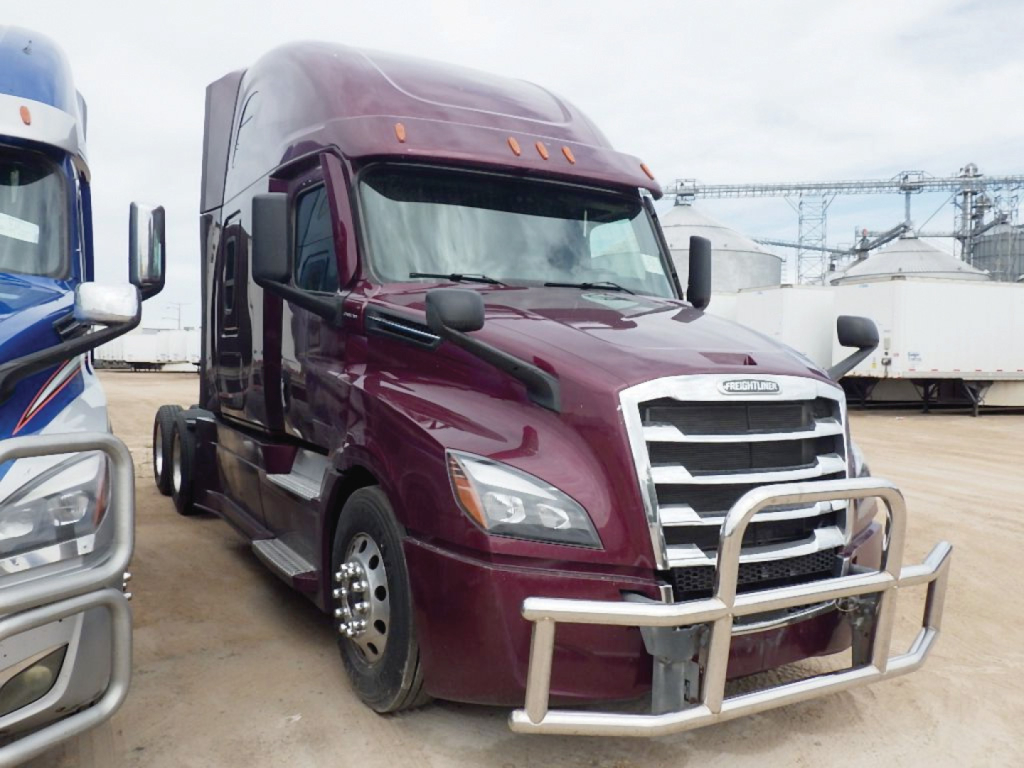
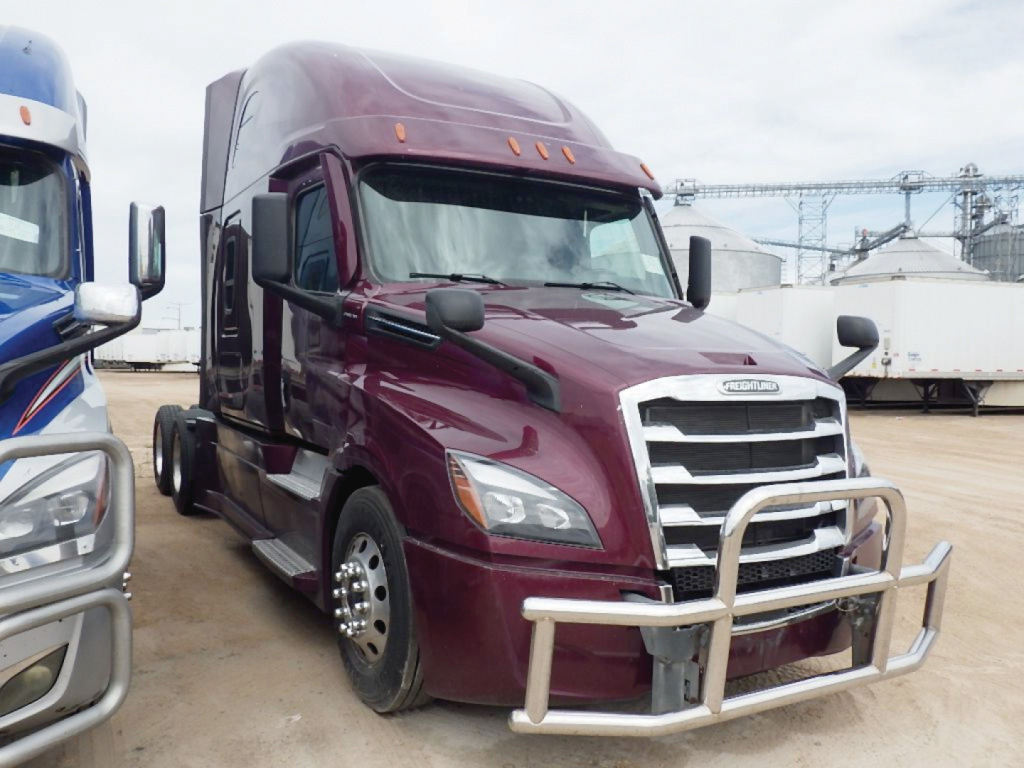
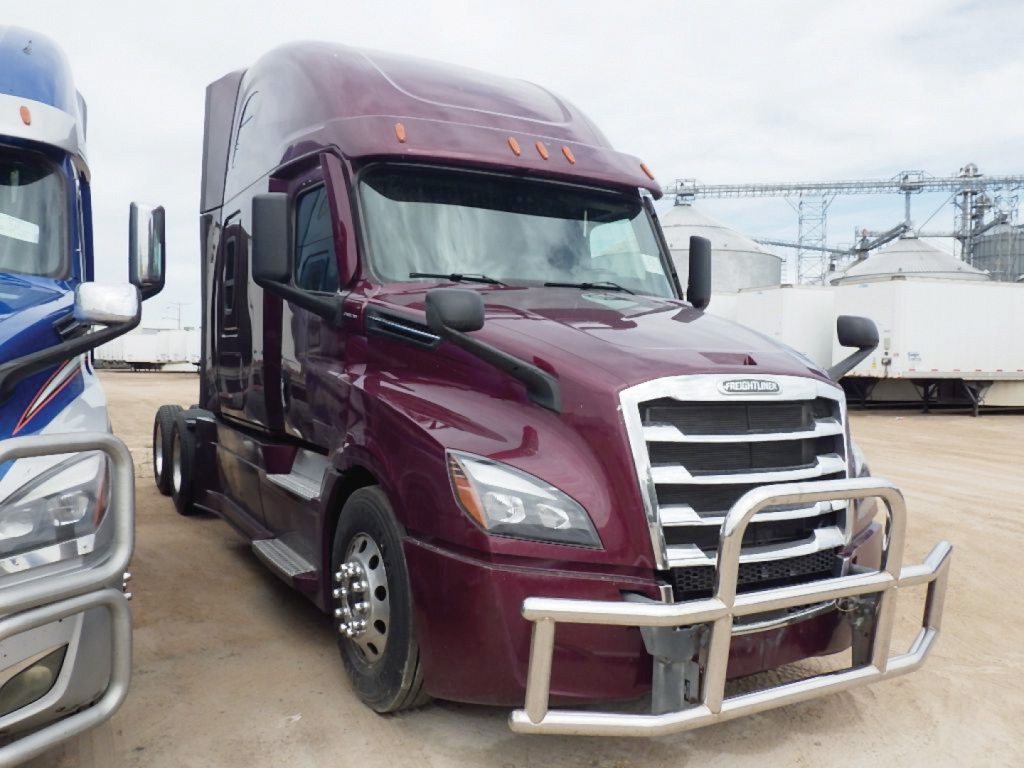
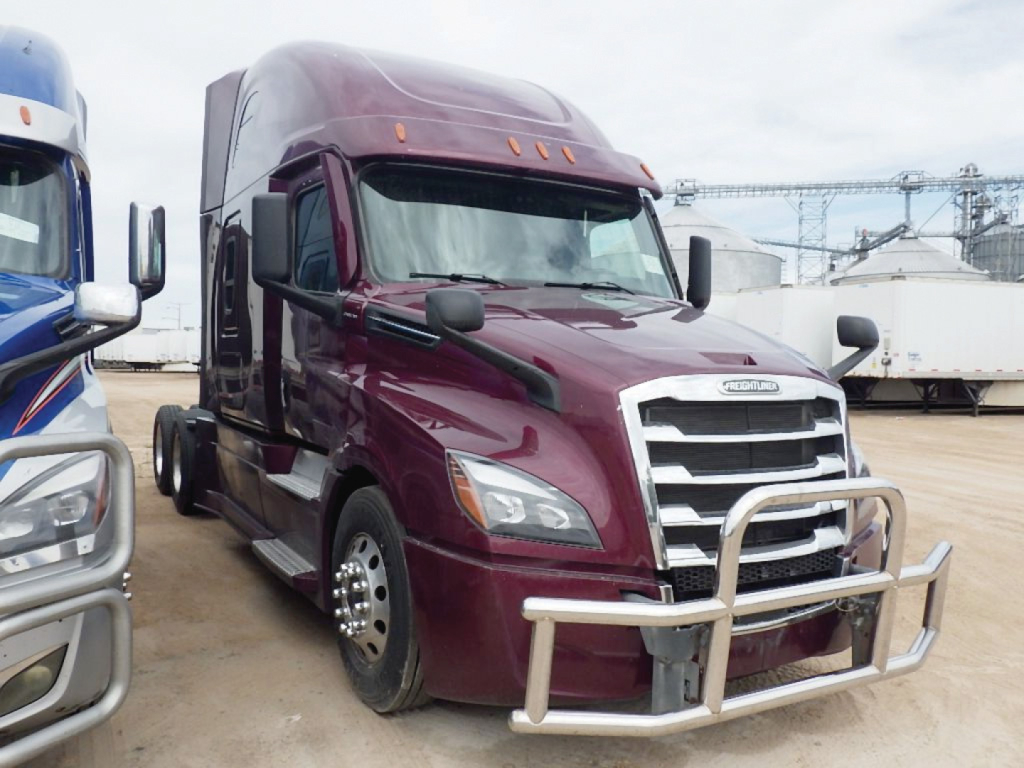
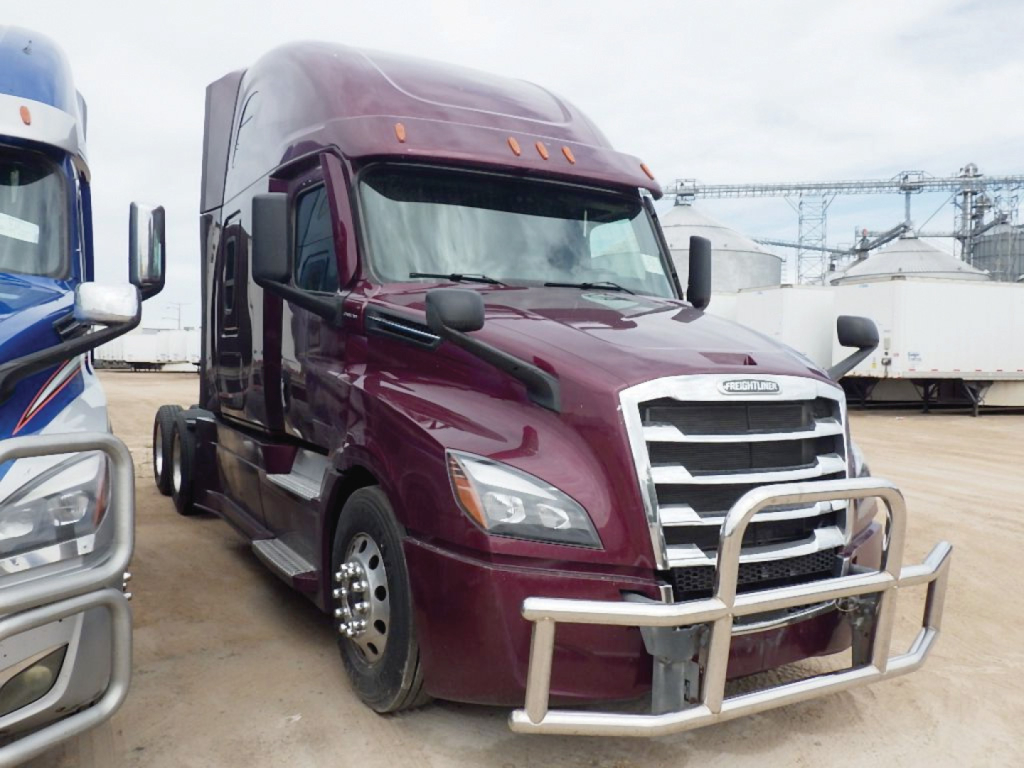

Looking for the easiest place to sell your used 2021 conventional sleeper truck? List it here to reach thousands of buyers.
Used 2021 Conventional Sleeper Trucks in Illinois
For this category, the core buying decisions usually come down to powertrain, sleeper size, axle ratio, and wheelbase. Common engine ratings are in the 400 to 455 horsepower range, often paired with automated manual transmissions such as the Detroit DT12, Mack mDrive, or similar 10-speed and 12-speed automated setups. Many 2021 conventional sleepers run tandem 40,000 lb rears with ratios like 2.47, 2.64, or 2.85, and those numbers matter. Lower numerical ratios generally favor fuel mileage at highway speed, while a higher ratio can help in heavier applications, hill work, or more stop-and-go regional service. Wheelbases around the high-220-inch to 230-inch range are common, especially on fleet-spec tractors set up for van and reefer work.
Sleeper configuration deserves close attention because it affects both driver retention and trip flexibility. Raised-roof and stand-up sleepers in the 70-inch to 73-inch range are common in this class, often with upper bunks, bunk heaters, storage cabinets, and room for an APU. Buyers should also look at fairings, cab extenders, quarter fenders, fuel capacity, and fifth wheel type. An air-slide fifth wheel adds flexibility if the truck may pull trailers with different kingpin settings or bridge-law requirements. Disc brakes, collision mitigation systems, and integrated engine brakes are increasingly common on late-model conventional sleepers and can be meaningful advantages for safety, downtime reduction, and driver acceptance.
Condition matters more than brand name alone on a used 2021 sleeper. Service records, aftertreatment history, idle hours, tire wear pattern, suspension condition, and evidence of proper PM intervals usually tell more than the badge on the hood. It is also smart to confirm emissions warranty status, software update history, and the exact sleeper and axle specifications if the truck will be assigned to a specific lane or trailer type. For Illinois buyers, corrosion exposure, winter operation, and frame or brake component condition should be part of the inspection. A well-matched 2021 conventional sleeper truck can still be a strong revenue unit for long-haul, regional, expedited, or dedicated contract freight.
Frequently Asked Questions about Used 2021 Conventional Sleeper Trucks in Illinois
What is a conventional sleeper truck?
A conventional sleeper truck is a highway tractor with the engine mounted ahead of the cab and a built-in sleeping compartment behind the driver area. It is the standard over-the-road sleeper configuration used in long-haul freight. Compared with day cabs, sleeper tractors provide rest space, extra storage, and better suitability for multi-day routes.
What engine and transmission specs are common on used 2021 conventional sleeper trucks?
Many used 2021 conventional sleeper trucks are equipped with 400 to 455 horsepower diesel engines and automated manual transmissions. Common setups include tandem 40,000 lb rear axles, engine brakes, and highway-focused axle ratios such as 2.47, 2.64, or 2.85. These specs are popular because they balance fuel economy, drivability, and compatibility with van and reefer freight.
Why does axle ratio matter on a sleeper tractor?
Axle ratio affects cruise RPM, fuel economy, launch performance, and how the truck handles different freight profiles. A lower numerical ratio like 2.47 or 2.64 usually supports lower engine RPM at highway speed and can improve fuel mileage on flat interstate lanes. A higher ratio like 2.85 may be a better fit for heavier loads, more urban starts and stops, or routes with more grades.
What should I inspect first on a used 2021 sleeper truck in Illinois?
Start with maintenance records, engine hours versus mileage, aftertreatment service history, brake and tire condition, and signs of corrosion from winter road treatment. In Illinois, frame rails, air system components, suspension parts, and wiring exposure deserve extra attention because seasonal weather and road salt can accelerate wear. It is also worth checking sleeper HVAC, bunk heater operation, and any APU installation if minimizing idle time is important.
Are 2021 conventional sleeper trucks a good fit for regional freight or only long-haul?
A 2021 conventional sleeper truck can work well in both applications if the spec matches the route. Long-haul operations benefit from larger sleepers, fuel capacity, and fuel-efficient axle ratios, while regional fleets may prioritize maneuverability, safety systems, and easier driver handoff. The best choice depends on trip length, trailer type, terrain, and how often the truck returns to the terminal.