
Used 2021 Conventional Sleeper Trucks For Sale
Browse used 2021 conventional sleeper trucks with high-roof cabs, aero packages, and modern powertrains built for regional and OTR hauling.
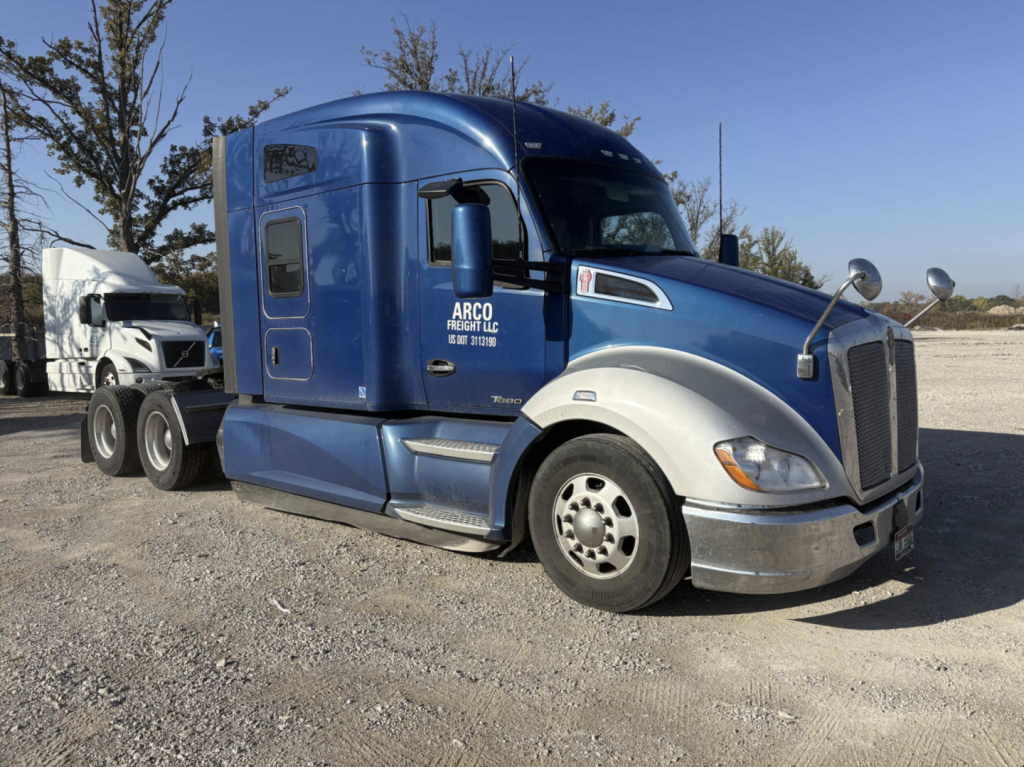
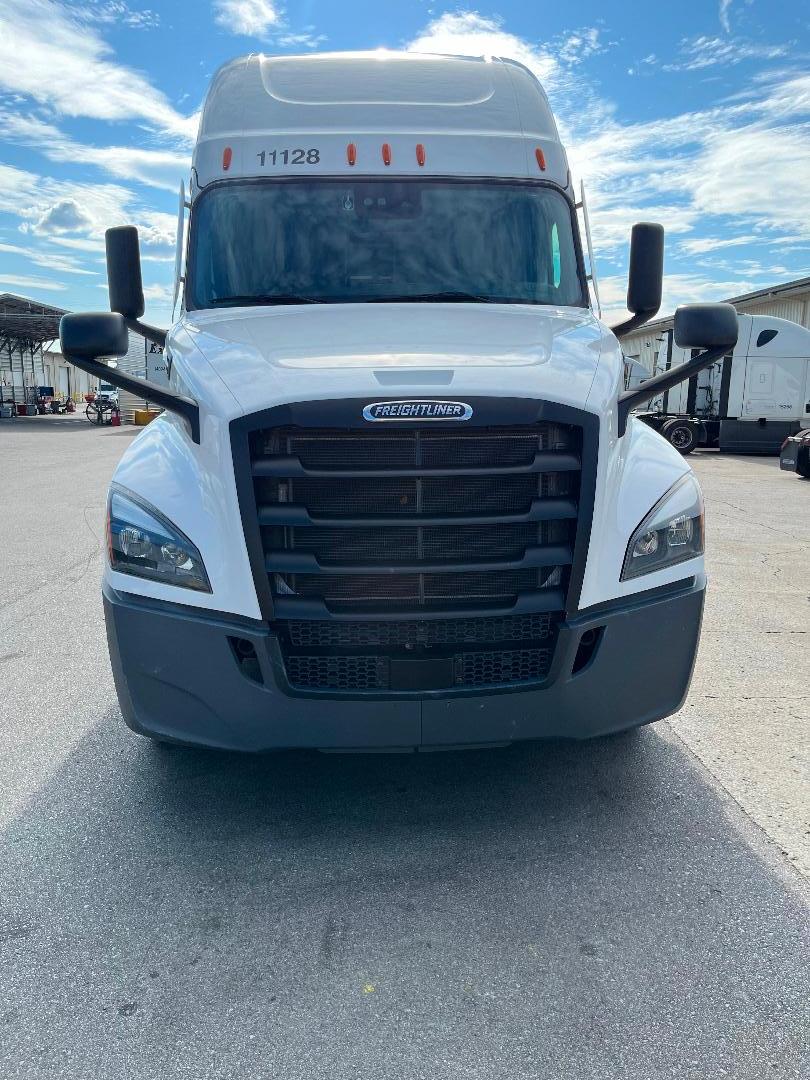
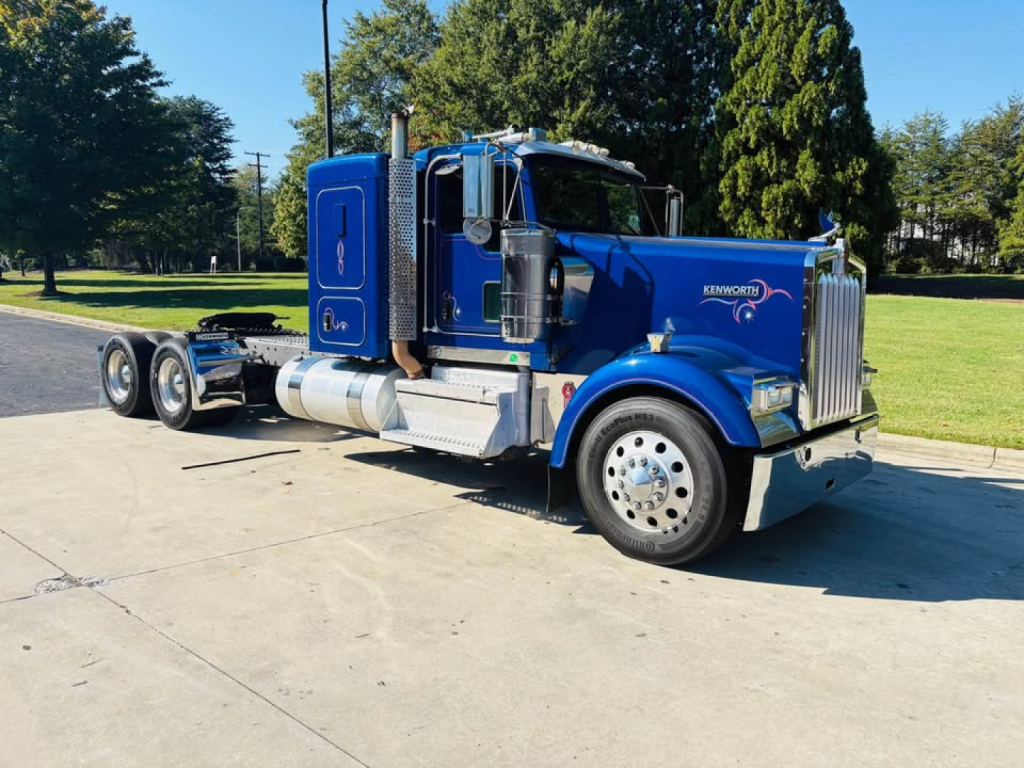
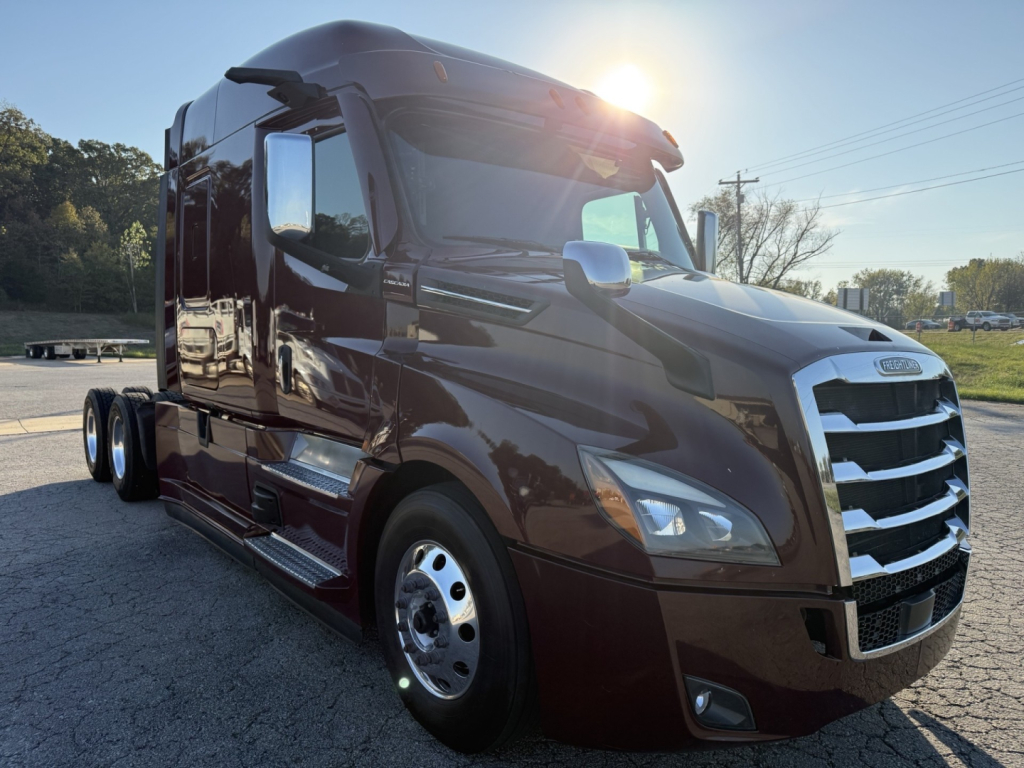
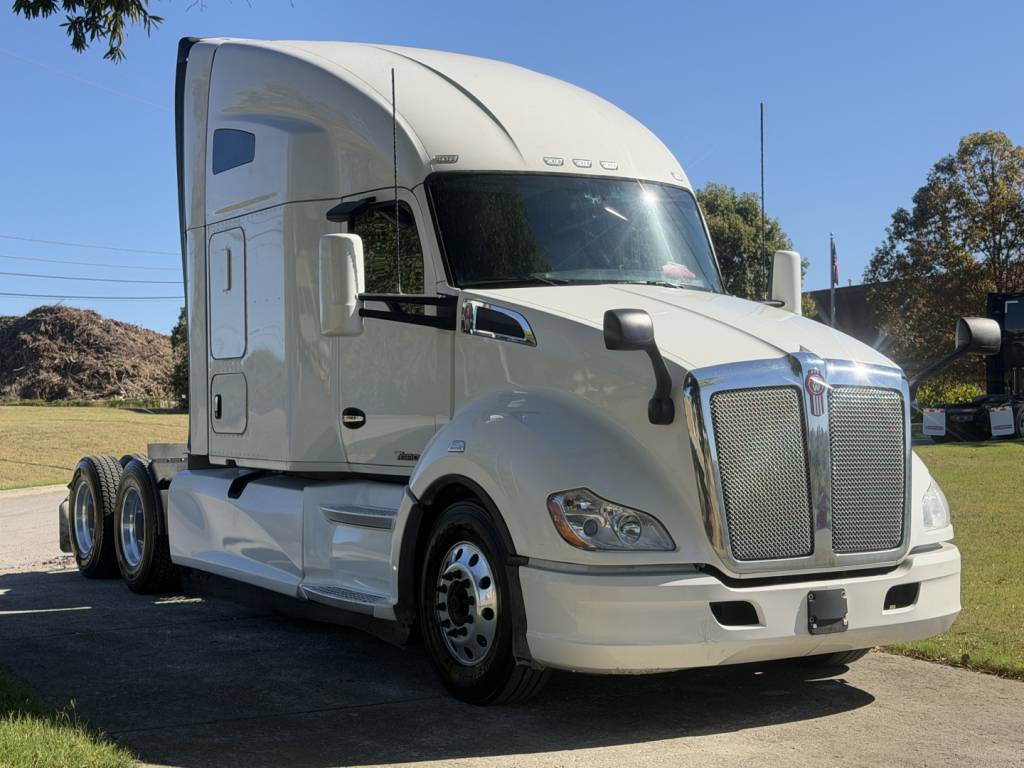
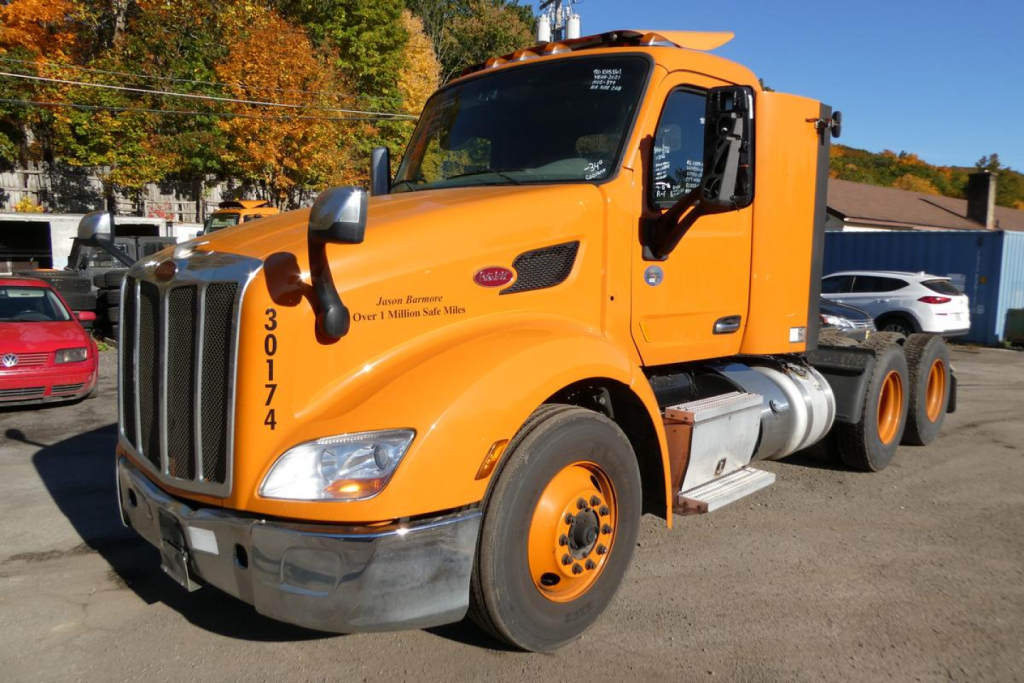
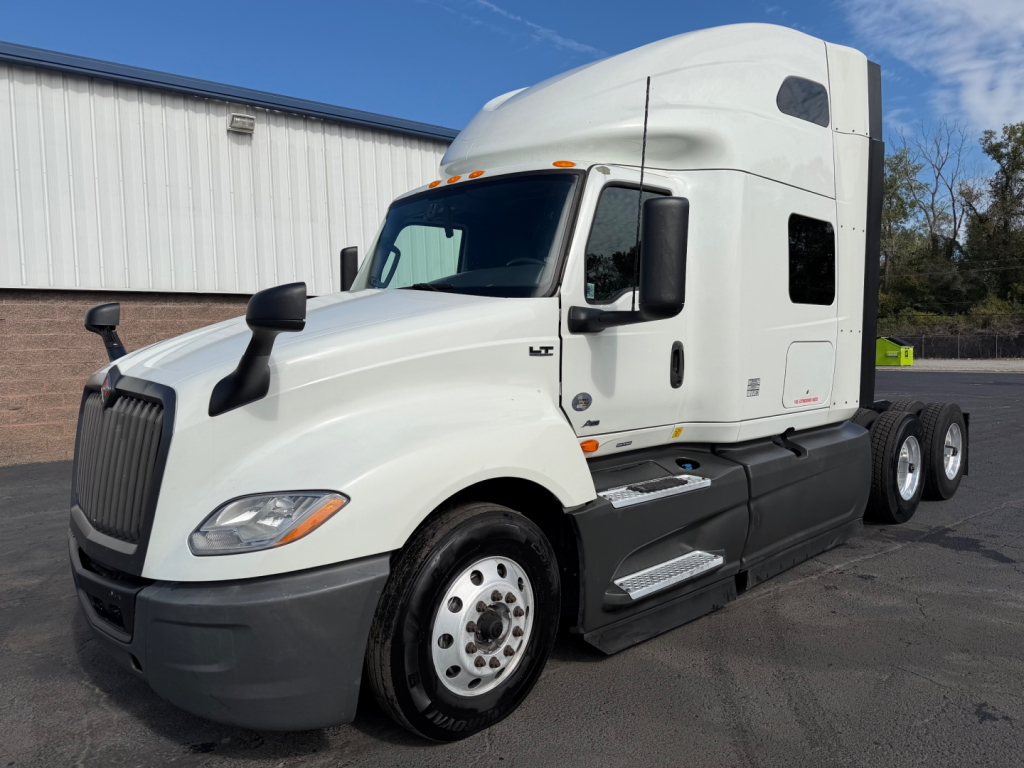
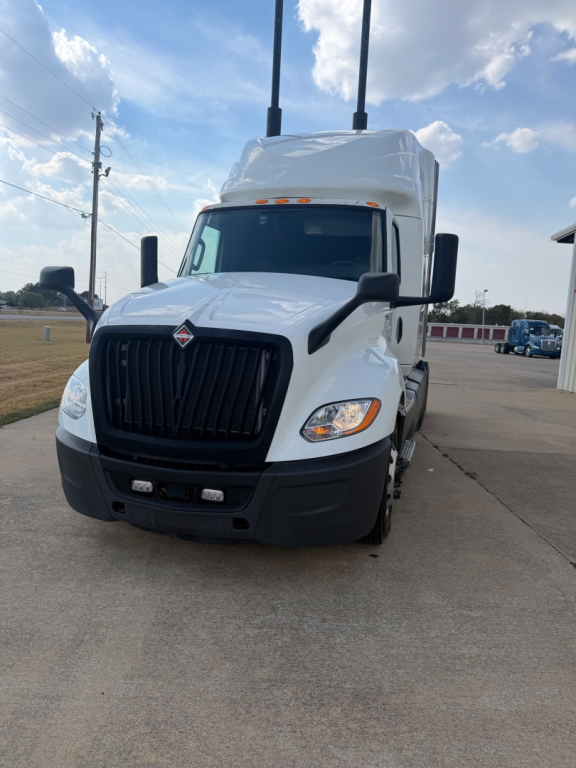
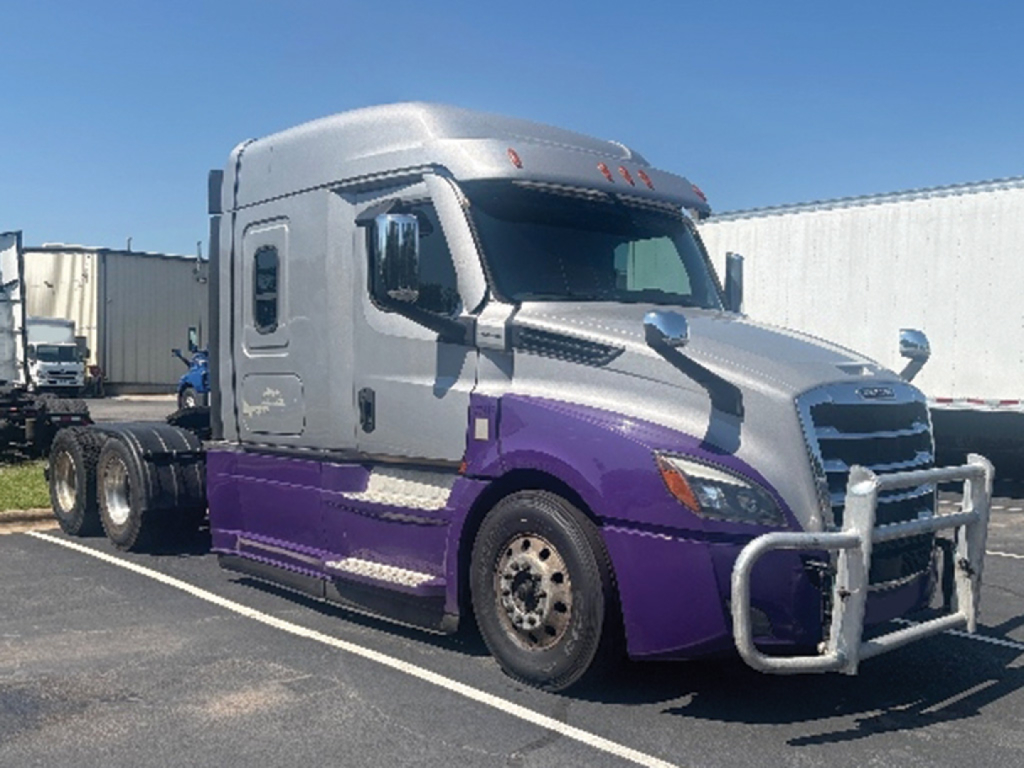
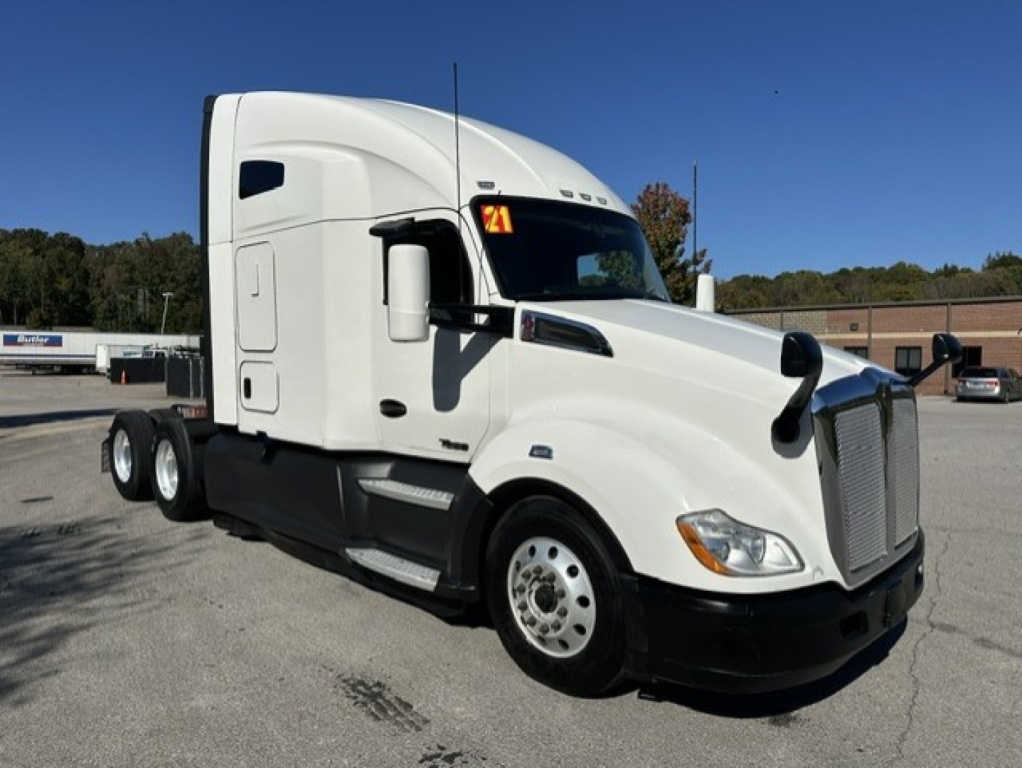
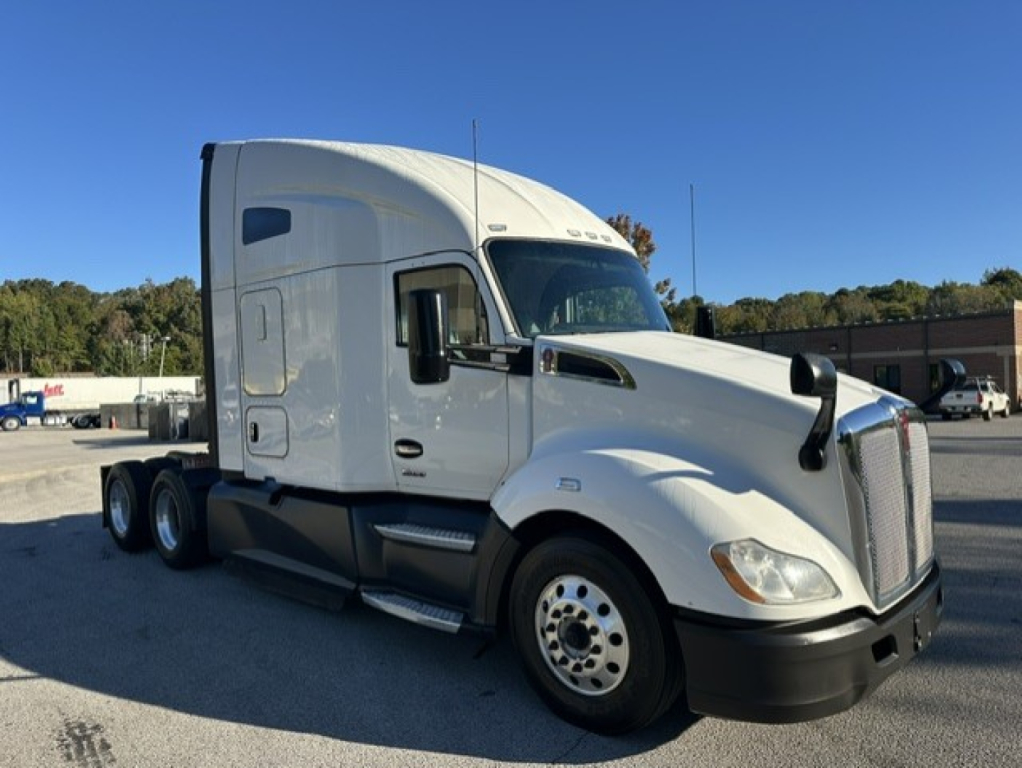
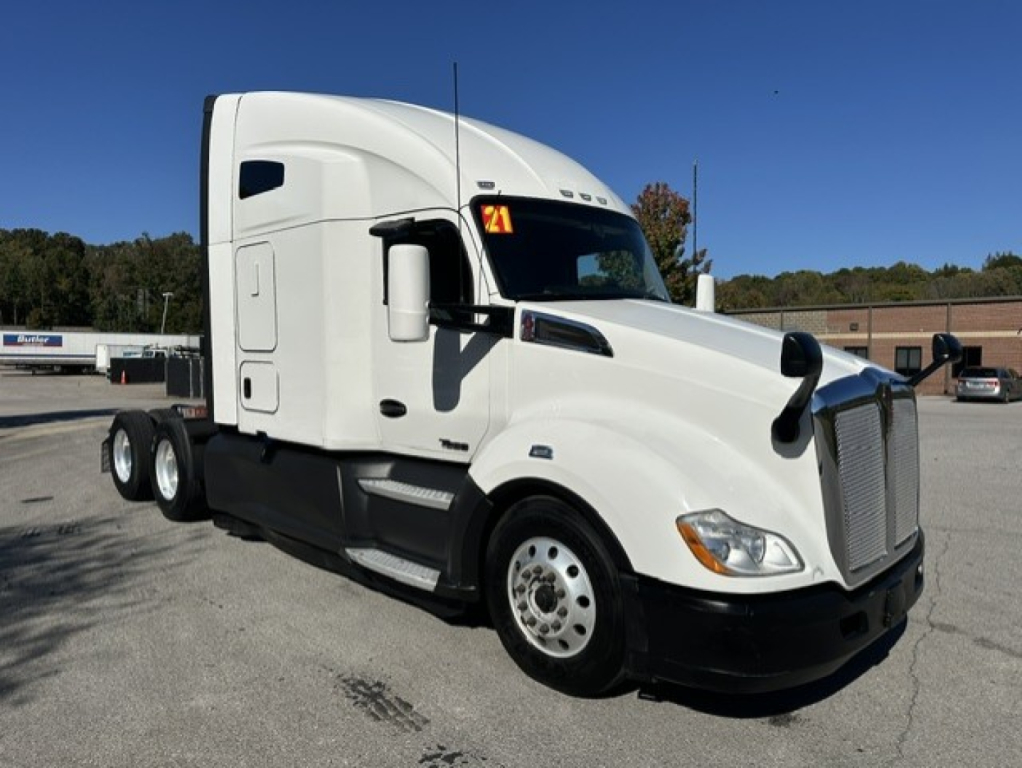
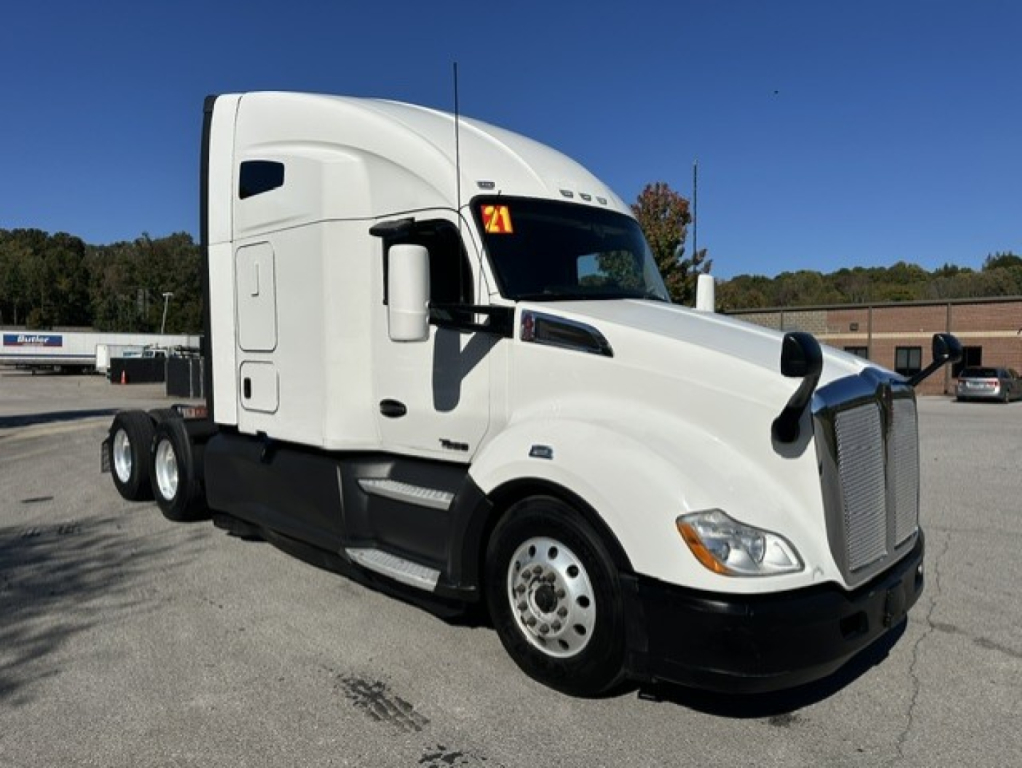
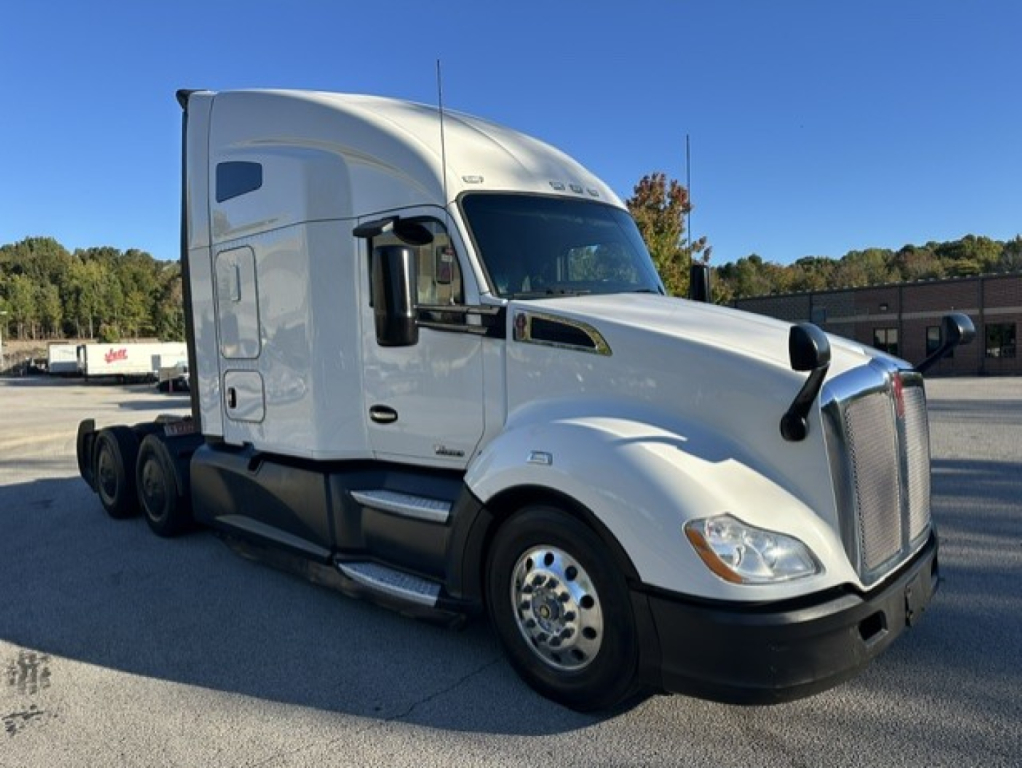
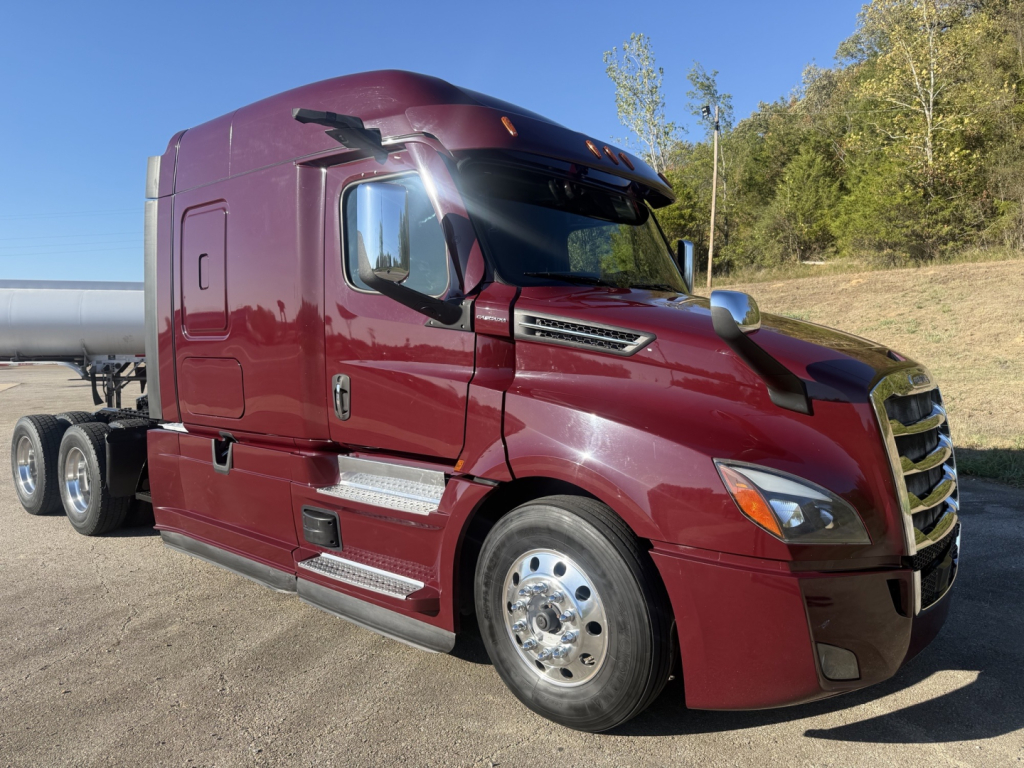
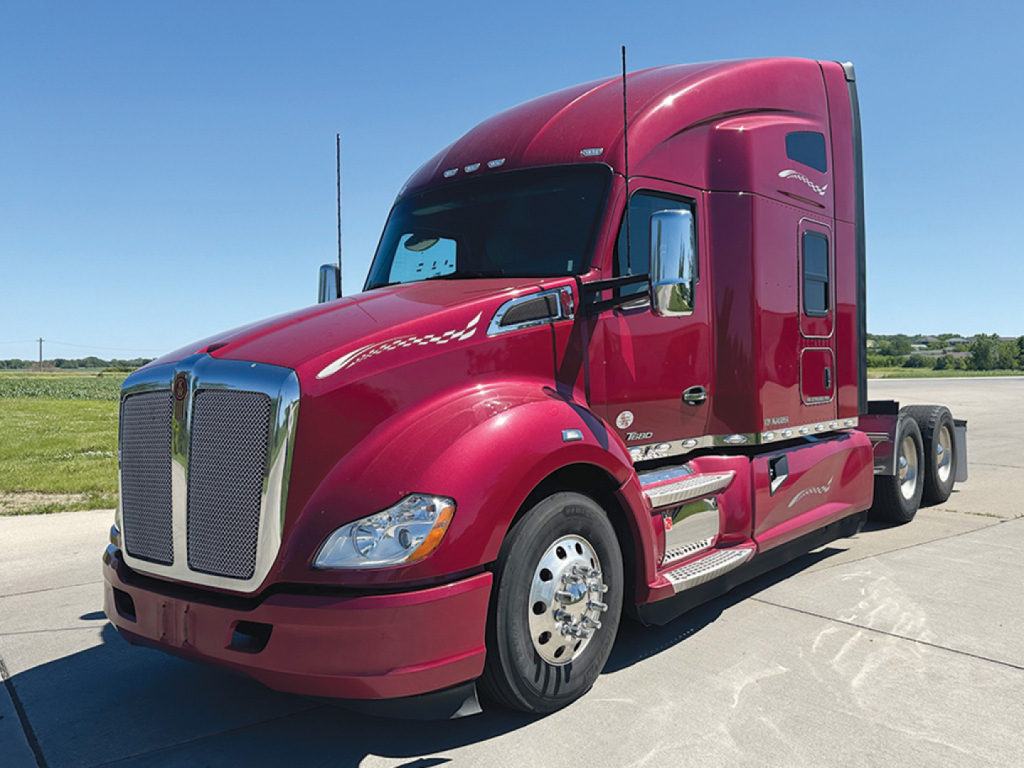
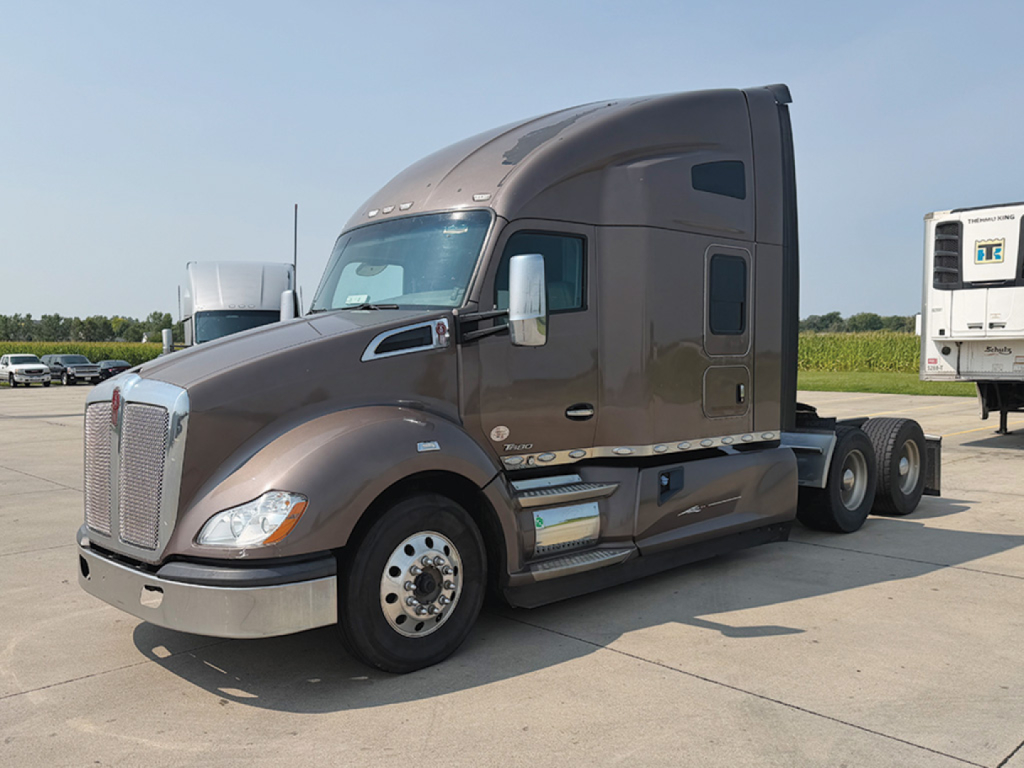
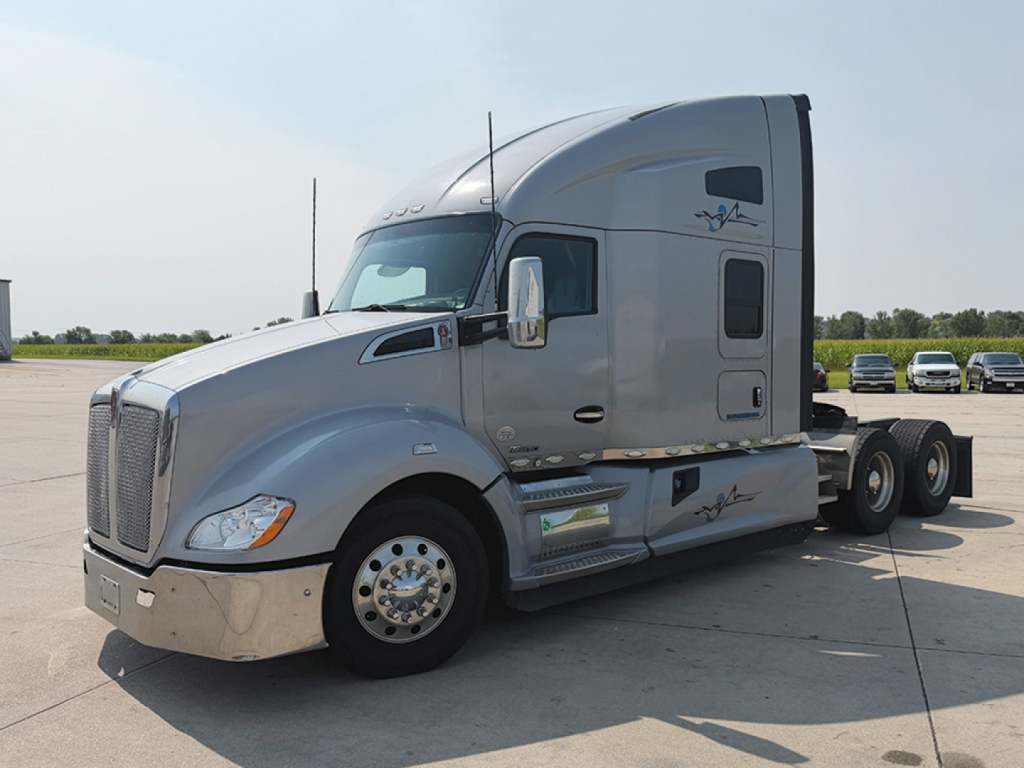
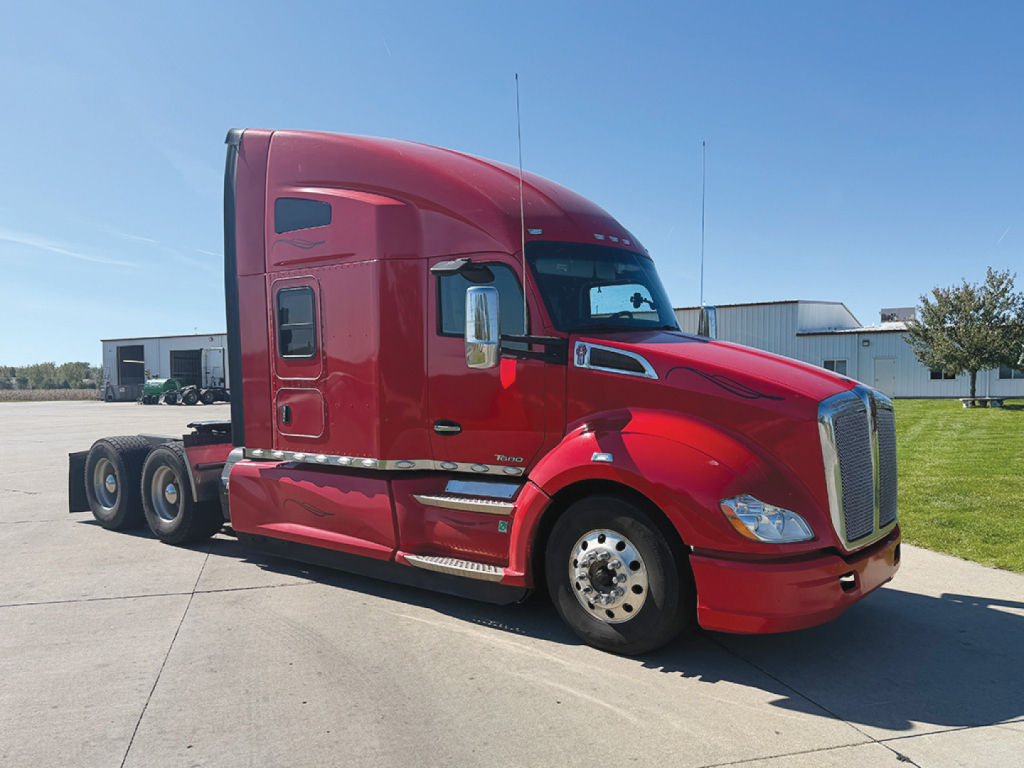
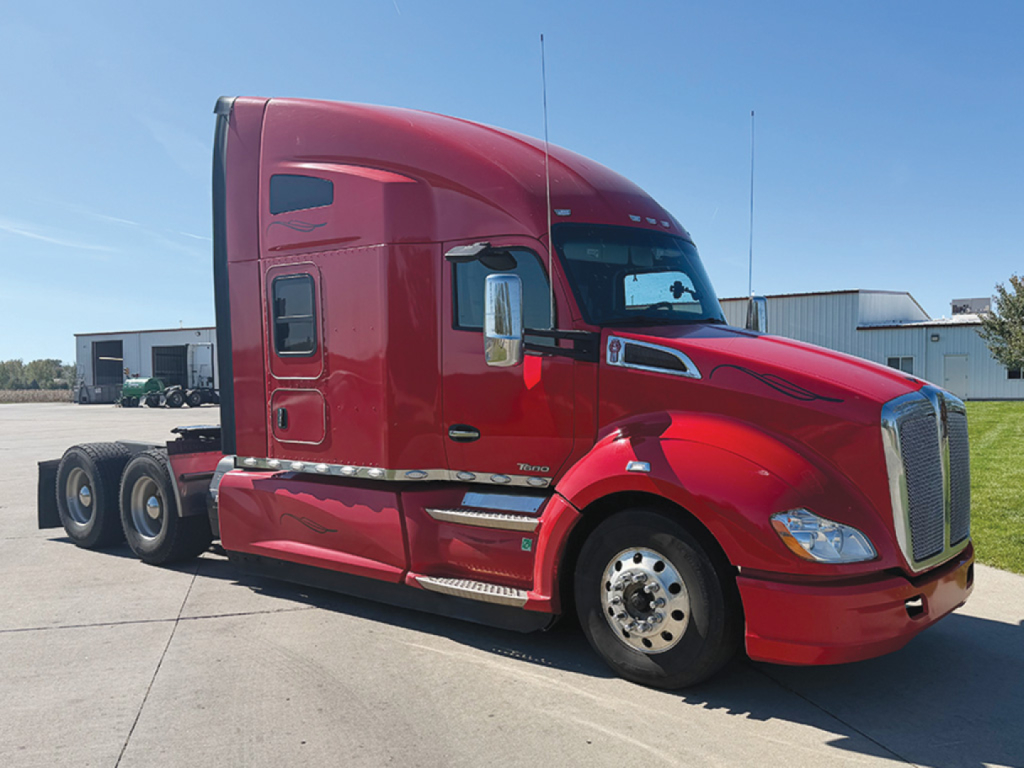
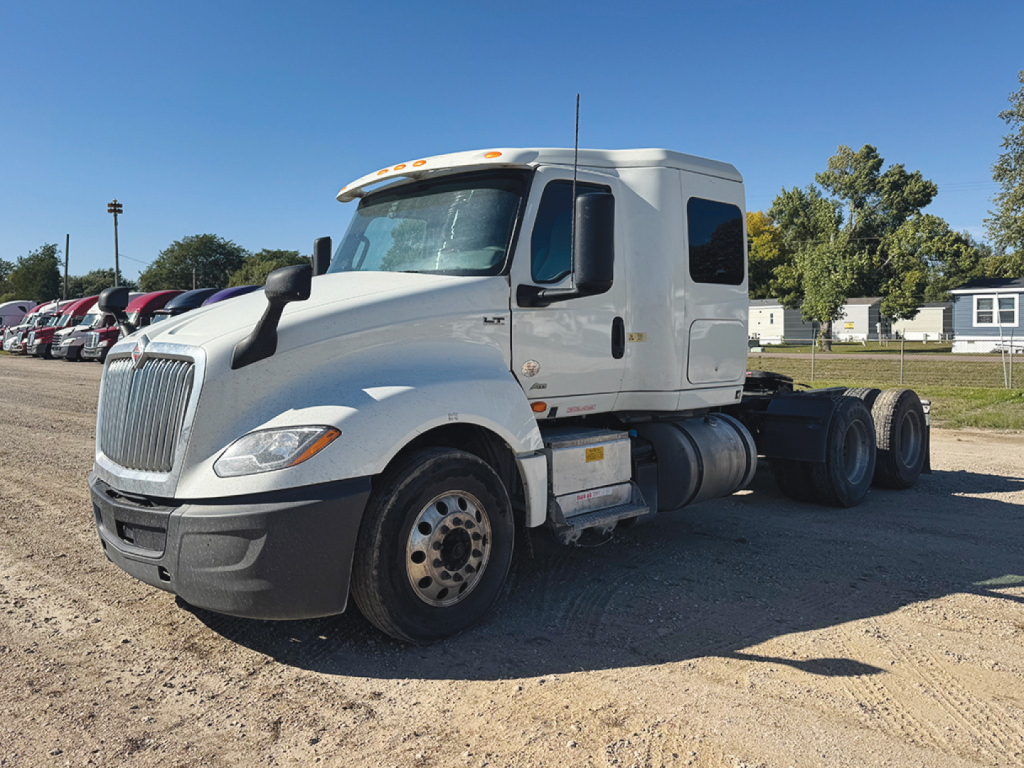
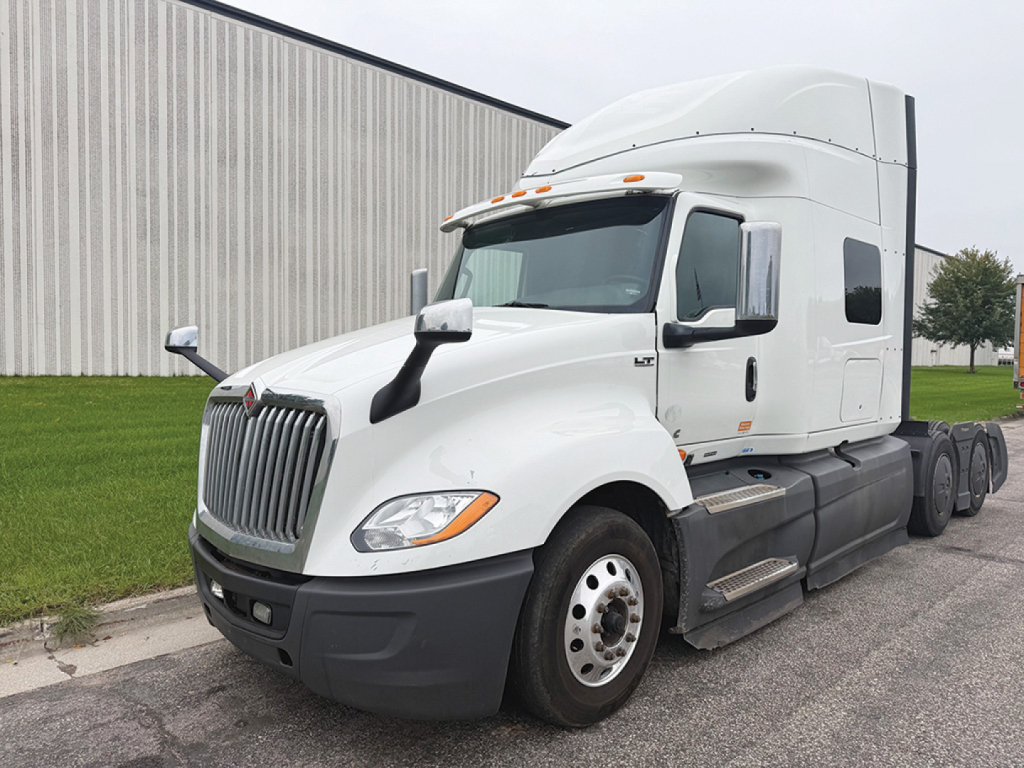
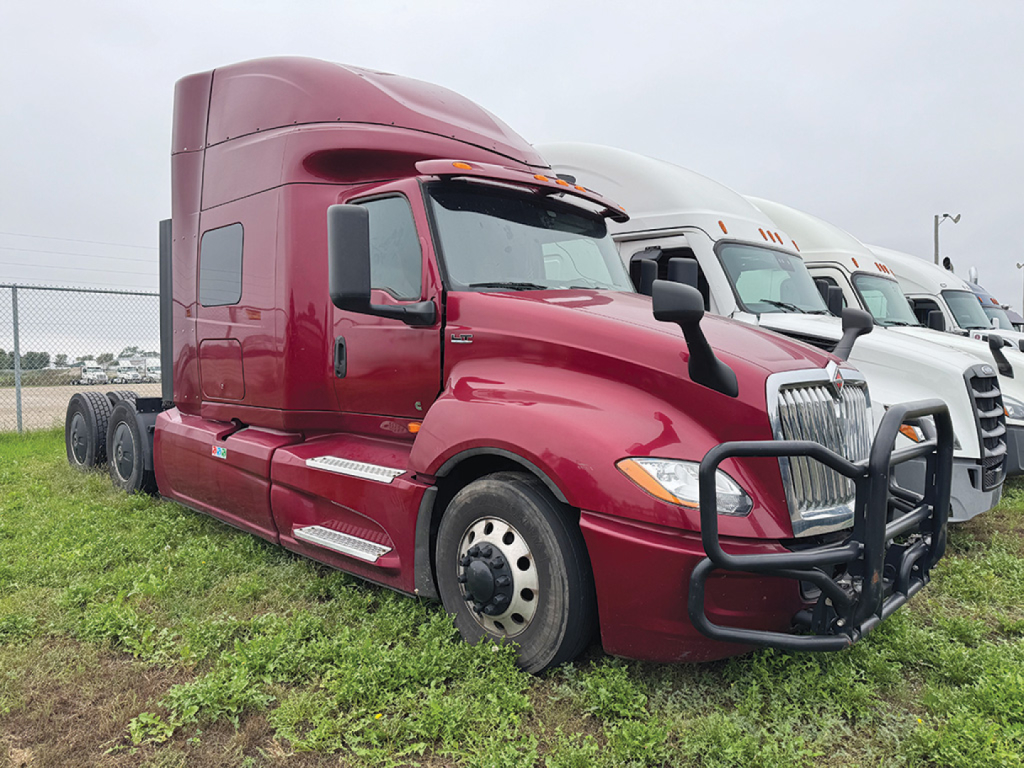
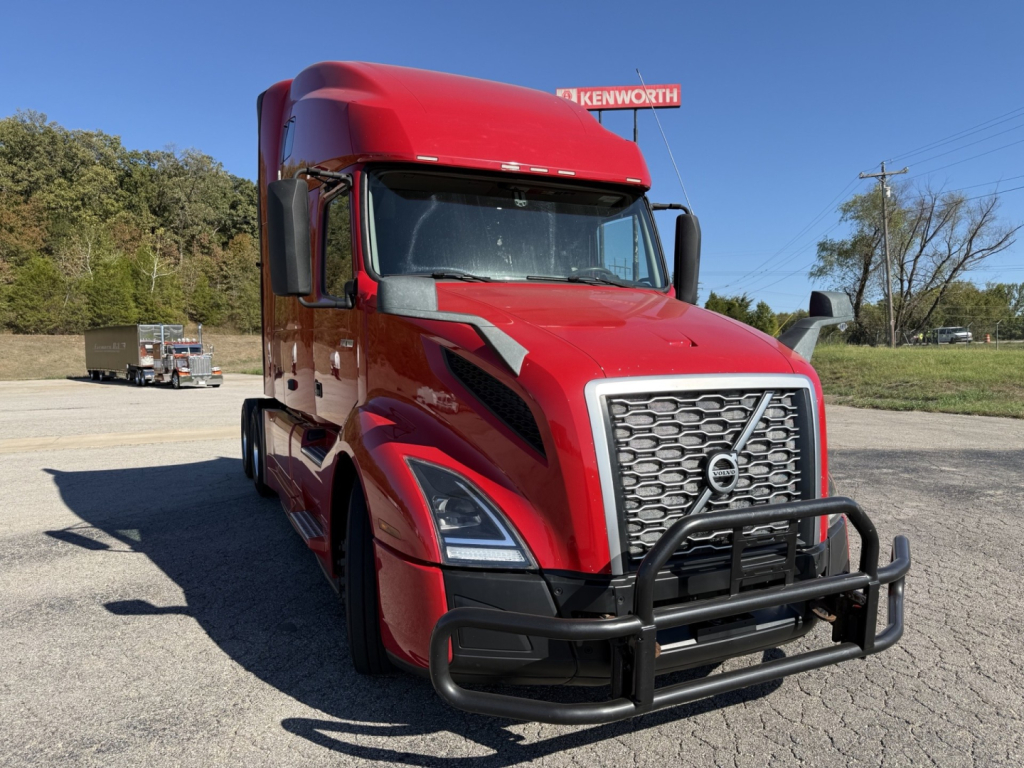
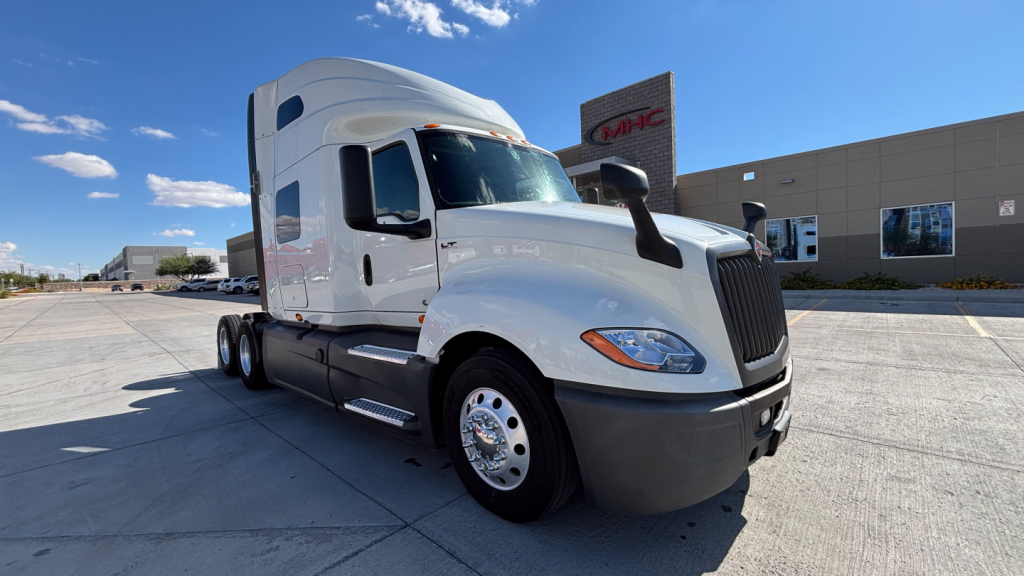
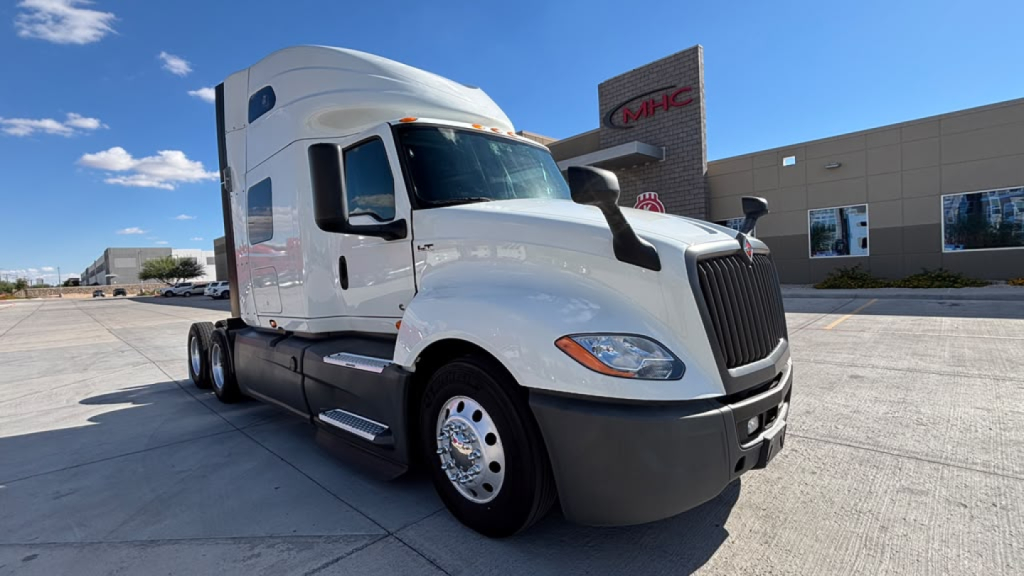
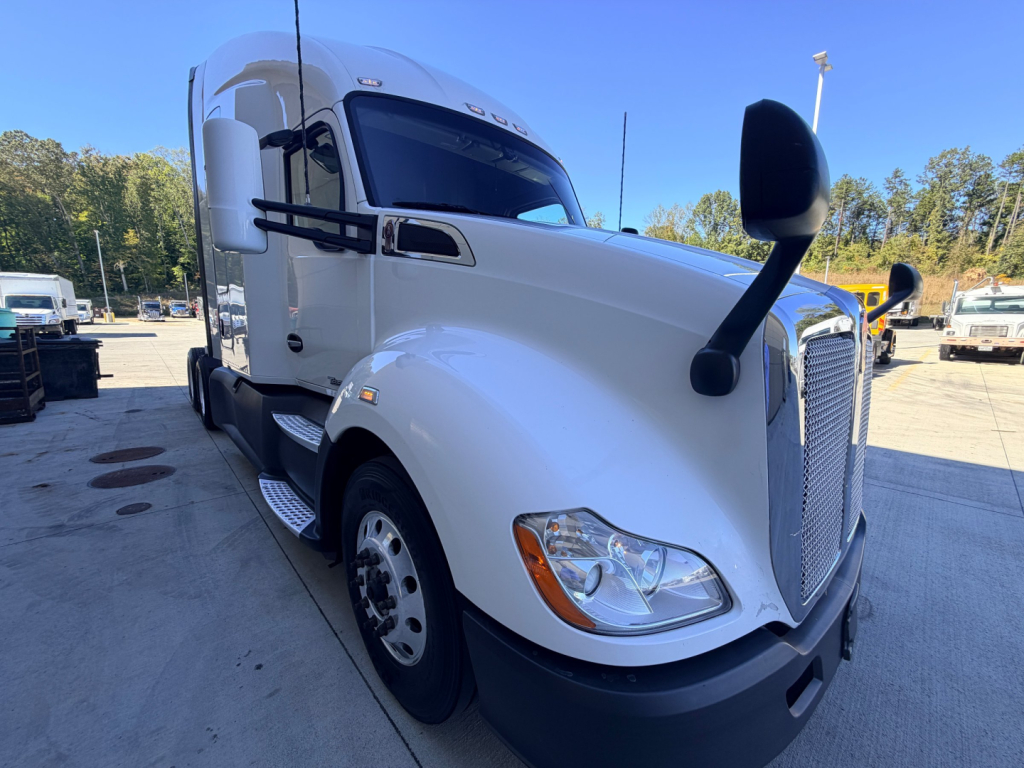
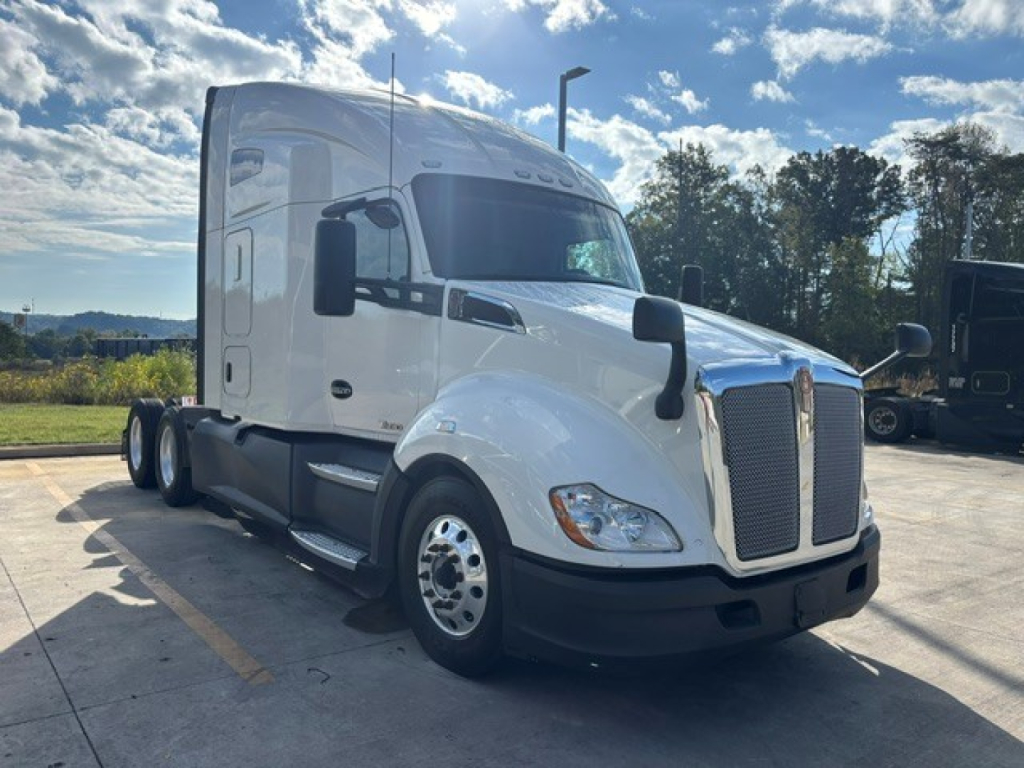
Showing 1 to 28 of 76 results
Selling a used 2021 conventional sleeper truck? List your used 2021 conventional sleeper truck for sale and reach thousands of commercial buyers.
Used 2021 Conventional Sleeper Trucks
A 2021 conventional sleeper is usually spec'd with a raised-roof or mid-roof bunk, integrated fairings, and a wheelbase commonly in the low-220-inch to mid-240-inch range depending on sleeper size, fuel capacity, and fifth wheel position. Common engines include the Detroit DD15, Cummins X15, PACCAR MX-13, and in some fleets the International A26, generally paired with automated manual transmissions such as the DT12, Endurant, or PACCAR automated options. Buyers should pay close attention to horsepower and torque ratings, rear axle ratio, and tire size because those three decisions heavily affect fuel mileage, cruise RPM, startability, and the truck's fit for van, reefer, flatbed, or heavier specialized freight. A 2.64 or 2.85 rear ratio may be ideal for fuel-conscious highway use, while a more aggressive ratio can make sense for heavier loads or more varied terrain.
The sleeper itself deserves as much scrutiny as the powertrain. In 2021 models, common sleeper sizes run from about 56 inches up to 72 or 76 inches, with features such as upper bunks, bunk heaters, refrigerators, workstations, inverters, storage cabinets, and optimized insulation packages. For team operations or long-haul solo work, interior layout, bunk access, and HVAC performance affect uptime more than buyers sometimes expect. On the chassis side, air ride suspension, air slide fifth wheels, aluminum wheels, disc brake availability, collision mitigation systems, and idle-reduction spec all add practical value. If the truck will operate in tight regional terminals, verify wheel cut and overall tractor length. If it will stay on long interstate lanes, focus more on fuel capacity, fairing condition, and the health of emissions components such as the DPF, SCR, and one-box system.
A used 2021 conventional sleeper should also be evaluated through its prior duty cycle. A fleet-maintained linehaul tractor may show high miles but cleaner service history, while a lower-mile unit can still carry costly deferred maintenance in suspension, aftertreatment, batteries, or cab electronics. Review engine hours against road miles, check for fault history, confirm transmission calibration updates, and inspect the bunk, seats, and dash switchgear for signs of hard use. Buyers comparing multiple listings in this category should match the truck's sleeper length, engine rating, automated or manual transmission preference, axle ratio, and safety package to the freight they actually run. That approach usually matters more than brand loyalty alone.
Frequently Asked Questions about Used 2021 Conventional Sleeper Trucks
What is a conventional sleeper truck?
A conventional sleeper truck is a highway tractor with the engine mounted in front of the cab and a built-in sleeping compartment behind the seats. It is also commonly called a sleeper tractor or sleeper cab. This design is the standard choice for long-haul and regional freight because it combines road speed, aerodynamics, fuel capacity, and off-duty living space in one unit.
What engines and transmissions are common in used 2021 conventional sleeper trucks?
Most used 2021 conventional sleeper trucks are equipped with heavy-duty 12- to 15-liter diesel engines such as the Detroit DD15, Cummins X15, PACCAR MX-13, or International A26. Automated manual transmissions are very common in this model year, including the DT12 and Eaton Endurant, although some buyers still seek manual 13-speed or 18-speed setups in certain applications. The best combination depends on gross weight, terrain, fuel economy targets, and driver preference.
What sleeper size should I look for in a 2021 conventional sleeper?
Sleeper size should match the truck's lane structure and driver schedule. A 56-inch sleeper can work well for regional freight and solo operations with shorter overnight runs, while a 72-inch or 76-inch high-roof sleeper is better suited for long-haul work, team driving, and drivers who need more storage and stand-up room. Larger sleepers usually add comfort and resale appeal, but they also affect wheelbase, weight, and maneuverability.
Are 2021 conventional sleeper trucks good for fuel economy?
Yes, many 2021 conventional sleepers were spec'd during a period when fleets were heavily focused on aerodynamic efficiency and downsped drivetrains. High-roof fairings, automated transmissions, low-RPM axle ratios, and predictive cruise features can make this model year very efficient on highway lanes. Actual fuel economy still depends on load profile, road speed, idle time, terrain, and how well the emissions and intake systems have been maintained.
What should I inspect first on a used 2021 conventional sleeper truck?
Start with maintenance records, engine hours, aftertreatment history, and any active or stored fault codes. Then inspect the transmission behavior, clutch calibration on automated units, suspension wear, tire condition, brake type and life remaining, and signs of coolant, oil, or DEF system problems. Inside the sleeper and cab, check HVAC performance, bunk equipment, inverter operation, dash electronics, and the overall condition of interior panels and trim because those details often reveal how the truck was actually used.