
Used 2021 Conventional Sleeper Trucks For Sale in Washington
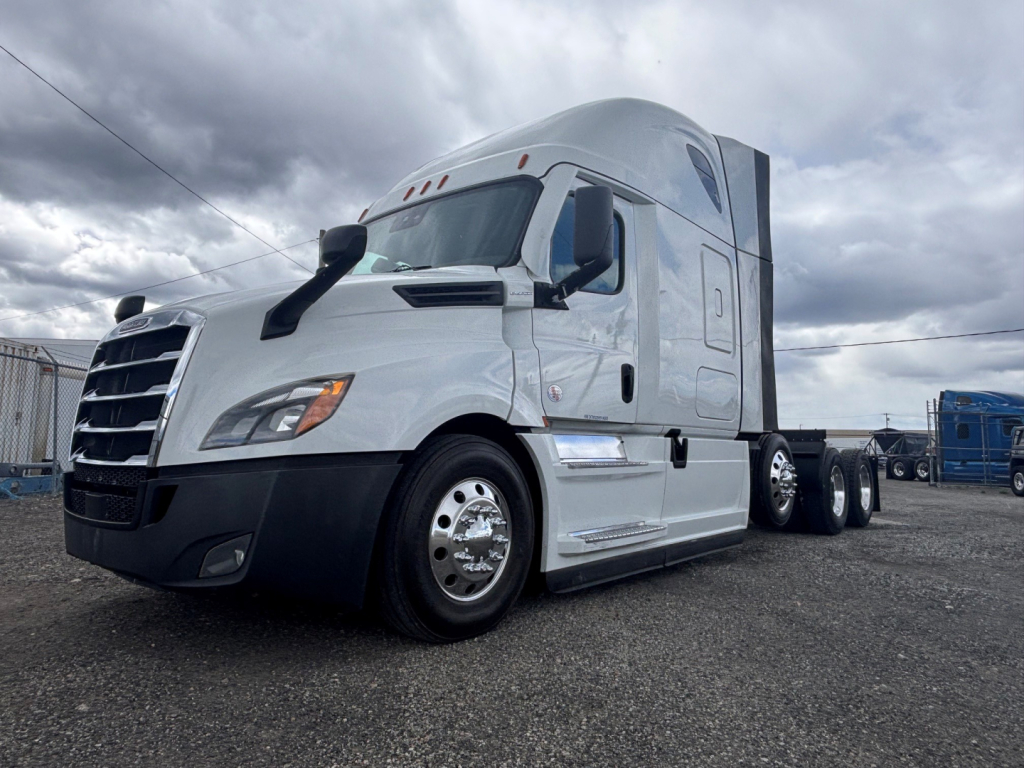
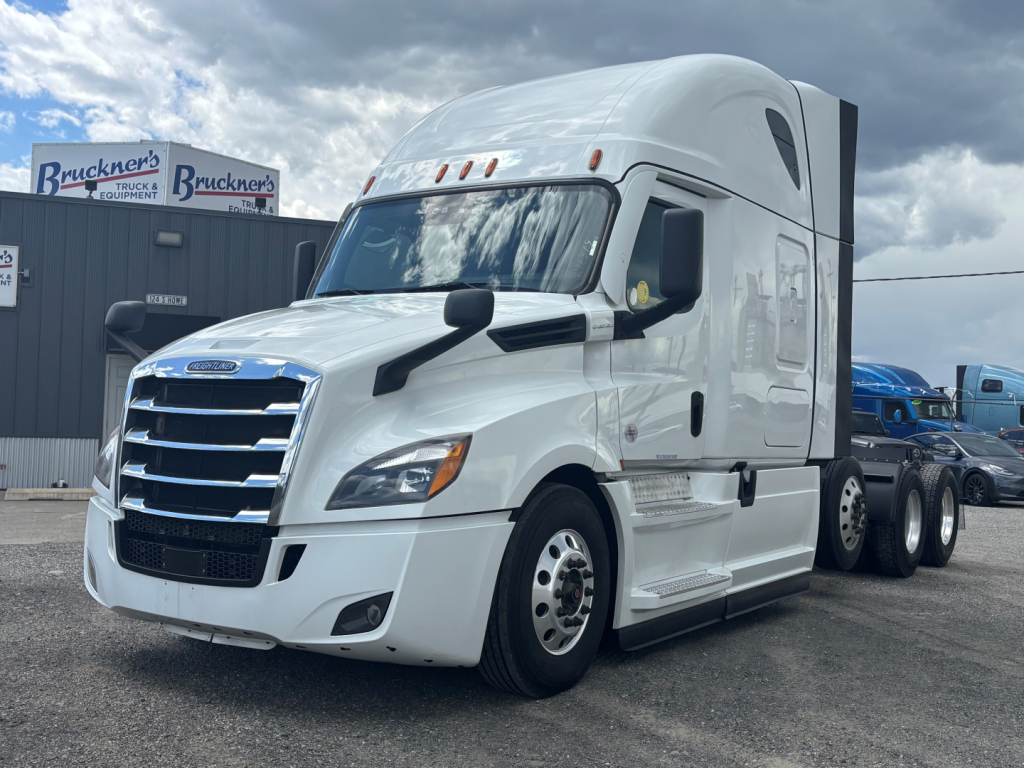
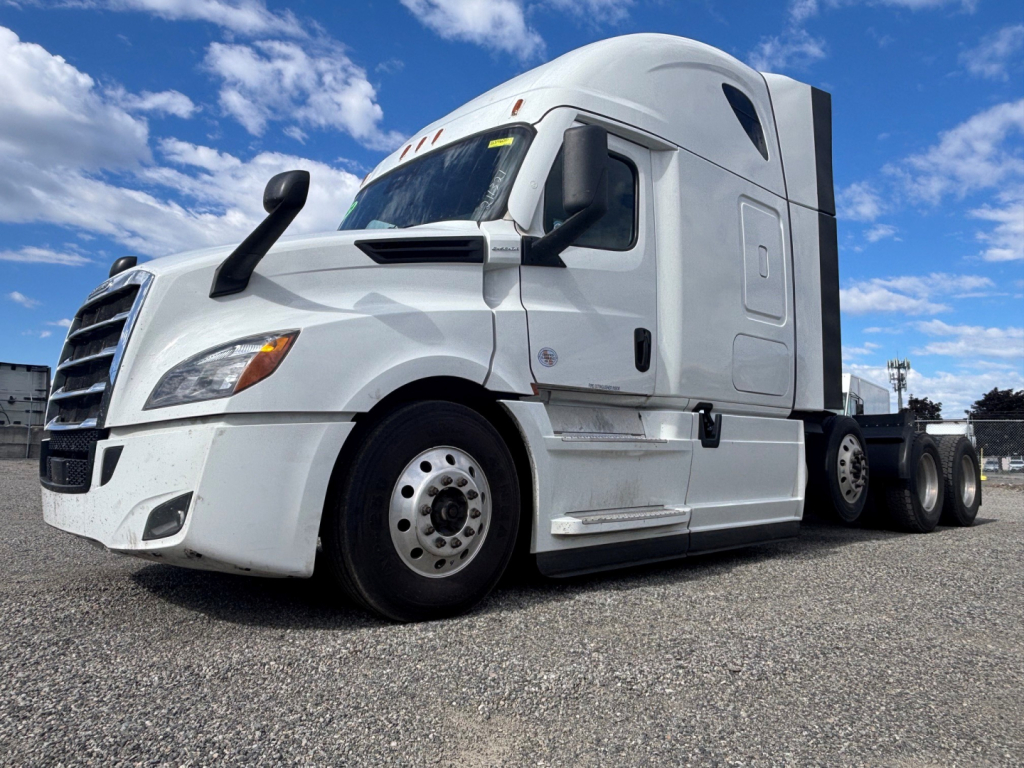
Have used 2021 conventional sleeper truck to sell? List it here to reach thousands of buyers.
Used 2021 Conventional Sleeper Trucks in Washington
The main buying decisions in a 2021 conventional sleeper come down to powertrain, axle setup, and sleeper size. Most units in this segment are built with Detroit, Cummins, or Paccar engines paired to automated transmissions, typically in horsepower ratings suited for van, reefer, flatbed, and dedicated route work. Rear axle ratios, wheelbase, and suspension spec matter just as much as engine badge when the truck is expected to pull through Snoqualmie, Stevens, or Cabbage in all seasons. Buyers should also pay attention to 6x4 versus lift-axle configurations, fuel capacity, APUs, bunk heater setups, fairings, and the sleeper layout itself. A mid-roof sleeper may suit regional overnights, while a larger raised-roof sleeper makes more sense for teams or extended over-the-road runs.
Condition matters more than headline mileage alone on a used 2021 sleeper. A buyer should review idle hours, service records, aftertreatment history, clutch life on AMT-equipped trucks, tire wear patterns, brake condition, and any signs of frame or fifth-wheel abuse. In Washington and the broader Northwest, corrosion is usually less severe than in heavy salt markets, but wet-climate electrical issues, suspension wear, and windshield damage from highway debris are worth checking carefully. If the truck has a lift axle or other vocational crossover spec, confirm that it matches the intended payload profile and bridge-law needs rather than assuming it adds value for every operation.
A well-matched 2021 conventional sleeper can cover a wide range of freight, from dry van and reefer lanes to heavier regional applications that need extra axle flexibility or stronger grade performance. The best truck in this category is not just the newest or lowest-mile example. It is the one with a documented maintenance history, the right engine and gearing for the route, and a sleeper and chassis spec that fits the driver’s real operating pattern. Buyers comparing used 2021 conventional sleeper trucks in Washington should focus on total operating cost, downtime risk, and spec alignment before brand preference.
Frequently Asked Questions about Used 2021 Conventional Sleeper Trucks in Washington
What should I look for first when buying a used 2021 conventional sleeper truck?
Start with the powertrain spec, service history, and intended application. Engine make, horsepower, transmission type, rear axle ratio, and wheelbase tell you whether the truck was built for long-haul fuel economy, regional mountain work, or heavier freight. After that, review maintenance records, idle hours, aftertreatment repairs, tire and brake wear, and any fault-code history. A 2021 sleeper with the right spec and documented upkeep is usually a better buy than one that only looks good on paper.
Are 2021 conventional sleeper trucks a good choice for Washington and Pacific Northwest routes?
Yes, if the truck is spec'd correctly for grade, weather, and payload. Washington operations often demand strong cooling performance, stable handling in wet conditions, and gearing that can manage repeated mountain pulls without sacrificing cruise efficiency. Features such as a 6x4 drivetrain, locking differentials, good fairing condition, full fenders, bunk heater, and proper tire selection can matter more in the Pacific Northwest than they do in flatter regions. Buyers should also verify that visibility, wiper performance, and cab sealing are in good condition for year-round weather exposure.
How important is sleeper size on a 2021 conventional sleeper truck?
Sleeper size directly affects driver comfort, weight, and how the truck fits the job. Smaller sleepers work well for regional routes and occasional overnights because they reduce empty weight and often improve maneuverability. Larger raised-roof sleepers are better for long-haul, team driving, and drivers who spend extended time in the cab. The right choice depends on trip length, driver retention goals, and how much storage and stand-up room the operation actually needs.
Is an automated manual transmission a good option in a used 2021 sleeper?
In most cases, yes. By 2021, automated manual transmissions were standard in much of the sleeper market and had become a proven choice for fuel economy, easier driver onboarding, and reduced clutch abuse compared with manual transmissions. The key is to confirm software updates, clutch wear status, and driveline calibration history. A well-maintained AMT can be an advantage in fleets and owner-operator applications, especially on mixed terrain and high-mile routes.
Do lift axles add value on a conventional sleeper truck?
A lift axle can add value when the operation needs extra legal payload capacity, bridge compliance flexibility, or heavier application support. That said, it is not automatically a benefit for every buyer. Lift axles add complexity, weight, and maintenance points, and they are most useful when the freight profile consistently justifies them. On a used sleeper truck, buyers should inspect the axle, controls, suspension components, and tire condition closely to make sure the system is functional and worth carrying.