
Used 2021 Freightliner Conventional Sleeper Trucks For Sale in Washington
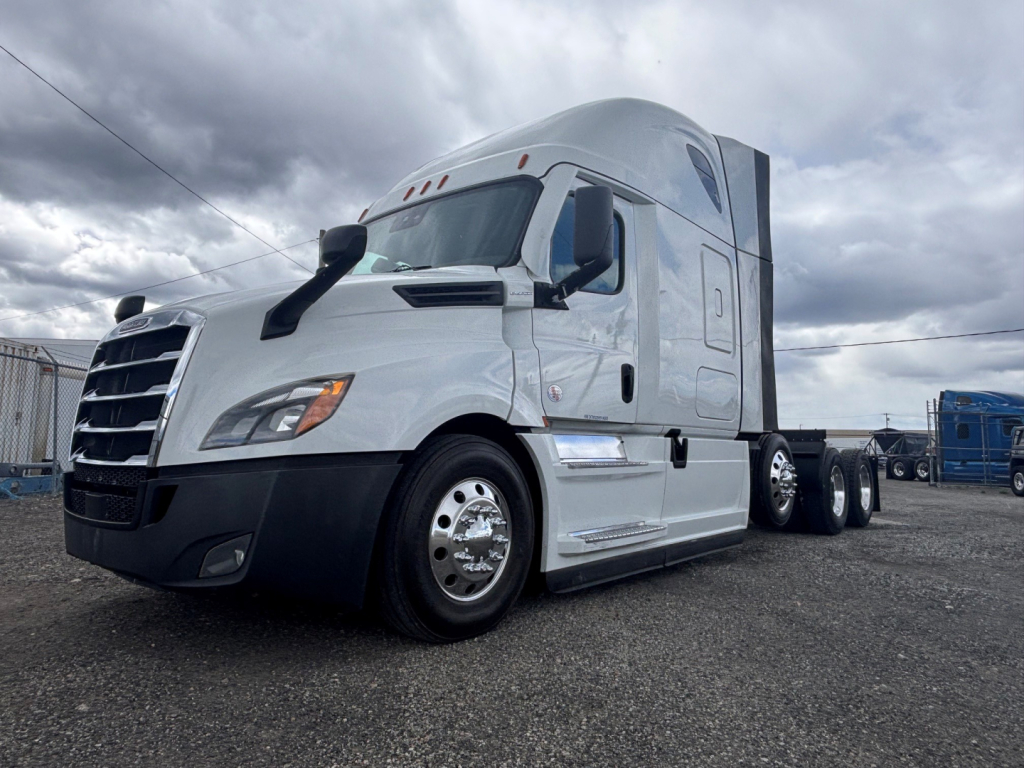
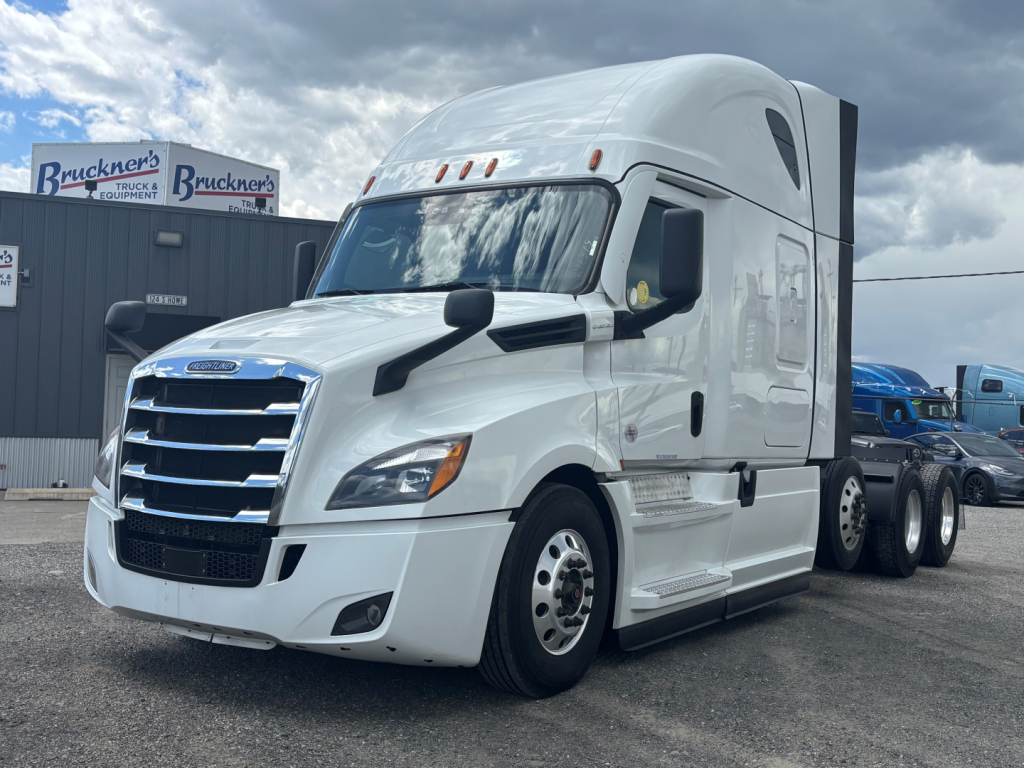
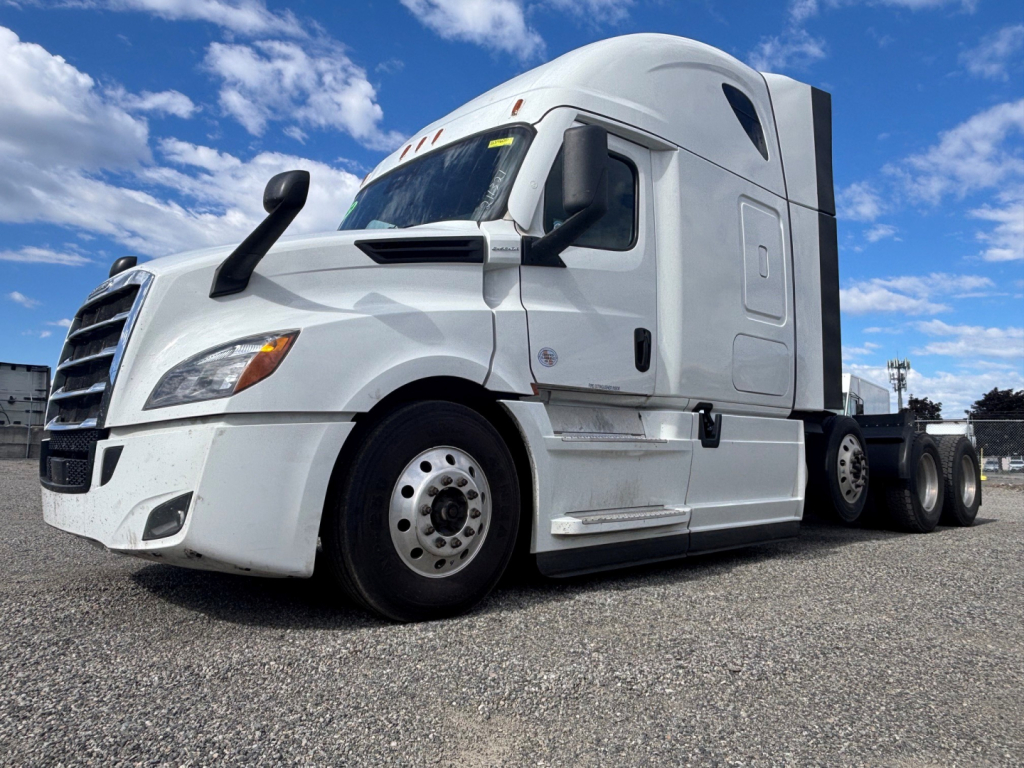
Have used 2021 freightliner conventional sleeper truck to sell? List it here to reach thousands of buyers.
Used 2021 Freightliner Conventional Sleeper Trucks in Washington
Frequently Asked Questions about Used 2021 Freightliner Conventional Sleeper Trucks in Washington
What engine and transmission specs are common in a used 2021 Freightliner conventional sleeper?
Most 2021 Freightliner conventional sleepers are spec'd with Detroit powertrains, especially the DD13 or DD15 paired with a Detroit DT12 automated manual transmission. Some trucks may be set up with different horsepower and torque ratings depending on their intended application, from fuel-focused highway service to heavier regional or mountain work. Buyers should confirm horsepower, torque, rear axle ratio, and transmission programming because those details have a direct effect on gradeability, cruise RPM, and fuel economy.
Why do some 2021 Freightliner sleeper trucks in Washington have a lift axle?
A lift axle can be a valuable regional spec in the Pacific Northwest where payload flexibility, bridge compliance, and route-specific axle laws can influence truck selection. On a sleeper tractor, a lift axle may help operators handle heavier loads while still maintaining maneuverability and reducing tire wear when the extra axle is raised. It is important to verify the axle rating, suspension design, wheelbase impact, and whether the truck's intended freight mix justifies the added complexity and maintenance.
What should I check on a used 2021 Freightliner Cascadia sleeper before buying?
Start with engine hours, mileage, maintenance records, fault code history, and aftertreatment service history. On a 2021 model, emissions system condition is critical, so review any DPF cleaning, DEF system repairs, sensor replacements, or downtime related to the one-box system. Also inspect sleeper condition, bunk HVAC performance, tire wear patterns, alignment, brakes, suspension bushings, and signs of damage around fairings and hood mounts. If the truck has collision mitigation, lane systems, or other driver-assist features, confirm they are functioning properly and have not been disabled.
Is a 2021 Freightliner conventional sleeper a good fit for long-haul or regional work?
It can fit both, depending on the spec. A mid-roof or raised-roof sleeper with a fuel-efficient axle ratio and aerodynamic package is typically well suited for over-the-road freight. A truck with a shorter wheelbase, lift axle, or heavier suspension may be better matched to regional haul, dedicated routes, or specialized weight-sensitive applications. The right choice comes down to average trailer weight, annual miles, terrain, and how much sleeper space your operation actually needs.
What sleeper and chassis details matter most on a used Freightliner conventional sleeper?
The key details are sleeper size, wheelbase, fuel capacity, fairing configuration, fifth wheel setup, and front and rear axle ratings. A buyer should also look at tire size, suspension type, tandem capacity, and any idle-reduction equipment if driver comfort or anti-idling rules are a concern. These chassis details determine how well the truck matches the trailers, lanes, and payload profile in your operation, and they are often more important than mileage alone when comparing similar 2021 units.