
Used 2021 Conventional Sleeper Trucks For Sale in Florida
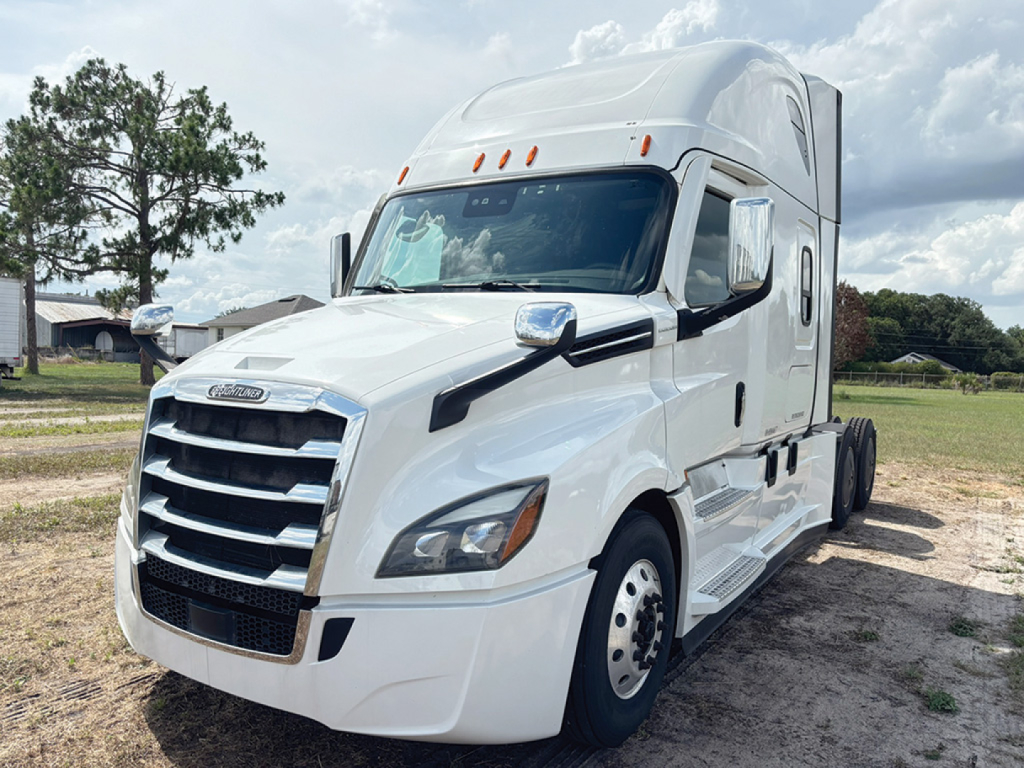
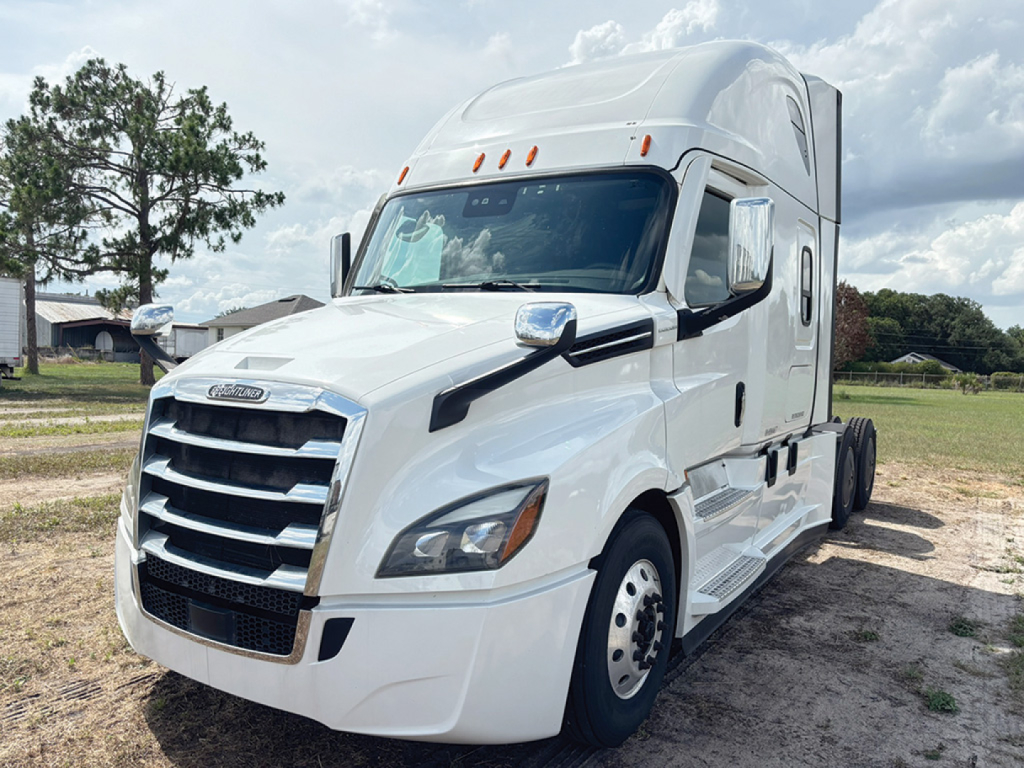
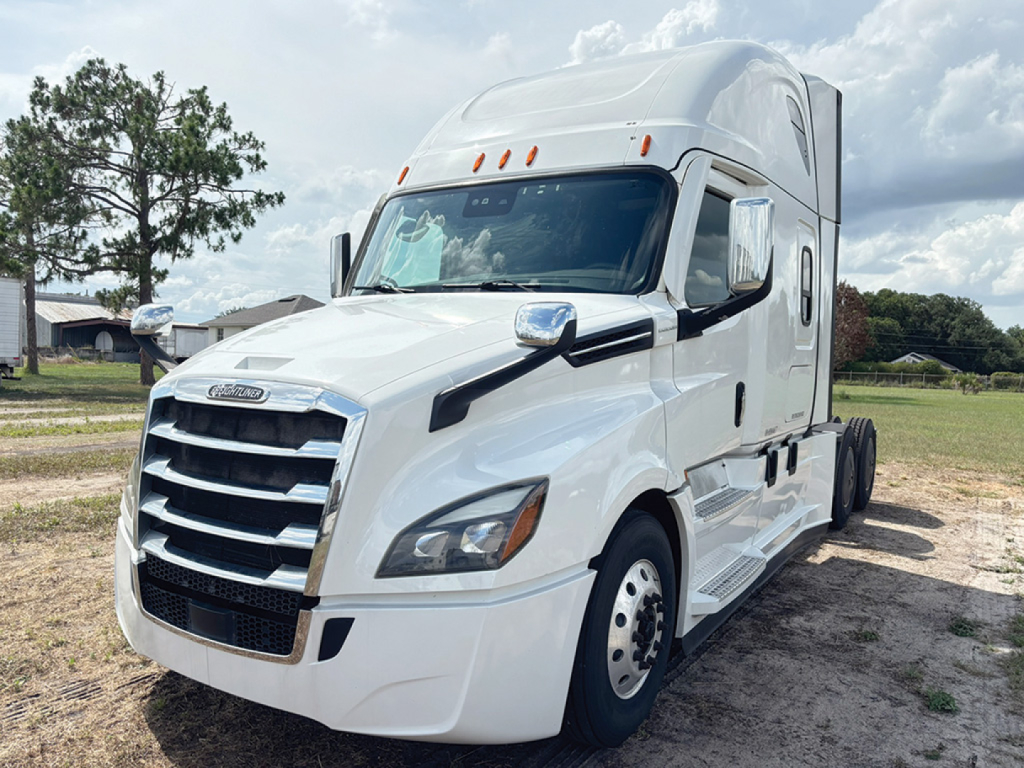
Shop used 2021 conventional sleeper trucks in Florida. Compare raised-roof highway tractors with modern powertrains, sleepers, and fleet specs.
Learn more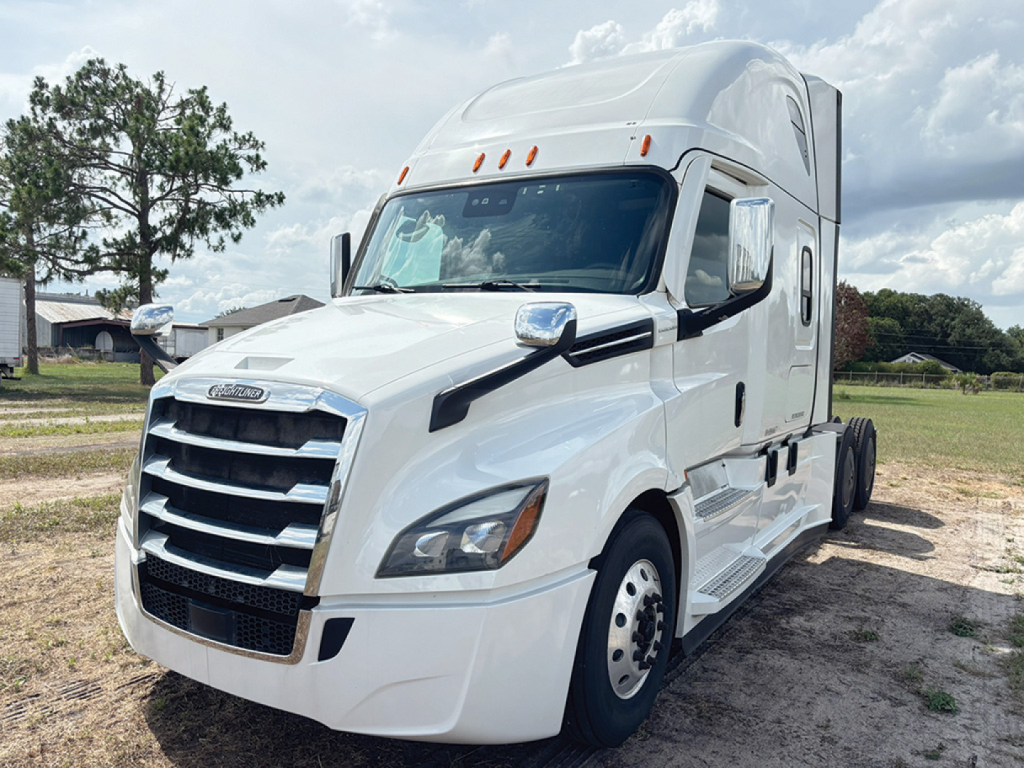
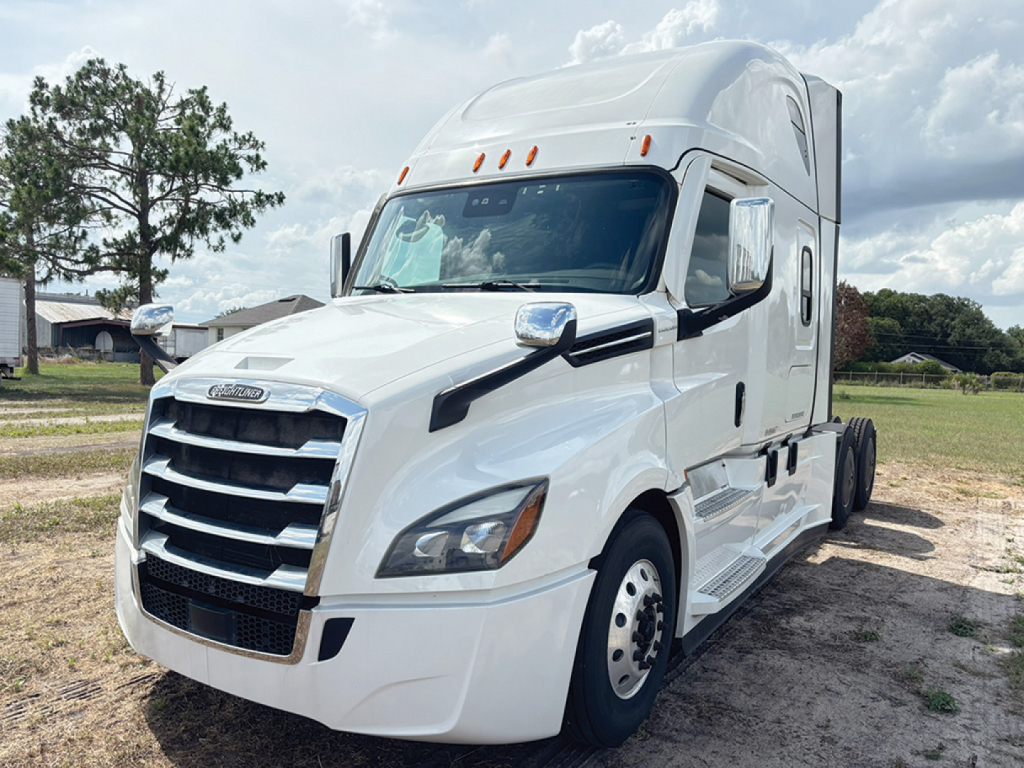
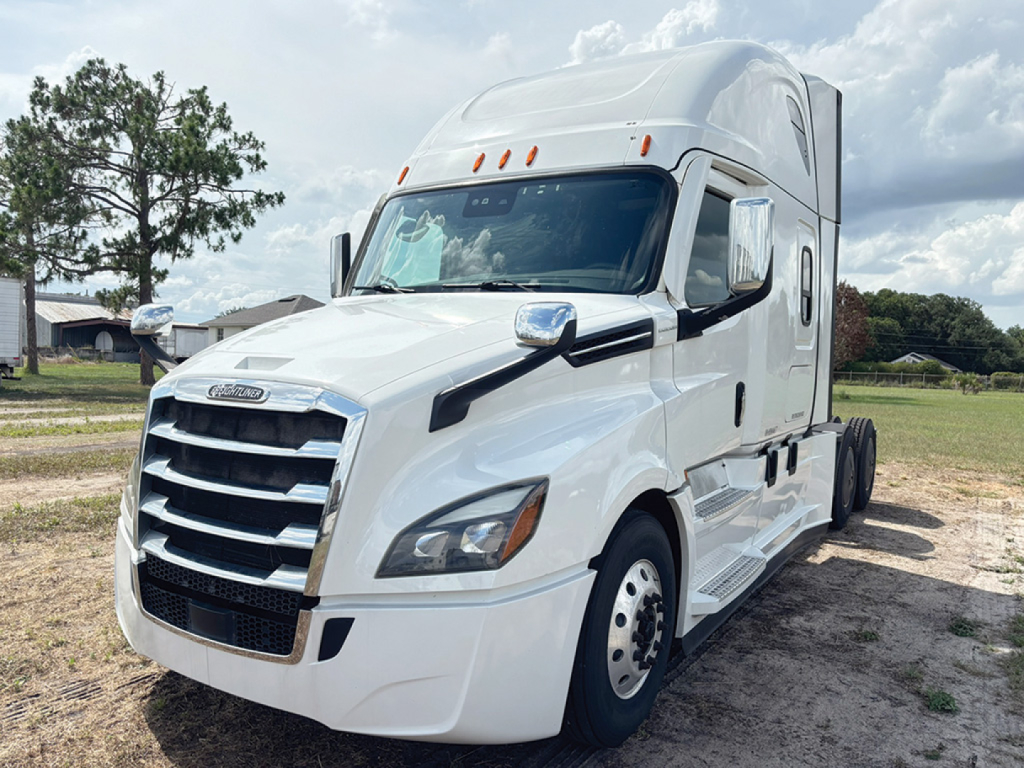
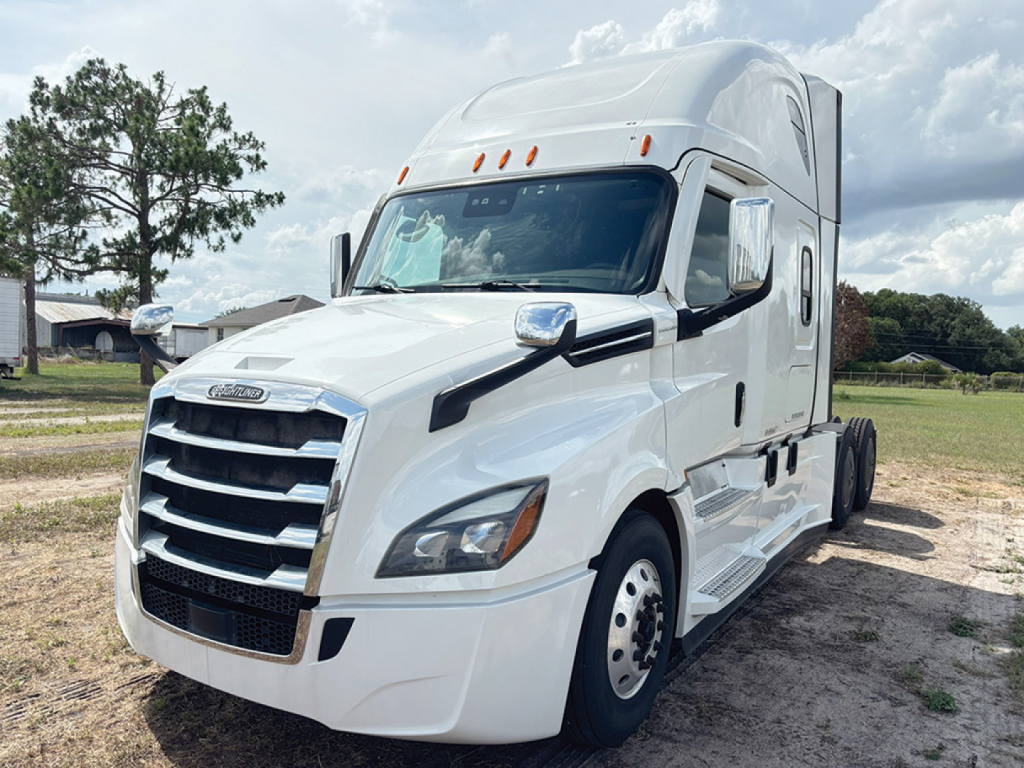
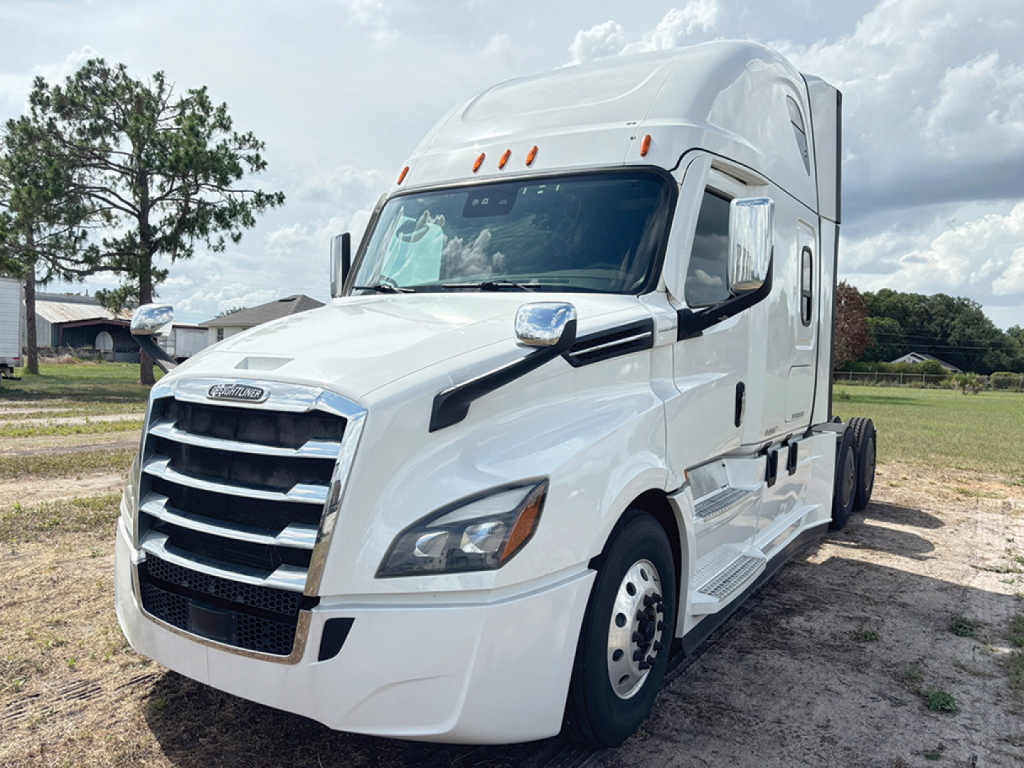
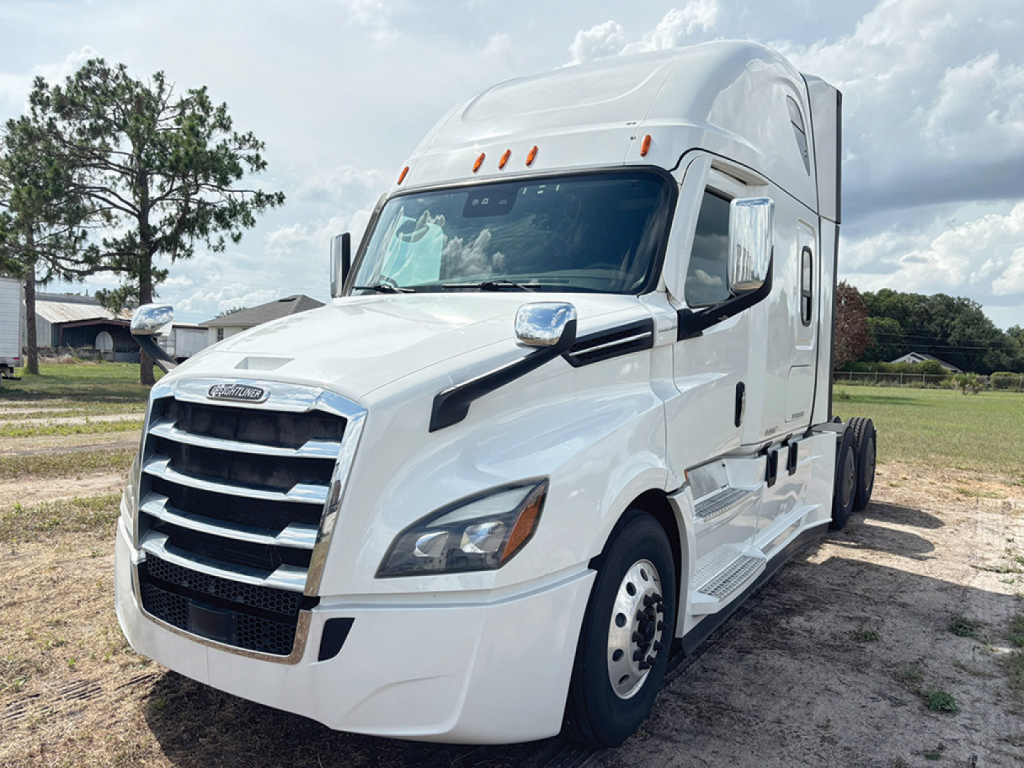
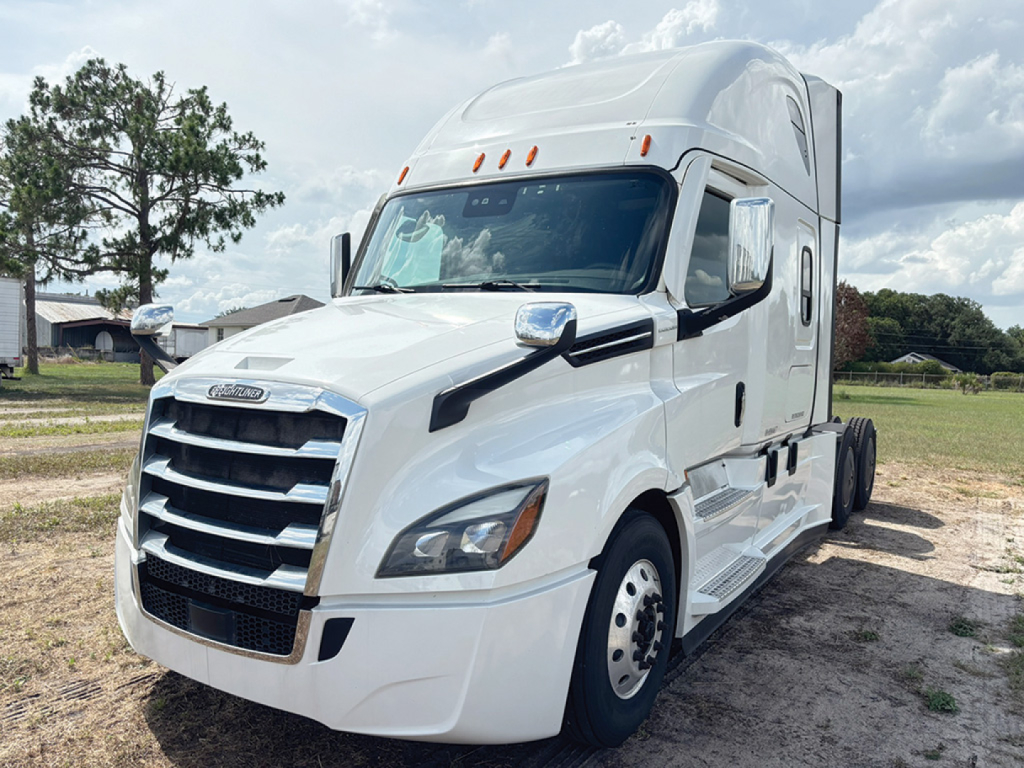
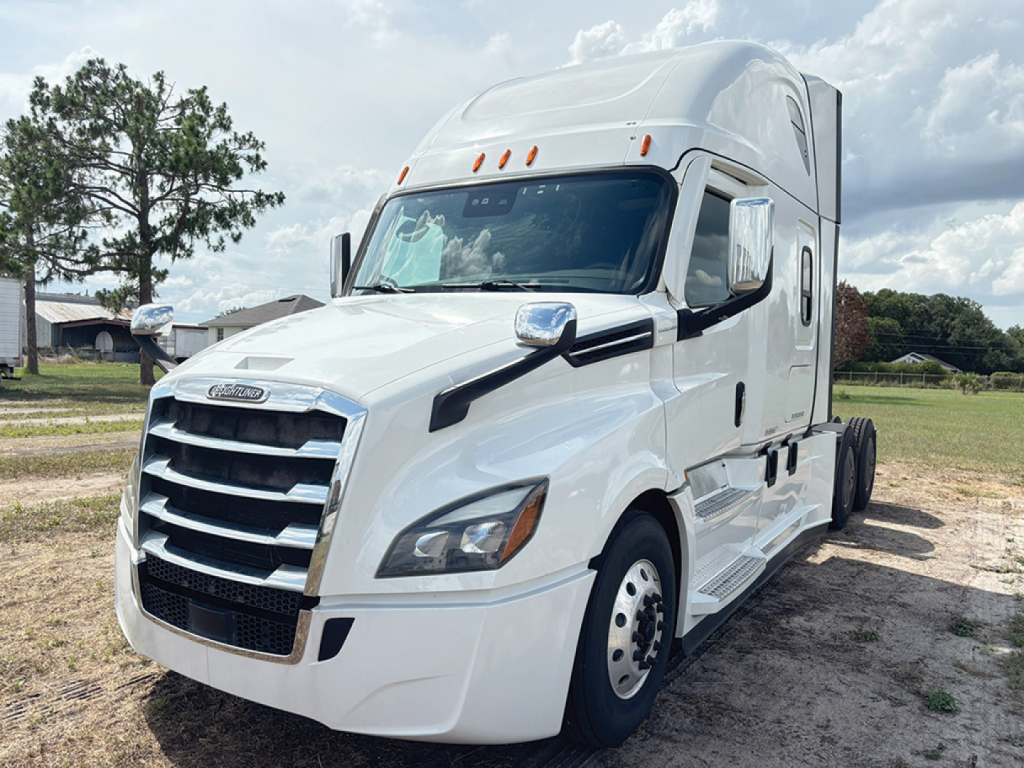
Have used 2021 conventional sleeper truck to sell? List it here to reach thousands of buyers.
About Used 2021 Conventional Sleeper Trucks in Florida
Common engines in this category include the Detroit DD15, Cummins X15, PACCAR MX-13, and Volvo D13, typically paired with automated manual transmissions such as the DT12, Endurant, or I-Shift. Horsepower often lands in the 400 to 500 HP range, with rear axle ratings around 40,000 pounds and ratios selected for fuel-efficient highway cruising. Buyers comparing 2021 models should look closely at engine brake performance, transmission calibration, wheelbase, and fifth wheel setup, especially if the truck will pull dry vans, reefers, or heavier specialized trailers. Tire size, low-profile versus standard 22.5 rubber, and aluminum versus steel wheels also affect operating cost and serviceability.
Florida buyers often pay extra attention to cooling performance, APU presence, bunk heater spec, and overall cab condition because heat, humidity, and idle time can be hard on a sleeper tractor. A well-optioned 2021 conventional sleeper may include collision mitigation, adaptive cruise features, lane support systems, power inverters, dual fuel tanks, and upper bunk configurations that matter for team operations. Southern trucks can also be attractive for corrosion reasons, but condition still comes down to maintenance history, aftertreatment health, and how the truck was used. A highway fleet tractor with consistent PM records is a different buy than a truck that spent years in heavy stop-and-go service.
The best way to evaluate this category is to match the truck to the freight. For mileage-sensitive lanes, prioritize axle ratio, drivetrain spec, and idle-reduction equipment. For driver retention, focus on sleeper layout, noise level, climate control, and safety electronics. For resale and parts support, mainstream platforms like Freightliner Cascadia, Volvo VNL, Peterbilt 579, Kenworth T680, and International LT tend to stay liquid in the market. A used 2021 conventional sleeper can deliver a modern cab, efficient aerodynamics, and current-driver amenities, but the smartest purchase is the one with the right spec, documented maintenance, and a configuration that fits your trailer mix and operating radius.
Frequently Asked Questions
What is a conventional sleeper truck?
A conventional sleeper truck is a highway tractor with a hooded engine design and an integrated sleeper compartment behind the cab. It is built for longer routes where the driver needs rest space, storage, and more cab amenities than a day cab provides. In the market, it is also commonly referred to as a sleeper tractor or road tractor with sleeper.
What should I look for in a used 2021 conventional sleeper truck?
Start with the powertrain and maintenance records. Verify engine make, horsepower, transmission type, axle ratio, mileage, idle hours, and aftertreatment service history. Then check sleeper size, bunk layout, APU or idle-reduction equipment, tire and brake wear, and any active fault codes. For a 2021 model, safety systems such as collision mitigation and lane support are also worth confirming because they affect driver acceptance and insurance considerations.
Are 2021 conventional sleeper trucks mostly automatic?
Yes. Most 2021 conventional sleepers on the market are spec'd with automated manual transmissions rather than traditional manual gearboxes. Common examples include Detroit DT12, Volvo I-Shift, and Eaton Endurant. These transmissions help with fuel economy, reduce driver fatigue, and widen the driver pool, but buyers should still confirm software calibration, clutch service history, and drivability under load.
What sleeper size is most common on a 2021 highway tractor?
Raised-roof sleepers in the 70-inch to 80-inch range are very common in this category. A 72-inch sleeper is one of the most familiar specs for fleet highway tractors because it balances driver comfort, weight, and wheelbase. Team operations may place more value on upper bunk layout, storage, inverter setup, and HVAC performance than on sleeper length alone.
Why do axle ratio and wheelbase matter on a conventional sleeper?
Axle ratio and wheelbase directly affect fuel economy, maneuverability, and how the truck performs with your trailer mix. A taller highway ratio can reduce engine rpm at cruise speed and help fuel mileage, while a shorter ratio may be better for heavier loads or more varied terrain. Wheelbase influences trailer gap, ride quality, and turning radius, so it should match the lanes, loading docks, and kingpin settings the truck will see regularly.