
Used Kenworth Conventional Sleeper Trucks For Sale
Shop used Kenworth conventional sleeper trucks, including T680 models with 76-inch sleepers, aerodynamic specs, and long-haul features.
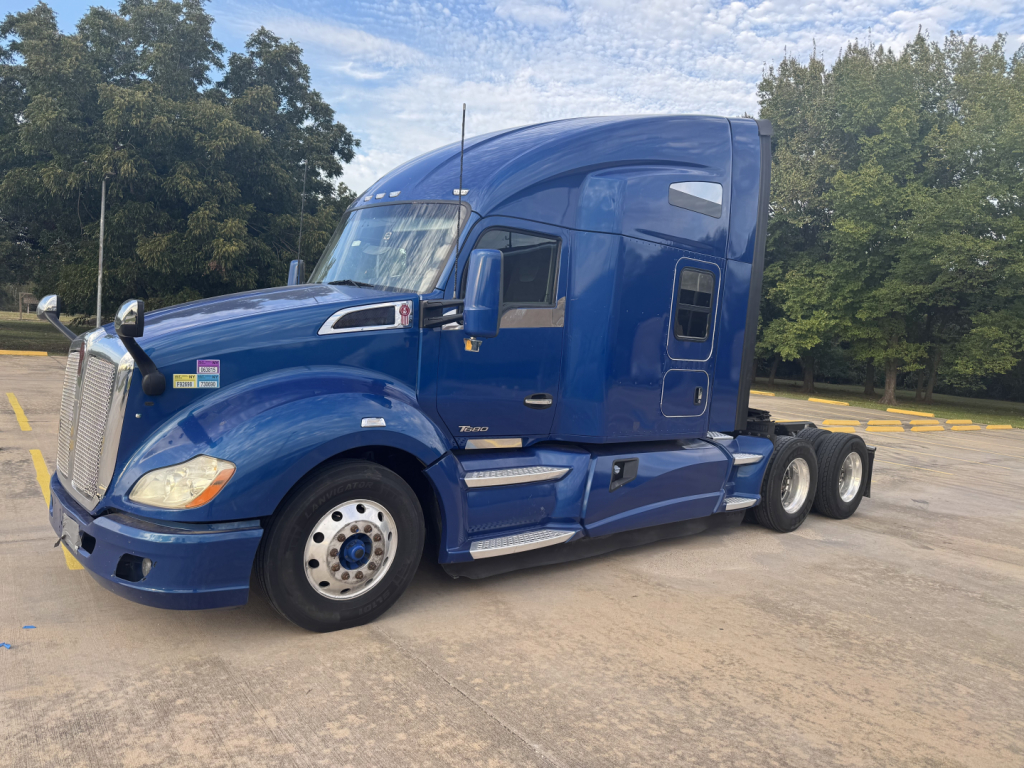

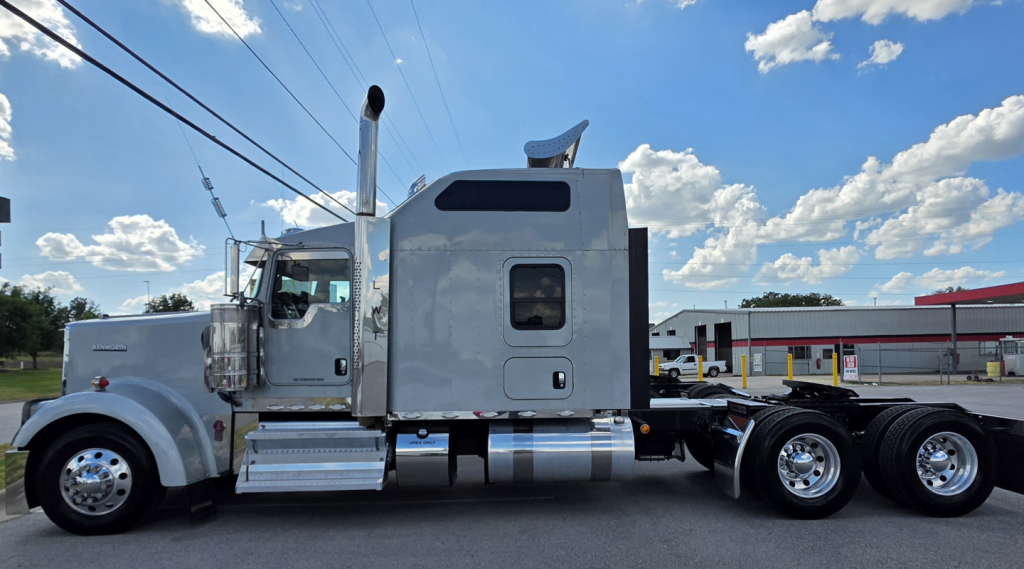
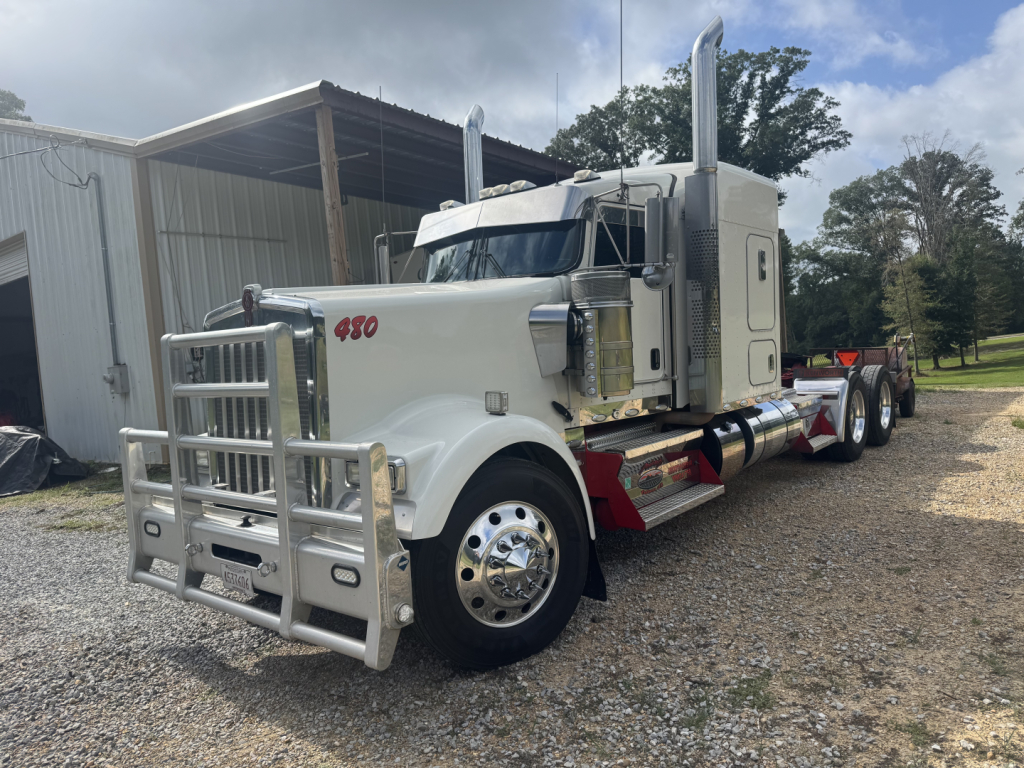
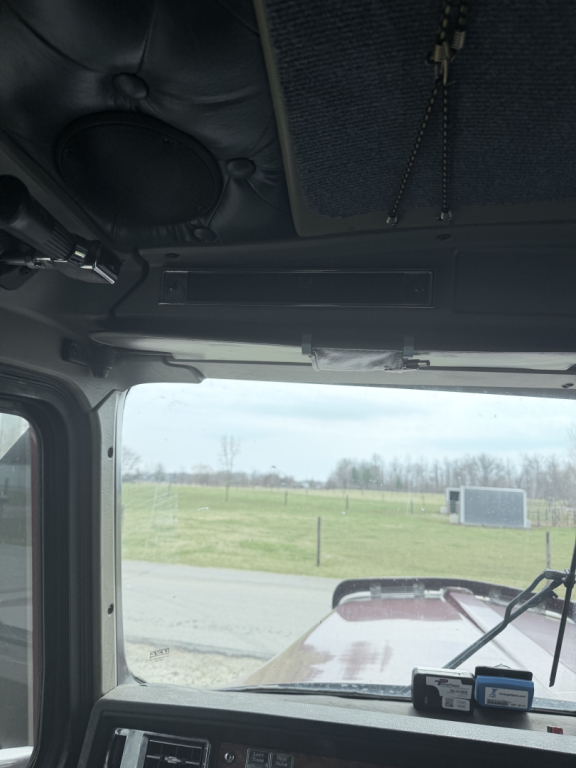

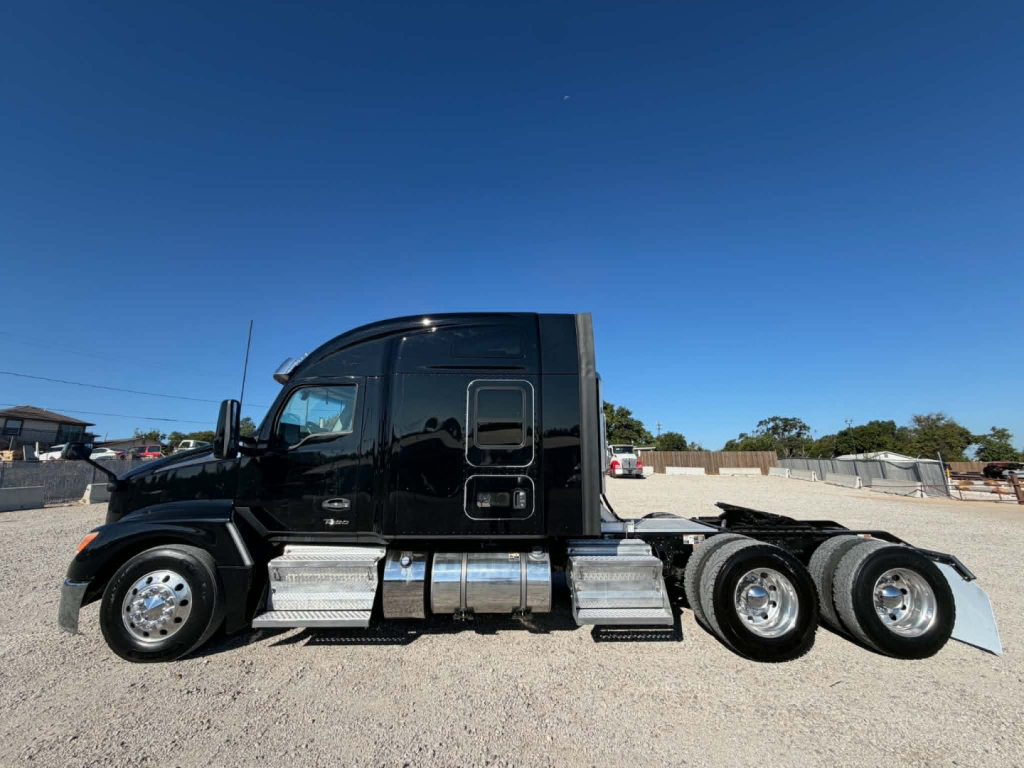



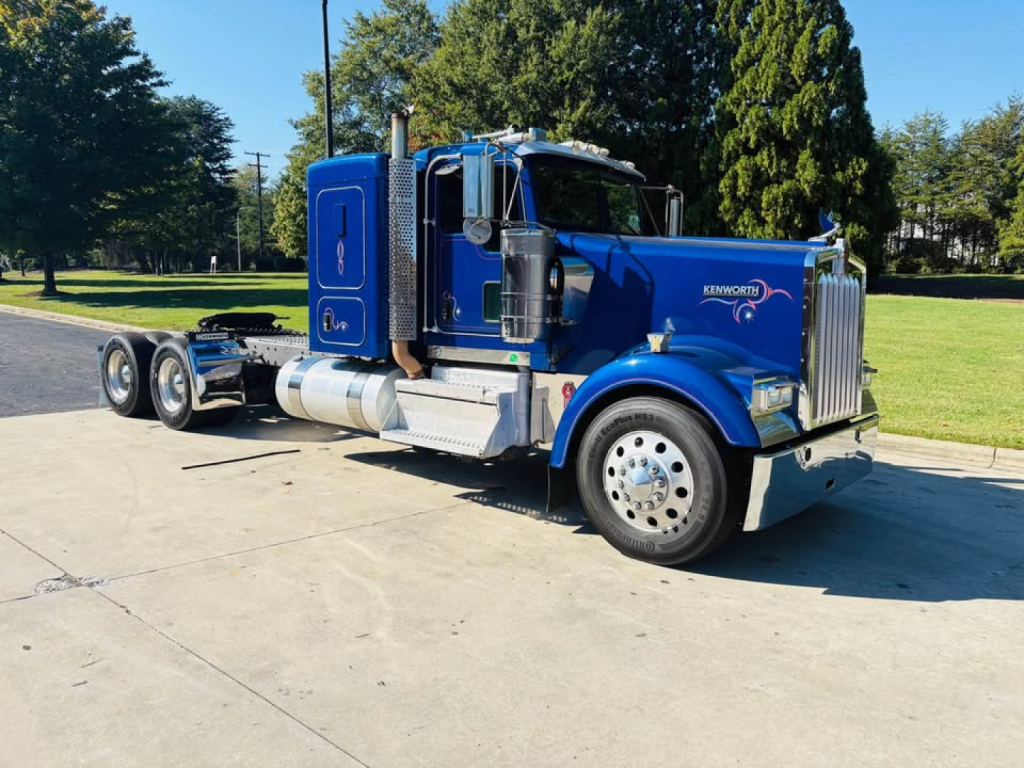
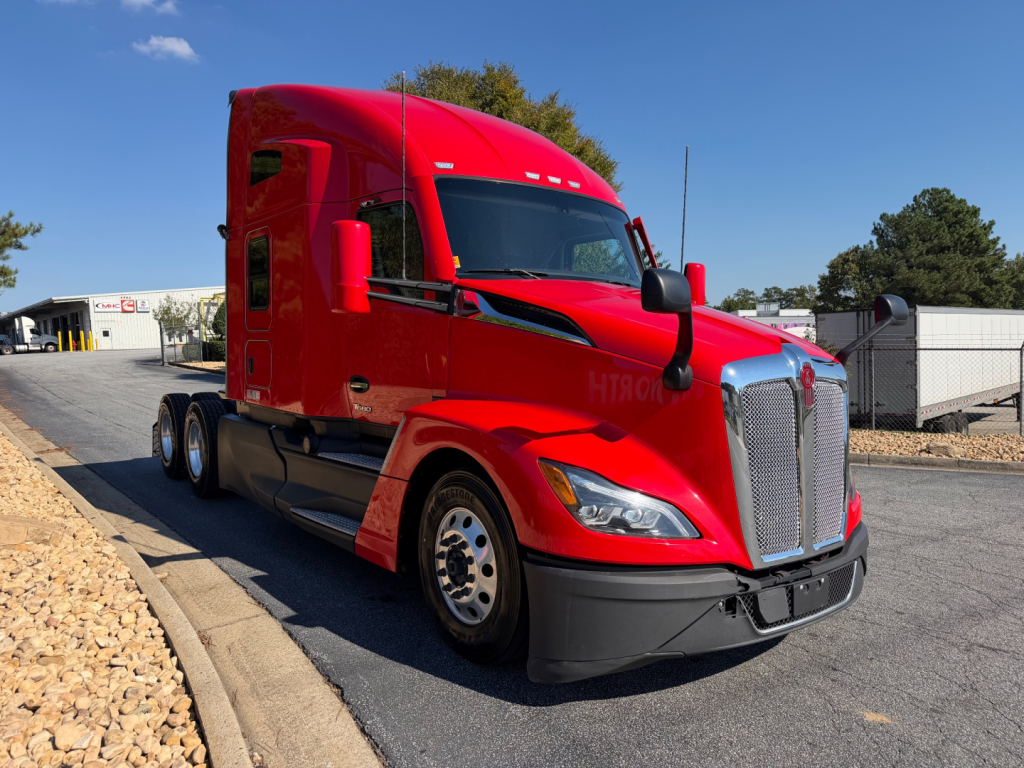
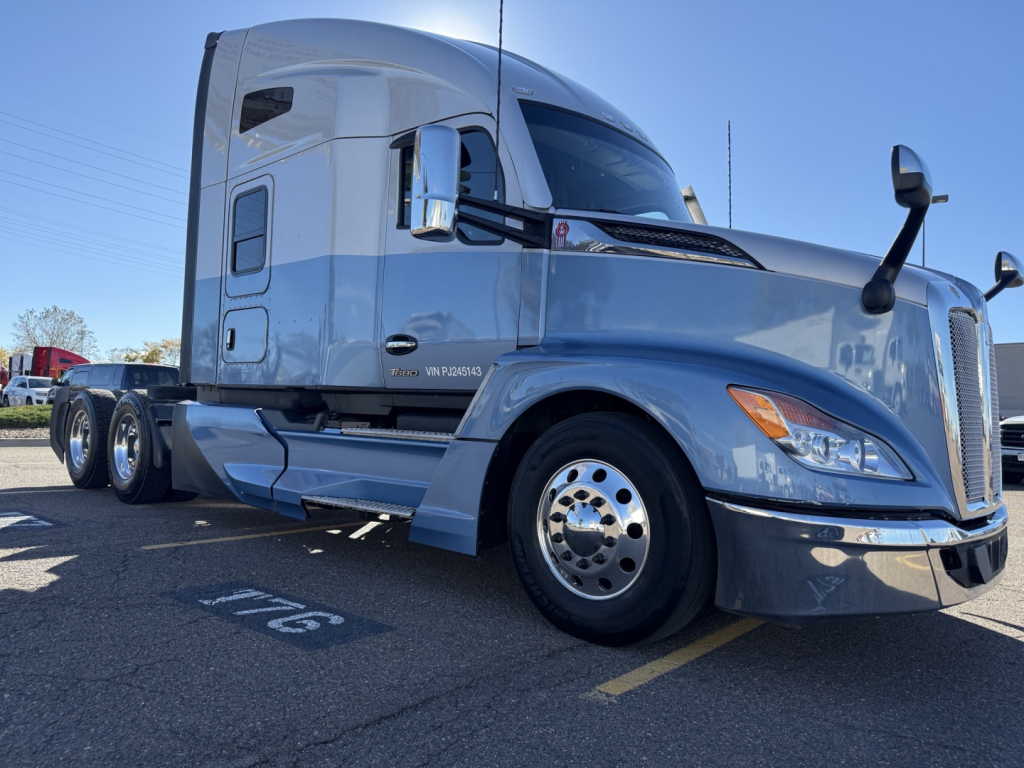
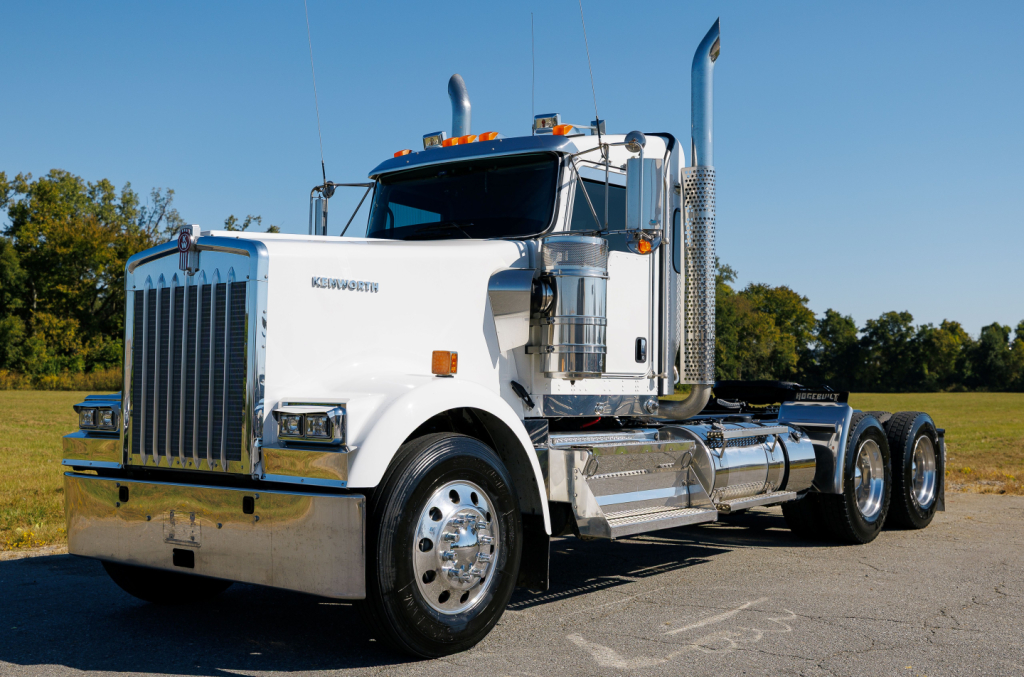
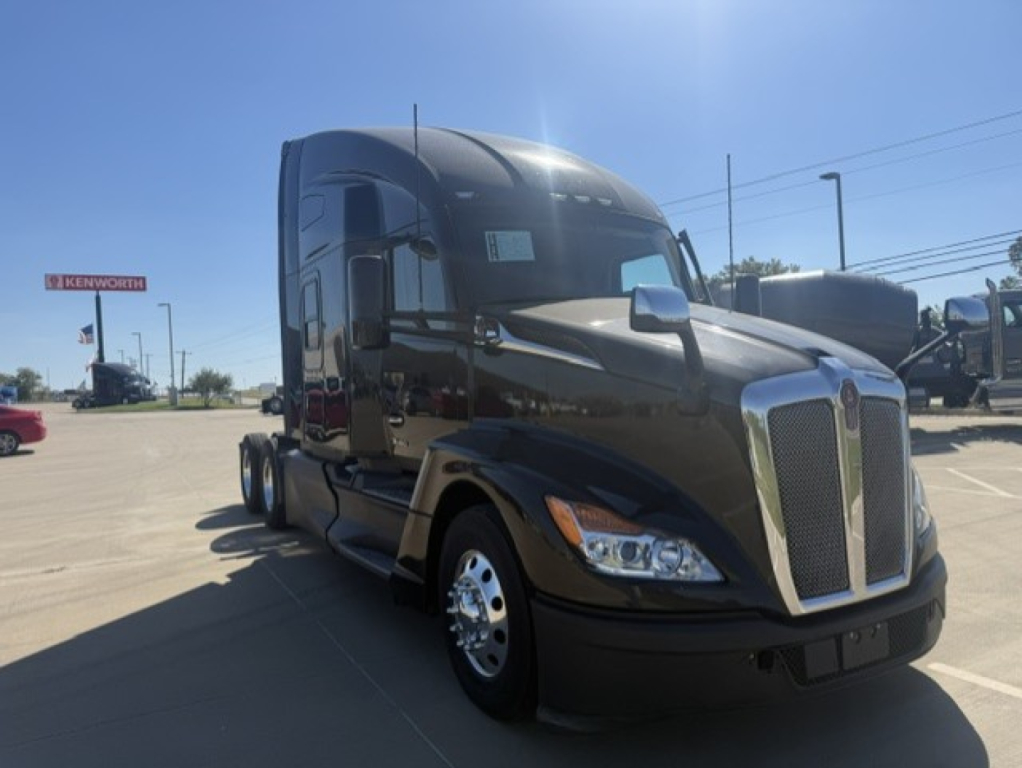
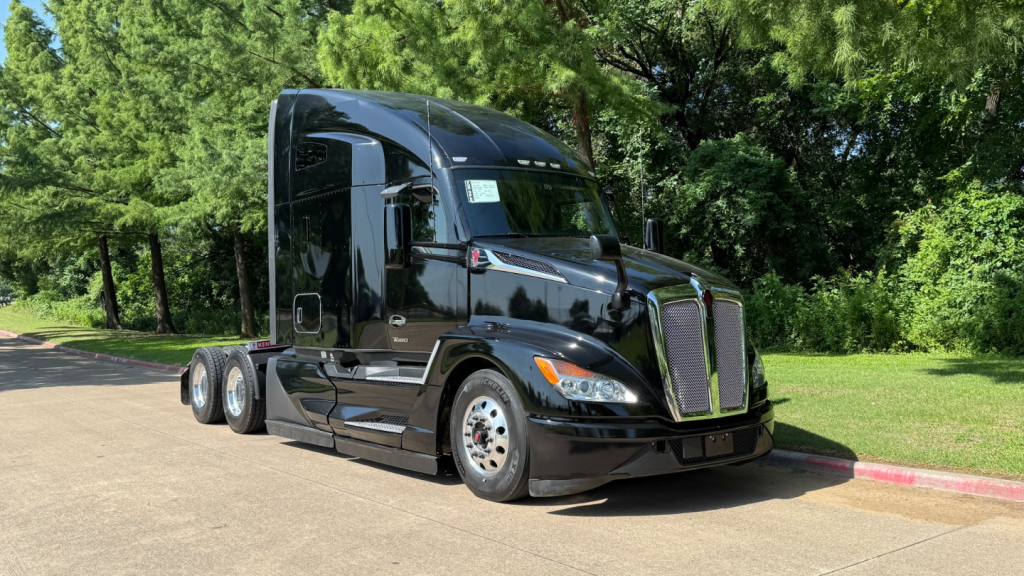
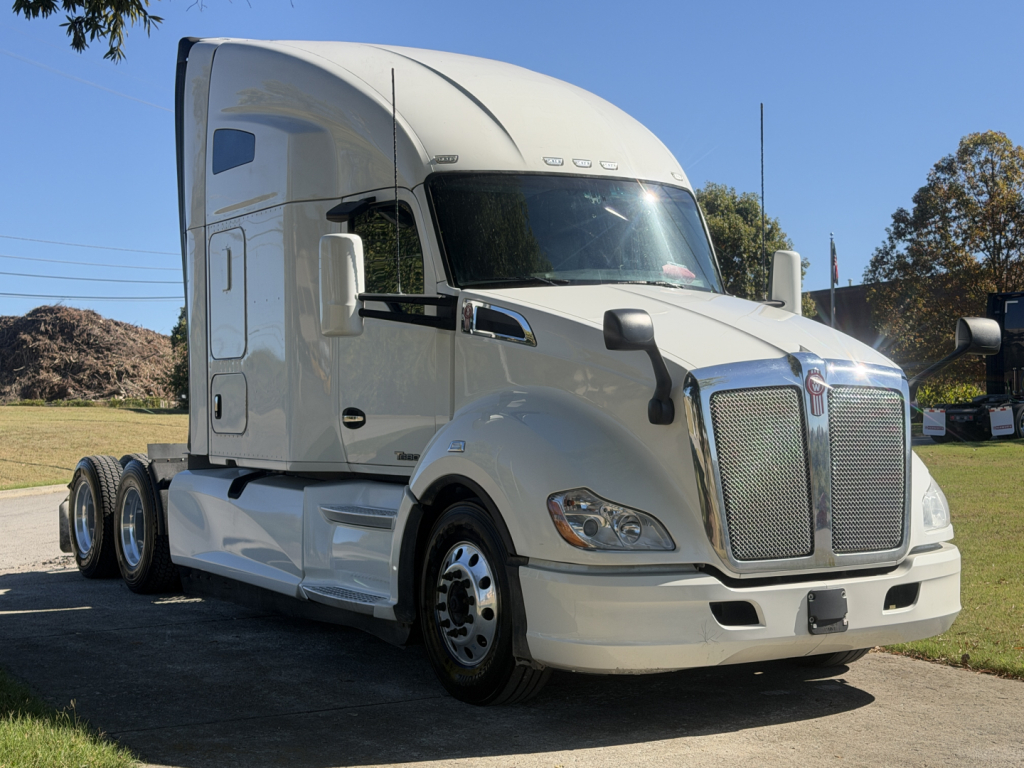
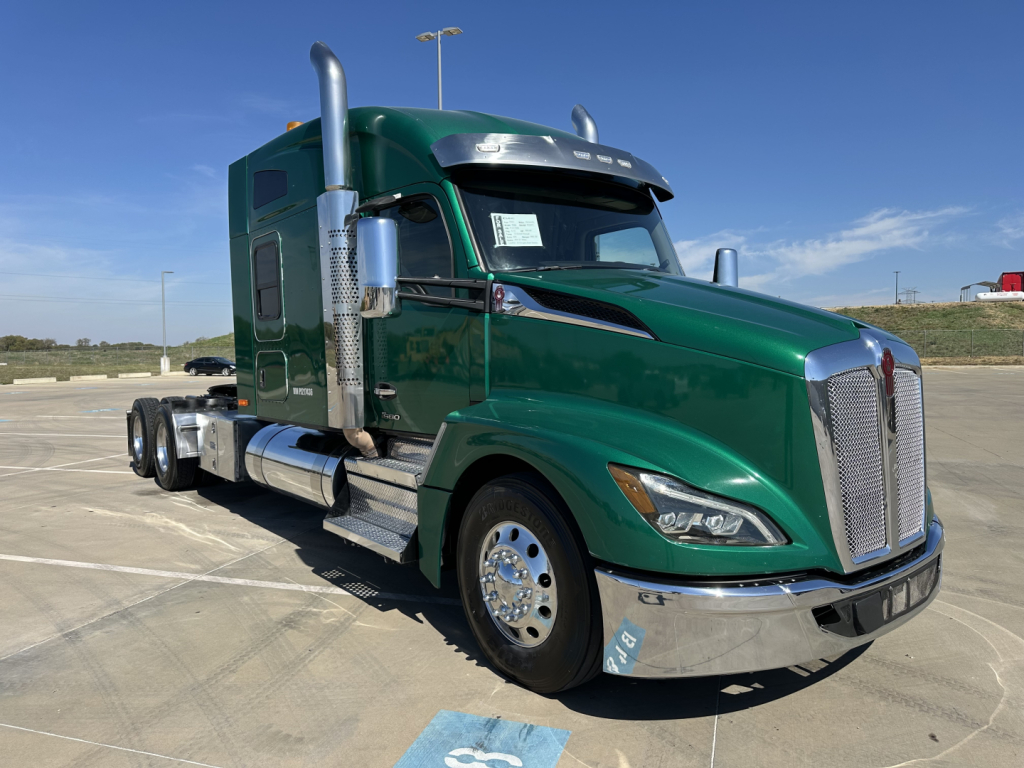
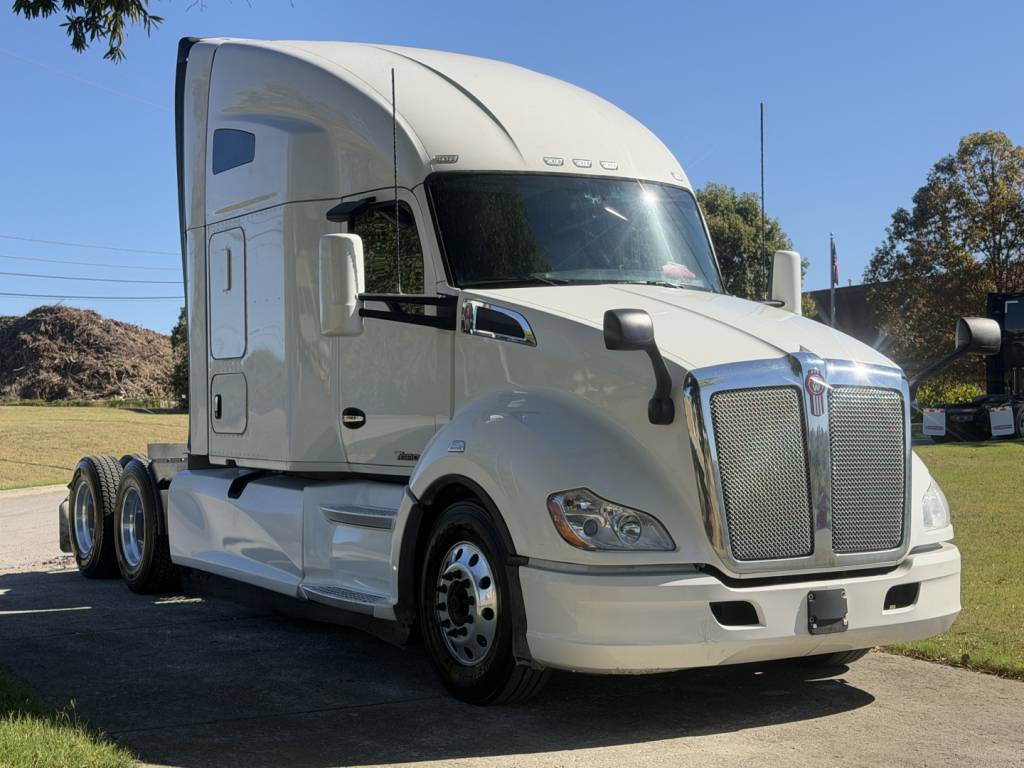
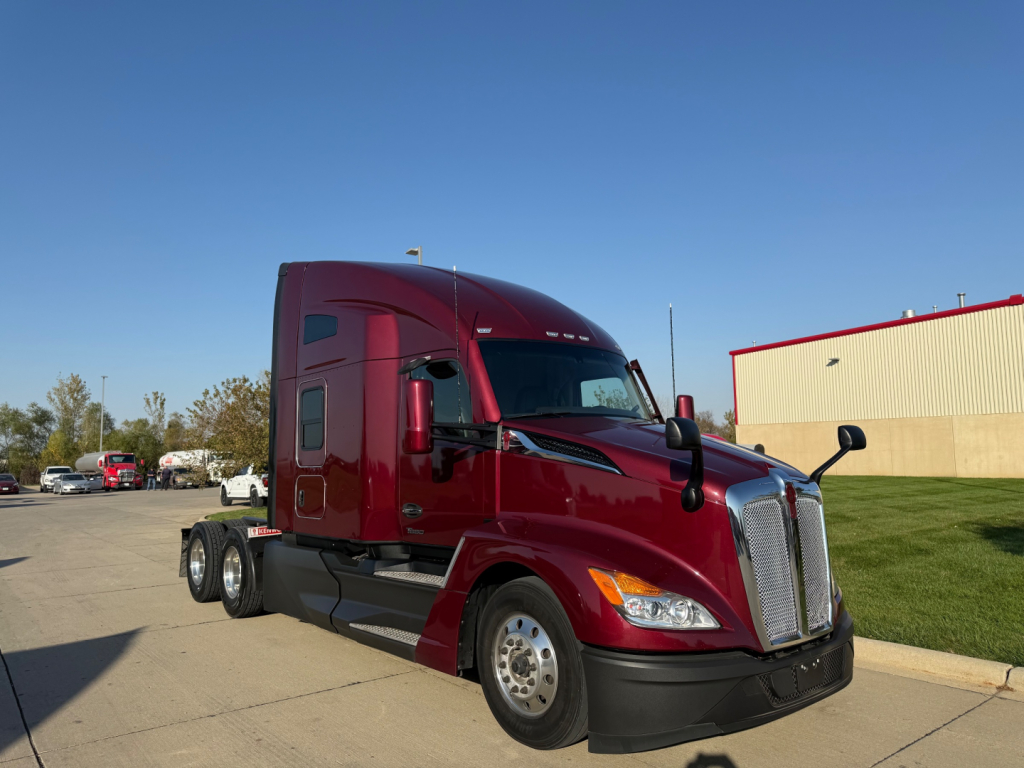
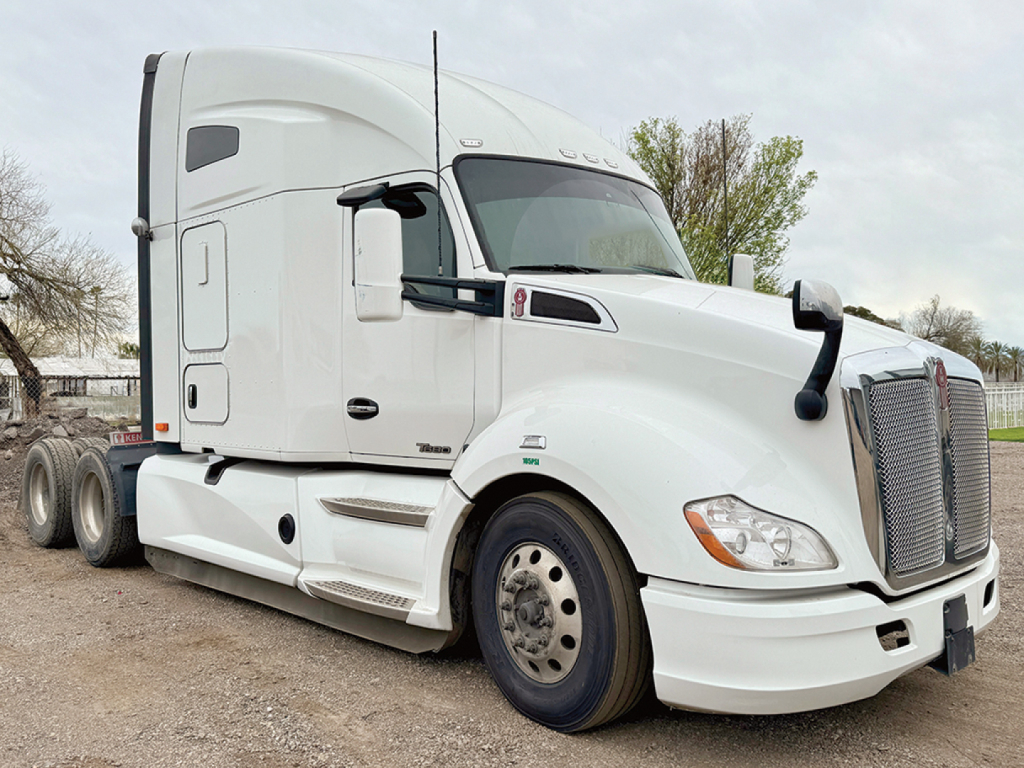
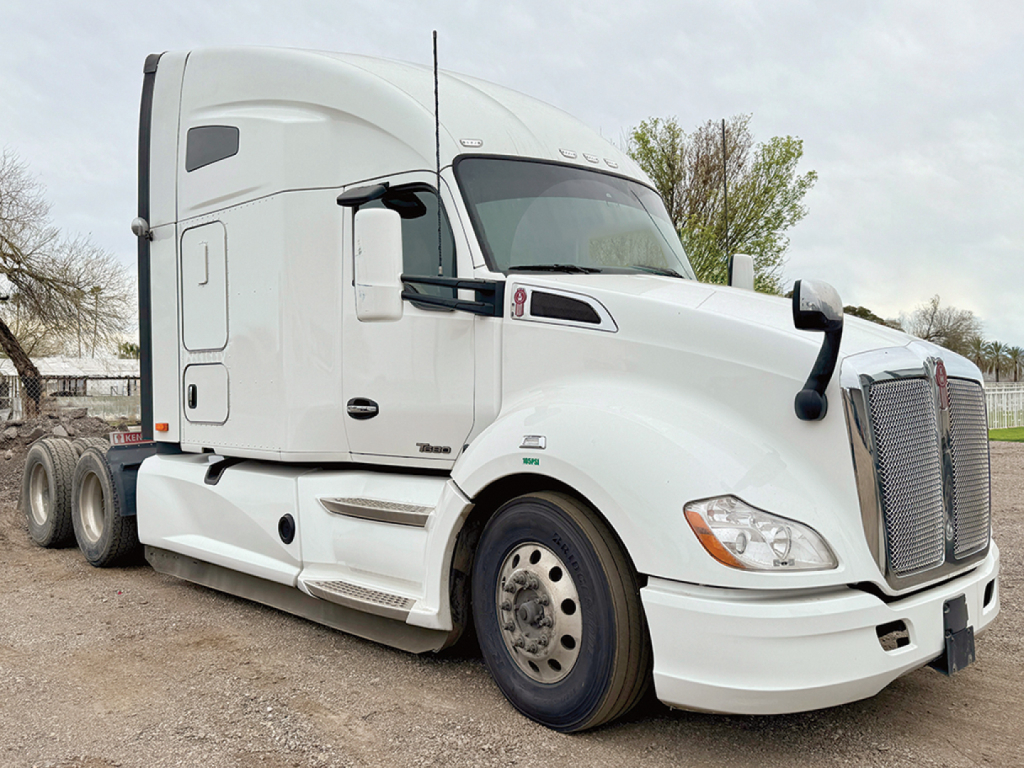
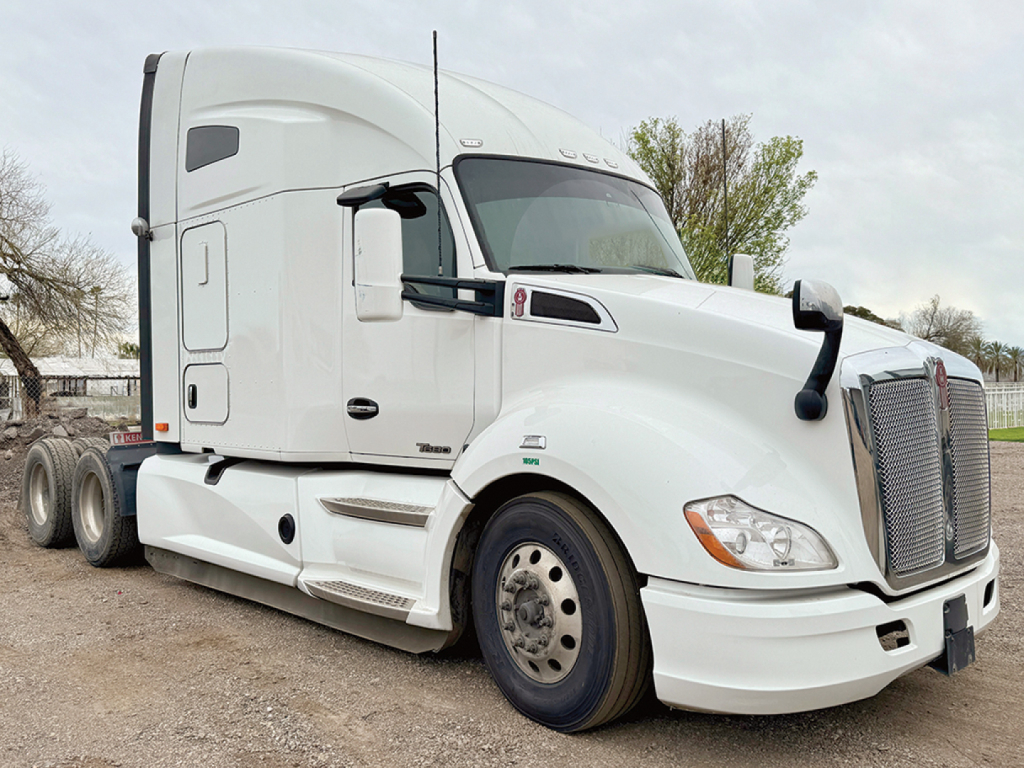
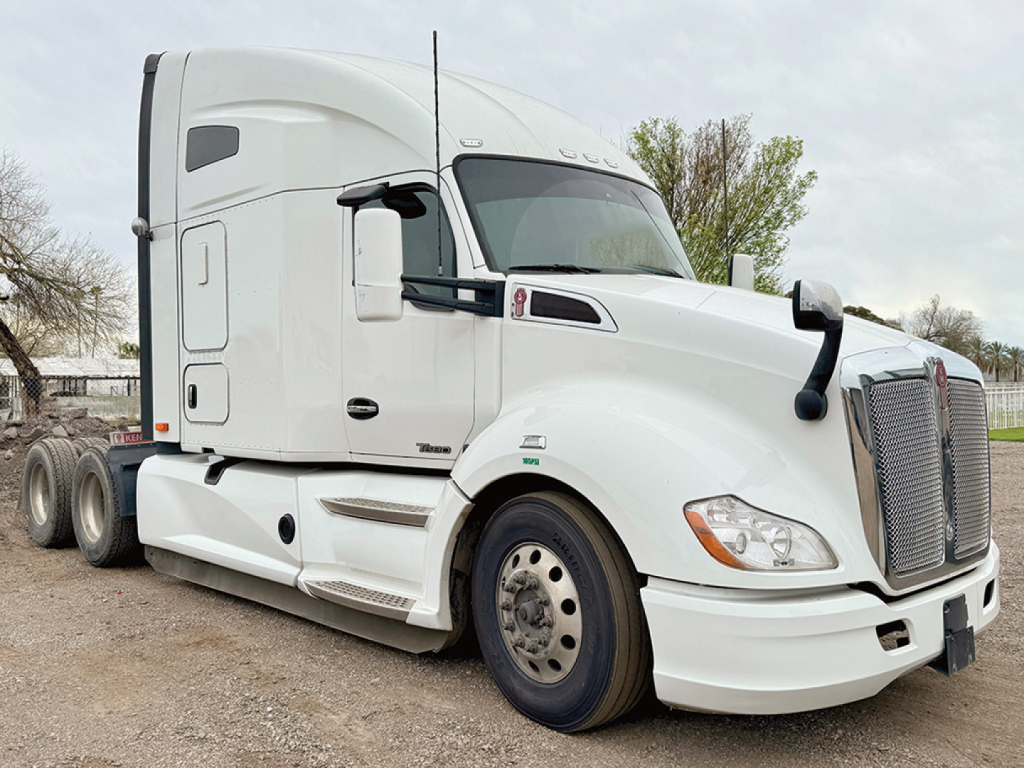
Showing 1 to 28 of 317 results
Selling a used kenworth conventional sleeper truck? List your used kenworth conventional sleeper truck for sale and reach thousands of commercial buyers.
Used Kenworth Conventional Sleeper Trucks
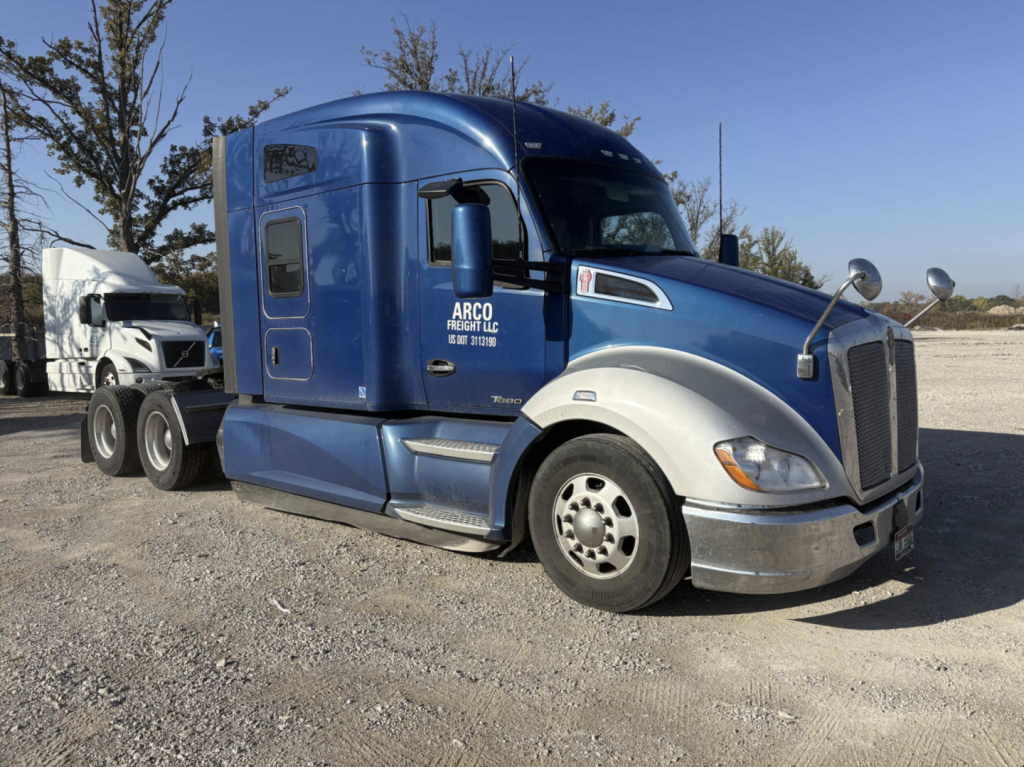
A buyer comparing used Kenworth sleepers should start with the powertrain. Late-model units commonly carry Cummins X15 or PACCAR MX-13 engines in the 450 to 455 horsepower range, usually paired with automated manual transmissions such as the Eaton Endurant or PACCAR-designated automated gearboxes. Rear axle ratings around 40,000 pounds are typical, along with highway-friendly ratios like 2.64 or 2.79. That combination is geared toward fuel-efficient cruising rather than heavy vocational pulling. Wheelbases in the 227 to 242 inch range, air ride suspension, air slide fifth wheels, and 22.5 low-profile tires are all common on this class of tractor, so buyers should match axle ratio and wheelbase to the trailer length, terrain, and average gross weight they expect to run.
Sleeper configuration is a major value point on a used Kenworth conventional sleeper. Many are equipped with 76-inch high-roof sleepers, upper bunks, bunk heaters, refrigerators, and premium interior trims such as Legacy or Vantage packages. Those features matter on trucks that will spend multiple nights a week on the road. Practical details also affect day-to-day operating cost and uptime, including dual aluminum fuel tanks, disc brakes on newer specs, horizontal exhaust, side fairings, cab extenders, quarter fenders, digital dash options, and collision mitigation systems. If fuel economy is a priority, pay close attention to aerodynamic completeness and verify that fairings, extenders, and ride height-related components are intact.
Condition on a used sleeper tractor should be judged beyond miles and model year. Buyers should review engine hours, maintenance history, aftertreatment service records, transmission calibration history, brake type, tire wear pattern, and any signs of fifth wheel or suspension abuse. On Kenworth T680 and T680 Next Gen models, cab condition, sleeper equipment operation, and emissions system health are often just as important as drivetrain spec. A well-matched used Kenworth conventional sleeper can be a strong fit for for-hire carriers, owner-operators, and private fleets that need a modern highway tractor with a comfortable bunk, efficient aero package, and widely recognized nameplate.
Frequently Asked Questions about Used Kenworth Conventional Sleeper Trucks
What is the most common used Kenworth conventional sleeper model?
The Kenworth T680 is the most common model in this category, including both standard T680 and T680 Next Gen versions. It is a highway-focused conventional sleeper tractor designed for fuel-efficient over-the-road use. Most used examples are spec'd with aerodynamic fairings, 76-inch high-roof sleepers, and automated transmissions, which makes them popular with fleets and owner-operators running dry van, reefer, and general freight lanes.
What engine and transmission specs are typical on a used Kenworth sleeper truck?
Typical late-model specs include the Cummins X15 or PACCAR MX-13 engine rated around 450 to 455 horsepower. Most are paired with an automated manual transmission, commonly an Eaton Endurant or a PACCAR-related automated gearbox. Buyers will also see 40,000-pound rear axles and highway ratios such as 2.64 or 2.79. This setup is intended to balance cruise RPM, fuel economy, and drivability on long interstate runs.
Is a 76-inch high-roof sleeper a good choice for long-haul work?
Yes. A 76-inch high-roof sleeper is one of the most common and practical choices for long-haul operations because it provides standing room, bunk space, and room for driver amenities such as an upper bunk, refrigerator, and bunk heater. That extra living space matters for teams, extended routes, and driver retention. It can add weight compared with a smaller sleeper, but for over-the-road applications the comfort tradeoff is usually worth it.
What should I inspect first on a used Kenworth T680 sleeper?
Start with maintenance records, engine hours, emissions system history, and transmission service documentation. Then inspect the sleeper equipment, cab electronics, tire wear, brake condition, suspension components, and fifth wheel movement. On aerodynamic highway tractors, missing fairings, damaged cab extenders, or neglected ride height settings can hurt fuel economy. A clean interior is helpful, but drivetrain health and aftertreatment condition usually have a bigger impact on total operating cost.
Are used Kenworth conventional sleepers better for highway freight than heavy vocational work?
In most cases, yes. Conventional sleeper trucks like the Kenworth T680 are designed primarily for highway freight, not severe-duty vocational applications. Their common axle ratios, wheelbases, sleeper layouts, and aerodynamic body design are optimized for linehaul efficiency and driver comfort. They can still handle a wide range of trailer types, but buyers needing frequent off-road use, high GCW hauling, or PTO-driven vocational equipment usually look at different chassis and spec packages.