
Used Kenworth Conventional Sleeper Trucks For Sale in Texas
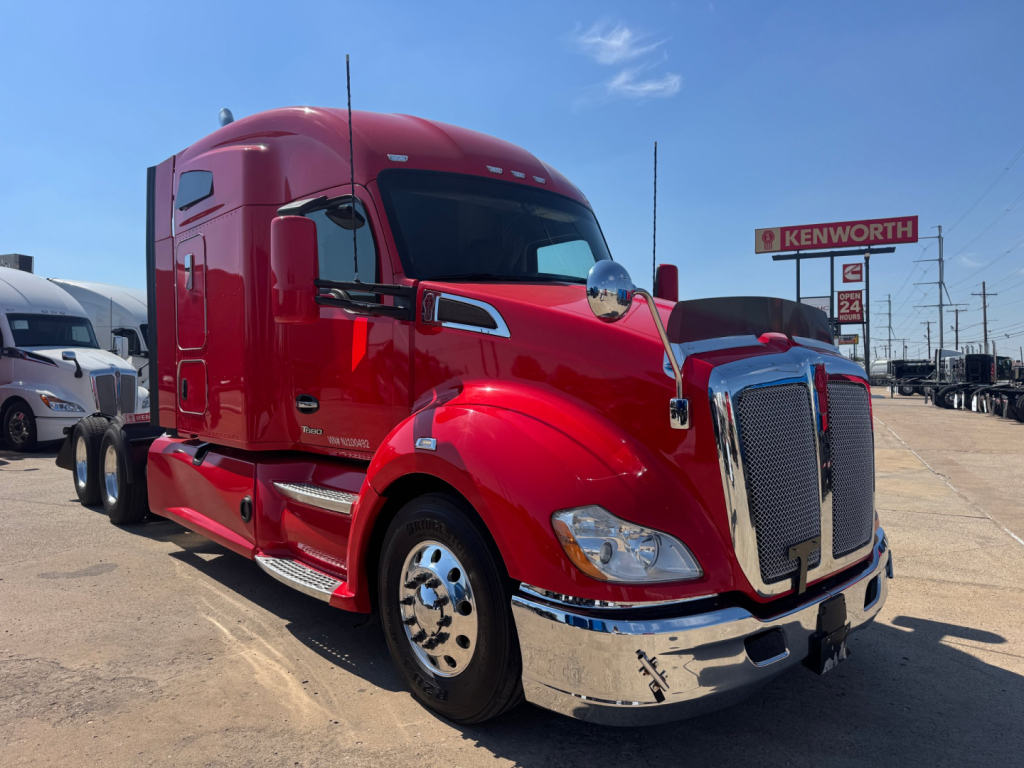
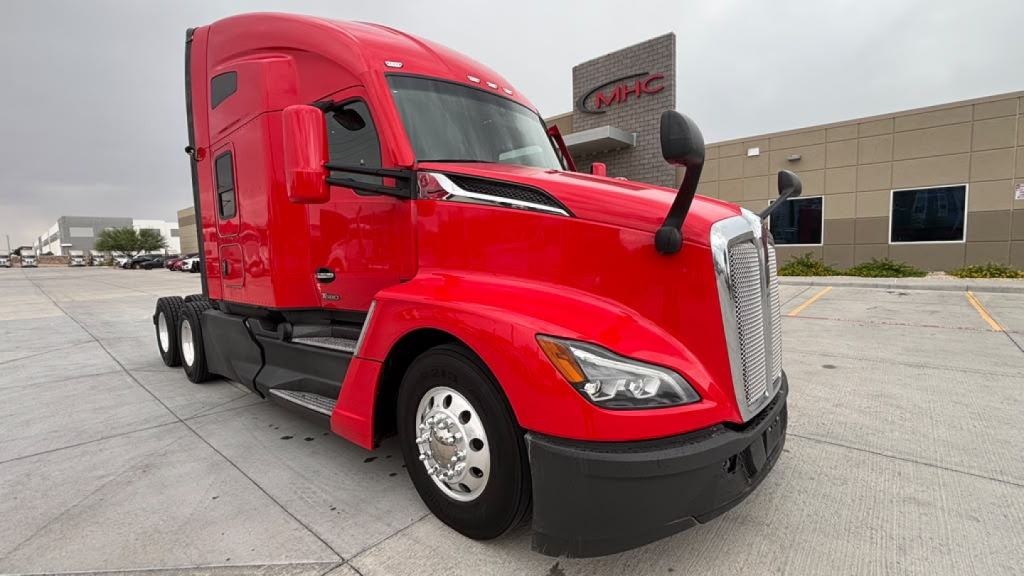
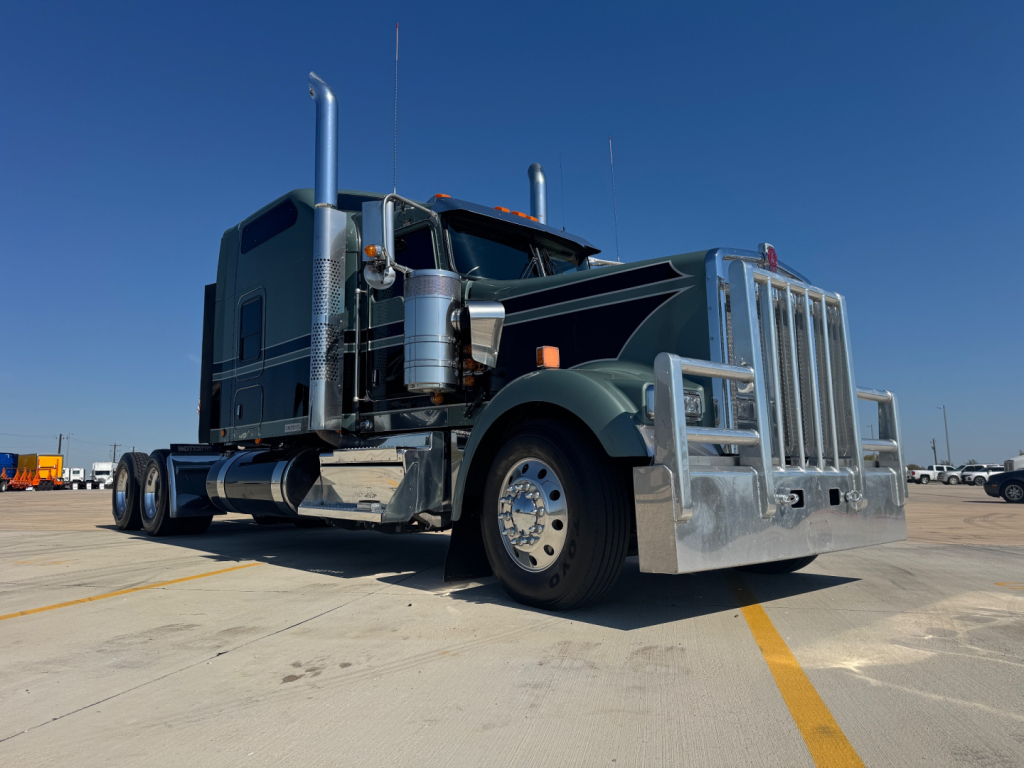
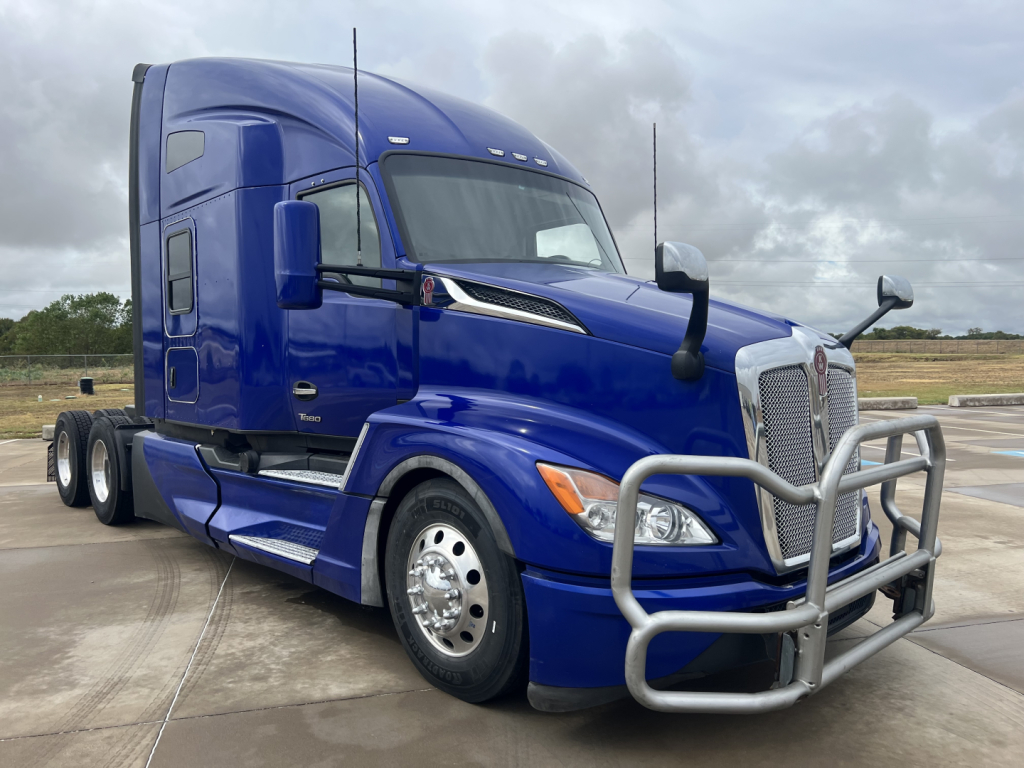
Browse used Kenworth conventional sleeper trucks in Texas, including T680 and W900 models with popular specs for regional and long-haul work.
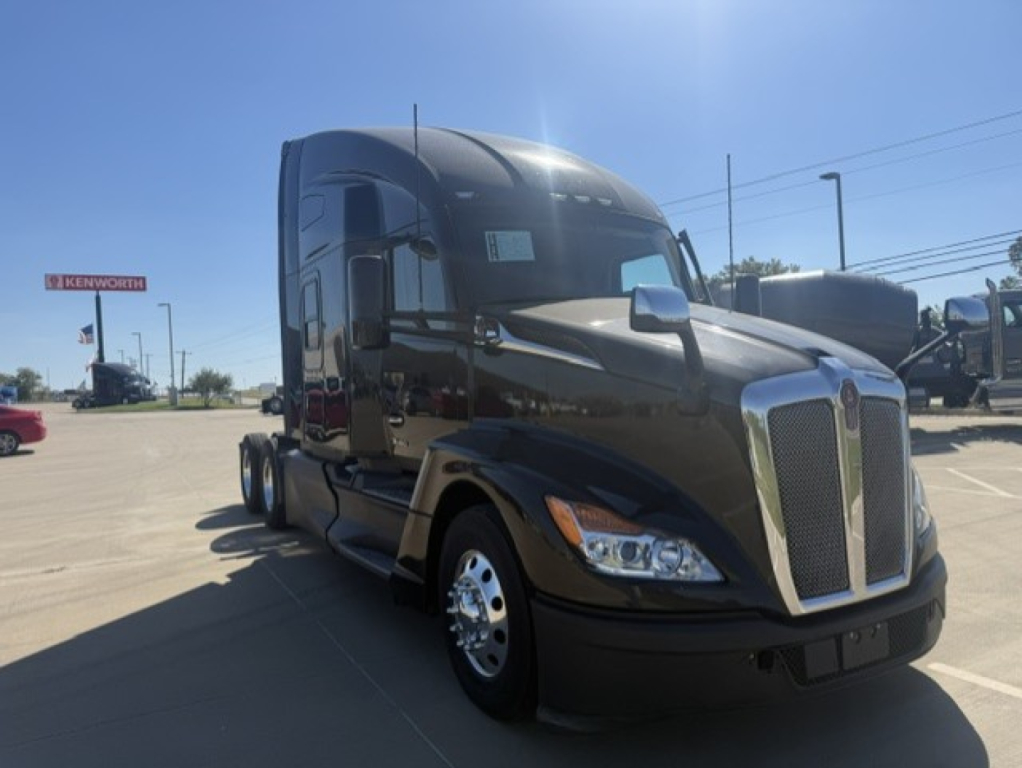
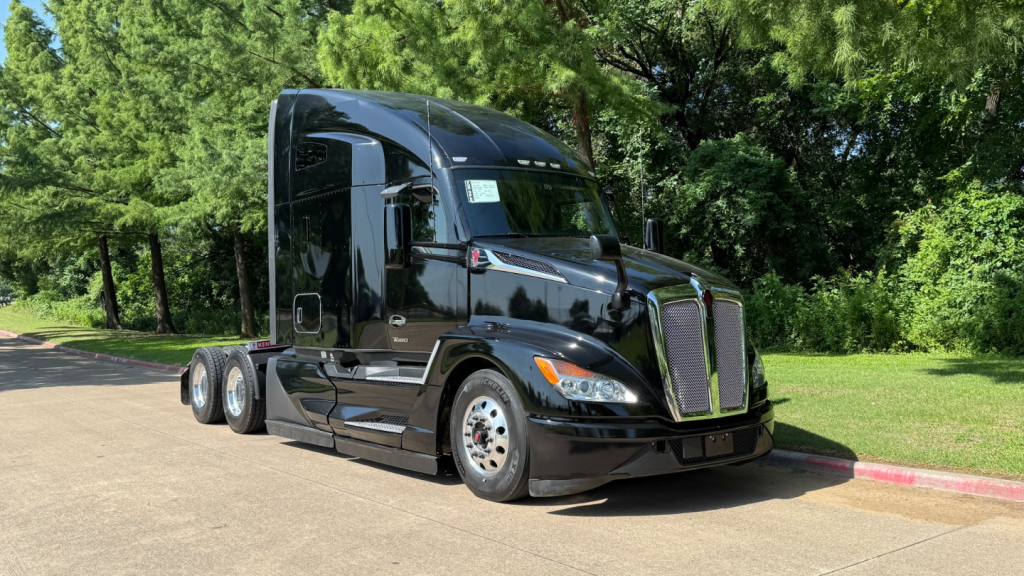
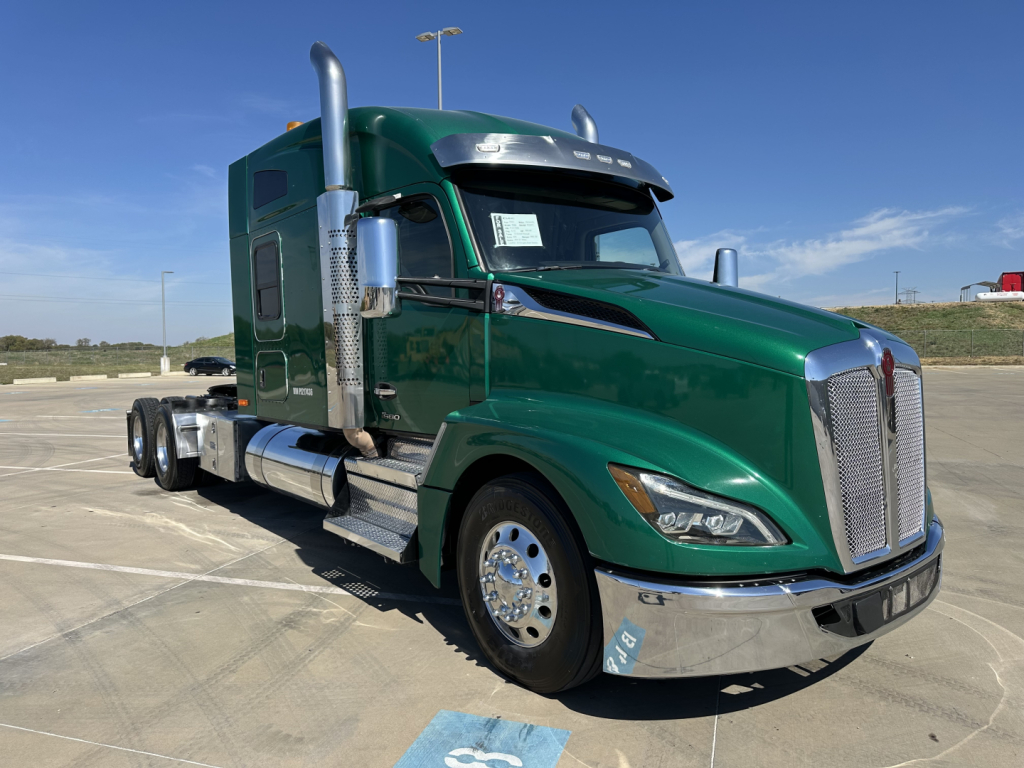
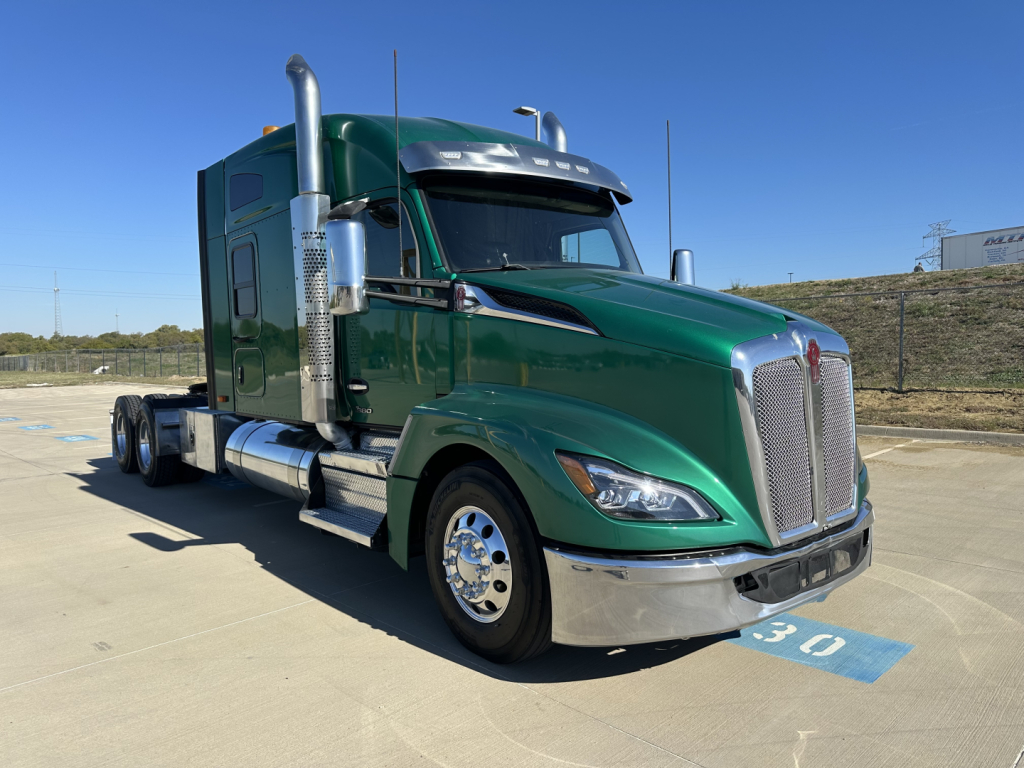
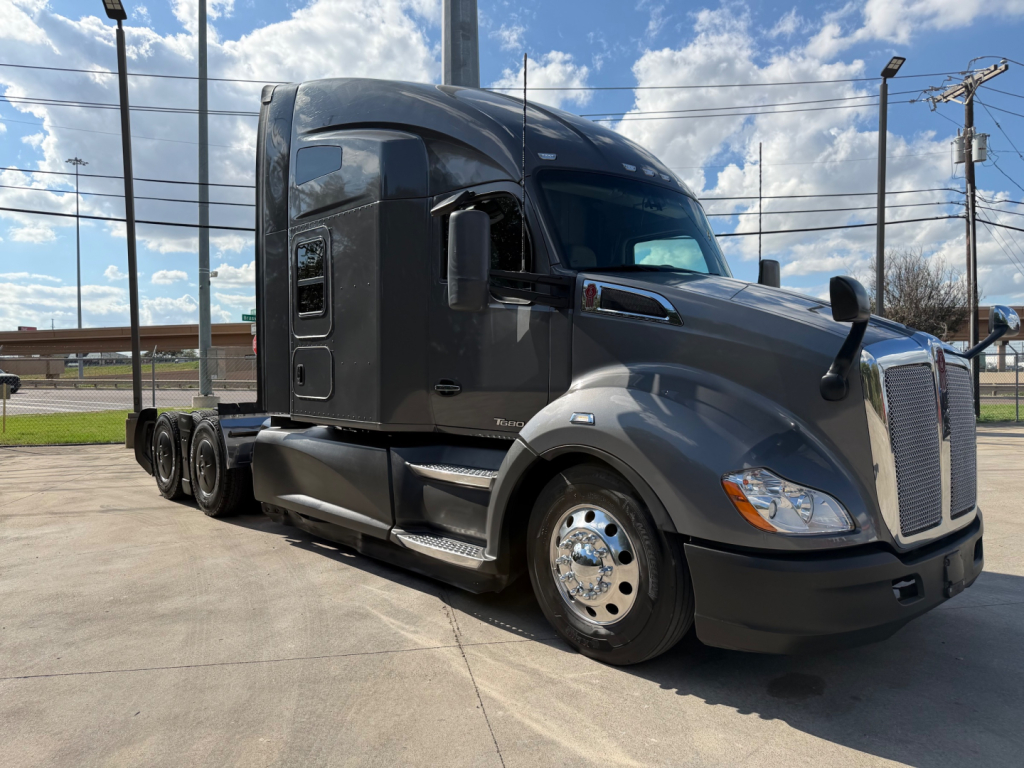
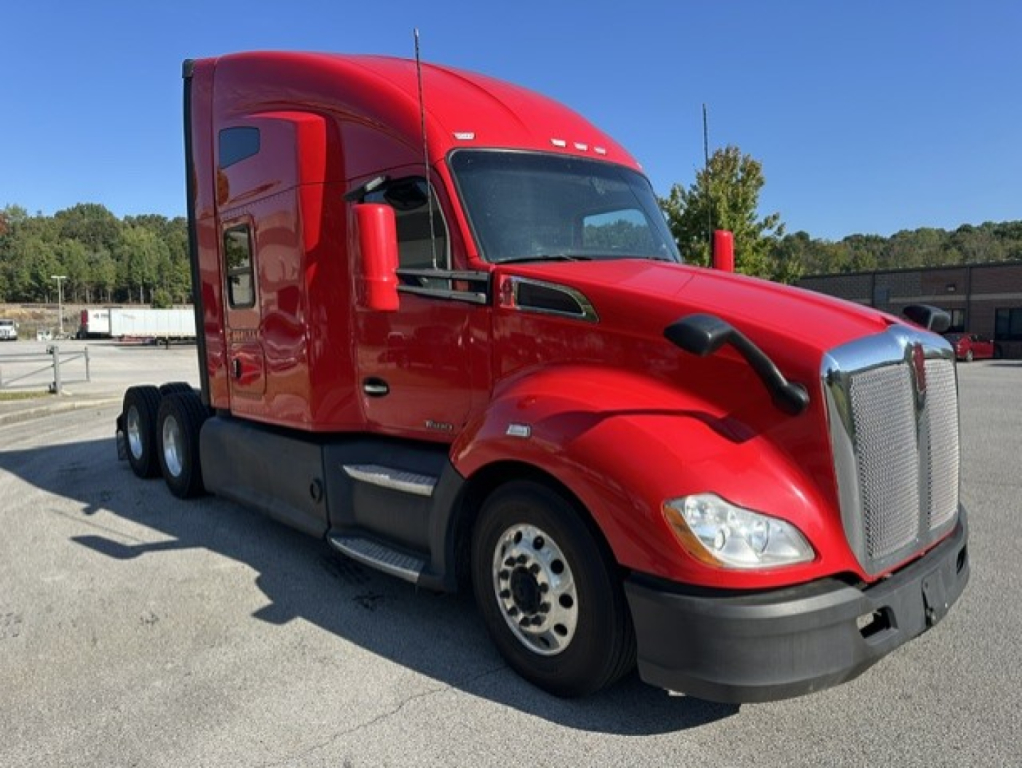
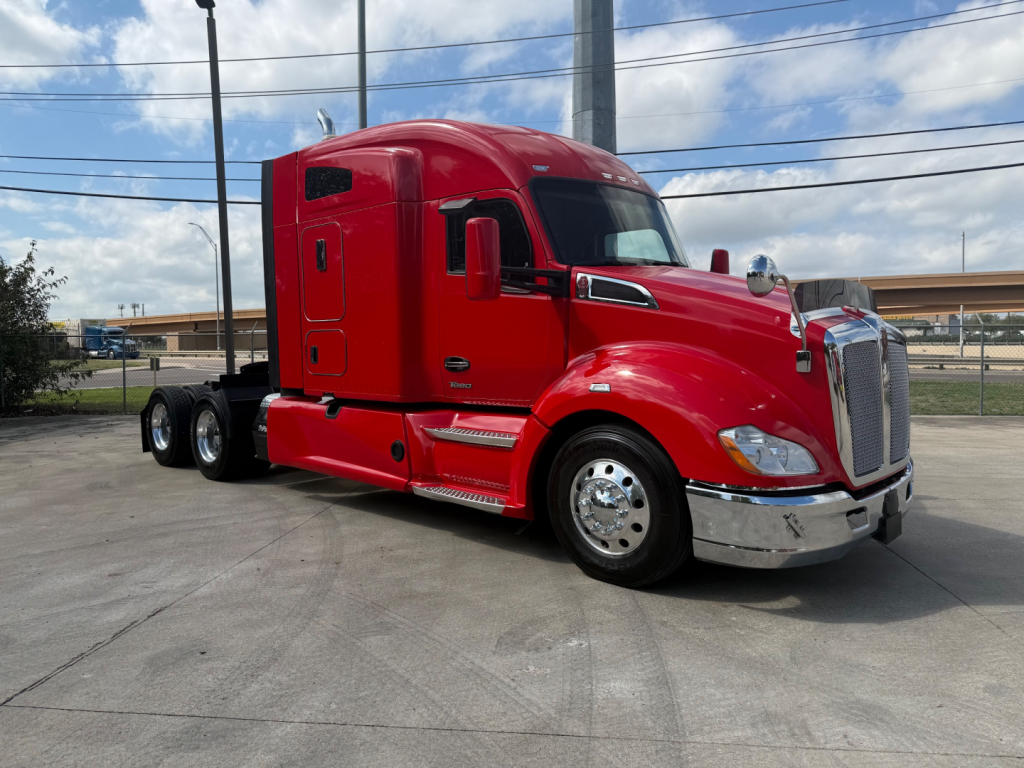
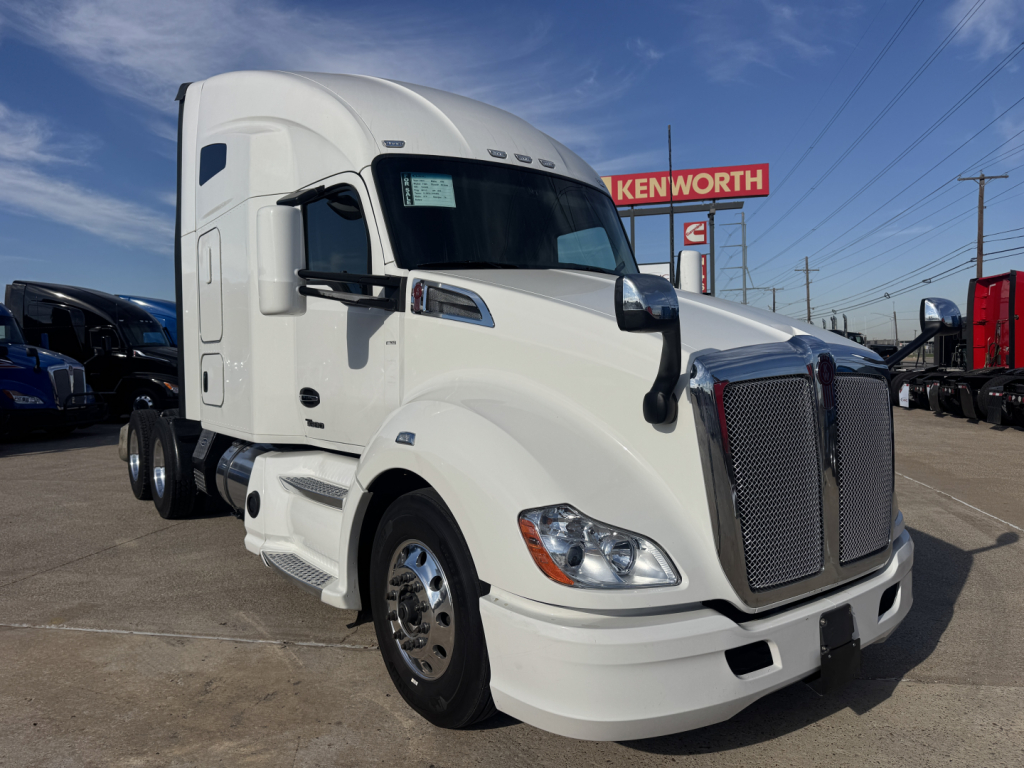
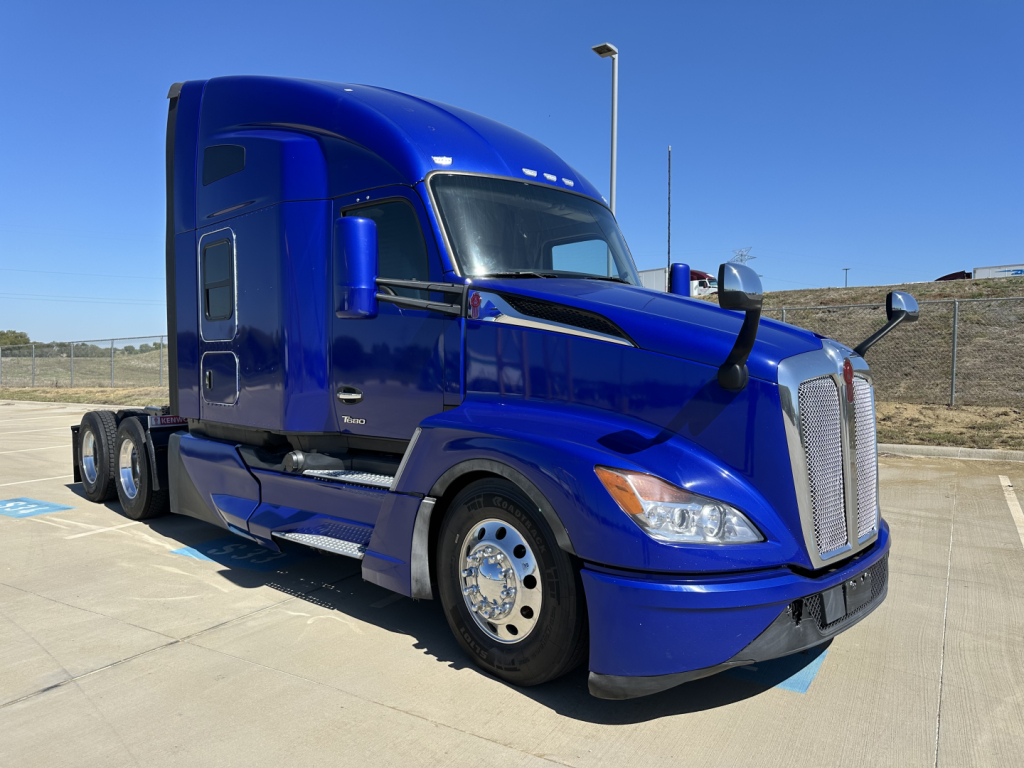
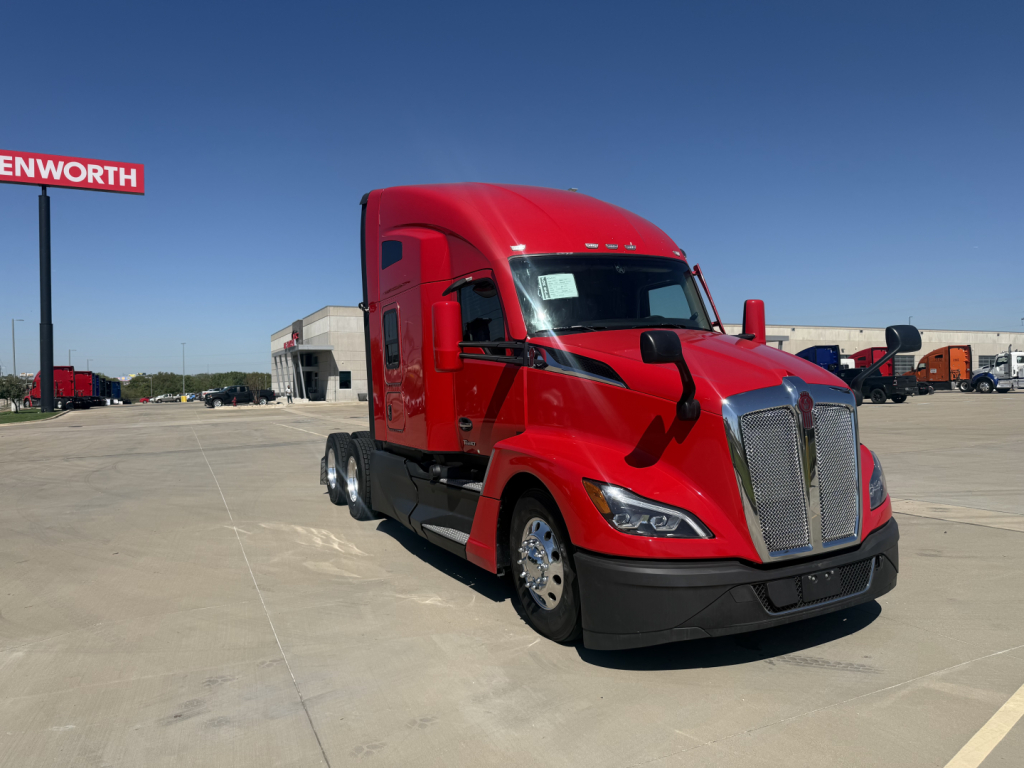
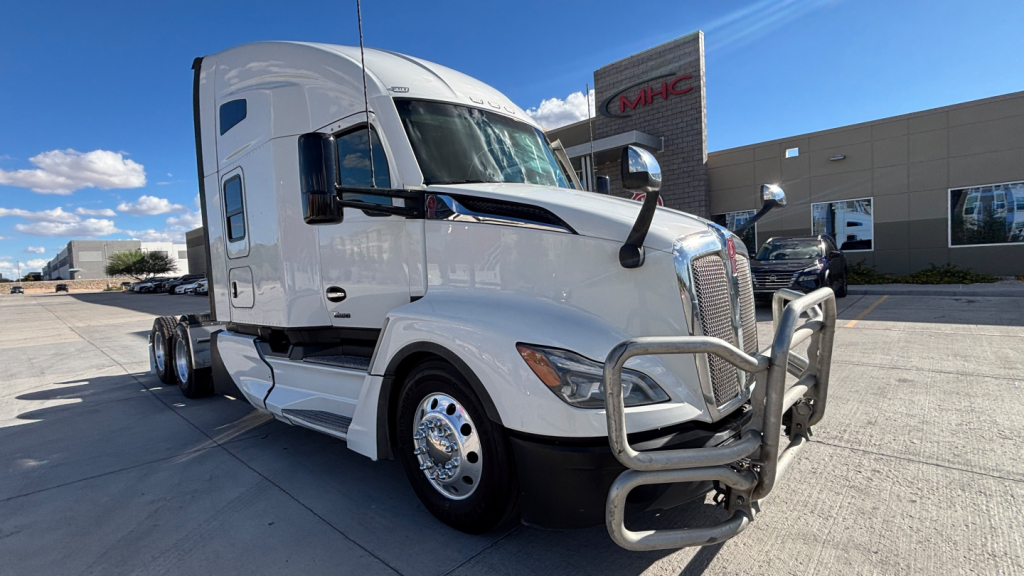
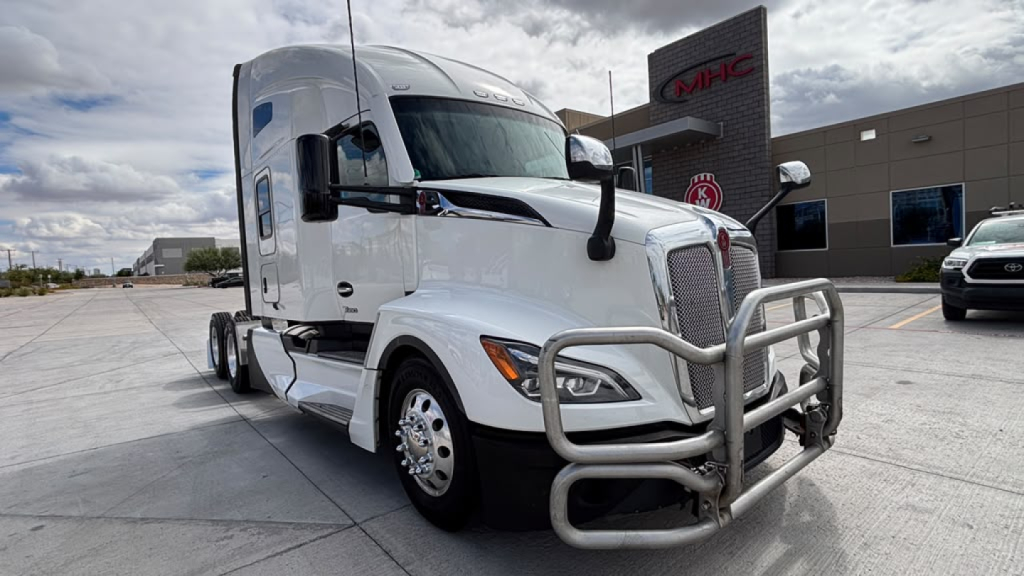
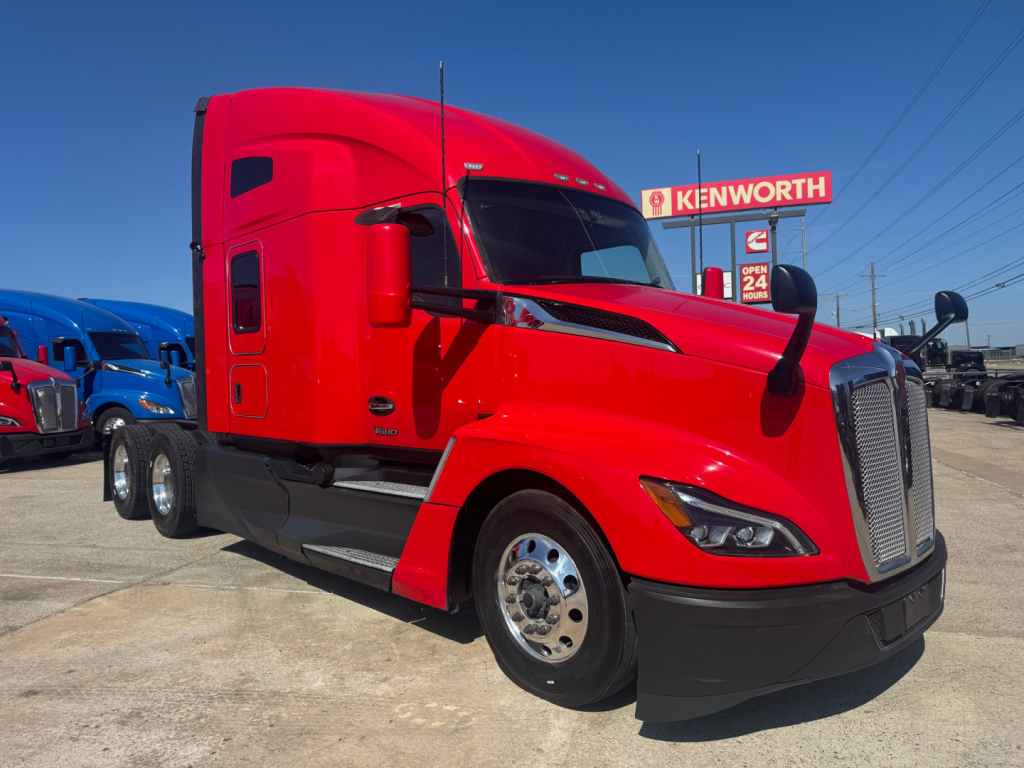
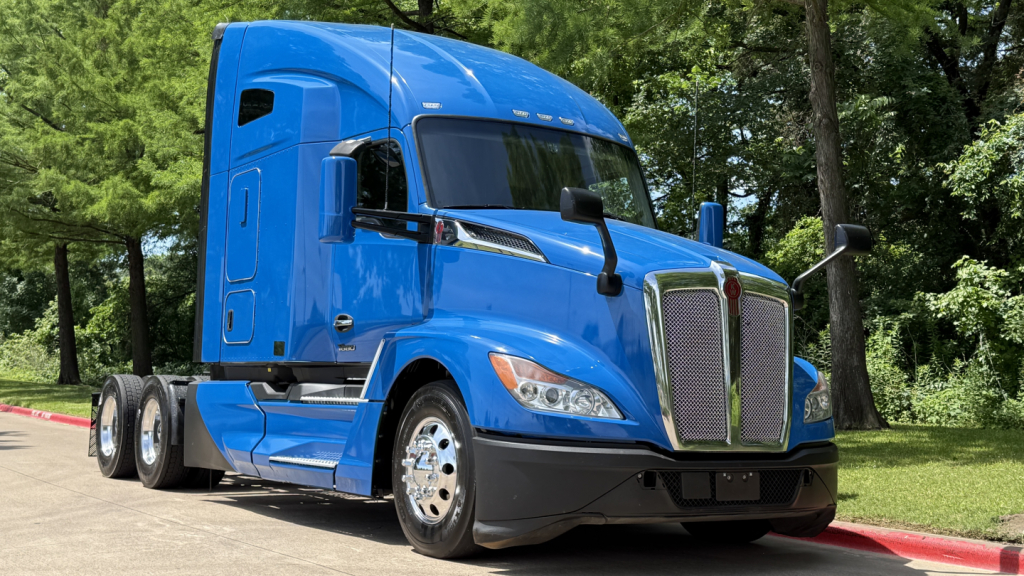
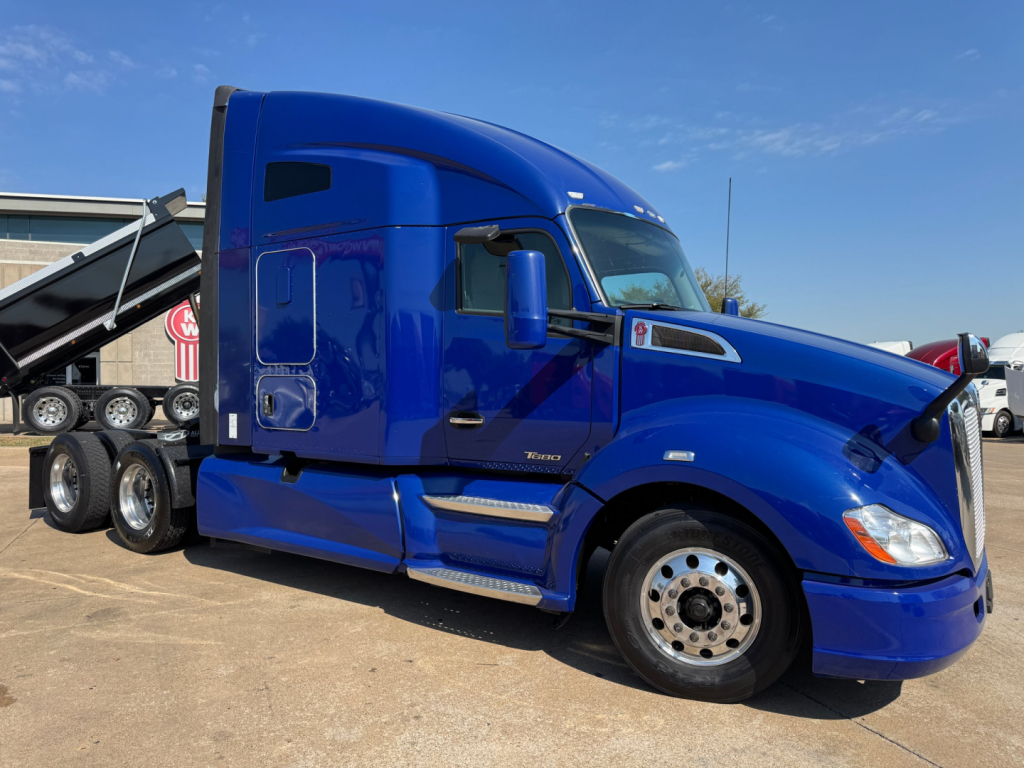
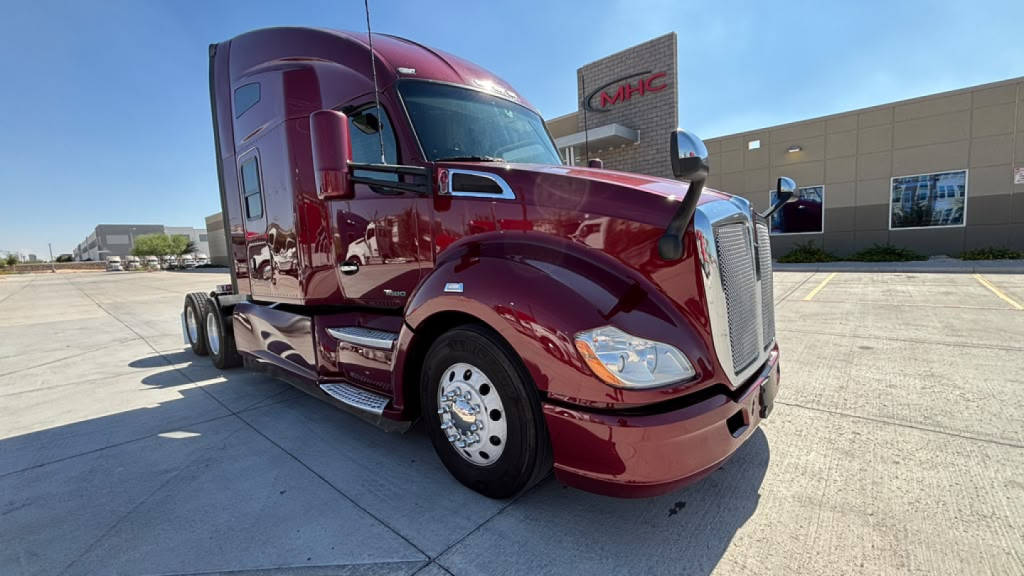
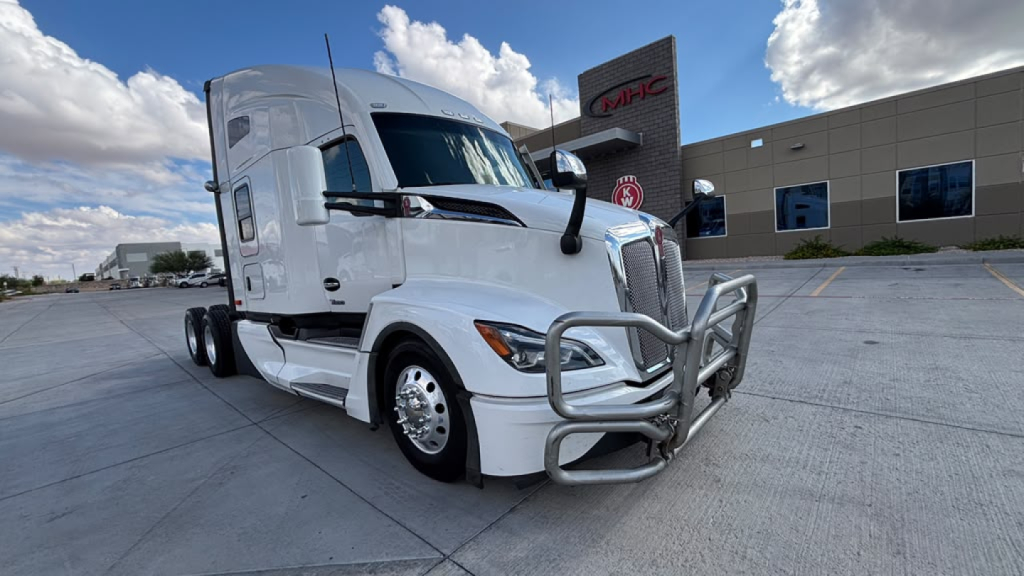
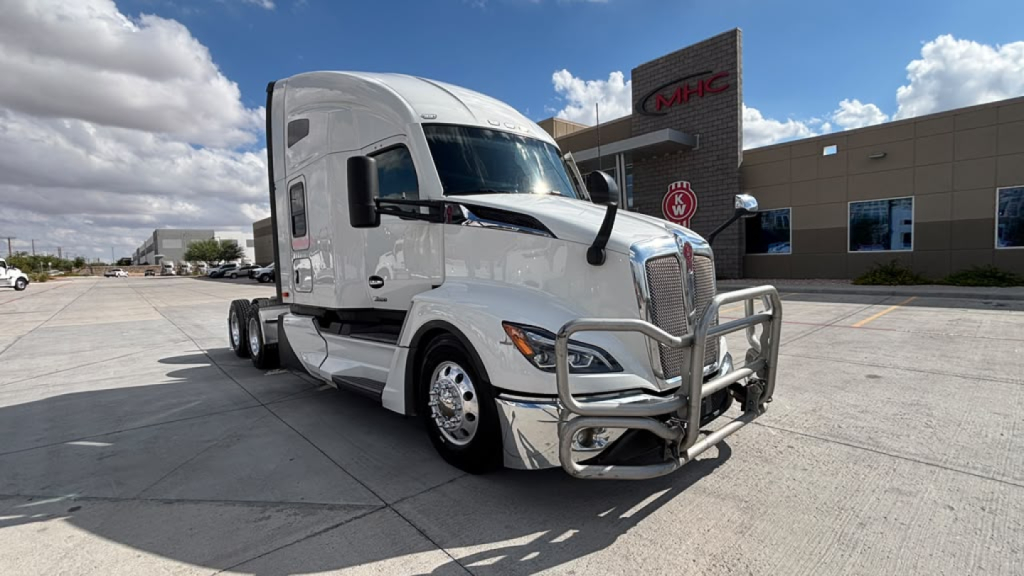
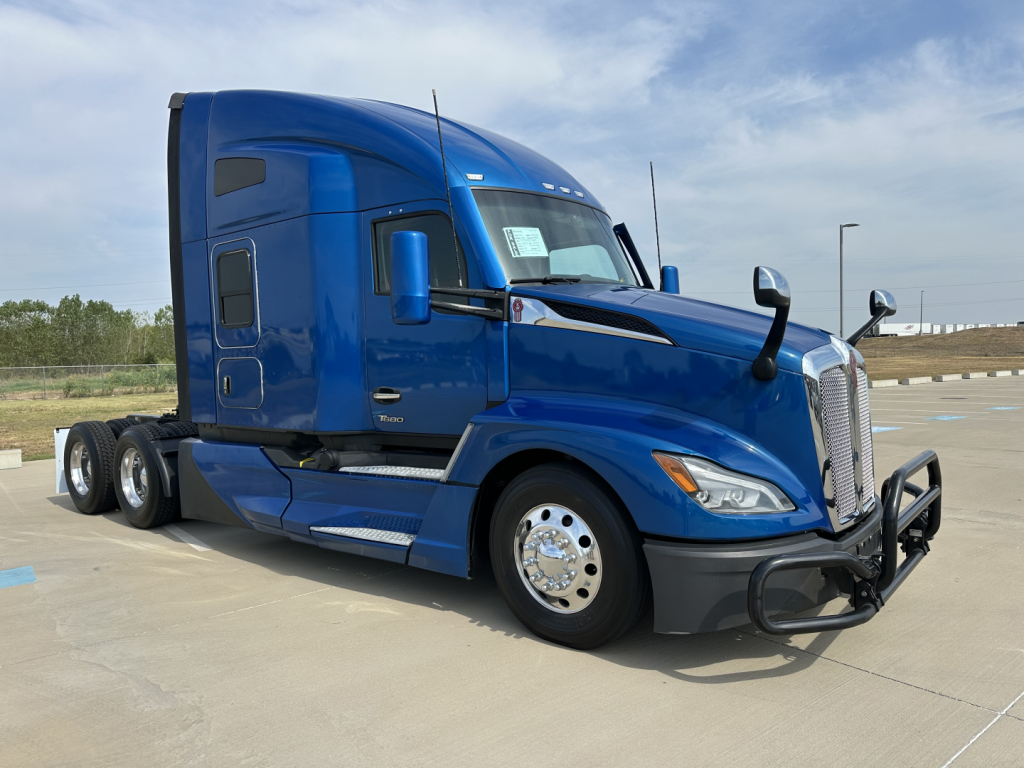
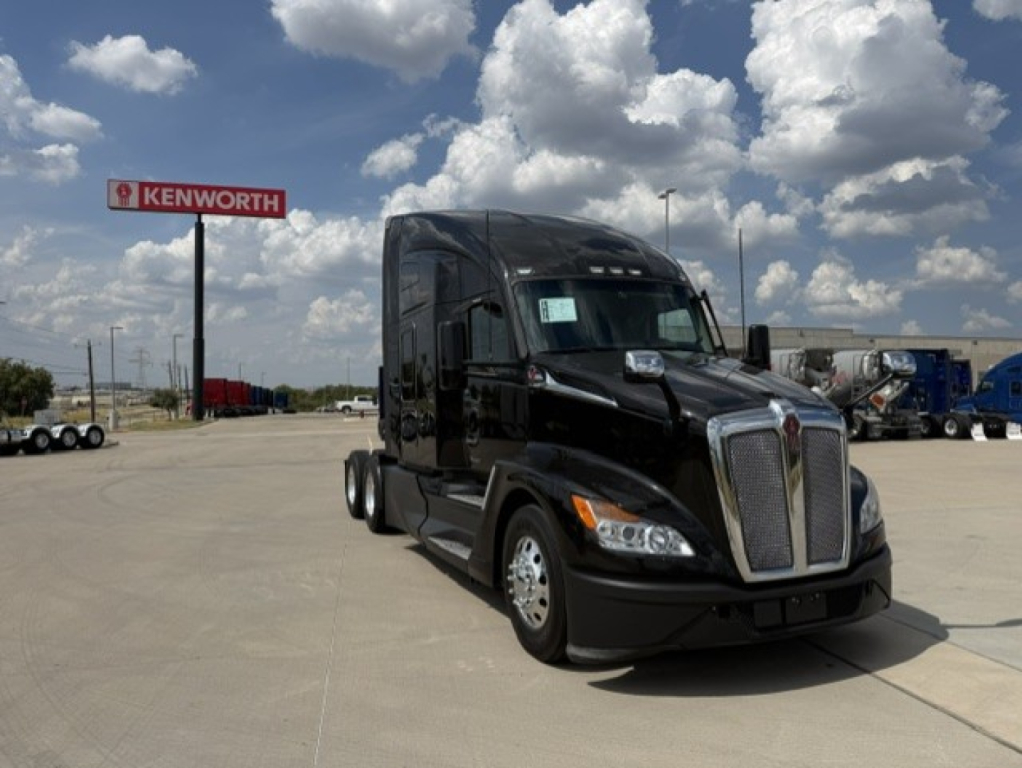
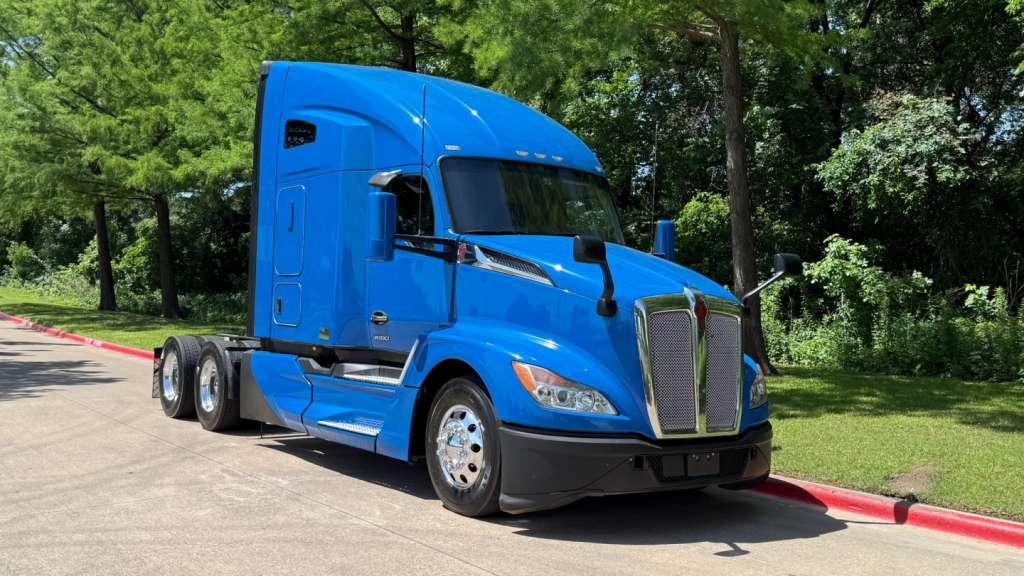
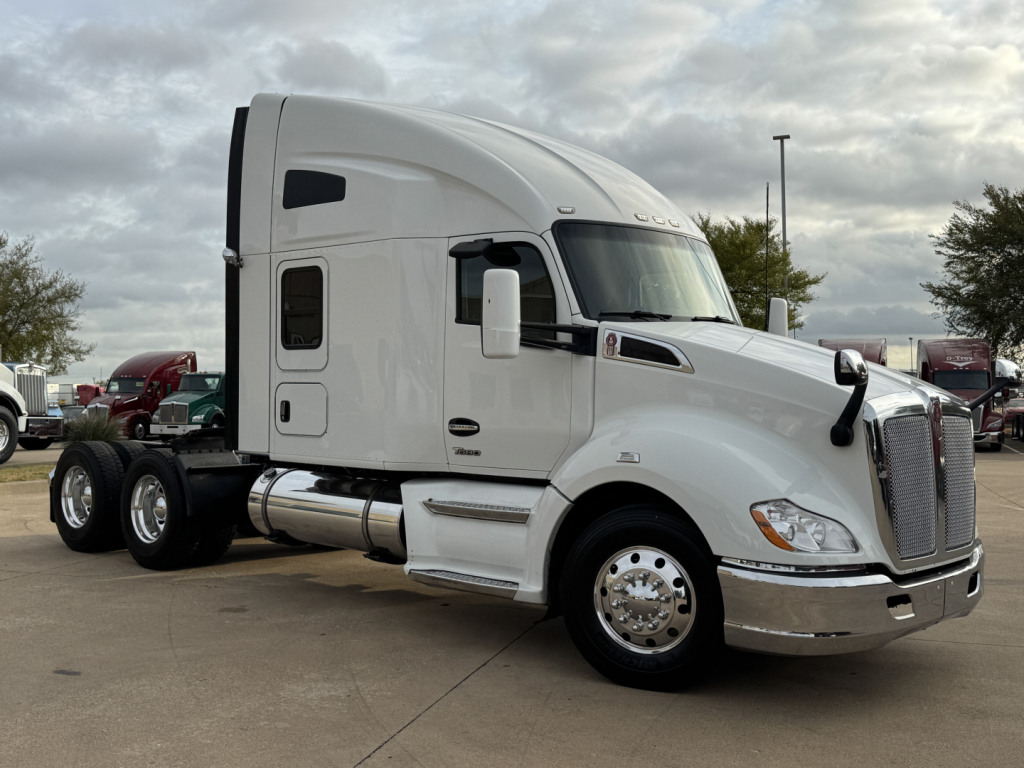
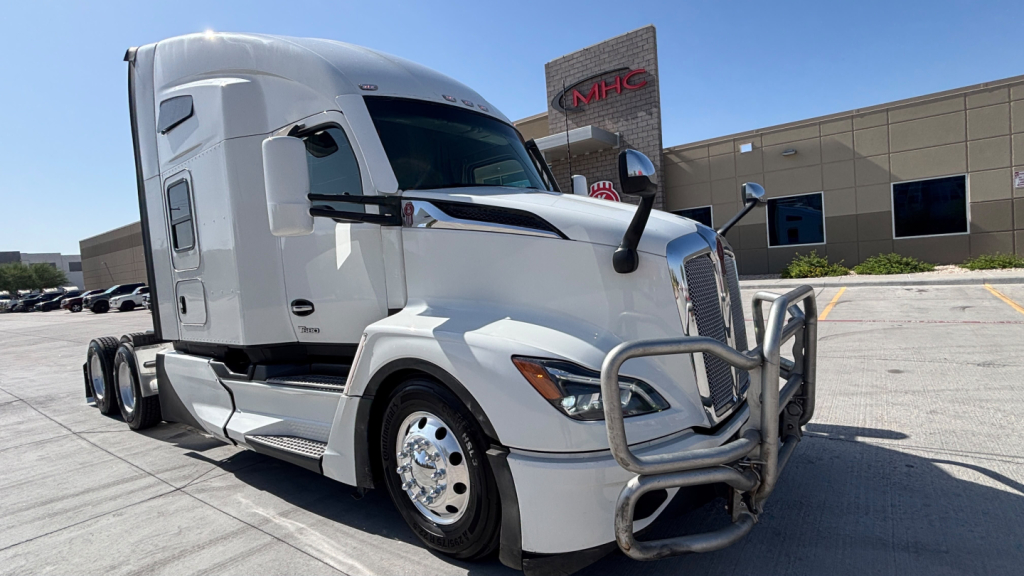
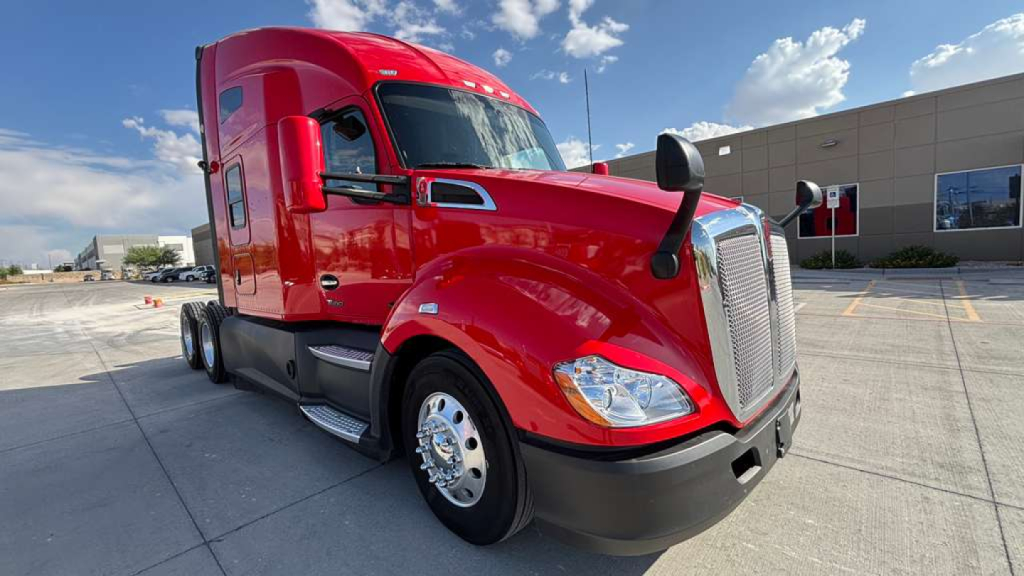
Showing 1 to 28 of 49 results
Selling a used kenworth conventional sleeper truck? List your used kenworth conventional sleeper truck for sale and reach thousands of commercial buyers.
Used Kenworth Conventional Sleeper Trucks in Texas
The first buying decision is usually powertrain and transmission. Many used Kenworth sleeper trucks are spec'd with Cummins X15 or ISX engines, often in the 450 to 565 horsepower range, paired with Eaton Fuller 13-speed or 18-speed manuals, or automated options like the Endurant. A 13-speed is still a popular middle ground for general freight and moderate weight, while an 18-speed makes more sense for heavy loads, grade work, and drivers who want tighter control over gearing. Rear axle ratio, wheelbase, suspension rating, and sliding fifth wheel setup all affect how the truck will pull, ride, and fit different trailer lengths. Buyers comparing Texas trucks should also pay attention to emissions history, ECM data, engine work already completed, and whether modifications such as deletes have been performed, since that impacts compliance, resale, and financing.
Sleeper size and cab configuration matter just as much as engine spec. Kenworth conventional sleepers are commonly found with mid-roof or studio-style sleepers, including double bunk layouts for team operations or drivers who stay out for extended periods. Interior condition, gauge package, HVAC performance, bunk storage, inverter setup, and overall driver ergonomics can make a major difference in day-to-day usability. On the chassis side, look closely at wheelbase, fuel capacity, frame condition, tire wear pattern, and front-end component life. Texas buyers often prioritize strong air conditioning, clean cooling systems, and durable driveline specs because these trucks spend real time in heat, heavy traffic, and long interstate runs.
Kenworth has a strong reputation in the used sleeper market because the brand offers a balance of serviceability, driver acceptance, and premium build quality. The T680 suits carriers focused on fuel economy and modern fleet operation, while the W900 family remains one of the most recognizable long-nose conventionals on the road, also known in many circles simply as a highway tractor with a sleeper. A good used Kenworth conventional sleeper should be evaluated on maintenance records, PTO or vocational history if applicable, suspension and steering wear, aftertreatment condition, and sleeper functionality, not just engine rating or exterior appearance. When the spec matches the freight and route profile, these trucks can hold value well and stay productive for the long haul.
Frequently Asked Questions about Used Kenworth Conventional Sleeper Trucks in Texas
What is the difference between a Kenworth T680 and a Kenworth W900 sleeper truck?
The Kenworth T680 is an aerodynamic conventional sleeper designed primarily for fuel economy, highway efficiency, and modern fleet operation. The W900 and W900L are long-hood conventionals that typically appeal to owner-operators, heavy-haul buyers, and operators who prioritize classic styling, larger engine options, and a more traditional driving feel. The right choice depends on your freight, expected annual miles, driver preference, and how much weight you place on operating cost versus legacy long-nose spec.
What engine and transmission specs are common in used Kenworth conventional sleeper trucks?
Common engine choices include the Cummins X15 and older ISX platforms, often rated from about 450 to 565 horsepower in highway sleeper applications. Transmissions are frequently Eaton Fuller 13-speed and 18-speed manuals, along with automated manual transmissions such as the Endurant in newer trucks. Buyers should match the transmission to their lane and load profile, since a fuel-focused fleet truck may favor an automated setup while specialized or heavier work may benefit from a manual gearbox and a more aggressive rear axle ratio.
What should I inspect first on a used Kenworth sleeper truck in Texas?
Start with the maintenance history, ECM download, engine hours, emissions system condition, and any record of major repairs such as clutch, turbo, inframe, or bottom-end work. After that, inspect frame rails, suspension, steering components, tires, brakes, APU or bunk systems, and the sleeper HVAC performance. In Texas, cooling system health and air conditioning performance are especially important because heat exposure and long idle periods can reveal weaknesses quickly.
Is a double bunk sleeper worth it on a used conventional truck?
A double bunk sleeper adds value when the truck is used for team driving, extended over-the-road runs, or any operation where storage and overnight comfort matter. It gives more flexibility for rotating drivers and can improve retention for fleets that keep drivers out for longer periods. For solo regional work, a larger sleeper can add weight and wheelbase without delivering much operational benefit, so the best choice depends on how the truck will actually be dispatched.
Do used Kenworth sleeper trucks hold their value well?
Kenworth sleeper trucks generally hold value well because of brand recognition, driver demand, parts support, and broad acceptance across fleet and owner-operator markets. Resale strength is usually better on clean, properly documented trucks with desirable powertrain specs and no major compliance issues. Condition, mileage, emissions status, and maintenance discipline matter more than badge alone, but well-kept T680 and W900 models are consistently strong performers in the used market.