
Used 2020 Kenworth Conventional Sleeper Trucks For Sale
Shop used 2020 Kenworth conventional sleeper trucks. Compare T680 specs, powertrains, sleeper sizes, fuel economy, and long-haul features.
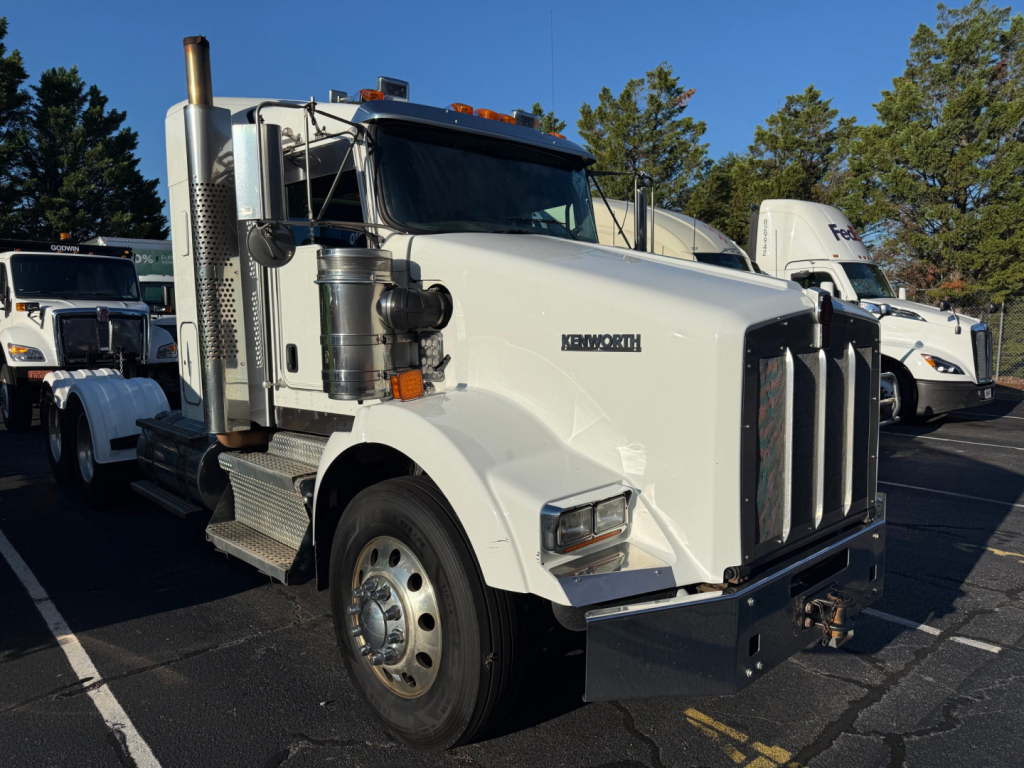
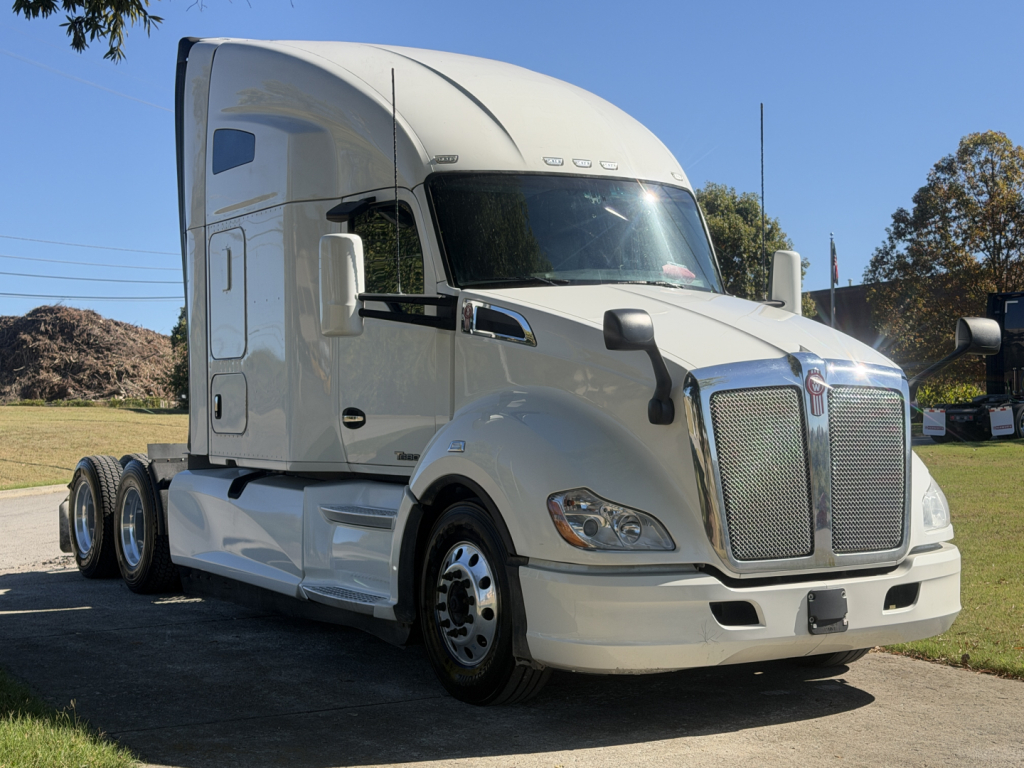
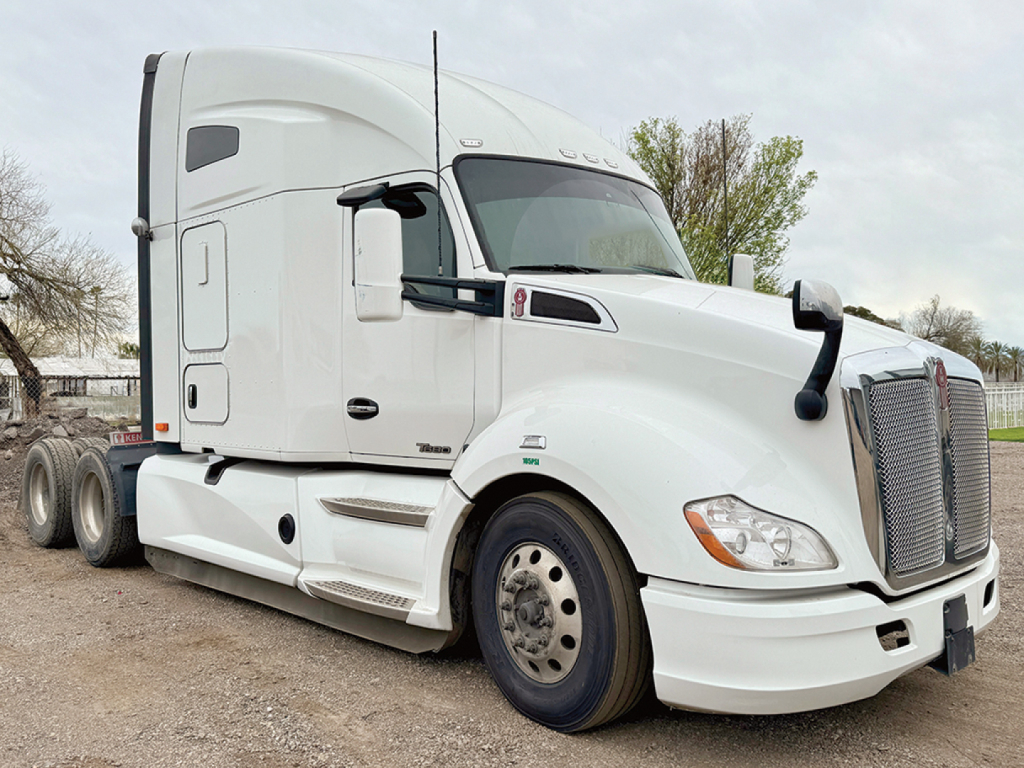
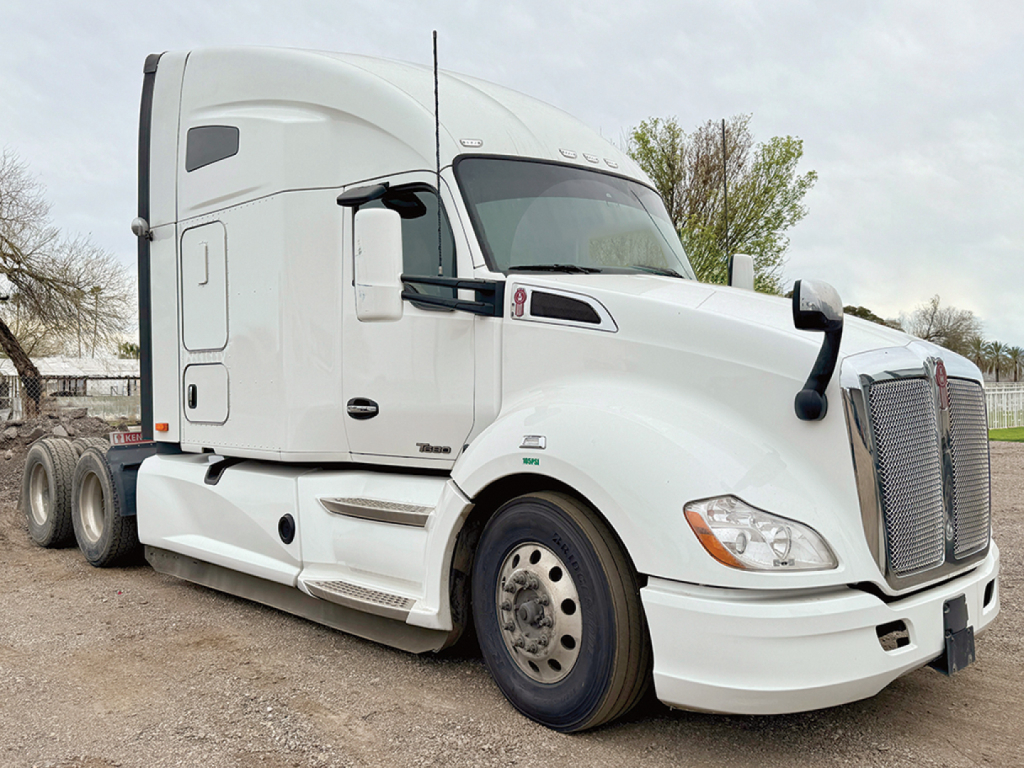
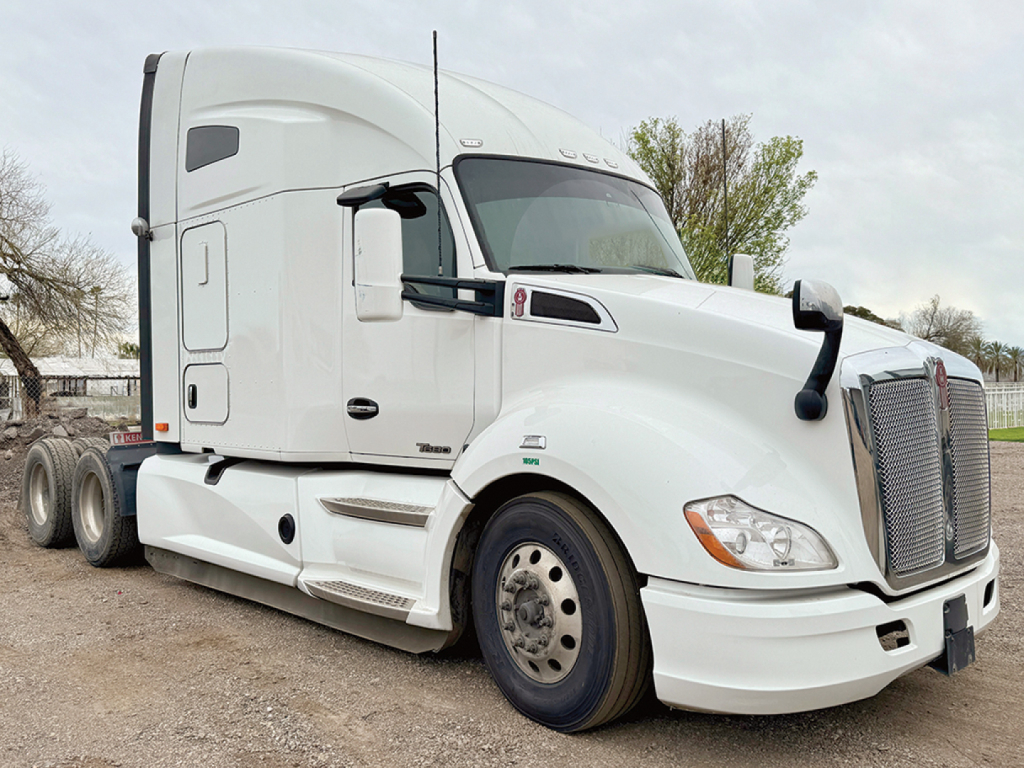
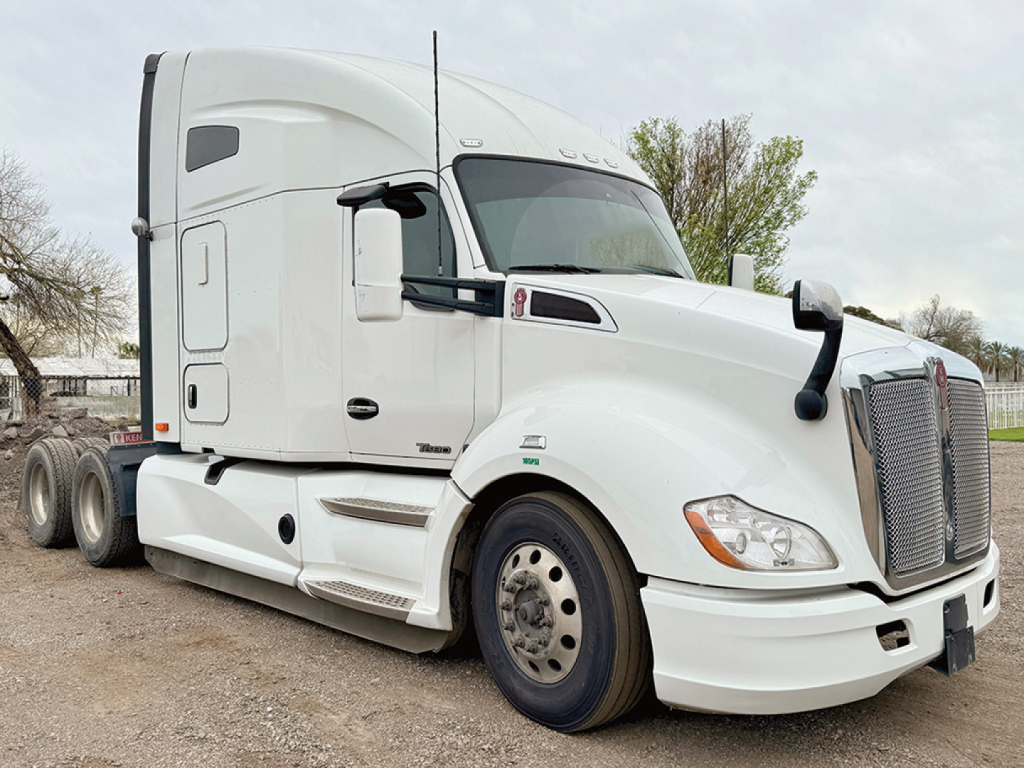
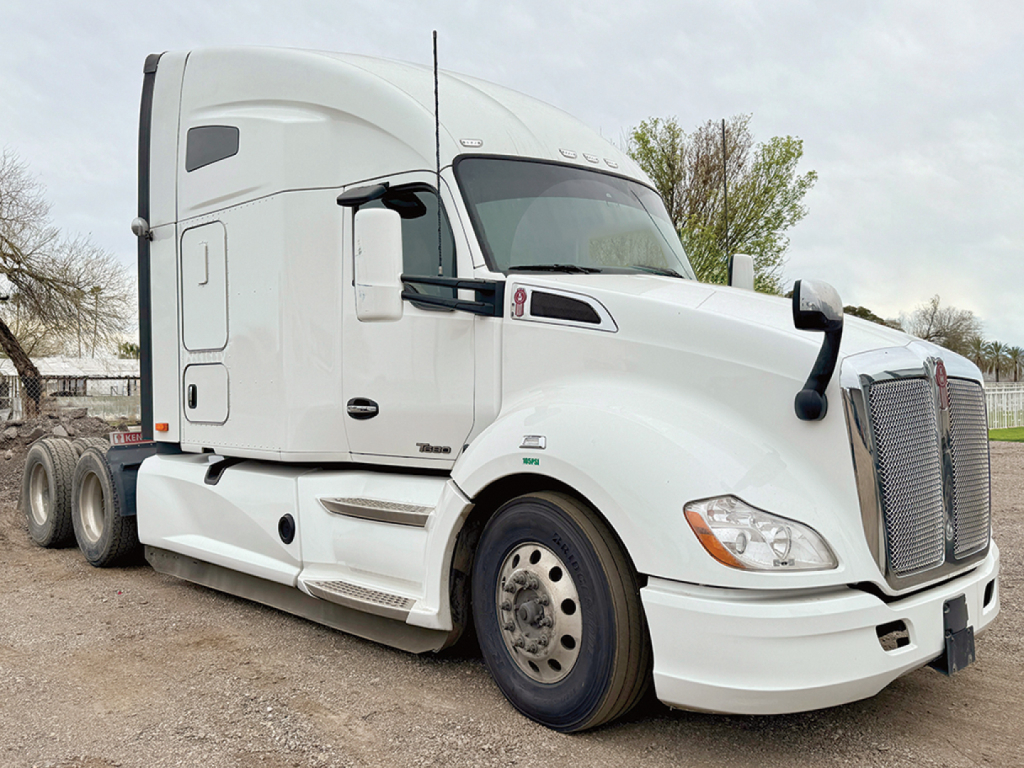
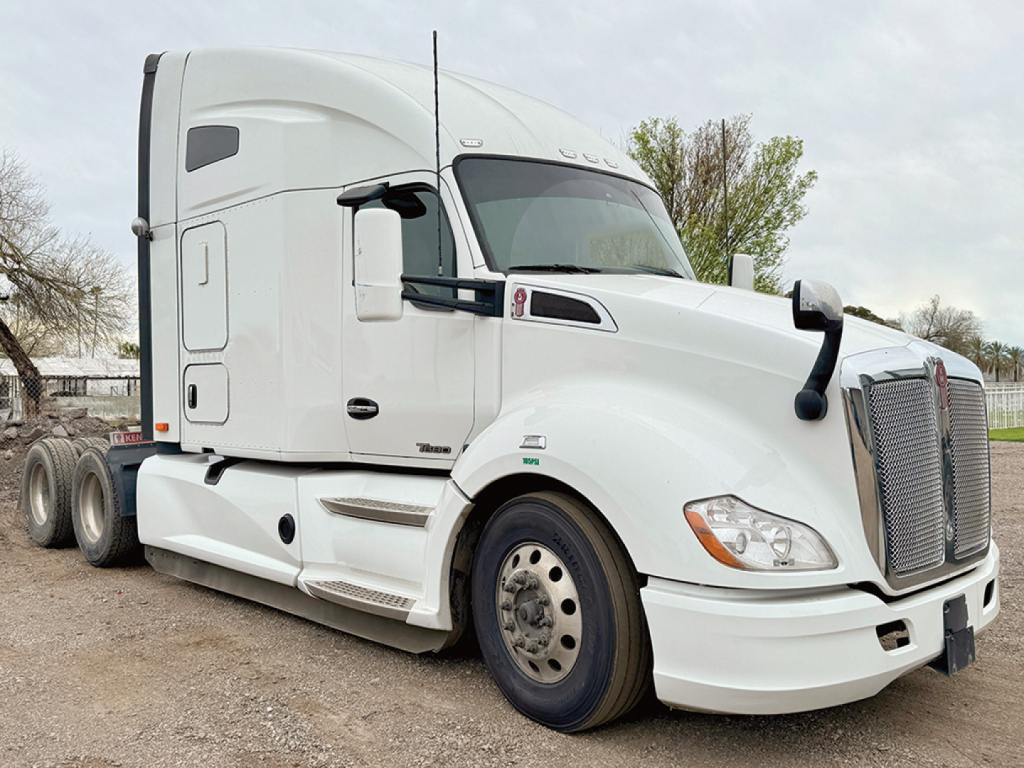
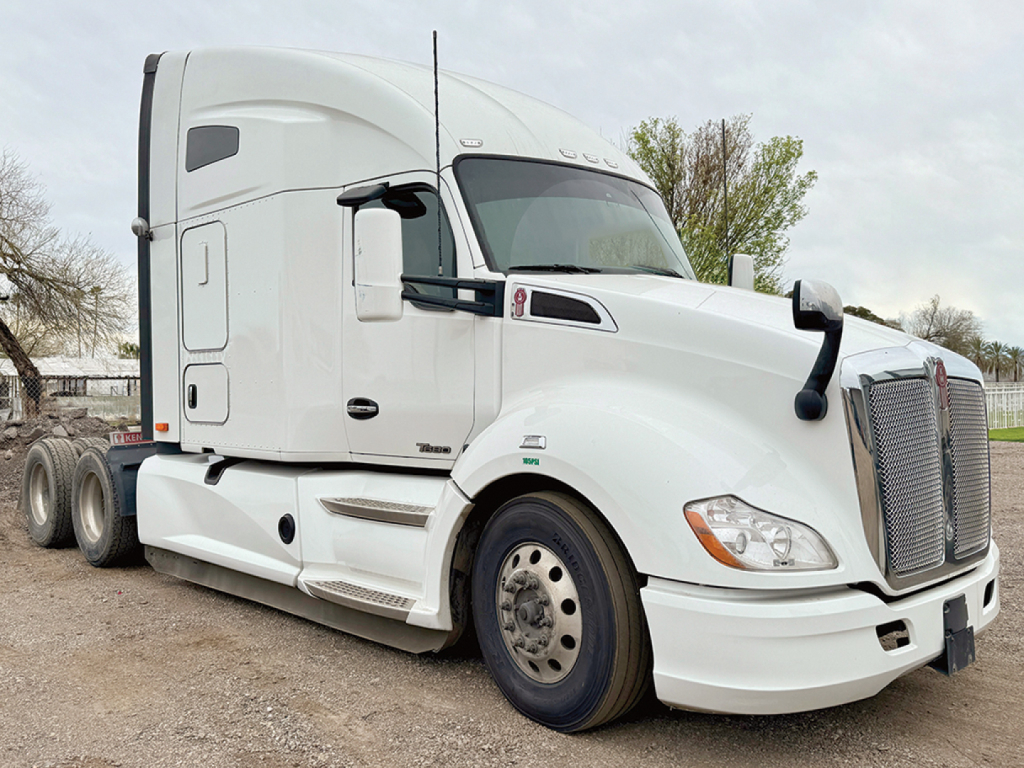
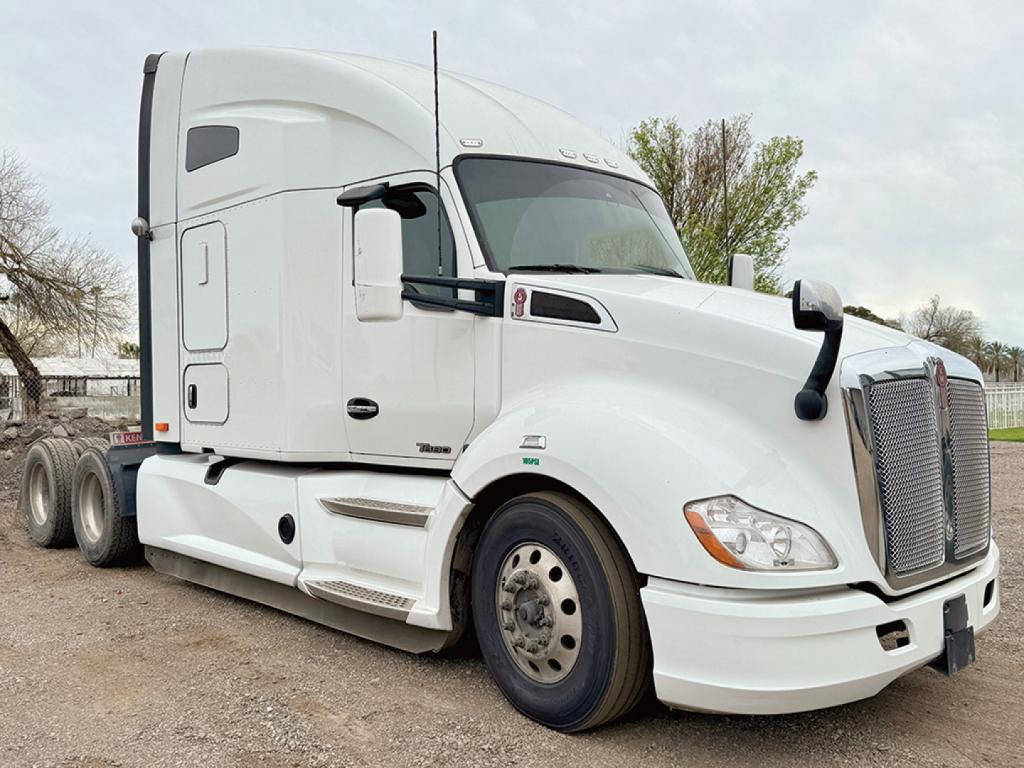
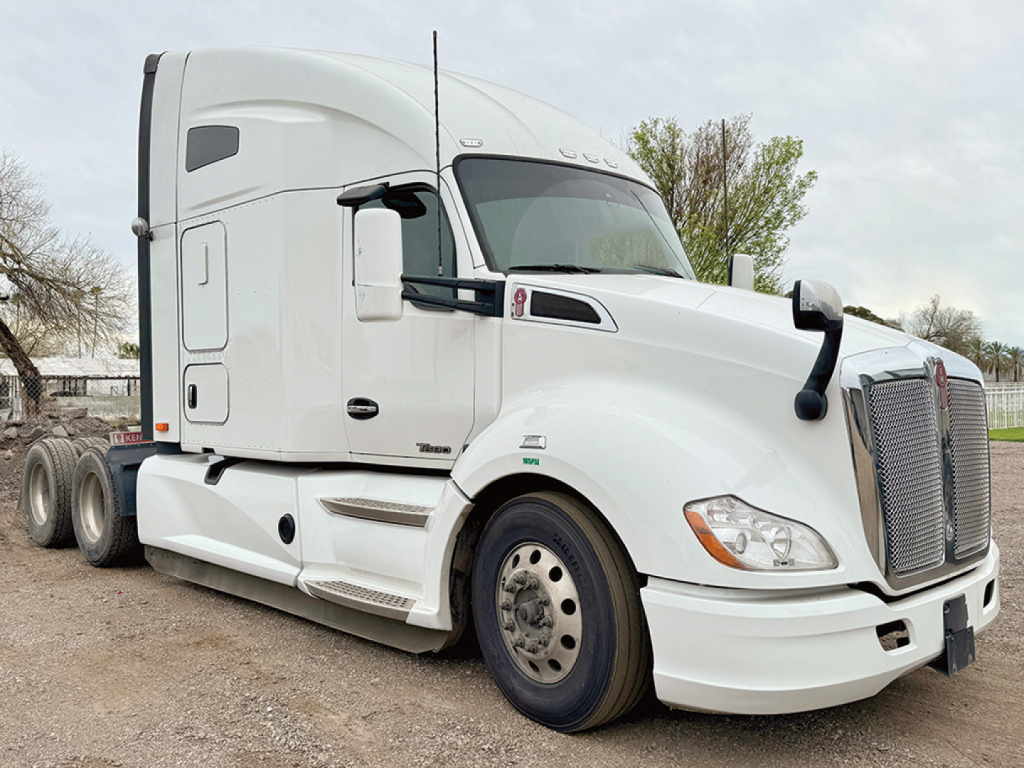
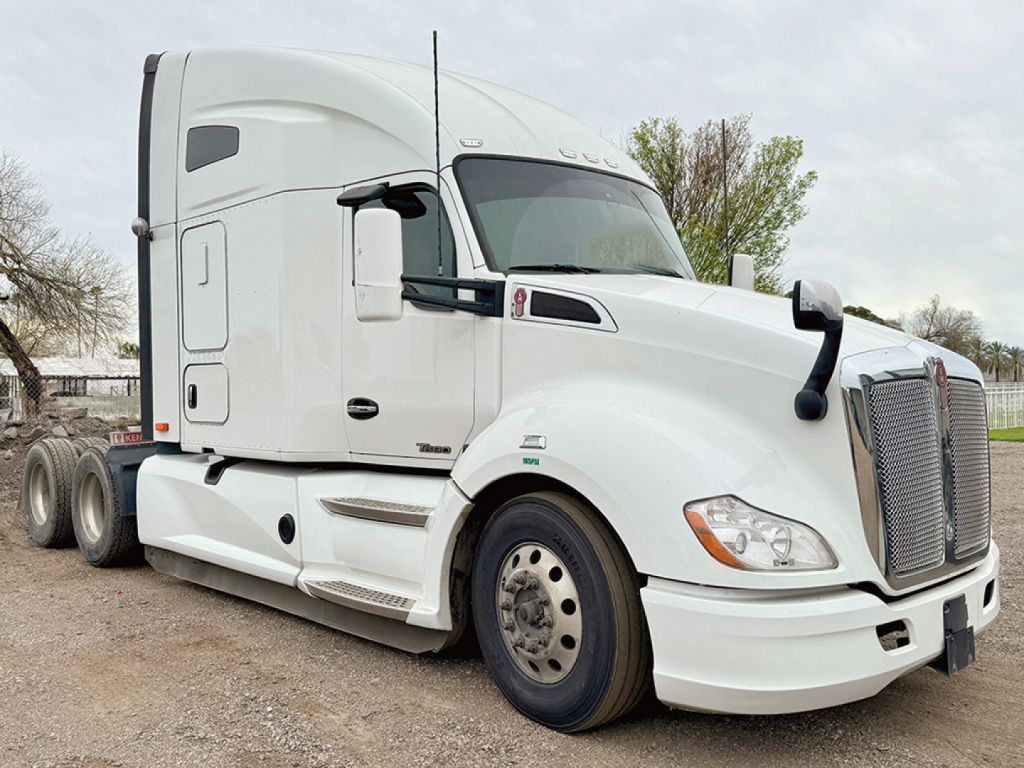
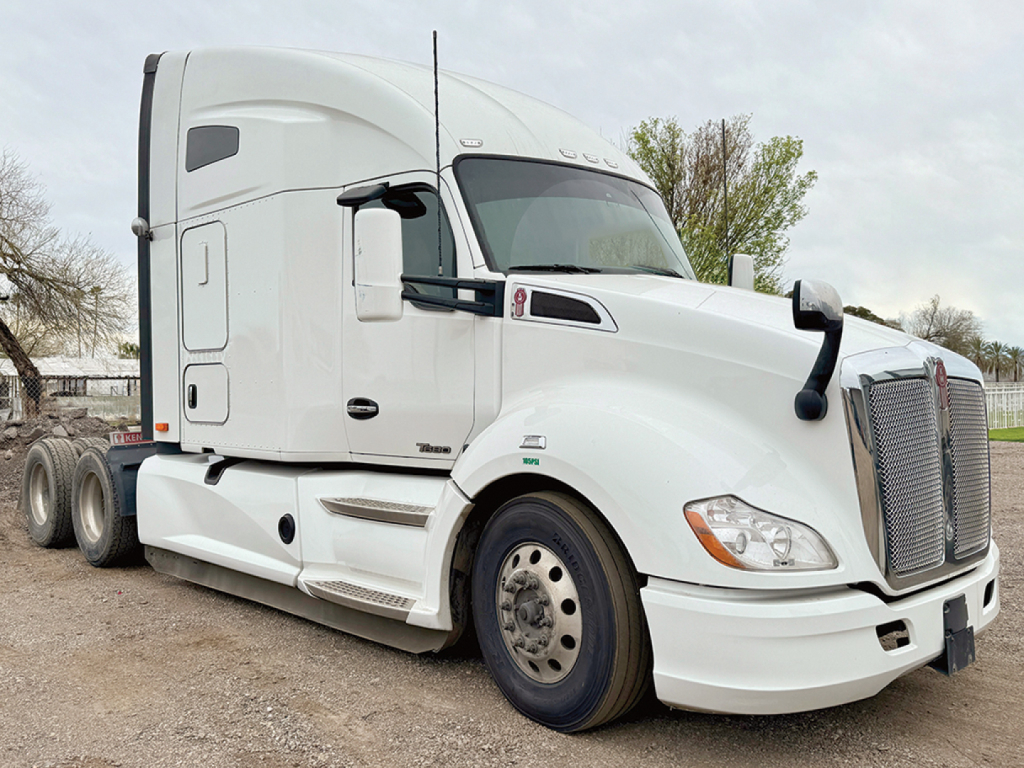
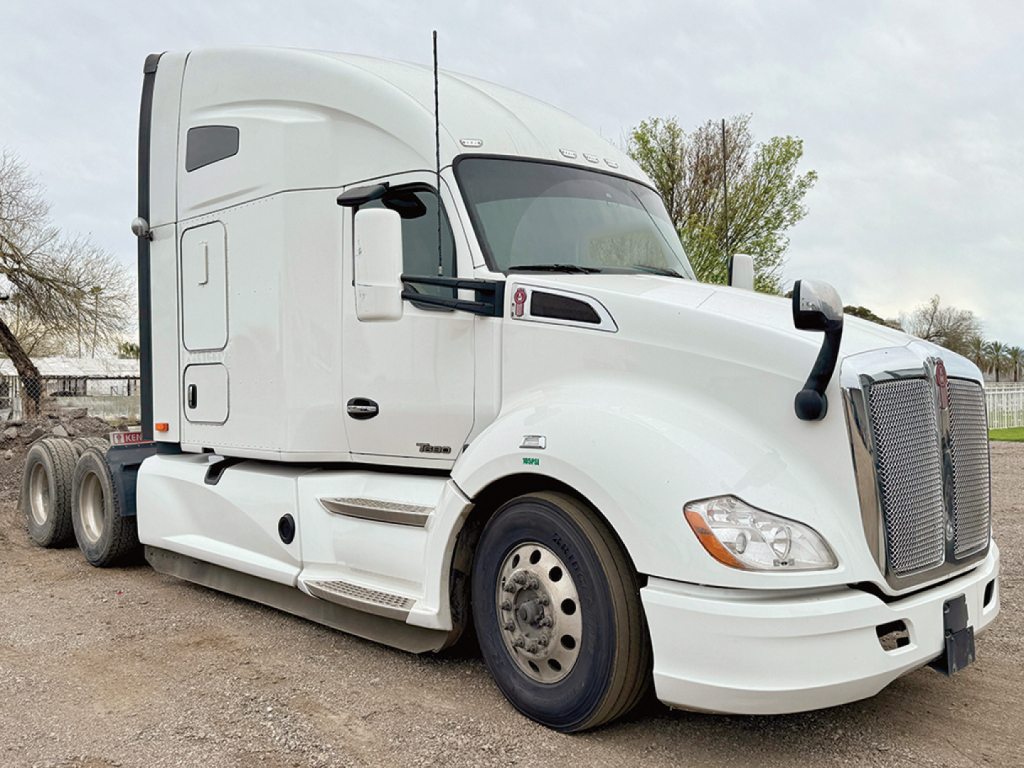
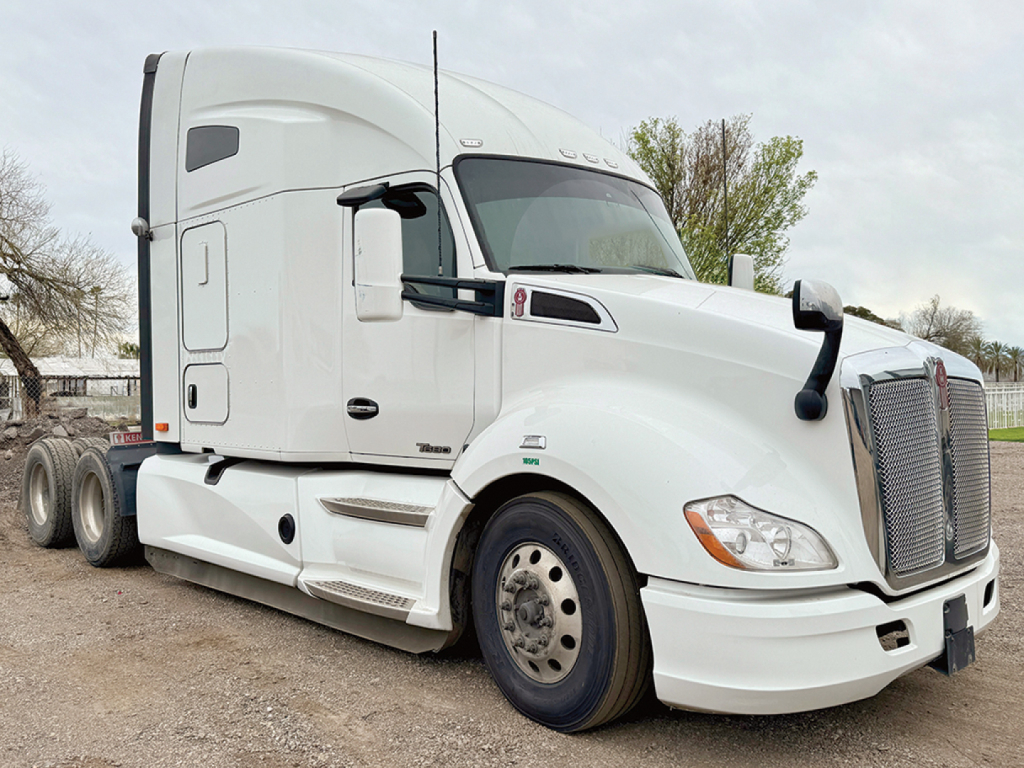
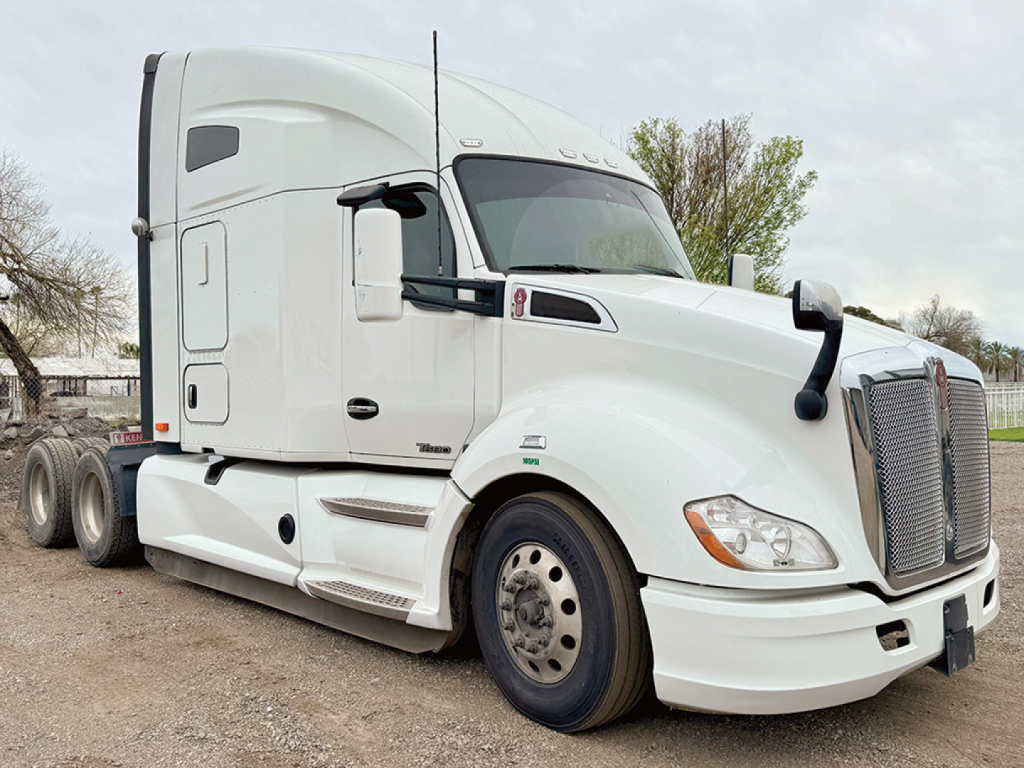
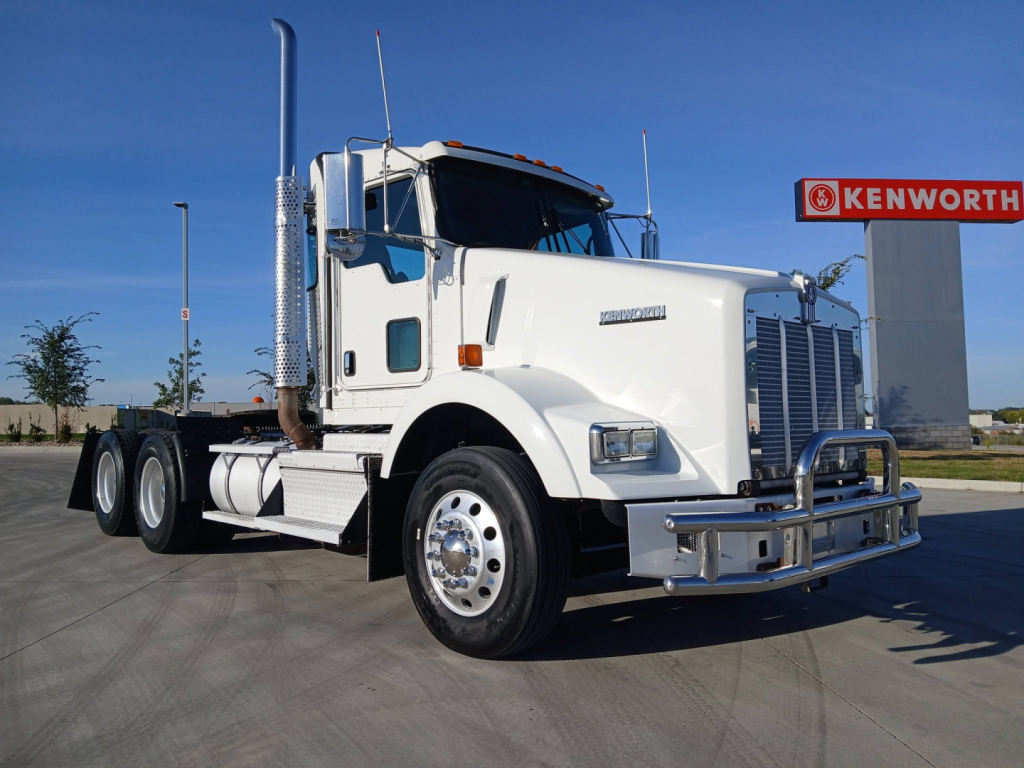
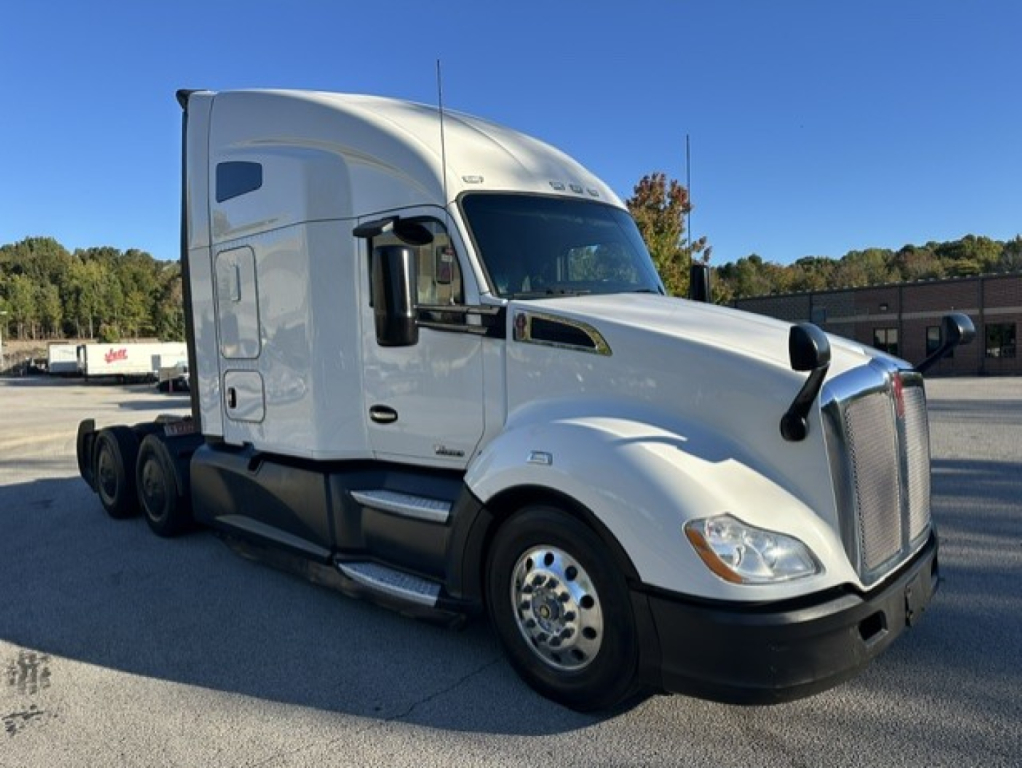
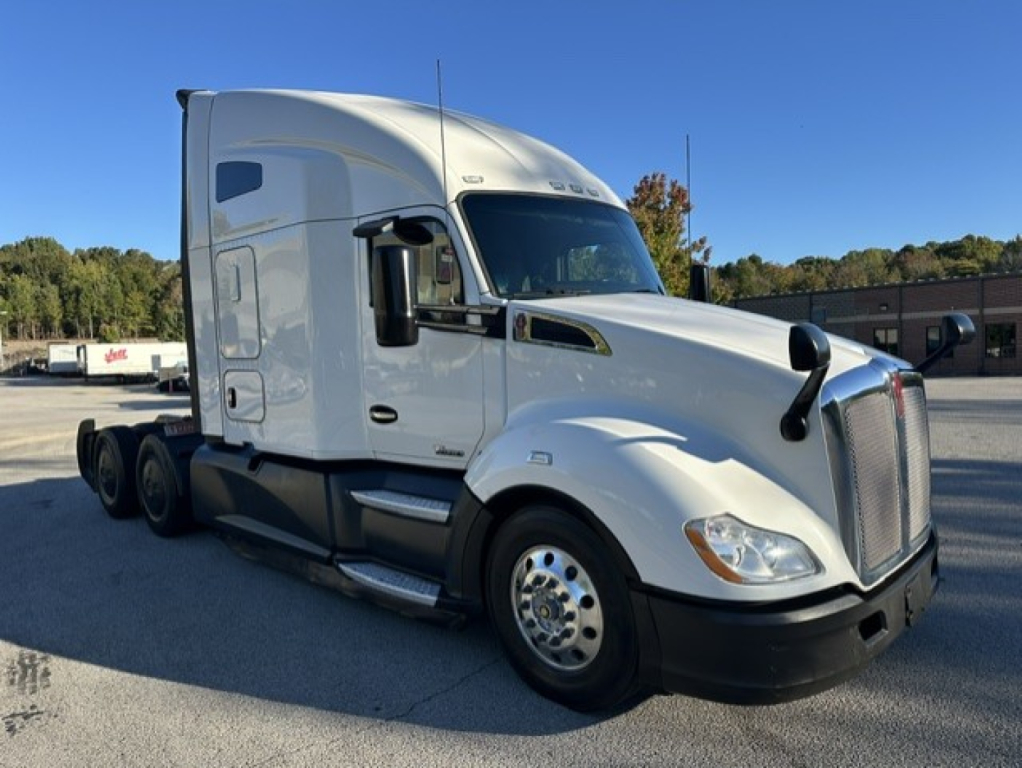
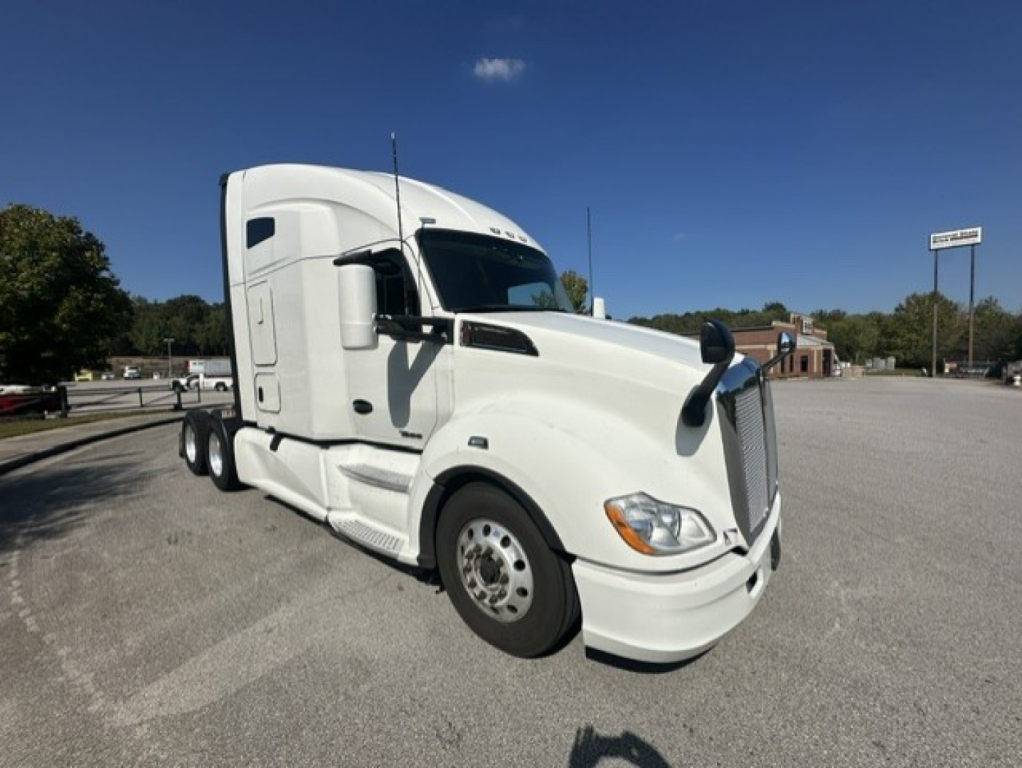
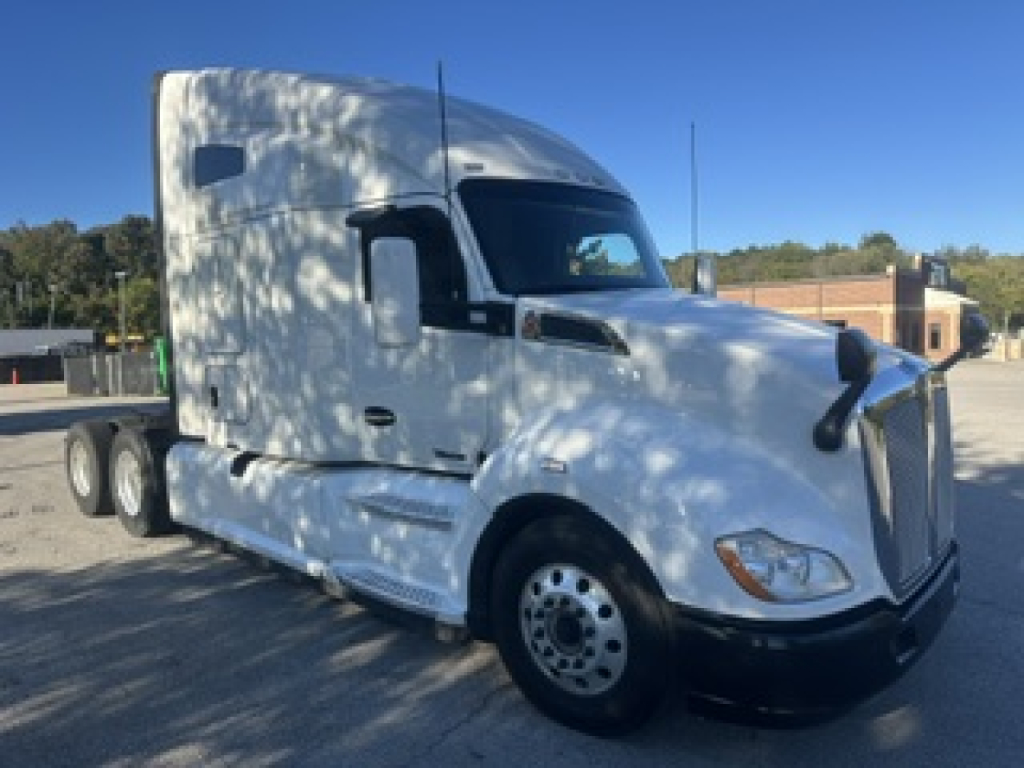
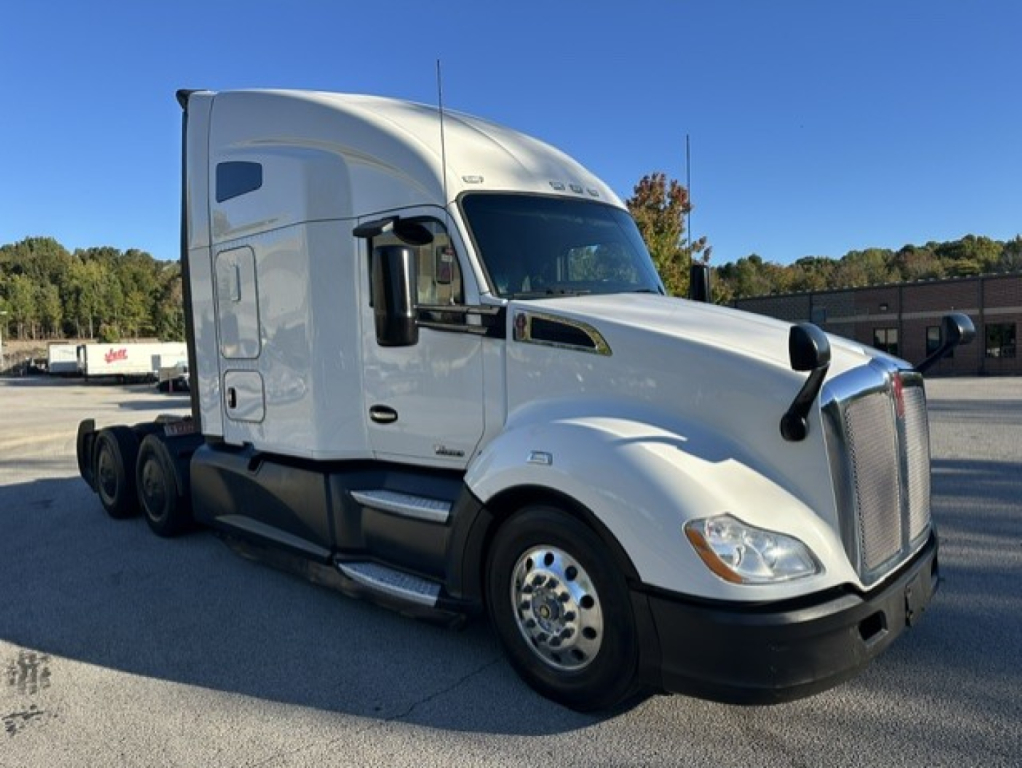
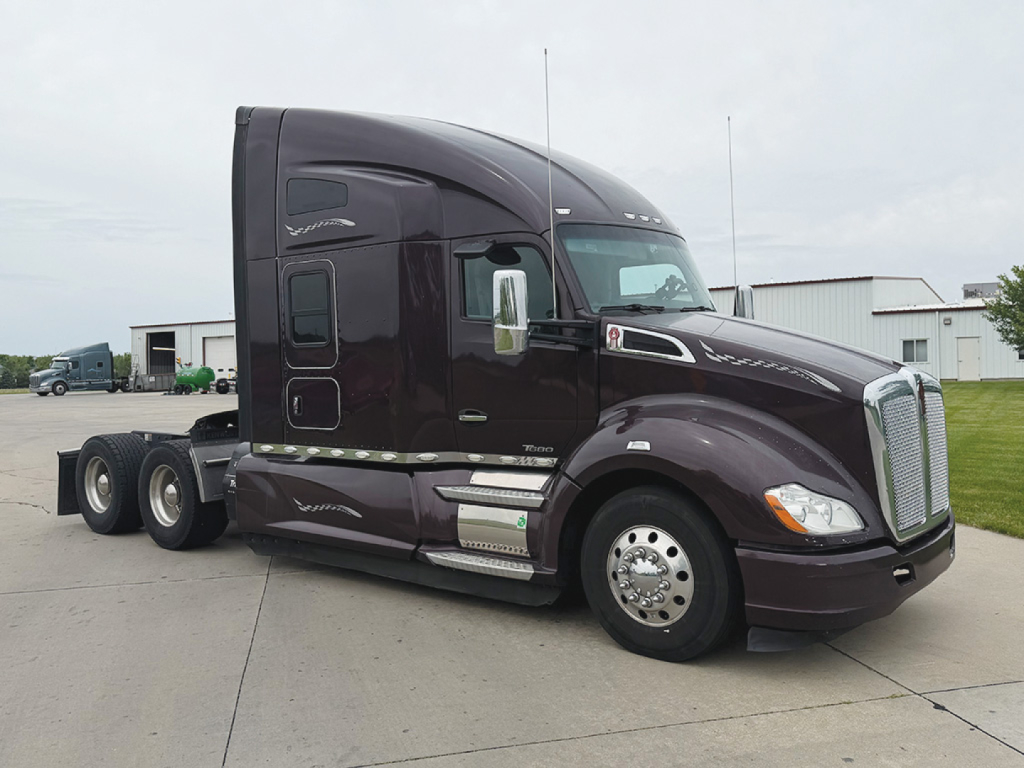
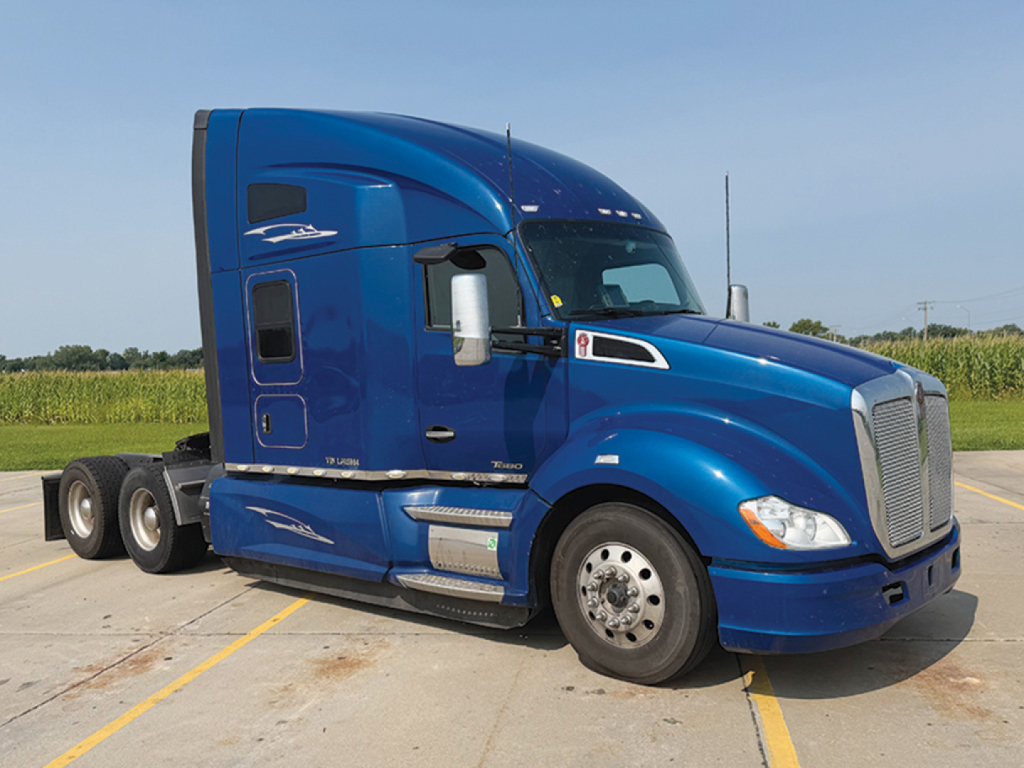
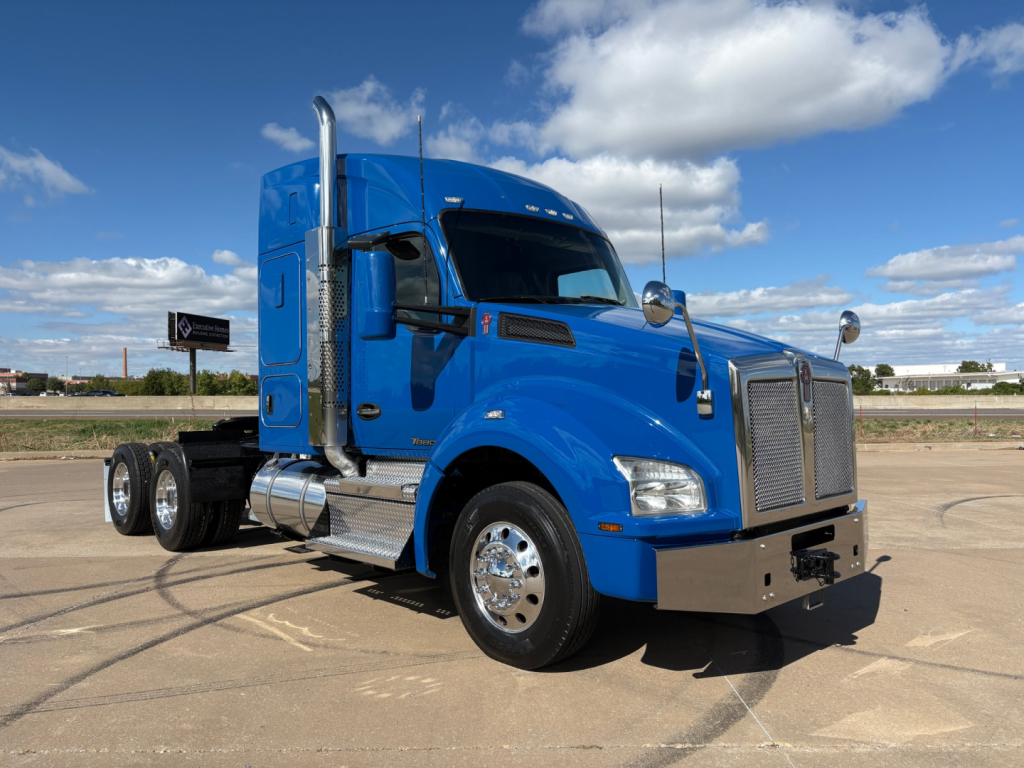
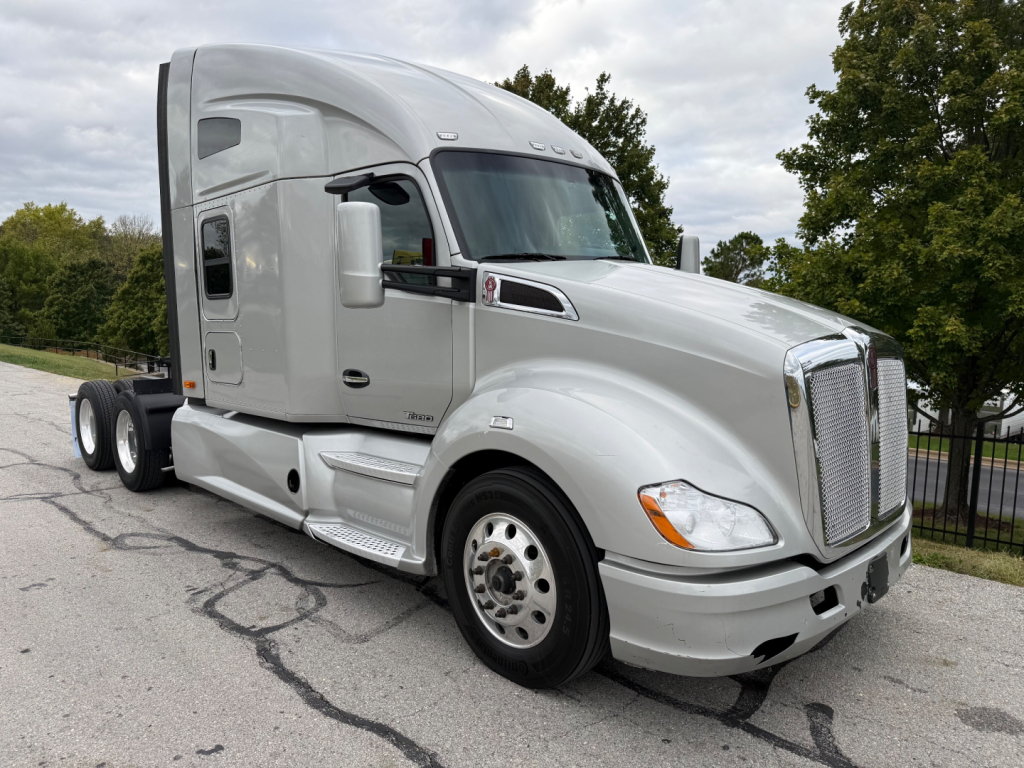
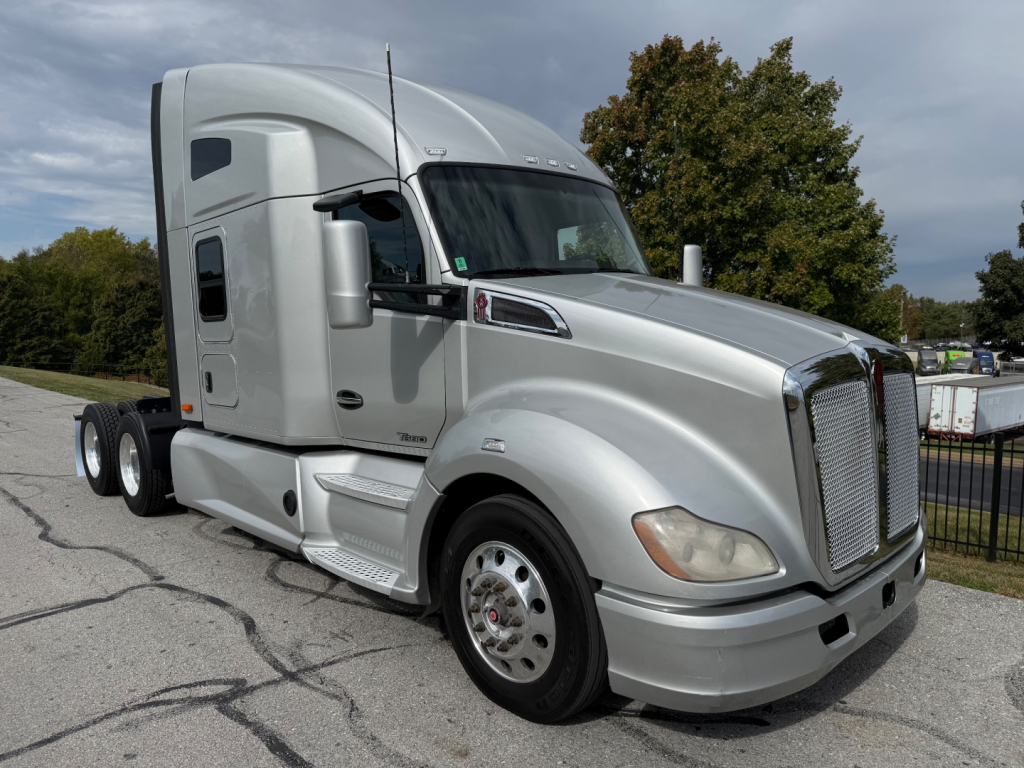
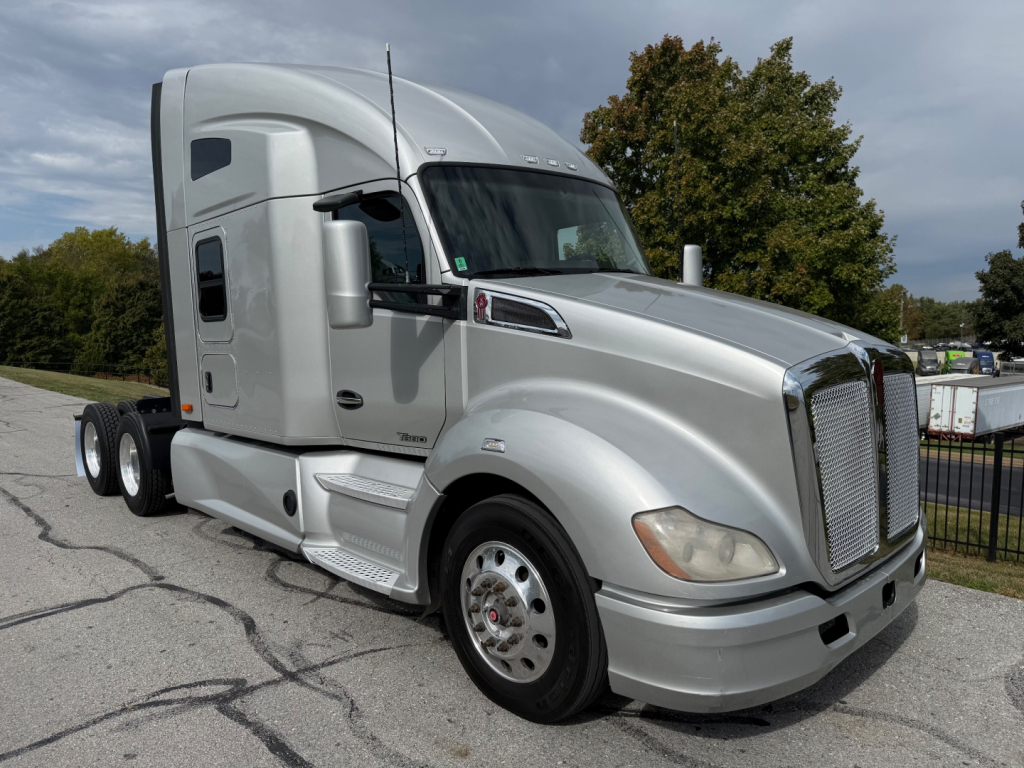
Showing 1 to 28 of 38 results
Selling a used 2020 kenworth conventional sleeper truck? List your used 2020 kenworth conventional sleeper truck for sale and reach thousands of commercial buyers.
Used 2020 Kenworth Conventional Sleeper Trucks
Powertrain choices matter more than almost any cosmetic difference on a used 2020 Kenworth sleeper. Many are spec'd with the PACCAR MX-13 or Cummins X15, usually paired with automated manual transmissions in the 12-speed range, though some manual transmissions still appear on the market. Rear axle ratios such as 2.79, 3.08, or 3.25 can tell you a lot about the original application, including whether the truck was built for fuel mileage or heavier gross weights and hill work. Buyers should also compare horsepower ratings, torque settings, idle hours, aftertreatment history, and maintenance records. On a 2020 emissions truck, the condition of the DPF, DOC, SCR system, EGR components, and sensors can have a major effect on uptime and operating cost.
Sleeper configuration is another key separator. Common setups include mid-roof and high-roof sleepers, often with 52-inch or 76-inch bunks depending on route length and driver needs. Features like double bunks, APUs, diesel-fired heaters, inverters, refrigerators, TV mounts, and cabinet layout can make a real difference for retention and driver comfort. For linehaul operations, buyers should also check wheelbase, fairing condition, tire size, fuel tank capacity, fifth wheel type, and frame layout to make sure the tractor matches trailer swing clearance and kingpin settings in the fleet. If the truck will run coast to coast, aerodynamic spec, cruise speed, and idle reduction equipment deserve close attention.
A used 2020 Kenworth conventional sleeper should be evaluated as a revenue asset, not just a badge and model name. Look closely at ECM data, service intervals, clutch life if equipped, suspension wear, bunk HVAC performance, and signs of repeated fault-code clearing. Interior condition often reflects how hard the truck was used, especially on team trucks. Kenworth sleepers generally hold appeal because the cab is driver-friendly, the T680 platform is widely understood by dealers and independent shops, and resale demand stays active when the truck has a clean maintenance story. The best buy is usually the one with the clearest spec fit for your lanes, the strongest repair history, and the fewest hidden emissions or idle-related problems.
Frequently Asked Questions about Used 2020 Kenworth Conventional Sleeper Trucks
What engine is most common in a used 2020 Kenworth conventional sleeper truck?
The most common engines in a 2020 Kenworth conventional sleeper are the PACCAR MX-13 and the Cummins X15. Both are widely used in over-the-road applications, but the right choice depends on your shop support, preferred power rating, and maintenance philosophy. Buyers should review horsepower, torque, software updates, emissions repair history, and oil sample records instead of choosing on engine brand alone.
What sleeper size is typical on a 2020 Kenworth T680?
Many 2020 Kenworth T680 sleepers are equipped with 76-inch sleepers, although smaller sleeper configurations are also found in regional or dedicated service. A 76-inch sleeper usually offers better storage, more livable bunk space, and stronger appeal for long-haul or team use. Mid-roof versus high-roof layout also matters because it affects interior standing room, aerodynamics, and total tractor height.
Are automated transmissions common in 2020 Kenworth sleeper trucks?
Yes. Automated manual transmissions are very common in 2020 Kenworth conventional sleepers, especially fleet-spec T680 tractors. They help with fuel economy consistency, driver onboarding, and clutch management in stop-and-go or mixed terrain. A buyer should still confirm shift calibration, clutch wear readings, driveline condition, and whether the transmission programming matches the intended load and route profile.
What should I inspect first on a used 2020 Kenworth sleeper?
Start with maintenance records, engine hours, idle hours, fault-code history, and aftertreatment service documentation. Then inspect tires, brakes, suspension, steering components, frame condition, fairings, sleeper HVAC, and all cab electronics. On a 2020 truck, emissions system condition is a top priority because deferred repairs in the DPF, SCR, or EGR system can quickly erase any upfront savings.
Is a used 2020 Kenworth conventional sleeper good for long-haul freight?
Yes, this category is built primarily for long-haul freight and linehaul work. A properly spec'd 2020 Kenworth sleeper can be a strong fit for van, reefer, and general freight operations where fuel economy, driver comfort, and highway manners matter. The key is matching axle ratio, sleeper size, engine rating, and wheelbase to the exact lanes and trailer types the truck will pull.