
Used Kenworth Conventional Sleeper Trucks For Sale in Mississippi
Browse used Kenworth conventional sleeper trucks in Mississippi. Compare W900 sleeper specs, horsepower, sleepers, axle setups, and driveline options.
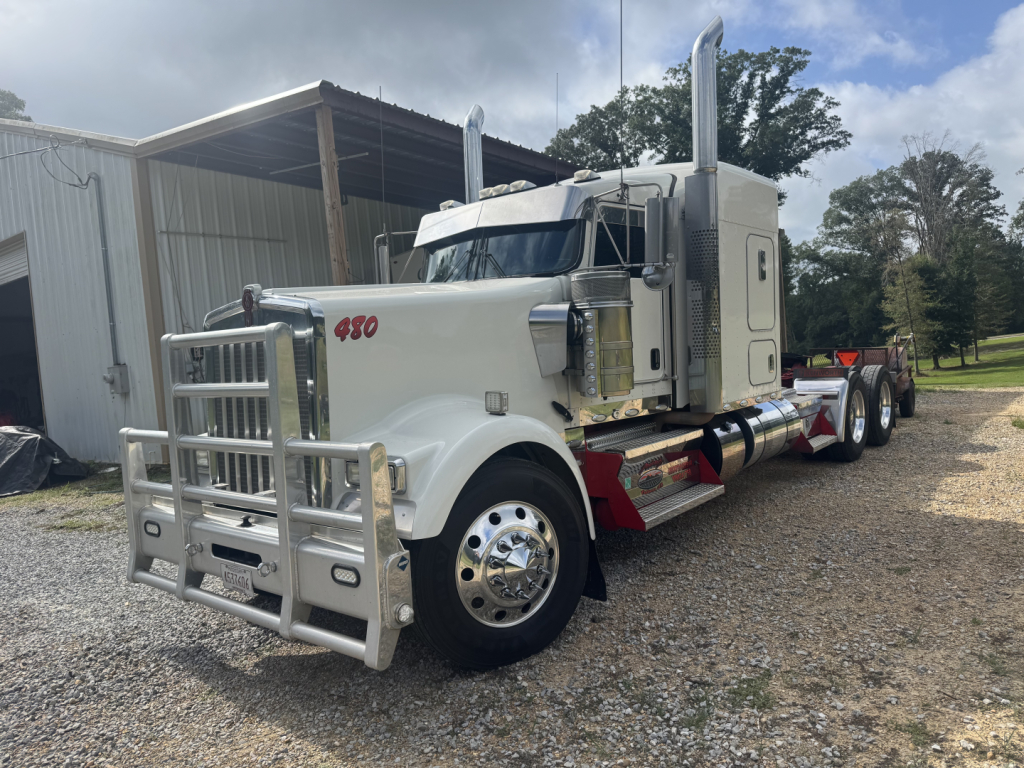
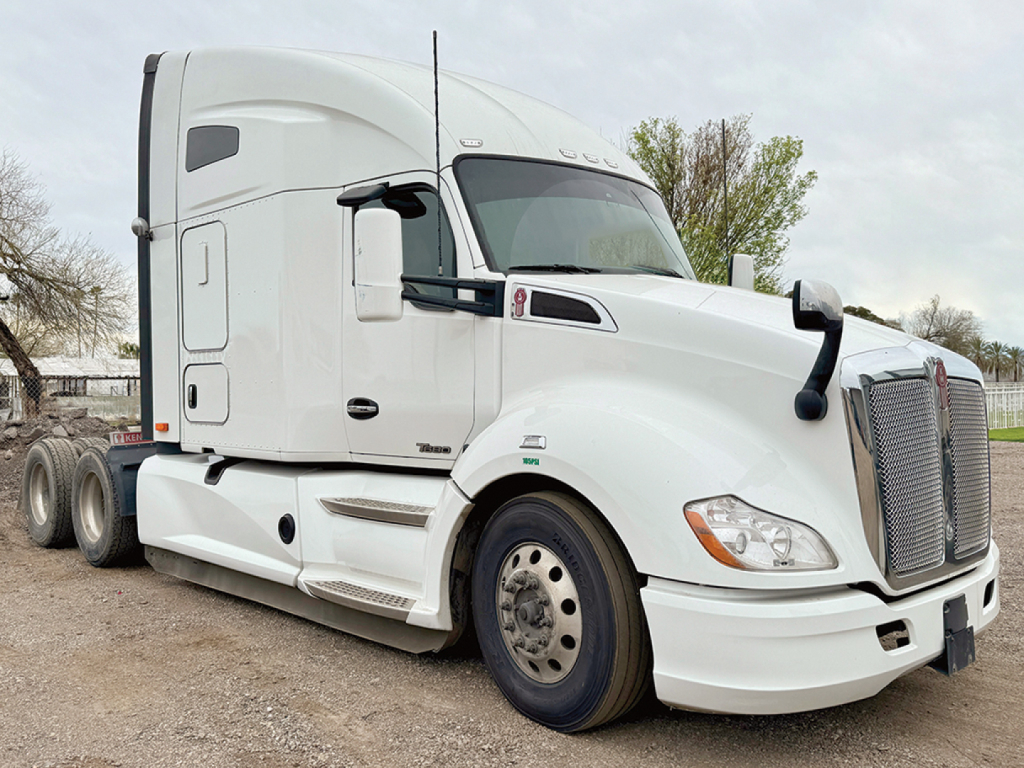
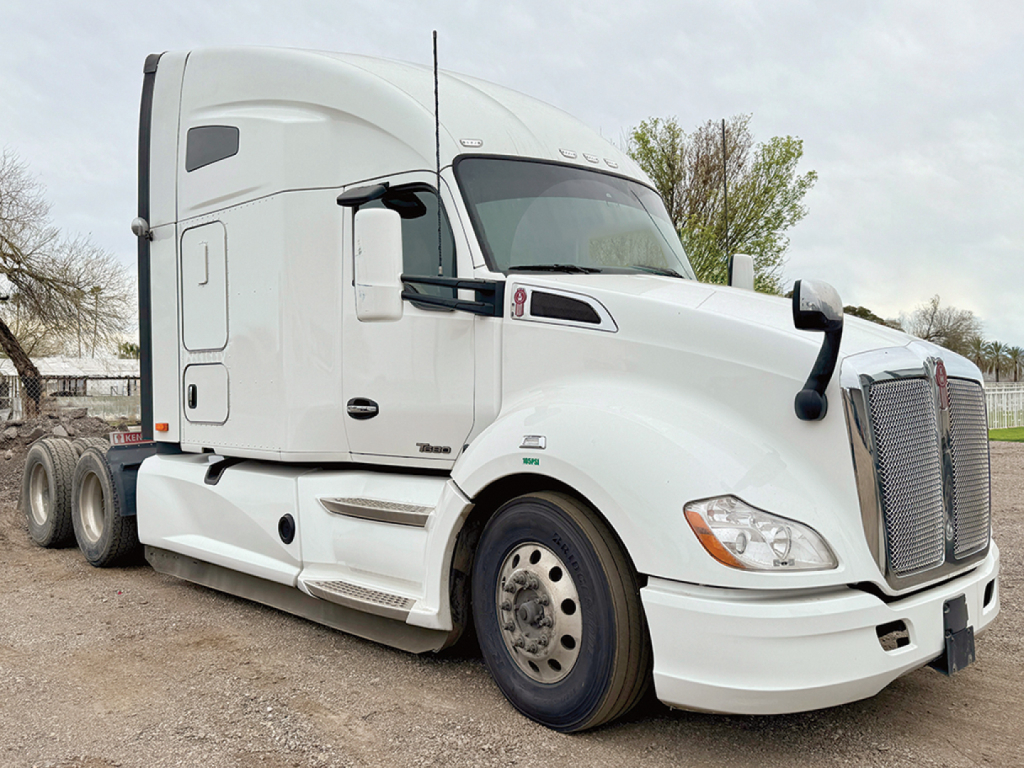
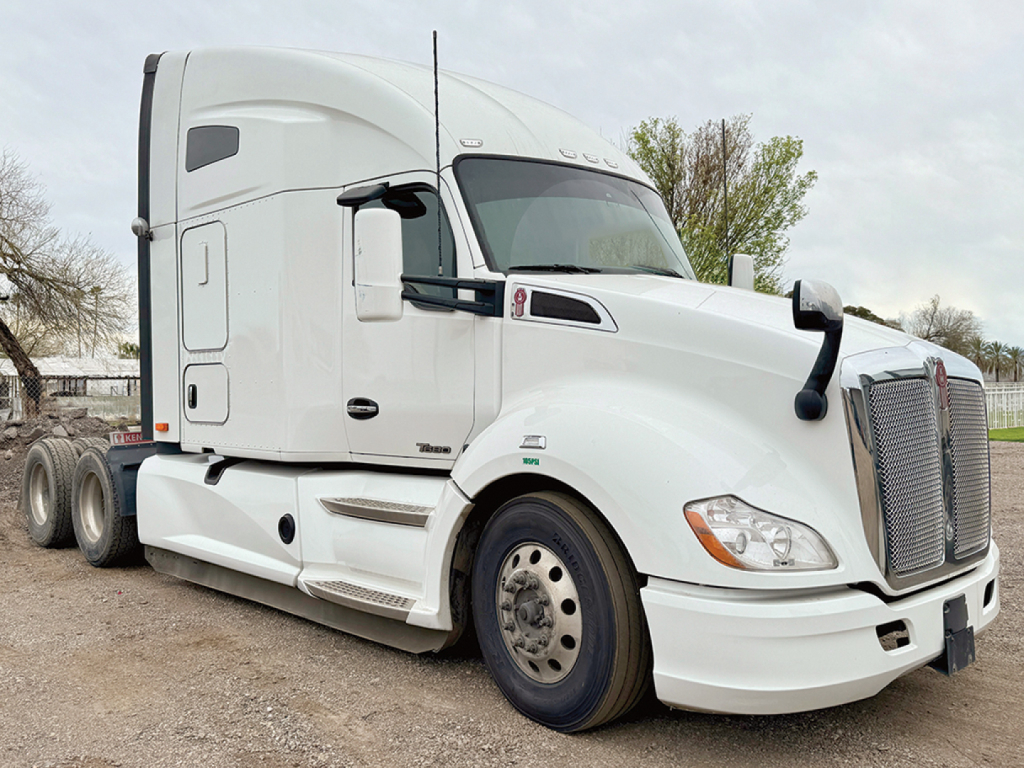
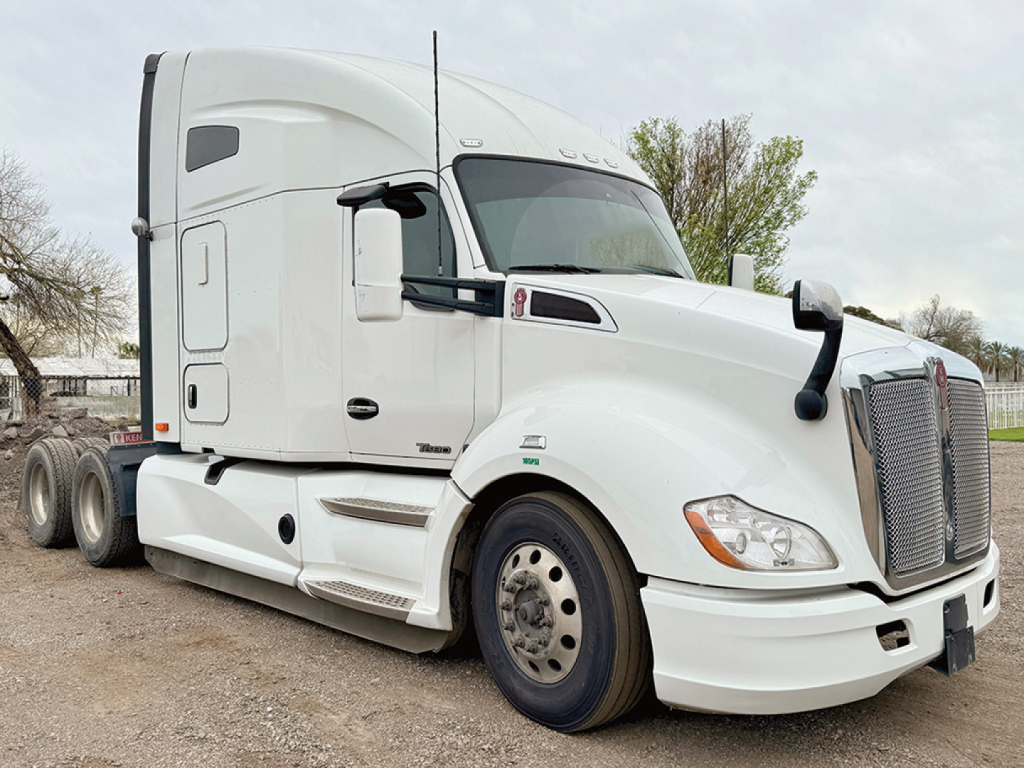
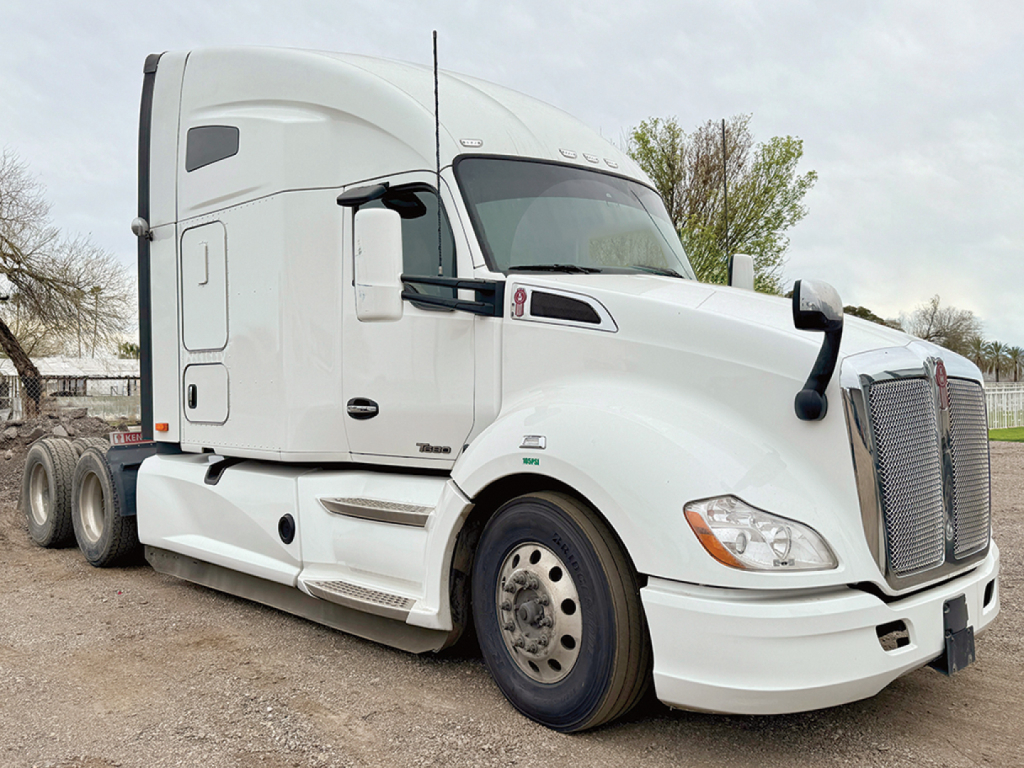
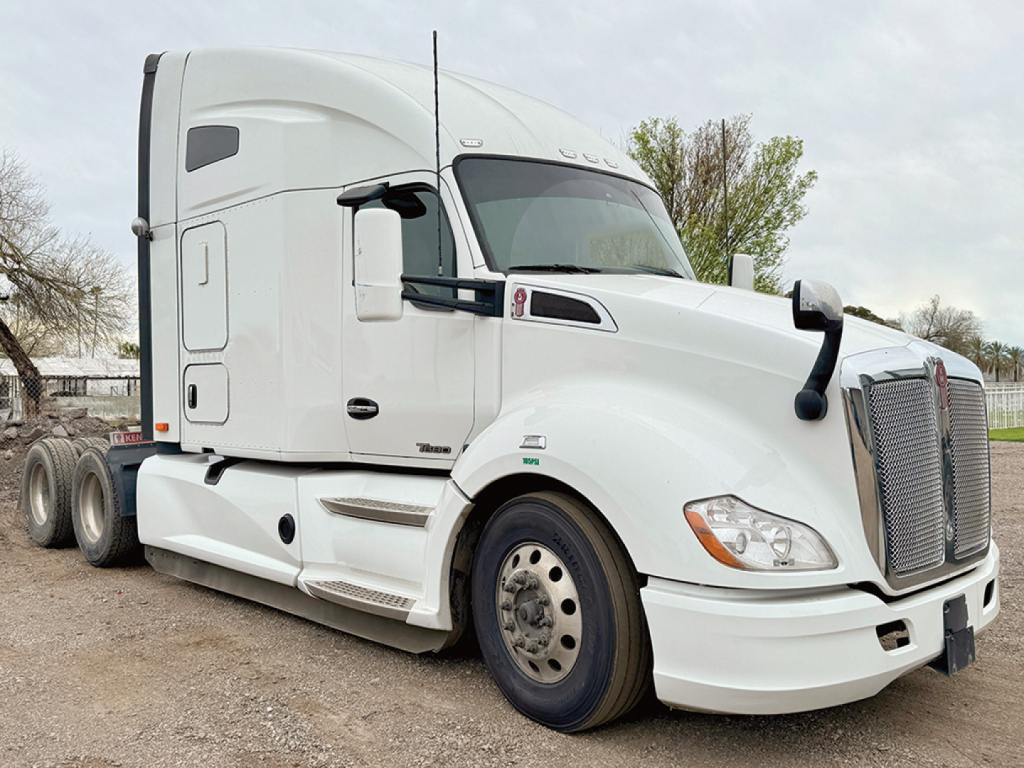
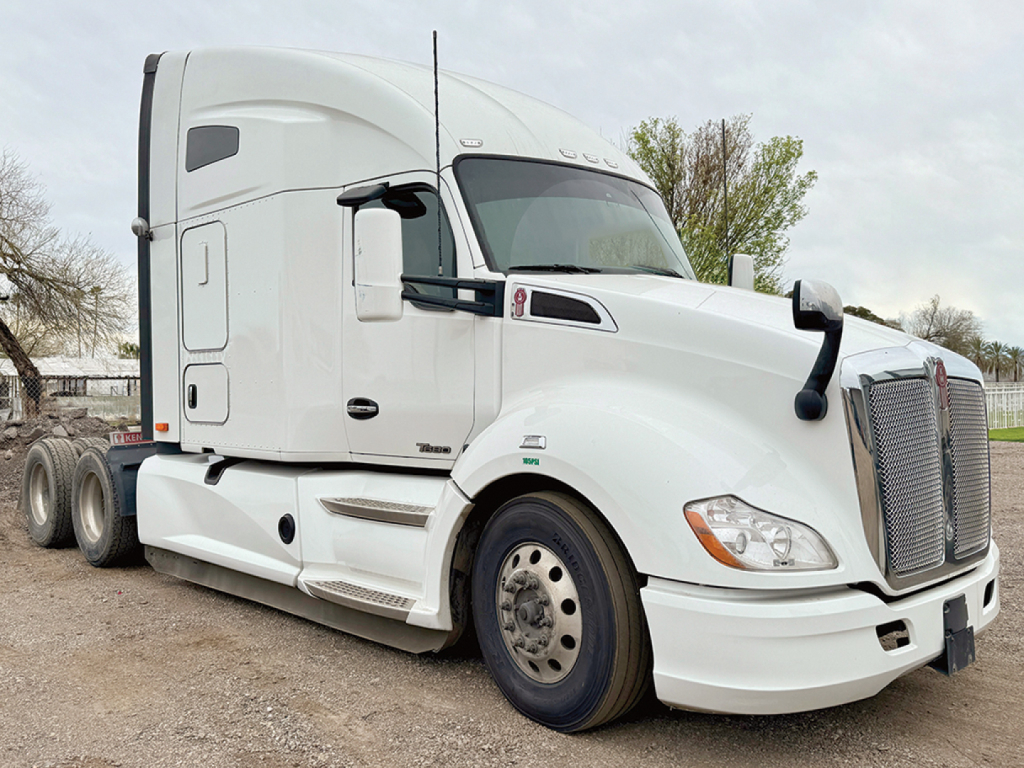
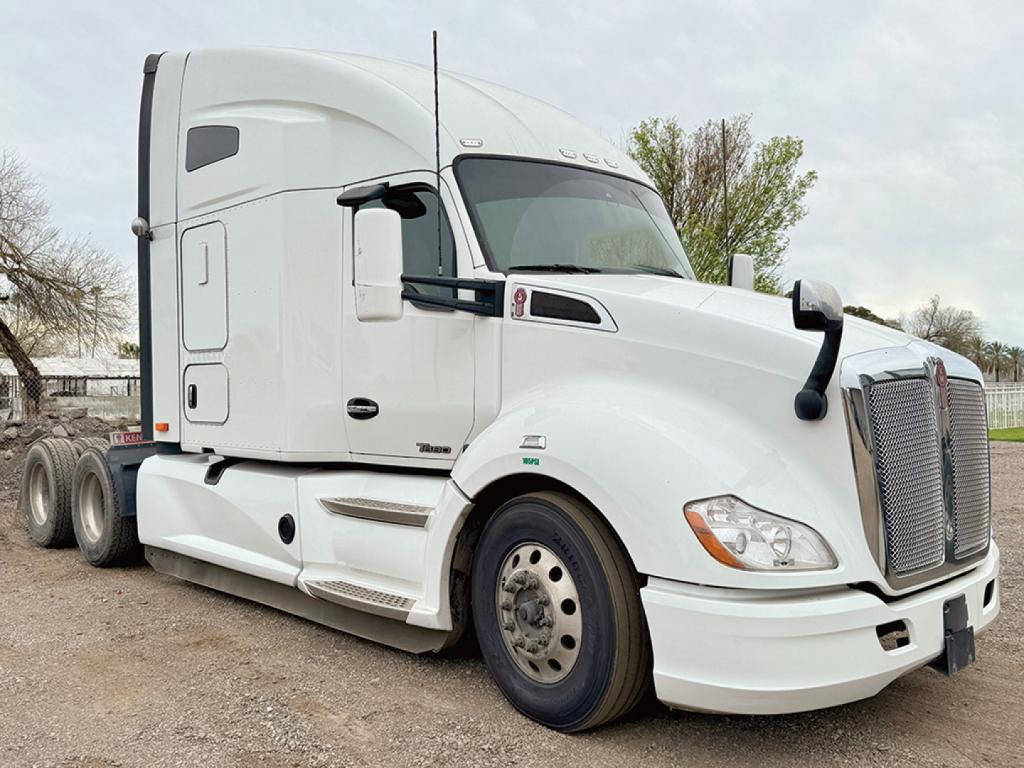
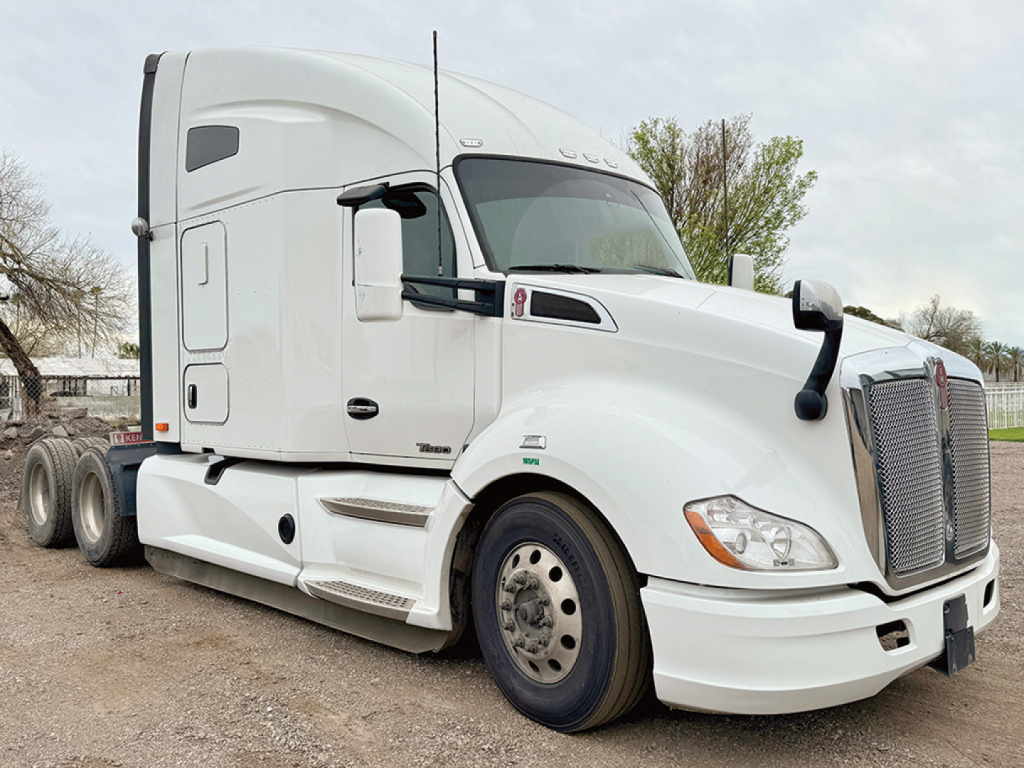
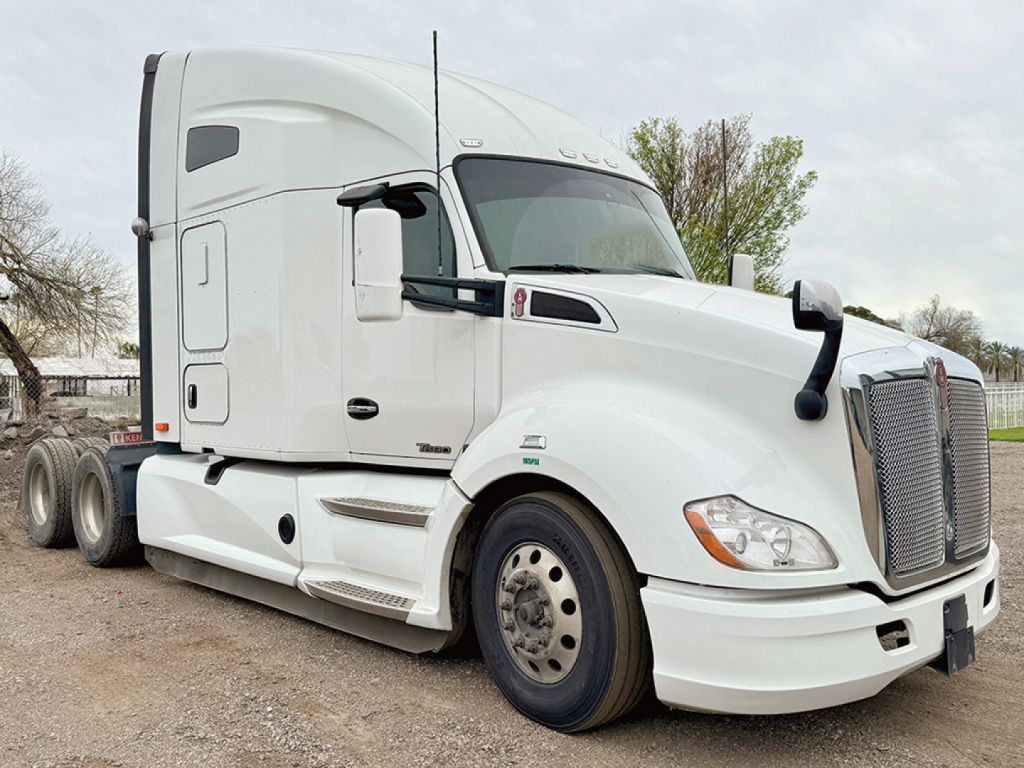
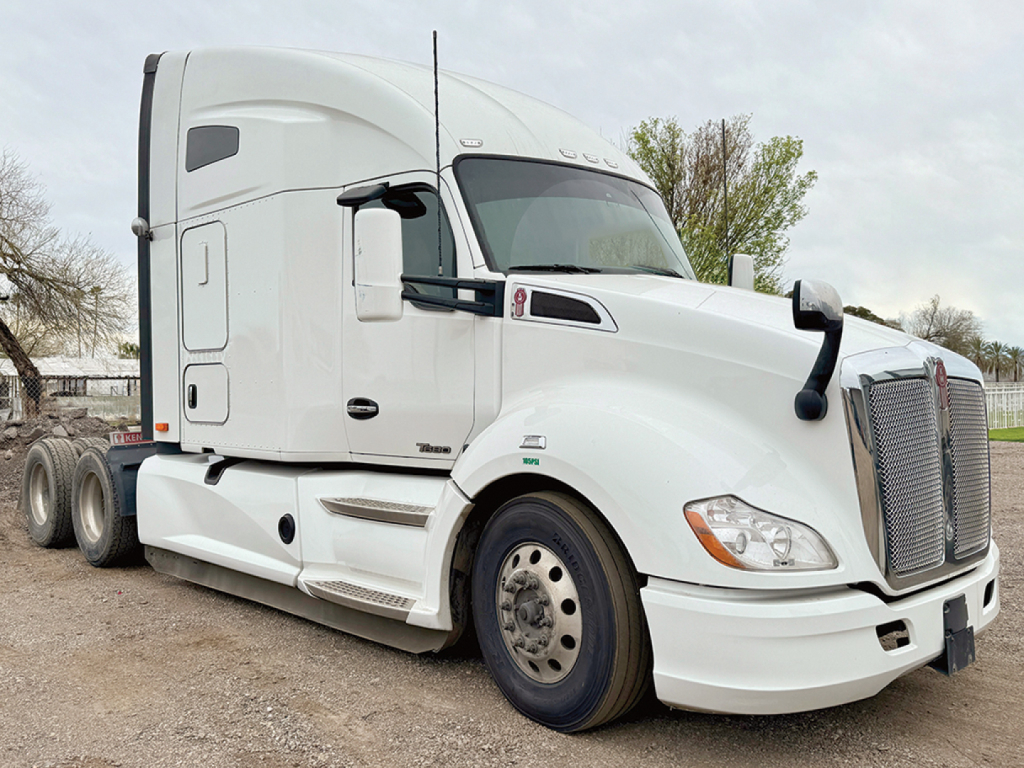
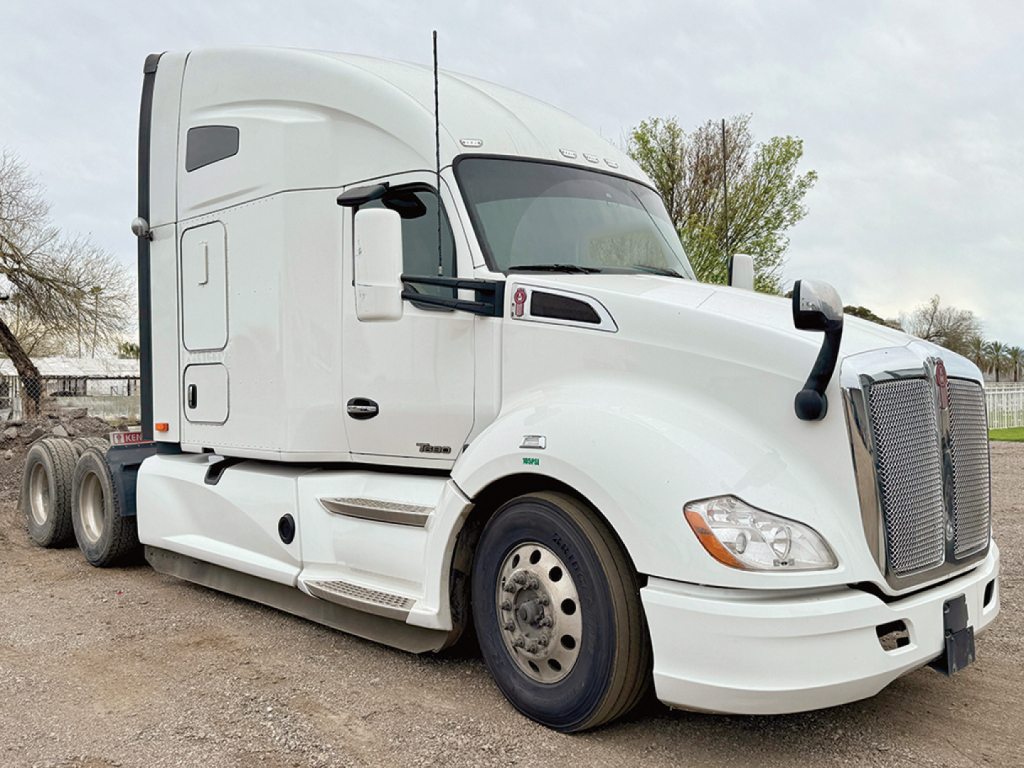
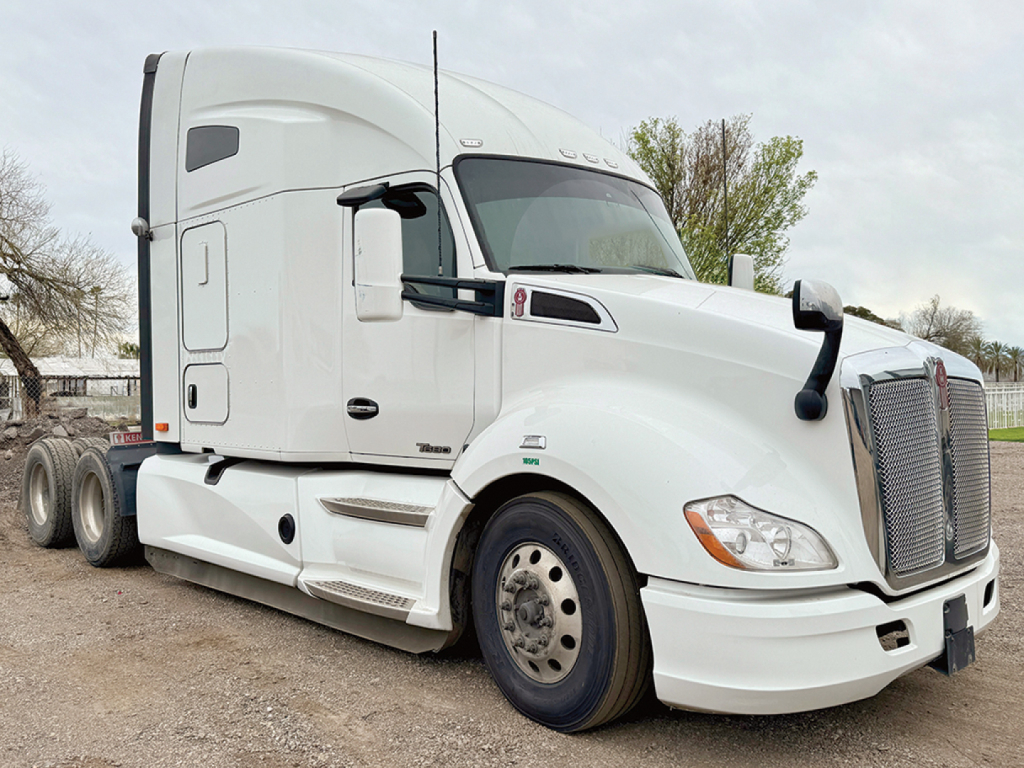
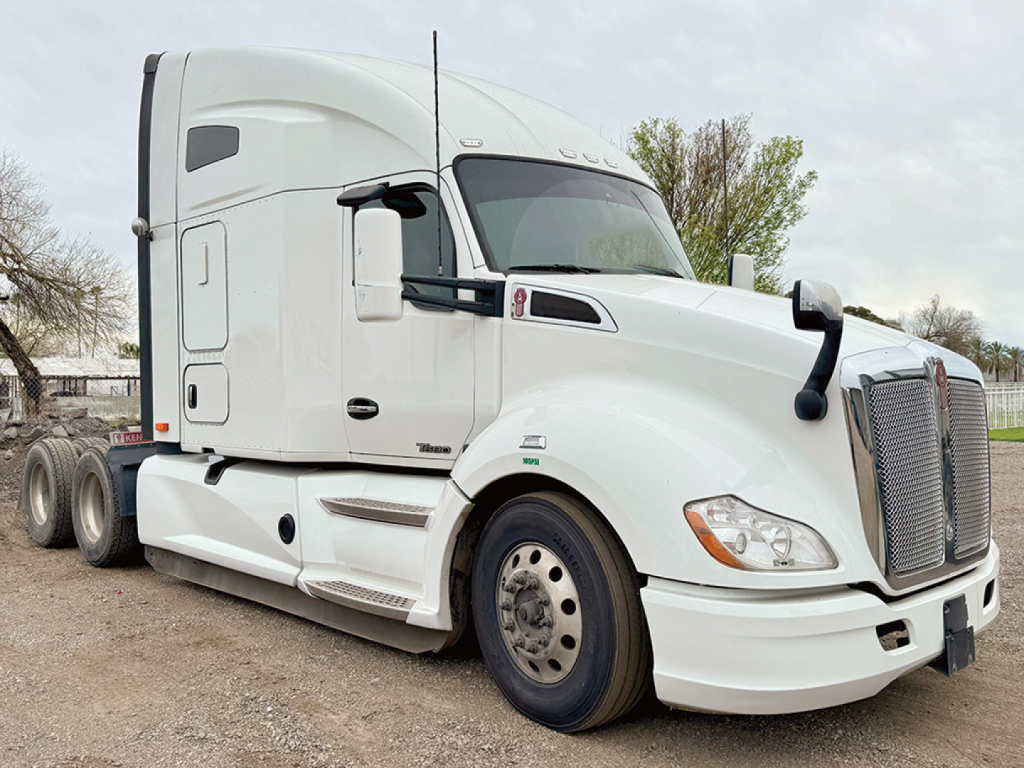
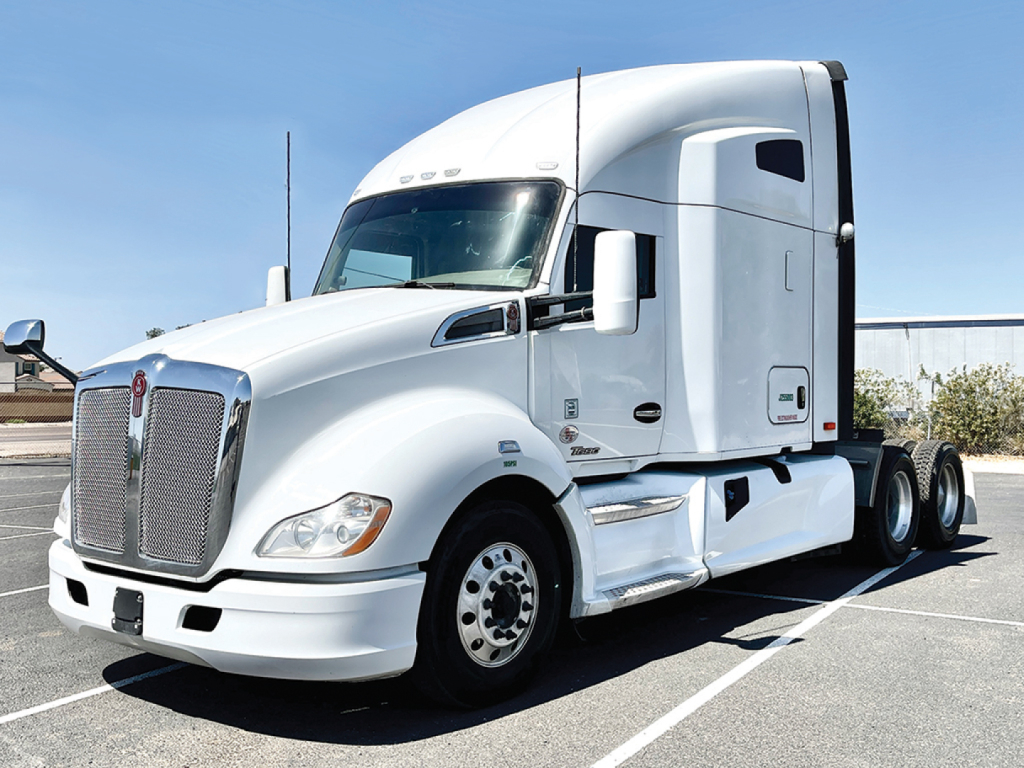
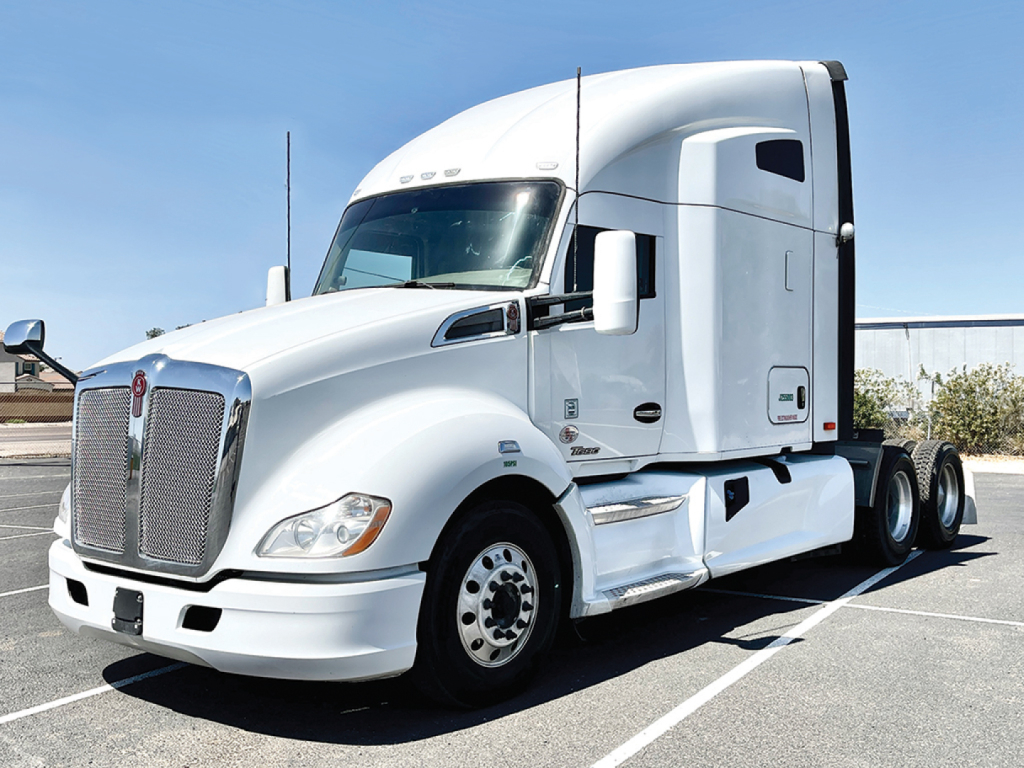
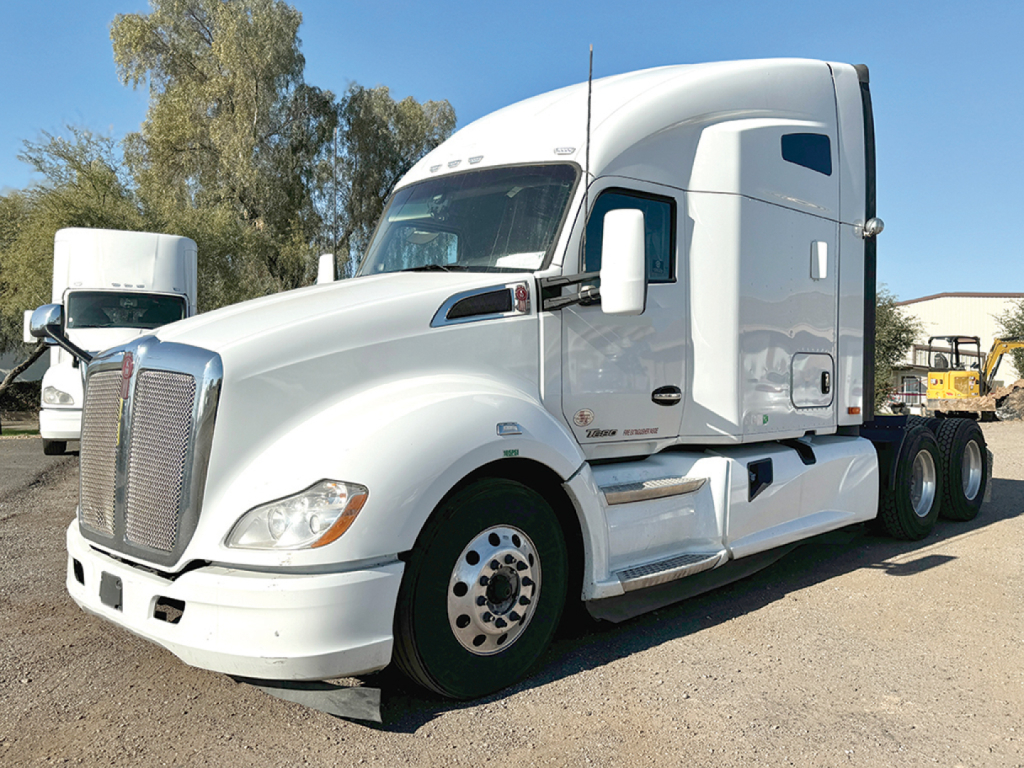
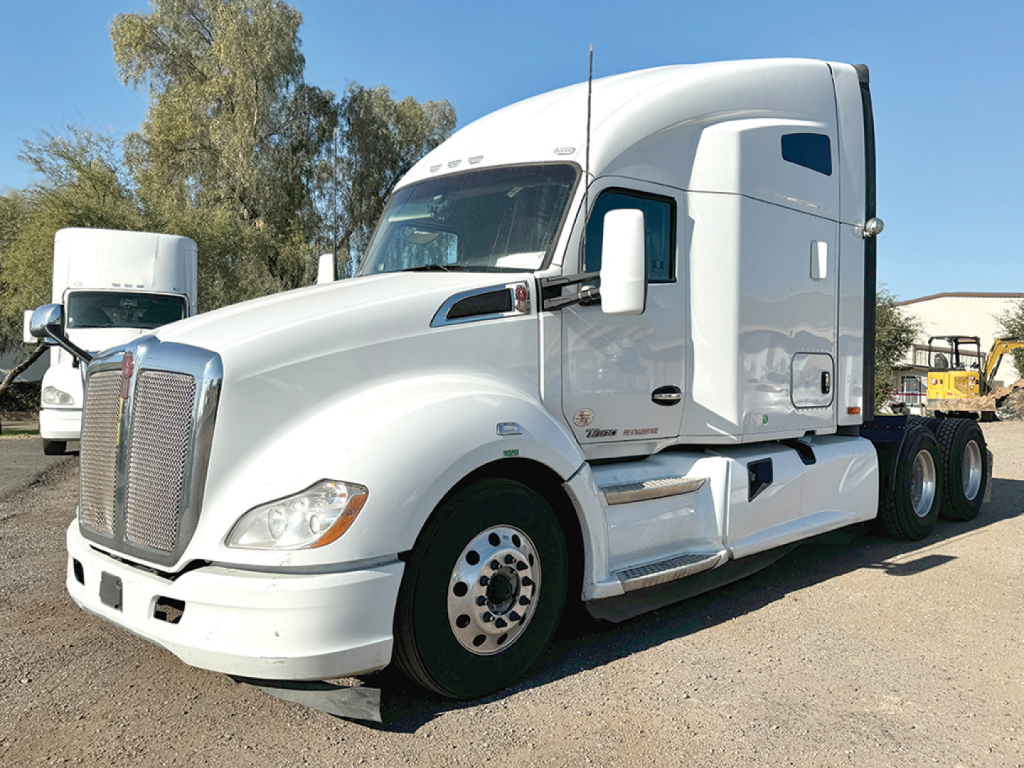
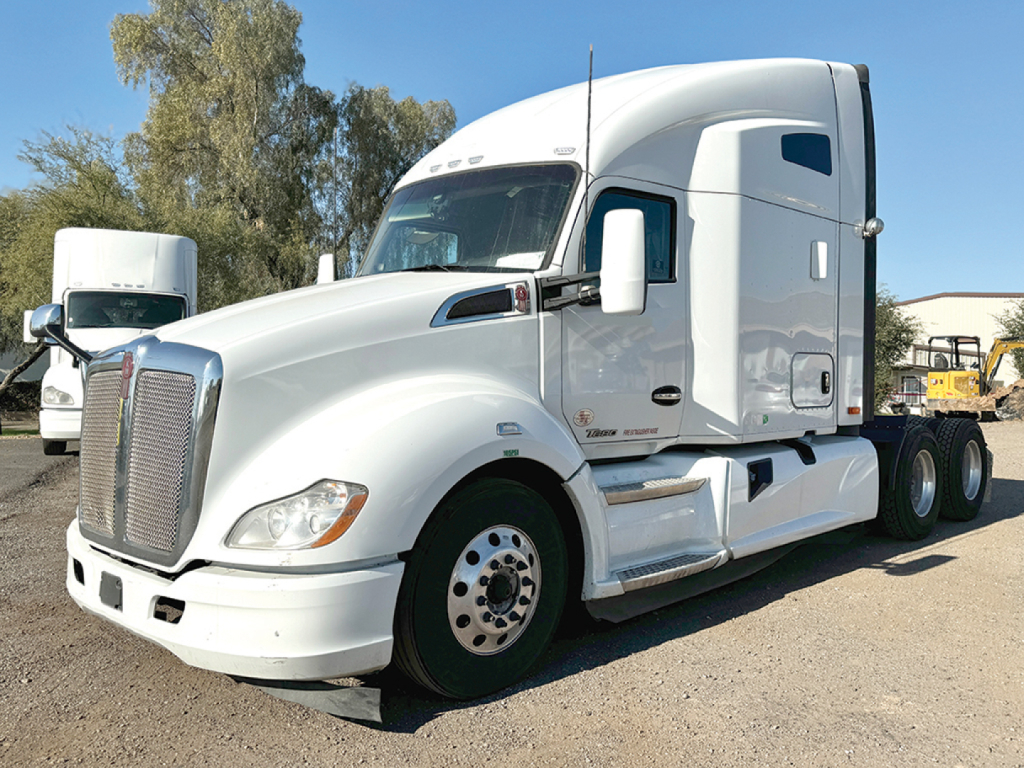
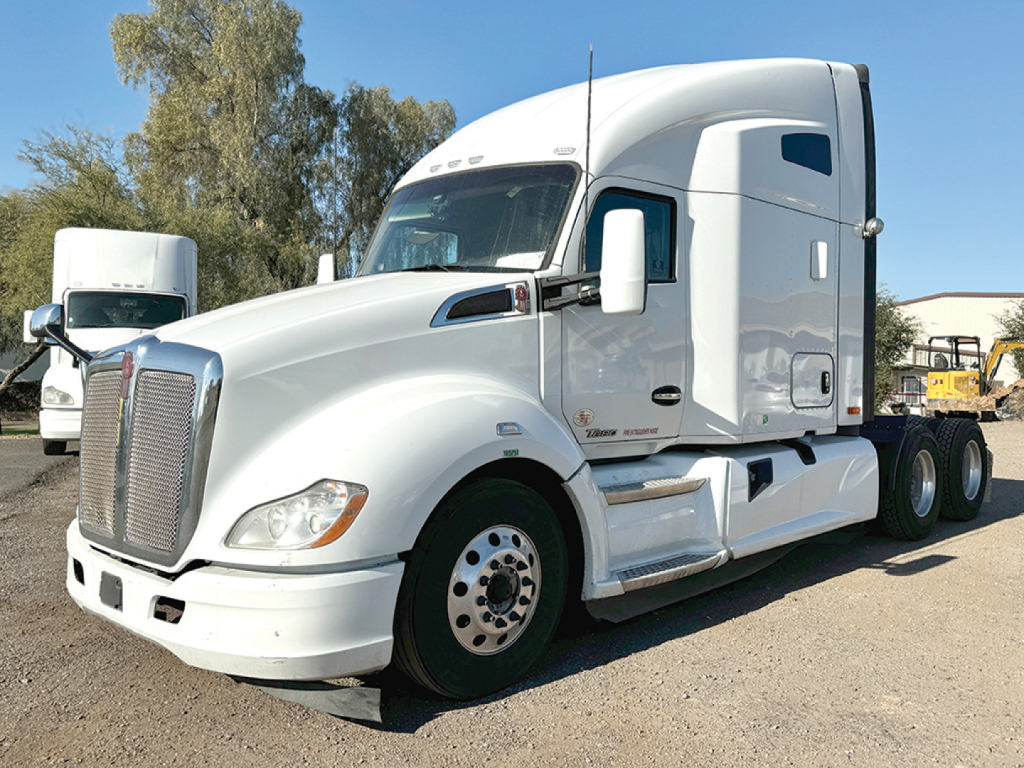
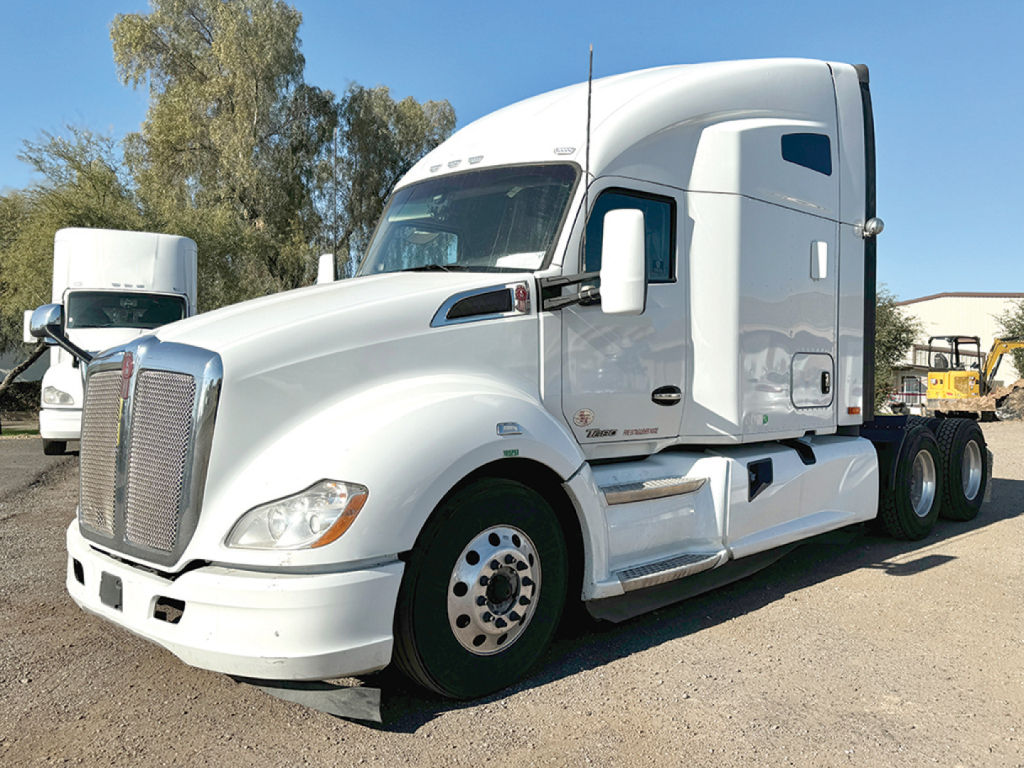
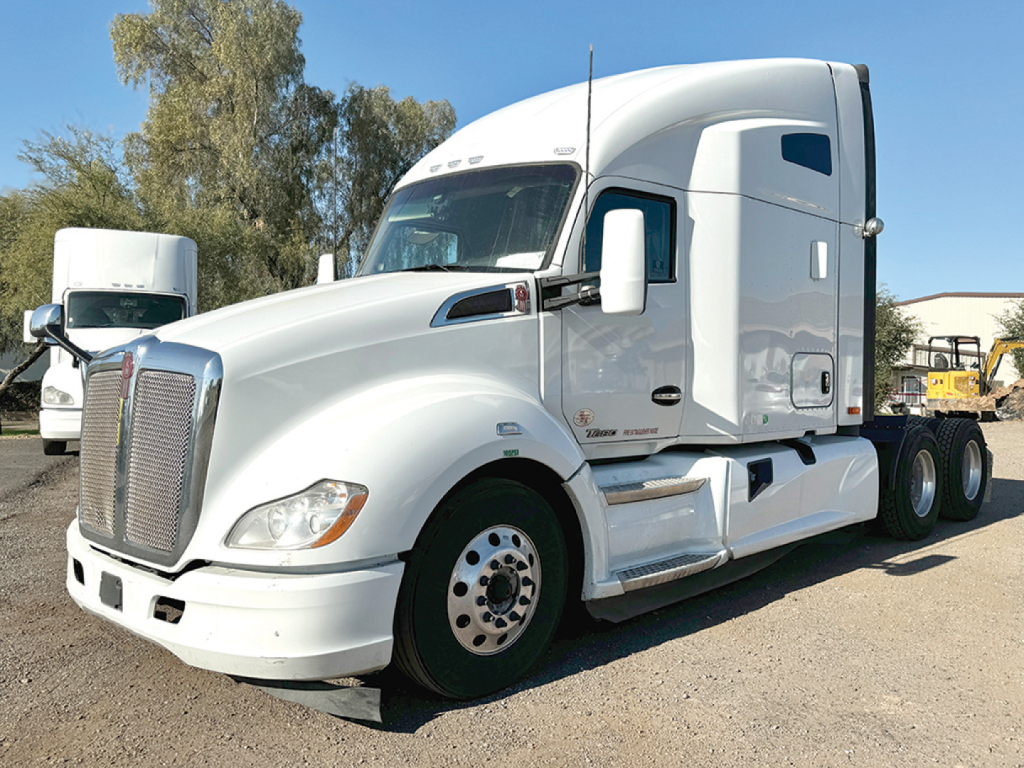
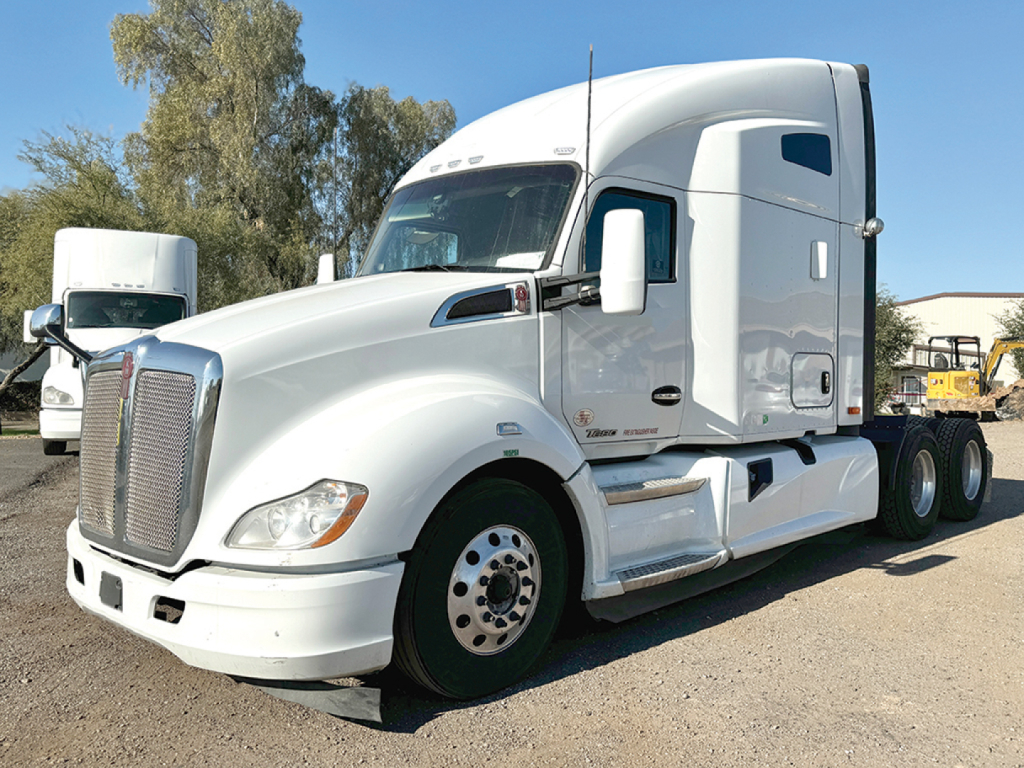
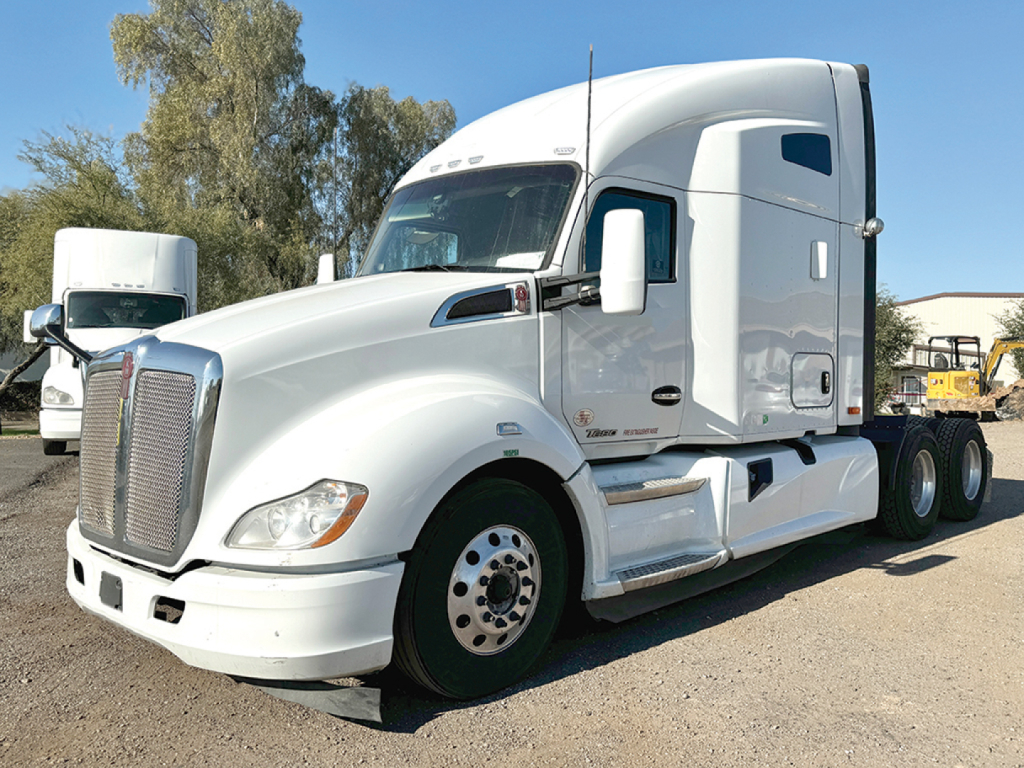
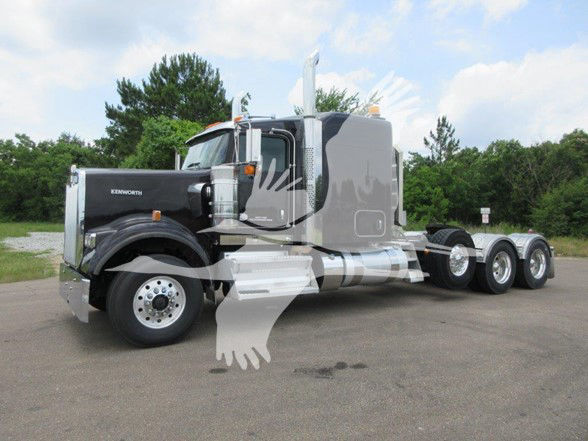
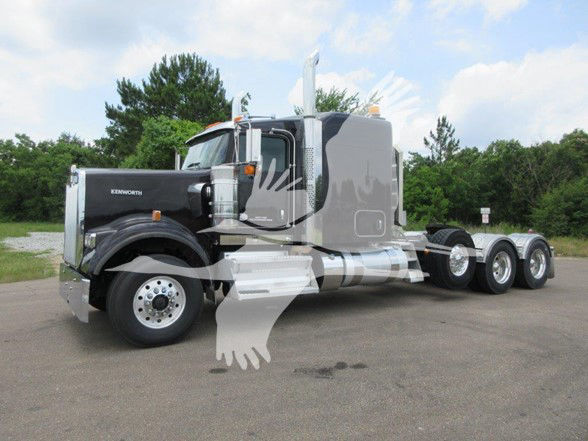
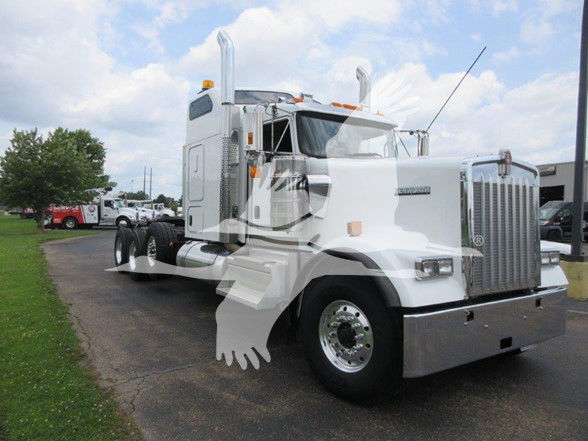
Selling a used kenworth conventional sleeper truck? List your used kenworth conventional sleeper truck for sale and reach thousands of commercial buyers.
Used Kenworth Conventional Sleeper Trucks in Mississippi
A lot of buyers start with the model and wheelbase. Kenworth W900 sleeper trucks are among the most recognizable conventional sleepers on the road, and they are often spec'd for both image and heavy-duty performance. Pay close attention to sleeper size, flattop versus studio-style roof, front axle rating, rears, suspension, and whether the truck is set up as a tandem or triaxle. Mississippi buyers shopping for lowboy or specialized hauling units will often see higher-horsepower Cummins X15 engines paired with 13-speed or 18-speed manual transmissions, deeper rears, double frame construction, and heavier PTO or wet kit provisions. For general highway freight, a more standard tandem axle sleeper with a mid-roof or flattop sleeper may offer a better balance of maneuverability, fuel economy, and tire cost.
Engine and drivetrain specs matter more than appearance in this category. Many used Kenworth conventional sleepers are built around Cummins power, with horsepower ratings ranging from efficient fleet specs up to 565 HP or 605 HP heavy-haul configurations. Buyers should verify torque rating, transmission model, rear axle ratio, suspension type, and the truck's intended duty cycle. A truck spec'd for lowboy work may have the power and gearing you want, but it can also carry extra weight that reduces payload flexibility for van or reefer service. Look at frame rating, fifth wheel setup, wheel cut, fuel capacity, and emissions system history, especially on late-model used trucks. Cab condition, sleeper HVAC, bunk layout, and overall electrical integrity also deserve a close inspection because downtime in a sleeper truck quickly turns into lost revenue.
Kenworth conventional sleeper trucks also hold value because parts support is broad and the platform is familiar to drivers, independent shops, and dealership service departments. For Mississippi operations, corrosion is usually less severe than in northern salt-belt markets, but buyers should still inspect crossmembers, suspension components, air tanks, wiring, and the underside of the cab and sleeper for wear, repairs, or trailer-related damage. A well-spec'd used Kenworth sleeper can be a strong fit for OTR freight, flatbed, heavy equipment moves, and dedicated regional lanes, as long as the axle configuration, sleeper package, and driveline match the work you plan to do.
Frequently Asked Questions about Used Kenworth Conventional Sleeper Trucks in Mississippi
What should I look for first when buying a used Kenworth conventional sleeper truck?
Start with the truck's original application and major specs. A used Kenworth sleeper built for heavy-haul or lowboy service can be very different from one spec'd for general over-the-road freight. Check the engine rating, transmission, rear axle ratio, axle capacity, suspension, wheelbase, and sleeper size first. After that, review service records, engine hours, emissions history, frame condition, and any signs of driveline or suspension repairs. Matching the spec to your freight matters more than choosing by appearance alone.
Are Kenworth W900 sleeper trucks good for heavy-haul work?
Yes, many Kenworth W900 sleeper trucks are excellent heavy-haul candidates when they are properly spec'd. Buyers often find W900 units with high-horsepower Cummins engines, 18-speed transmissions, heavy front axles, double frame rails, and triaxle or other specialized configurations. The long hood platform is well known for cooling capacity, service access, and durability under demanding loads. The key is confirming that the axle ratings, gearing, and frame setup match the weight and trailer type you plan to pull.
How important is sleeper size on a used conventional sleeper truck?
Sleeper size affects driver comfort, storage, wheelbase, and sometimes resale appeal. A 72-inch sleeper is common on long-haul trucks because it gives the driver more living space for multi-day trips. A smaller flattop sleeper can make sense for regional or dedicated lane work where overnight use is limited. Buyers should think beyond comfort and consider total truck length, turning radius, and how the sleeper configuration fits their operation.
What drivetrain specs are common on used Kenworth conventional sleeper trucks?
Common drivetrain combinations include Cummins diesel engines paired with manual or automated transmissions, depending on the original buyer's preference and application. In heavier vocational or specialized transport use, you may see Cummins X15 engines with 13-speed or 18-speed manuals and aggressive rear axle ratios. General highway tractors may be spec'd for lower RPM cruising, better fuel economy, and tandem axles. Reviewing horsepower, torque, rear ratio, and suspension setup together gives a much clearer picture than looking at any single spec.
Why are axle configuration and wheelbase so important on this category?
Axle layout and wheelbase determine legal capacity, turning ability, ride quality, and trailer compatibility. A tandem axle sleeper is common for standard freight, while a triaxle setup may be intended for lowboy or specialized heavy equipment moves. Longer wheelbases can improve ride and appearance, especially on W900 models, but they can also limit maneuverability in tighter yards or urban delivery points. Buyers should confirm that the truck's axle spread, kingpin setting compatibility, and bridge-law considerations fit the routes and loads they expect to run.