
Used 2022 Kenworth Conventional Sleeper Trucks For Sale in Mississippi
Shop used 2022 Kenworth conventional sleeper trucks in Mississippi. Compare T680 and W900 specs, sleeper sizes, powertrains, and applications.
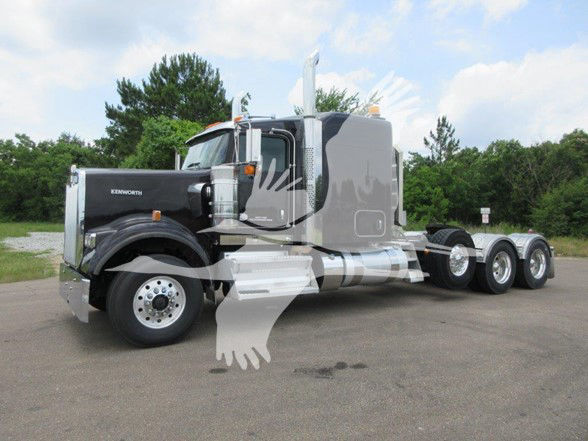
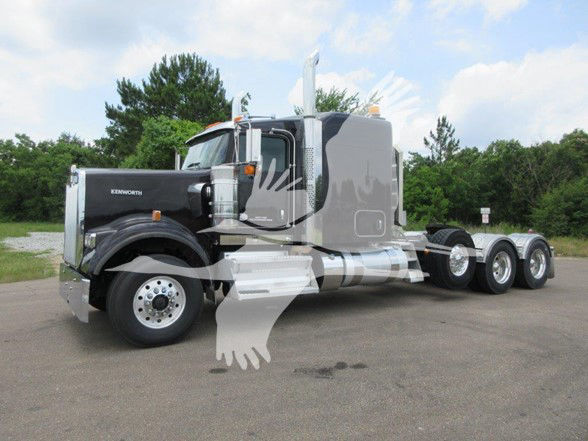
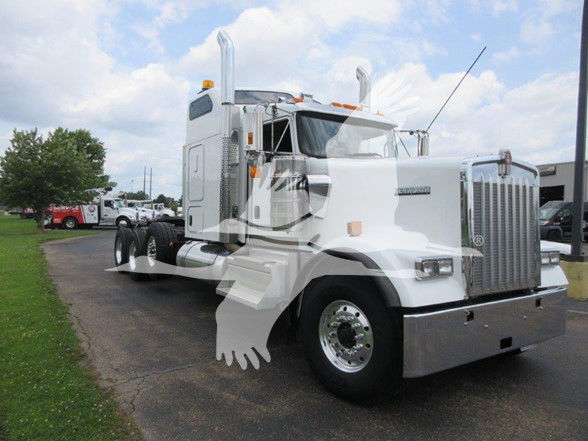
Selling a used 2022 kenworth conventional sleeper truck? List your used 2022 kenworth conventional sleeper truck for sale and reach thousands of commercial buyers.
Used 2022 Kenworth Conventional Sleeper Trucks in Mississippi
A 2022 T680 sleeper commonly shows up with a PACCAR MX-13 in the 455 hp range, automated transmission, tandem 40,000 lb rears, air ride suspension, and a high-roof sleeper around 76 inches. That is a proven spec for regional and over-the-road freight where fuel economy, driver comfort, and lower driver workload matter. Expect to see collision mitigation, engine brake, air slide fifth wheel, aluminum fuel tanks, and aerodynamic accessories like cab extenders and side fairings. Buyers should pay close attention to wheelbase, rear axle ratio, and sleeper layout because those three items affect maneuverability, cruise rpm, and real livability on longer runs.
A 2022 W900B or W900L sleeper is a different machine entirely. Many are equipped with Cummins X15 power, ratings around 565 to 605 hp, and 18-speed manual transmissions, often paired with heavier front axles, triaxle configurations, or lowboy-friendly specs. These trucks are also known as long-hood conventional sleepers and are commonly chosen for heavy haul, open-deck freight, and premium owner-operator applications where durability, serviceability, and appearance still matter. The W900L typically has the longer hood and wheelbase stance buyers look for in specialized hauling, while the W900B keeps the classic square-hood Kenworth profile in a slightly different package. In this category, axle setup, frame rating, pusher or tag axle configuration, and fifth wheel placement are often more important than sleeper size alone.
For Mississippi buyers, used 2022 Kenworth sleeper trucks should be evaluated for both spec and operating environment. Highway T680s are often a strong fit for dry van, reefer, and general freight running across the Southeast. W900 sleepers are more likely to be set up for construction support, machinery moving, agricultural hauling, or other demanding loads where horsepower and chassis capacity come first. Review engine history, emissions system service, transmission type, suspension spec, and tire condition, then match those details to the freight you actually plan to pull. A well-matched conventional sleeper should give you the right balance of power, comfort, axle capacity, and resale strength for the lane and trailer type you run.
Frequently Asked Questions about Used 2022 Kenworth Conventional Sleeper Trucks in Mississippi
What is the main difference between a 2022 Kenworth T680 sleeper and a 2022 Kenworth W900 sleeper?
The T680 is an aerodynamic highway tractor designed around fuel efficiency, driver comfort, and over-the-road freight. The W900B and W900L are long-hood conventionals that are more commonly spec'd for heavy haul, specialized trailers, and premium owner-operator use. In practical terms, T680 buyers usually focus on mpg, sleeper comfort, and automated transmissions, while W900 buyers often focus on horsepower, manual transmissions, axle ratings, and heavier chassis components.
What sleeper sizes are common on used 2022 Kenworth conventional sleeper trucks?
A 2022 Kenworth T680 often appears with a 76-inch high-roof sleeper, which is a common over-the-road configuration with better stand-up room and storage. W900 sleepers are frequently seen in 72-inch flattop or similar sleeper packages, especially on trucks built for lowboy or open-deck work. Sleeper size matters, but interior layout, bunk setup, storage, and roof height usually matter just as much if the truck will stay out for multiple nights at a time.
Which engine and transmission combinations are common in this category?
For 2022 Kenworth conventional sleepers, the T680 commonly uses the PACCAR MX-13 with an automated transmission for linehaul efficiency and easier driver operation. W900B and W900L trucks often use the Cummins X15, and many are paired with 18-speed manual transmissions in heavy-spec applications. The best combination depends on the work. Automated setups are common for general highway freight, while higher-horsepower manual setups are still preferred in heavy haul and specialized service.
What specs should matter most when comparing used 2022 Kenworth sleeper listings?
Start with the intended trailer and freight, then compare rear axle ratio, axle capacity, wheelbase, transmission type, suspension, and fifth wheel setup. For highway use, fuel tank size, fairings, collision mitigation, and sleeper amenities can have a major impact on operating cost and driver retention. For heavy or specialized work, focus more on horsepower, torque, front axle rating, frame strength, triaxle configuration, and whether the truck is already set up for the trailer you plan to pull.
Are used 2022 Kenworth sleeper trucks a good fit for Mississippi operations?
Yes, but the right spec depends on the lanes and load profile. A T680 sleeper generally fits Southeast regional and long-haul freight well because it balances comfort, fuel economy, and highway manners. A W900 sleeper can be a stronger fit for machinery moving, lowboy work, agriculture, and other applications that demand more power or a heavier chassis. Mississippi buyers should also consider cooling system condition, emissions maintenance history, and tire and suspension wear because climate, idle time, and mixed road conditions can affect total operating cost.