
Used 2019 Kenworth Conventional Sleeper Trucks For Sale
Shop used 2019 Kenworth conventional sleeper trucks. Compare T680 and similar specs, sleeper sizes, powertrains, wheelbase, and ratios.
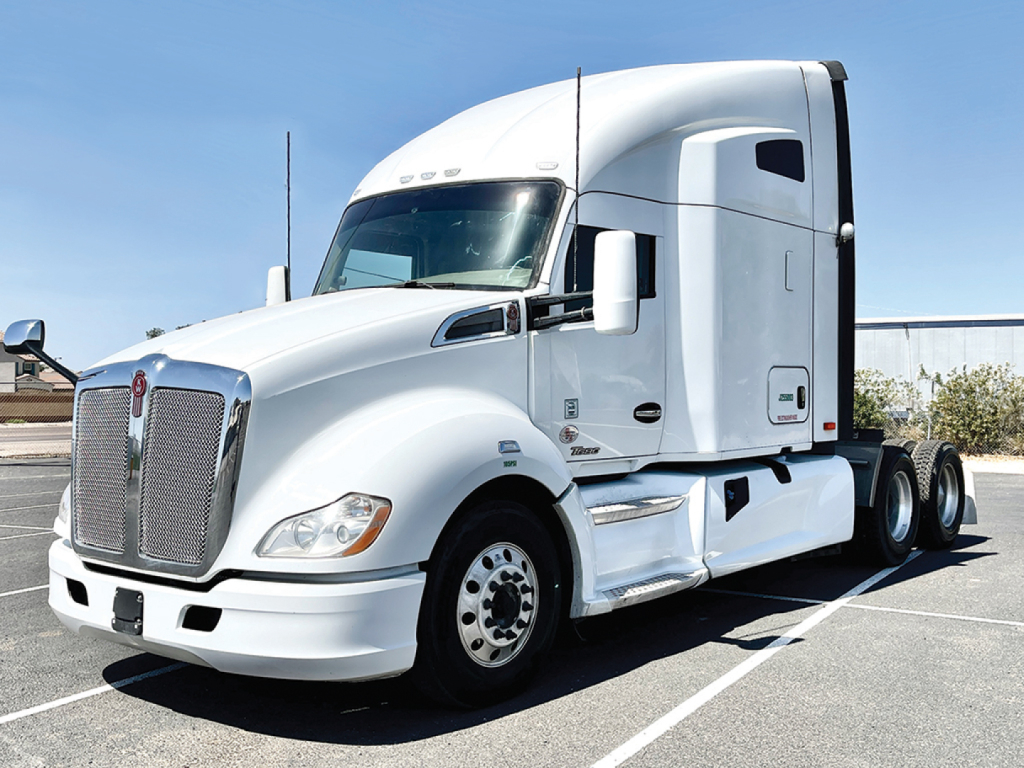
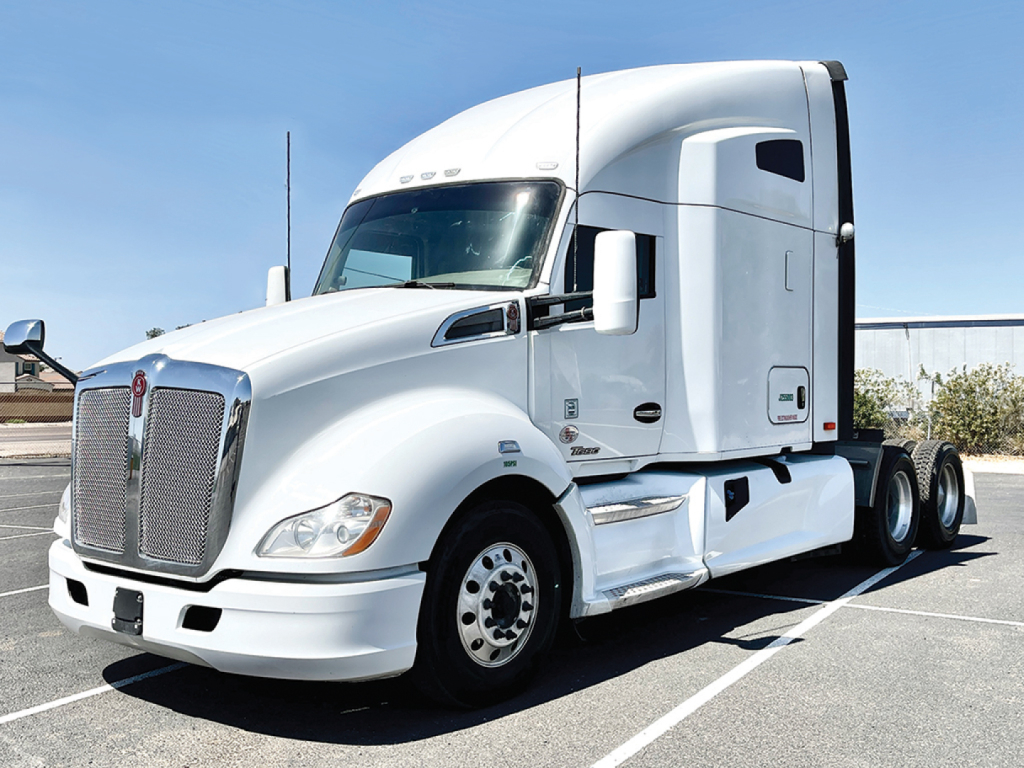
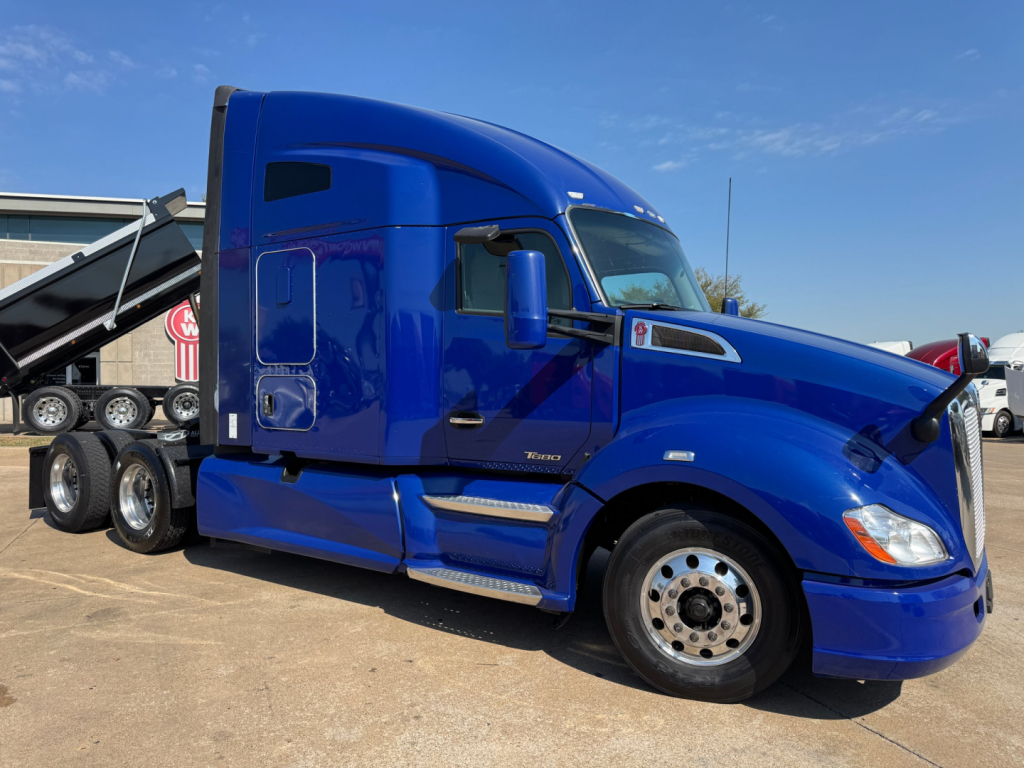
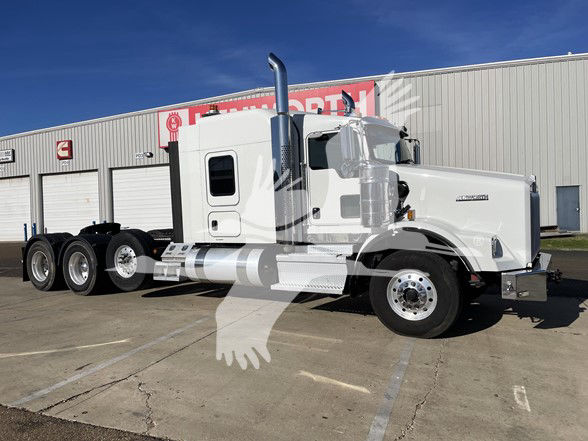

Selling a used 2019 kenworth conventional sleeper truck? List your used 2019 kenworth conventional sleeper truck for sale and reach thousands of commercial buyers.
Used 2019 Kenworth Conventional Sleeper Trucks
A 2019 Kenworth sleeper is often built around a PACCAR MX-13 or Cummins X15, usually paired with an automated manual transmission, though some trucks will have a 10-speed or 13-speed manual. Typical highway specs include 6x4 tandem drive axles, air ride suspension, sliding fifth wheel, and ratios such as 2.64, 2.79, 3.08, or 3.25 depending on intended cruising speed and terrain. Buyers should pay close attention to horsepower and torque ratings, especially if the truck will pull heavy van, reefer, or bulk loads through hills. Front disc brakes, collision mitigation, adaptive cruise, and digital dash layouts show up on some later-spec trucks and can add value for fleets focused on safety and driver retention.
Sleeper configuration matters as much as drivetrain. Many 2019 Kenworth conventional sleepers are equipped with 52-inch, 76-inch mid-roof, or 76-inch high-roof sleepers. A mid-roof often makes sense for weight-conscious or regional applications, while a high-roof gives team operations and over-the-road drivers more storage and stand-up room. Common interior features include double bunks, bunk heaters, APUs, inverter prep, refrigerator space, and upgraded trim packages. On the outside, look for fuel capacity, fairings, cab extenders, quarter fenders, and tire type because those details affect both operating cost and how well the truck matches your trailer and route profile.
When comparing used 2019 Kenworth conventional sleeper trucks, condition is more than miles on the odometer. Review maintenance history, aftertreatment service records, clutch life on manual units, transmission calibration on automated units, and signs of suspension or steering wear. Check tire wear patterns, brake life, DPF and SCR history, and any fault code activity related to emissions or chassis electronics. A well-spec'd 2019 Kenworth sleeper can be a dependable revenue truck for dry van, reefer, flatbed, and dedicated contract freight, especially when the powertrain, sleeper package, and axle ratio are matched to the work.
Frequently Asked Questions about Used 2019 Kenworth Conventional Sleeper Trucks
What is the most common 2019 Kenworth conventional sleeper model?
The Kenworth T680 is typically the most common 2019 conventional sleeper on the used market. It is an aerodynamic highway tractor designed for fuel-efficient over-the-road use, and it is widely found in fleet and owner-operator specs with different sleeper sizes, engine ratings, and transmission options.
Which engine is better in a 2019 Kenworth sleeper, PACCAR MX-13 or Cummins X15?
The right choice depends on application, service preference, and operating philosophy. The PACCAR MX-13 is common in fleet highway specs and is known for fuel-focused performance in aerodynamic tractors. The Cummins X15 is widely supported and often preferred by buyers who want broader familiarity across repair networks, especially in higher horsepower or vocationally demanding linehaul use. Service records and current engine condition matter more than badge alone.
What axle ratio should I look for in a used 2019 Kenworth conventional sleeper?
For standard highway freight, many buyers look at ratios in the 2.64 to 3.08 range because they can help keep engine rpm down at cruising speed and improve fuel economy when matched with the transmission and tire size. A 3.25 or similar ratio may be better for heavier loads, more varied terrain, or lower-speed operation. The best ratio is the one that fits your lanes, gross weights, and target road speed.
Are 2019 Kenworth sleeper trucks good for team driving and long-haul work?
Yes, many 2019 Kenworth sleeper specs are well-suited for team and over-the-road service, especially trucks with a 76-inch mid-roof or high-roof sleeper. Double bunks, bunk heaters, APUs, larger fuel capacity, and more interior storage are the features that usually matter most for extended trips and driver comfort.
What should I inspect first on a used 2019 Kenworth sleeper truck?
Start with maintenance records, engine and aftertreatment history, mileage, idle hours, and any active or stored fault codes. Then inspect tires, brakes, suspension bushings, steering components, fifth wheel wear, and the sleeper equipment. On automated transmissions, confirm shift quality and calibration status. On manual trucks, check clutch condition and driveline vibration. These items will tell you more about operating cost than appearance alone.