
Used Kenworth Conventional Sleeper Trucks For Sale in Nevada
Browse used Kenworth conventional sleeper trucks with raised roofs, efficient powertrains, and highway-ready specs for long-haul operations.
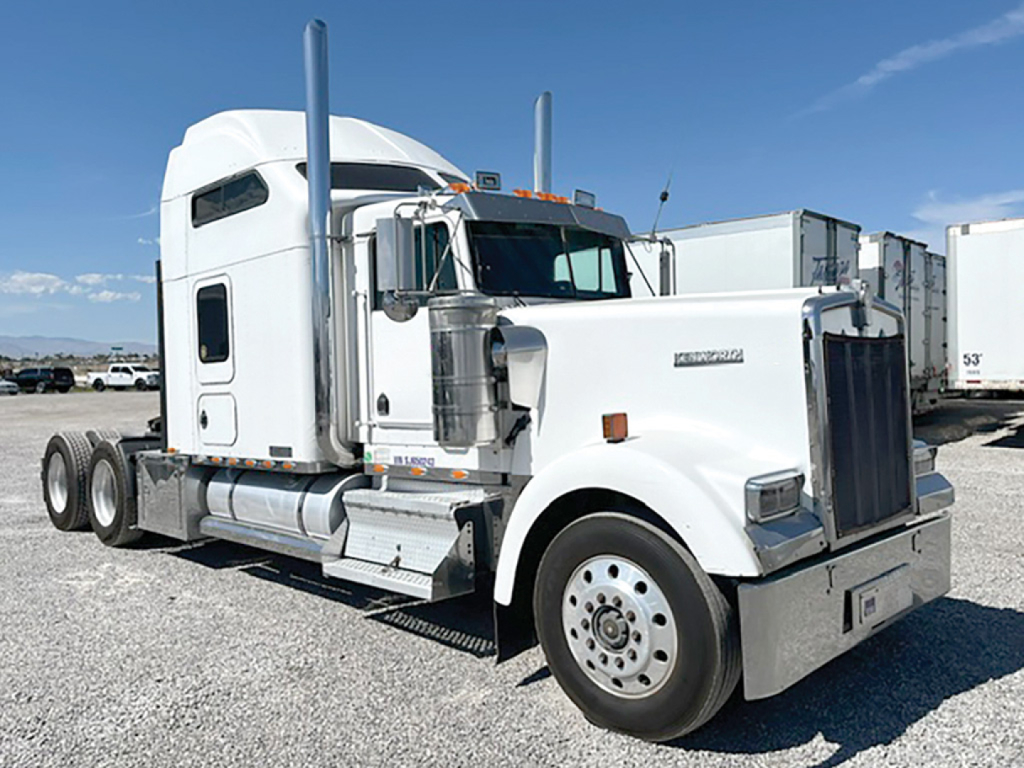
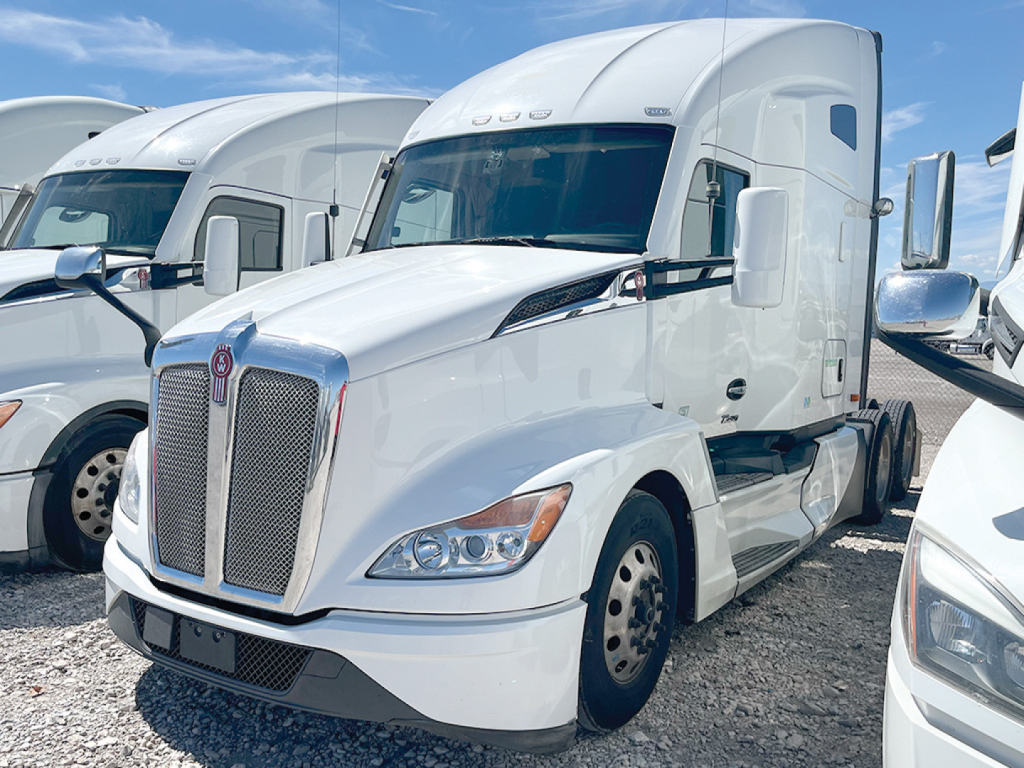
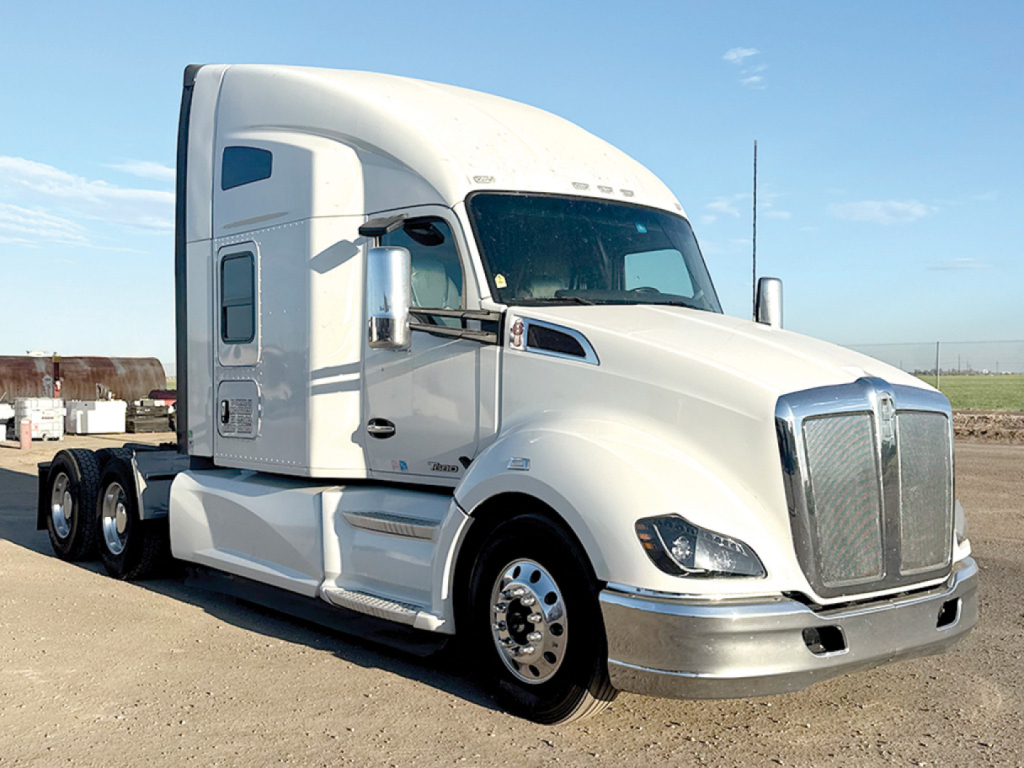
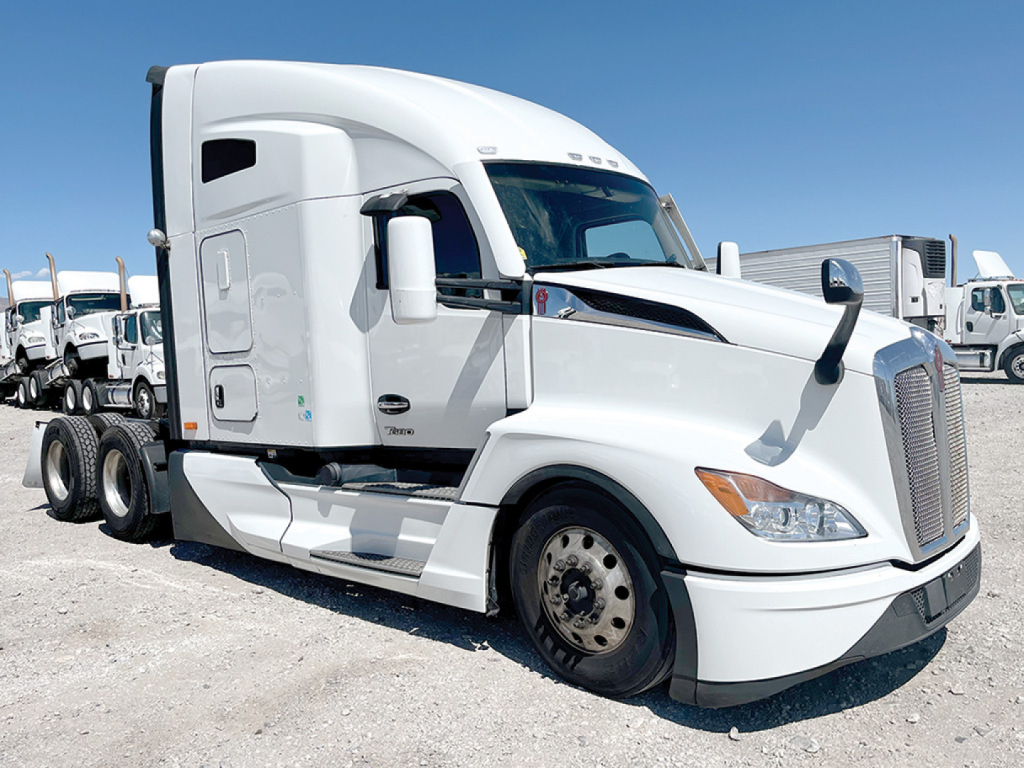

Have used kenworth conventional sleeper truck to sell? List it here to reach thousands of buyers.
Used Kenworth Conventional Sleeper Trucks in Nevada
A buyer comparing used Kenworth conventional sleepers should start with the powertrain. Many are spec'd with Cummins or PACCAR engines in the 400 to 500 horsepower range, often paired with Eaton Fuller automated or manual transmissions. Rear axle ratios, wheelbase, and fuel capacity have a direct effect on highway efficiency and payload flexibility. Dual fuel tanks, full fairings, aluminum wheels, and 6x4 tandem axle configurations are typical on long-haul units. If the truck will stay on western routes, pay attention to emissions history, aftertreatment service records, and how the truck performs under sustained heat and grade conditions.
The sleeper itself is a major value point in this class. Double-bunk and raised-roof configurations are common, along with cabinets, workstation space, premium seating, and integrated infotainment or navigation systems. Interior condition tells you a lot about how a truck was used and maintained. Check bunk HVAC operation, seal condition around doors and sleeper compartments, inverter setup, and signs of excessive idle hours. On the outside, fairings, hood alignment, tire wear, and frame condition can reveal how well the truck tracked and how consistently it was maintained.
Kenworth conventional sleepers also tend to hold buyer interest because parts support is strong and the brand is well known for a solid ride and clean interior ergonomics. For fleets, owner-operators, and lease-on drivers, the right used spec often comes down to balancing engine rating, sleeper size, transmission preference, and maintenance documentation. A well-matched Kenworth sleeper can be a practical highway tractor for dry van, reefer, and dedicated route work where uptime and driver retention are just as important as purchase price.
Frequently Asked Questions about Used Kenworth Conventional Sleeper Trucks in Nevada
What is a Kenworth conventional sleeper truck?
A Kenworth conventional sleeper truck is a highway tractor with a forward engine hood and an integrated sleeping compartment behind the cab. It is designed for long-haul use, giving the driver space to rest between shifts while keeping the durability, cooling capacity, and service access of a conventional truck layout. In the used market, models like the Kenworth T680 are among the most common examples.
What should I check first on a used Kenworth sleeper in Nevada?
Start with the cooling system, air conditioning, and complete engine and aftertreatment service history. Nevada heat and long western grades put extra stress on radiators, charge air coolers, fan systems, and emissions components. It is also smart to review tire condition, brake life, bunk HVAC operation, and any records for transmission, differential, and suspension work.
Which engine and transmission setups are common in used Kenworth conventional sleepers?
Many used Kenworth conventional sleepers are equipped with Cummins or PACCAR diesel engines, commonly rated from about 400 to 500 horsepower. Transmissions are often Eaton Fuller manual or automated manual units, including 10-speed and 12-speed configurations. The right combination depends on route profile, driver preference, fuel economy goals, and how much weight the truck is expected to move regularly.
Are raised-roof and double-bunk sleepers worth paying more for?
They can be, especially for long-haul or team operations. A raised-roof sleeper improves standing room and storage, while a double-bunk layout adds flexibility for team driving or extra rest space. Higher-spec sleeper interiors can also help with driver comfort and retention, but buyers should make sure all sleeper accessories, climate controls, and electrical systems still function properly.
What freight applications fit a used Kenworth conventional sleeper truck?
This category is commonly used for dry van, refrigerated freight, dedicated contract lanes, and other over-the-road applications where drivers spend multiple days away from home. A conventional sleeper is best suited for highway miles rather than tight urban delivery. Fuel capacity, wheelbase, sleeper size, and axle ratio should match the intended freight lanes and operating region.