
Used Conventional Sleeper Trucks For Sale in Iowa
Browse used conventional sleeper trucks in Iowa. Compare wheelbase, bunk size, engine, transmission, axle ratio, and highway spec options.
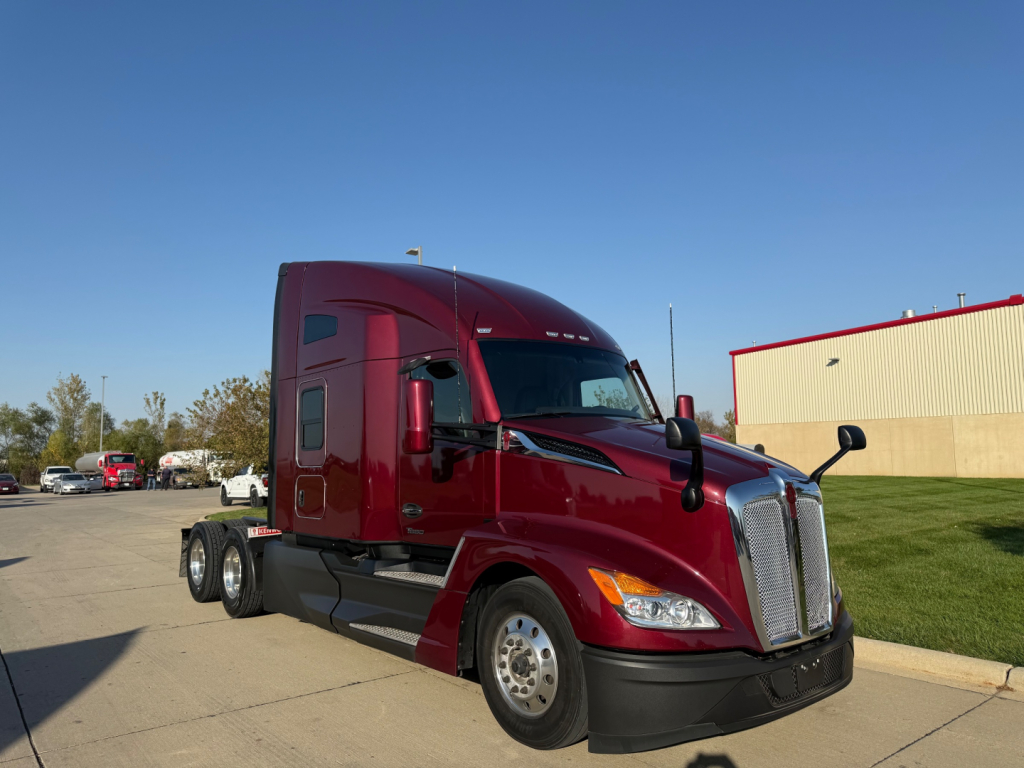
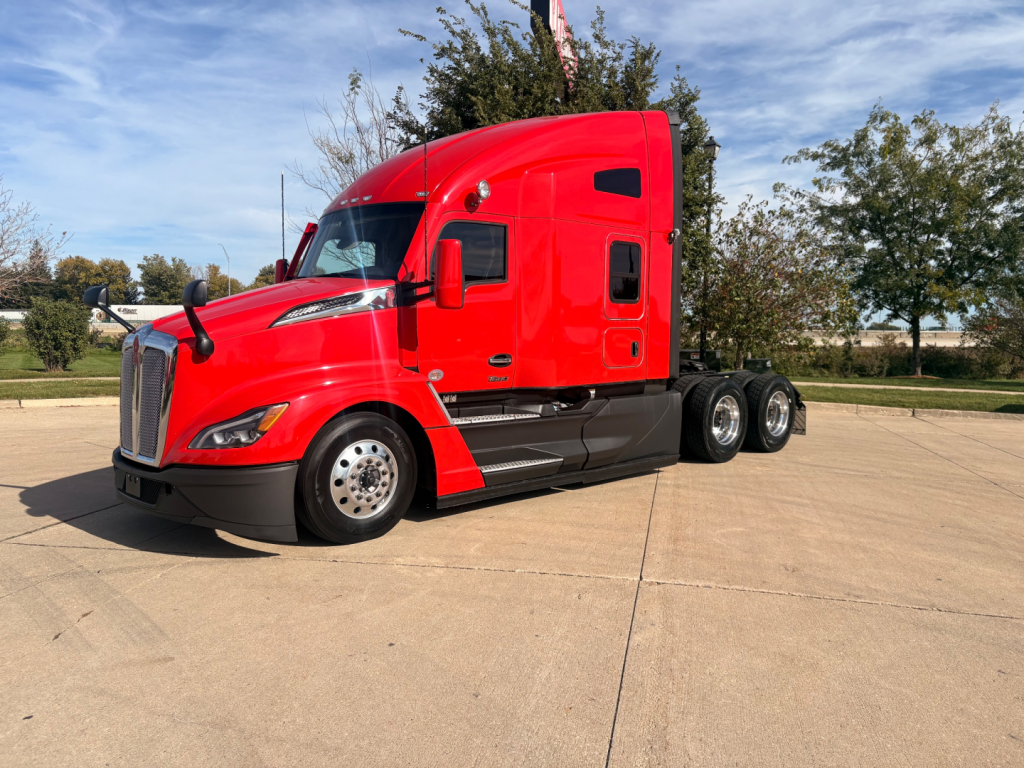
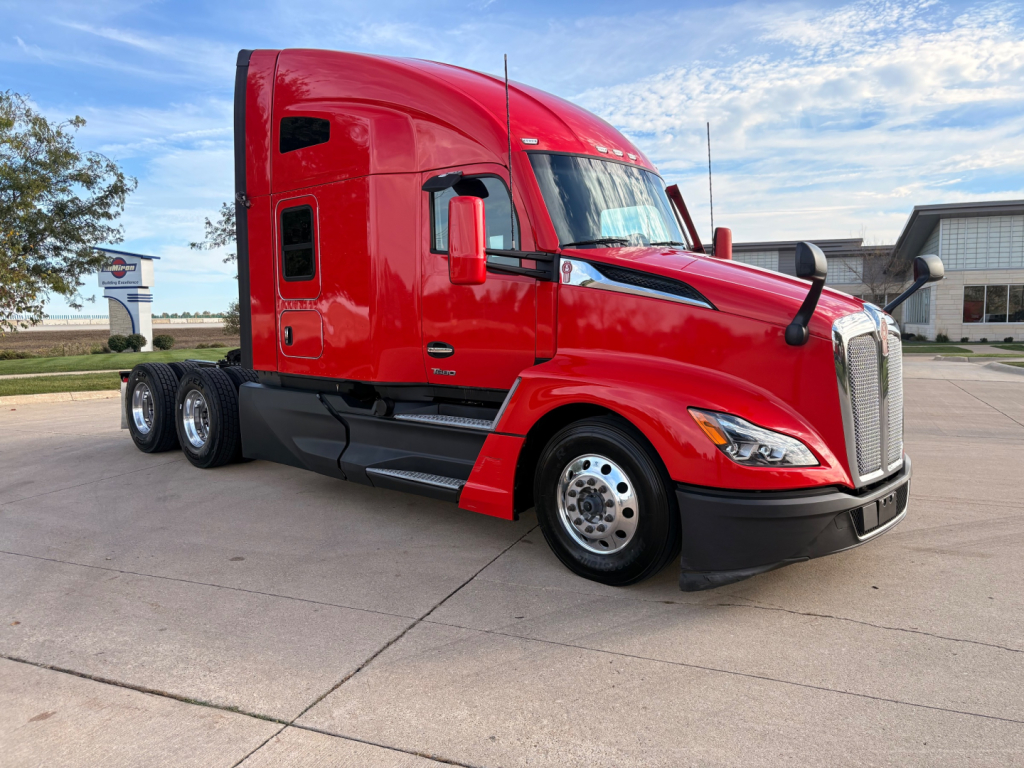
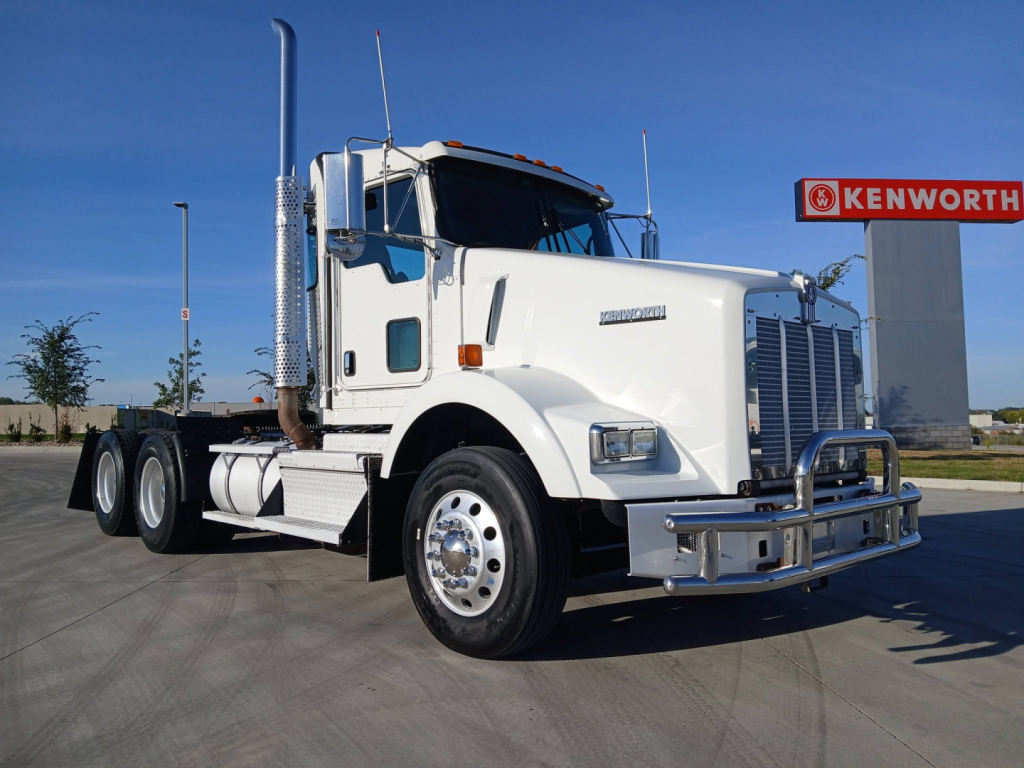
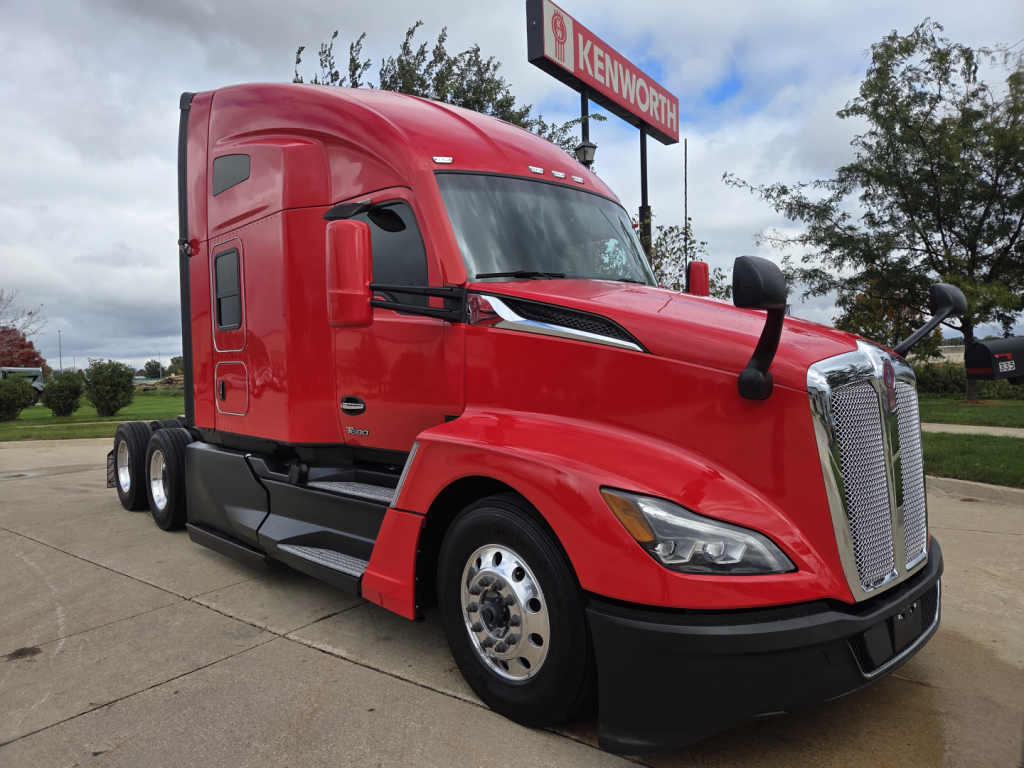
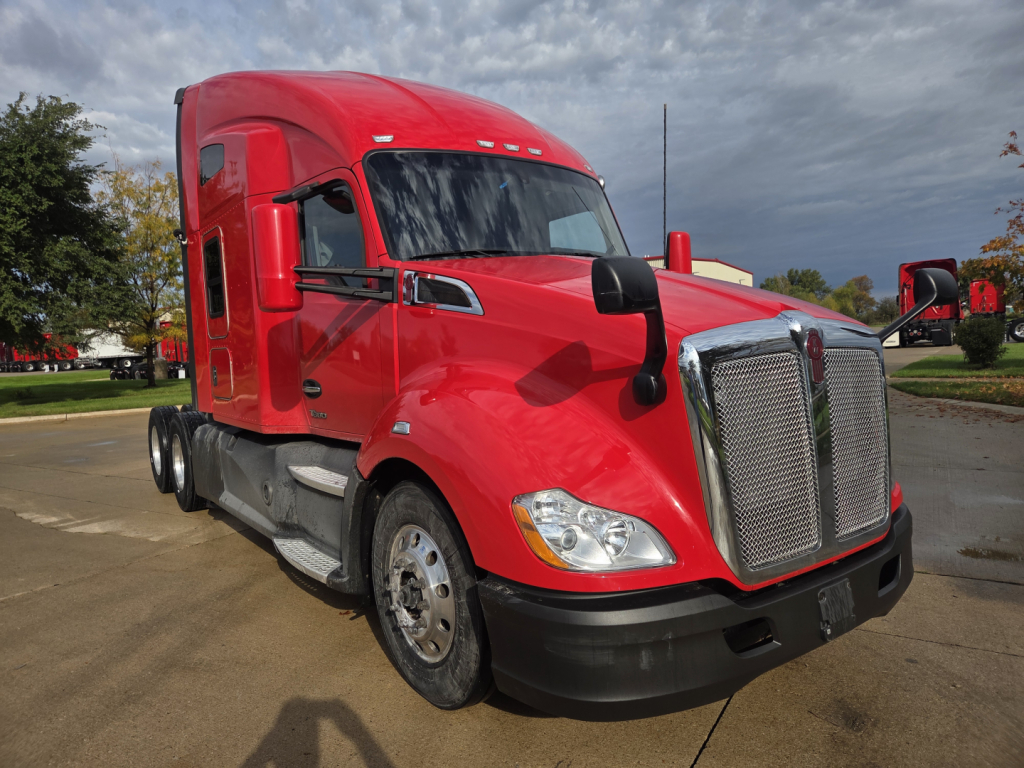
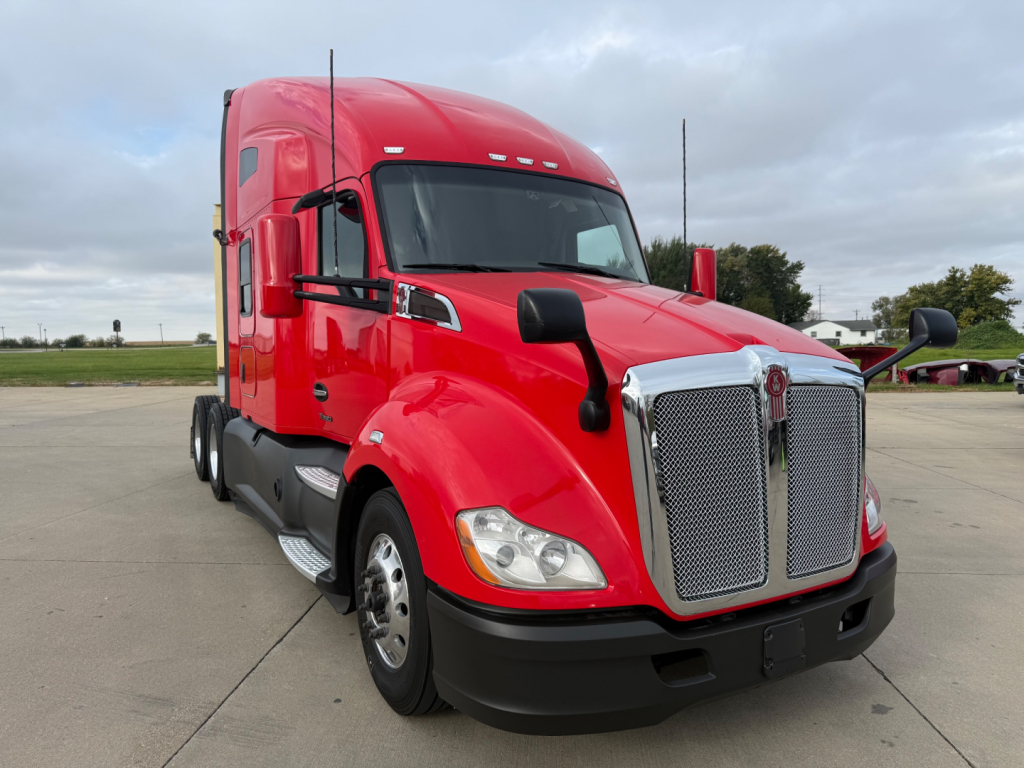
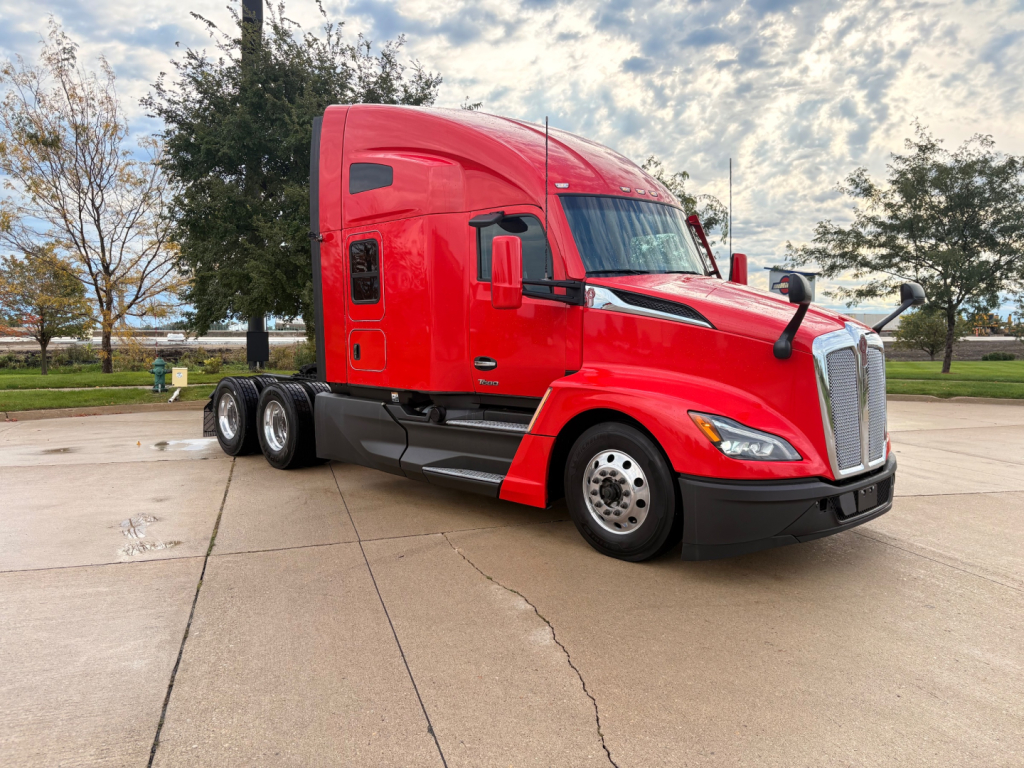
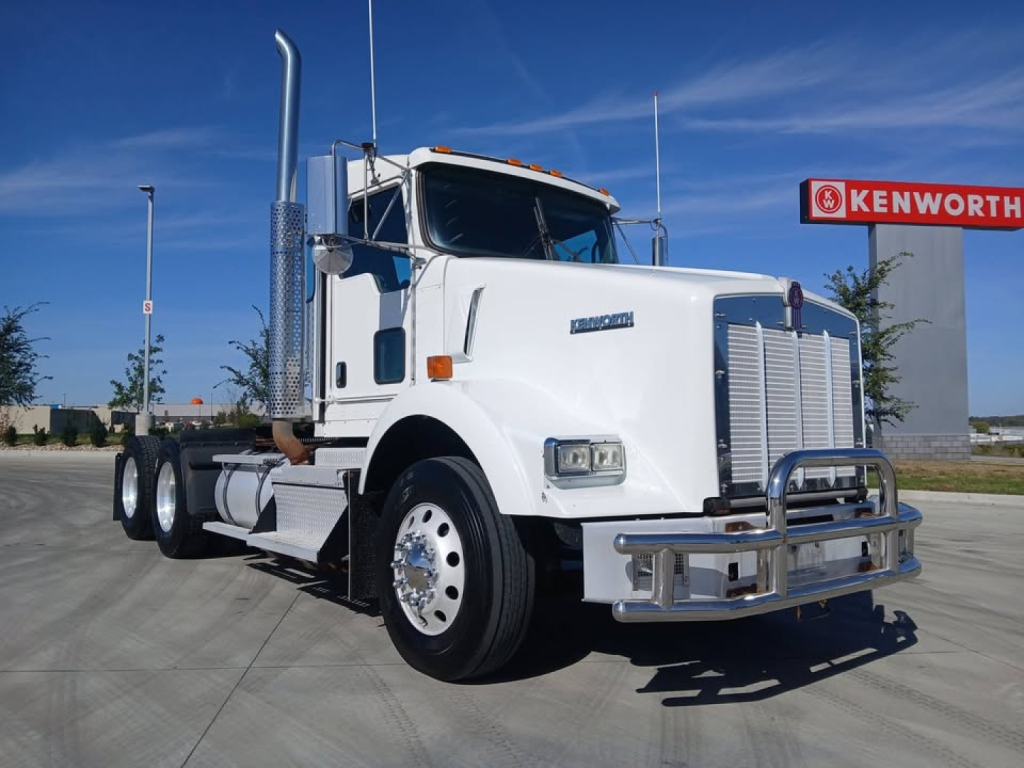
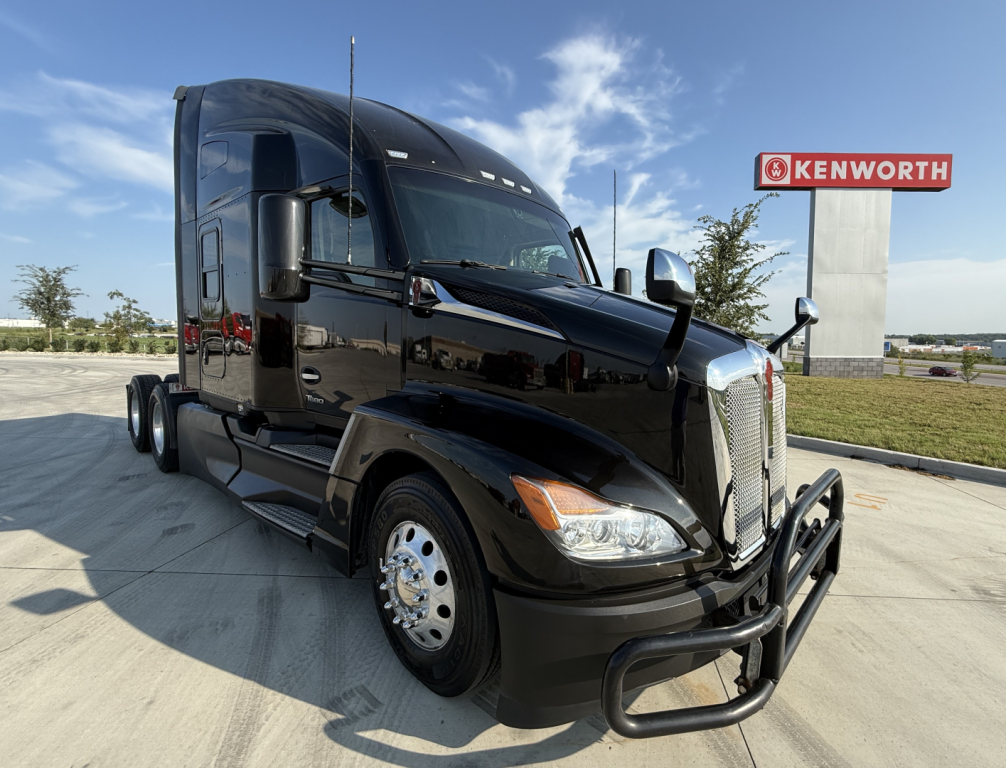
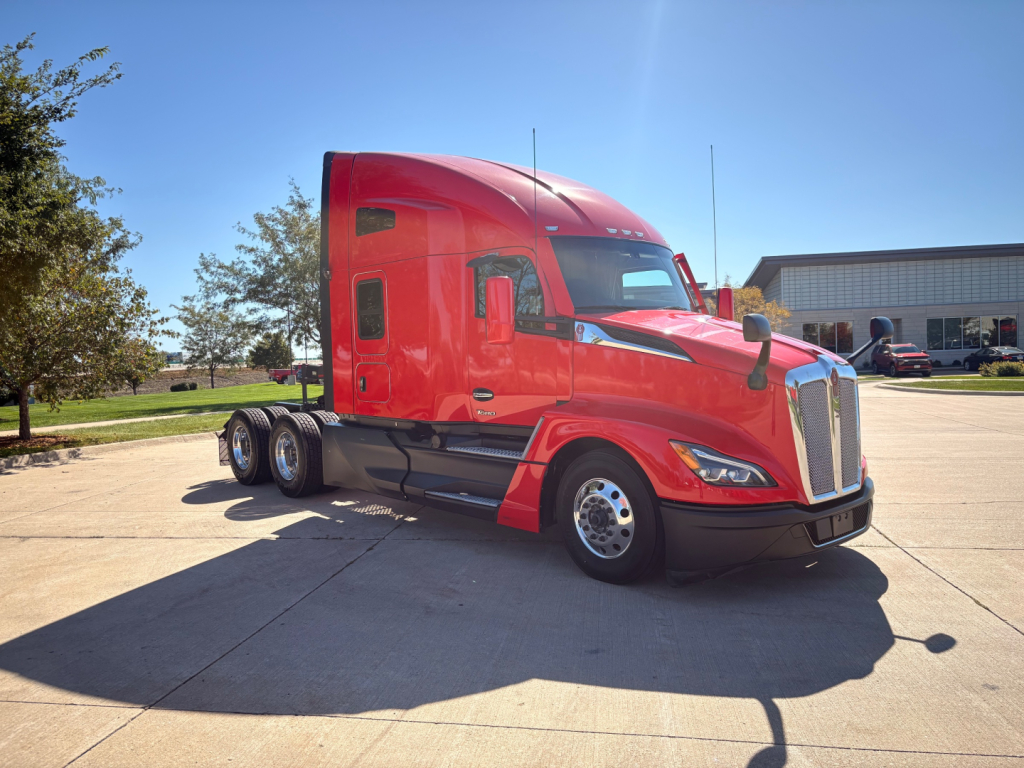
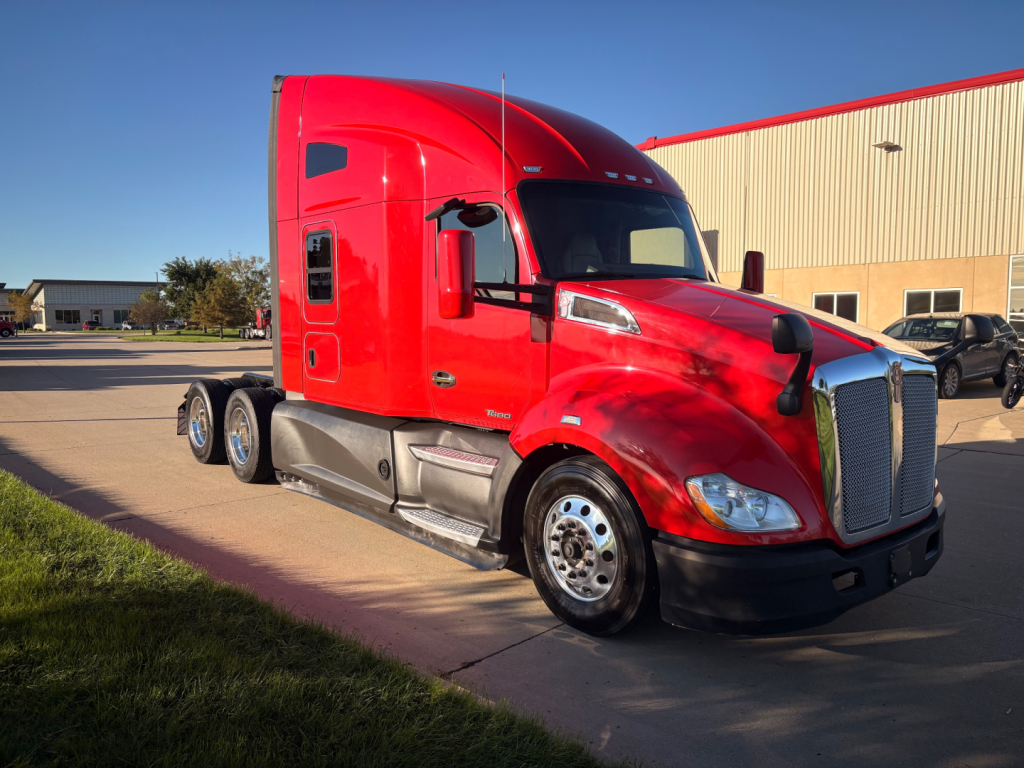
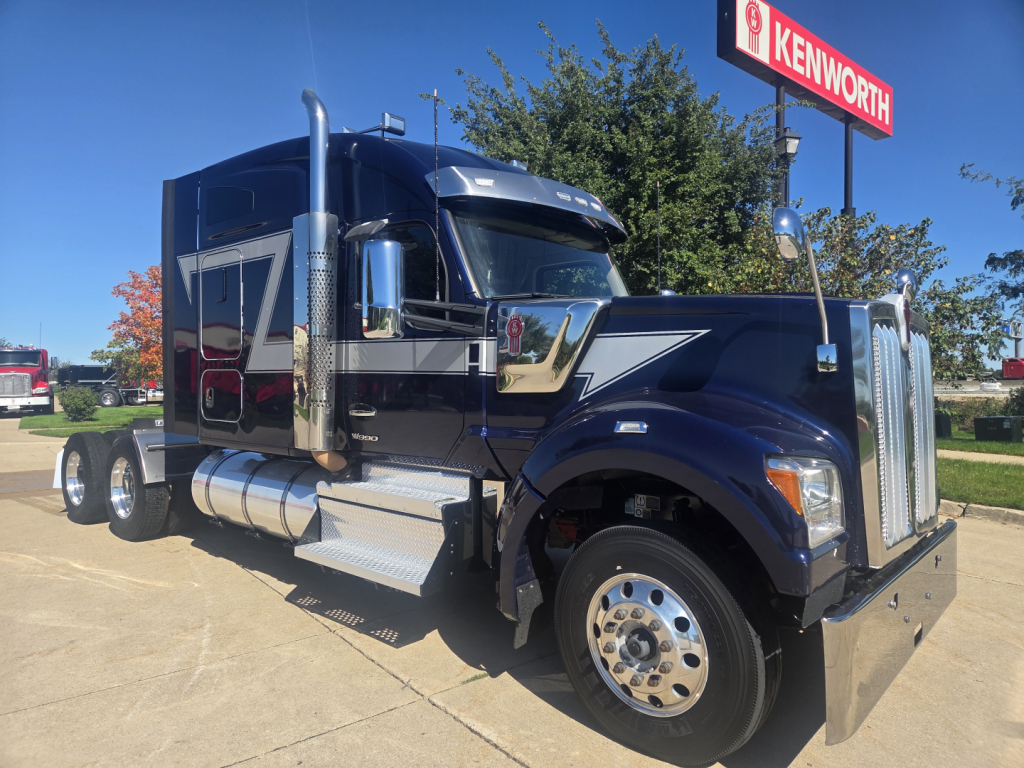
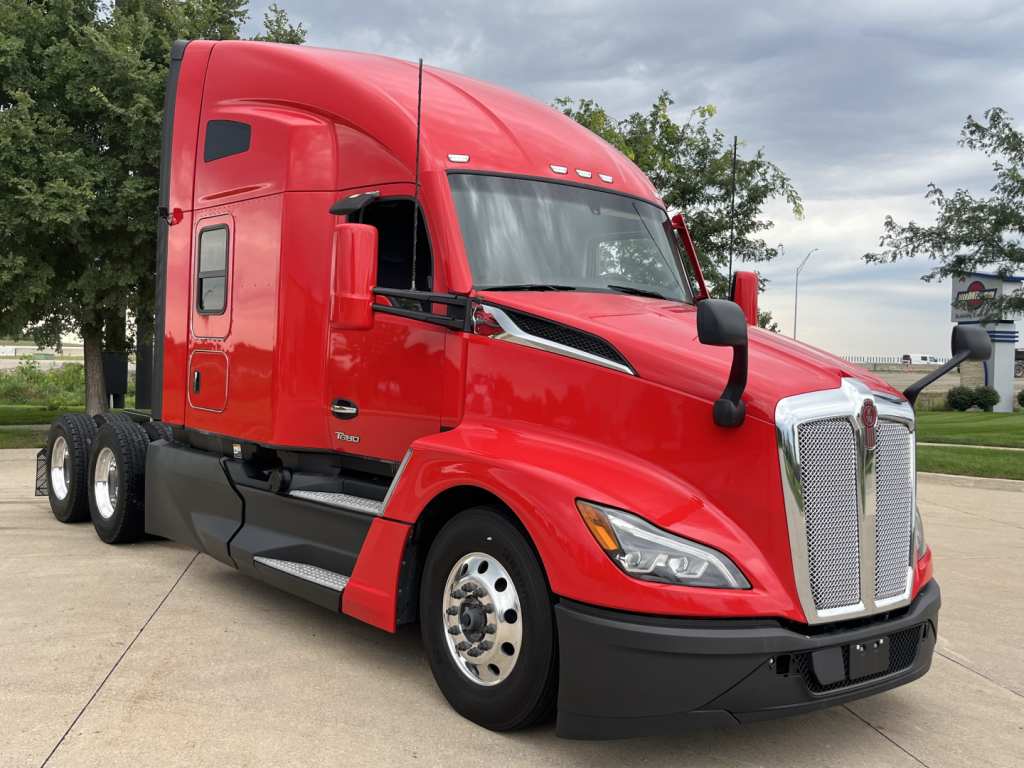
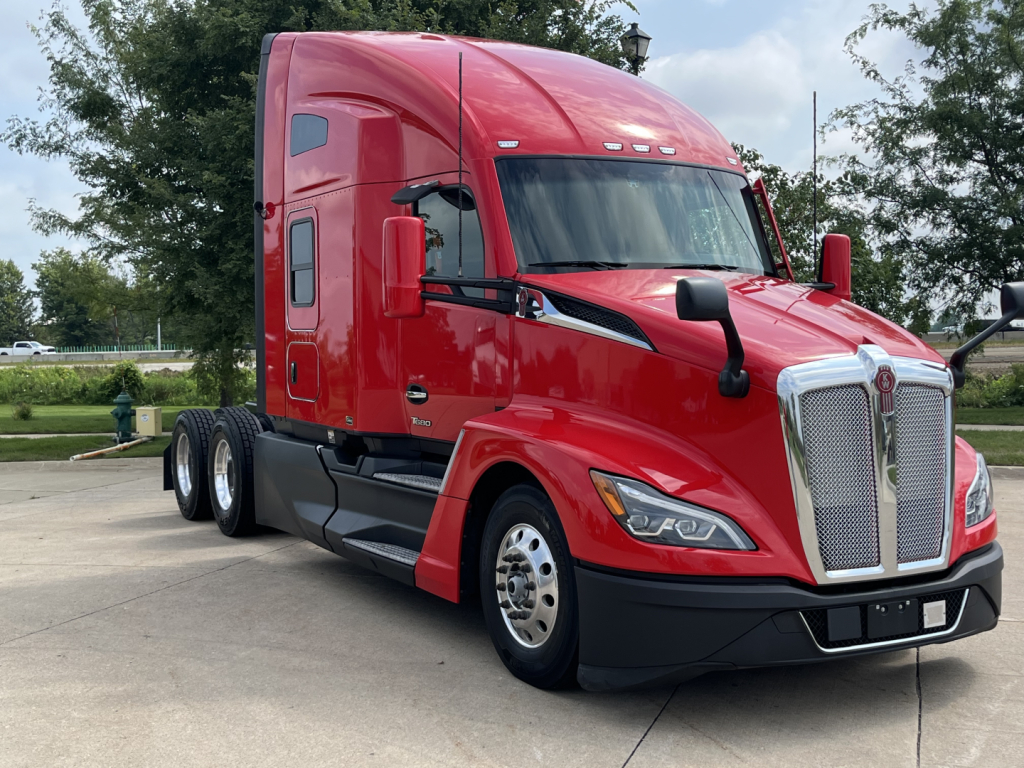
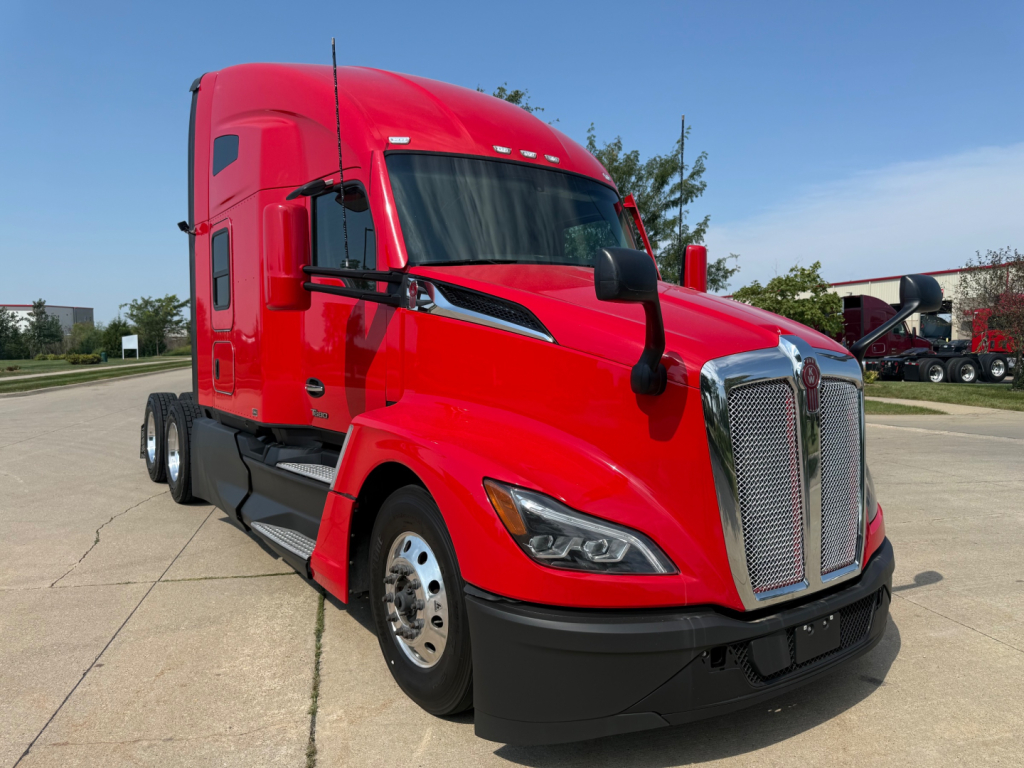
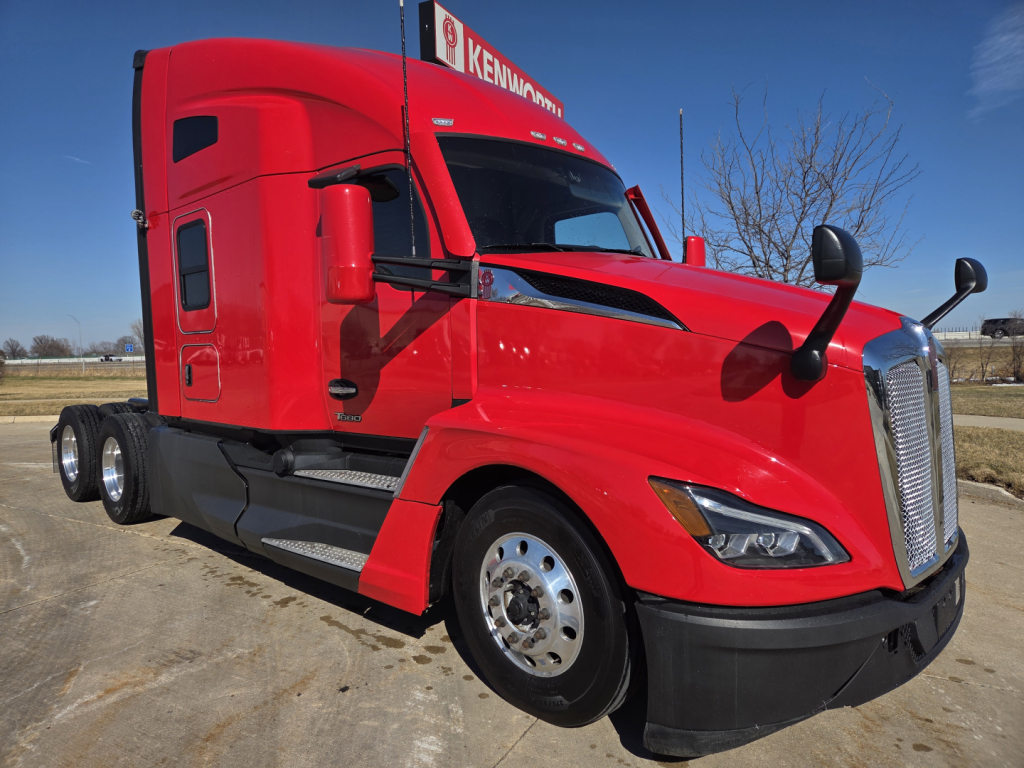
2024 Kenworth W990
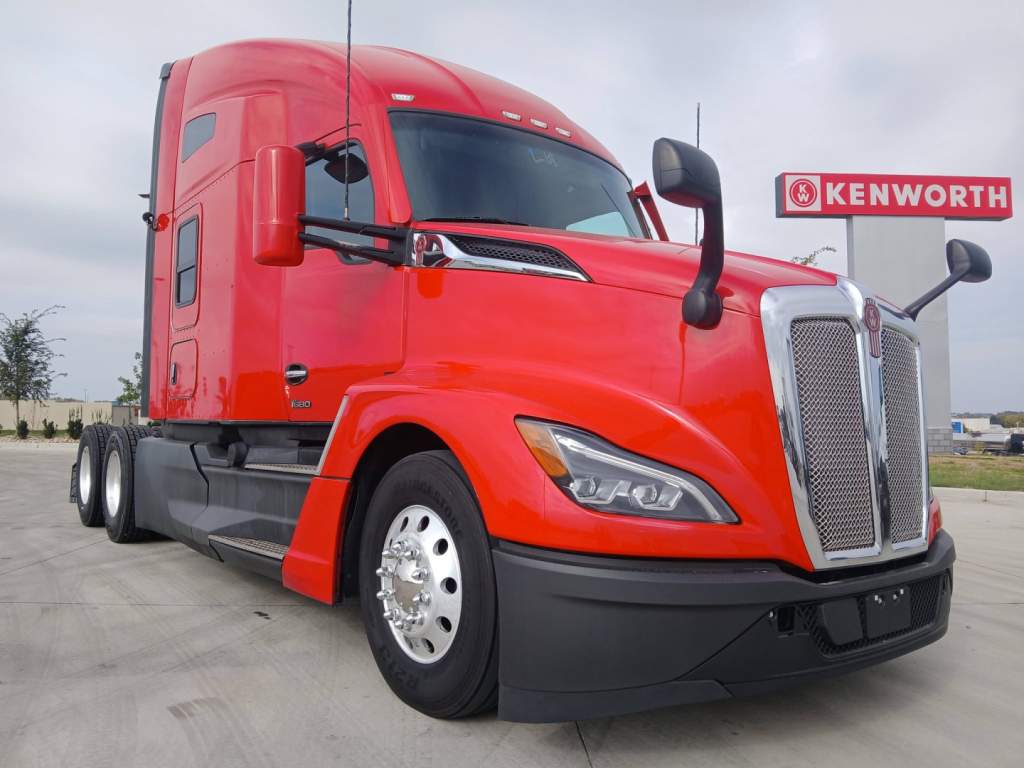
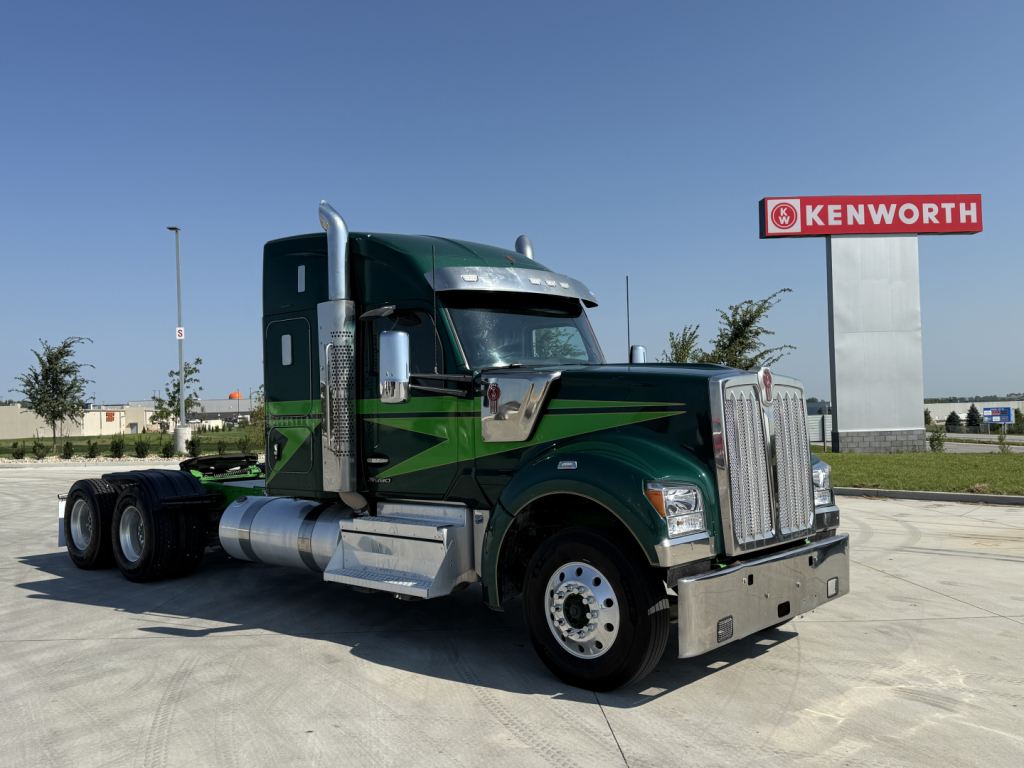
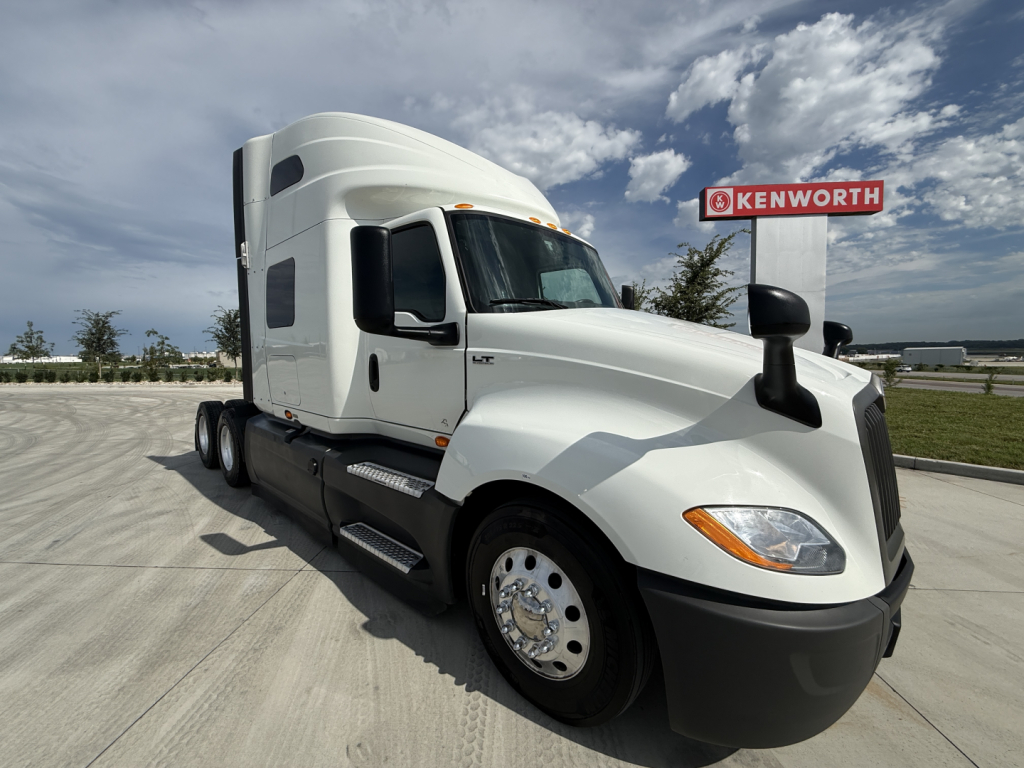
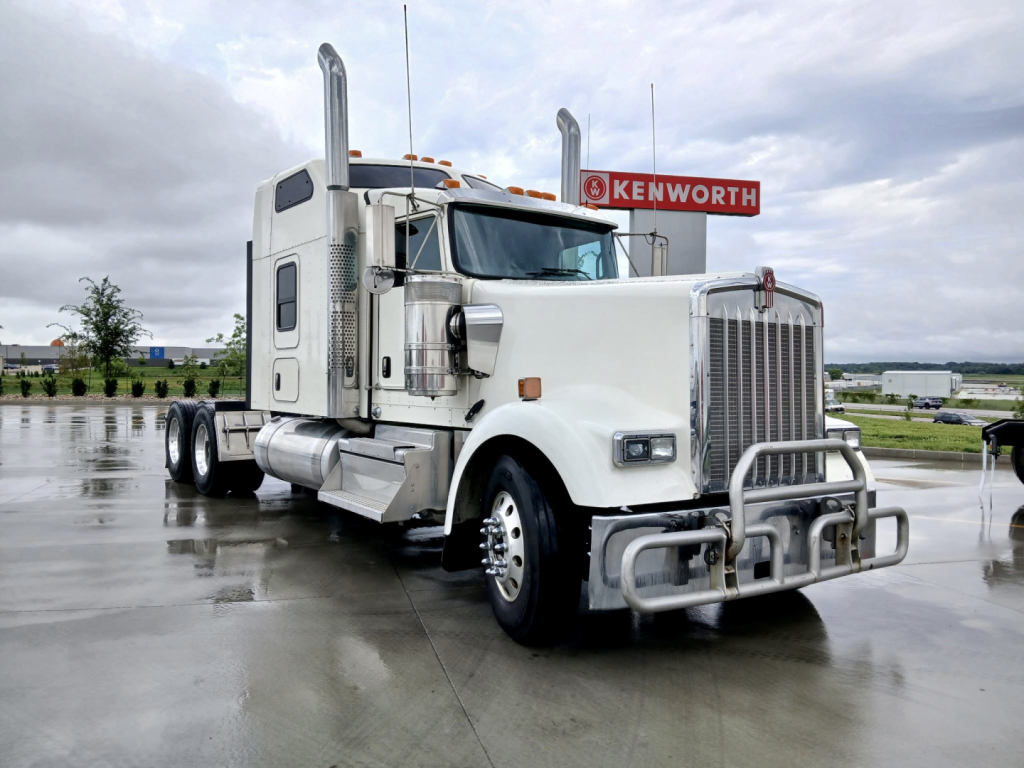
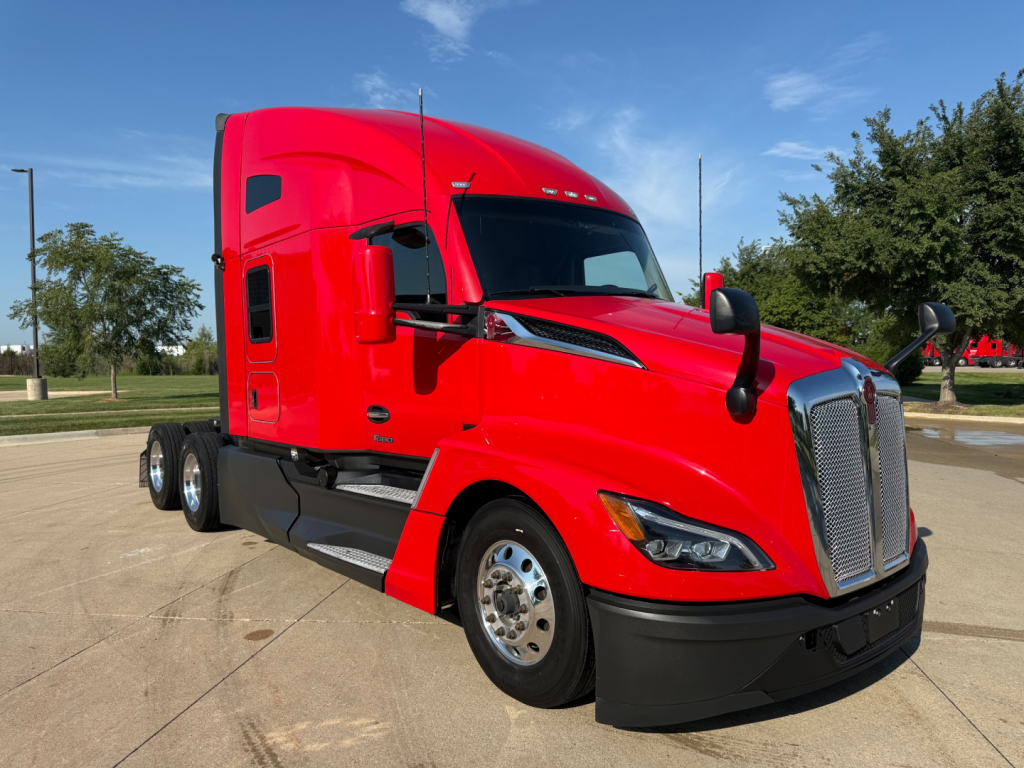
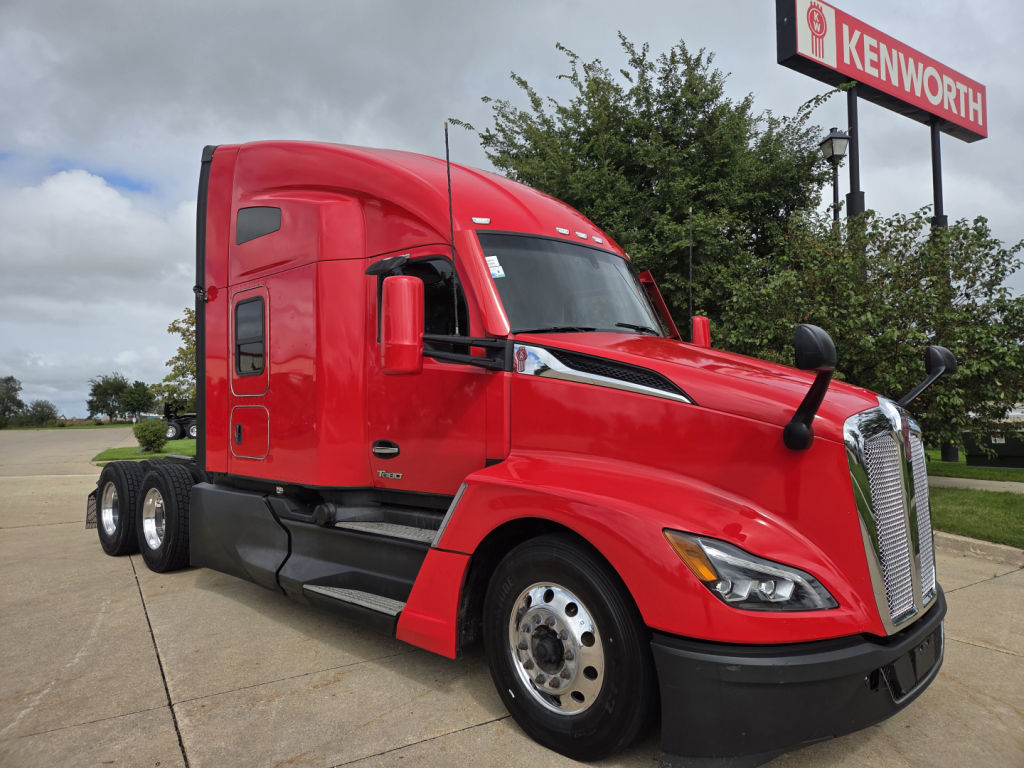
Showing 1 to 28 of 31 results
Selling a used conventional sleeper truck? List your used conventional sleeper truck for sale and reach thousands of commercial buyers.
Used Conventional Sleeper Trucks in Iowa
Late-model conventional sleepers often center around proven platforms like the Freightliner Cascadia, Peterbilt 579, Kenworth T680, Volvo VNL, and International LT. Common engines include the Detroit DD15, Cummins X15, and PACCAR MX-13, typically rated from around 400 to 500 horsepower. Automated manual transmissions dominate the used market because they reduce driver fatigue and help standardize fleet operation, though some older pre-emissions trucks still carry traditional manuals or full automatics. Pay close attention to axle ratio and tire size. A 2.64 or 2.85 ratio usually points to fuel-minded highway service, while ratios in the 3.08 to 3.58 range can better support heavier freight, hill country, or vocational crossover use. Wheelbase, often in the low- to mid-200-inch range on fleet specs, also matters for trailer swing clearance, ride quality, and overall maneuverability.
Sleeper configuration deserves a close look because it affects both resale and day-to-day usability. Single-bunk sleepers are common in fleet trucks assigned to solo over-the-road service, while double-bunk layouts make more sense for team operations or buyers who want extra storage. Features like APUs, inverters, refrigerators, bunk heaters, TV mounts, and shore power can materially reduce idling and improve driver retention. Safety technology is now a major separator in used conventional sleeper trucks. Many newer units include collision mitigation, adaptive cruise control, lane departure warning, and steering wheel controls, and those systems can be valuable for fleets trying to reduce claims exposure and onboard newer drivers.
On a used truck, condition matters as much as spec. Buyers should look closely at emissions history, remaining engine or aftertreatment warranty, DOT inspection status, brake type, tire condition, and maintenance records. Pre-emissions sleepers still attract attention for simpler systems and lower acquisition cost, but they need careful evaluation for age-related wear and parts availability. Newer emissions-equipped trucks can offer better aerodynamics, quieter cabs, and stronger fuel economy, especially on Iowa-to-coast freight lanes. The best used conventional sleeper truck is the one whose bunk, wheelbase, gearing, fuel capacity, and horsepower match the freight you plan to pull rather than just the lowest purchase price.
Frequently Asked Questions about Used Conventional Sleeper Trucks in Iowa
What is a conventional sleeper truck?
A conventional sleeper truck is a highway tractor with a long hood and an integrated rear sleeping compartment behind the cab. It is designed for over-the-road freight where the driver needs rest space, storage, and cab amenities for multi-day trips. Compared with a day cab, a sleeper adds weight and length but greatly improves long-haul practicality and driver comfort.
What axle ratio is best in a used conventional sleeper truck?
The best axle ratio depends on freight weight, terrain, and target road speed. Ratios like 2.64 or 2.85 are common in fuel-efficient fleet highway specs and work well for lighter to average van and reefer lanes. Ratios such as 3.08, 3.25, or 3.58 generally provide better pulling power for heavier loads, more stop-and-go work, or routes with grades, but they can raise engine rpm and fuel burn at cruise speed.
Should I buy a pre-emissions sleeper or a newer emissions truck?
A pre-emissions sleeper can appeal to buyers who want lower upfront cost and less aftertreatment complexity, especially in older owner-operator specs. A newer emissions truck usually offers better aerodynamics, quieter cab design, more safety technology, and improved fuel economy, plus the possibility of remaining warranty coverage. The right choice comes down to your repair tolerance, operating budget, compliance needs, and access to qualified service support.
What sleeper features matter most on a used long-haul truck?
The most important sleeper features are the ones that reduce idle time and improve daily livability. APUs, bunk heaters, inverters, refrigerators, double bunks, and good storage capacity all have real operating value. Buyers should also check sleeper HVAC performance, seal condition, mattress and bunk hardware, and whether factory wiring supports added accessories without aftermarket shortcuts.
What should I inspect first on a used conventional sleeper truck?
Start with engine health, transmission operation, emissions system history, and evidence of consistent preventive maintenance. Then inspect tire wear, brake condition, suspension components, frame integrity, sleeper condition, and any active fault codes. On highway tractors, it is also smart to verify wheelbase, fifth wheel setup, fuel tank capacity, and rear axle ratio so the truck matches your trailers and the lanes you intend to run.