
Used 2019 Conventional Sleeper Trucks For Sale in Iowa
Browse used 2019 conventional sleeper trucks in Iowa. Compare specs, sleeper sizes, powertrains, wheelbase, and aero features for long-haul work.
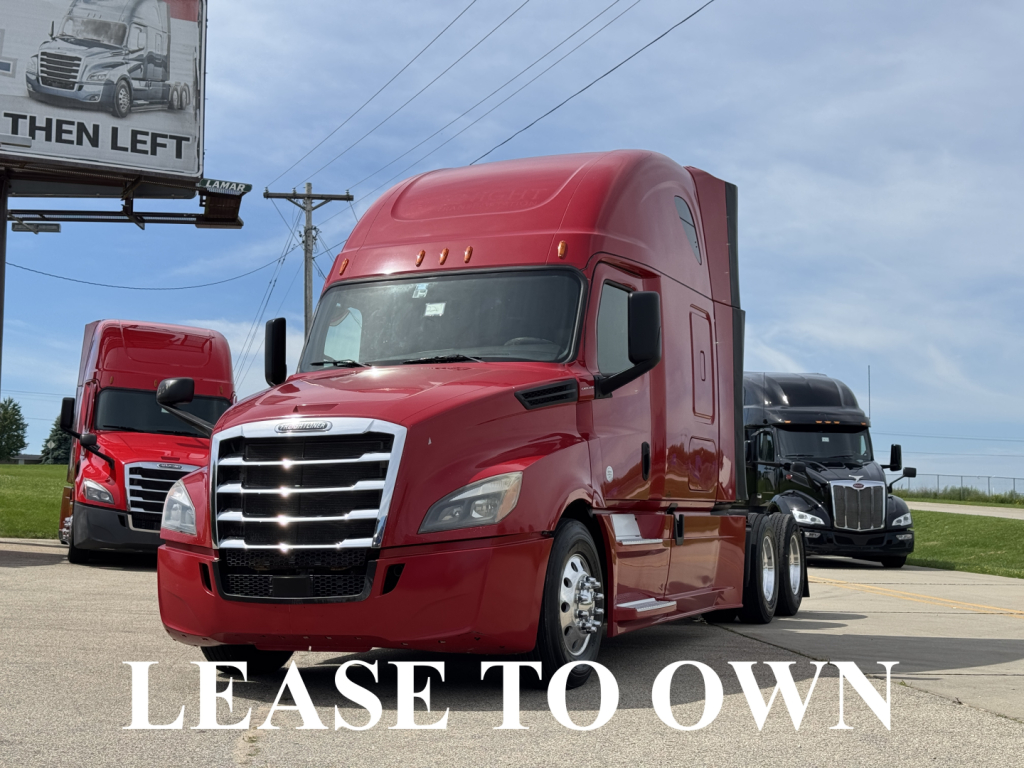
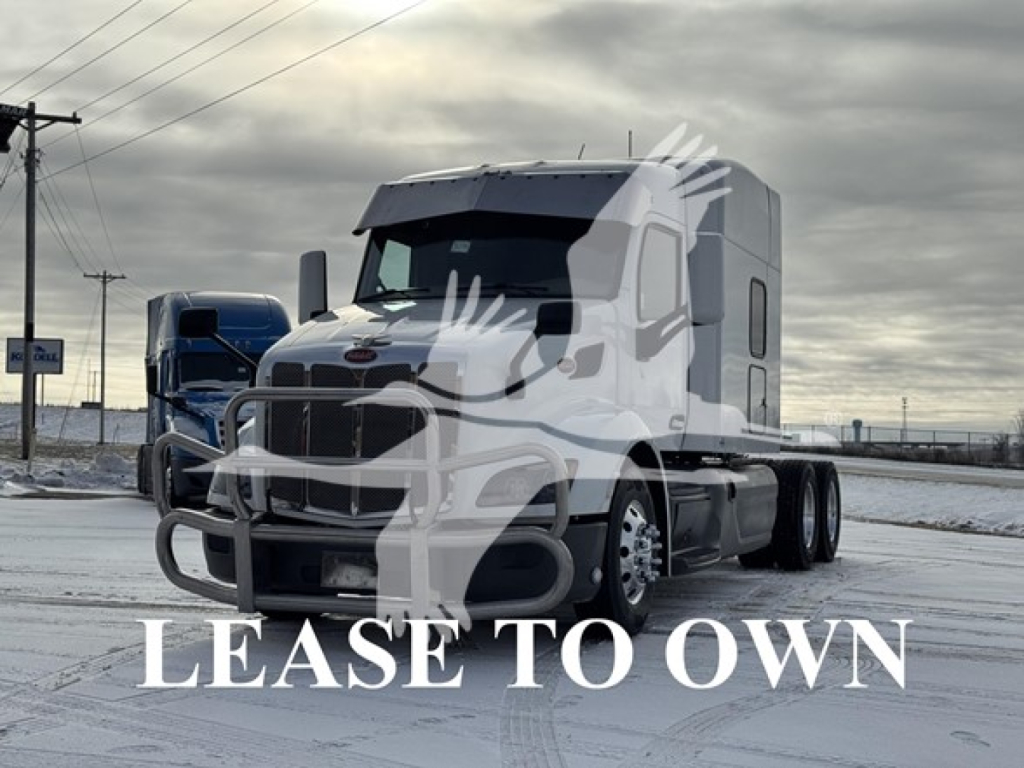
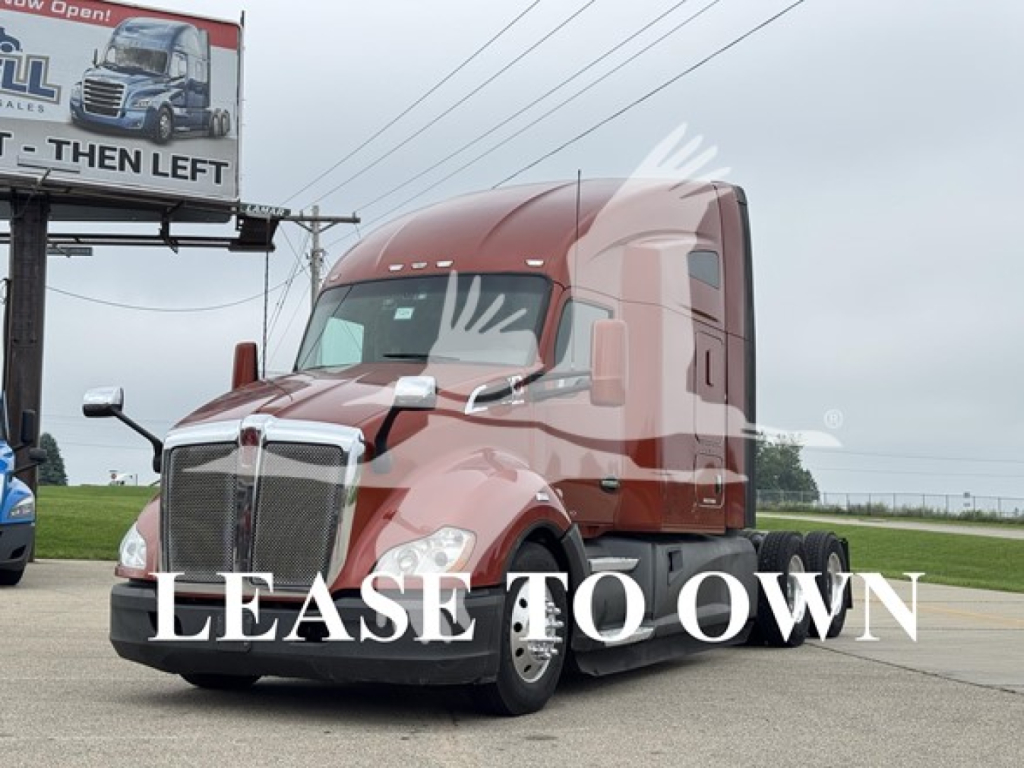
Have used 2019 conventional sleeper truck to sell? List it here to reach thousands of buyers.
Used 2019 Conventional Sleeper Trucks in Iowa
The biggest buying decisions usually come down to powertrain, axle ratio, and sleeper configuration. Many 2019 conventional sleepers were built with 12-speed automated transmissions, 400 to 455 horsepower engines, and tandem drive axles suited for 80,000-pound GCW operation. Common platforms in this class include Freightliner Cascadia, Volvo VNL, Peterbilt 579, Kenworth T680, and International LT. A buyer should look closely at engine make, transmission model, rear ratio, and whether the truck was spec'd for fuel economy or heavier pulling. A 2.16 or 2.64 ratio generally points toward downsped highway use, while a 3.08 ratio can be a better fit for mixed terrain, shorter haul work, or operations that see more stop-and-go and gross weight variation.
Sleeper details matter more than many buyers expect. In a 2019 conventional sleeper, common features include single or double bunks, bunk heaters, inverter prep or factory inverter, refrigerator space, storage cabinets, and steering wheel controls. Driver-assist systems became more common in this era, so collision mitigation, adaptive cruise control, and lane departure warning are worth noting if safety scores and driver retention are priorities. Chassis spec is equally important. Check wheelbase, fifth wheel placement, fuel capacity, front and rear brake type, fairings, and tire condition. For Iowa-based buyers running across the Midwest, cold-weather starting aids, bunk heat, and a clean aftertreatment service history can be especially important.
On a used 2019 sleeper tractor, condition is more than miles on the odometer. Review idle hours, maintenance records, DPF and DEF system history, clutch and transmission calibration records on automated manuals, and signs of uneven tire wear that may point to alignment or suspension issues. A good 2019 conventional sleeper should match the lane, trailer type, and driver schedule it will actually run. Buyers comparing listings should focus on engine rating, sleeper size, safety package, fuel tank setup, and documented maintenance first, then weigh cosmetic condition and cab amenities after the core spec checks out.
Frequently Asked Questions about Used 2019 Conventional Sleeper Trucks in Iowa
What is a 2019 conventional sleeper truck best suited for?
A used 2019 conventional sleeper truck is typically best suited for over-the-road freight, regional haul, dedicated lanes, and other operations where drivers spend nights in the truck. The sleeper adds rest space, storage, and comfort features that make it more practical than a day cab for multi-day routes. In most cases, this category is built for standard highway semitrailer work with tandem axles, aerodynamic fairings, and powertrain specs aimed at balancing fuel economy with legal gross weight performance.
What engine and transmission specs are common in 2019 conventional sleepers?
Many 2019 conventional sleeper trucks were spec'd with 11- to 15-liter diesel engines in the 400 to 455 horsepower range, paired with 12-speed automated manual transmissions. Popular combinations include Detroit, Cummins, Volvo, and PACCAR engines matched to DT12, I-Shift, Endurant, or similar automated transmissions. Rear axle ratios often range from fuel-focused downsped setups to more versatile 3.08-type ratios, so buyers should match the gearing to terrain, freight weight, and average road speed.
What should I inspect first on a used 2019 sleeper tractor?
Start with maintenance history, engine hours, idle hours, and emissions-related service records. On a 2019 truck, the aftertreatment system, DEF components, DPF cleaning intervals, and any fault history deserve close attention. Then review tire wear, alignment, suspension condition, brake life, and signs of driveline vibration or transmission shift issues. If the truck has an automated manual transmission, calibration history and clutch condition can tell you a lot about how it was operated.
Are 2019 conventional sleeper trucks likely to have driver-assist safety features?
Yes, many 2019 conventional sleepers were available with modern safety systems that had become common in fleet highway specs. Collision mitigation, lane departure warning, adaptive cruise control, and electronic stability features are frequently seen in this model year, especially on aerodynamic fleet tractors. These features can improve driver confidence, reduce incident exposure, and support fleets that prioritize insurance, safety scoring, and driver recruitment.
Why do sleeper features matter when comparing similar 2019 trucks?
Sleeper features directly affect driver comfort, idle reduction, and long-haul usability. A truck with a double bunk, bunk heater, inverter, refrigerator, and better storage may be more productive and easier to assign on extended routes than a basic sleeper with limited amenities. For upper Midwest operation, cold-weather features and reliable cab climate systems can be especially important. When two trucks have similar miles and horsepower, the sleeper configuration can be a deciding factor for retention and day-to-day practicality.