
Used 2019 Conventional Sleeper Trucks For Sale
Shop used 2019 conventional sleeper trucks with common specs, cab options, engine choices, fuel economy features, and long-haul buyer tips.
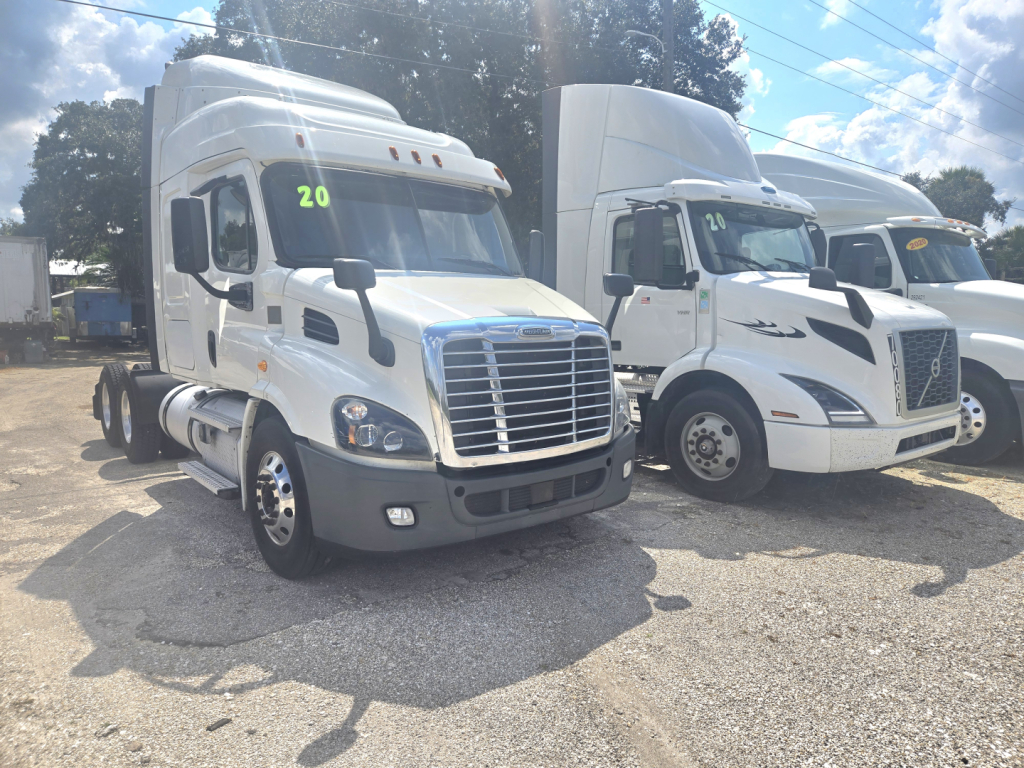
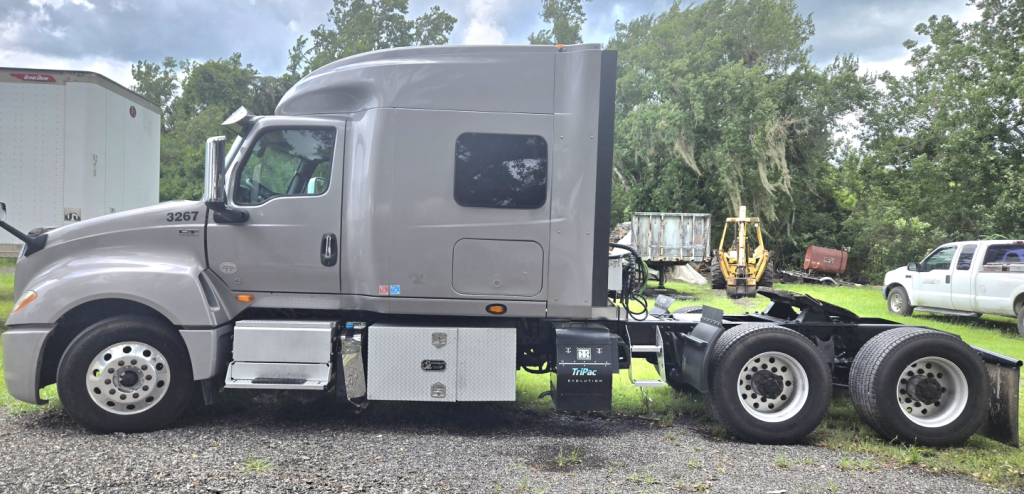
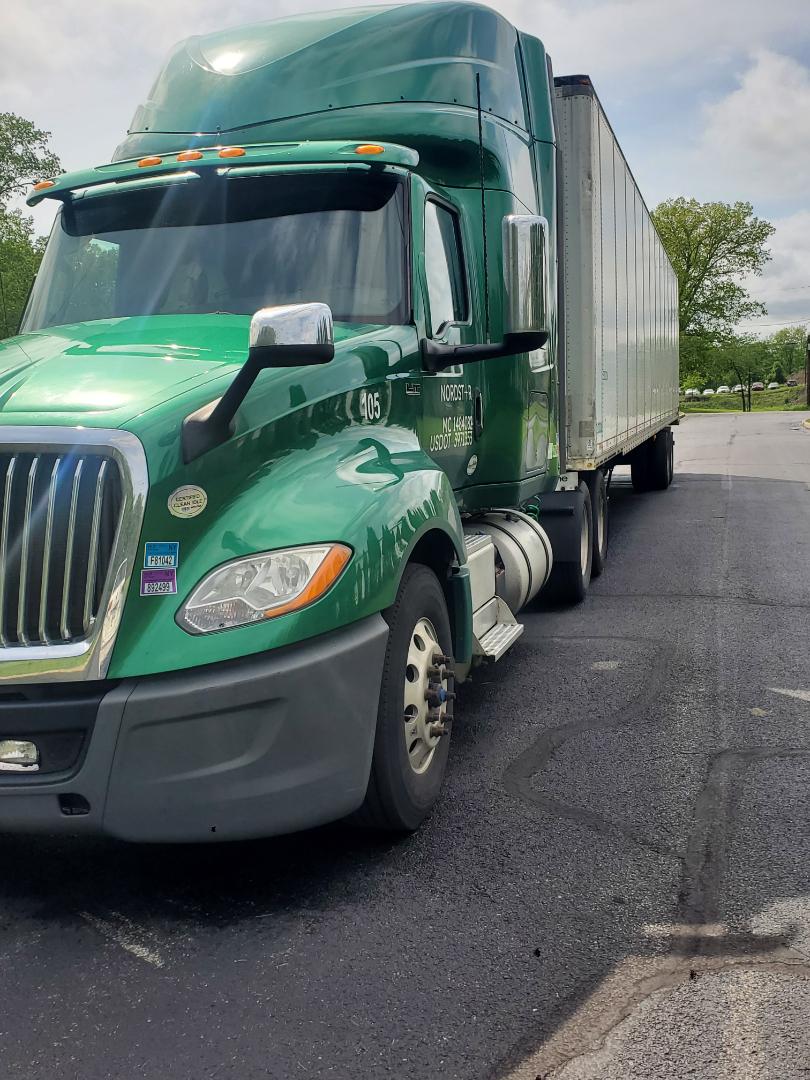
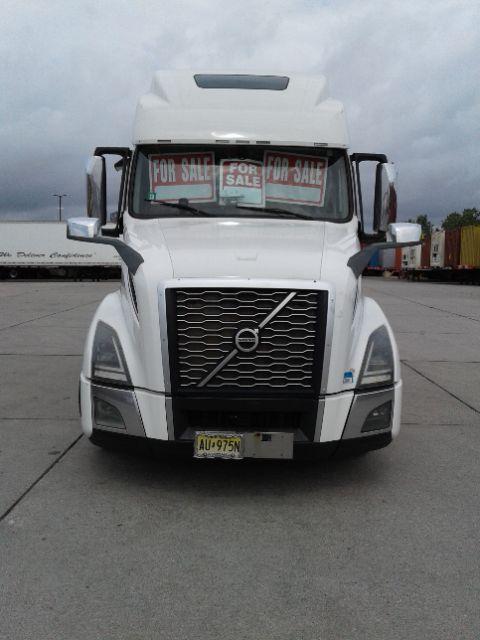
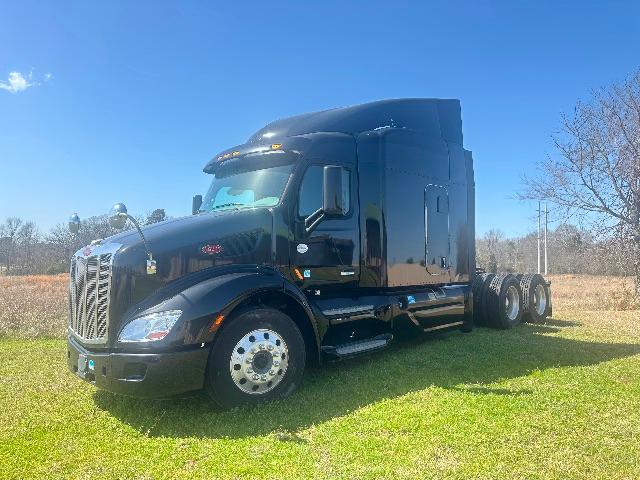
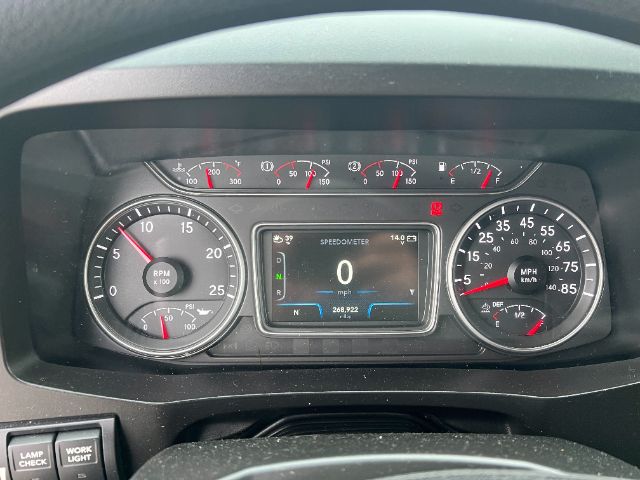
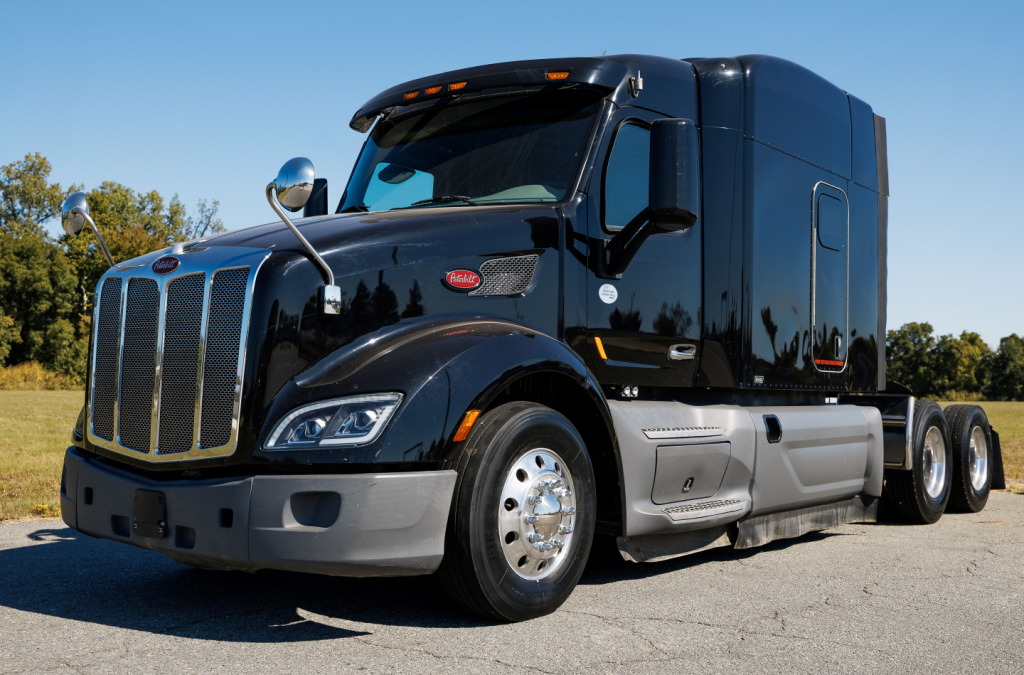
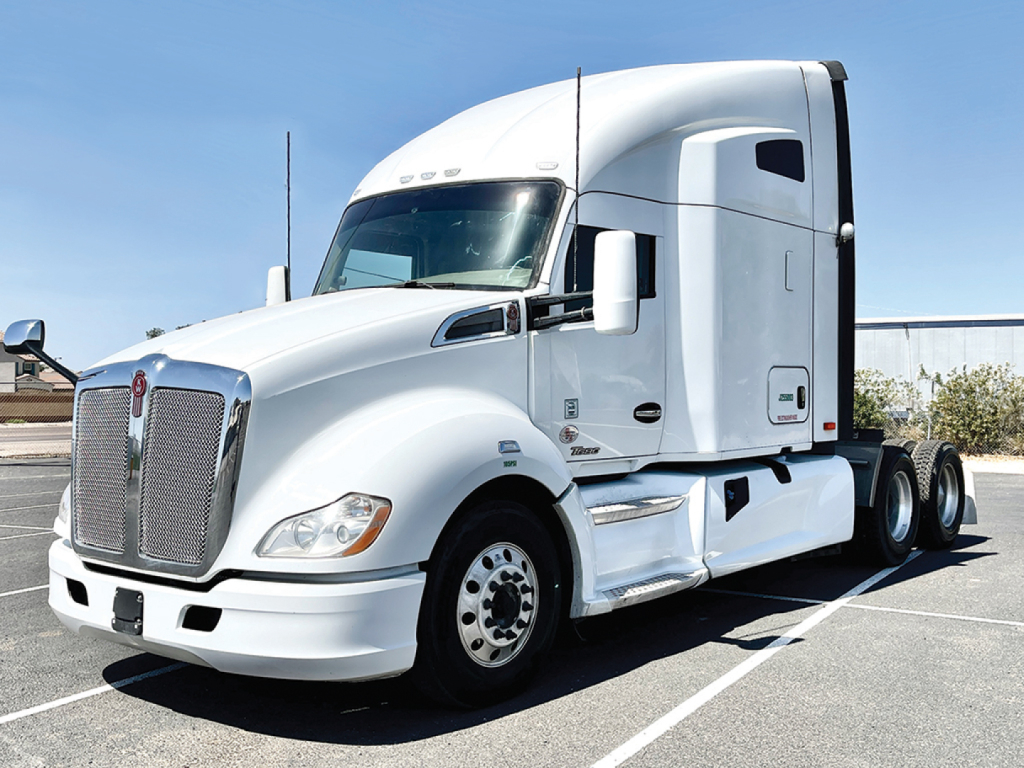
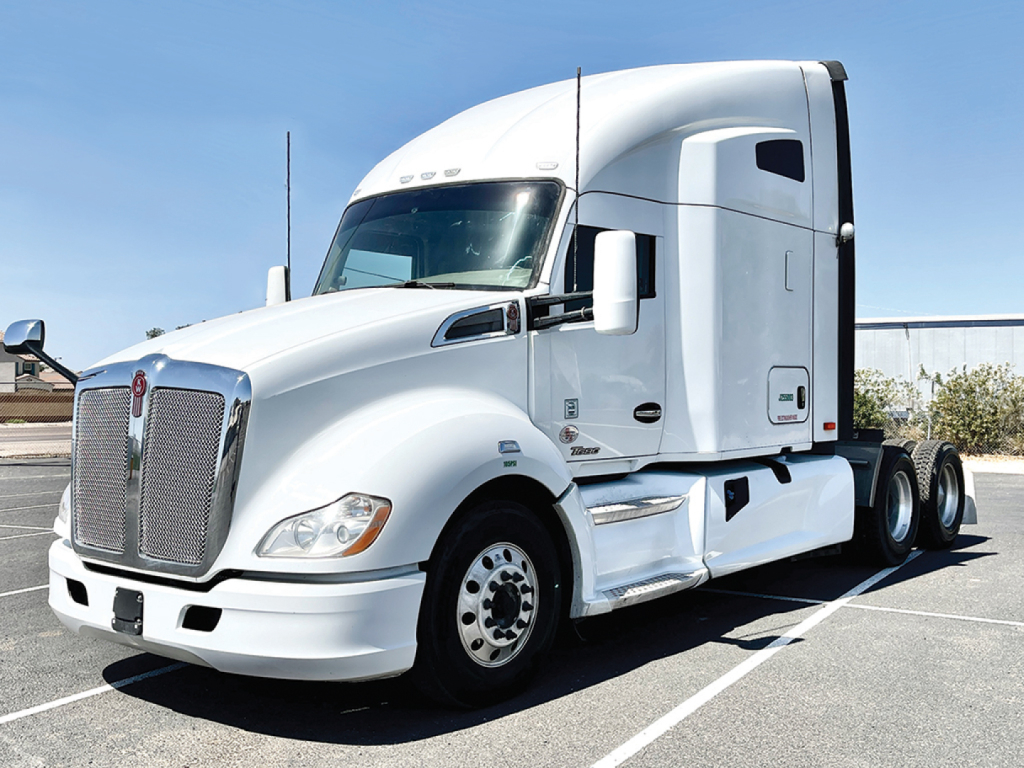
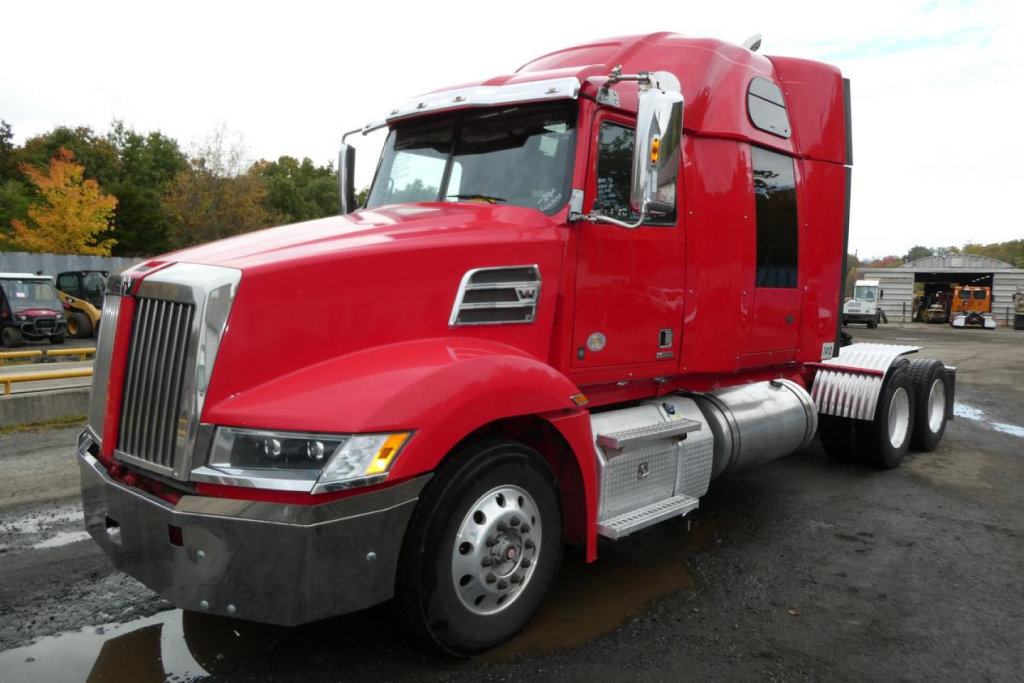
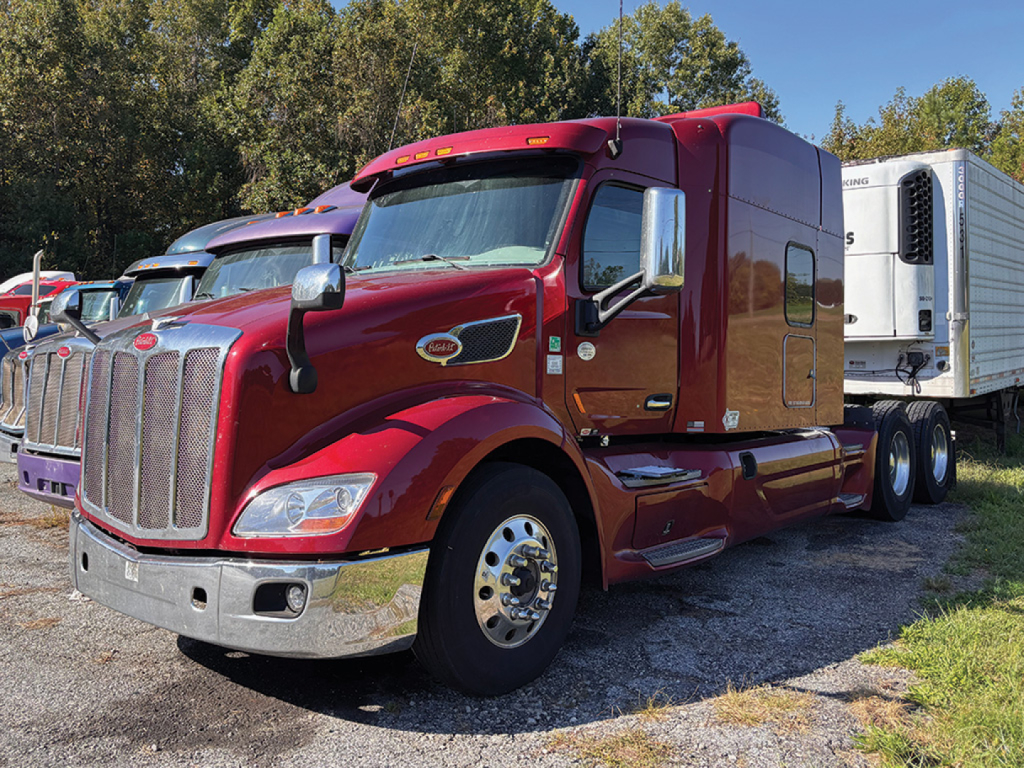
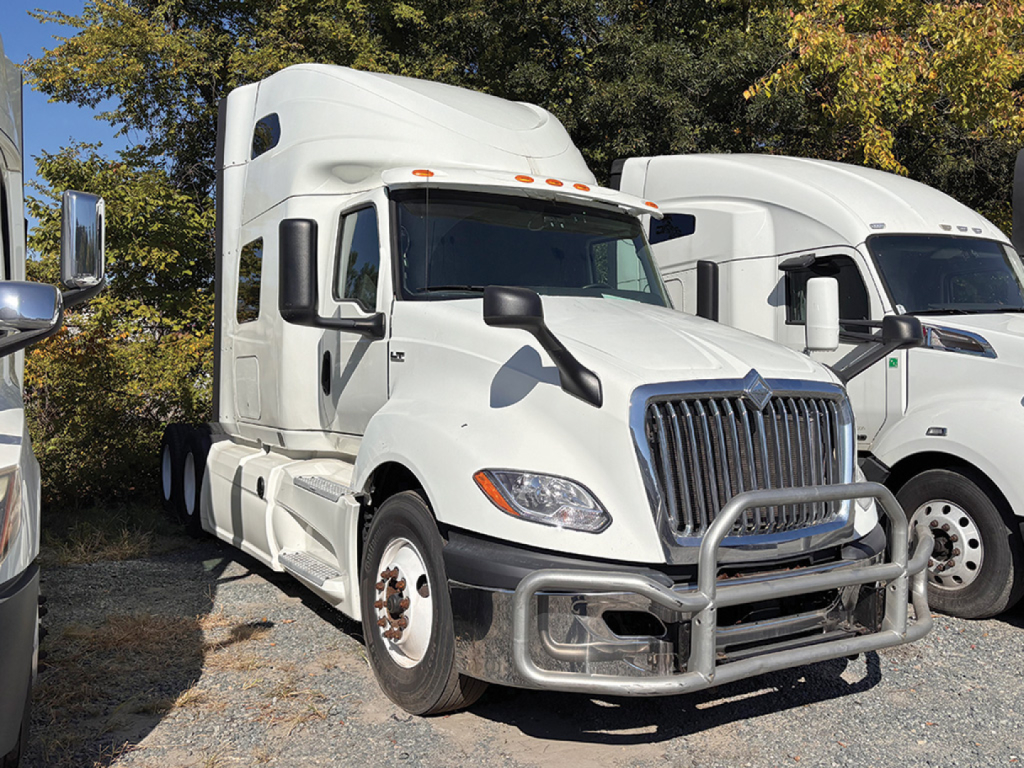
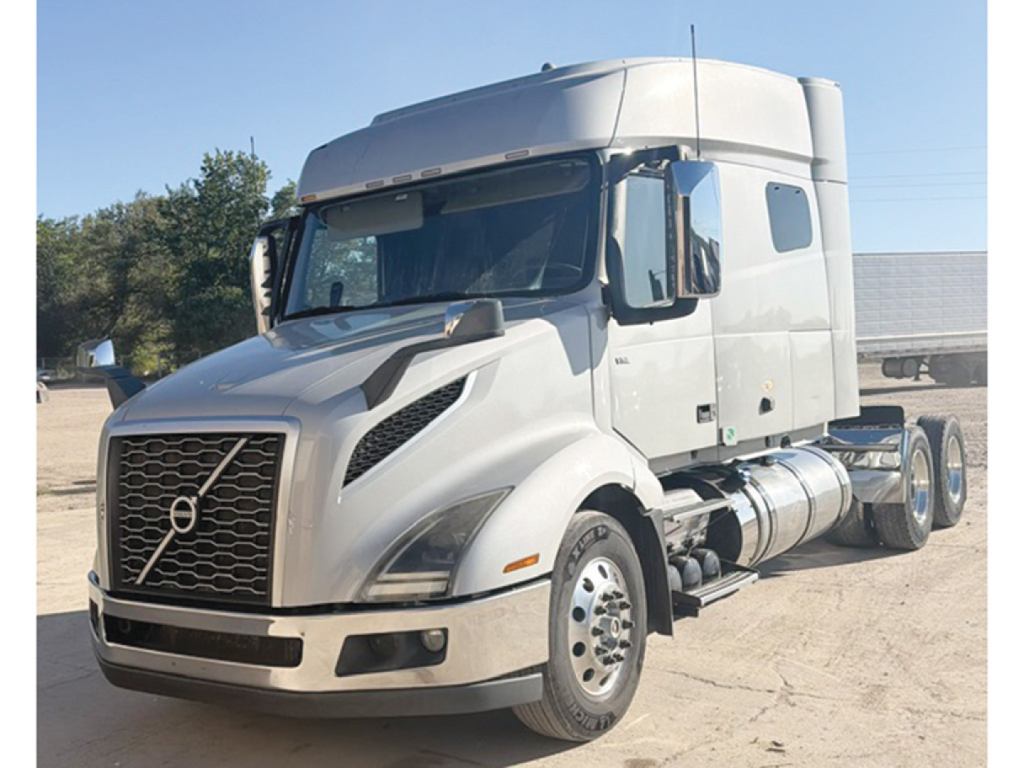
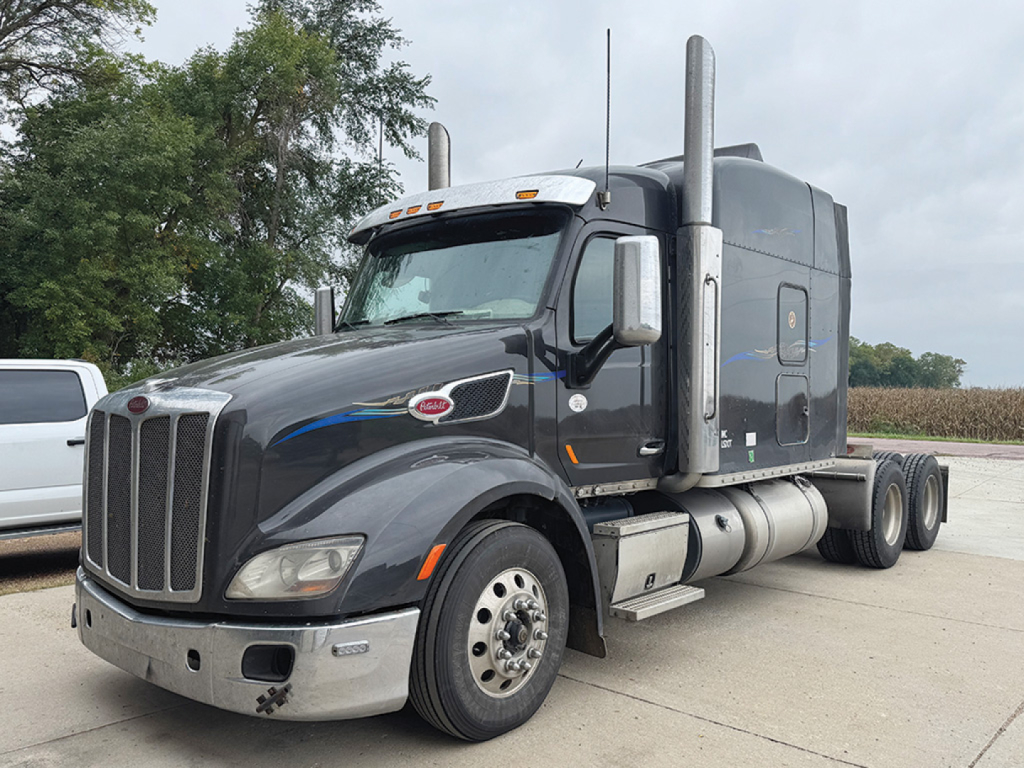
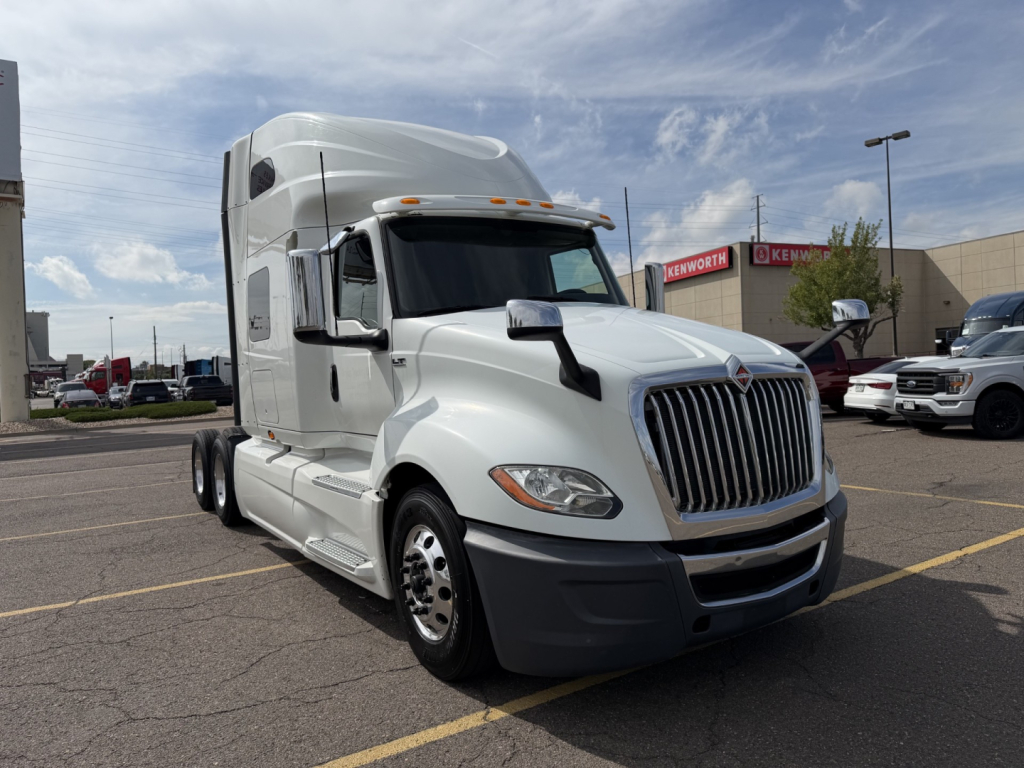
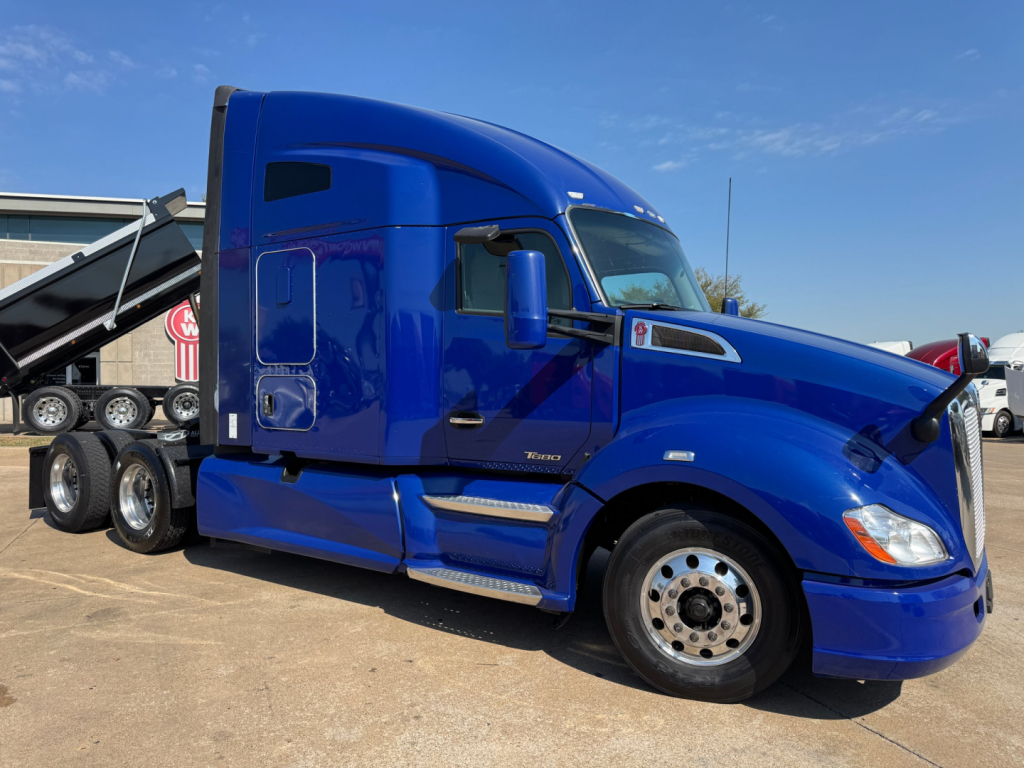
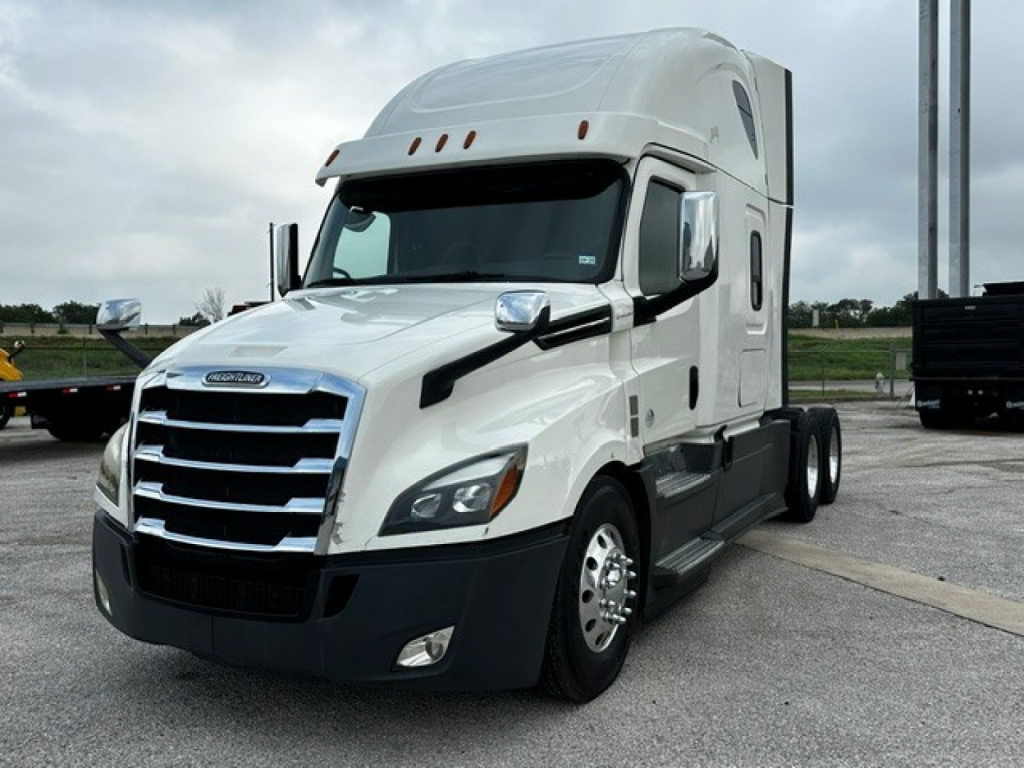
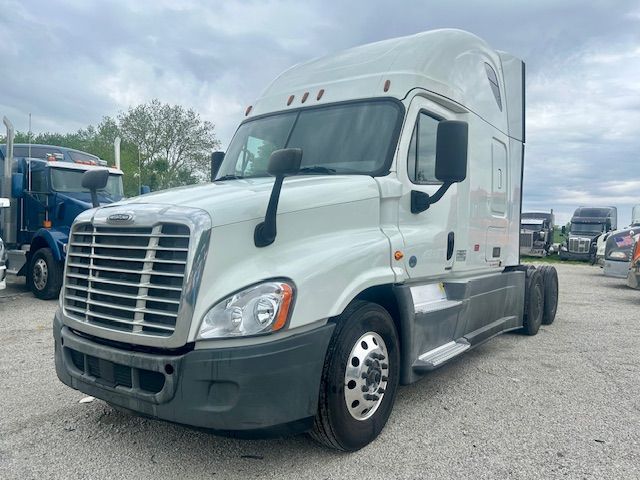
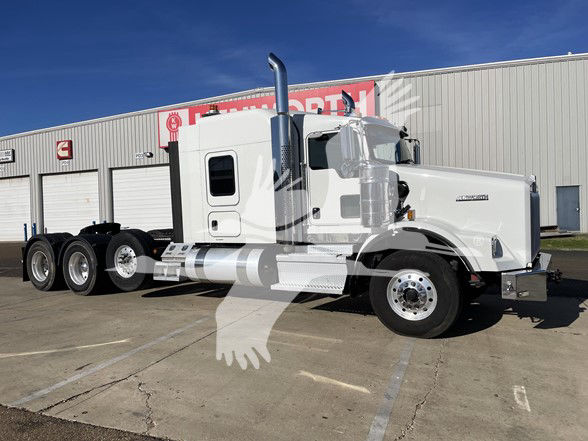
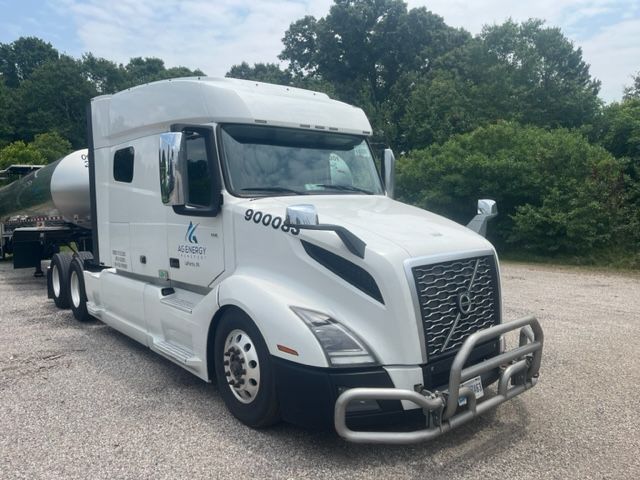

Showing 1 to 28 of 35 results
Selling a used 2019 conventional sleeper truck? List your used 2019 conventional sleeper truck for sale and reach thousands of commercial buyers.
Used 2019 Conventional Sleeper Trucks
Frequently Asked Questions about Used 2019 Conventional Sleeper Trucks
What engines and transmissions are common in used 2019 conventional sleeper trucks?
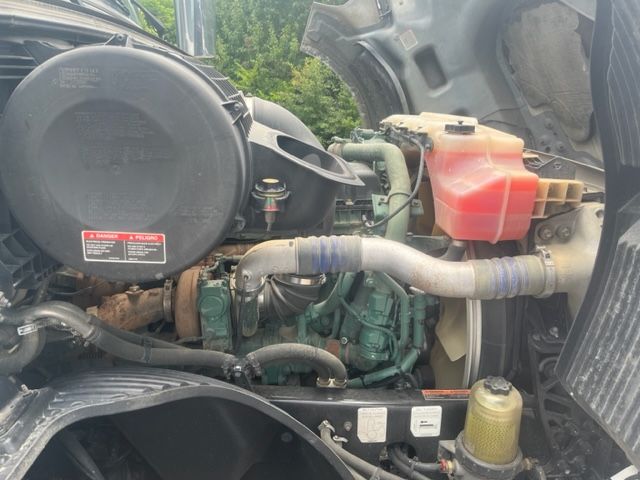
Most 2019 conventional sleepers are equipped with 12.8L to 15L diesel engines such as the Detroit DD15, Cummins X15, PACCAR MX-13, or Volvo D13. Horsepower commonly falls between 400 and 505 hp, with torque ratings matched to highway gearing and GCWR targets. Automated manual transmissions are dominant in this year range, including DT12, Endurant, I-Shift, and PACCAR automated gearboxes, though some trucks still carry manual transmissions in specialized or owner-operator specs.
What sleeper size should a buyer look for in a 2019 highway tractor?
Sleeper size depends on lane, trip length, and whether the truck runs solo or team. Mid-roof and 60-inch class sleepers work well for regional and shorter over-the-road runs where reduced weight and better maneuverability matter. Larger 70-inch to 80-inch raised-roof sleepers offer more storage, dual bunks, stand-up room, and space for amenities like a refrigerator, inverter, bunk heater, or idle reduction system. For teams or extended weeks out, the larger sleeper generally supports better driver retention and livability.
What rear axle ratio is best for a used 2019 conventional sleeper?
A buyer should match rear axle ratio to cruise speed, terrain, transmission calibration, and freight weight. Ratios in the 2.47 to 2.79 range are common in fuel-economy highway specs and work well for dry van and reefer operations on flatter lanes. Ratios around 3.08 to 3.36 can make more sense for heavier loads, mixed terrain, or buyers who prioritize gradeability over maximum fuel mileage. The ratio matters most when viewed alongside engine torque curve, direct or overdrive transmission setup, and tire size.
What should be inspected first on a used 2019 conventional sleeper truck?
The first checks should be engine history, aftertreatment condition, transmission performance, and chassis wear. On a 2019 truck, review fault codes, ECM data, idle hours, and service records for the DPF, DOC, and SCR system because emissions repairs can quickly change the true cost of ownership. Buyers should also inspect bunk HVAC, APU or idle reduction equipment, air ride suspension, fifth wheel movement, tires, brakes, and any signs of uneven wear that suggest alignment or suspension issues. A full oil sample, blow-by check, and electronic diagnostic scan are standard due diligence in this category.
Are used 2019 conventional sleeper trucks good for owner-operators?
Yes, many 2019 conventional sleepers are strong owner-operator candidates because they typically offer a modern cab, aerodynamic package, and driver-friendly technology without the acquisition cost of late-model trucks. They are old enough to present a wider range of pricing and specs, but still new enough to have many comfort and safety features buyers expect, such as collision mitigation, adaptive cruise, disc brakes, and efficient AMTs on some units. The key is buying on maintenance history and total operating spec, not just brand, mileage, or appearance.