
Used 2019 International Conventional Sleeper Trucks For Sale
Browse used 2019 International conventional sleeper trucks, including LT-series specs, sleeper sizes, powertrain options, and fleet-ready features.
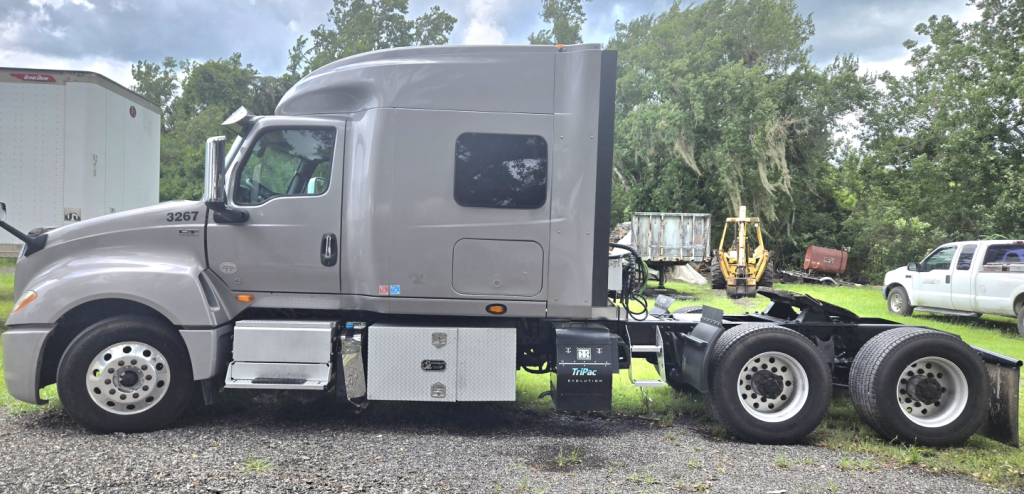
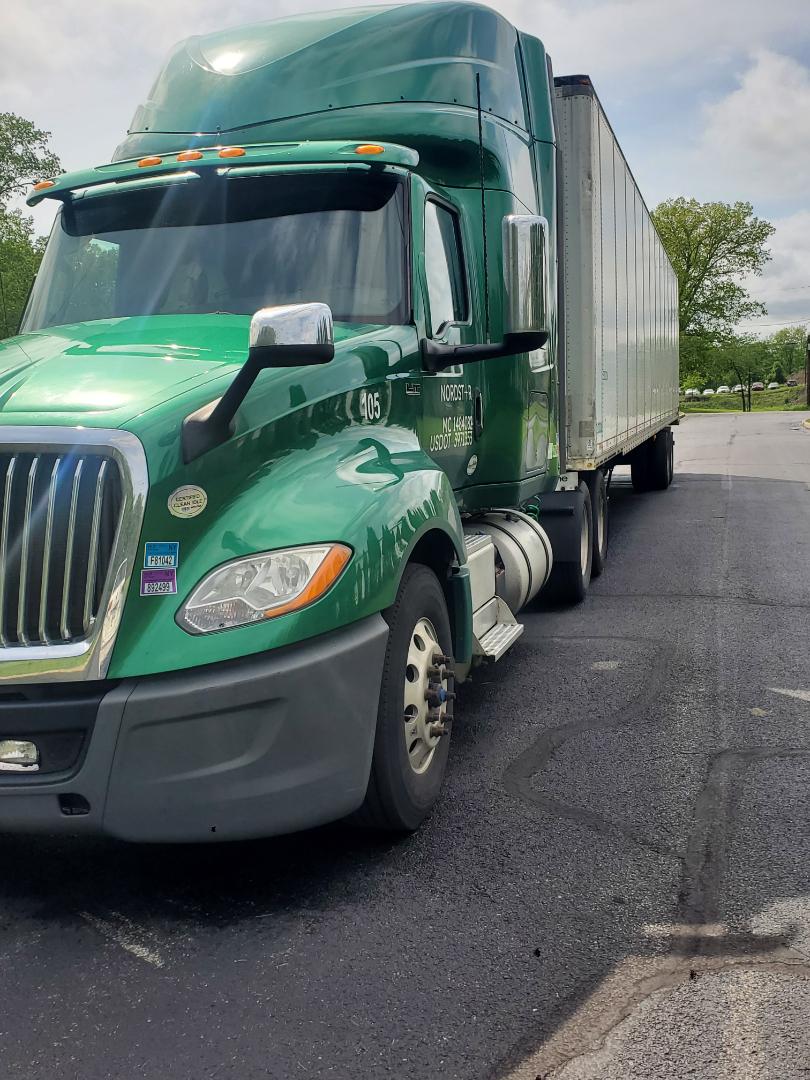

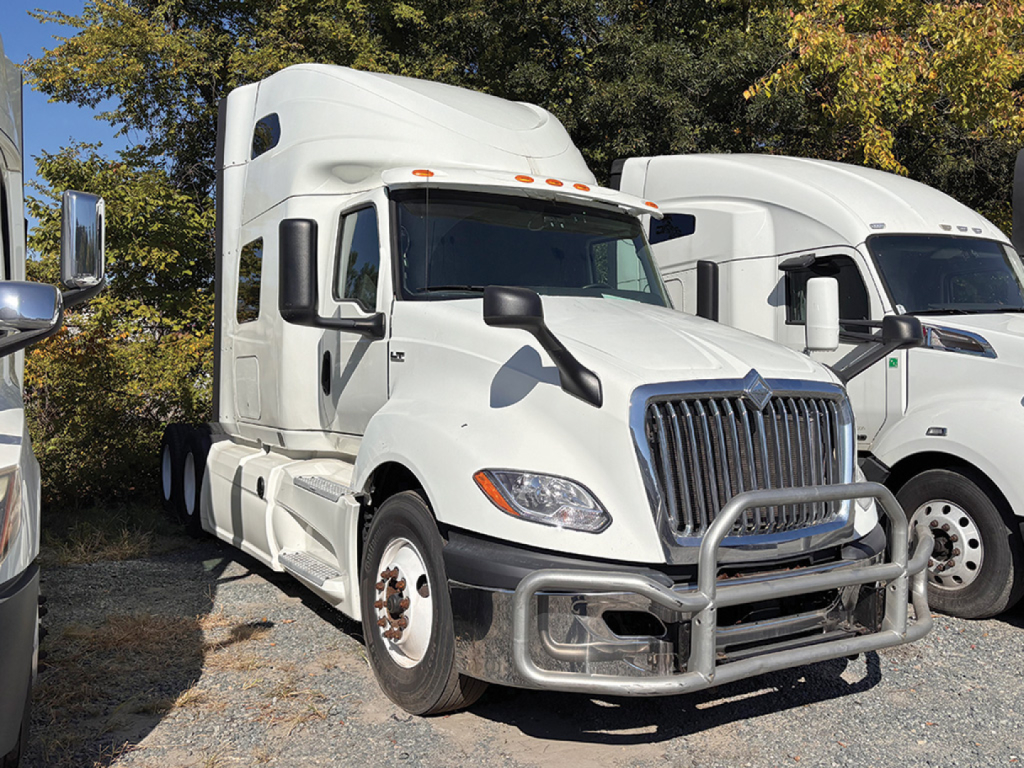
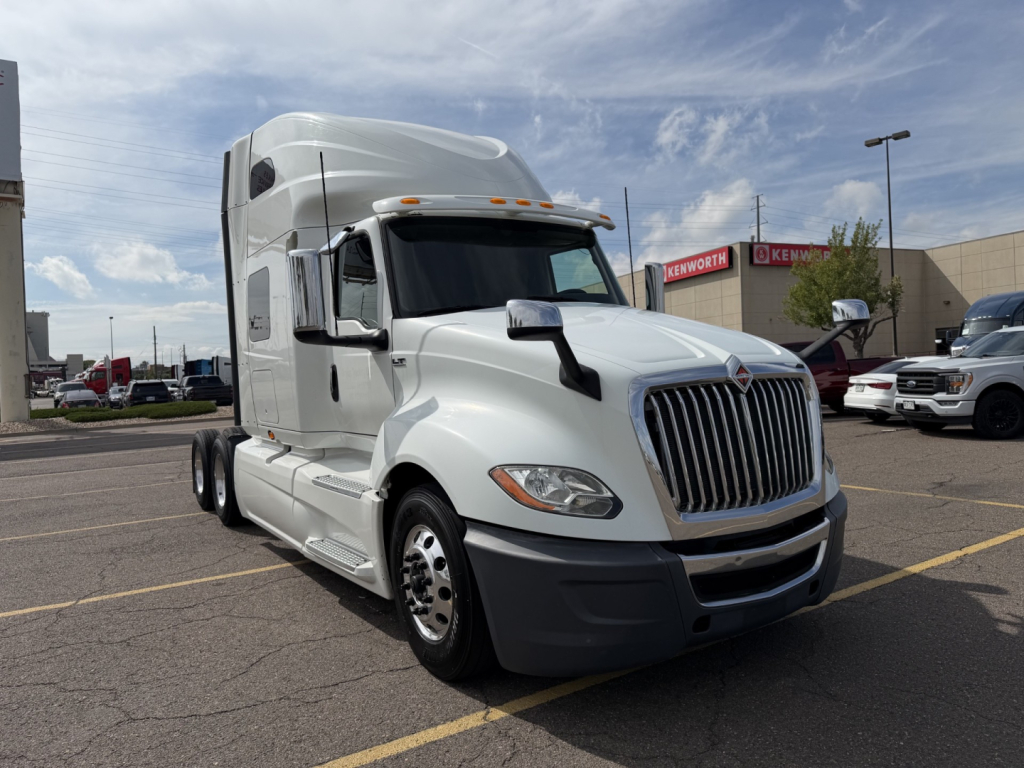

Selling a used 2019 international conventional sleeper truck? List your used 2019 international conventional sleeper truck for sale and reach thousands of commercial buyers.
Used 2019 International Conventional Sleeper Trucks
The biggest buying decision on a 2019 International sleeper is usually the powertrain. Many are equipped with the Cummins X15, frequently in the 400 to 450 horsepower range, paired with an automated manual transmission such as the Eaton Endurant or UltraShift-family spec, though some fleet units may carry manual transmissions. Rear axle ratings are often around 40,000 pounds, with fuel-economy-oriented axle ratios like 2.64 or similar for highway cruising. Wheelbases, fifth wheel placement, and tank capacity vary by application, so buyers should match the truck to trailer length, kingpin setting, and operating terrain. A lightweight regional spec can look very different from a long-wheelbase OTR unit with double bunk, APU, and larger fuel capacity.
Cab and sleeper spec matters more than many buyers expect on a used unit. Look closely at bunk layout, storage, idle management, inverter setup, bunk heater or APU, and driver-assist features such as collision mitigation and hill start assist. Many 2019 International conventional sleepers were ordered with aerodynamic packages including side fairings, cab extenders, and roof fairings, along with practical fleet options such as air-slide fifth wheels, power mirrors, heated mirrors, and steering wheel controls. Interior wear, sleeper HVAC performance, and electronics condition can be just as important as engine hours on a truck that has spent its life in over-the-road service.
For buyers comparing multiple used 2019 International sleeper tractors, service history and emissions-system performance deserve close attention. Confirm maintenance on the aftertreatment system, check for fault-code history, and verify clutch and transmission calibration on automated units. Tire wear patterns, suspension condition, brake type, and frame cleanliness can tell you a lot about how the truck was operated and maintained. A well-spec'd 2019 International conventional sleeper can be a cost-effective choice for carriers that want a modern aero tractor with a comfortable sleeper, broad parts support, and a configuration that fits general freight, van, reefer, or dedicated contract work.
Frequently Asked Questions about Used 2019 International Conventional Sleeper Trucks
What engine is most common in a used 2019 International conventional sleeper truck?
The Cummins X15 is one of the most common engines found in 2019 International conventional sleeper trucks, especially in LT-series highway tractors. Many are rated in the 400 to 450 horsepower range and paired with fuel-economy axle ratios for linehaul service. Buyers should confirm horsepower, torque rating, emissions history, and maintenance records because two trucks with the same engine model can be spec'd very differently for terrain, load profile, and fuel economy goals.
Is a 2019 International LT sleeper good for over-the-road use?
Yes, the 2019 International LT sleeper was built primarily for regional and over-the-road applications. Common features include aerodynamic bodywork, comfortable sleeper layouts, modern dash controls, and specs that support van and reefer freight. The truck is especially well-suited for fleets and owner-operators who want a highway tractor with a quieter cab, practical storage, and a drivetrain designed for efficient cruising.
What should I inspect first on a used 2019 International sleeper tractor?
Start with maintenance records, engine and aftertreatment fault history, transmission operation, and overall chassis condition. Then inspect sleeper HVAC, bunk equipment, APU or idle-reduction systems, tire wear, brakes, suspension, and fifth wheel condition. On fleet-maintained trucks, electronic health and service documentation are often more useful than cosmetic appearance alone, especially on units that have spent most of their life on long-haul routes.
What sleeper sizes are common on 2019 International conventional sleepers?
Common sleeper configurations on 2019 International highway tractors include mid-roof and high-roof designs, often in 56-inch and 73-inch sizes. A 56-inch sleeper may work well for regional or shorter-duration trips, while a 73-inch sleeper is more common for long-haul service, team driving, and applications where bunk space, storage, and stand-up room are priorities. The right sleeper size depends on trip length, driver preference, and payload or wheelbase requirements.
Are automated transmissions common in 2019 International sleeper trucks?
Yes, many 2019 International conventional sleepers were spec'd with automated manual transmissions. These transmissions help reduce driver fatigue, support fuel-efficiency targets, and are common in fleet highway service. Buyers should road test the truck and verify clutch wear data, software calibration, and shift quality because transmission behavior can be affected by maintenance history, driver usage, and the truck's original application.