
Used 2019 Freightliner Conventional Sleeper Trucks For Sale
Shop used 2019 Freightliner conventional sleeper trucks, including Cascadia models with DD15 power, DT12 transmissions, and OTR sleeper specs.
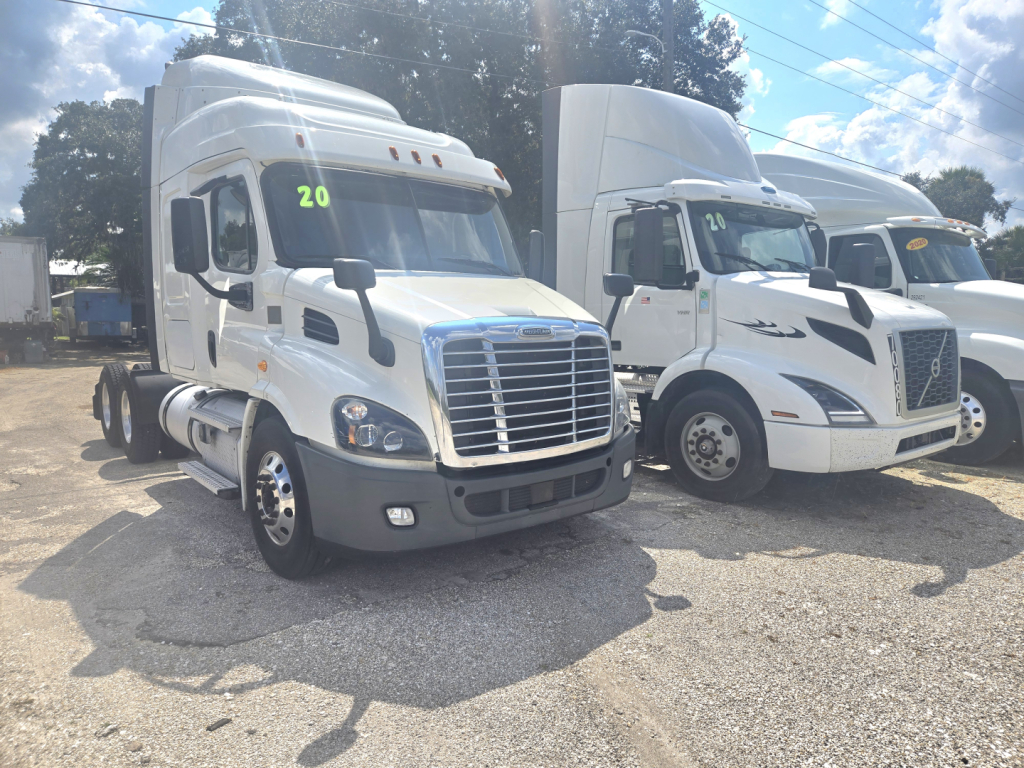
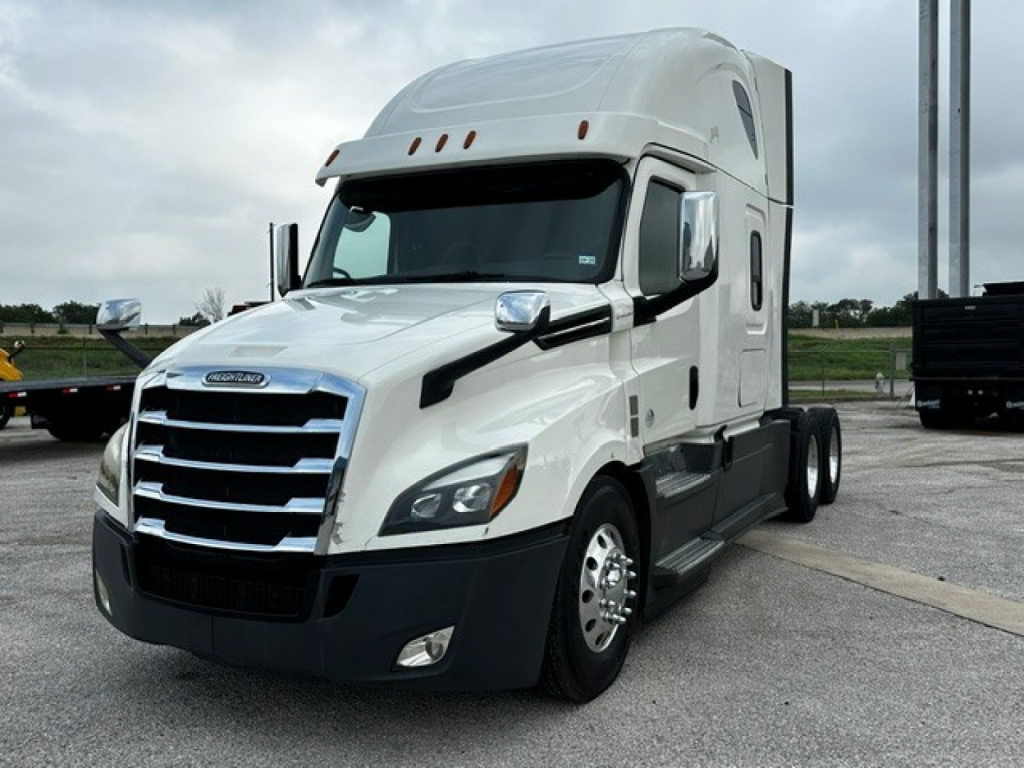
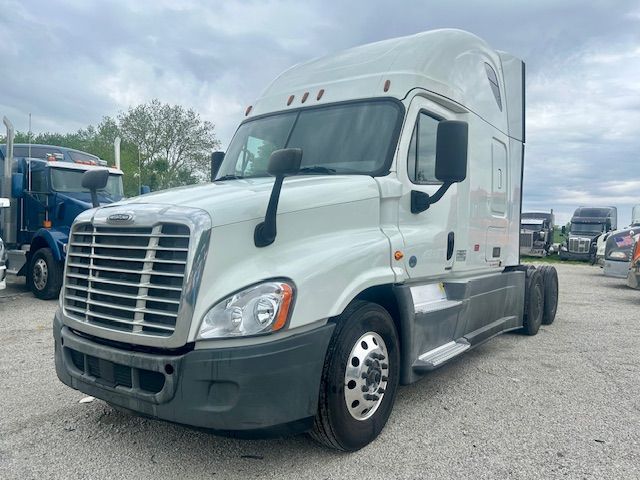

Selling a used 2019 freightliner conventional sleeper truck? List your used 2019 freightliner conventional sleeper truck for sale and reach thousands of commercial buyers.
Used 2019 Freightliner Conventional Sleeper Trucks
The first buying decision is usually drivetrain. In this category, buyers often compare horsepower ratings around 455 to 505 hp, rear axle ratios such as 2.64, 2.79, or 3.08, and wheelbases that affect both ride quality and trailer gap. A 2019 Freightliner sleeper set up with a DD15 and DT12 is a common fleet specification because it balances fuel economy, service support, and driver acceptance. Pay close attention to mileage, idle hours, maintenance records, aftertreatment history, clutch and transmission calibration, and any signs of repeated fault-code repairs. If the truck will stay in dry van or reefer service, a fuel-economy ratio may make sense. If it will pull heavier loads or run mountain lanes, buyers usually want higher horsepower and gearing that keeps the engine in a stronger operating range.
Sleeper configuration matters more than many first-time buyers expect. In 2019 Freightliner conventional sleepers, common layouts include 60-inch to 72-inch raised-roof sleepers, often with double bunk arrangements, cabinet storage, bunk heaters, refrigerator prep, and inverter provisions. For team operations or long stays on the road, features like an APU, optimized idle, and hotel-load support can make a measurable difference in operating cost and driver retention. It is also worth checking interior wear, HVAC performance, bunk hardware, seal condition, and the function of all sleeper accessories, since downtime tied to comfort systems can be just as frustrating as drivetrain issues.
A serious buyer should also evaluate safety and chassis specs, not just engine and bunk size. Many 2019 Freightliner Cascadia sleeper tractors were equipped with collision mitigation, lane departure warning, adaptive cruise functions, and electronic stability features. On the chassis side, look at front axle rating, suspension type, fifth wheel setup, tire size, wheel material, fairings, and frame condition. Freightliner remains a strong choice in the used sleeper market because parts availability, dealer support, and technician familiarity are generally solid across North America. That makes a used 2019 Freightliner conventional sleeper a practical option for carriers that want a mainstream spec with broad serviceability and proven highway performance.
Frequently Asked Questions about Used 2019 Freightliner Conventional Sleeper Trucks
What engine and transmission are most common in a used 2019 Freightliner conventional sleeper truck?
The most common setup is a Detroit DD15 diesel engine paired with a Detroit DT12 automated manual transmission. That combination became popular in fleet service because it offers strong highway fuel economy, wide service support, and straightforward driver operation. Some trucks may have different horsepower ratings or manual transmissions, so buyers should verify the exact engine calibration, transmission model, and rear axle ratio before comparing units.
Is a 2019 Freightliner Cascadia sleeper a good choice for owner-operators?
A 2019 Freightliner Cascadia sleeper can be a strong owner-operator truck if the maintenance history is documented and the spec matches the intended freight. The platform is widely used, parts are easy to source, and most repair shops are familiar with Detroit-powered Freightliner tractors. Buyers should still review emissions repairs, idle hours, tire condition, suspension wear, and any active fault codes, because those items can change the true operating cost quickly.
What sleeper size should I look for in a 2019 Freightliner conventional sleeper?
That depends on the route length and driver setup. A 60-inch sleeper may be enough for solo regional or shorter OTR work, while a 72-inch raised-roof or double bunk sleeper is usually better for long-haul and team operations. Buyers should also look beyond bunk count and check for practical equipment like storage cabinets, bunk heater, refrigerator space, inverter wiring, and APU support, since those features directly affect time on the road and comfort.
What should I inspect on a used 2019 Freightliner sleeper before buying?
Focus on service records, engine hours, aftertreatment history, transmission operation, suspension condition, and tire wear patterns. On a 2019 model, it is especially smart to check DPF and DEF system repairs, software updates, coolant and oil leak history, steering play, and the operation of any collision mitigation or lane warning systems. Interior condition and sleeper equipment should also be tested, because neglected cab systems can signal broader maintenance issues.
Are 2019 Freightliner conventional sleepers mainly for long-haul use?
Most are built for long-haul applications, but they also work well in regional freight depending on wheelbase, axle ratio, and sleeper size. A conventional sleeper tractor is designed to provide rest space and extra storage, which makes it more versatile than a day cab for runs that involve overnight stays, team driving, or irregular dispatch patterns. The best fit comes down to matching the truck's drivetrain and cabin layout to the freight, terrain, and average trip length.