
Used 2019 Conventional Sleeper Trucks For Sale in Georgia
Browse used 2019 conventional sleeper trucks in Georgia. Compare sleeper size, engine, transmission, axle ratio, wheelbase, and spec.
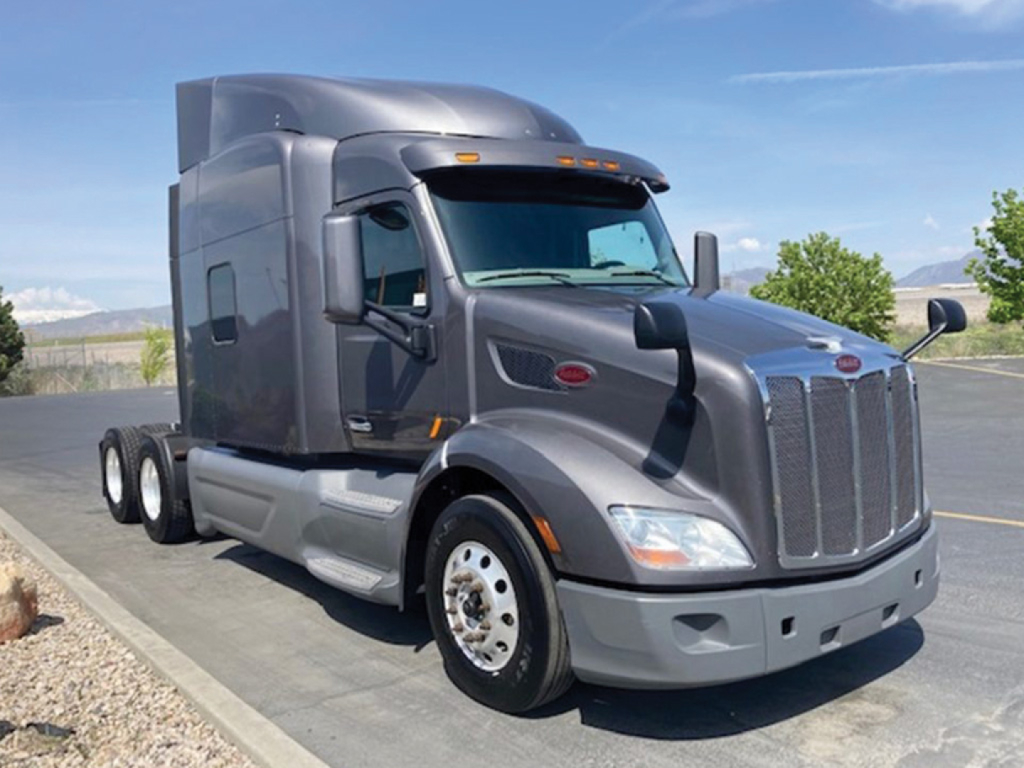
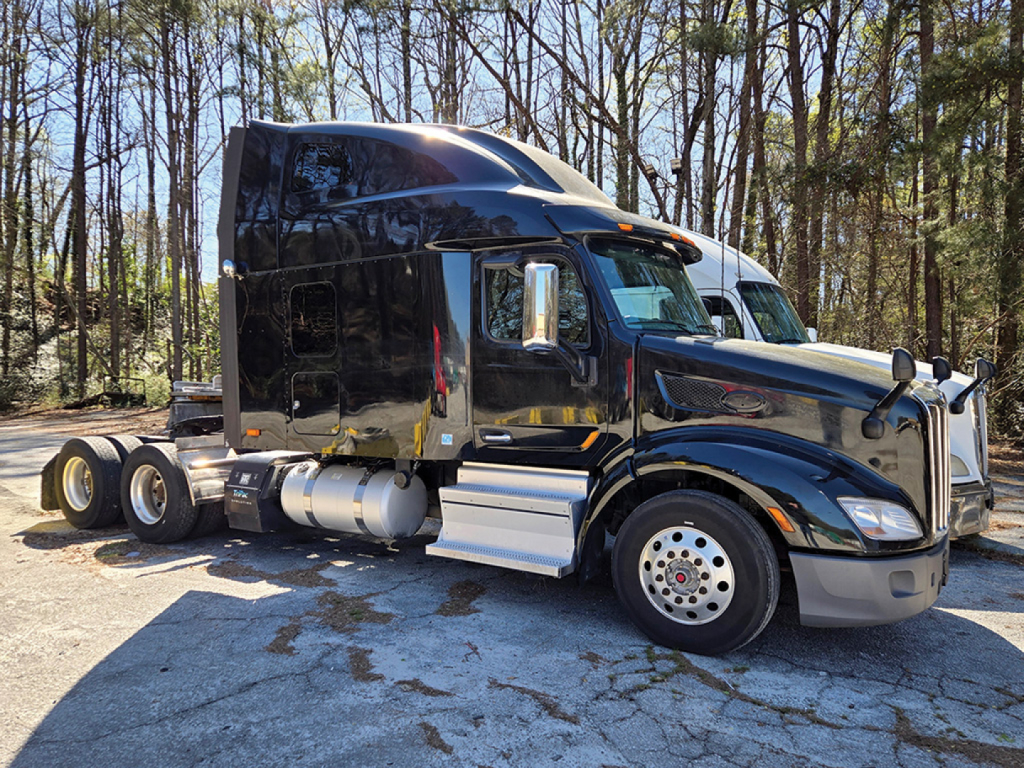
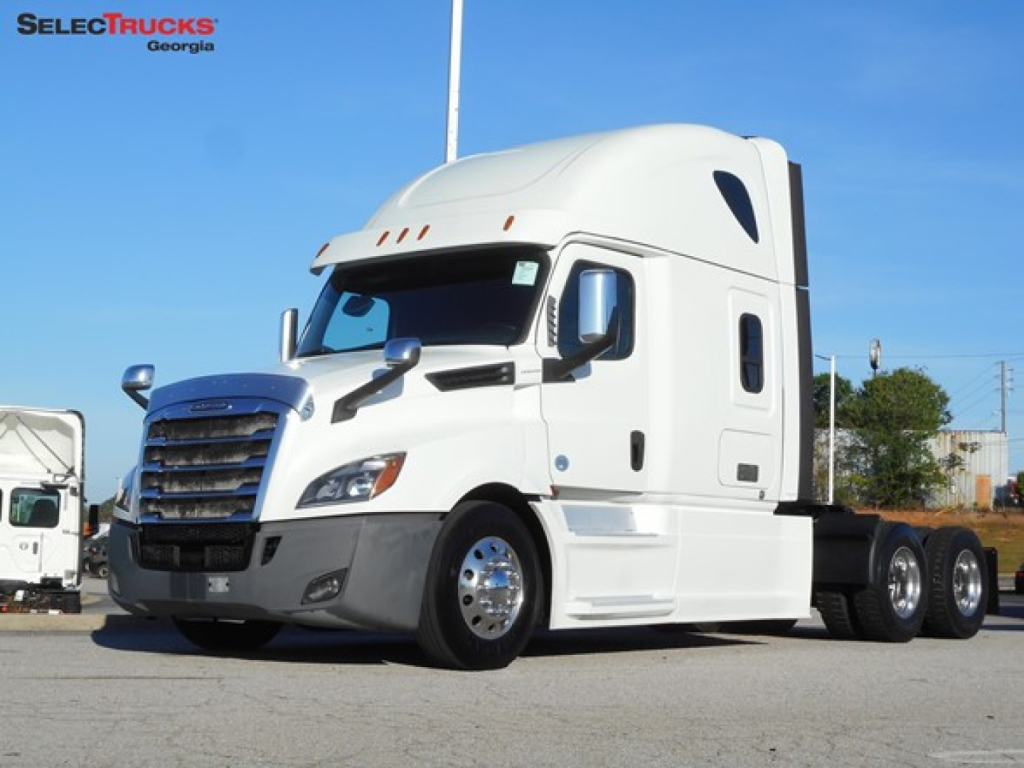

Have used 2019 conventional sleeper truck to sell? List it here to reach thousands of buyers.
Used 2019 Conventional Sleeper Trucks in Georgia
The most important buying decision is the spec match between engine, transmission, rear axle ratio, and wheelbase. A typical 2019 sleeper in this class may carry 400 to 500 horsepower, a 12-speed or 13-speed transmission, and 40,000 lb rear axles on air ride suspension. Lower rear axle ratios such as 2.64 or 3.08 usually favor fuel mileage and linehaul cruising speeds, while a 3.42-type ratio can make more sense for heavier loads, hill country, or drivers who want stronger pull at lower road speed. Wheelbase affects trailer swing clearance, ride quality, and maneuverability, so it is worth comparing 5th wheel placement, fairing layout, and tank configuration before choosing a tractor for mixed trailer work.
For Georgia buyers, cooling system condition, APU operation, bunk HVAC performance, and tire condition deserve close attention because these trucks often spend time in hot, humid service. On a used 2019 conventional sleeper, pay attention to emissions system history, engine brake function, transmission calibration, and any signs of excessive idle time if the truck does not have an auxiliary power unit. It is also smart to inspect sleeper amenities that matter to retention and uptime, including upper bunk setup, bunk heater, storage layout, inverter wiring, and power accessories. Aerodynamic components such as side fairings, cab extenders, and quarter fenders should be checked for damage, since missing or poorly fitted pieces can affect both fuel economy and appearance.
Cab comfort and safety spec can vary widely in this category, even within the same model family. Many 2019 conventional sleeper trucks came with tilt and telescoping steering, cruise control, power windows, air slide 5th wheels, and aluminum fuel tanks, while some units added collision mitigation, disc brakes, or premium interior packages. Buyers comparing used examples should review service records, ECM data, remaining tire and brake life, and suspension wear points before focusing on cosmetic upgrades. A well-matched 2019 conventional sleeper can still be a productive truck for fleets and owner-operators when the drivetrain spec, sleeper configuration, and maintenance history line up with the intended lane and trailer type.
Frequently Asked Questions about Used 2019 Conventional Sleeper Trucks in Georgia
What should I look for first when buying a used 2019 conventional sleeper truck?
Start with the drivetrain spec and maintenance history. Engine make and horsepower, transmission type, rear axle ratio, wheelbase, and 5th wheel setup determine how the truck will perform with your typical freight. After that, review service records, fault codes, emissions repairs, idle hours, tire and brake life, and sleeper system condition. A clean-looking truck with the wrong ratio or poor aftertreatment history can cost more than a higher-mile unit with the right spec and documented maintenance.
Is an automatic or manual transmission better in a 2019 sleeper tractor?
For most long-haul and regional applications, an automated manual transmission is the more common and practical choice in a 2019 conventional sleeper. It reduces driver fatigue, improves consistency across multiple drivers, and often helps fuel economy when paired correctly with the axle ratio. A manual still appeals to some owner-operators and certain heavy-haul or driver-preference applications, but the market generally favors automated units for resale and fleet standardization.
What rear axle ratio is best for a used 2019 conventional sleeper?
The best ratio depends on freight weight, terrain, and cruising speed. Ratios like 2.64 or 3.08 are common in fuel-efficient highway specs and work well for van and reefer lanes with steady interstate miles. A deeper ratio such as 3.42 can be better for heavier loads, more frequent grades, or operations that need stronger low-speed pulling power. The ratio should always be considered together with tire size, engine torque rating, and transmission gearing.
How important is sleeper size on a 2019 conventional truck?
Sleeper size matters for driver comfort, storage, and the kind of operation the truck supports. A 70-inch raised-roof or stand-up sleeper gives better livability for long-haul solo drivers and teams, especially when the truck has an upper bunk, bunk heater, APU, and good cabinet layout. If the truck will stay on shorter regional runs, a simpler sleeper may be enough. The right sleeper can improve driver retention and reduce unnecessary idle time when the cab is set up for rest periods.
Are used 2019 conventional sleeper trucks a good fit for Georgia-based operations?
Yes, if the truck is spec'd for the lanes you run and the cooling, HVAC, and idle management systems are in good shape. Georgia operations often combine interstate linehaul, port-related freight, and regional freight across the Southeast, so a fuel-efficient aerodynamic sleeper with dependable air conditioning, strong maintenance records, and a practical axle ratio can be a very good fit. Buyers should pay extra attention to heat-related wear, emissions performance in stop-and-go service, and the condition of the bunk climate systems.