
Used 2019 Conventional Sleeper Trucks For Sale in Nevada
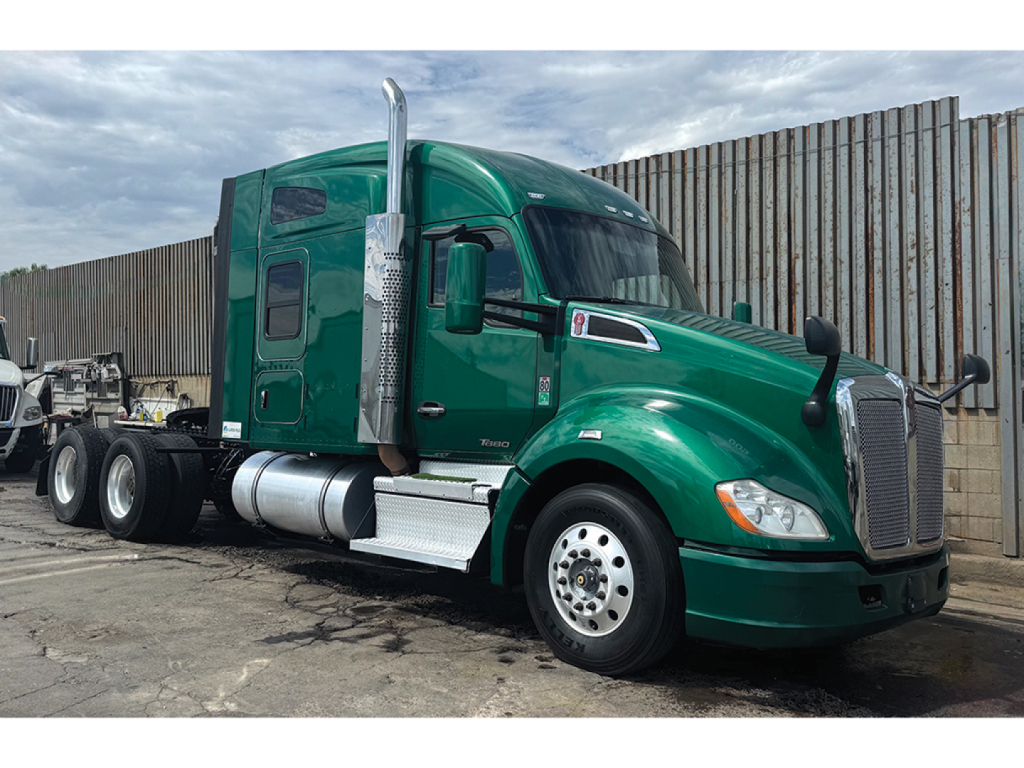
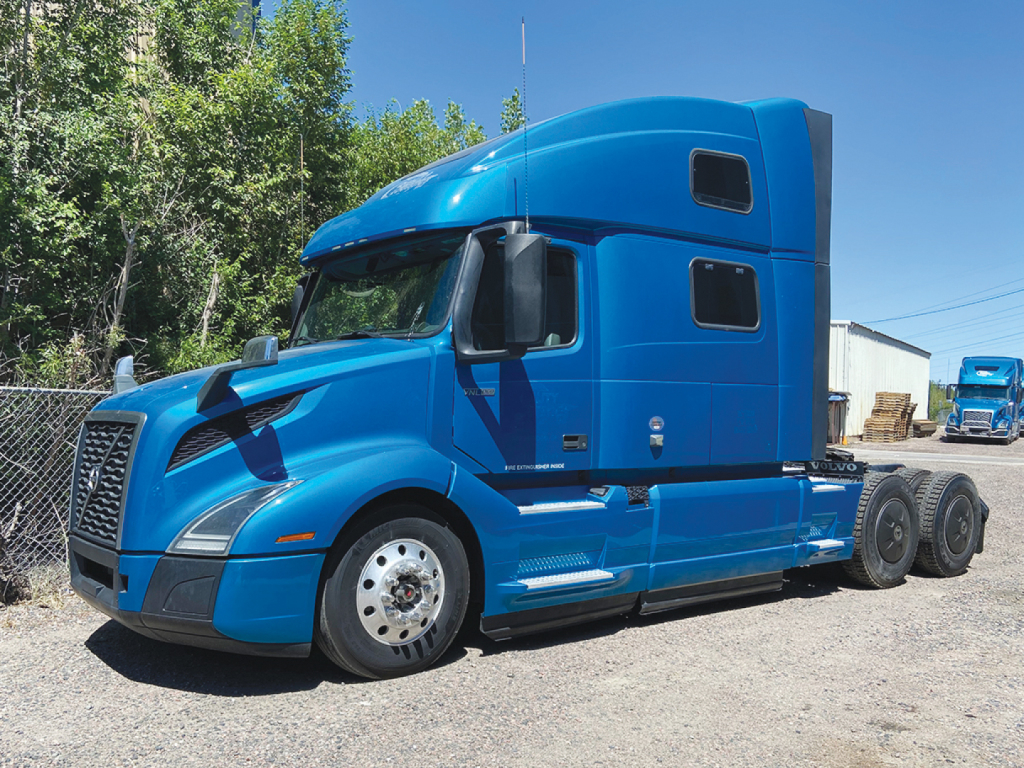
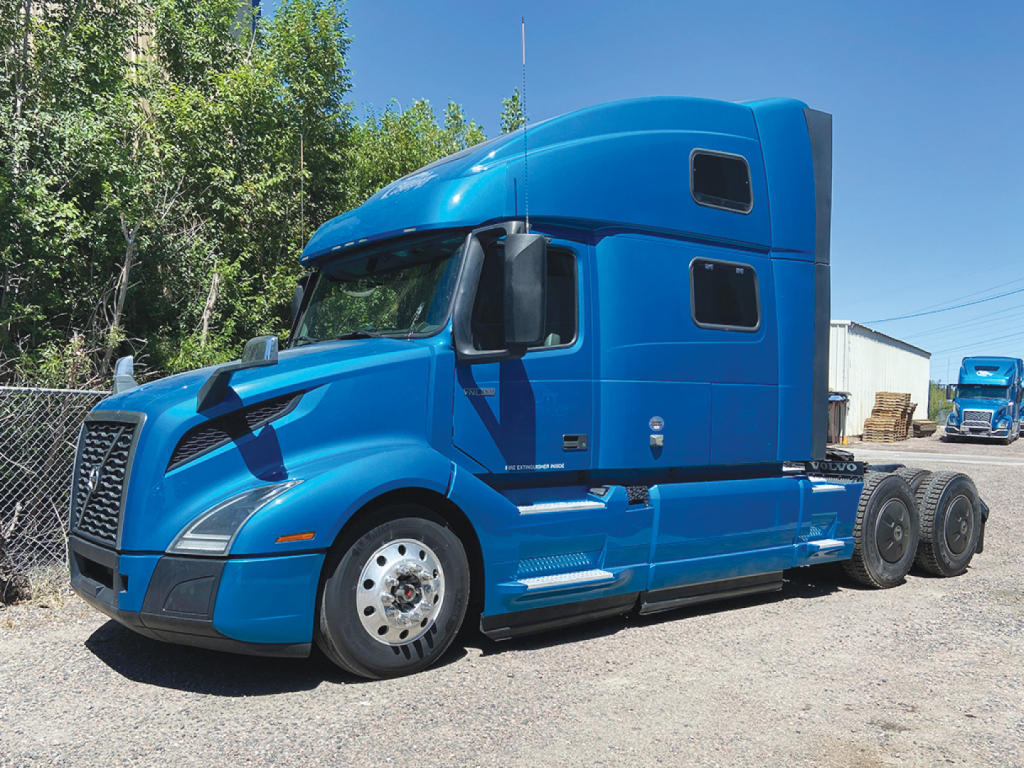
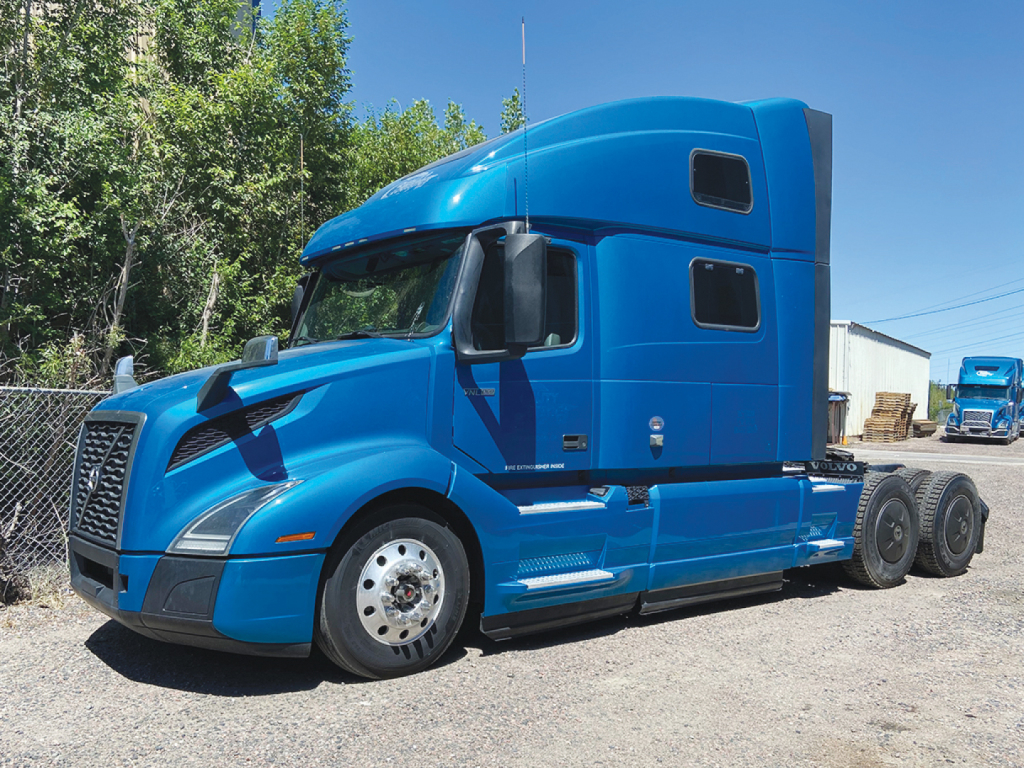
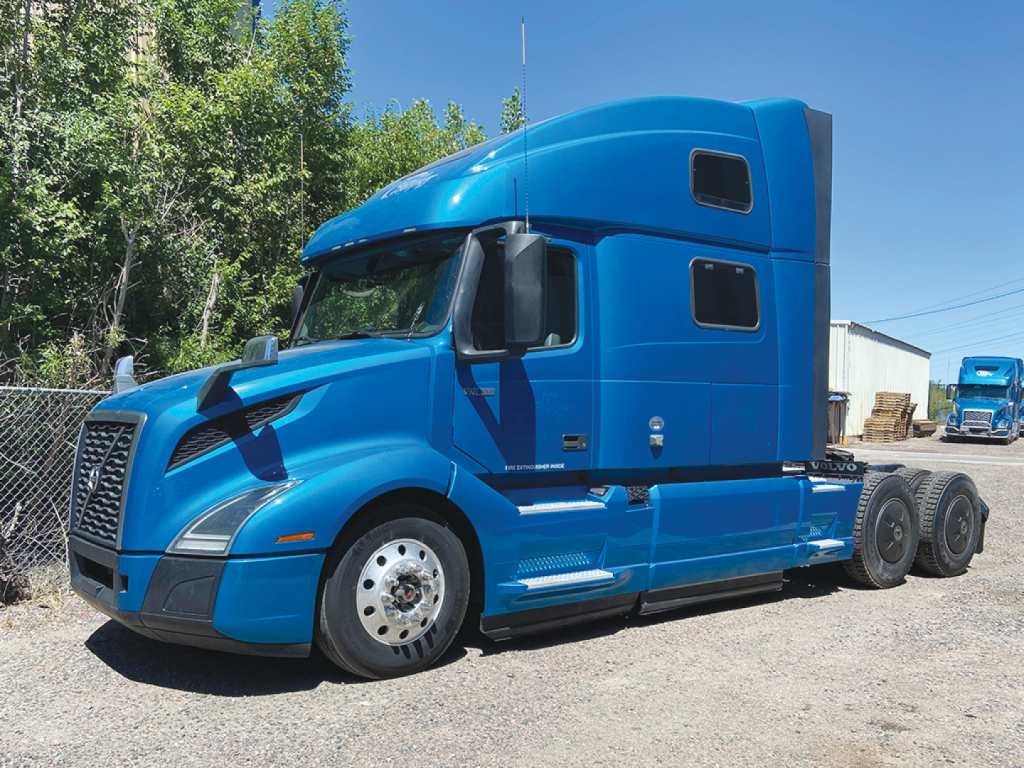
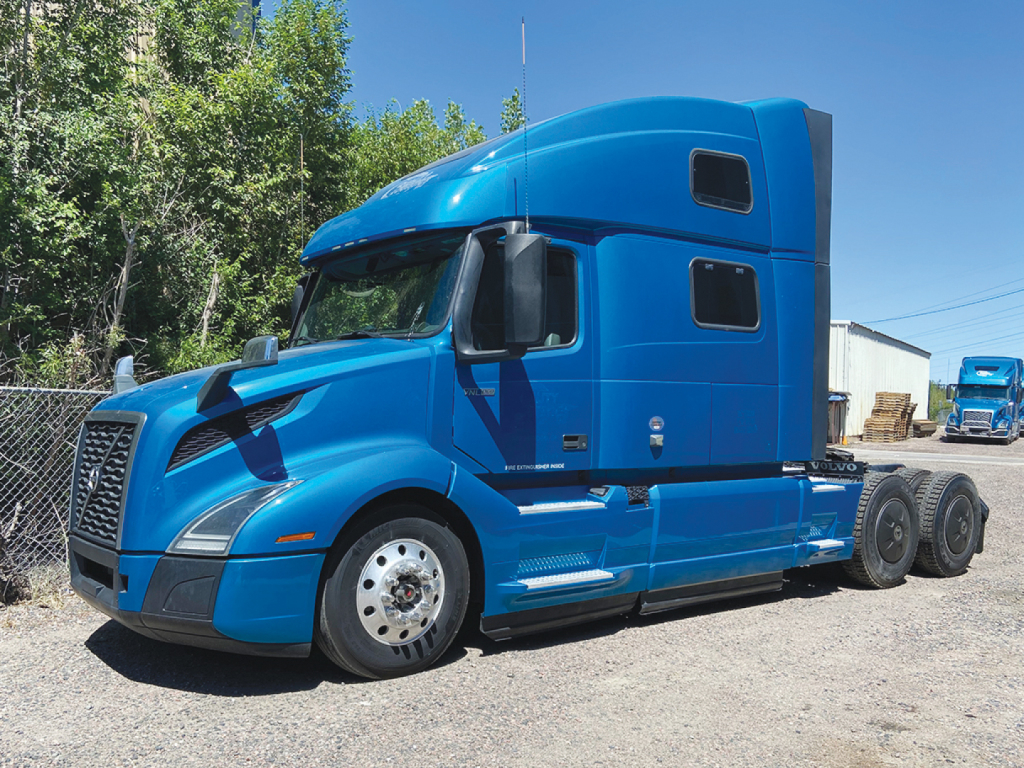
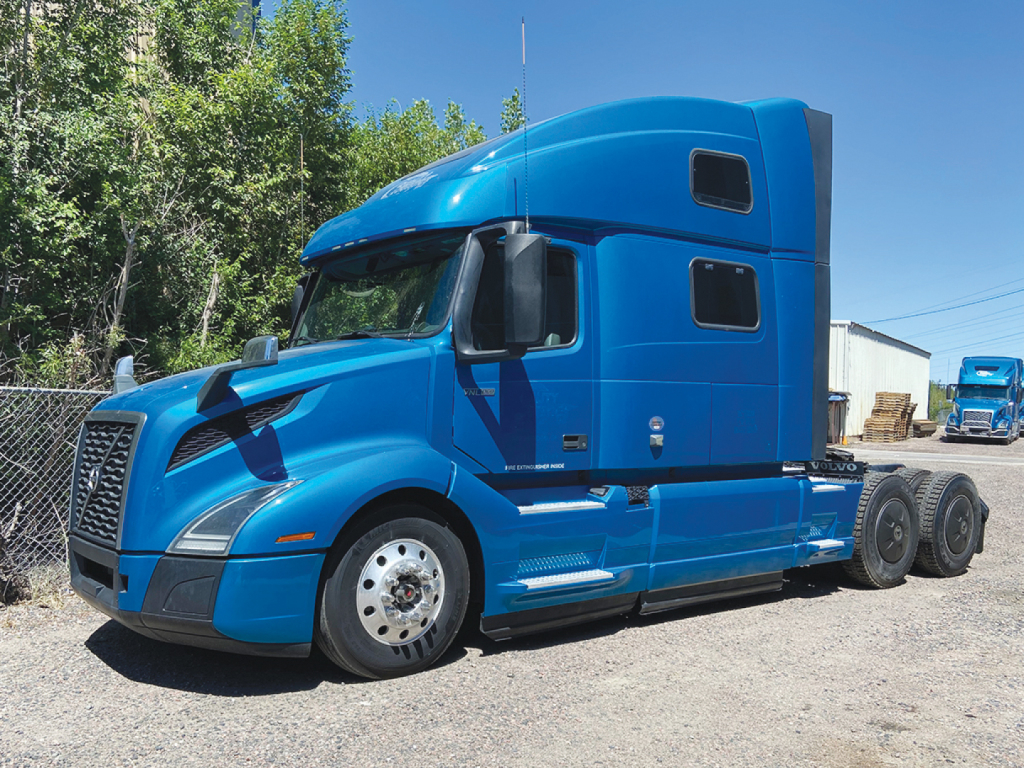

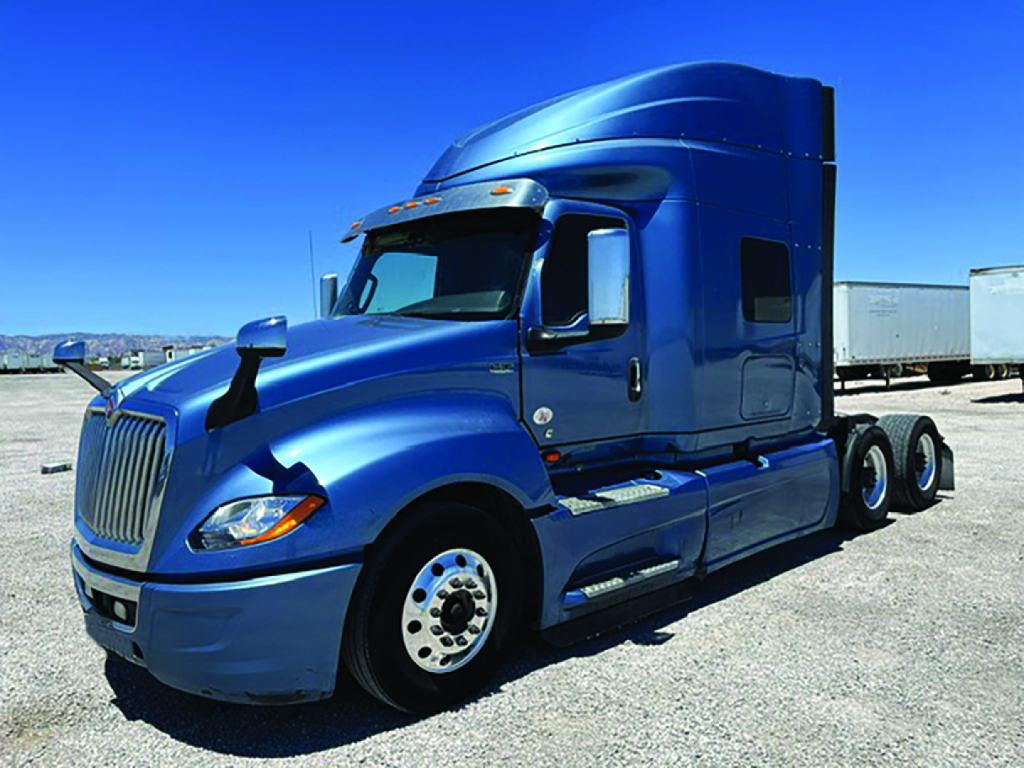
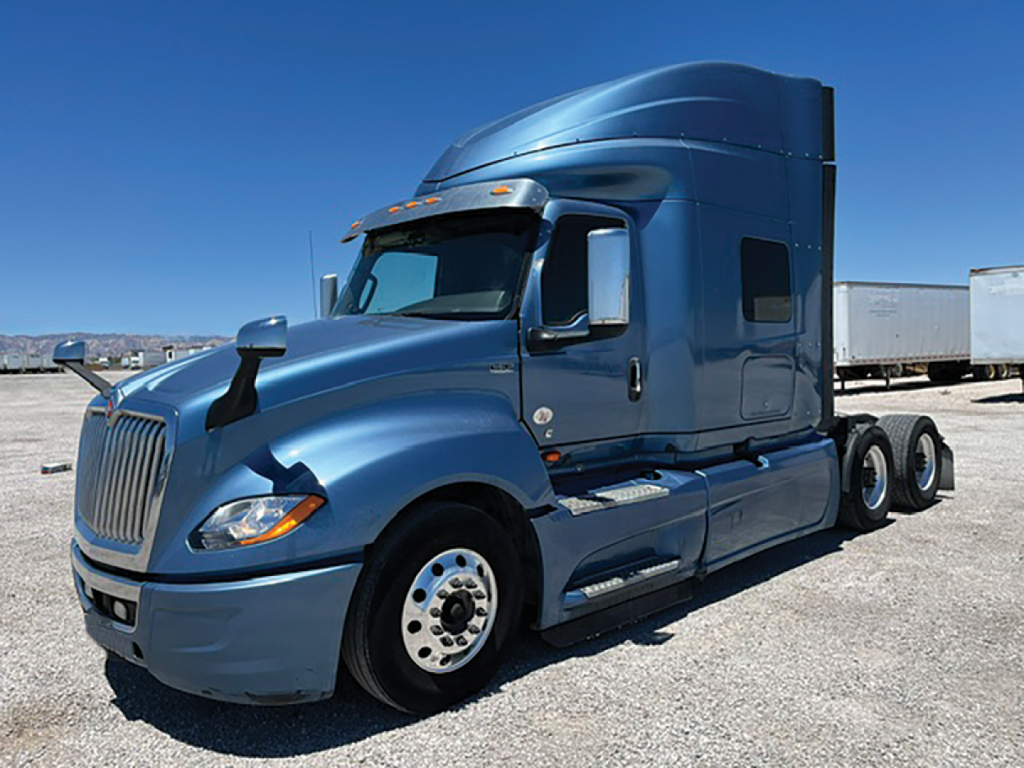
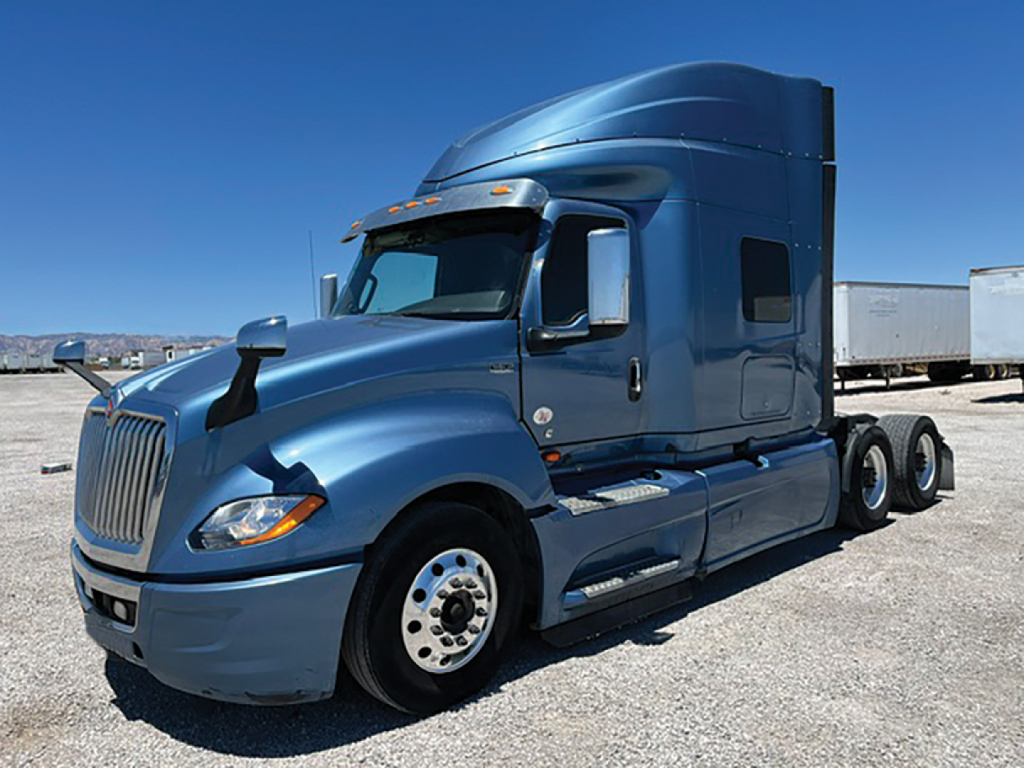
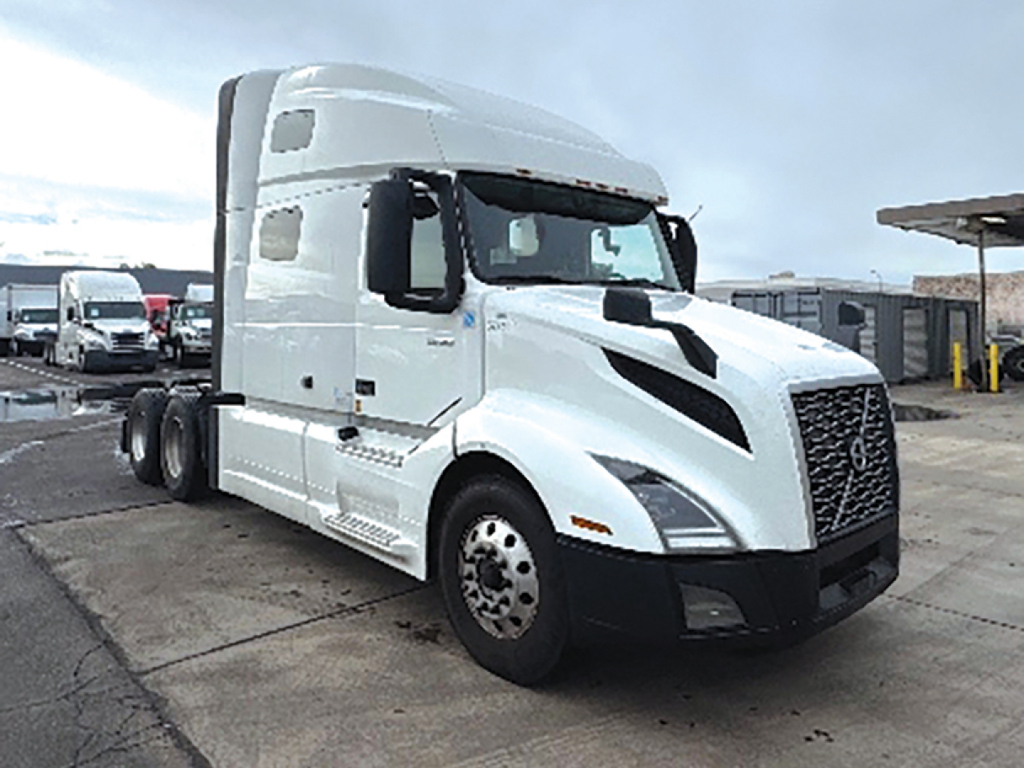
Have used 2019 conventional sleeper truck to sell? List it here to reach thousands of buyers.
Used 2019 Conventional Sleeper Trucks in Nevada
The most important buying decision is usually the spec match between the truck and the freight lane. A 2.64 to 2.85 rear ratio can make sense for fuel-focused highway use, while a 3.08 to 3.36 ratio may be better for mixed terrain, heavier payloads, or regional work with more start-stop miles. Wheelbase, fairing package, and fifth wheel setup also matter. Buyers pulling standard 53-foot trailers often want a practical wheelbase in the low-to-mid 220-inch range and an air slide fifth wheel to help with kingpin settings and bridge law adjustments. In Nevada and across the West, long grades, heat, and wide operating distances make cooling system condition, engine brake performance, APU or idle reduction equipment, and bunk HVAC more than comfort items. They affect uptime and driver retention.
A 2019 conventional sleeper typically offers the driver environment most fleets now expect. That can include collision mitigation, adaptive cruise functions, lane departure alerts, disc brakes on some specs, battery-powered HVAC, bunk heaters, refrigerators, and telematics compatibility. Automated manuals such as the DT12, Endurant, I-Shift, and other OEM-integrated transmissions are especially common in this year range because they improve consistency across multi-driver fleets and reduce clutch-related maintenance. Buyers should still verify service history closely, especially for aftertreatment components, transmission calibration updates, and wear items tied to mileage and idle hours. Mileage alone does not tell the whole story on a sleeper tractor. ECM data, fault history, tire wear pattern, suspension condition, and signs of fairing or cab mount damage often reveal more about how the truck was used.
For Nevada buyers, a used 2019 sleeper tractor can fit long-haul, dedicated route, and western regional applications where fuel range, driver comfort, and stable highway manners matter. Dual fuel tanks, roof and side fairings, wheel covers or low-drag wheel packages, and super singles on some specs are all aimed at lowering operating cost on long runs. If the truck will see mountain states, look hard at engine rating, axle ratio, and brake spec before focusing on appearance or sleeper trim. The right conventional sleeper is not just a cab with a bed. It is a revenue tool built around powertrain efficiency, legal payload, service access, and how comfortably a driver can live in it for days at a time.
Frequently Asked Questions about Used 2019 Conventional Sleeper Trucks in Nevada
What is a conventional sleeper truck?
A conventional sleeper truck is a road tractor with a forward hood, set-back front axle, and an integrated sleeping compartment behind the cab. It is also commonly called a sleeper semi truck or sleeper tractor. This design is the standard choice for over-the-road freight because it combines highway stability, service access, aerodynamic fairings, and enough living space for multi-day trips.
What engine and transmission specs are common in used 2019 conventional sleepers?
Most used 2019 conventional sleeper trucks are spec'd with 12.8-liter to 15-liter diesel engines rated around 400 to 455 horsepower, with torque commonly in the 1,650 to 1,850 lb-ft range. Automated manual transmissions are very common in this year group, including Detroit DT12, Eaton Endurant, Volvo I-Shift, and OEM-specific variants. Manual transmissions still appear in some owner-operator or vocational crossover specs, but fleets in 2019 largely favored automated setups for fuel economy, driver onboarding, and reduced clutch wear.
Is a 2019 conventional sleeper a good choice for long-haul freight?
Yes, a 2019 conventional sleeper is often a practical long-haul choice because it typically includes modern aerodynamics, emissions hardware mature enough for established service practices, and driver amenities that support retention on longer runs. Many 2019 trucks also include collision mitigation, idle reduction, and integrated powertrain controls that can lower operating cost. The key is choosing the right axle ratio, sleeper size, and maintenance history for the lanes the truck will run.
What should buyers inspect first on a used 2019 sleeper tractor?
Start with maintenance records, ECM mileage and engine hours, and any fault-code history tied to the aftertreatment system. Then inspect the DPF, DEF system, coolant condition, wheel seals, suspension wear, steering play, brake life, and signs of uneven tire wear. On sleeper trucks, buyers should also check bunk HVAC operation, refrigerator or inverter function, fairing condition, and fifth wheel movement. These areas affect both uptime and driver satisfaction, and they can add significant cost if repairs were deferred.
Which sleeper size is best for a used 2019 conventional truck?
The best sleeper size depends on the haul length and driver setup. A 60-inch to 72-inch sleeper can work well for regional or shorter over-the-road routes, while a 72-inch to 80-inch raised-roof sleeper is more common for extended OTR use, team operations, or fleets prioritizing driver comfort. Larger sleepers add living space and storage, but they can also affect weight and wheelbase, so the best choice is the one that matches freight demand and operational priorities.