
Used 2019 Volvo Conventional Sleeper Trucks For Sale in Nevada
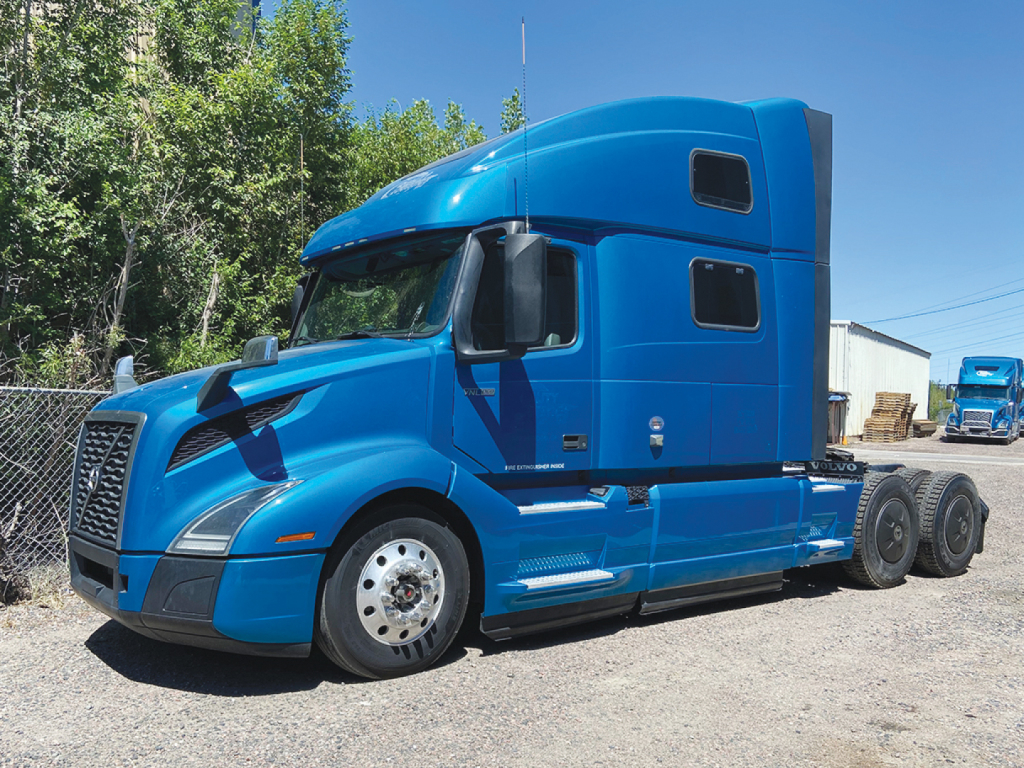
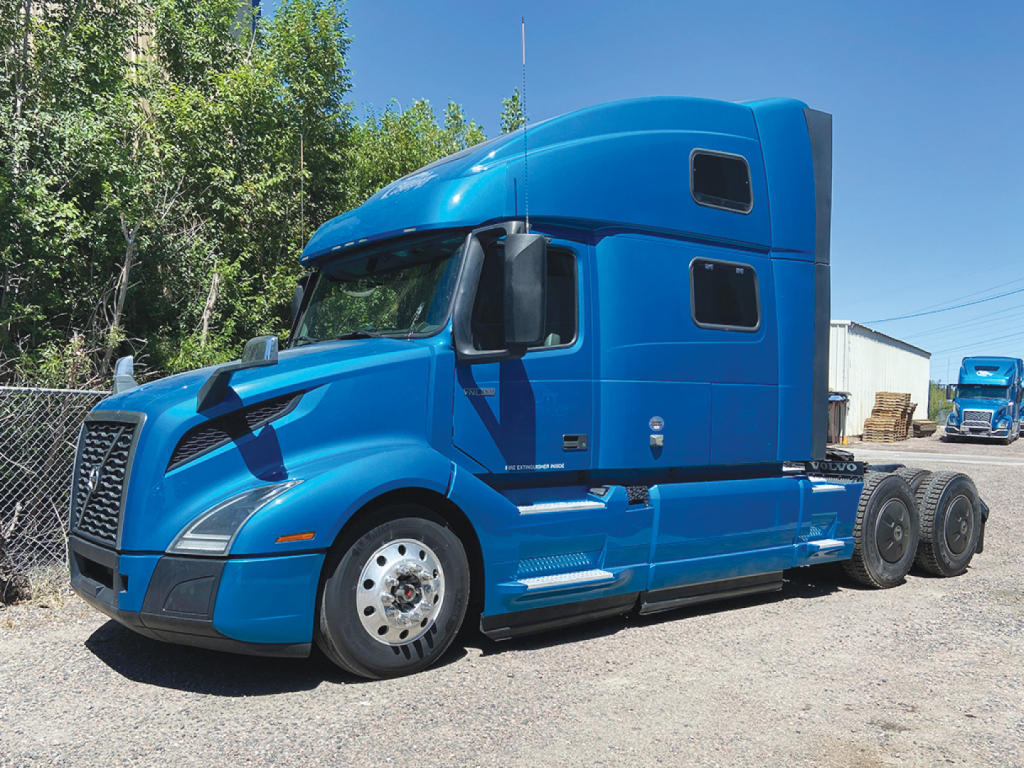
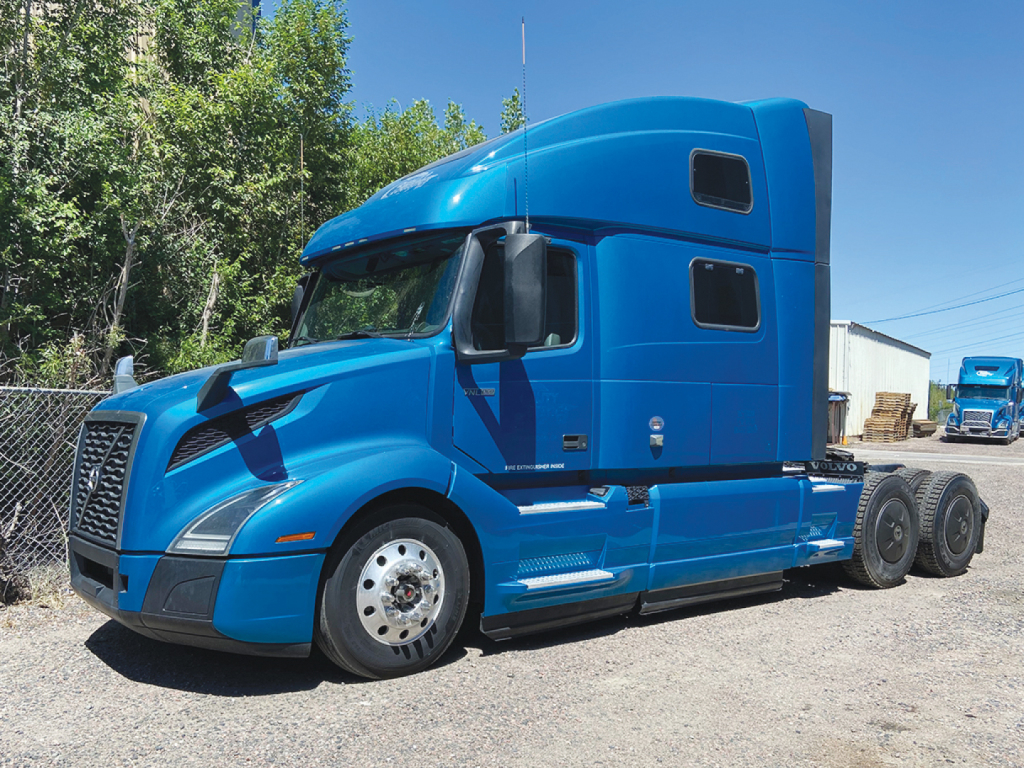
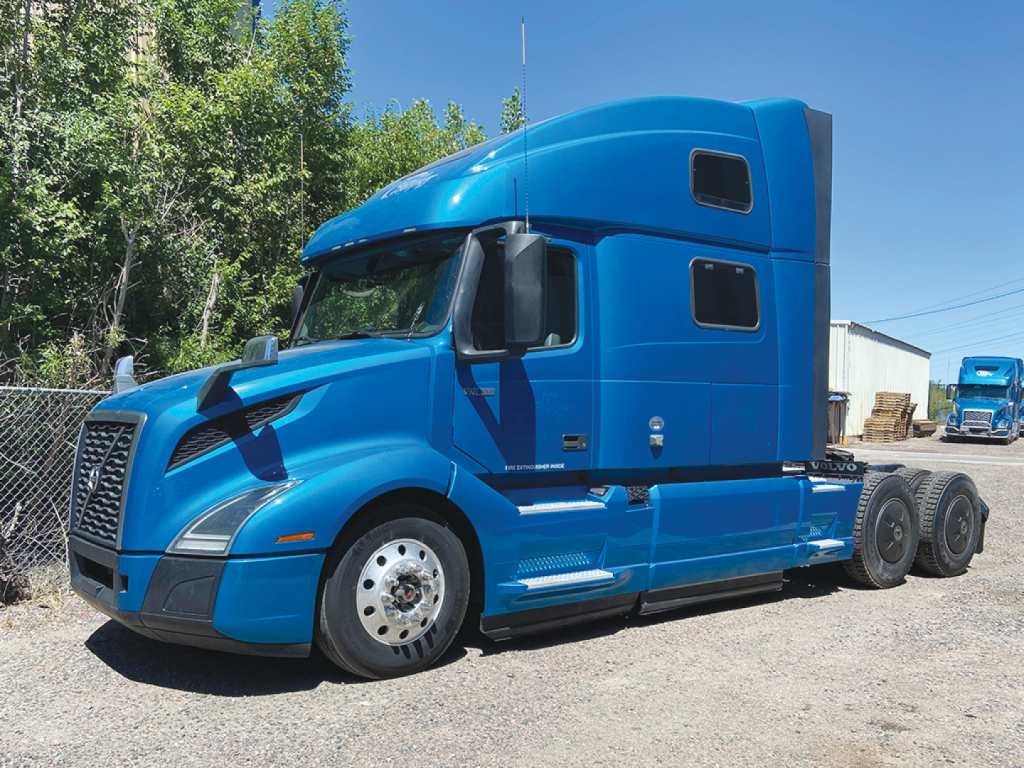
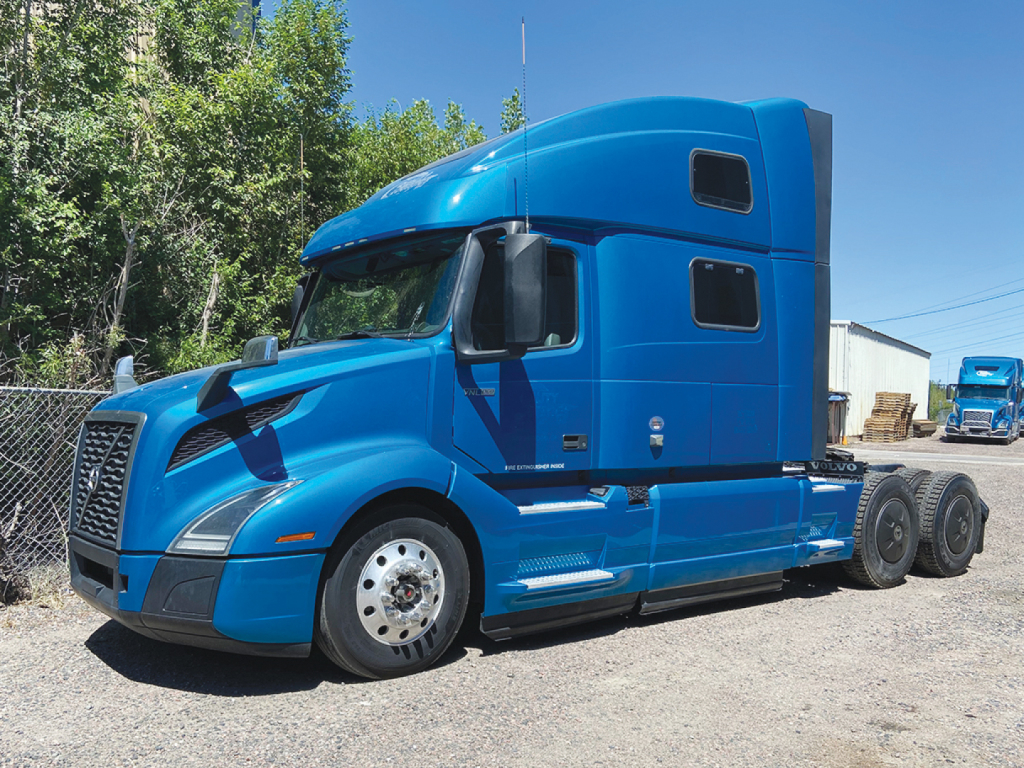
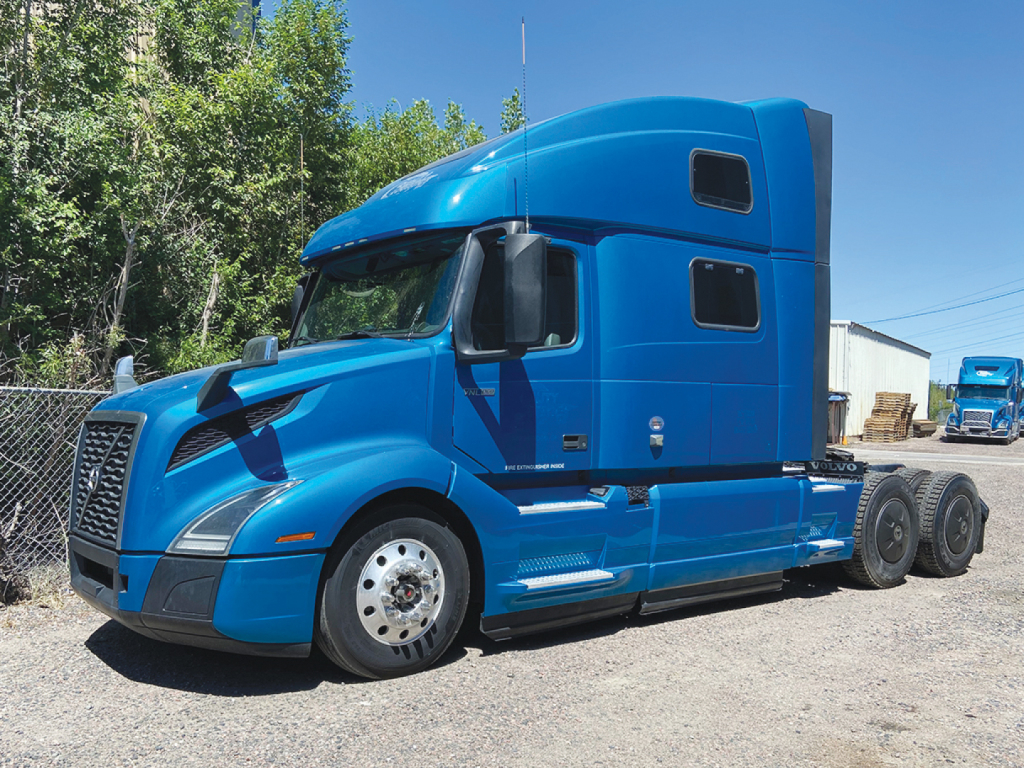
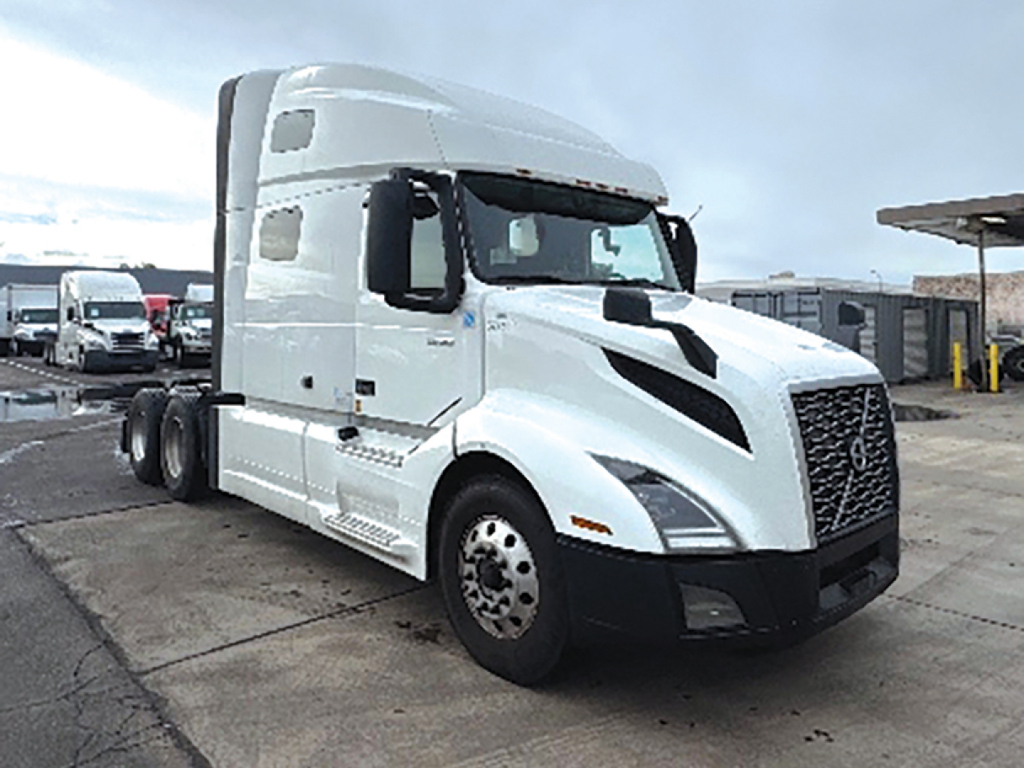
Have used 2019 volvo conventional sleeper truck to sell? List it here to reach thousands of buyers.
Used 2019 Volvo Conventional Sleeper Trucks in Nevada
The first buying decision is usually sleeper size and wheelbase. A 2019 Volvo conventional sleeper can be set up for tighter regional lanes or for extended over-the-road use with larger living space, upper bunk, workstation, bunk heater, and added storage. Wheelbase matters if you are balancing ride quality, trailer gap, and maneuverability in terminals or tight customer yards. Common highway specs include tandem 40,000 lb rears, air ride suspension, sliding fifth wheel, aerodynamic fairings, and fuel tank combinations sized for western routes. In Nevada, that often means paying attention to cooling system condition, APU or bunk heater setup, and overall idle-management strategy for desert heat and long interstate runs.
Drivetrain specs deserve a close look on any used 2019 Volvo sleeper. Buyers will commonly see D13 ratings in the 425 hp to 455 hp range paired with rear axle ratios such as 2.64 or 3.08, depending on whether the original application favored fuel economy or more flexible pulling performance. The I-Shift ATO2612F is a familiar transmission in this class, and it is important to review clutch history, software updates, and how the truck shifts under load. Also inspect engine brake performance, emissions service records, and tire wear patterns that may point to alignment or suspension issues. Disc brakes, low-profile 22.5 tires, and aluminum wheels are also common on later-model VNL highway tractors and can affect maintenance planning and operating cost.
Cab condition matters as much as major mechanicals in a sleeper tractor because this truck class is purchased to stay on the road for long stretches. Look for condition of seats, dash electronics, HVAC performance, bunk trim, seals, power accessories, and collision mitigation or other driver-assist systems if equipped. Volvo sleepers are known for a driver-friendly interior layout and quiet highway manners, but the real value in a used 2019 unit comes from service history, mileage, idle hours, and how well the spec matches your freight. For buyers comparing used 2019 Volvo conventional sleeper trucks for sale in Nevada, the right truck is usually the one with a clean maintenance record, an efficient highway ratio, and a sleeper configuration that fits the length of haul.
Frequently Asked Questions about Used 2019 Volvo Conventional Sleeper Trucks in Nevada
What engine and transmission are common in a used 2019 Volvo conventional sleeper truck?
Many used 2019 Volvo conventional sleeper trucks are equipped with the Volvo D13 engine and Volvo I-Shift automated manual transmission. Common horsepower ratings are often in the 425 hp to 455 hp range, and that setup is popular because it balances fuel economy, highway performance, and driver ease of use. Buyers should confirm the exact engine rating, transmission model, rear axle ratio, and maintenance history because those details have a direct effect on operating cost and application fit.
What is the difference between a Volvo VNL 760 and VNL 860 sleeper?
The main difference is sleeper layout and living space. A Volvo VNL 760 is typically chosen when a fleet wants a practical long-haul sleeper with good storage and lower overall size, while a VNL 860 usually offers more interior room and amenities for teams or drivers spending more nights in the truck. The best choice depends on route length, driver retention goals, and how much weight and wheelbase flexibility the operation can give up for added comfort.
What rear axle ratio is best on a 2019 Volvo sleeper?
The best rear axle ratio depends on average load, terrain, cruise speed, and transmission programming. Ratios like 2.64 are commonly used for fuel-efficient highway work with downsped drivetrains, while a ratio like 3.08 may provide more flexibility in mixed terrain or heavier applications. A buyer should match the ratio to actual duty cycle rather than assume the lowest-RPM setup is always best, especially in mountain states and western freight lanes.
What should I inspect first on a used 2019 Volvo sleeper in Nevada?
Start with emissions history, cooling system condition, HVAC performance, and idle-hour related wear. Nevada operating conditions can be hard on air conditioning systems, batteries, and cooling components because of sustained heat and long highway runs. After that, review brake type and condition, tire wear, suspension components, fifth wheel wear, and service records for the D13 and I-Shift. A clean maintenance file is often more valuable than cosmetic appearance alone.
Are 2019 Volvo conventional sleeper trucks good for long-haul freight?
Yes, this category is built primarily for long-haul and over-the-road work. The aerodynamic VNL design, integrated powertrain options, air ride suspension, and spacious sleeper layouts make these trucks well suited for van, reefer, and general freight applications. The key is choosing a sleeper size, axle ratio, and wheelbase that match your lanes, trailer type, and expected annual mileage.