
Used 2019 Volvo Conventional Sleeper Trucks For Sale
Shop used 2019 Volvo conventional sleeper trucks, including VNL models, with details on D13 engines, I-Shift specs, bunks, wheelbase, and ratios.
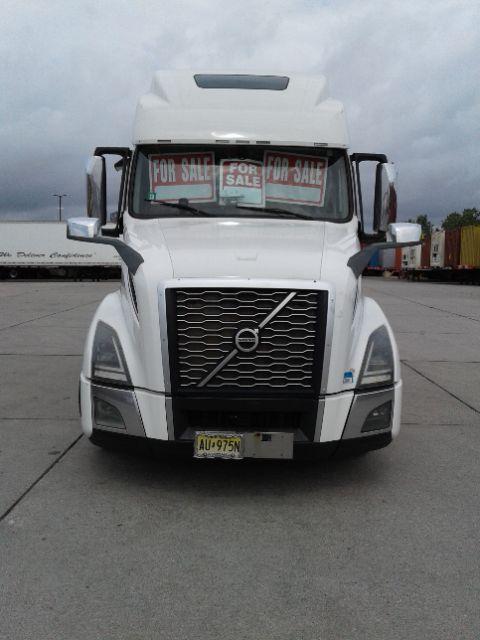
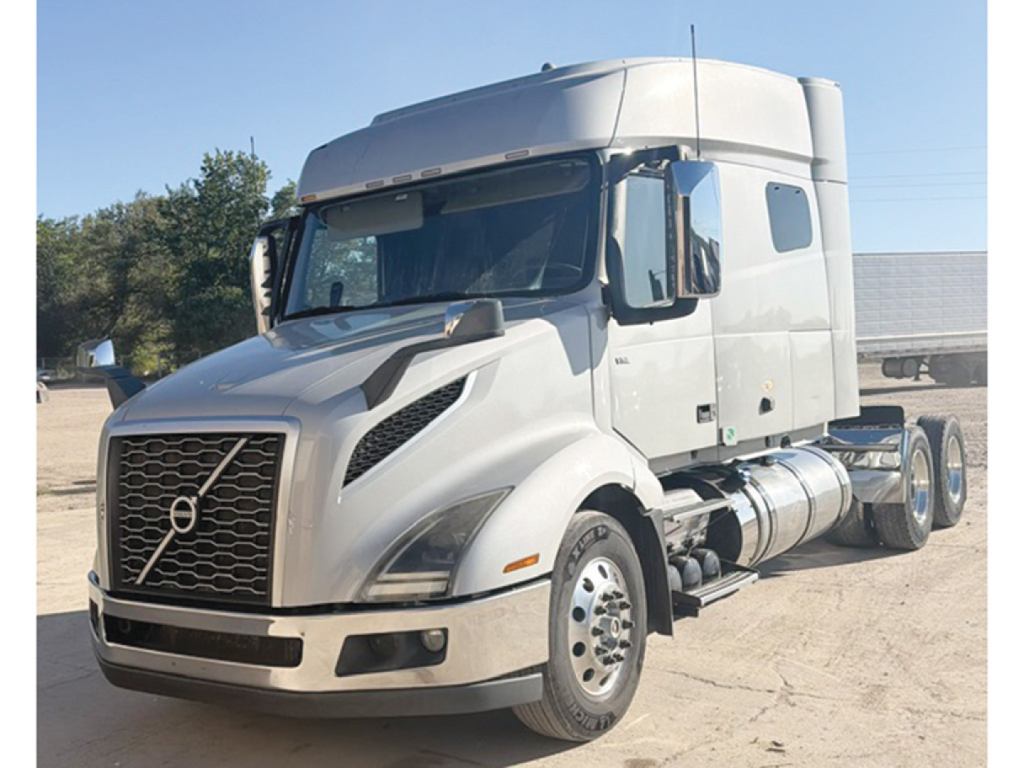
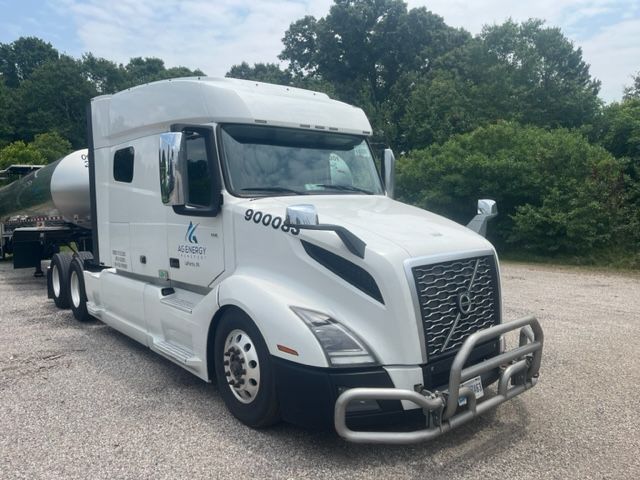
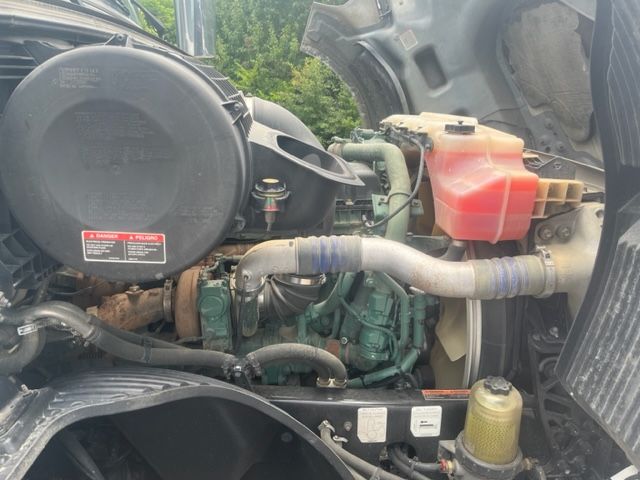
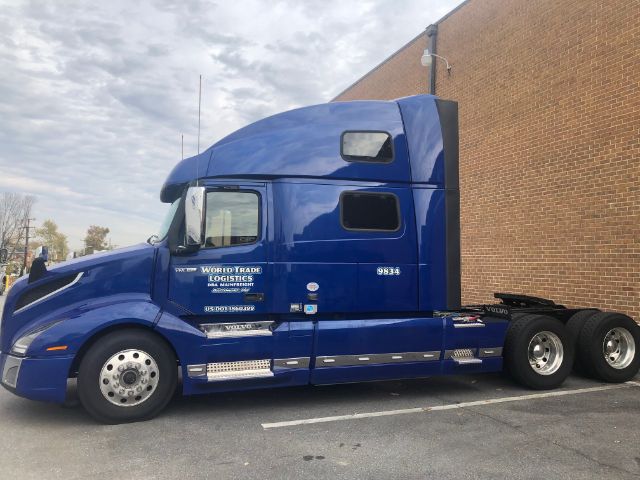
Selling a used 2019 volvo conventional sleeper truck? List your used 2019 volvo conventional sleeper truck for sale and reach thousands of commercial buyers.
Used 2019 Volvo Conventional Sleeper Trucks
For a 2019 unit, rear axle ratio, wheelbase, and sleeper size matter as much as engine rating. A 2.47 or 2.64 ratio is common on fuel-minded over-the-road specs, while some trucks are geared differently for heavier payloads or more demanding terrain. Wheelbase affects ride, trailer gap, and turning radius, and it also influences how the truck fits into dedicated lanes, tanker work, van freight, or drop-and-hook operations. Many buyers also check for air-ride suspension, air-slide fifth wheel, disc or drum brake setup, fuel tank capacity, and fairing condition because those details directly affect operating cost and day-to-day usability.
The sleeper itself is a major buying point in the 2019 Volvo conventional sleeper category. Volvo built a strong reputation around cab ergonomics, visibility, and a quieter interior, so condition inside the bunk can be as important as drivetrain spec. It is common to see single-bunk and double-bunk layouts, along with features like bunk heaters, refrigerator cabinets, workstation setups, power accessories, and integrated storage. A buyer comparing multiple used trucks should pay close attention to signs of hard team use, idle hours, HVAC performance, mattress platform condition, and any damage around cabinets, trim, and upper bunk hardware.
Maintenance history is especially important on a used 2019 Volvo sleeper. Emissions system status, software updates, turbo and aftertreatment service records, clutch calibration history on I-Shift trucks, and any major engine work should all be reviewed before purchase. Front tire wear can point to alignment or suspension issues, and driveline vibration under load can reveal deeper concerns that are easy to miss on a short test drive. For fleets and owner-operators shopping this category, the best unit is usually the one with a clear service record, the right sleeper and axle spec for the freight, and a powertrain setup that matches expected highway speed, fuel economy goals, and gross combination weight.
Frequently Asked Questions about Used 2019 Volvo Conventional Sleeper Trucks
What engine and transmission are most common in a used 2019 Volvo conventional sleeper truck?
The most common setup is a Volvo D13 diesel engine paired with the Volvo I-Shift automated manual transmission. This combination is popular because it balances fuel economy, highway drivability, and broad parts and service familiarity in the Volvo dealer network. Some trucks may be rated around 405 to 455 horsepower, while higher-horsepower specs are also found in certain fleet and owner-operator applications.
What is the difference between Volvo VNL sleeper models like the 670, 760, and 860?
The main differences are sleeper size, roof height, storage layout, and overall living space. A VNL 670 is generally a more compact sleeper choice for carriers that want to control weight and keep the truck efficient on regional or over-the-road runs. The VNL 760 and 860 typically offer more room, additional cabinets, and more comfort-oriented interior layouts, which can matter for teams or solo drivers staying out longer.
What specs should I compare first when shopping a used 2019 Volvo sleeper?
Start with engine rating, transmission model, rear axle ratio, wheelbase, and sleeper size. Those five items tell you how the truck will perform on the highway, how it will handle different freight, and how suitable it is for long stays on the road. After that, check suspension type, brake configuration, fuel capacity, fifth wheel setup, and the condition of fairings, tires, and the sleeper interior.
Are 2019 Volvo conventional sleeper trucks good for fuel-efficient over-the-road operation?
Yes, many 2019 Volvo sleeper specs were built specifically for fuel-efficient highway service. Aerodynamic bodywork, common use of the D13 engine, and tall rear axle ratios such as 2.47 or 2.64 make these trucks well suited for van, reefer, and general long-haul freight. Actual fuel performance still depends on terrain, speed, idle time, maintenance condition, and how closely the truck's gearing matches the load and route.
What maintenance items matter most on a used 2019 Volvo VNL sleeper?
The most important areas are emissions system service history, engine software updates, aftertreatment condition, transmission calibration records, and documentation for major repairs. Buyers should also inspect steer tire wear, suspension components, bunk HVAC operation, and any signs of excessive idle hours or interior wear. A strong maintenance file is often more valuable than cosmetic appearance because it gives a clearer picture of reliability and operating cost.