
Used 2019 Peterbilt Conventional Sleeper Trucks For Sale
Browse used 2019 Peterbilt conventional sleeper trucks, including 579-style highway sleepers with MX-13 or X15 power and long-haul specs.
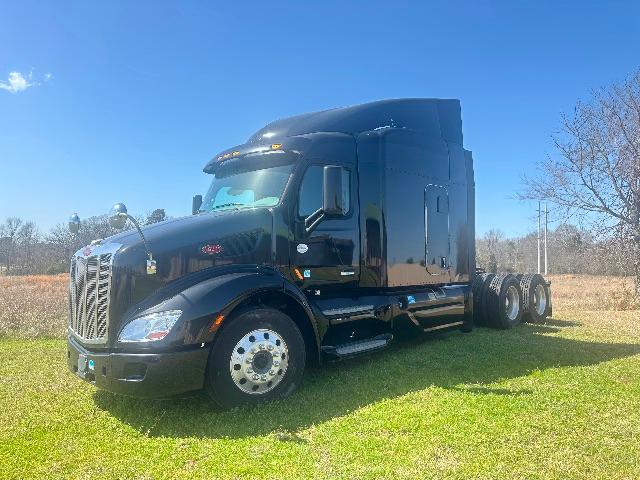
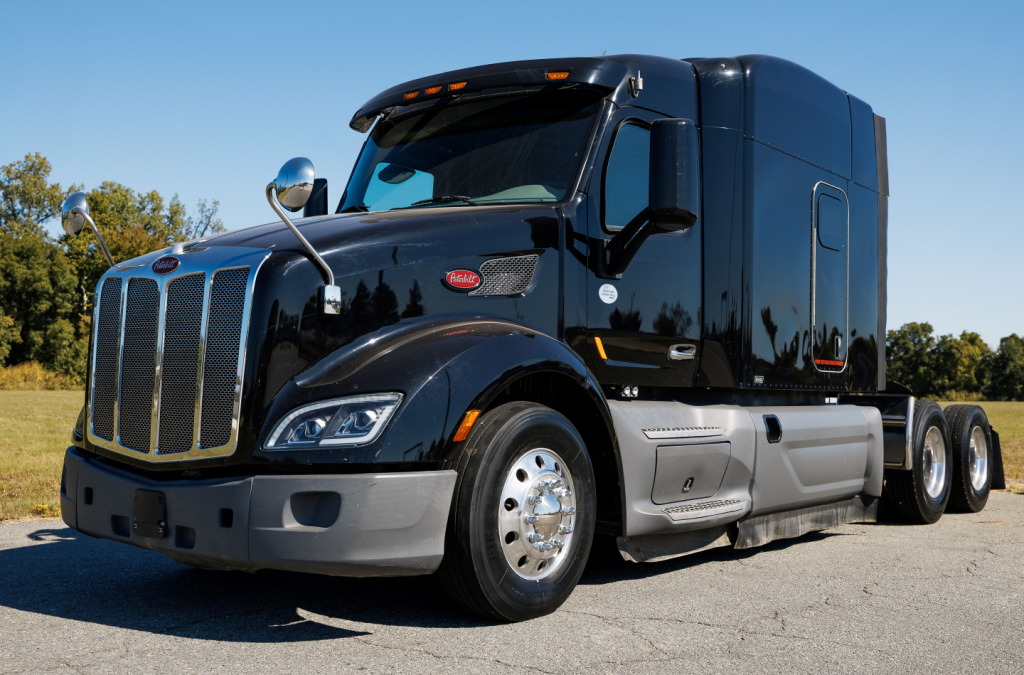
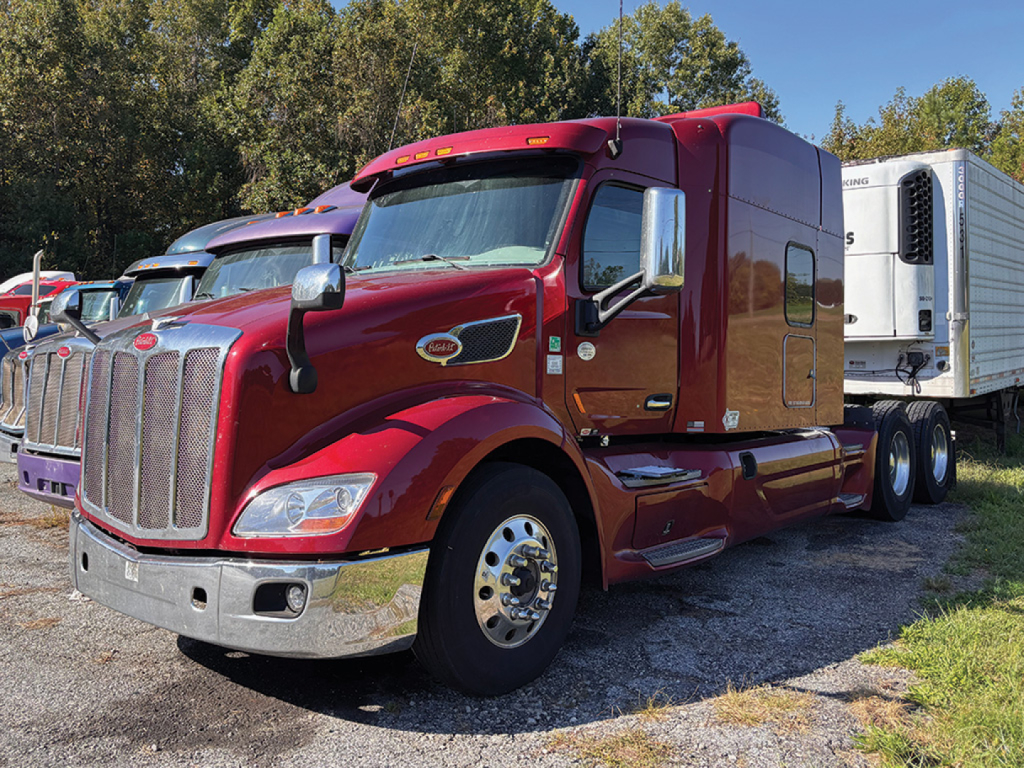
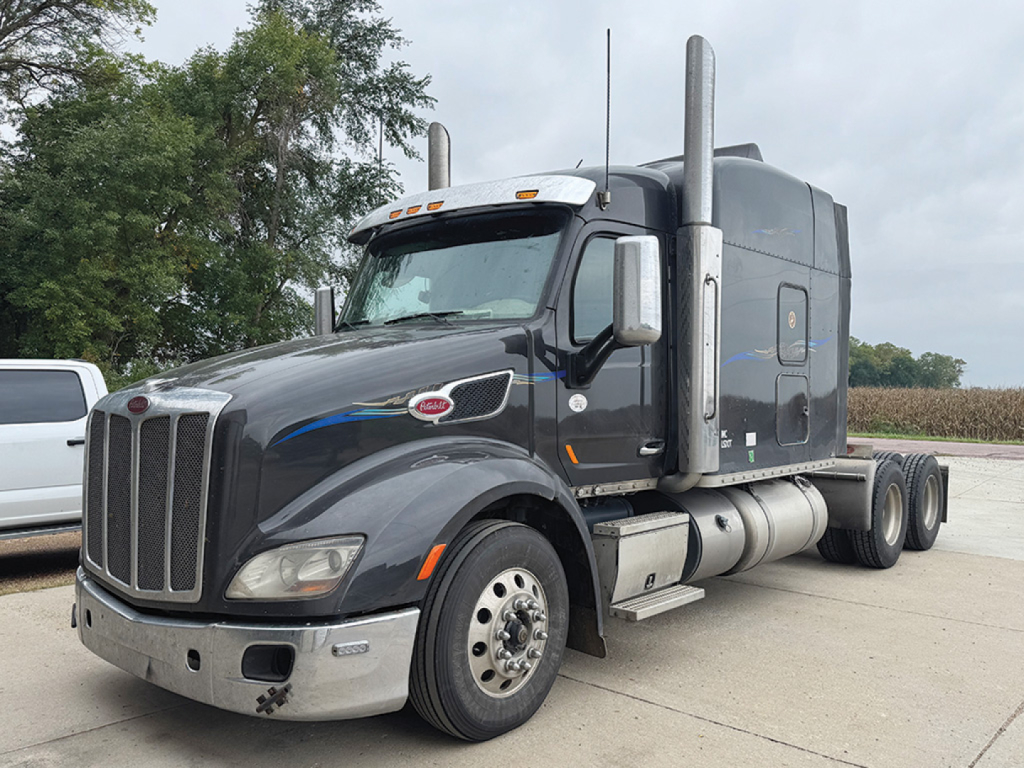
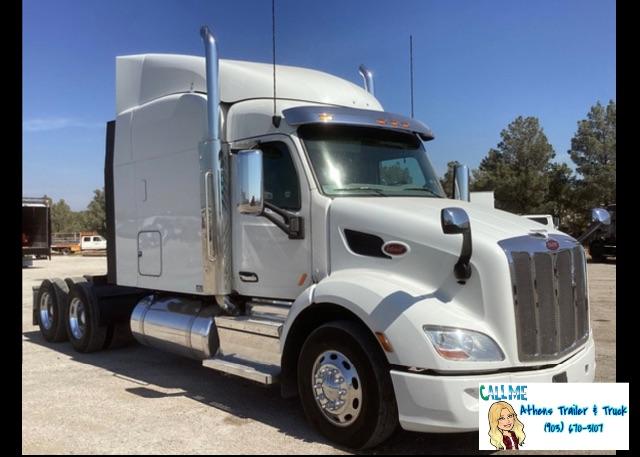

Selling a used 2019 peterbilt conventional sleeper truck? List your used 2019 peterbilt conventional sleeper truck for sale and reach thousands of commercial buyers.
Used 2019 Peterbilt Conventional Sleeper Trucks
Powertrain choice is usually the next major decision. Many 2019 Peterbilt sleeper trucks are spec'd with the PACCAR MX-13, while others may carry a Cummins X15 depending on the original fleet order and intended duty cycle. Horsepower commonly lands in the 430 to 510 HP range, with torque and rear axle ratio selected for fuel mileage, cruising speed, and gross combination weight. Transmissions vary from automated manuals to traditional 10-, 13-, or 18-speed setups. For buyers running mixed terrain or heavier loads, axle ratio, transmission model, and engine brake performance deserve as much attention as headline horsepower. Maintenance history also matters on emissions-era trucks, especially for the aftertreatment system, cooling system, overheads, injectors, and clutch or automated transmission service.
Chassis specs on a 2019 Peterbilt conventional sleeper often include tandem drive axles, air ride suspension, dual fuel tanks, and an air-slide fifth wheel. Wheelbases commonly fall in the 230- to 250-inch range for fleet-style highway tractors, with longer setups on trucks ordered for larger sleepers or added accessories. Brake configuration can be drum all around or a mix of steer axle discs and drive axle drums. Tire size is frequently 22.5 low-profile rubber, and aluminum wheels remain a common spec for weight savings and appearance. Buyers should also look at practical details like fuel capacity, APU installation, inverter wiring, bunk heater, refrigerator prep, and any signs of frame modifications if the truck has changed applications.
The 2019 model year sits in a useful spot for many buyers because it is modern enough to offer updated aerodynamics, driver amenities, and common safety electronics, but old enough that pricing is usually well below late-model new truck levels. A careful inspection should include fault-code review, DPF and DEF system history, suspension wear, kingpin and front-end condition, and signs of excessive idle time if the truck was used in long-haul service. For fleets, consistency across sleeper size, engine family, and transmission type can simplify training and parts stocking. For owner-operators, the right 2019 Peterbilt sleeper often comes down to balancing mileage, service records, interior condition, and a spec that matches the freight lane rather than just buying the highest-horsepower truck on the page.
Frequently Asked Questions about Used 2019 Peterbilt Conventional Sleeper Trucks
What engine options are common in a used 2019 Peterbilt conventional sleeper truck?
The most common engines in a 2019 Peterbilt conventional sleeper are the PACCAR MX-13 and, in some specs, the Cummins X15. Both are proven heavy-duty platforms for highway service, but the right choice depends on your maintenance preference, dealer support, and operating weight. Buyers should review horsepower, torque rating, emissions service history, and any documented work on the cooling system, injectors, EGR components, DPF, and DEF system before making a decision.
What sleeper size should I look for in a 2019 Peterbilt 579?
Sleeper size should match the job. A mid-roof sleeper can work well for regional lanes and lighter overnight use, while a high-roof or condo sleeper in the 72- to 80-inch range is better suited for long-haul drivers who need standing room, more cabinet space, and larger bunk accommodations. A larger sleeper usually adds wheelbase and weight, so it is worth checking how that affects maneuverability and payload in your operation.
Are automatic transmissions common in used 2019 Peterbilt sleeper trucks?
Yes. Many 2019 Peterbilt highway sleepers were ordered with automated manual transmissions because fleets wanted improved fuel economy, easier driver onboarding, and reduced clutch wear. Manual transmissions are still available in some trucks, especially owner-operator or heavy-haul oriented specs. The better choice depends on your driver pool, route profile, and comfort with transmission service and calibration history.
What should I inspect first on a used 2019 Peterbilt conventional sleeper?
Start with service records, engine hours, fault codes, and emissions-related repairs. Then inspect the front axle and steering components, suspension bushings, fifth wheel operation, brake wear, tire condition, and any oil or coolant seepage. Inside the cab and sleeper, check inverter operation, HVAC performance, bunk accessories, and signs of water intrusion or heavy idle use. A clean interior is helpful, but documented preventive maintenance is more important than appearance alone.
Is a 2019 Peterbilt conventional sleeper a good fit for fleet use or owner-operator use?
It can fit both. For fleets, a 2019 Peterbilt sleeper offers a modern driver environment, widely understood service requirements, and a configuration that can be standardized across lanes. For owner-operators, it appeals because of ride quality, brand reputation, and the ability to find trucks with larger sleepers, manual transmissions, or higher trim levels. The best fit comes down to matching the axle ratio, sleeper size, engine, and transmission to the freight you actually run.