
Used 2019 Conventional Sleeper Trucks For Sale in New York
Browse used 2019 conventional sleeper trucks in New York. Compare aero specs, sleeper sizes, powertrains, mileage, and highway-ready features.
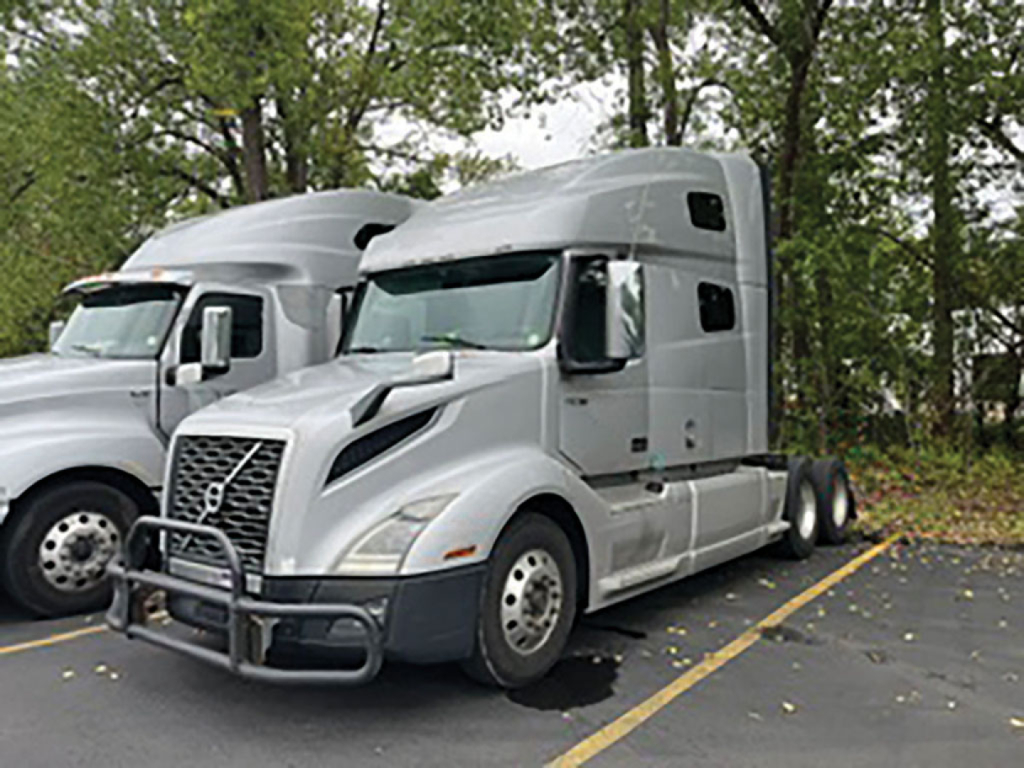

Have used 2019 conventional sleeper truck to sell? List it here to reach thousands of buyers.
Used 2019 Conventional Sleeper Trucks in New York
The main buying decisions usually start with the powertrain. In 2019 sleeper tractors, common engines include the Detroit DD13 and DD15, Cummins X15, PACCAR MX-13, and Volvo D13, typically paired with 12-speed automated manuals or 10-speed and 13-speed manual transmissions. Rear axle ratings around 40,000 lb, front axles near 12,000 lb, wheelbases in the 220-inch to 240-inch range, and 2.47 to 3.08 axle ratios are common on fuel-minded highway specs. Buyers in New York should pay close attention to emissions history, idle hours, and maintenance on the DPF, DEF, and SCR systems, especially for trucks that saw stop-and-go Northeast service rather than steady interstate miles.
Sleeper configuration affects both driver retention and payload flexibility. Most 2019 conventional sleepers were built with 60-inch to 80-inch sleepers, often in mid-roof or high-roof layouts with single or double bunks. Features such as bunk heaters, inverters, refrigerators, optimized storage, and air ride cab and sleeper suspensions can make a real difference for teams or extended runs. Aerodynamic fairings, cab extenders, low-profile 22.5 tires, and air slide fifth wheels are also common and worth comparing because they influence fuel burn, trailer compatibility, and resale value.
A careful buyer should look past paint and interior condition and focus on service records, ECM data, fault history, transmission calibration, axle ratio, and tire wear patterns. In New York, corrosion on frame rails, crossmembers, battery boxes, and suspension hardware deserves a close inspection due to winter road treatment. Verify wheelbase and fifth wheel placement against the trailer lengths and kingpin settings you plan to run, and confirm that the truck's spec matches your lane profile. A properly spec'd used 2019 conventional sleeper can still deliver strong uptime, good driver acceptance, and predictable cost per mile.
Frequently Asked Questions about Used 2019 Conventional Sleeper Trucks in New York
What is the typical spec range for a used 2019 conventional sleeper truck?
Most used 2019 conventional sleeper trucks are set up for highway freight with 400 to 500 horsepower engines, 12-speed automated manual or 10-speed manual transmissions, 40,000 lb rear axles, and aerodynamic sleeper cabs. High-roof sleepers in the 70-inch to 76-inch range are common, along with air ride suspension, dual fuel tanks, and low-profile 22.5 tires. Exact specs vary by application, but 2019 trucks were commonly built to balance fuel economy, driver comfort, and over-the-road durability.
Is a 2019 conventional sleeper a good choice for New York and Northeast freight?
Yes, a 2019 conventional sleeper can be a strong choice for New York freight if the truck's wheelbase, axle ratio, and emissions system condition match the operation. Northeast service often means tighter docks, heavier traffic, more idle time, and harsher winter exposure than many other regions. Buyers should inspect for corrosion, confirm aftertreatment service history, and review idle hours and fault codes because those factors can affect reliability more than odometer miles alone.
What should I inspect first on a used 2019 sleeper tractor?
Start with maintenance records, engine hours, idle hours, and ECM reports. Then inspect the DPF and DEF system history, transmission operation, suspension condition, frame corrosion, tire wear, and evidence of accident or body repair. On a sleeper tractor, also check the bunk HVAC, seals, cabinets, mattress platform, and electrical accessories such as inverters or refrigerators. A clean interior matters, but service documentation and fault history matter more.
What sleeper size is best on a 2019 conventional truck?
The best sleeper size depends on route length, driver schedule, and whether the truck runs solo or team. A 60-inch to 72-inch sleeper often works well for regional and shorter over-the-road lanes, while a 72-inch to 80-inch high-roof sleeper provides more storage and livability for longer runs. Larger sleepers can improve driver comfort and retention, but they also add weight and may affect maneuverability depending on wheelbase.
Are automated manual transmissions common in 2019 conventional sleeper trucks?
Yes, automated manual transmissions are very common in 2019 conventional sleeper trucks and were widely adopted by fleets for fuel economy, driver onboarding, and reduced clutch wear. DT12, PACCAR automated gearboxes, Volvo I-Shift, and Eaton automated options are frequently seen in this model year. Buyers should confirm software updates, clutch life data where available, and shift quality during a road test because calibration and maintenance have a direct impact on performance.