
Used Kenworth Conventional Sleeper Trucks For Sale in Iowa
Shop used Kenworth conventional sleeper trucks in Iowa. Compare T680 specs, sleeper options, fuel economy features, and long-haul driver amenities.
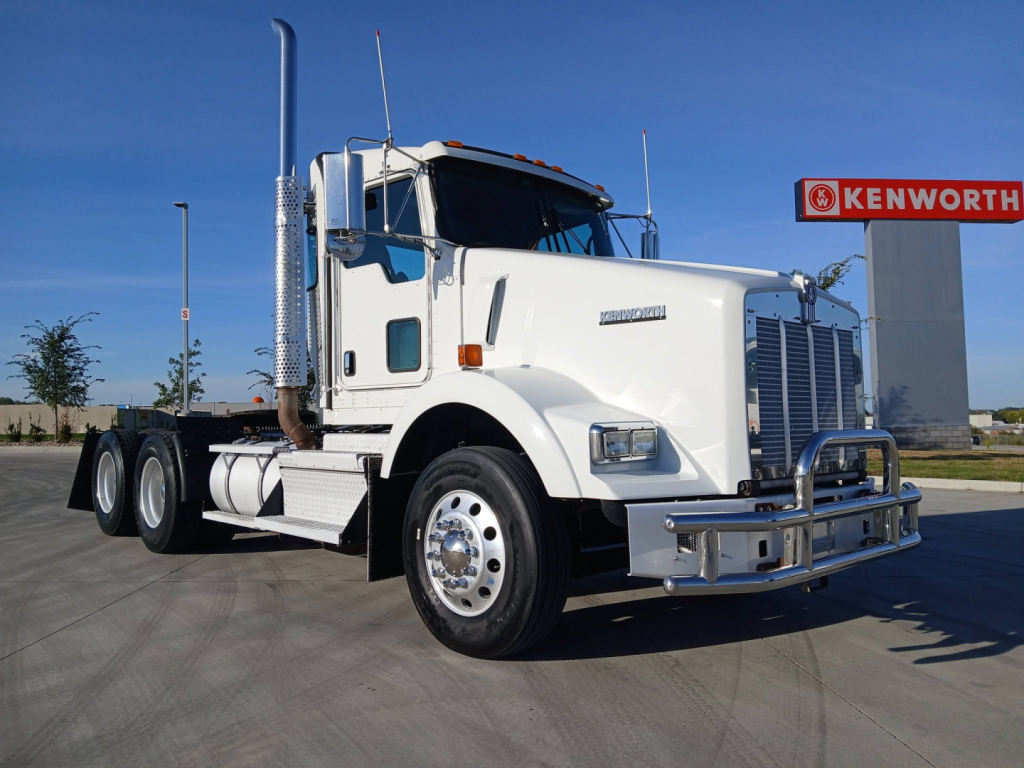
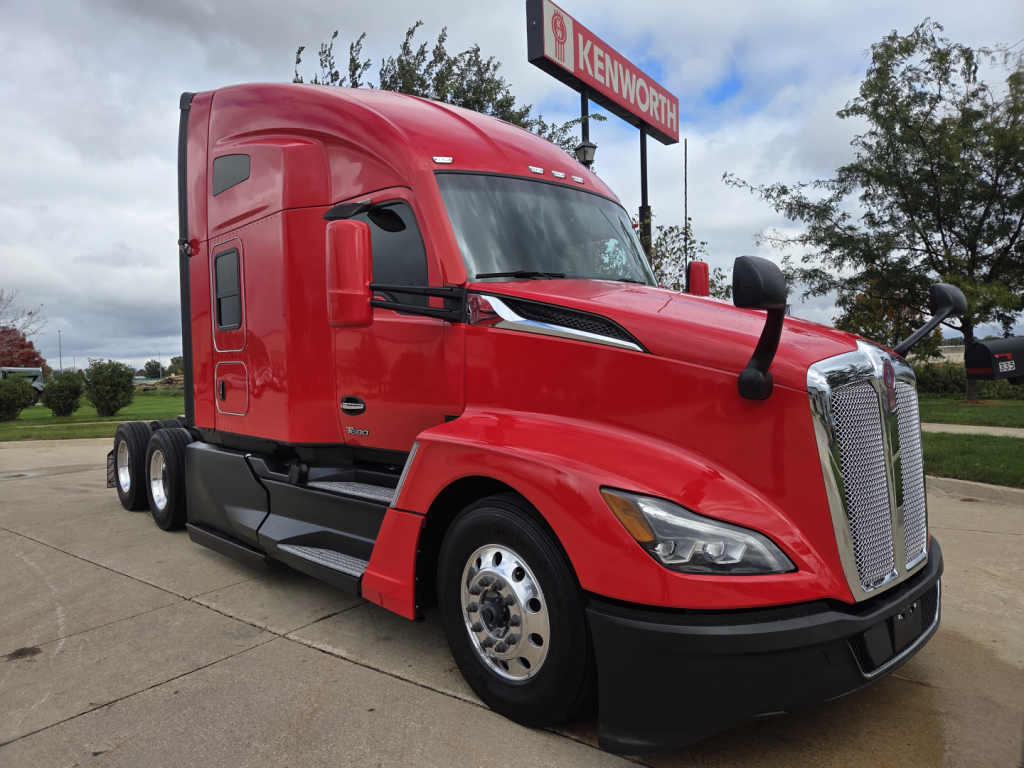
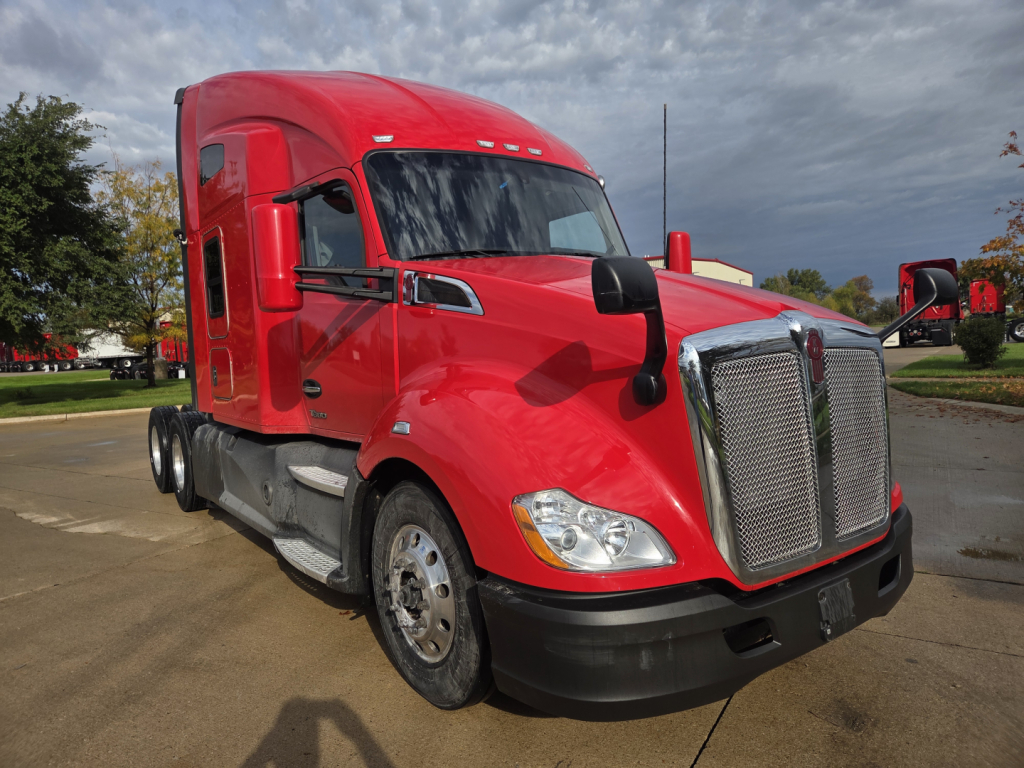
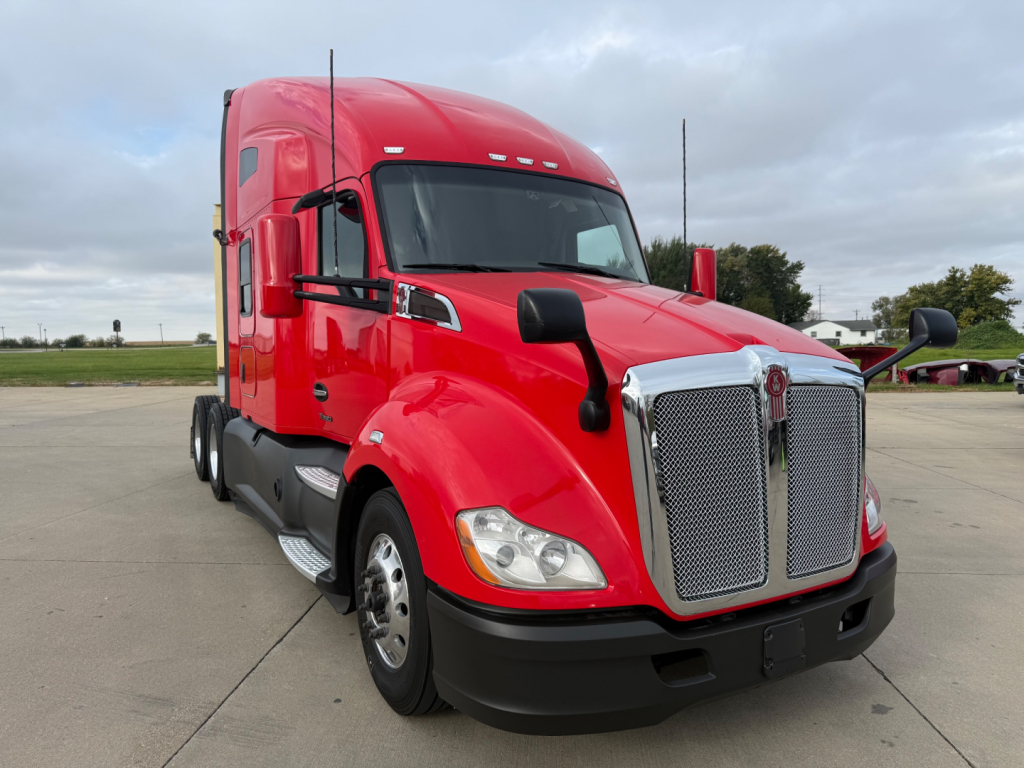
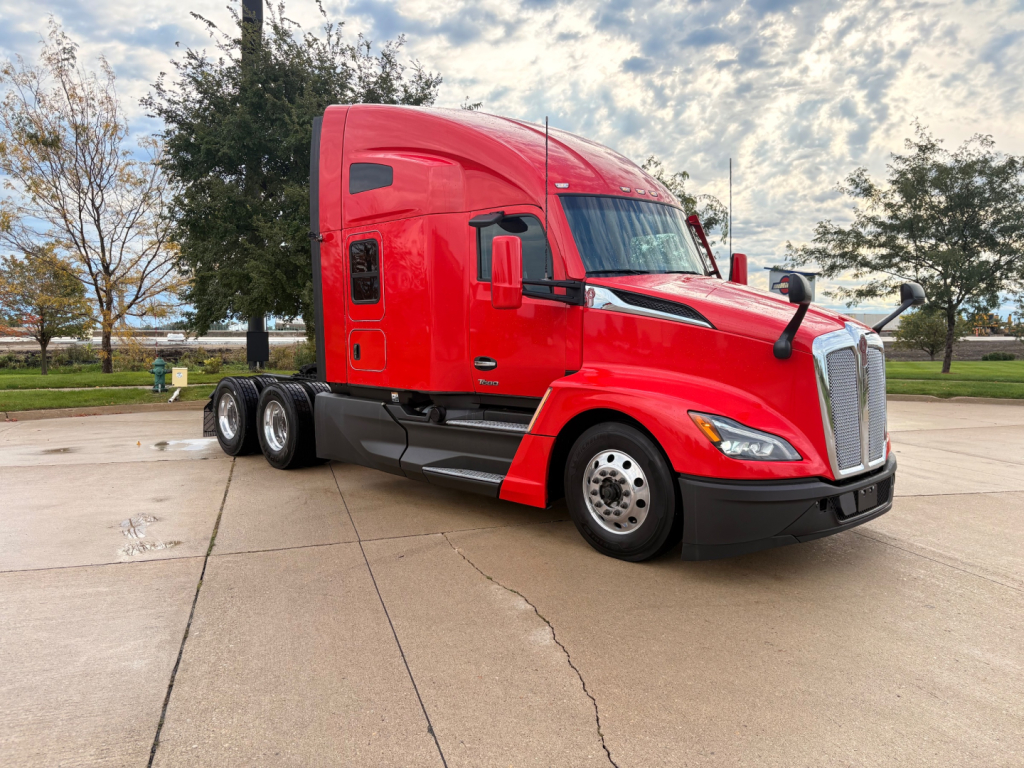
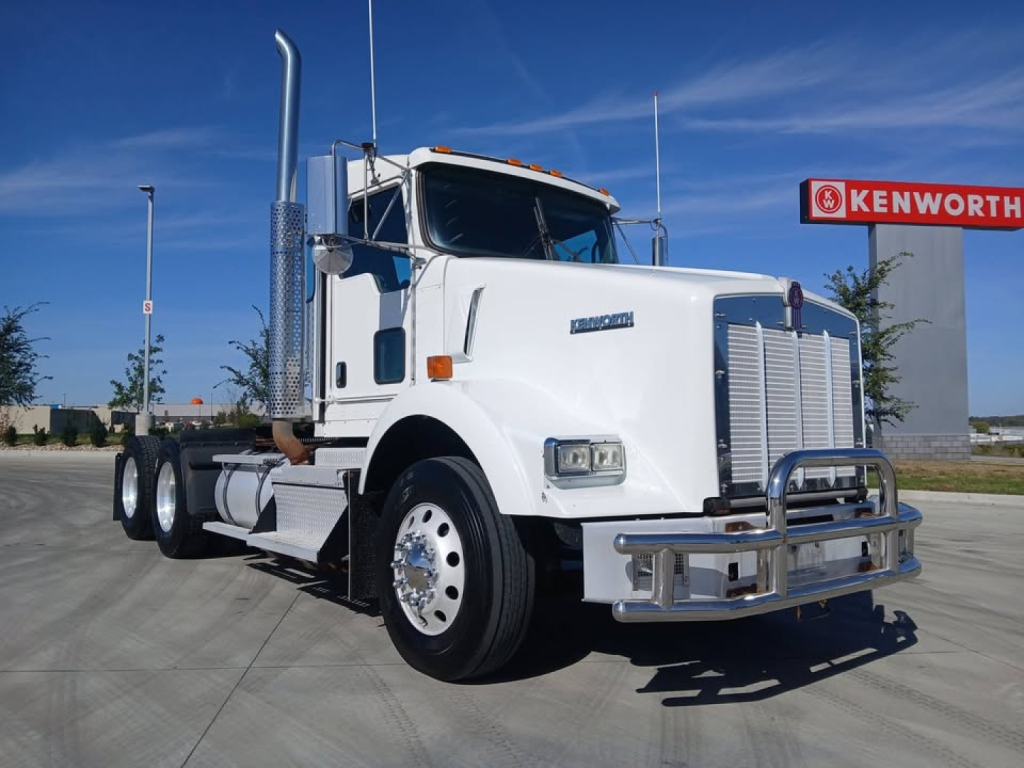
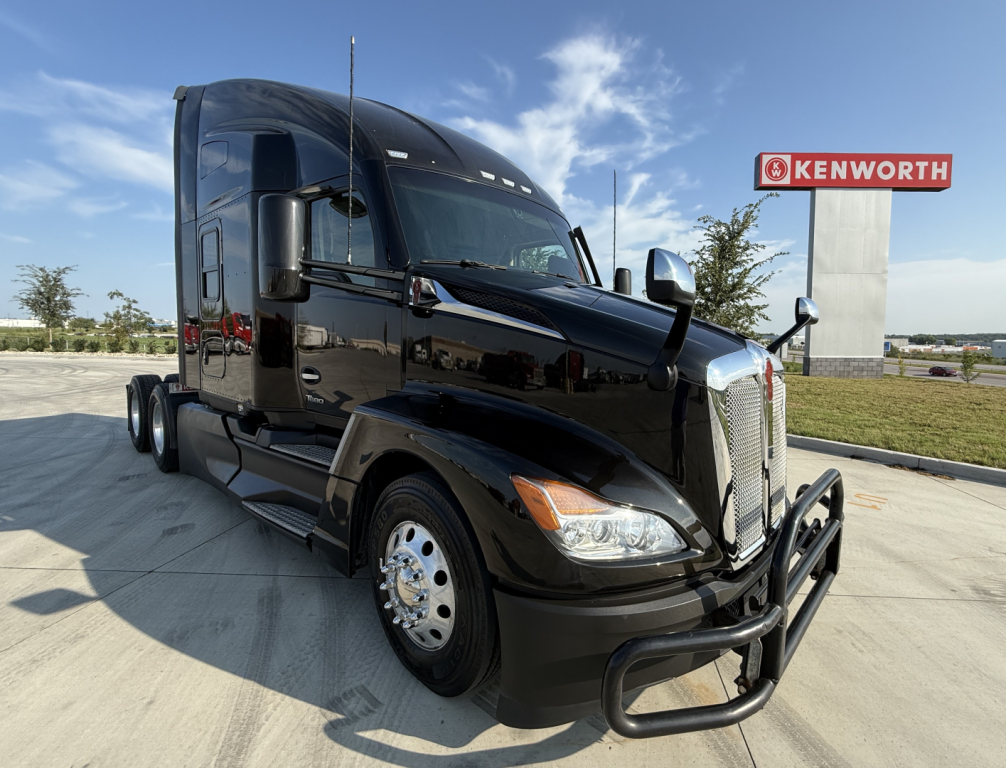
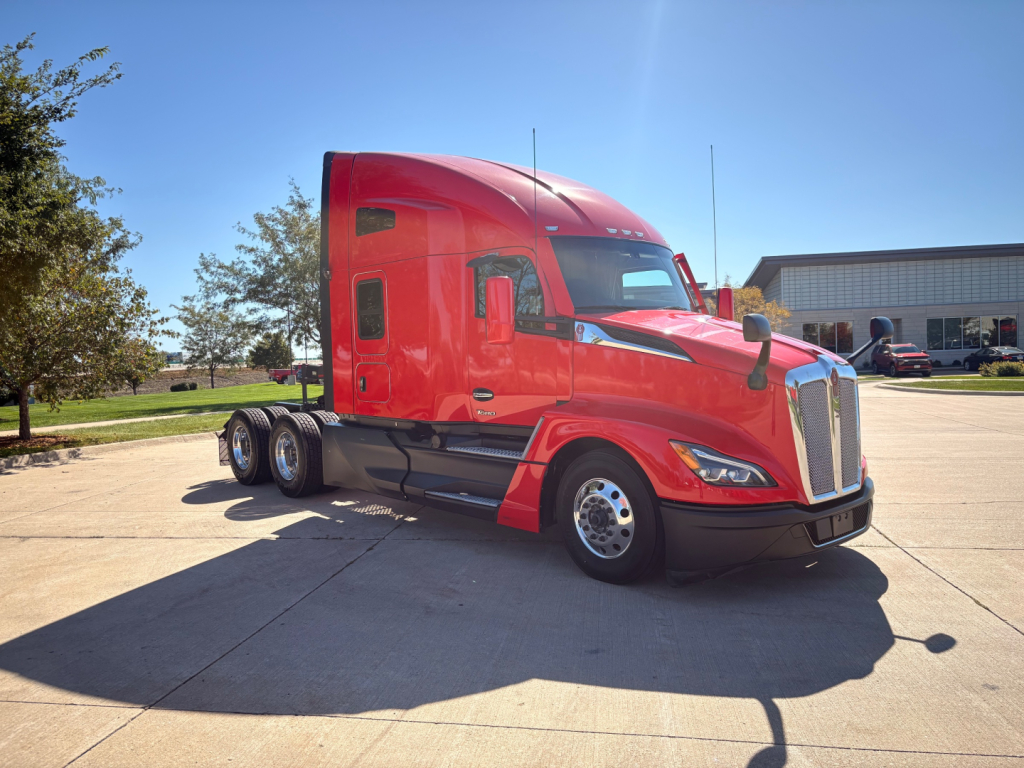
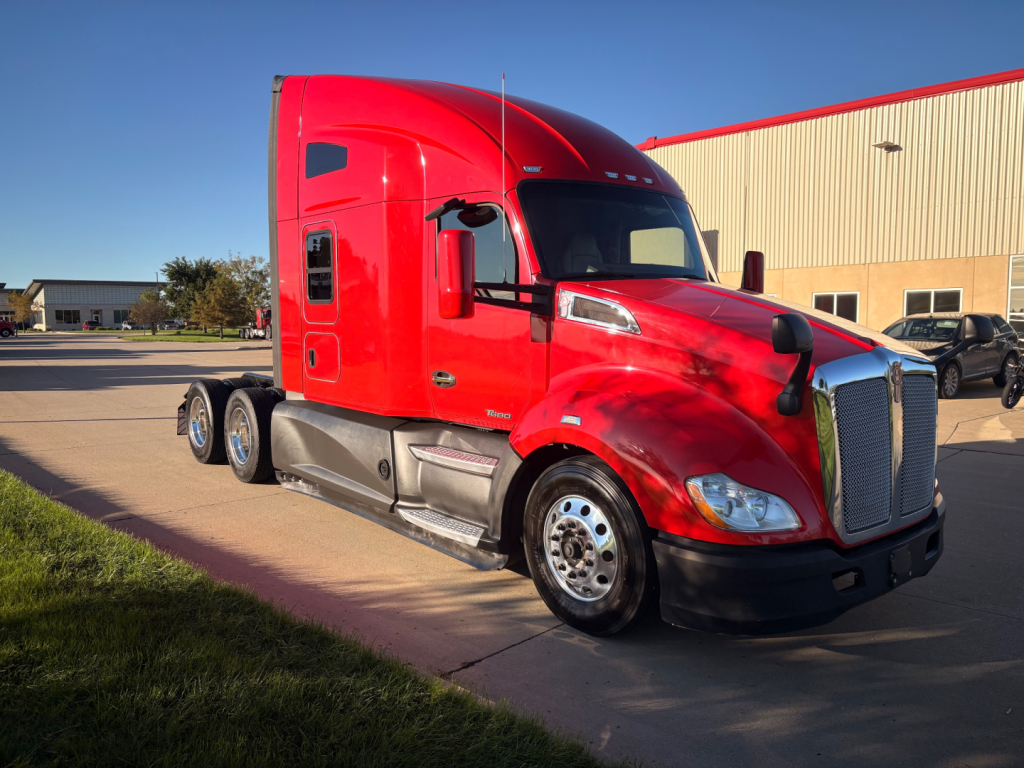
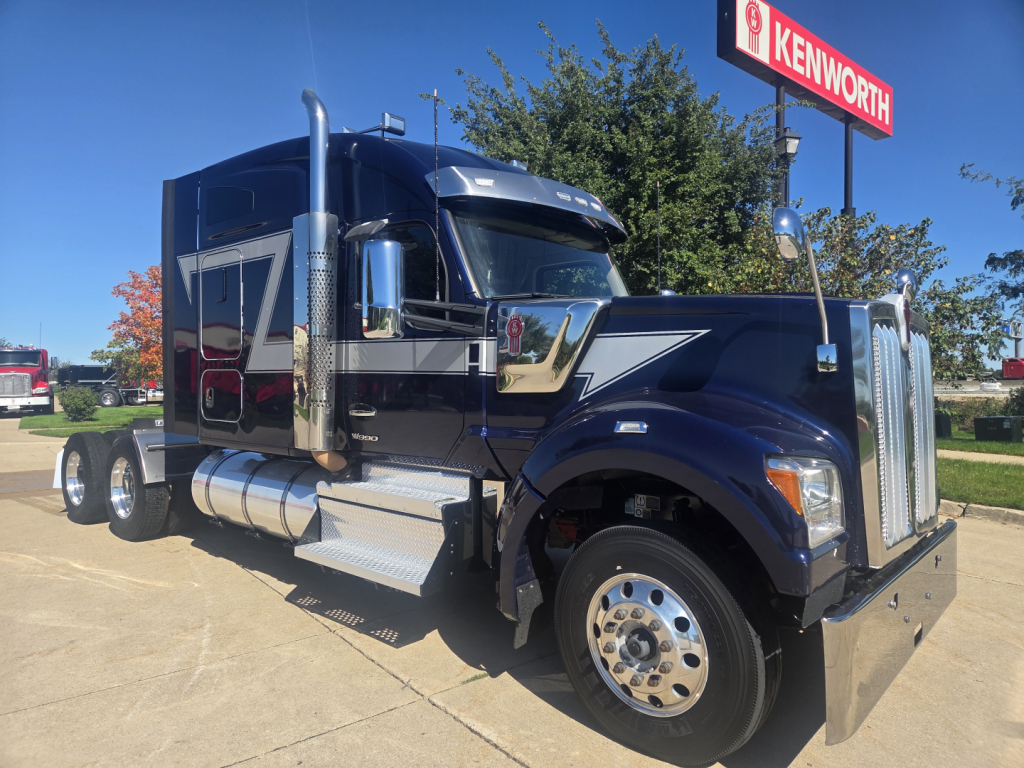
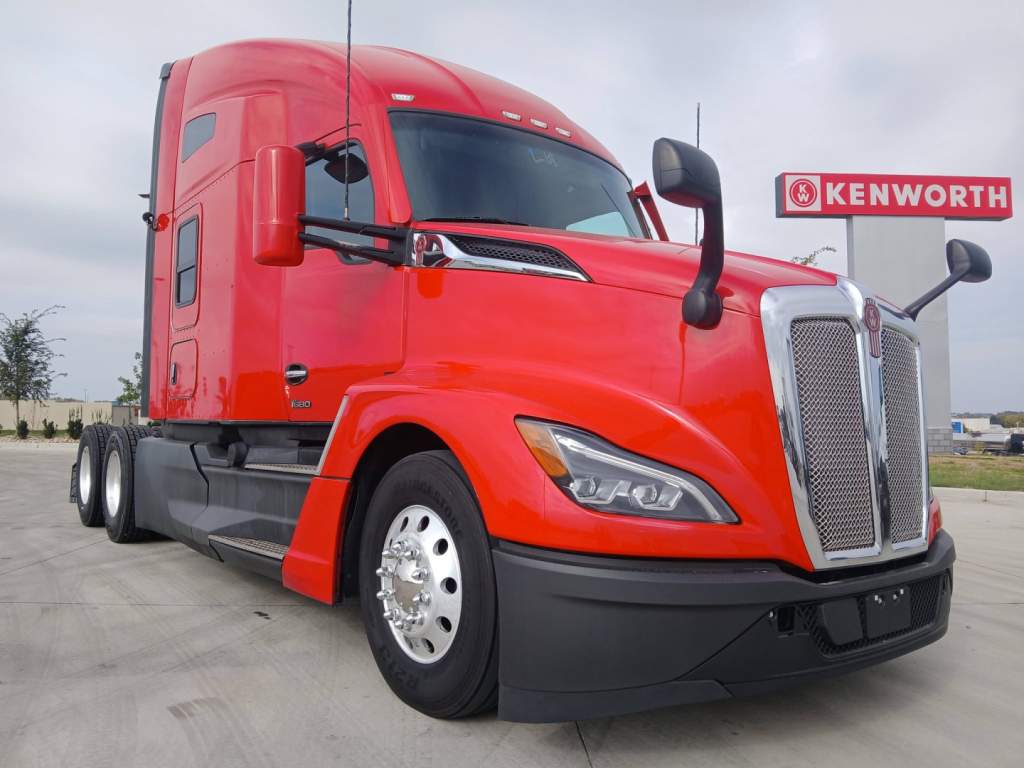
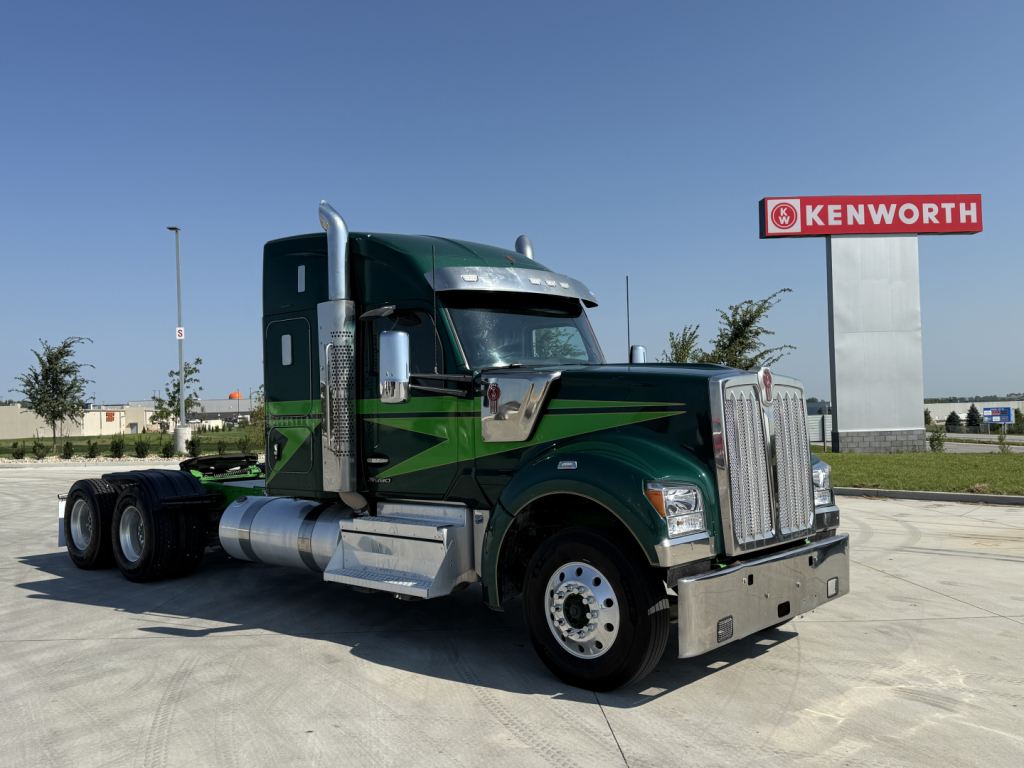
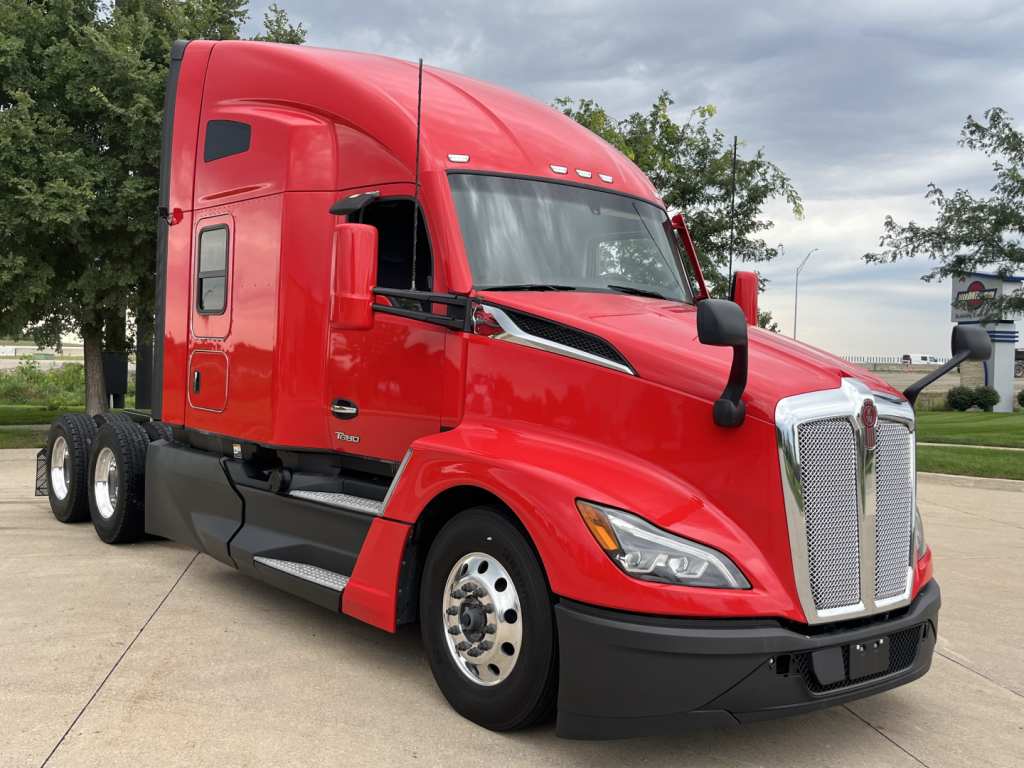
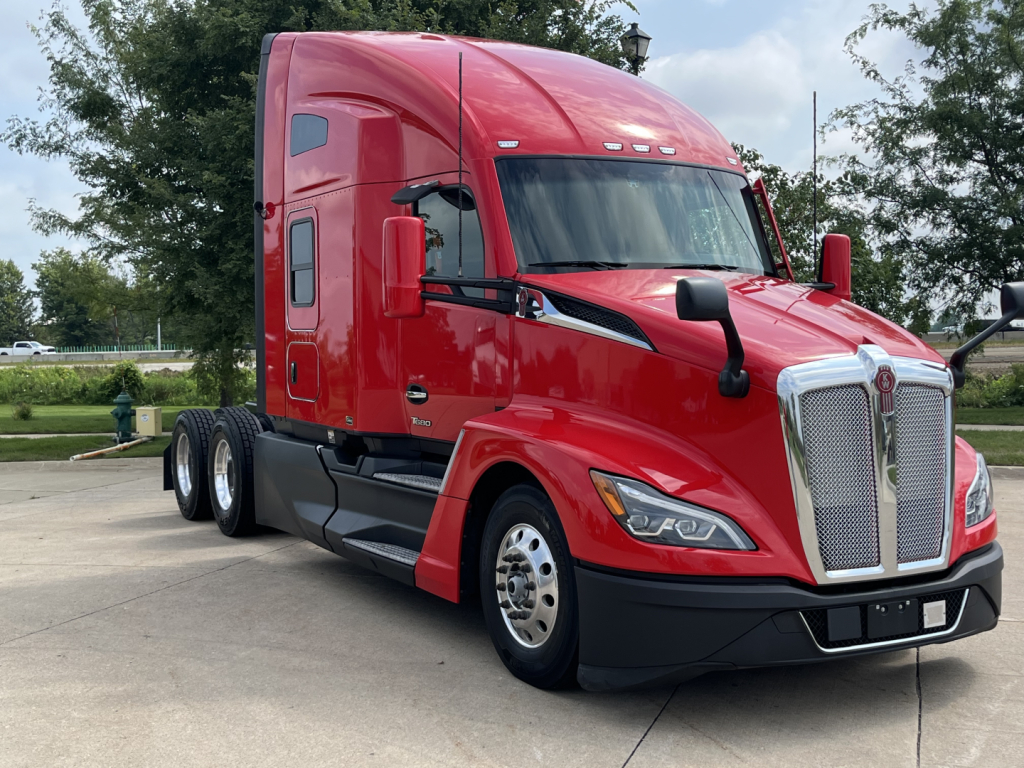
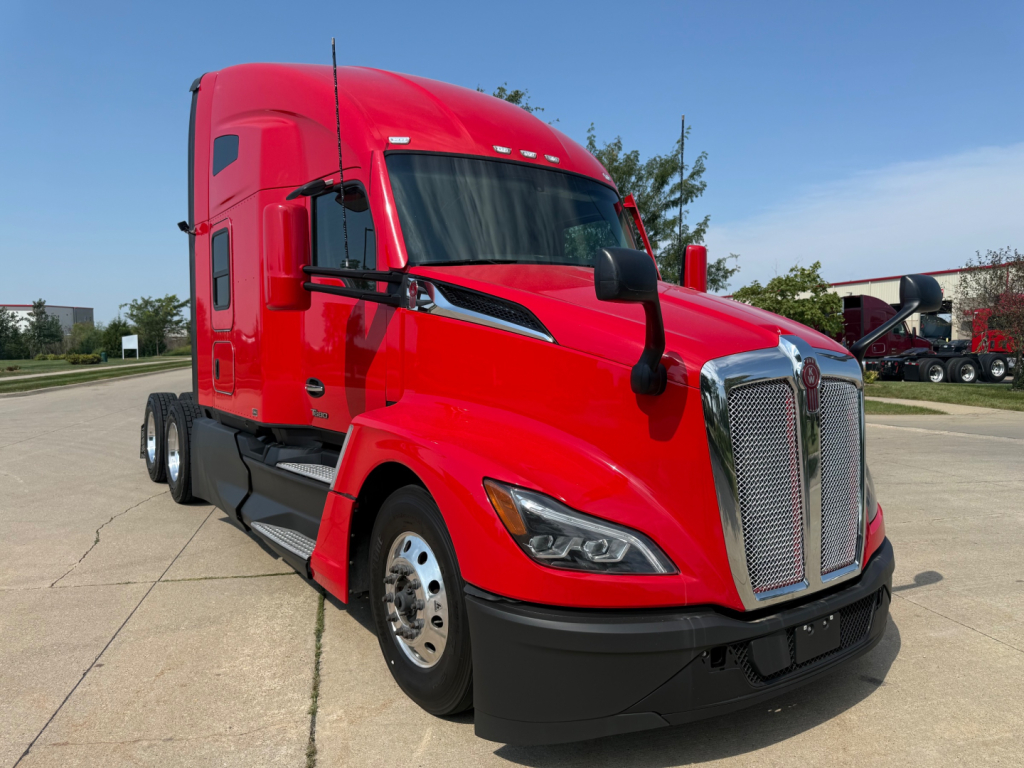

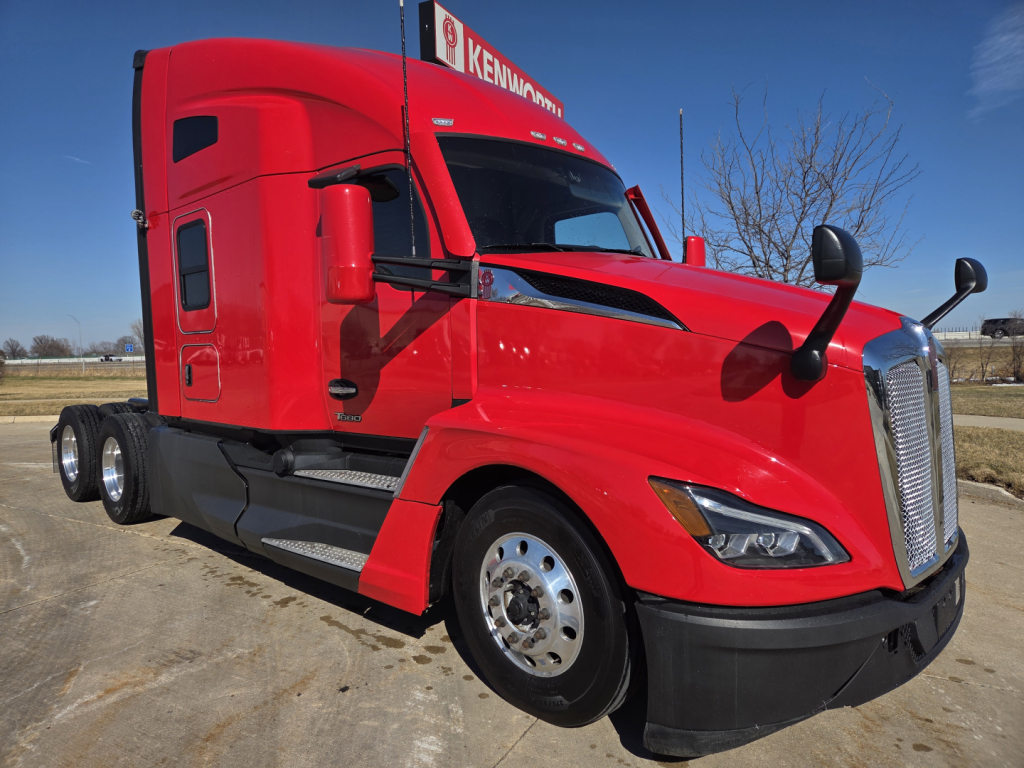
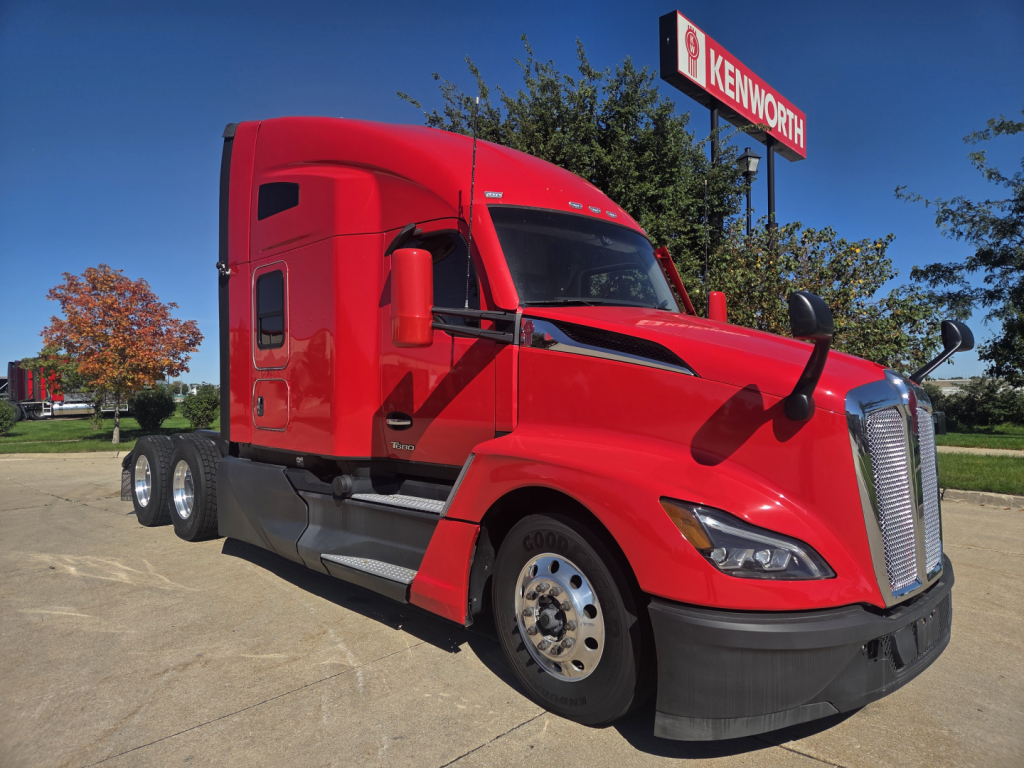
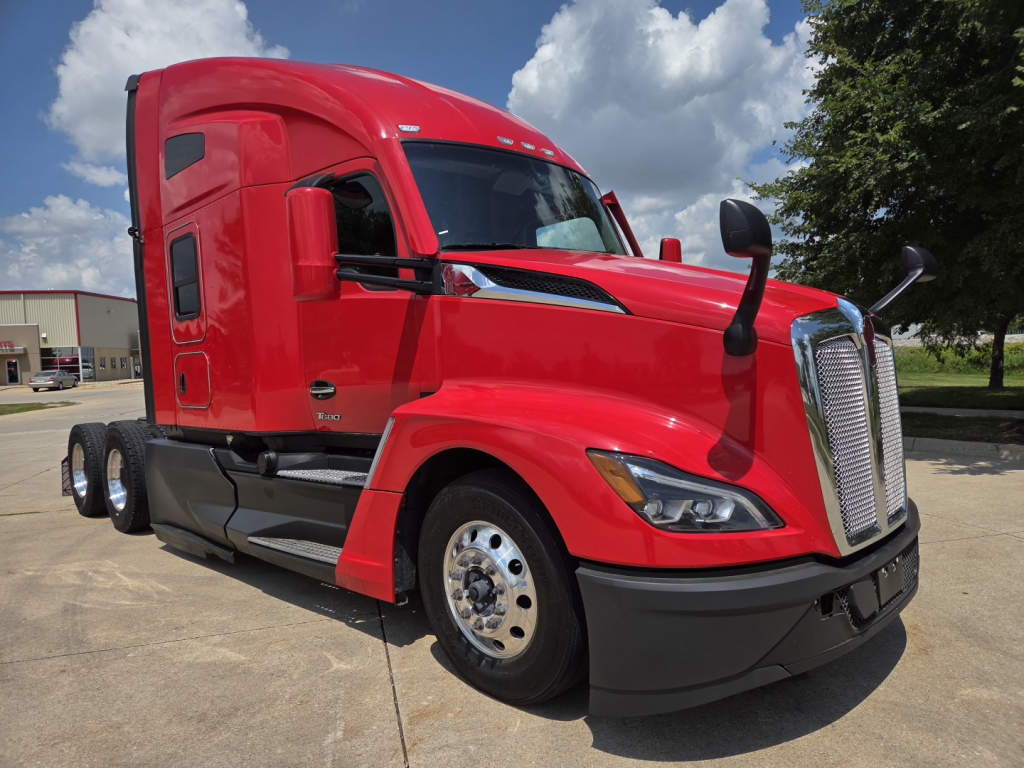
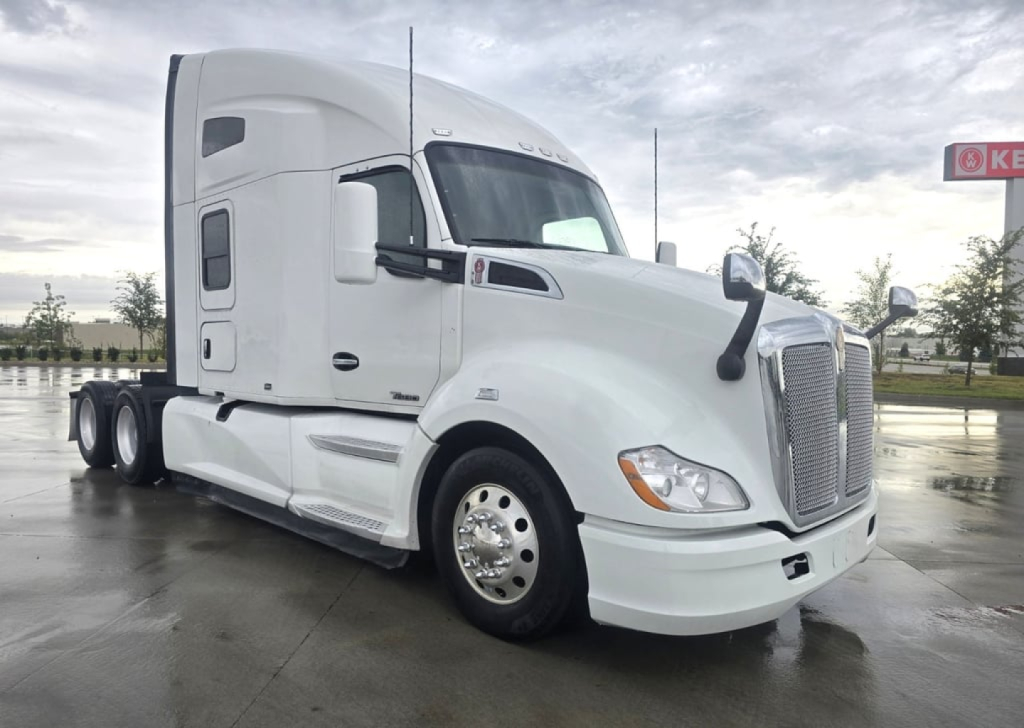
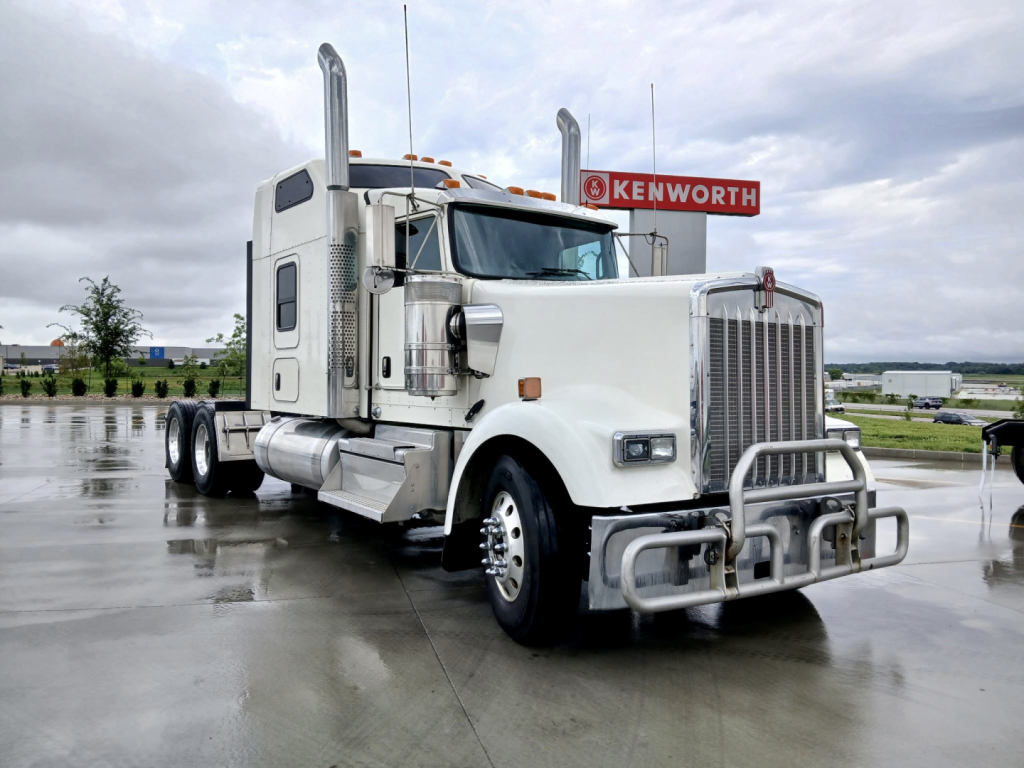
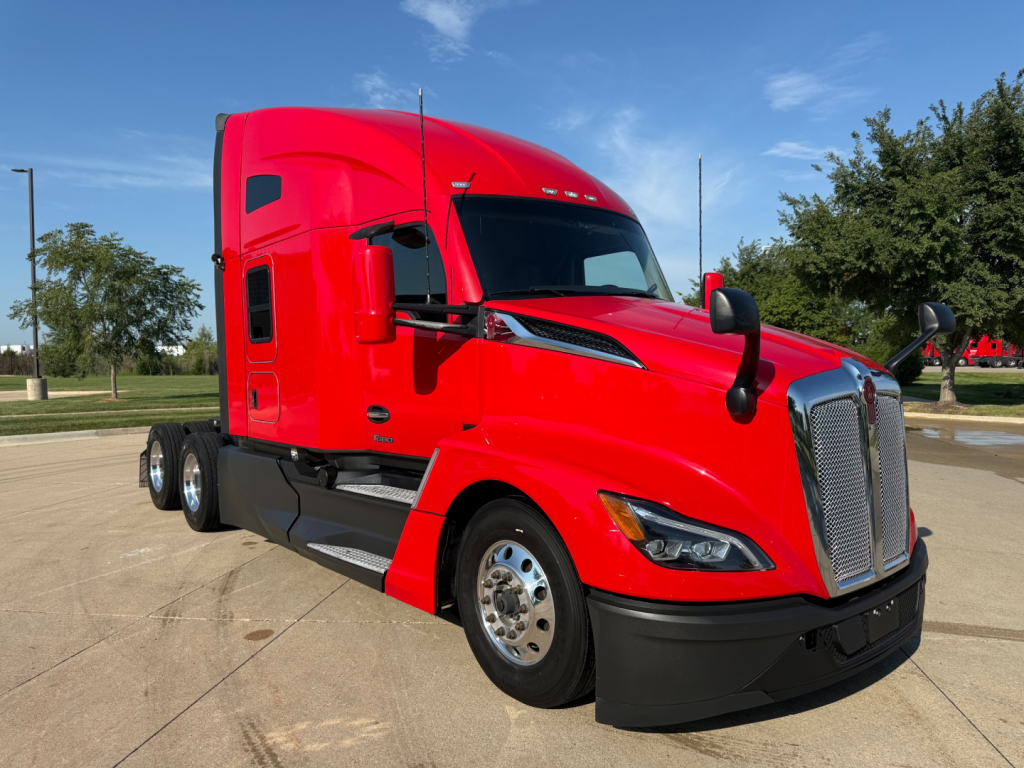
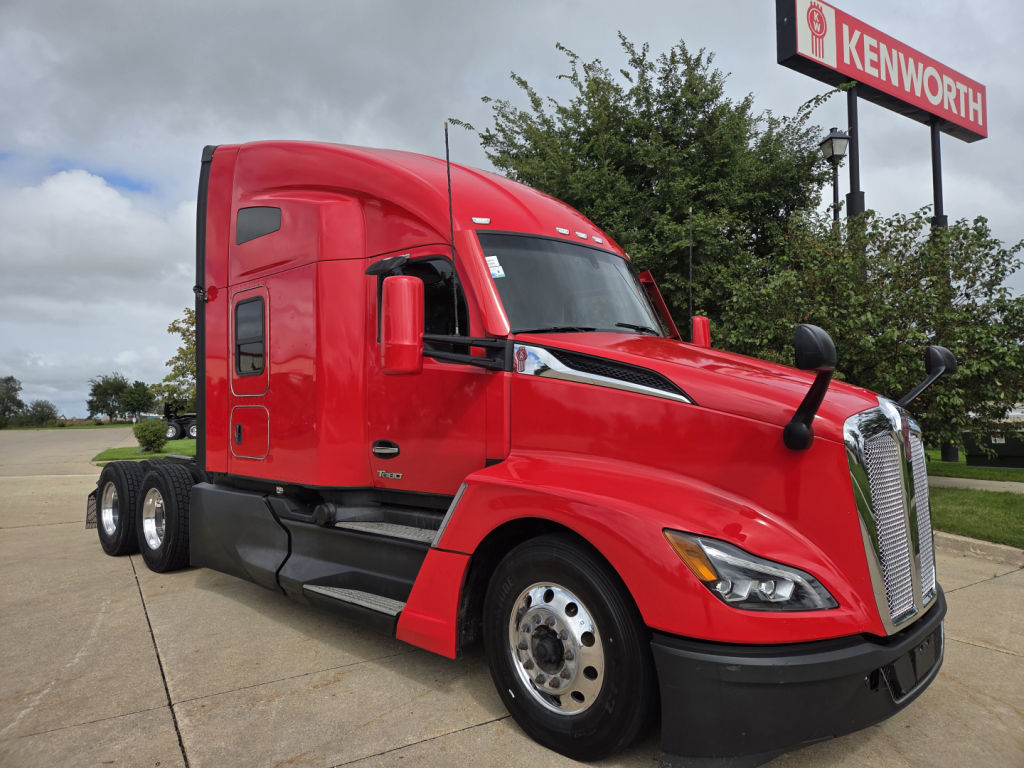
Selling a used kenworth conventional sleeper truck? List your used kenworth conventional sleeper truck for sale and reach thousands of commercial buyers.
Used Kenworth Conventional Sleeper Trucks in Iowa
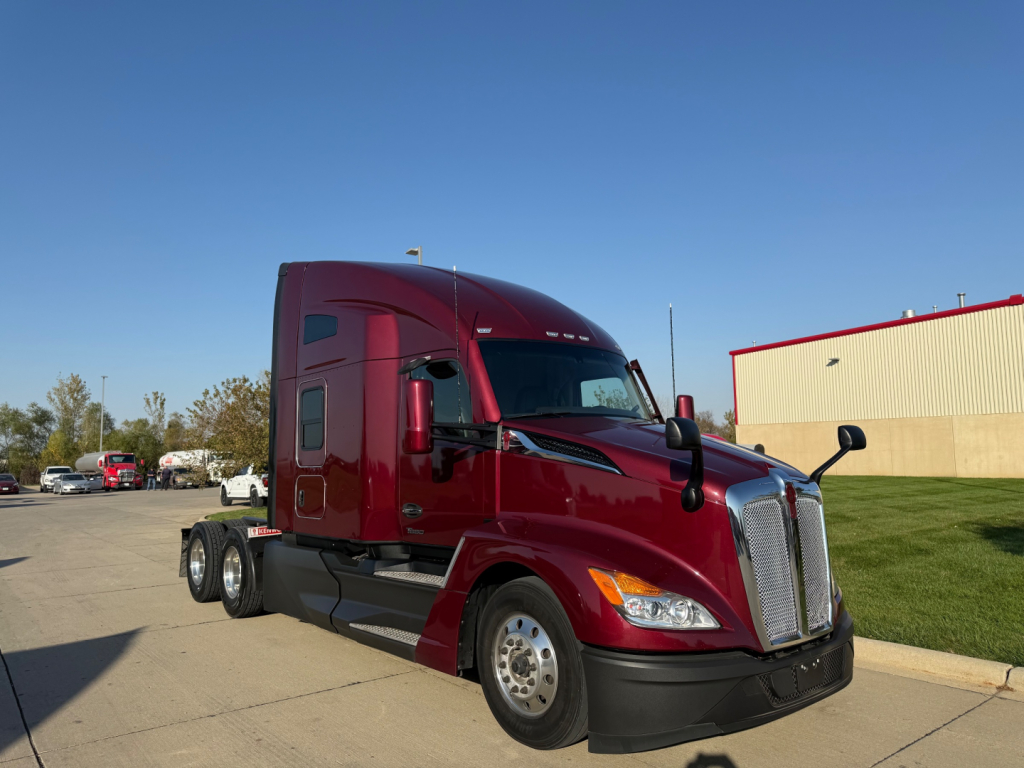
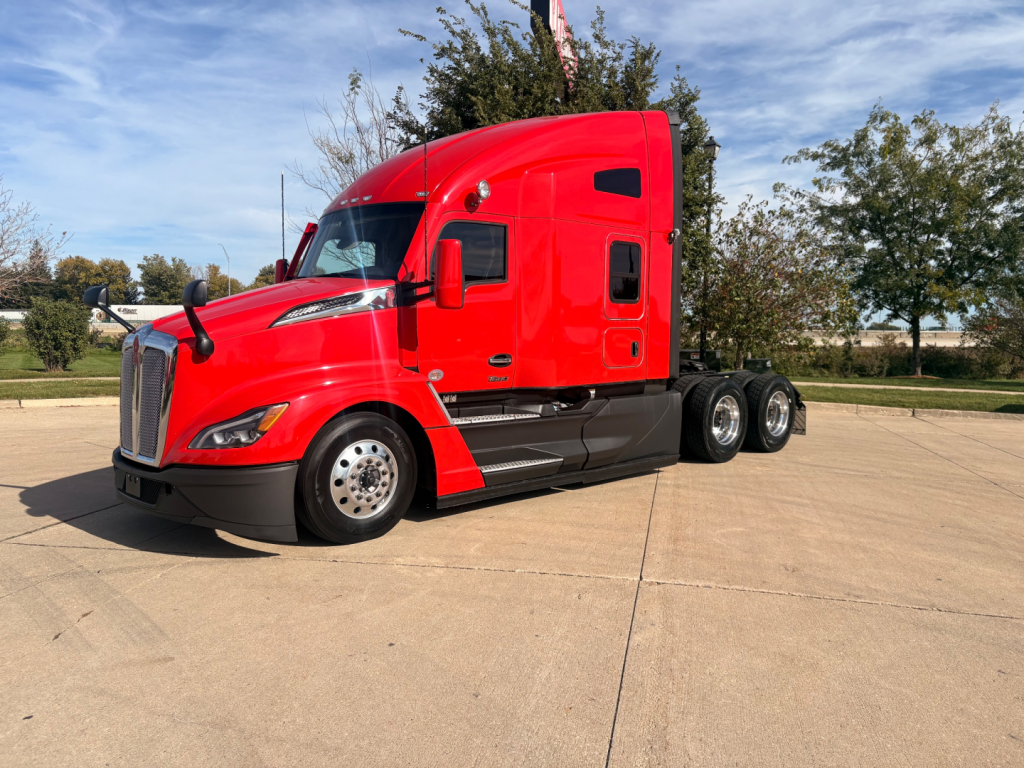
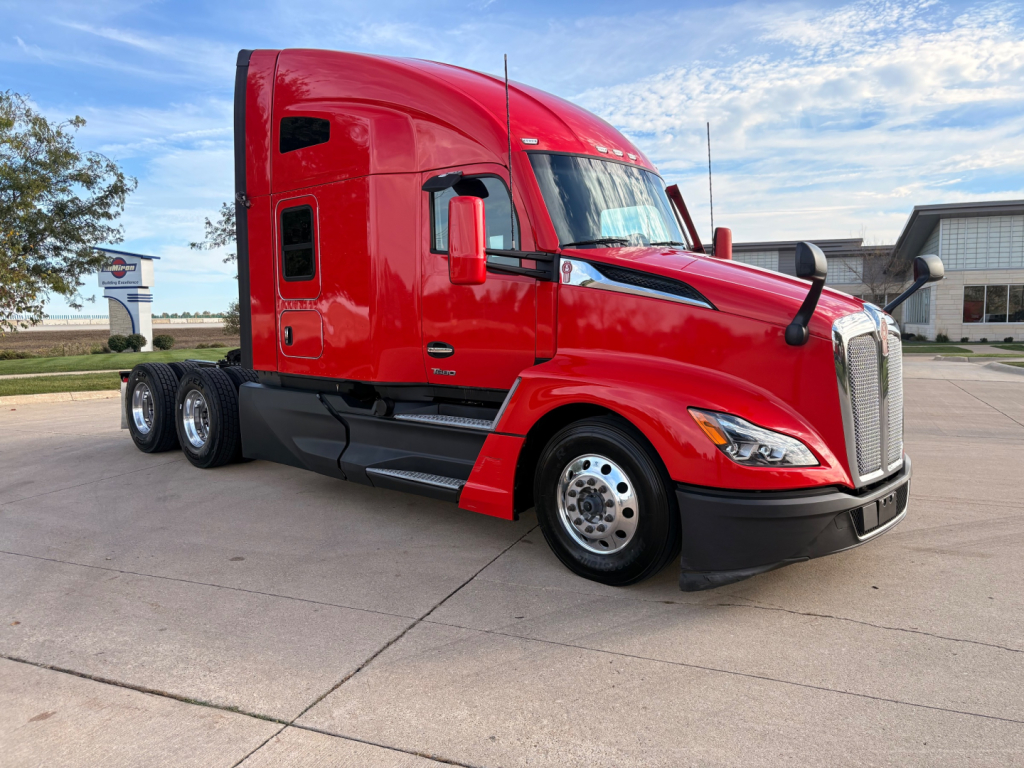
For most buyers, the real decisions start with the powertrain and sleeper configuration. Many used Kenworth sleepers are spec'd with PACCAR MX engines or Cummins power, automated transmissions, and rear axle ratios chosen for fuel mileage, such as 2.64 ratios on highway units. That kind of gearing can work well for dry van, reefer, and general freight operations running steady interstate speeds, but buyers should match ratio, tire size, and transmission calibration to their typical gross weight and terrain. Common features on later-model T680s include collision mitigation, lane departure warning, hill start assist, disc brakes, and other driver-assist systems that matter to safety programs and insurance requirements.
Sleeper equipment has a direct effect on retention and uptime. Many used Kenworth conventional sleepers include practical road-spec items such as APUs, bunk heaters like ESPAR systems, refrigerators, inverters, TV mounts, and upgraded interior trim. Those features reduce idling, improve driver comfort during layovers, and make a truck more attractive in long-haul applications. Buyers should also pay attention to sleeper size, bunk layout, storage design, noise levels, and HVAC performance, especially if the truck will stay out for extended periods. Power mirrors, heated mirrors, steering wheel controls, and engine block heaters are small details that matter in everyday Midwest operation.
Condition matters as much as brand and model. On a used Kenworth sleeper, review maintenance history, aftertreatment status, brake and tire wear, APU hours if equipped, and any signs of hard fleet use or idle-heavy operation. If the truck has emissions modifications or a deleted aftertreatment system, confirm legality and registration implications before purchase. It is also smart to look at wheelbase, fuel capacity, front axle rating, and fifth wheel setup so the tractor matches the trailer lengths and payloads you actually pull. A well-spec'd used Kenworth conventional sleeper can deliver strong resale value, solid parts support, and a driver-friendly platform for long-haul and regional freight alike.
Frequently Asked Questions about Used Kenworth Conventional Sleeper Trucks in Iowa
What is the most common Kenworth conventional sleeper model on the used market?
The Kenworth T680 is one of the most common conventional sleeper models on the used market. It is widely used in long-haul and regional fleet service because it combines aerodynamic design, a comfortable sleeper, and modern driver-assist and fuel-efficiency features. Buyers often compare T680 trucks based on engine make, transmission type, sleeper amenities, axle ratio, and maintenance history rather than model name alone.
What axle ratio is best for a used Kenworth sleeper truck?
The best axle ratio depends on your freight weight, average road speed, terrain, and transmission setup. Ratios like 2.64 are common on highway-spec Kenworth sleepers because they help keep engine rpm down and improve fuel economy on interstate routes. If your operation pulls heavier loads, runs more secondary roads, or sees frequent grades, a faster ratio may provide better startability and drivability. The ratio should always be considered together with tire size and transmission gearing.
Are APUs and bunk heaters important on a used sleeper truck?
Yes. An APU and a bunk heater can significantly reduce main-engine idling, lower fuel use, and improve driver comfort during rest periods. In a used Kenworth conventional sleeper, these systems are especially valuable for long-haul operations and cold-weather states like Iowa. Buyers should verify that the APU starts properly, cools and heats as intended, and has documented service history, because repairs can be expensive if the unit has been neglected.
What should I inspect first on a used Kenworth T680 sleeper?
Start with the engine and aftertreatment history, then move to transmission operation, suspension condition, brake wear, tire condition, and any active fault codes. On a sleeper tractor, inspect the bunk HVAC, inverter, refrigerator, APU or bunk heater, and all interior electrical accessories. It is also important to check for collision damage repairs, windshield and mirror condition, and signs of excess idle hours or poor preventive maintenance. Service records and diagnostic reports usually tell more than appearance alone.
Is a used Kenworth conventional sleeper good for regional freight, or only long-haul?
A used Kenworth conventional sleeper works well for both. Long-haul fleets value the sleeper space, fuel-efficient aerodynamics, and driver amenities, while regional operators benefit from the same comfort on overnight or multi-day runs. The key is choosing the right wheelbase, fuel capacity, and drivetrain spec for your lanes. A truck built for light, fast highway freight may not be ideal for heavier regional work, even if the cab and sleeper layout are the same.