
Used Peterbilt Conventional Sleeper Trucks For Sale in Iowa
Browse used Peterbilt conventional sleeper trucks in Iowa, including 579 models with MX-13 or X15 power, bunk options, and fleet-ready specs.
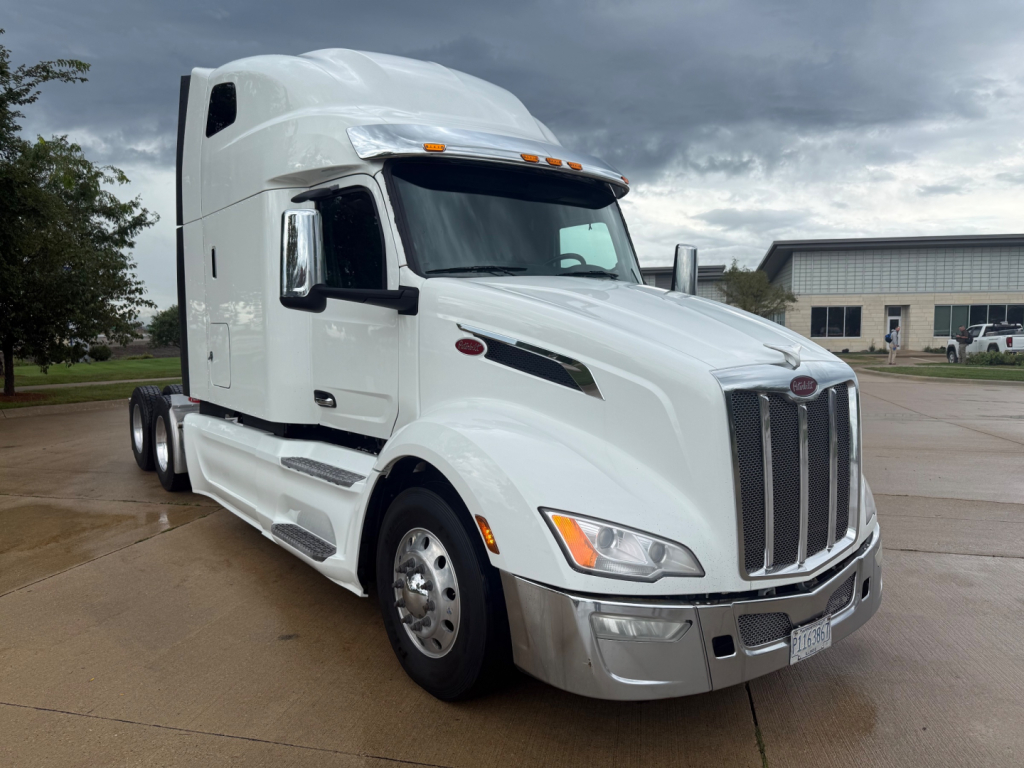
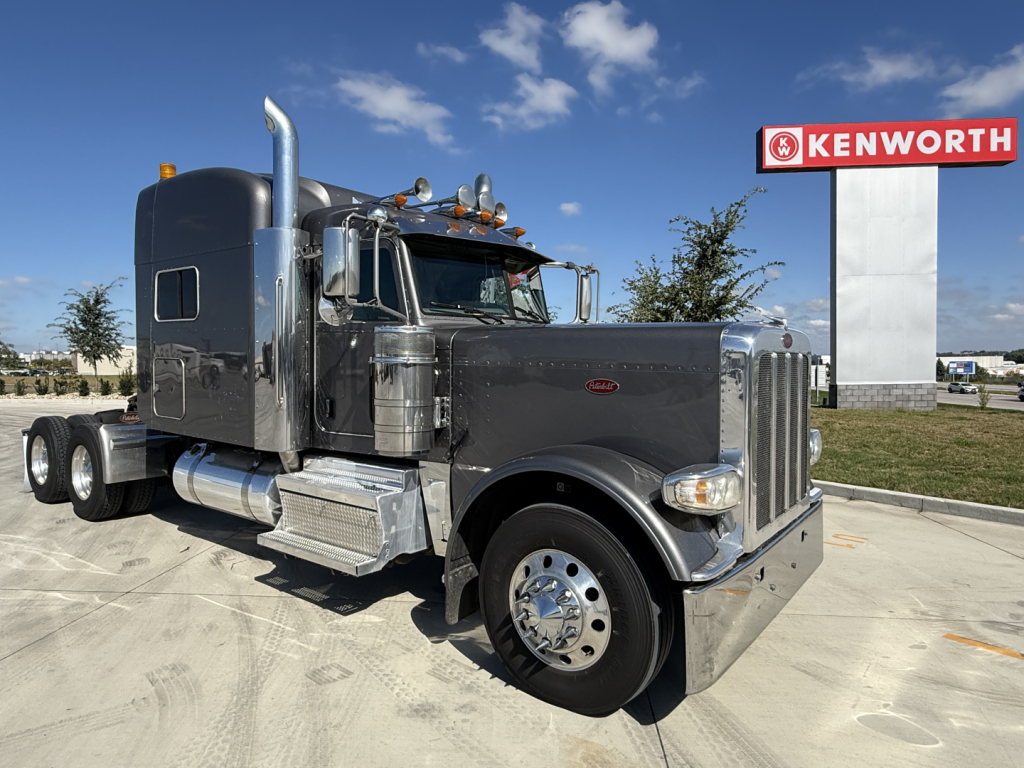
Selling a used peterbilt conventional sleeper truck? List your used peterbilt conventional sleeper truck for sale and reach thousands of commercial buyers.
Used Peterbilt Conventional Sleeper Trucks in Iowa
Powertrain selection matters more than trim level on a used sleeper. Many Peterbilt conventional sleepers are spec'd with a PACCAR MX-13 or Cummins X15 in the 450 to 455 horsepower range, paired with a 12-speed automated manual or, less commonly, a 13-speed manual. Rear axle ratios such as 2.64, 2.79, 2.85, or 3.42 tell you a lot about the truck's intended use. Lower numerical ratios usually point to fuel-efficient highway operation, while a deeper ratio can better suit heavier loads, tougher terrain, or buyers who prefer stronger launch performance. Buyers should also confirm wheelbase, fuel capacity, suspension spec, and brake type, since disc brakes and larger fuel capacity can make a real difference in operating profile.
Sleeper configuration is another key buying point. Single-bunk and double-bunk layouts both show up regularly, along with features like bunk heaters, engine heaters, inverters, refrigerators, TV mounts, power locks, and heated mirrors. Peterbilt's larger sleepers, including the UltraLoft, appeal to teams and long-haul operations that need more living space and storage. If the truck will stay out for several nights at a time, look closely at HVAC idle-reduction equipment such as ESPAR systems, as well as inverter capacity and interior condition. Driver comfort features may not change the rate per mile, but they absolutely affect retention and how hard a truck is used.
For a used Peterbilt sleeper, service history and emissions system status deserve close attention. Verify mileage, warranty coverage if any remains, and the condition of the aftertreatment system, transmission, and cooling components. A good buyer will also review collision mitigation, lane departure warning, steering wheel controls, and other active safety and convenience features that have become common on newer highway tractors. The best truck in this category is not just a clean Peterbilt badge. It is the spec that matches your freight, your routes, your maintenance program, and the amount of sleeper time your driver will actually log.
Frequently Asked Questions about Used Peterbilt Conventional Sleeper Trucks in Iowa
What is the most common used Peterbilt conventional sleeper model?
The Peterbilt 579 is the most common model in the used conventional sleeper category. It is widely used in long-haul and regional applications because it combines aerodynamic efficiency, a modern cab layout, and sleeper options that fit both solo and team operations. Buyers typically find it with MX-13 or X15 engines, automated transmissions, and a range of bunk and fuel-capacity configurations.
Which rear axle ratio is best in a used Peterbilt sleeper truck?
The best rear axle ratio depends on the freight and operating speed. Ratios like 2.64 or 2.79 are generally chosen for highway fuel economy and lighter rolling resistance at cruising speed. Ratios like 2.85 or 3.42 can be better for heavier loads, more stop-and-go work, or operations that need stronger grade-climbing and launch performance. The ratio should be matched to the engine, transmission, tire size, and route profile rather than judged on the number alone.
Should I choose a Peterbilt sleeper with an automated or manual transmission?
An automated manual transmission is the more common choice in newer used Peterbilt sleepers because it helps with driver availability, shift consistency, and fuel management across mixed fleets. A manual transmission still appeals to some owner-operators and specialized buyers who want direct control or already have drivers comfortable with that setup. The right choice depends on driver pool, maintenance support, resale goals, and the type of terrain the truck will regularly run.
What sleeper features matter most on a used Peterbilt conventional truck?
The most important sleeper features depend on how many nights the truck spends on the road. Single versus double bunk, bunk heater systems such as ESPAR, engine heaters, inverter setup, refrigerator space, storage, and overall sleeper condition all matter. For long-haul use, comfort features directly affect driver satisfaction and can reduce idling when paired with proper climate-control equipment. Buyers should inspect these items as operating equipment, not just convenience extras.
What should I inspect first on a used Peterbilt sleeper in this category?
Start with the engine and aftertreatment history, then review transmission operation, brake type and condition, tire wear, suspension, and any active fault codes. Confirm the actual sleeper configuration, axle ratio, and fuel capacity against the truck's intended job. It is also smart to inspect collision mitigation and lane departure systems on newer units, since those features can affect both safety and repair cost. A used sleeper should be evaluated as a complete operating spec, not just by year, mileage, or appearance.