
Used Freightliner Conventional Sleeper Trucks For Sale in Iowa
Browse used Freightliner conventional sleeper trucks in Iowa, including Cascadia models with DD15 power, sleeper options, and fleet-ready specs.
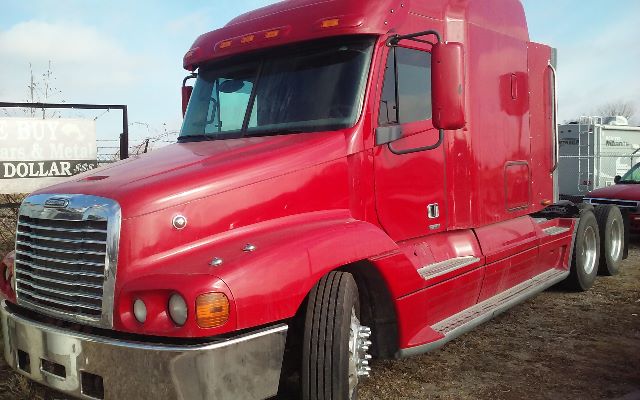
Selling a used freightliner conventional sleeper truck? List your used freightliner conventional sleeper truck for sale and reach thousands of commercial buyers.
Used Freightliner Conventional Sleeper Trucks in Iowa
The biggest buying decisions usually come down to engine rating, transmission, axle ratio, and sleeper configuration. Many used Freightliner sleeper trucks are spec'd with Detroit DD15 engines in the 400 to 505 horsepower range, often paired with DT12 automated transmissions, though older units may have 10-speed manuals. A 2.64 or 2.85 rear ratio is common on fuel-conscious highway specs, helping keep cruise RPM down for linehaul work. Buyers should also pay attention to wheelbase, fuel capacity, brake type, and bunk layout. Double bunk sleepers, dual 100-gallon tanks, disc front brakes, and idle-reduction systems like APUs or ParkSmart are all valuable features for trucks that spend real time on the road.
Freightliner sleeper tractors are also known for a driver-friendly cab layout and a wide range of factory safety technology. On later-model Cascadias, it is common to see collision mitigation, adaptive cruise control, lane departure warning, hill start assist, and steering wheel controls. These features can improve retention and reduce fatigue for fleets running tighter delivery windows. Comfort and hotel-load equipment matter too. ESPAR heaters, inverters, refrigerators, TV mounts, and power accessories can make a noticeable difference for team drivers or anyone living in the truck for multiple days at a time.
On used units, condition matters more than model year alone. Service history, aftertreatment condition, warranty coverage, tire and brake life, emissions compliance, and signs of idle hours or hard fleet use should all be reviewed closely. Buyers comparing Freightliner conventional sleepers should look at how the truck was previously spec'd for its job. A lightweight, aerodynamic highway tractor is a different tool than a heavier spec truck with manual transmission and basic sleeper amenities. The right choice depends on freight type, average gross weight, route profile, and how much emphasis you place on fuel economy versus simplicity and lower acquisition cost.
Frequently Asked Questions about Used Freightliner Conventional Sleeper Trucks in Iowa
What engine and transmission specs are common in used Freightliner conventional sleeper trucks?
Many used Freightliner conventional sleeper trucks, especially Cascadia models, are equipped with Detroit DD15 engines and either a DT12 automated manual transmission or a traditional 10-speed manual on older trucks. Horsepower ratings commonly fall between 400 and 505 HP depending on the original fleet spec. Rear axle ratios such as 2.64 and 2.85 are common on highway trucks because they support lower engine RPM and better fuel economy at cruise speed.
Is a Freightliner Cascadia sleeper a good choice for long-haul freight in Iowa and the Midwest?
Yes. The Freightliner Cascadia sleeper is widely used in Midwest linehaul service because it combines aerodynamic design, good parts availability, and a cab that works well for multi-day dispatches. In Iowa, where trucks often move across several states in a single trip, buyers usually value fuel-efficient drivetrain specs, double bunk sleepers, larger fuel capacity, and cold-weather idle management equipment such as APUs or bunk heaters.
What features should I look for on a used Freightliner sleeper tractor?
Focus first on drivetrain and maintenance items, then on driver comfort and safety equipment. Important features include engine rating, transmission type, axle ratio, fuel tank capacity, brake configuration, and sleeper size. Many buyers also look for collision mitigation, lane departure warning, adaptive cruise control, APUs, ESPAR heaters, inverters, refrigerators, and double bunks because these features improve driver comfort and reduce unnecessary engine idling.
Are older Freightliner conventional sleeper trucks still worth buying?
They can be, especially for buyers who want a lower acquisition cost or prefer a simpler drivetrain with a manual transmission. An older Freightliner sleeper can still be productive if the engine, transmission, aftertreatment system, suspension, and cab have been maintained properly. The key is to evaluate service records, current emissions-system condition, signs of excessive idle time, and the overall match between the truck's original spec and the freight you plan to haul.
What matters most when comparing used Freightliner sleeper trucks with similar mileage?
When mileage is close, the better comparison points are maintenance history, remaining warranty coverage, idle-reduction equipment, safety systems, tire and brake condition, and how the truck was originally spec'd. Two Cascadias with similar miles can perform very differently if one has a higher horsepower rating, different axle ratio, larger sleeper, or a stronger preventative maintenance record. Buyers should also consider whether the truck was used in true highway service or in more demanding stop-and-go regional work.