
Used Conventional Sleeper Trucks For Sale in Tennessee
Browse used conventional sleeper trucks in Tennessee with specs for long-haul freight, regional runs, fuel economy, comfort, and drivetrain options.
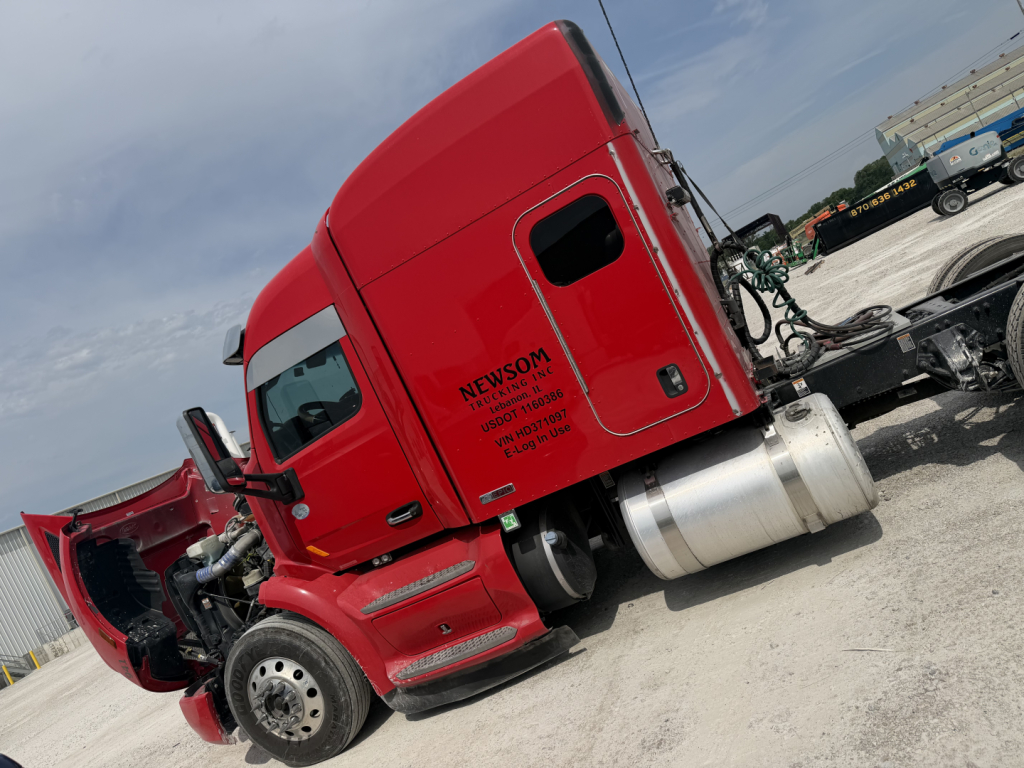
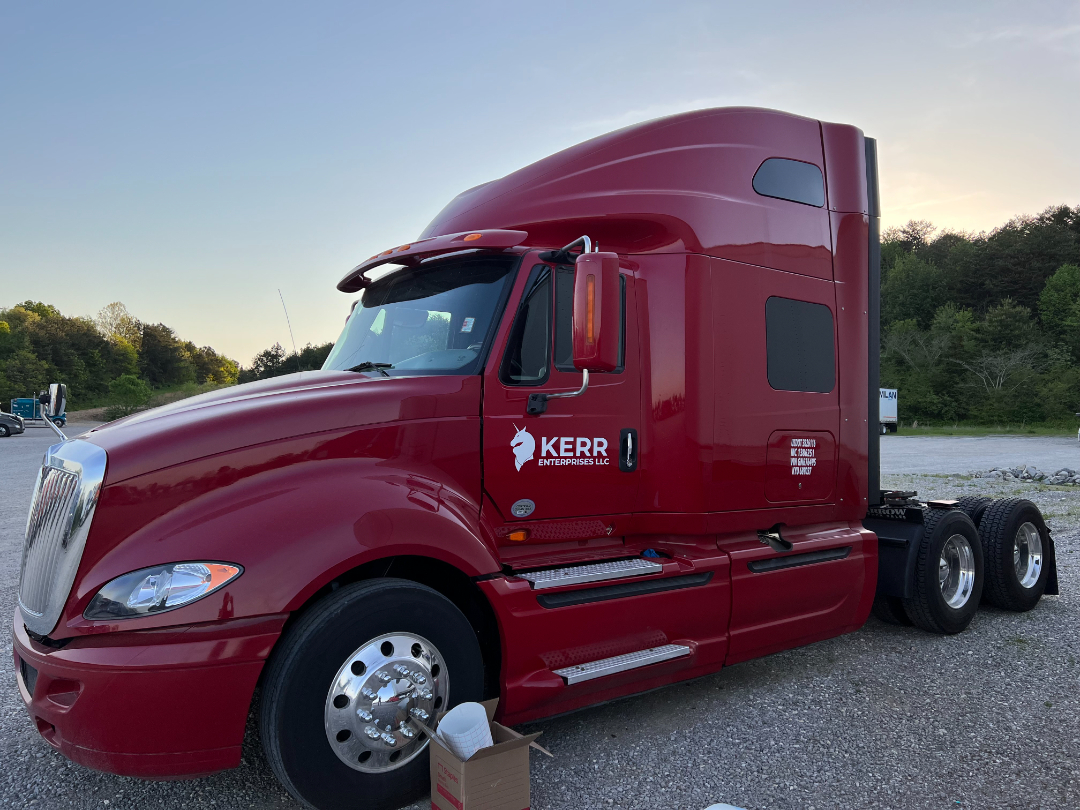
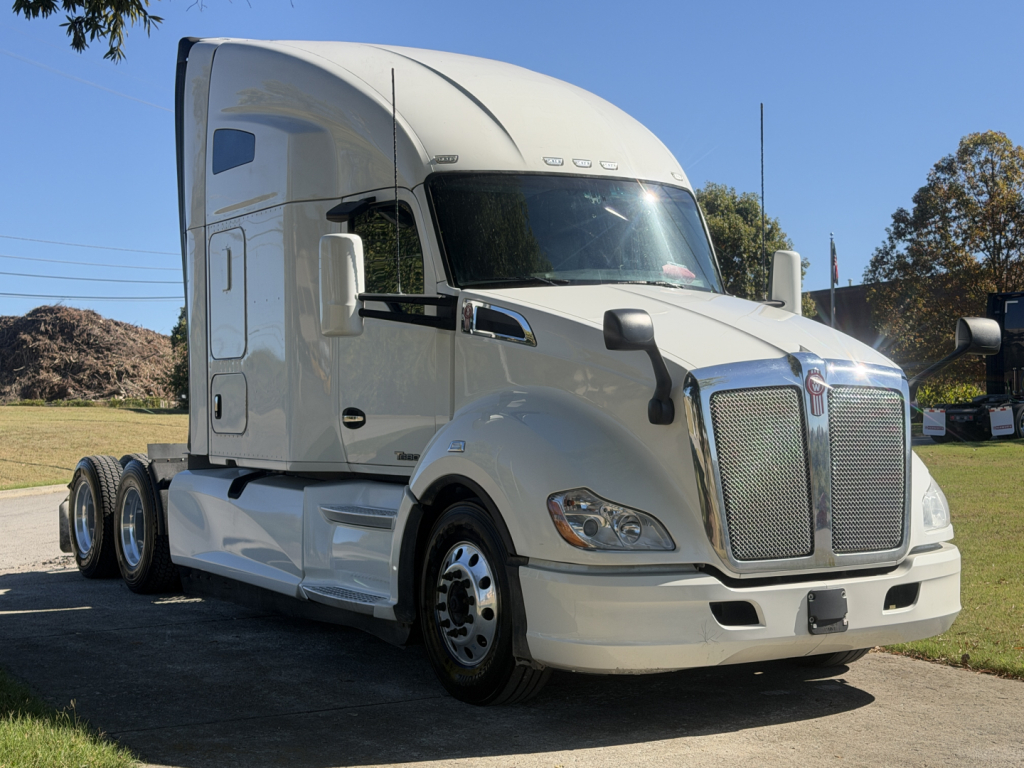
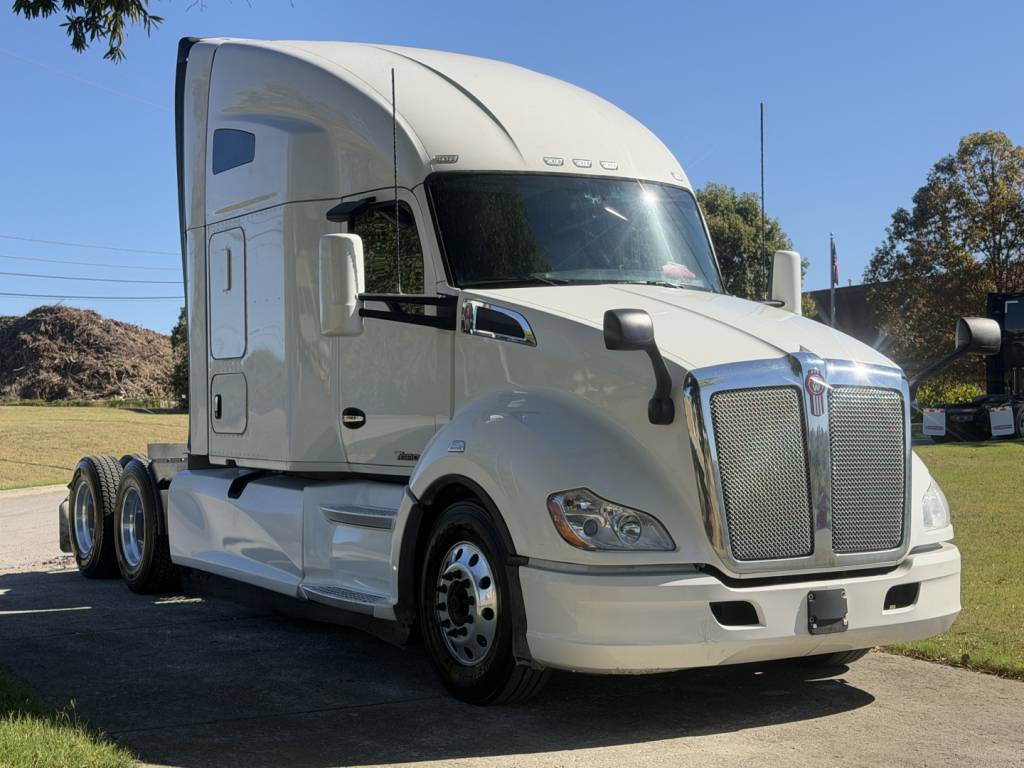
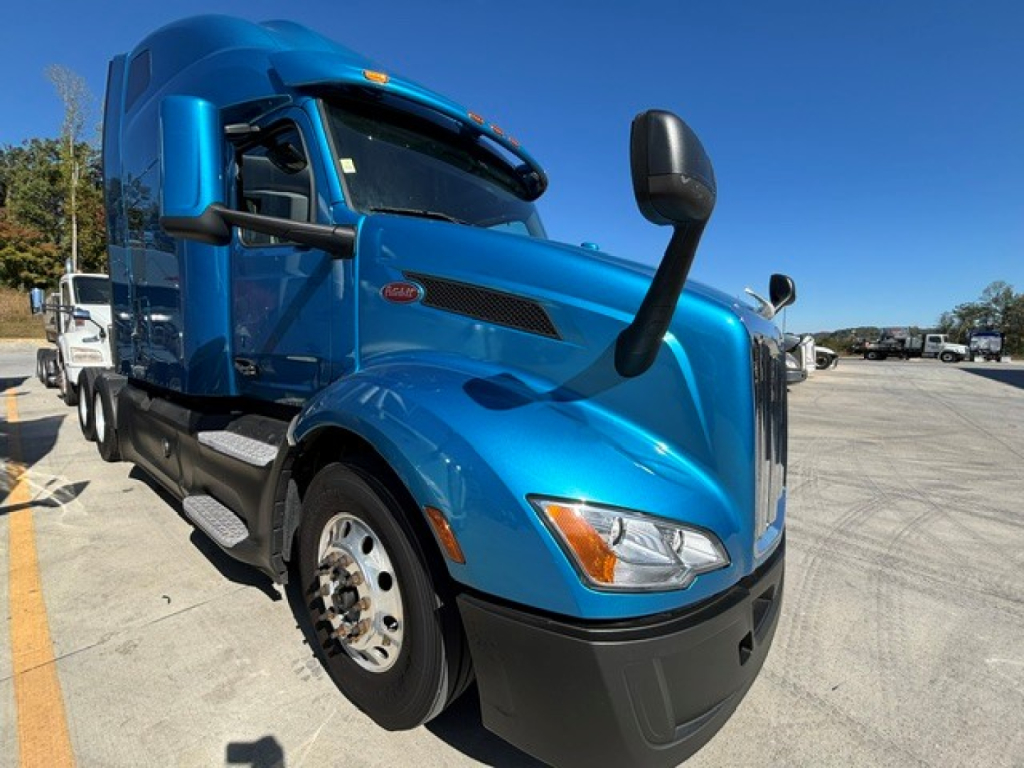
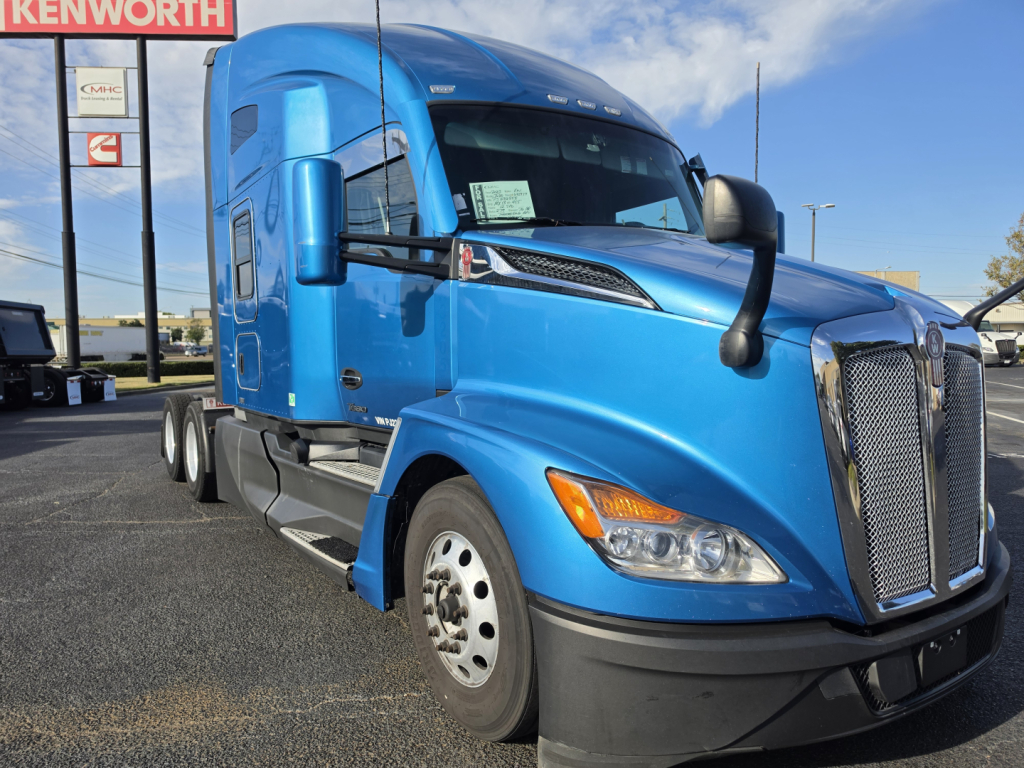
2023 Kenworth T680
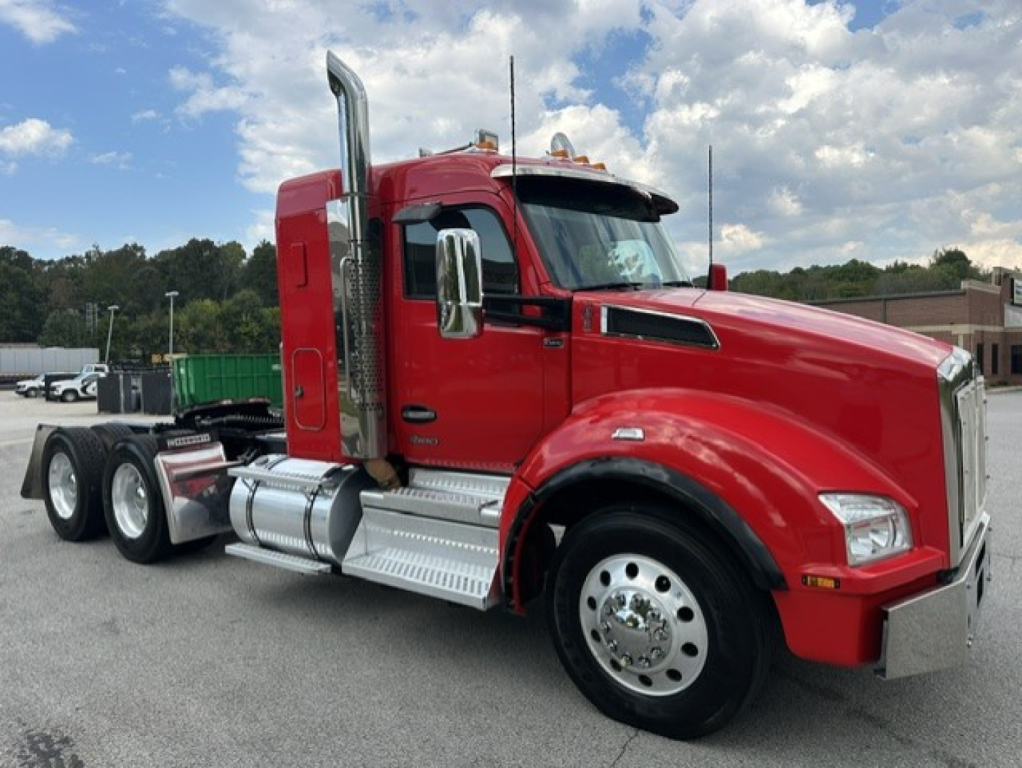
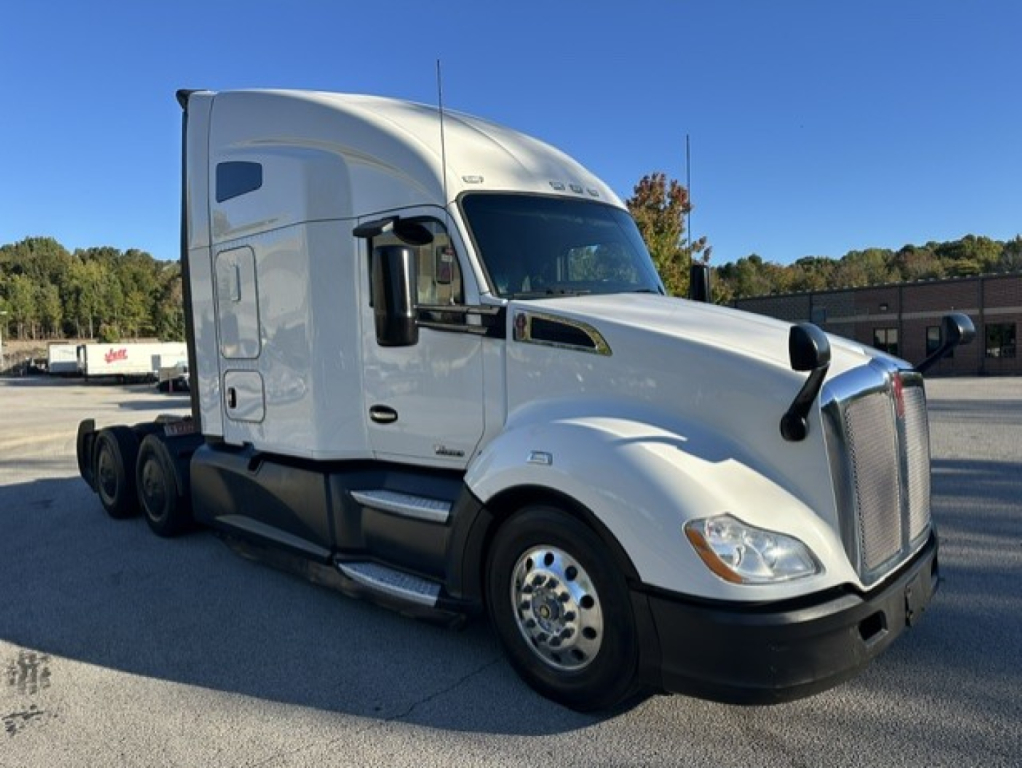
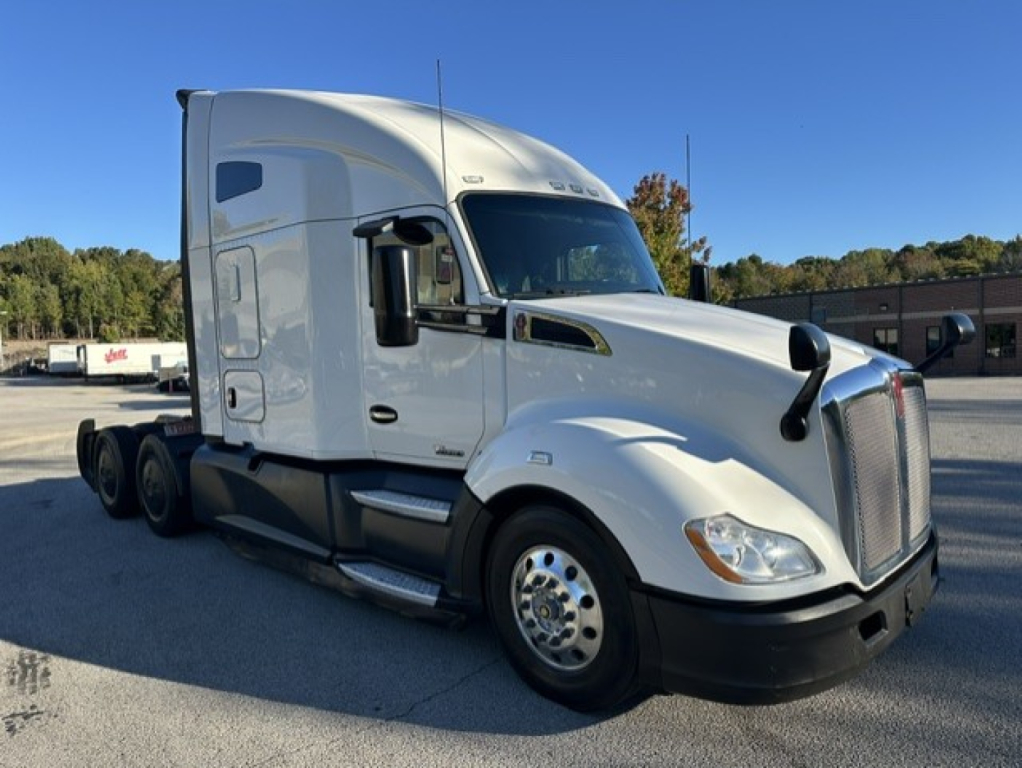
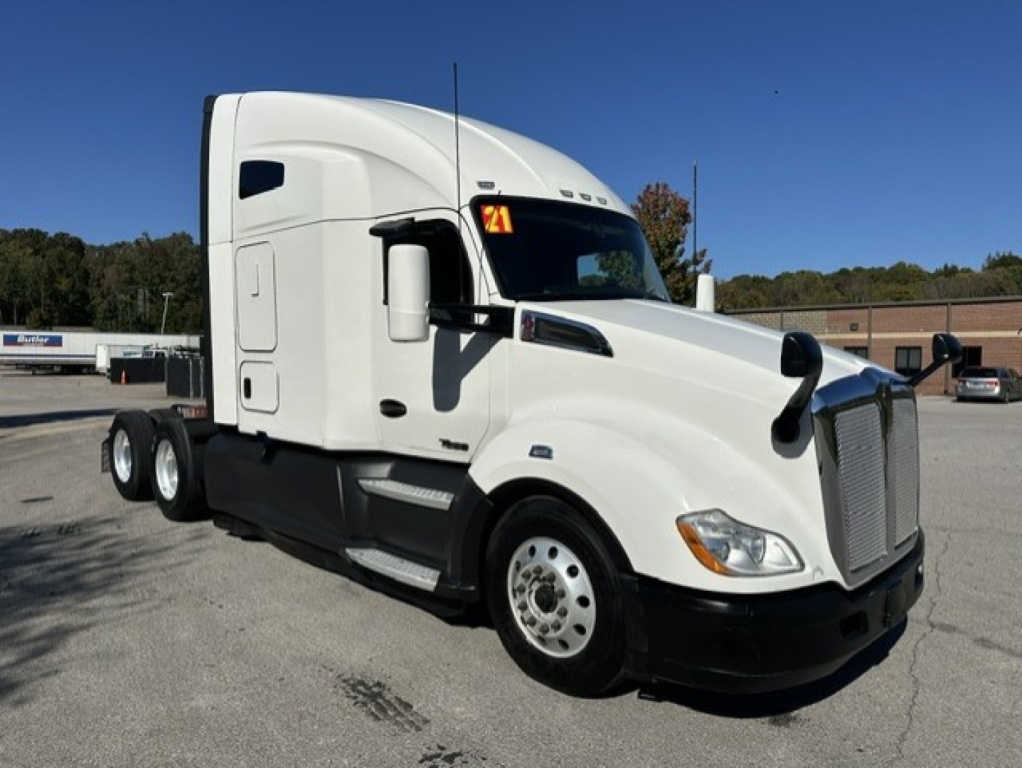
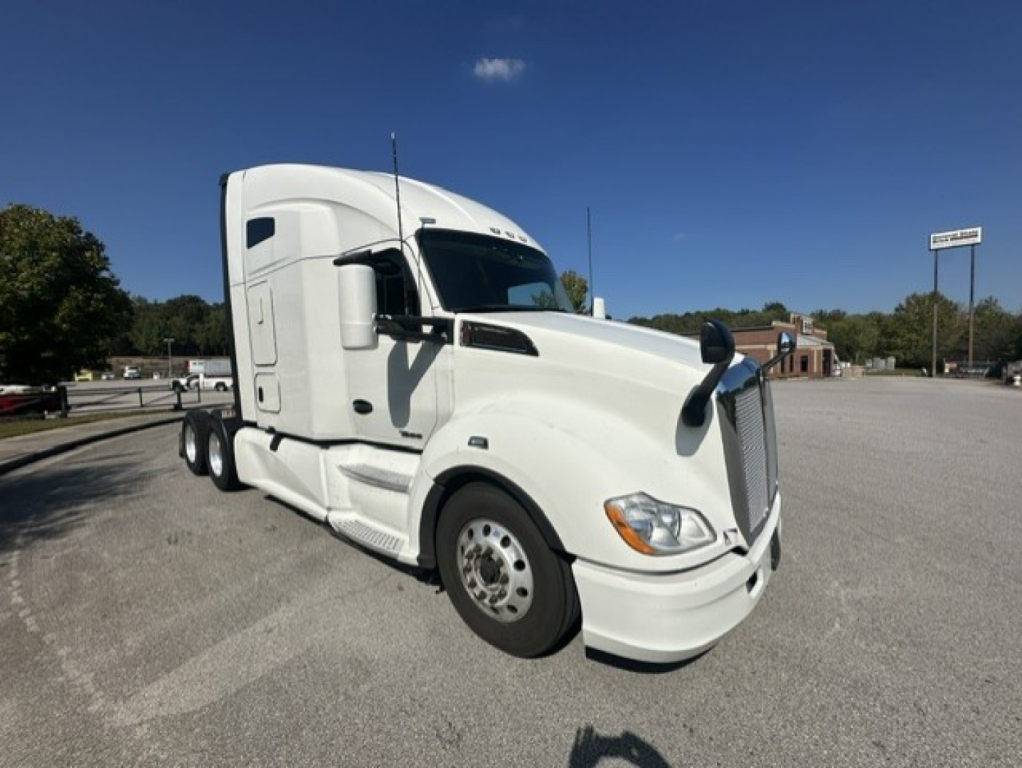
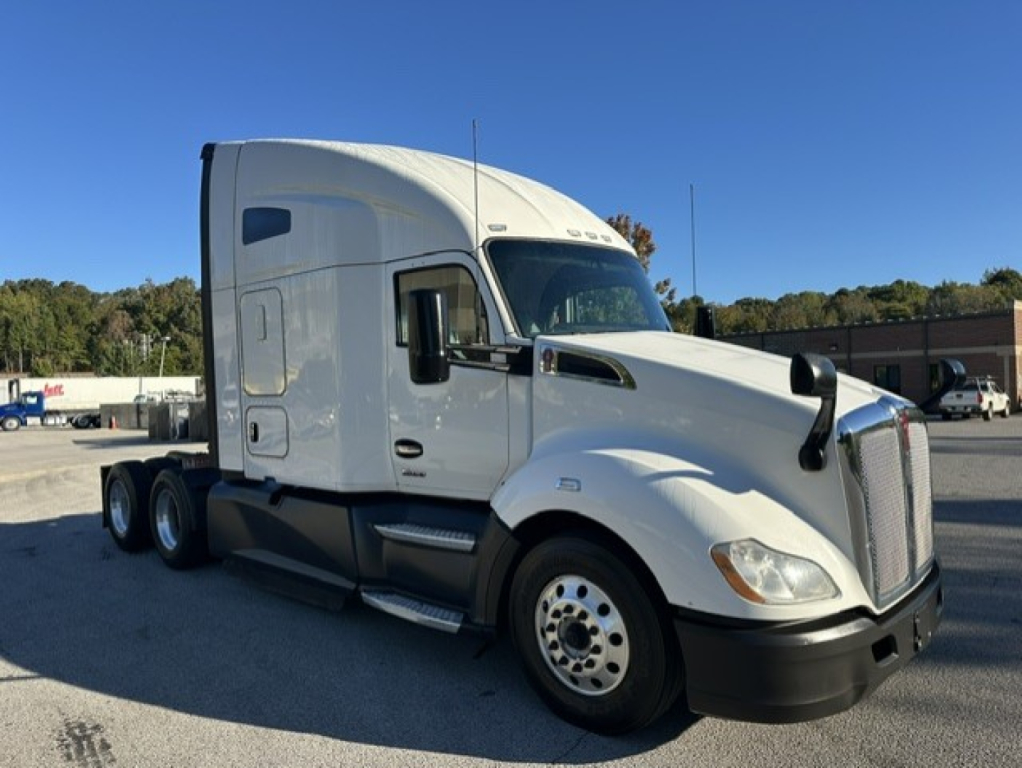
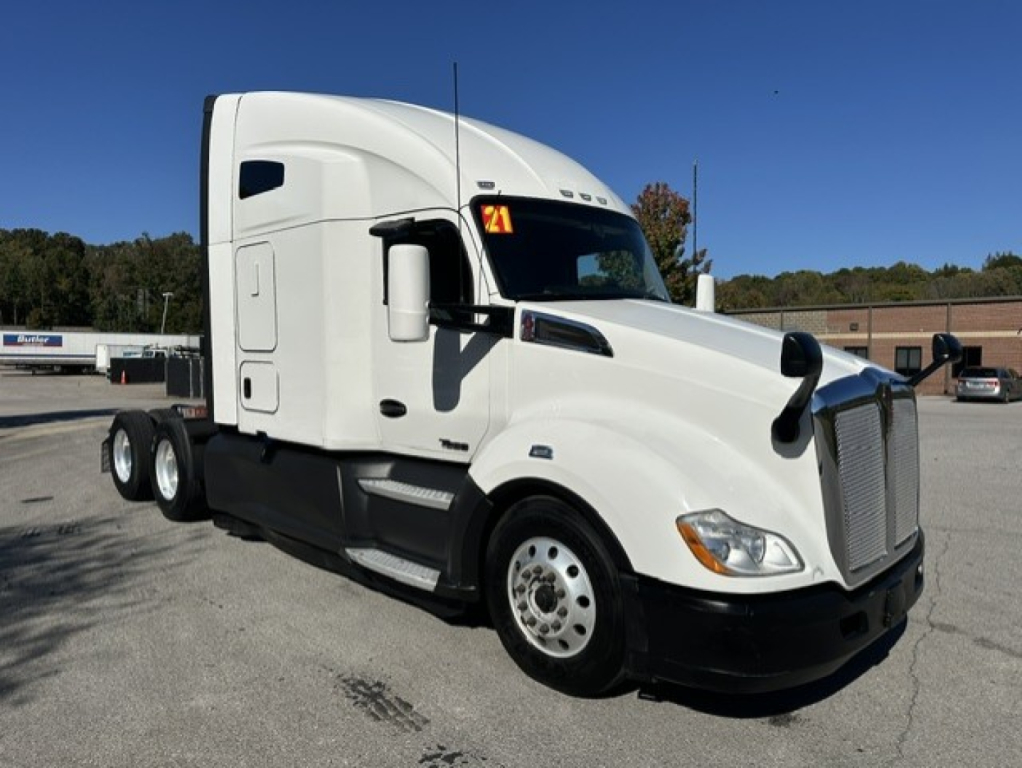
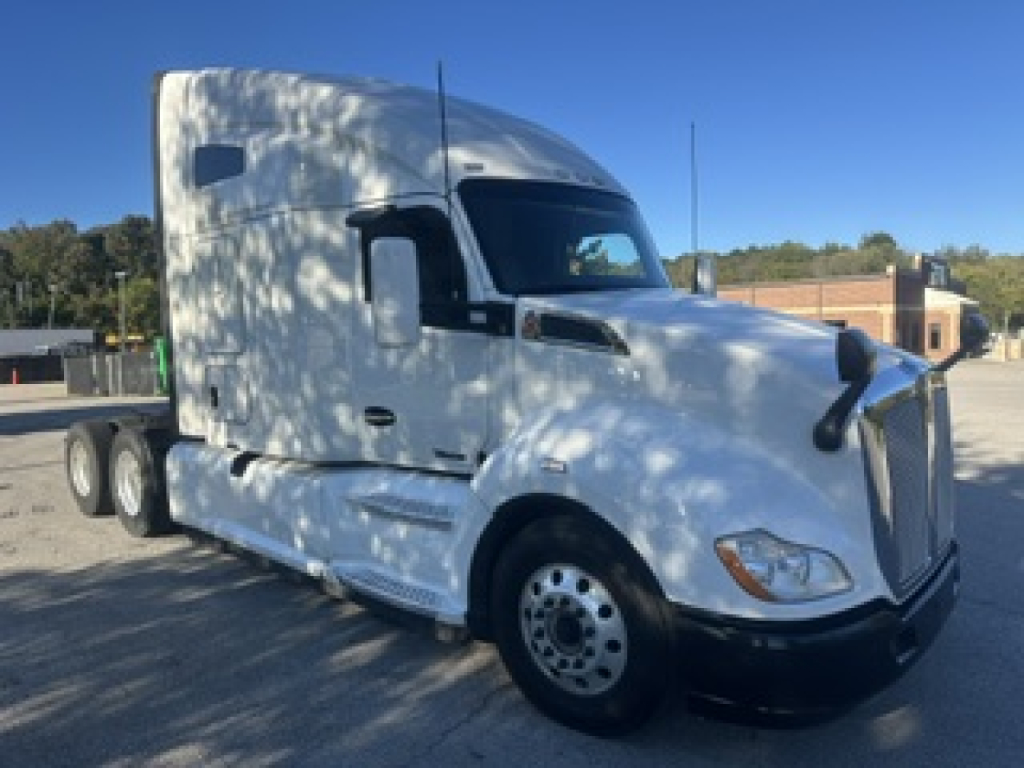
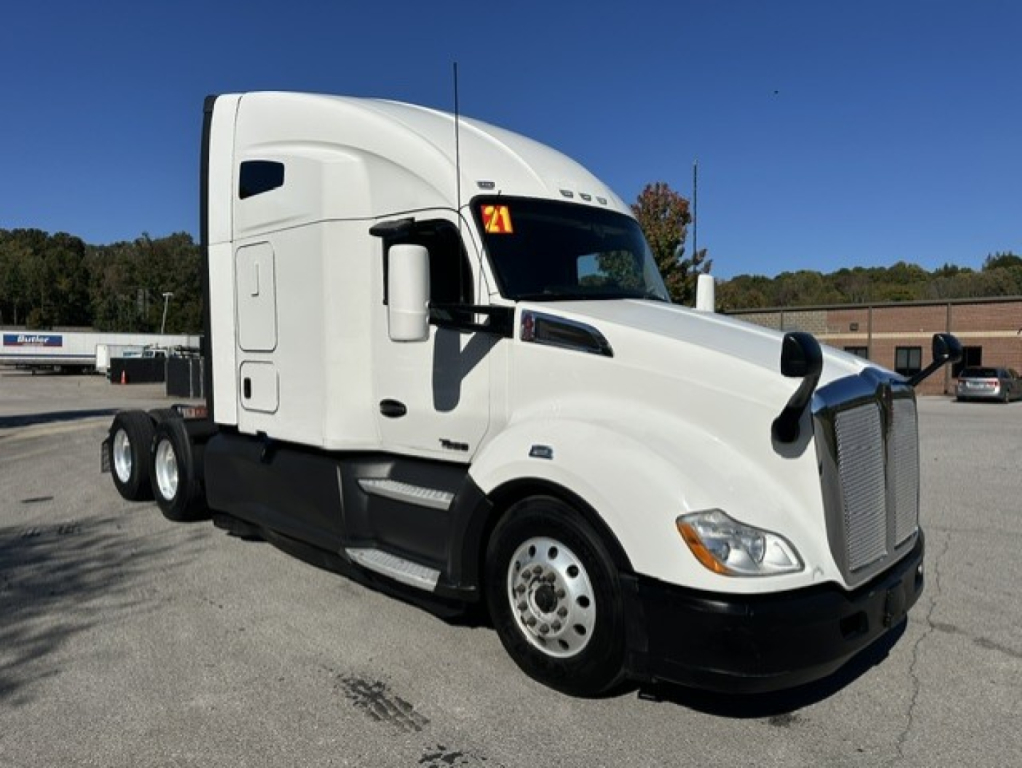
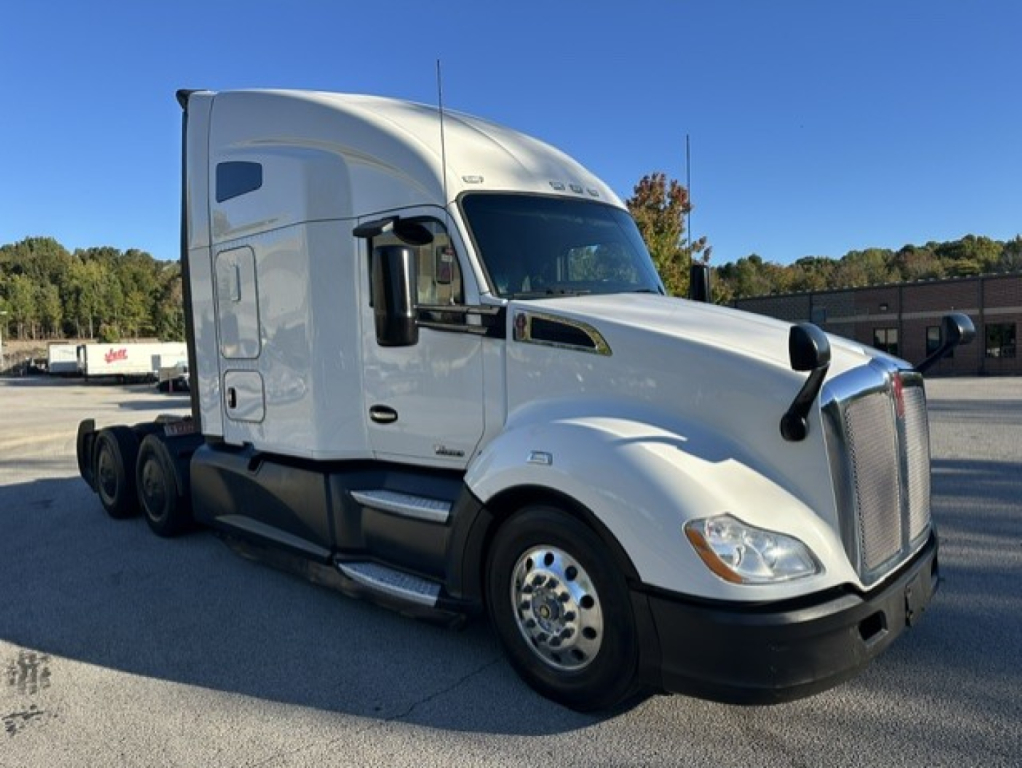
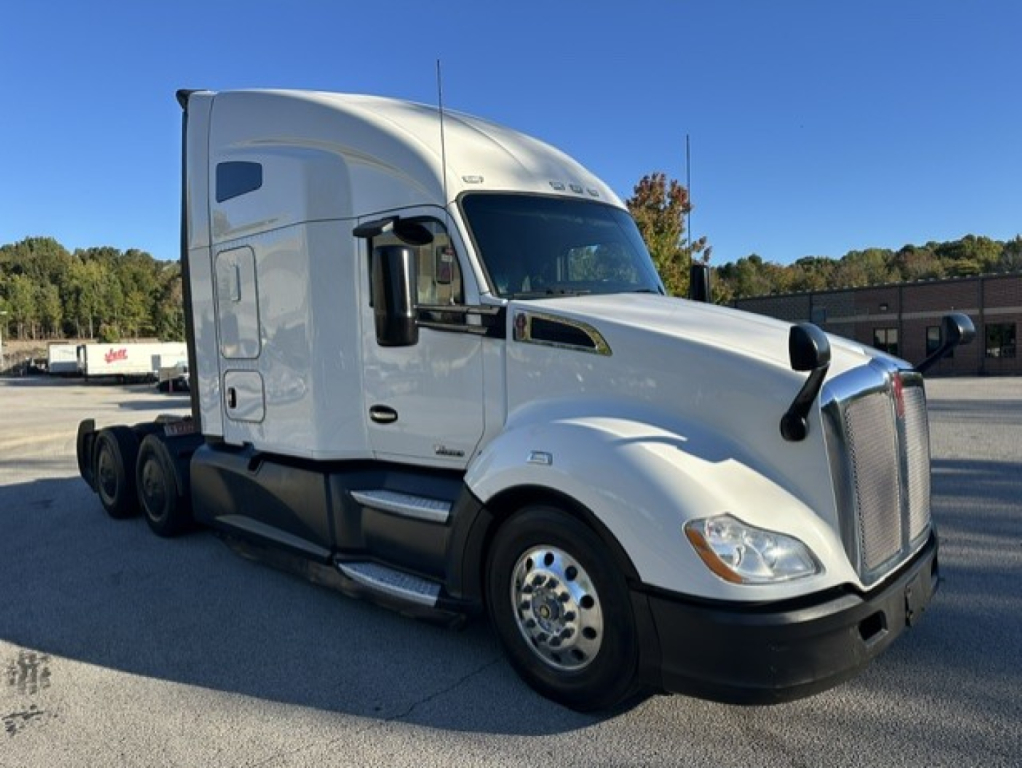
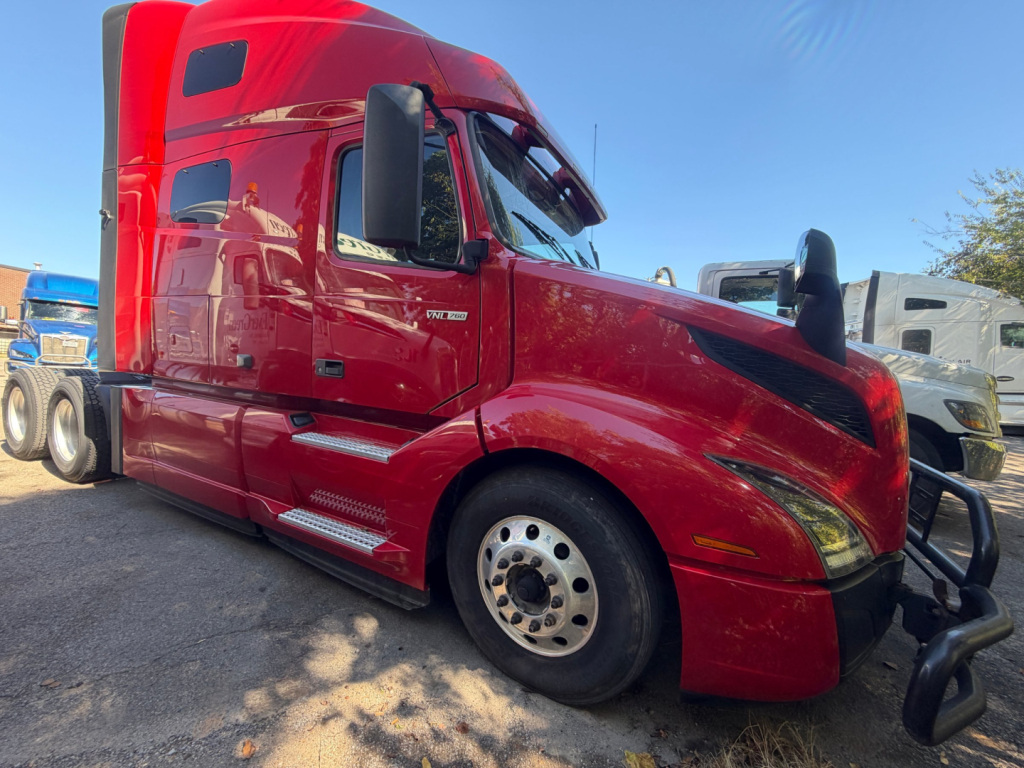
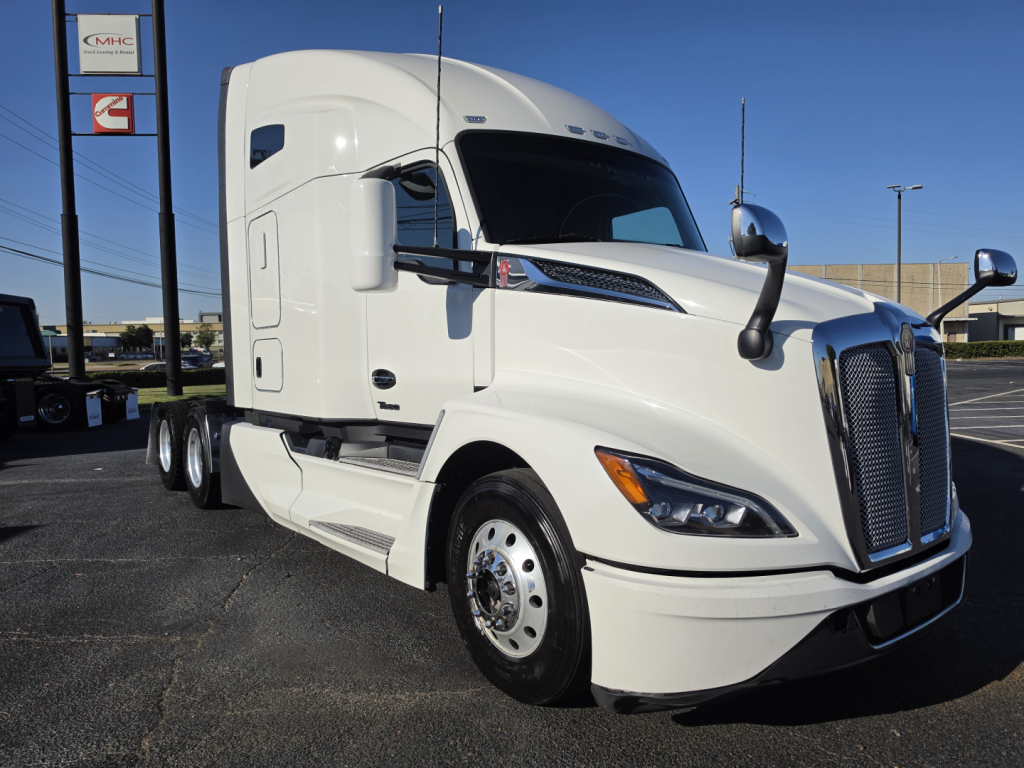
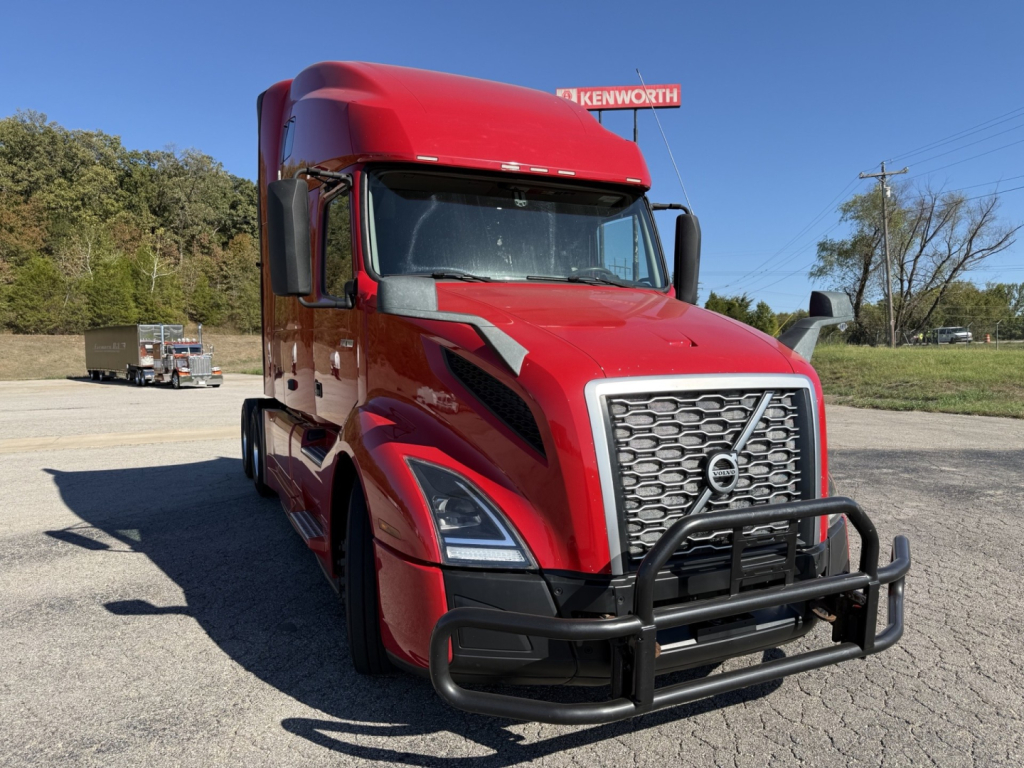
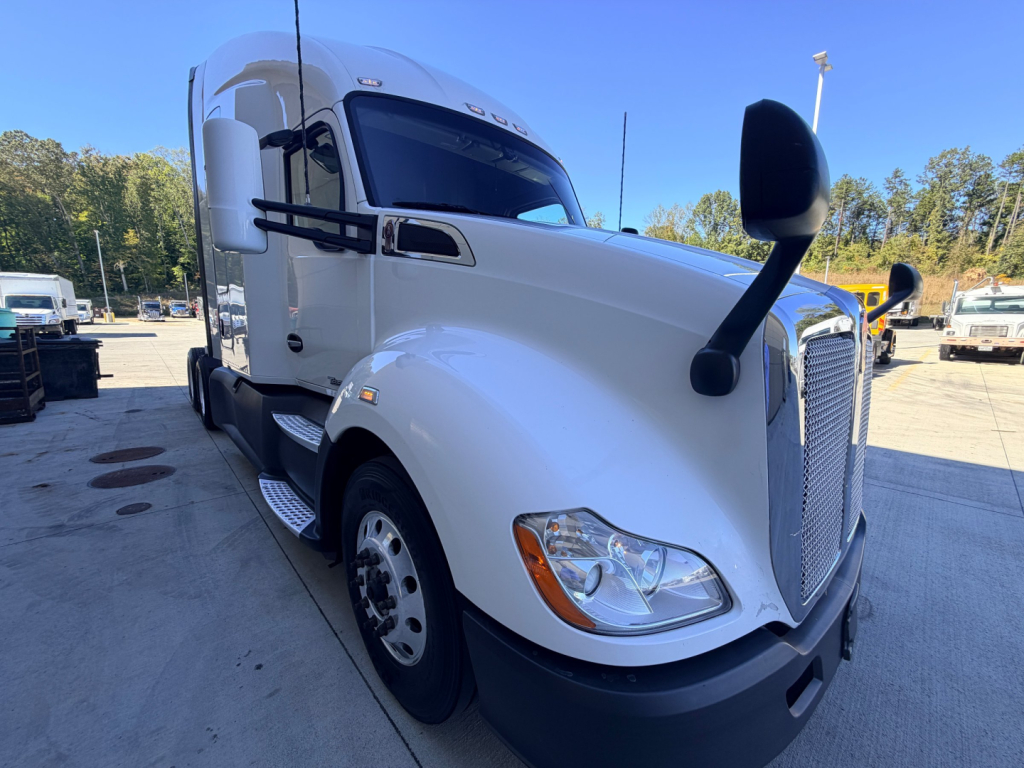
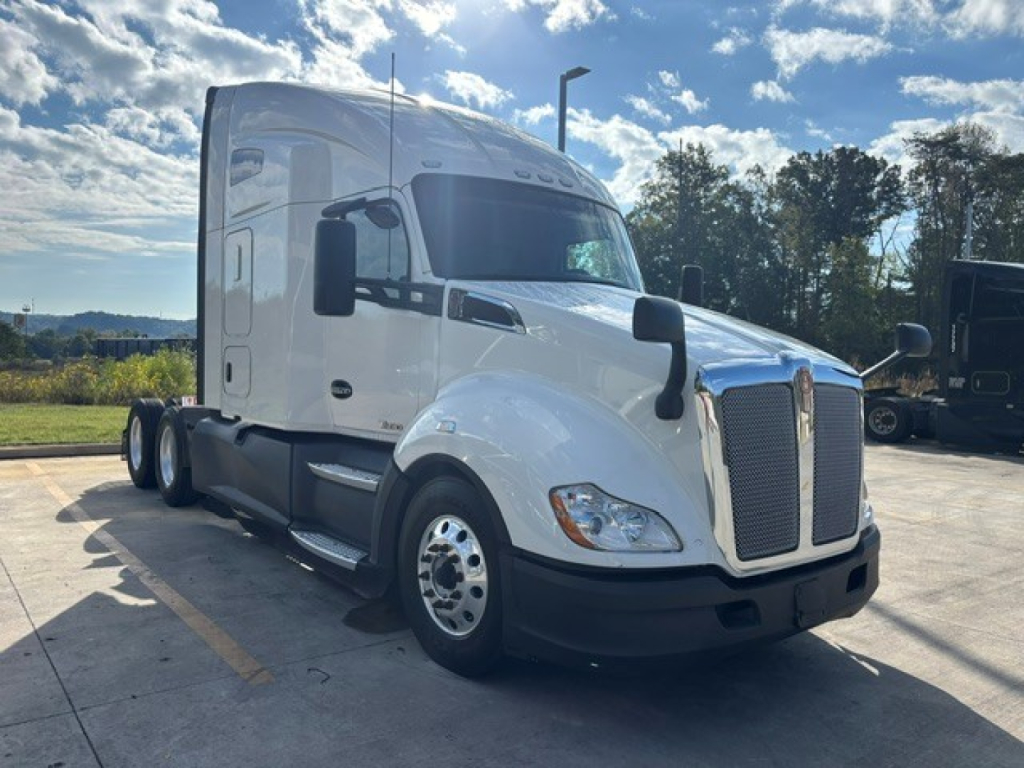
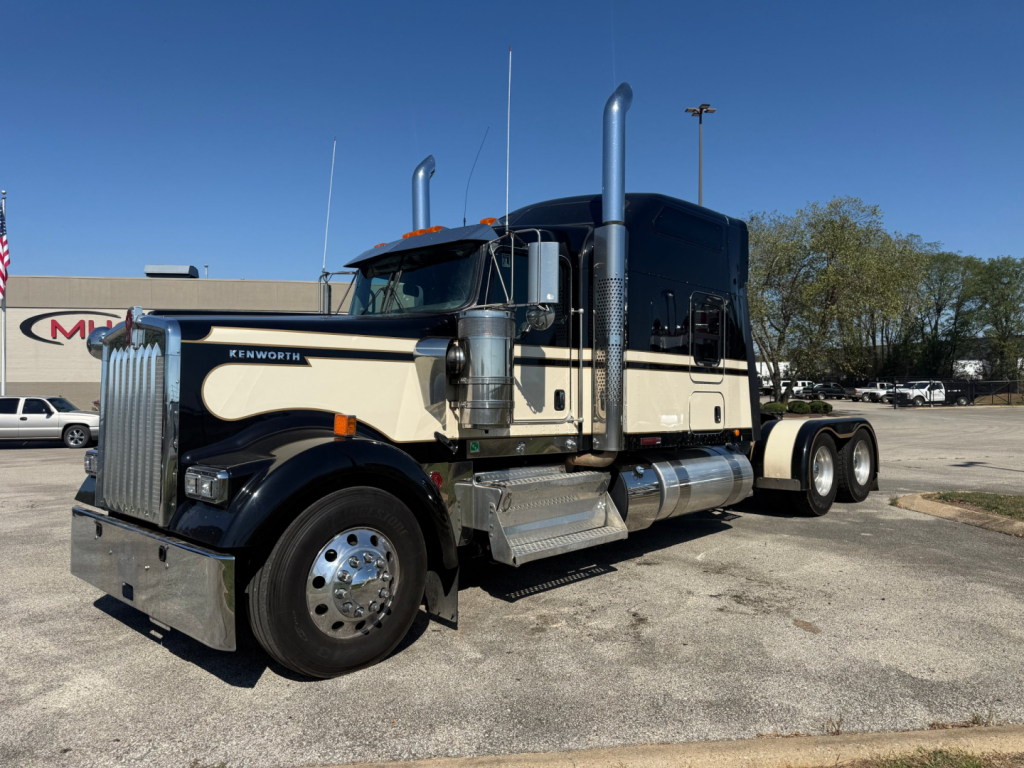
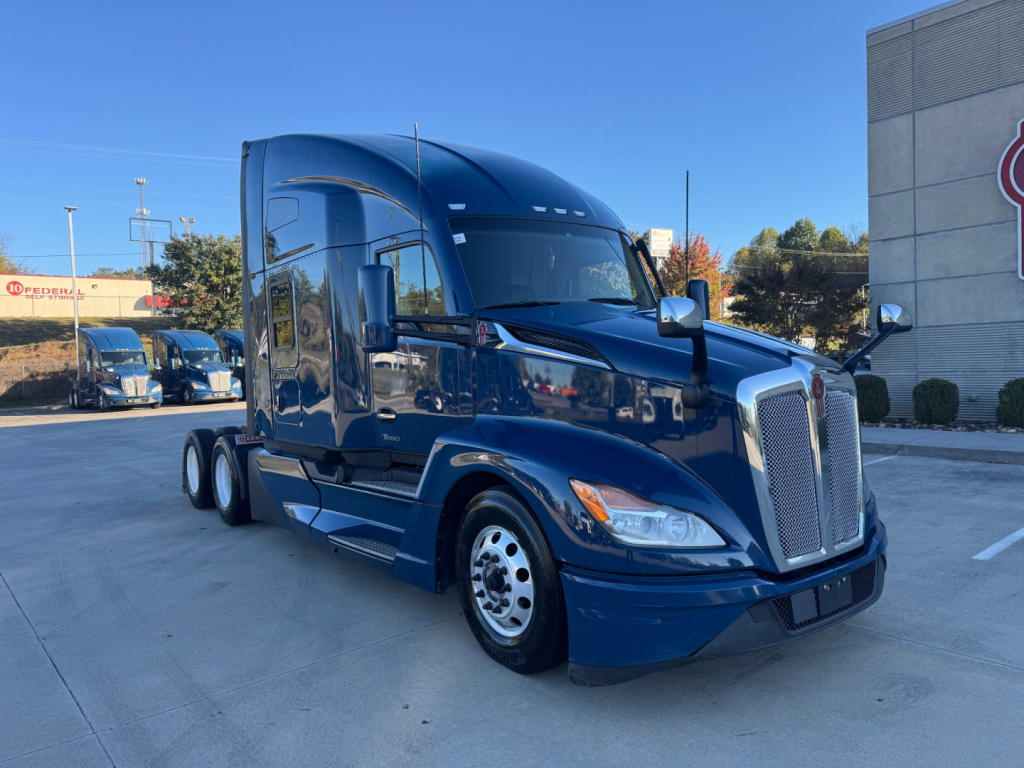
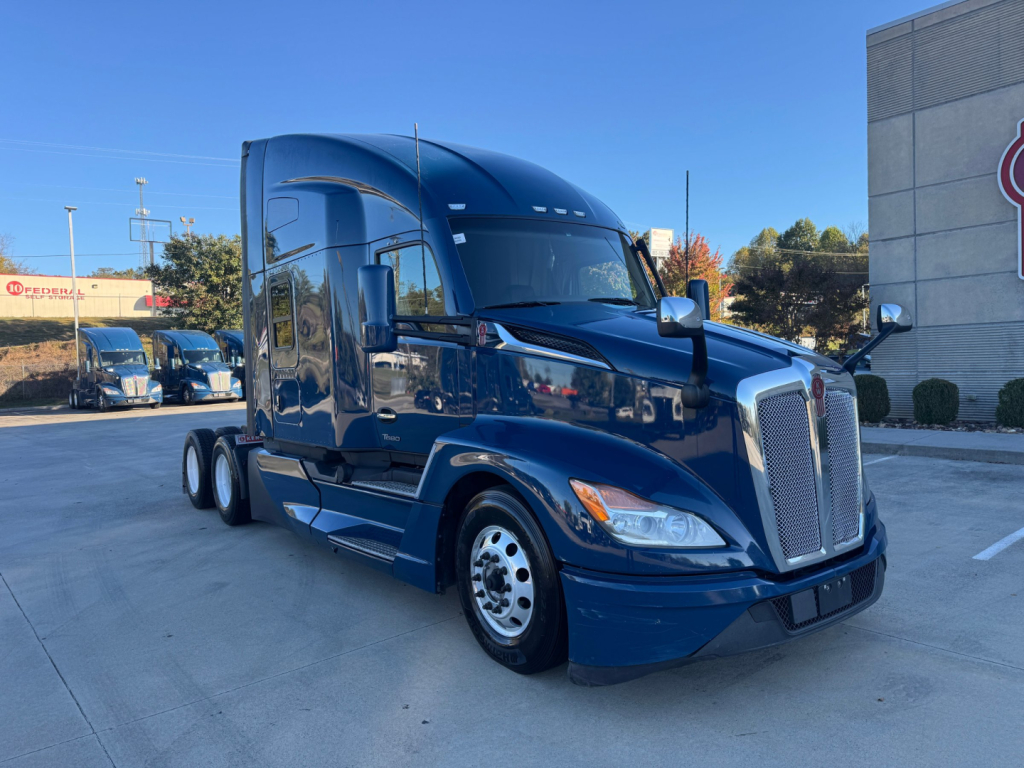
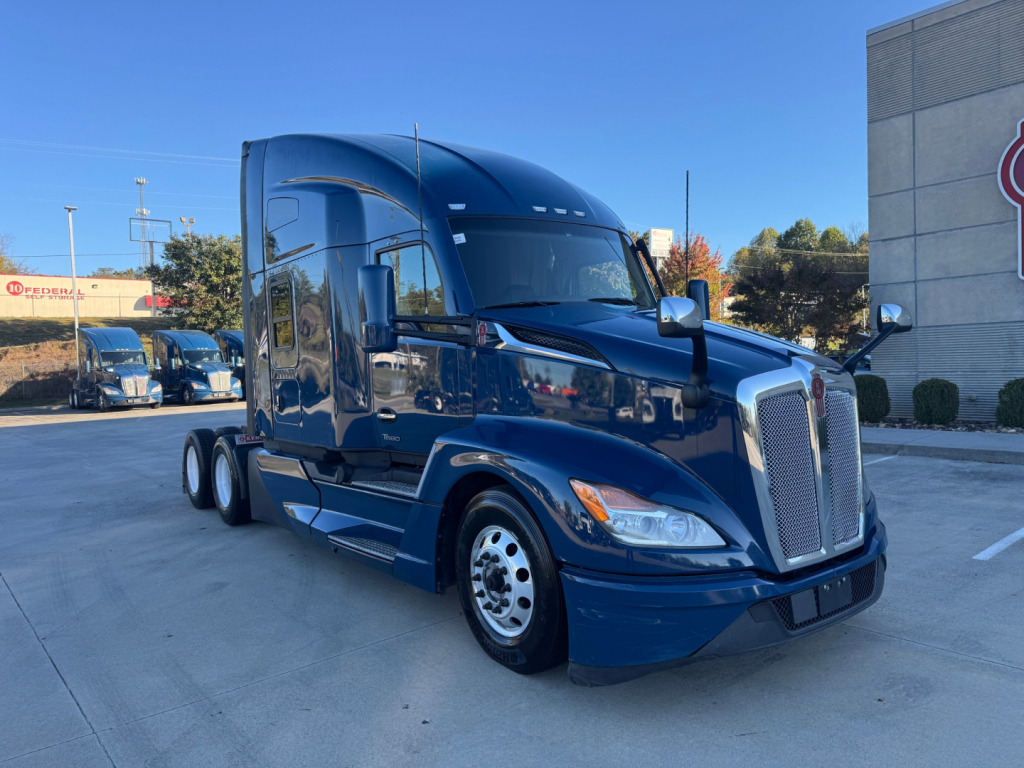
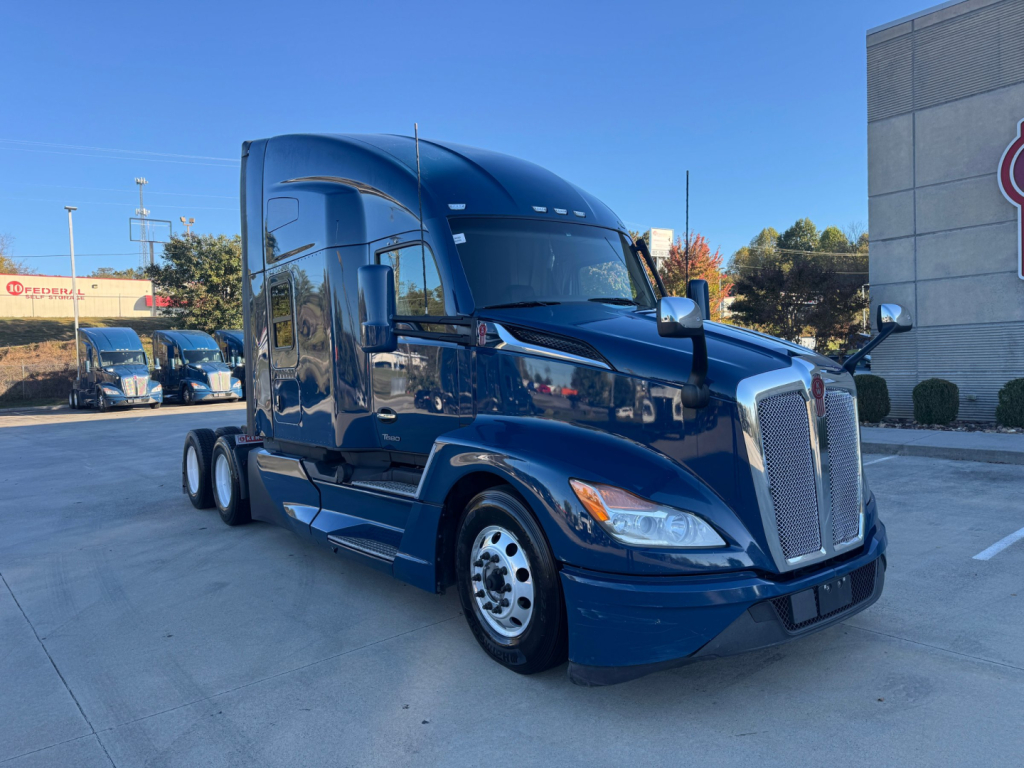
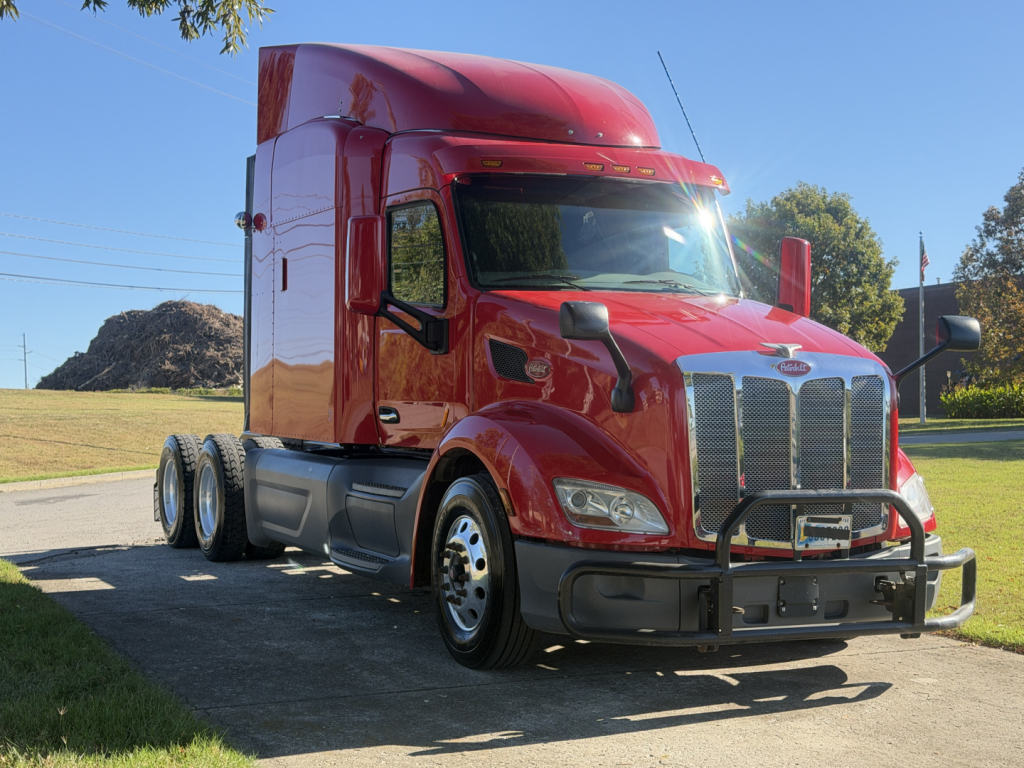
Showing 1 to 28 of 51 results
Selling a used conventional sleeper truck? List your used conventional sleeper truck for sale and reach thousands of commercial buyers.
Used Conventional Sleeper Trucks in Tennessee
The most common specs in this category include aerodynamic mid-roof and raised-roof cabs, 6x4 tandem drive configurations, and diesel engines from Cummins, Detroit, Paccar, or International. Popular models include the Freightliner Cascadia, Peterbilt 579, Kenworth T680, Volvo VNL, and International ProStar or LT. Horsepower typically falls in the 400 to 500 range, with automated manual transmissions and 10-speed to 13-speed setups common in used units. A buyer should also look closely at rear axle ratio, wheelbase, fifth wheel placement, and whether the truck is set up for dry van, reefer, or dedicated trailer work. Those details affect turning radius, cruise RPM, payload flexibility, and how well the truck matches a specific route profile.
Condition matters more than badge on a used sleeper. Mileage is important, but maintenance history usually tells the bigger story. On a conventional sleeper, key inspection points include emissions system repairs, engine overhead records, clutch or automated transmission service, suspension wear, steer tire patterns, and signs of frame or cab corrosion. Sleeper-related items deserve attention too, including bunk HVAC, inverter wiring, refrigerator or cabinet condition, and idle management systems or APUs if equipped. If the truck has been deleted, stretched, or otherwise modified, a buyer should verify compliance, parts compatibility, and resale impact before making a decision.
A good used conventional sleeper truck should match the freight and the driver schedule, not just the price point. For longer Tennessee-to-Texas or Southeast regional runs, fuel economy and sleeper comfort often carry as much weight as horsepower. For heavier freight or mountain routes east of Knoxville, drivetrain gearing and engine brake performance become more important. The strongest value usually comes from a truck with a documented service file, a clean drivetrain spec, and a sleeper layout that supports the job without adding unnecessary weight or downtime risk.
Frequently Asked Questions about Used Conventional Sleeper Trucks in Tennessee
What is a conventional sleeper truck used for?
A conventional sleeper truck is built for over-the-road freight, regional hauling, and dedicated lanes that require drivers to stay with the truck for extended periods. The sleeper compartment provides space for rest, storage, and often basic amenities such as inverters, cabinetry, and bunk HVAC. This category is commonly used with dry van, reefer, and some flatbed operations where range, comfort, and highway efficiency are priorities.
What should I check first on a used conventional sleeper truck?
Start with the engine, transmission, and emissions history, then review mileage against maintenance records. A used sleeper should be checked for DPF and SCR service, overhead adjustments, oil and coolant leaks, transmission operation, differential condition, and suspension wear. After the drivetrain, inspect the sleeper systems including the bunk air conditioner, heater, power inverter, idle reduction equipment, and any signs of water intrusion or wiring repairs.
Which specs matter most when comparing used sleeper tractors?
The most important specs are engine make and horsepower, transmission type, axle ratio, wheelbase, sleeper size, and gross combination application. Those factors determine fuel economy, cruise speed, maneuverability, and driver comfort. Fifth wheel position, fairing package, and tire size also matter because they affect trailer compatibility, turning clearance, and operating cost on long highway runs.
Are automated manual transmissions common in used conventional sleeper trucks?
Yes. Automated manual transmissions are very common in late-model used sleeper tractors, especially fleet-maintained highway units. They can reduce driver fatigue, improve shift consistency, and help with fuel economy when paired with the right axle ratio. A buyer should still confirm clutch life, software update history, and how the transmission performs under load, especially during low-speed maneuvers and grade changes.
Is high mileage a deal breaker on a used sleeper truck?
Not by itself. A high-mileage conventional sleeper can still be a sound purchase if the truck has a strong maintenance file, proper engine and emissions service, and no major signs of neglect. A lower-mile truck with poor service history can present more risk than a higher-mile unit that has been consistently maintained. The better measure is total condition, repair history, and whether the truck's spec matches the intended freight and route.