
Used 2024 Conventional Sleeper Trucks For Sale
Shop used 2024 conventional sleeper trucks with high-roof cabs, fuel-efficient specs, and long-haul features built for over-the-road work.
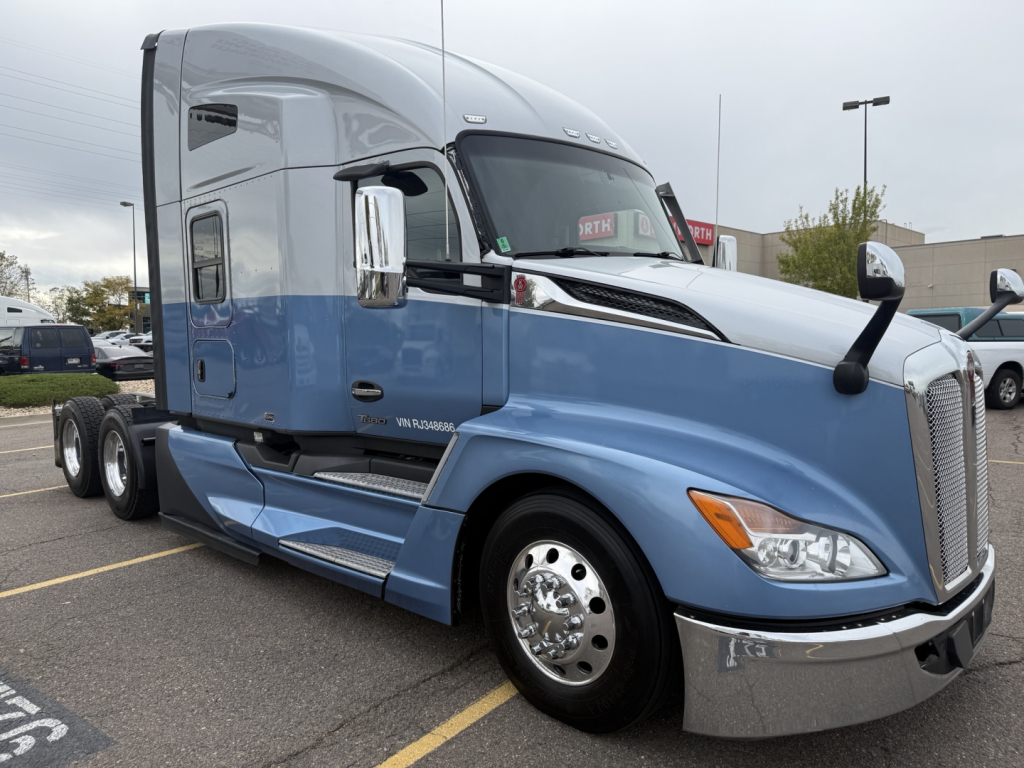
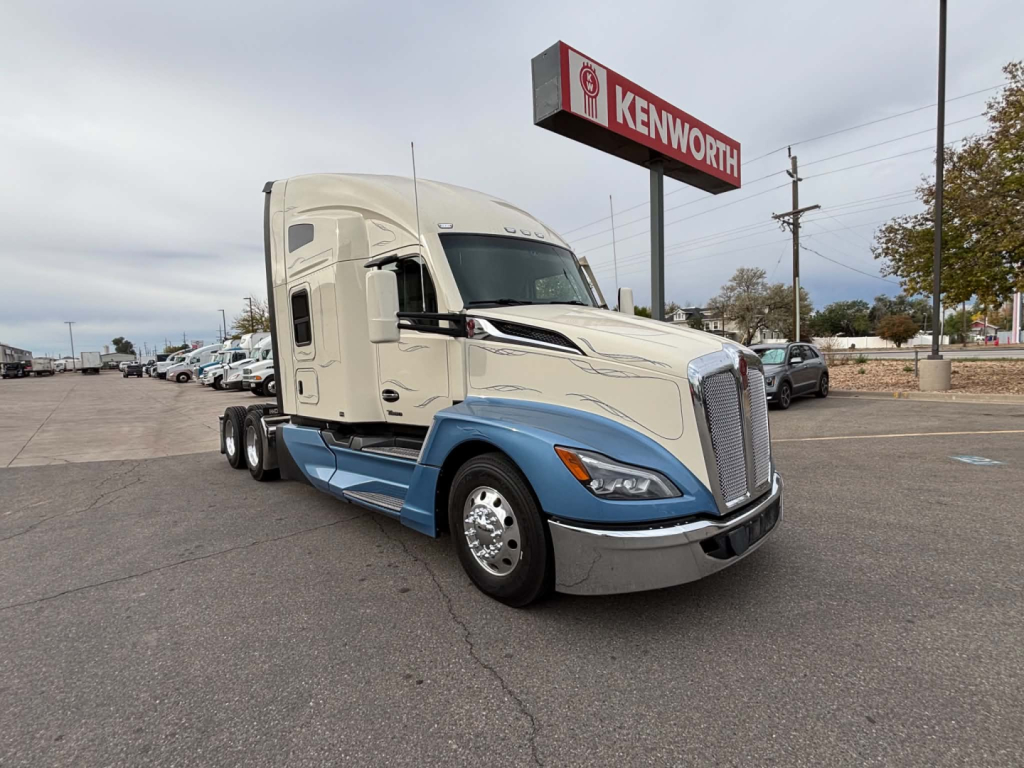
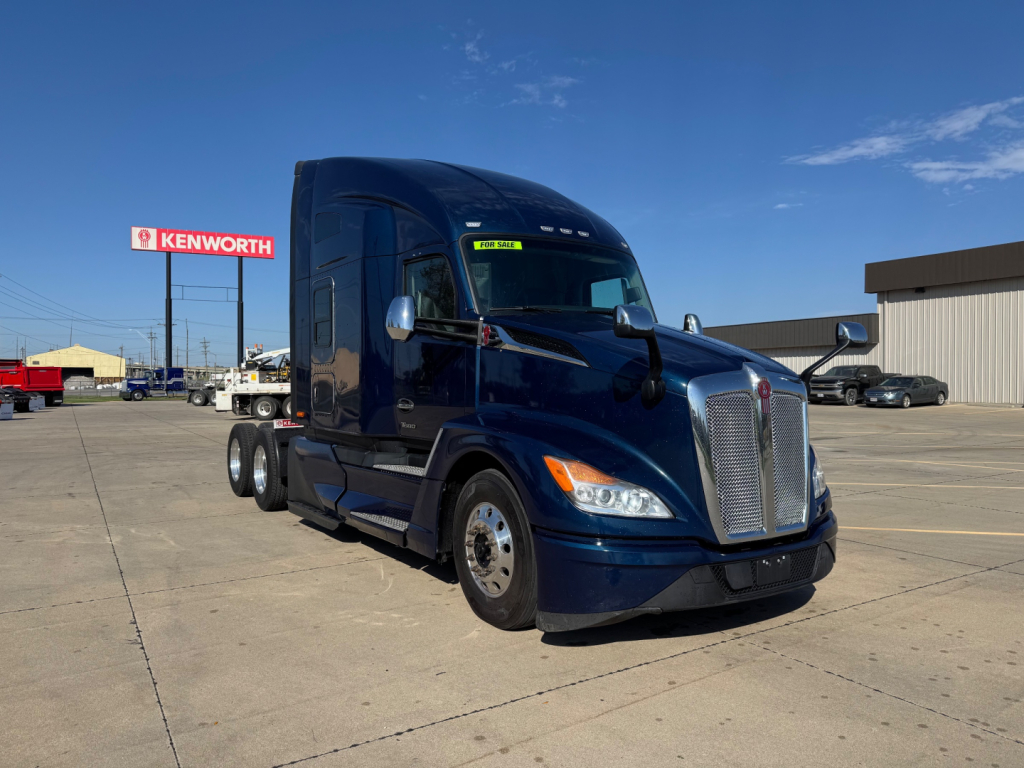
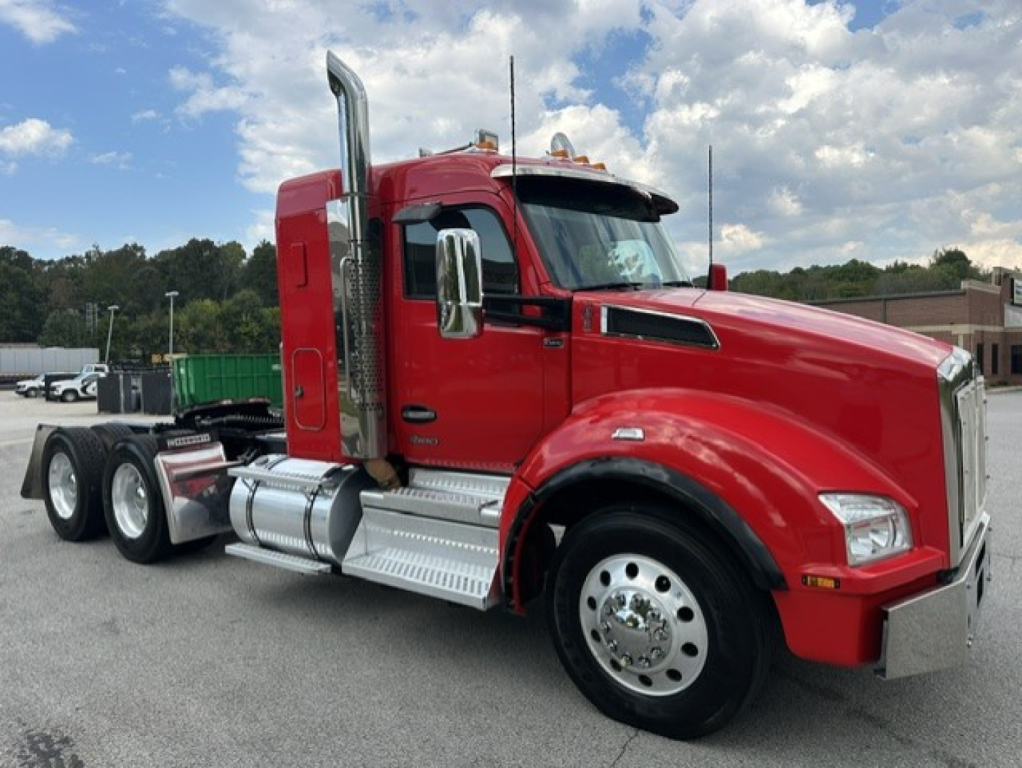
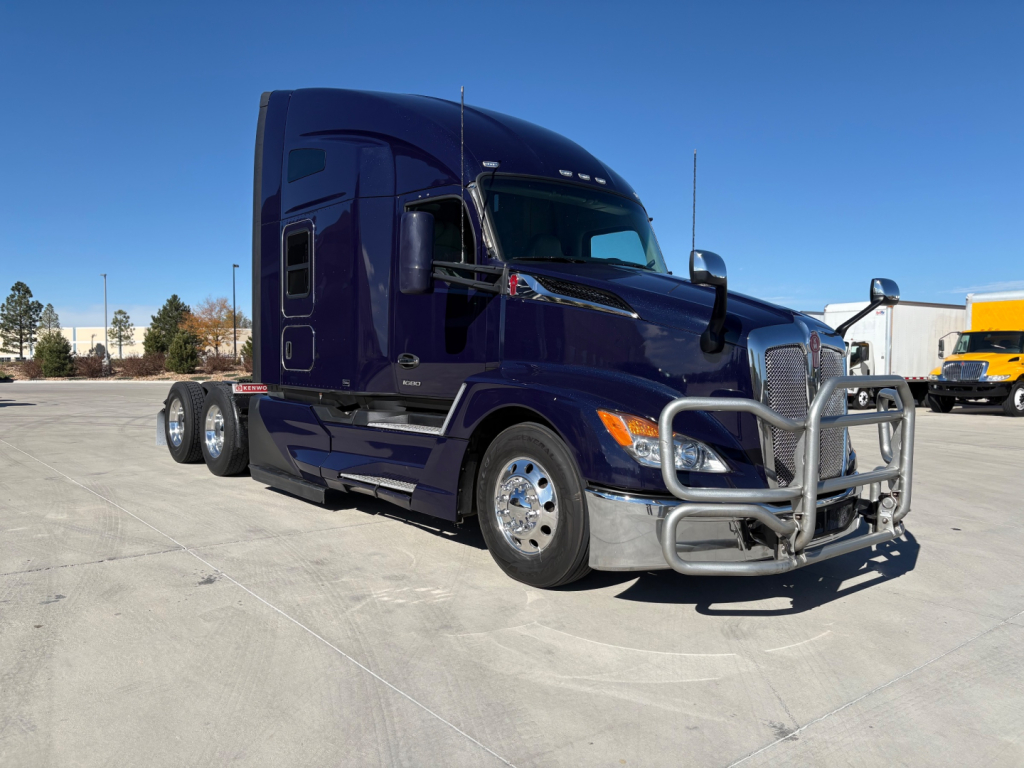
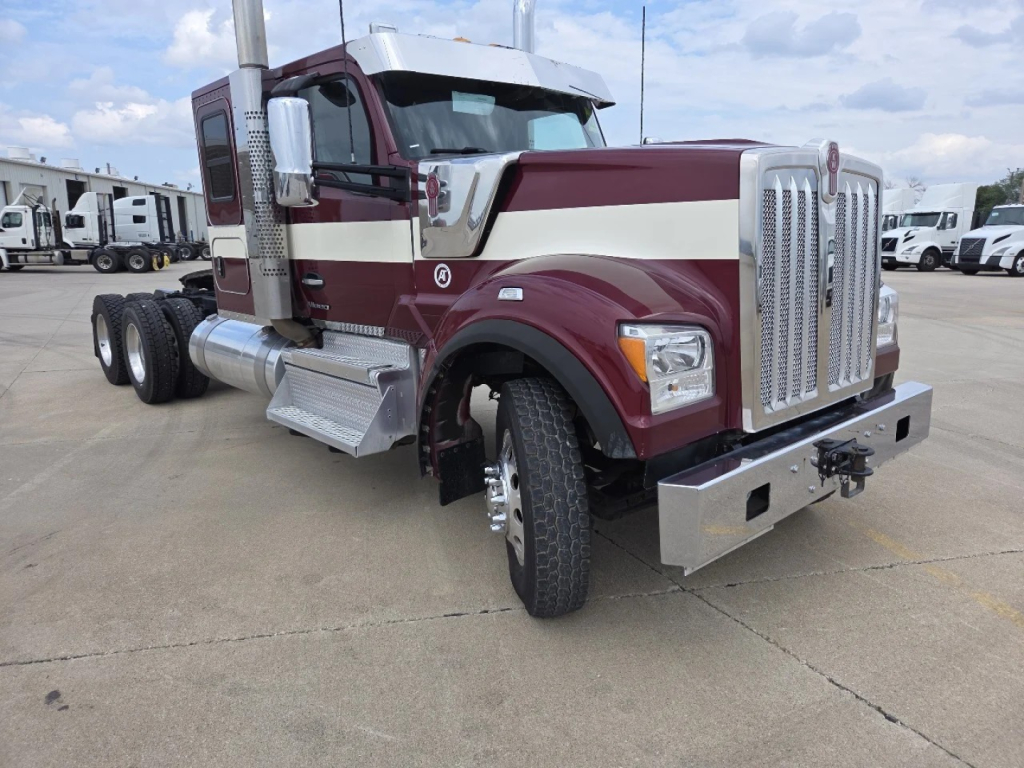
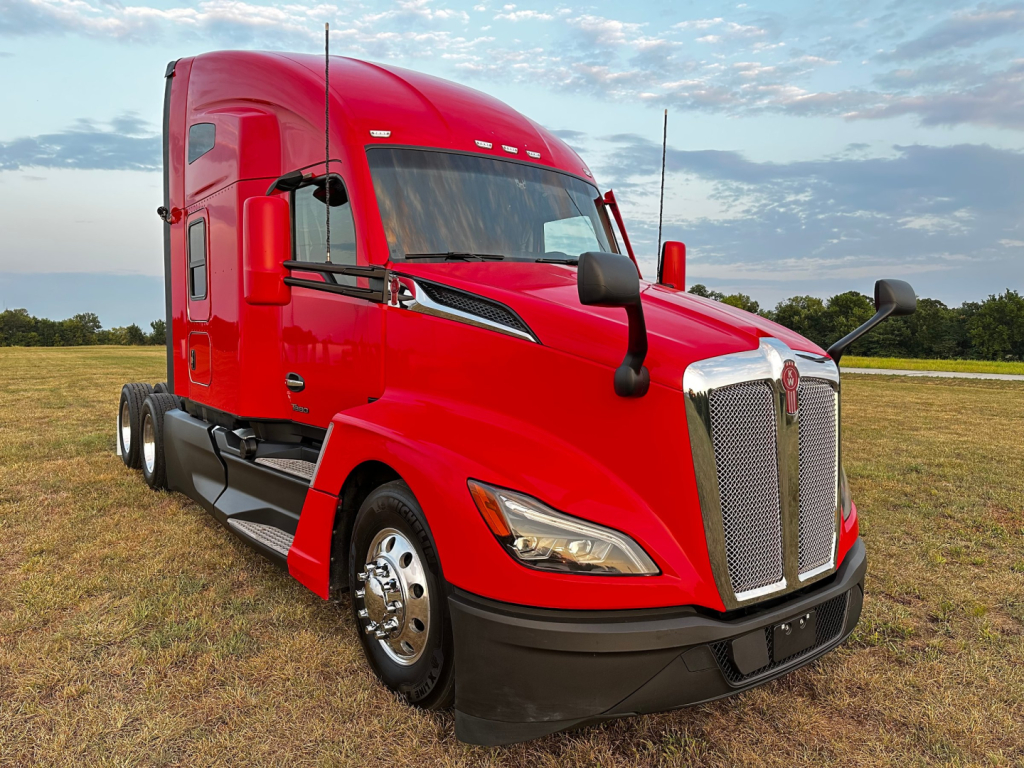
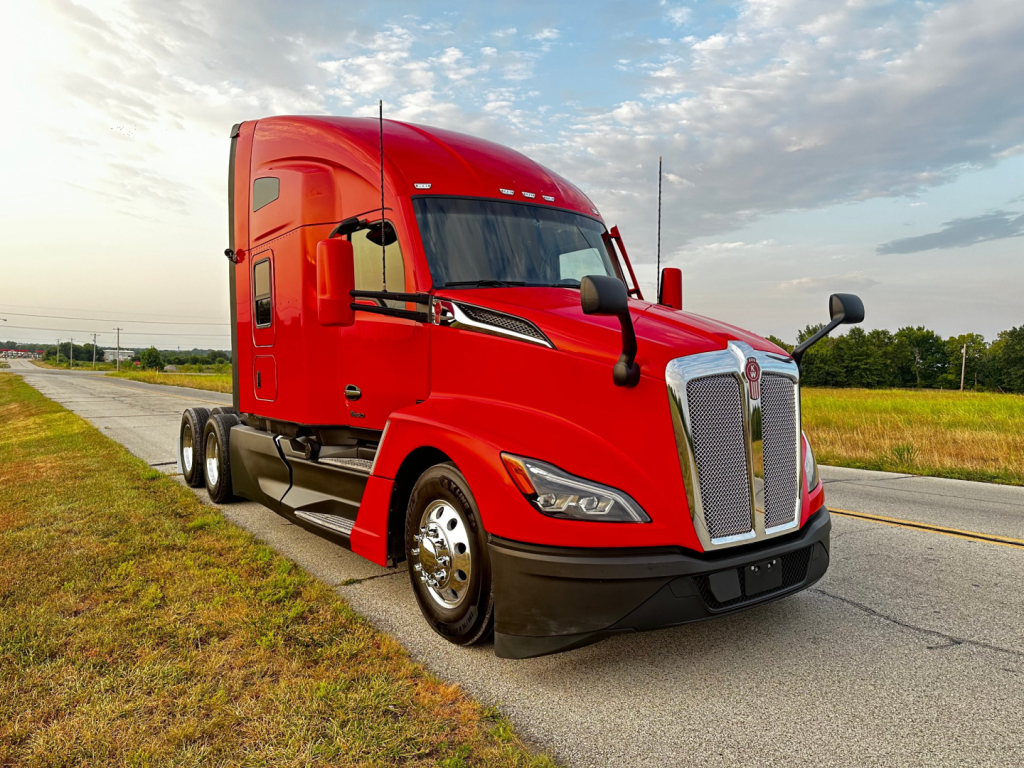
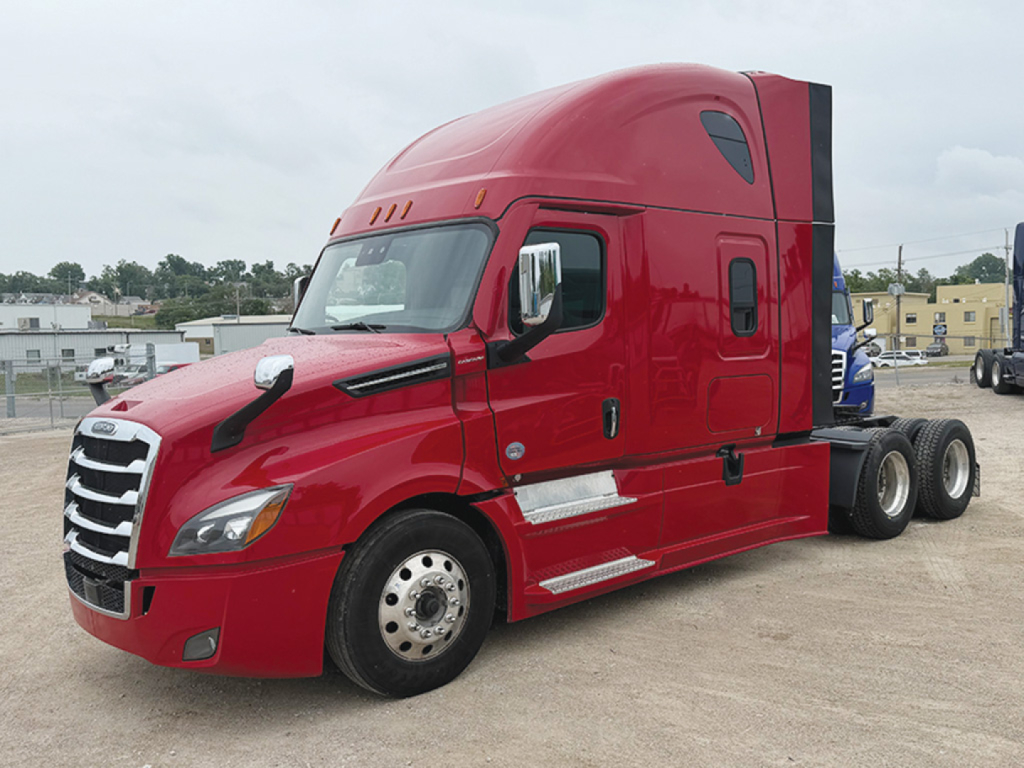
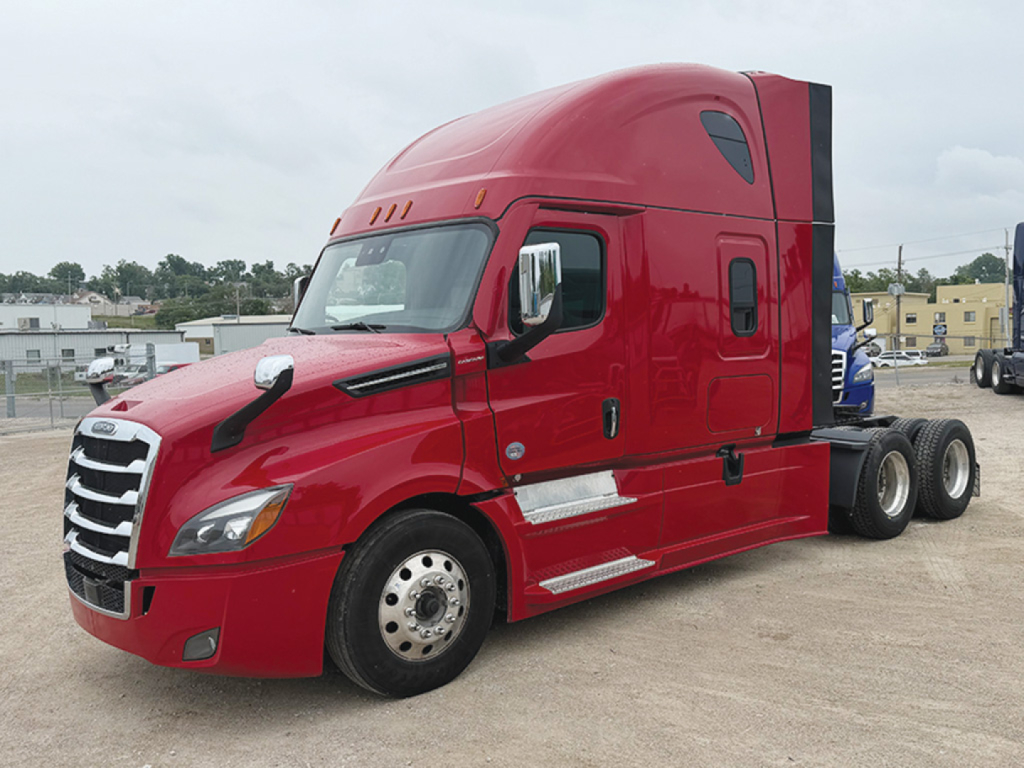
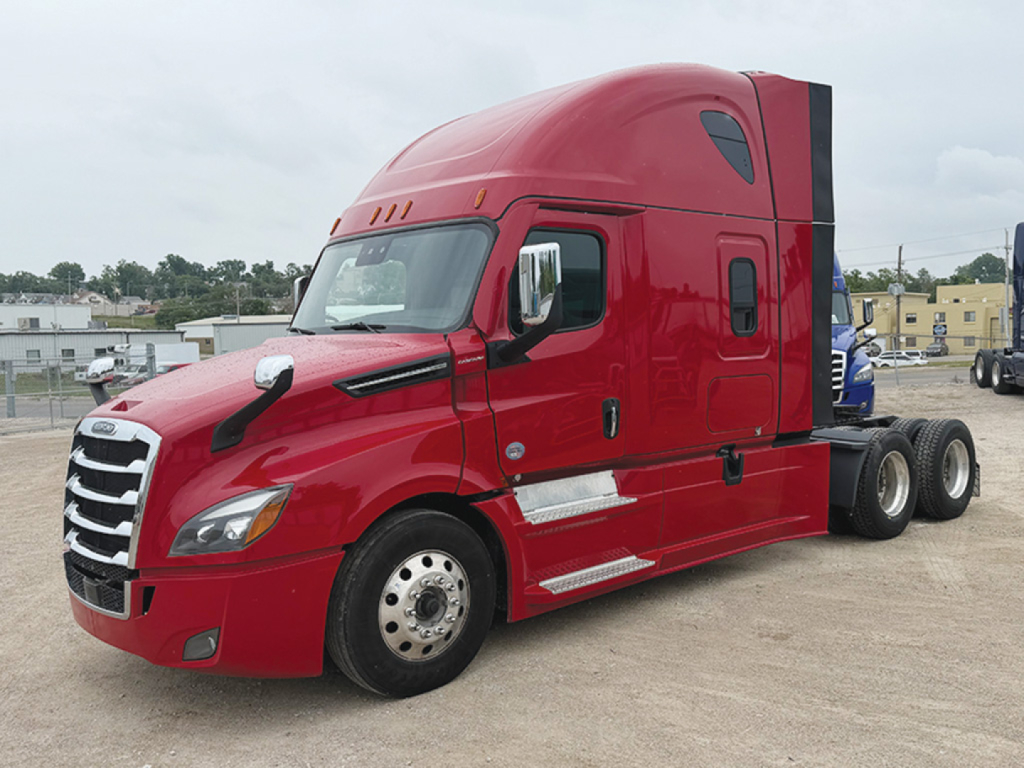
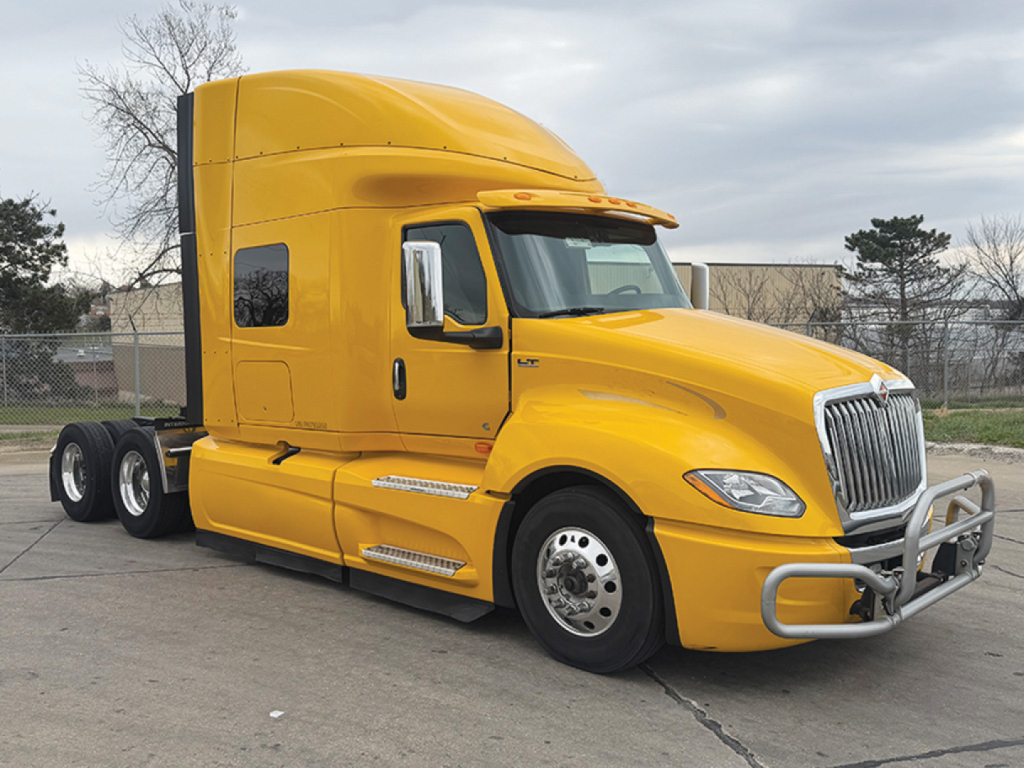
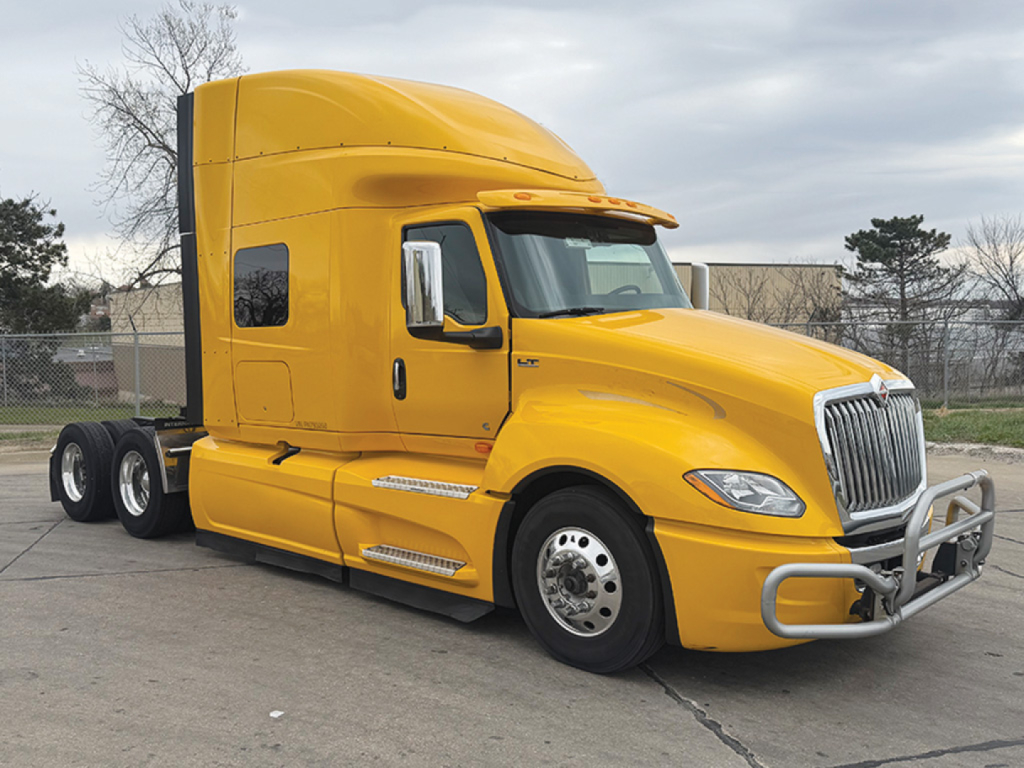
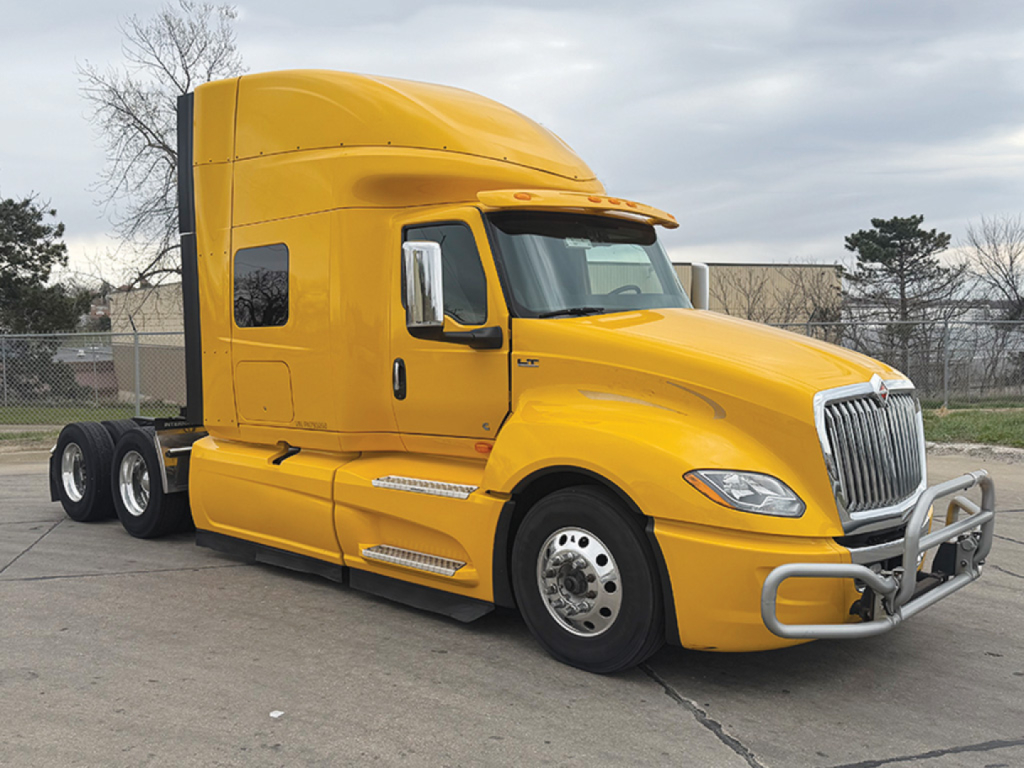
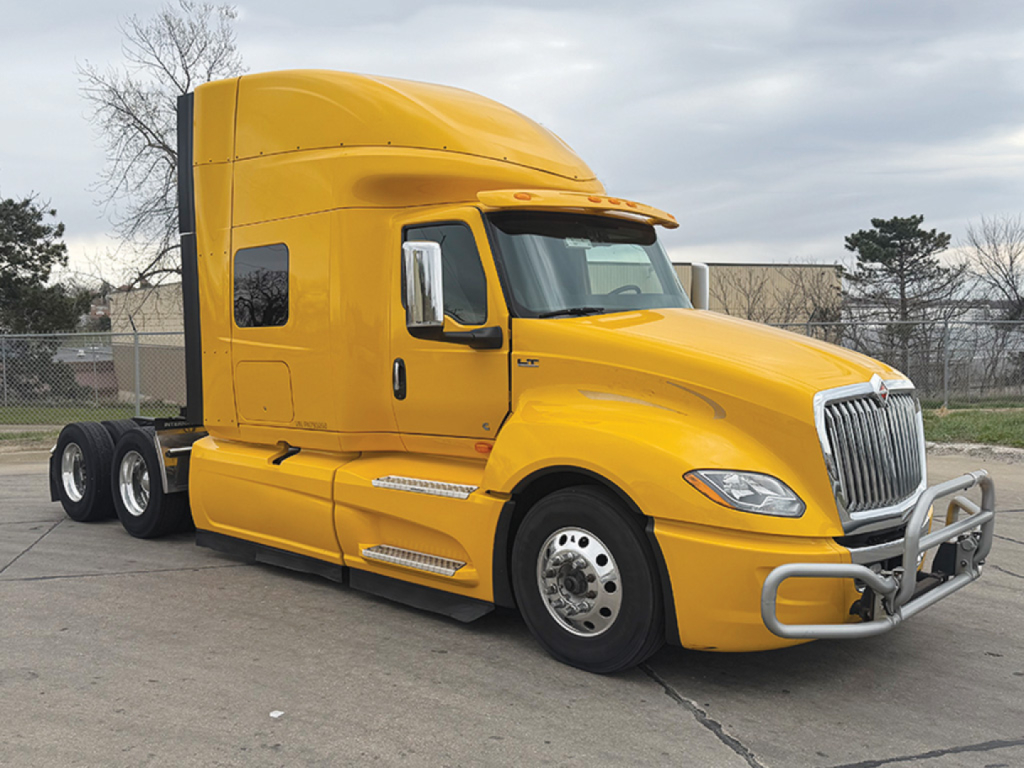
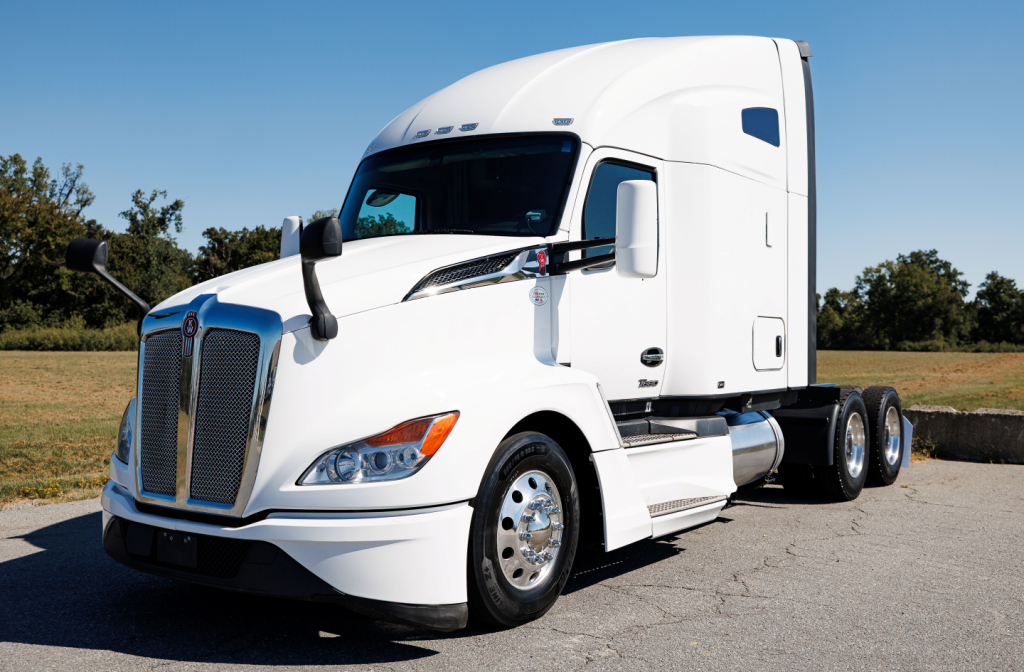
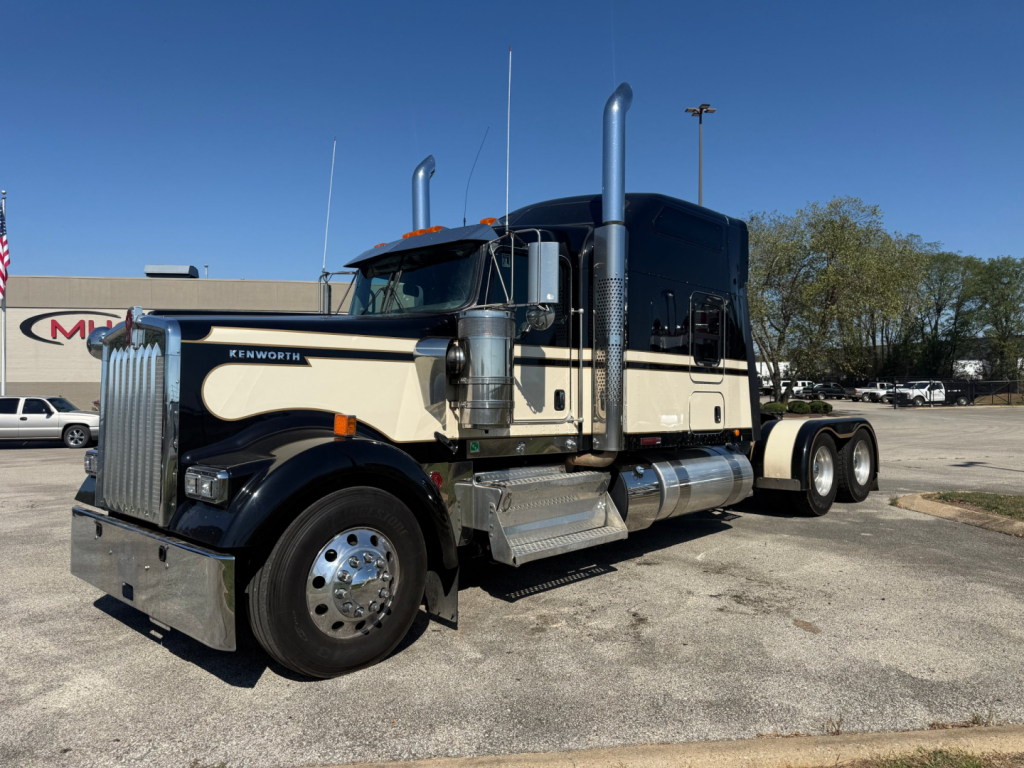
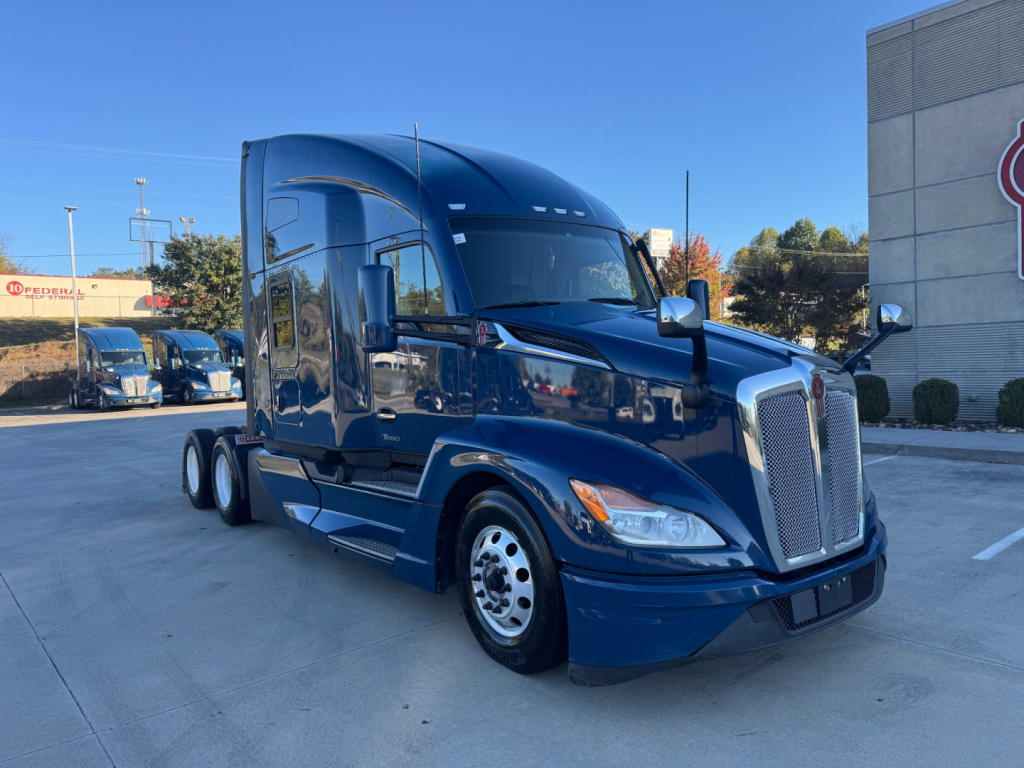
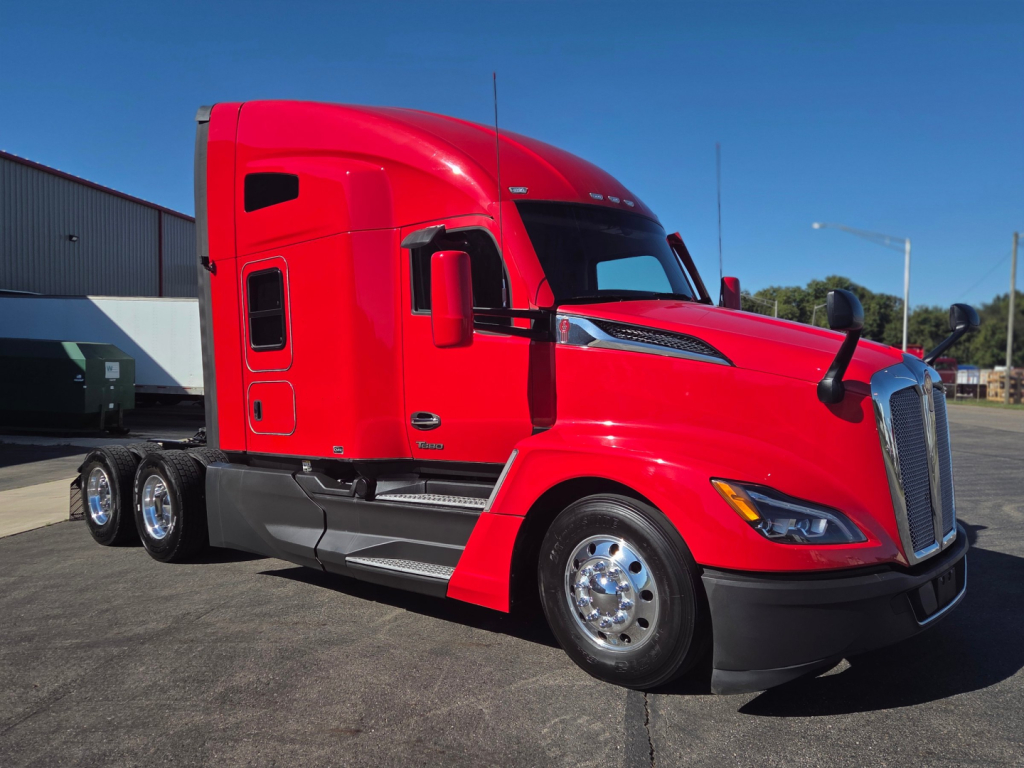
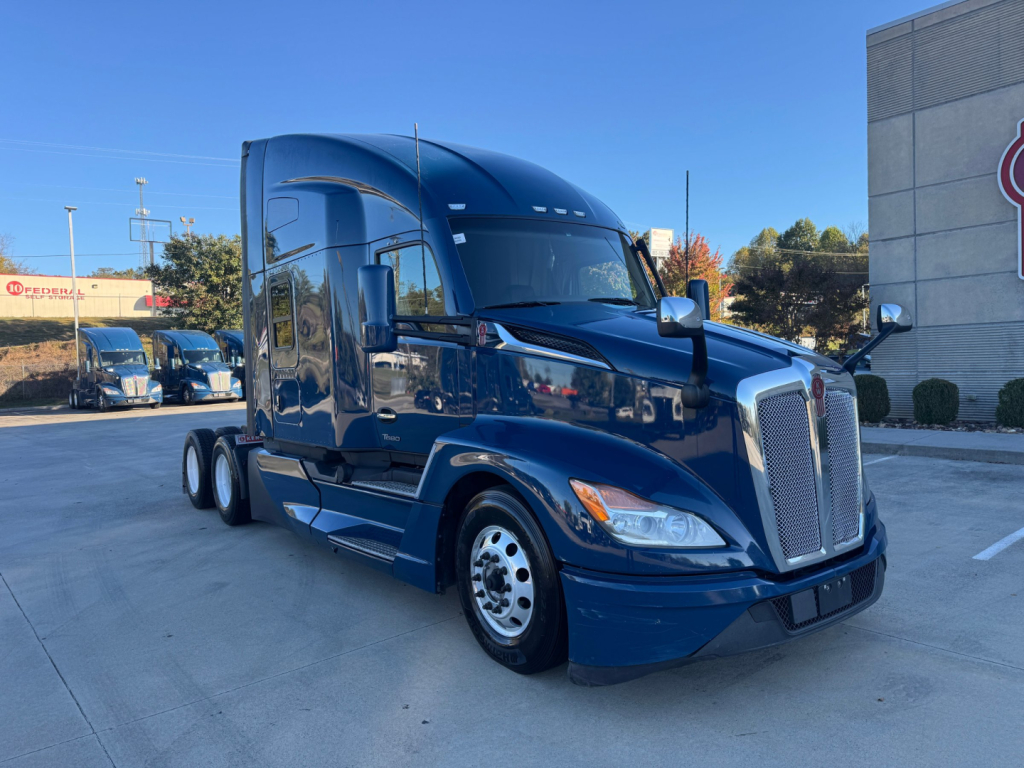
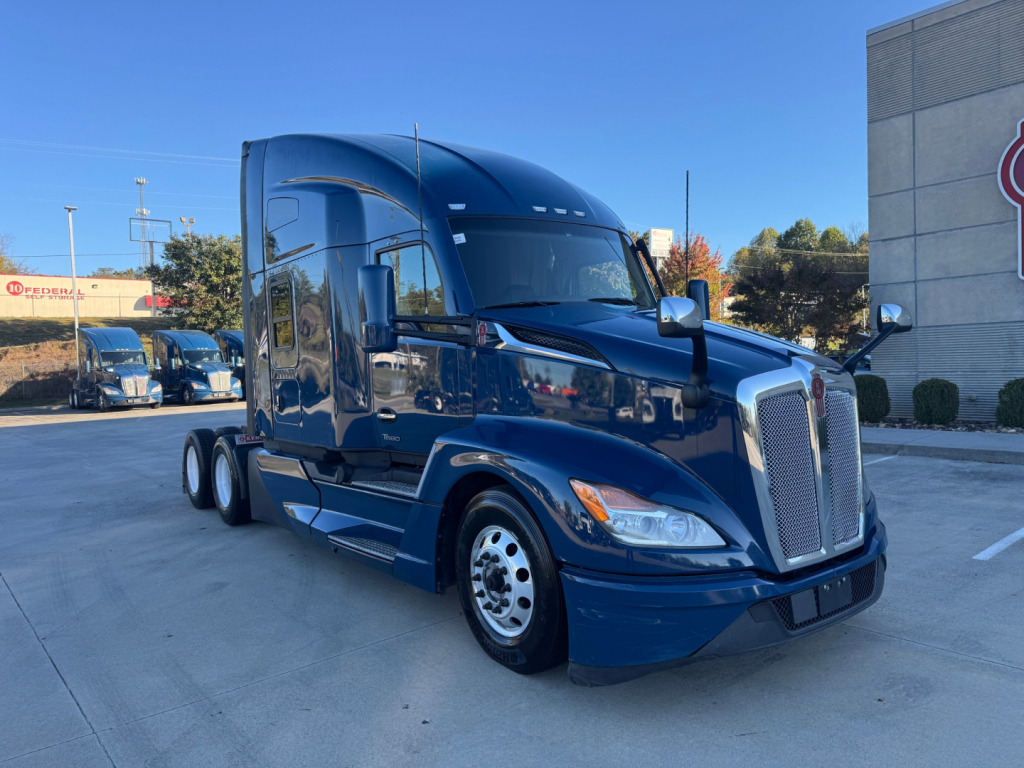
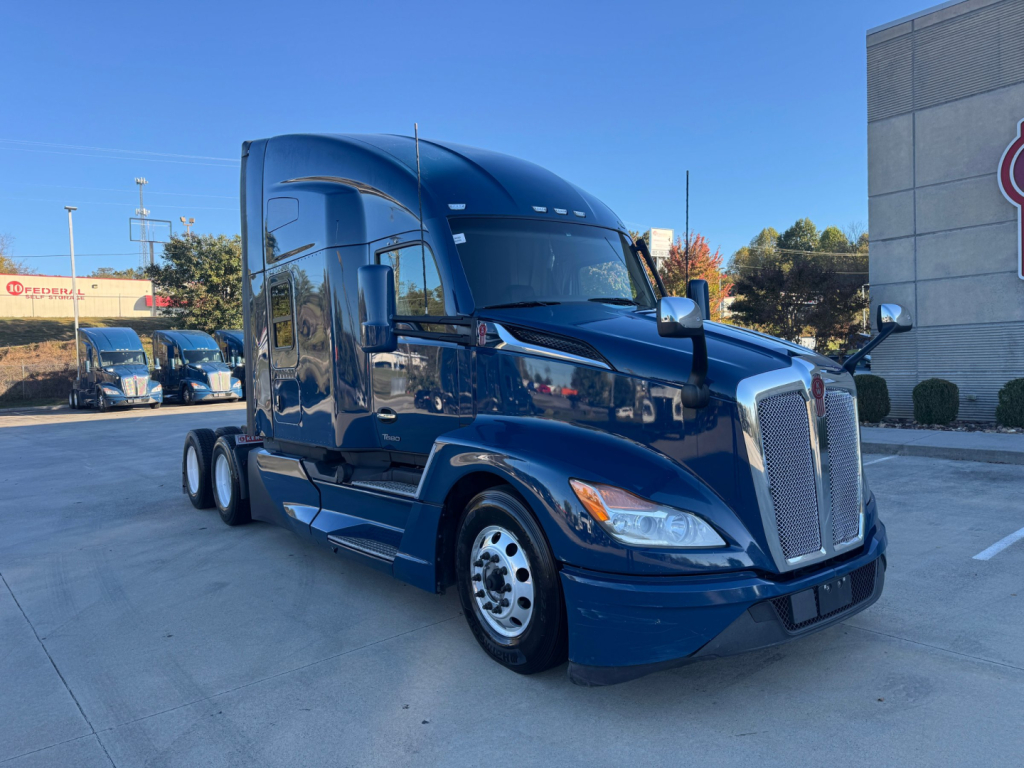
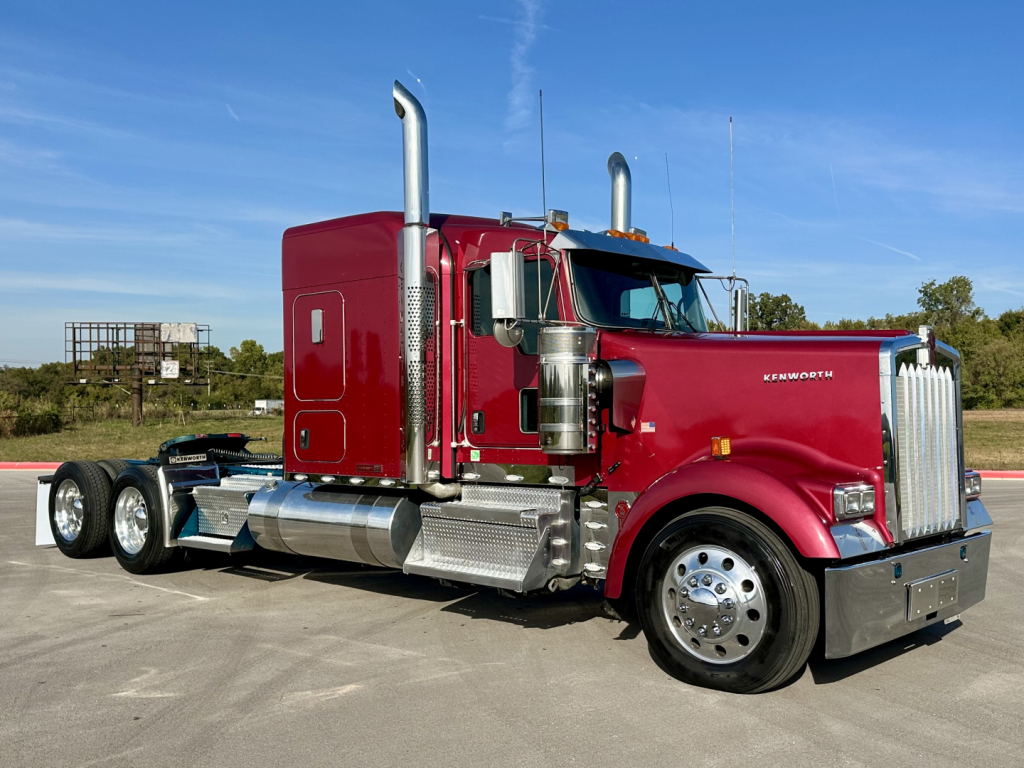
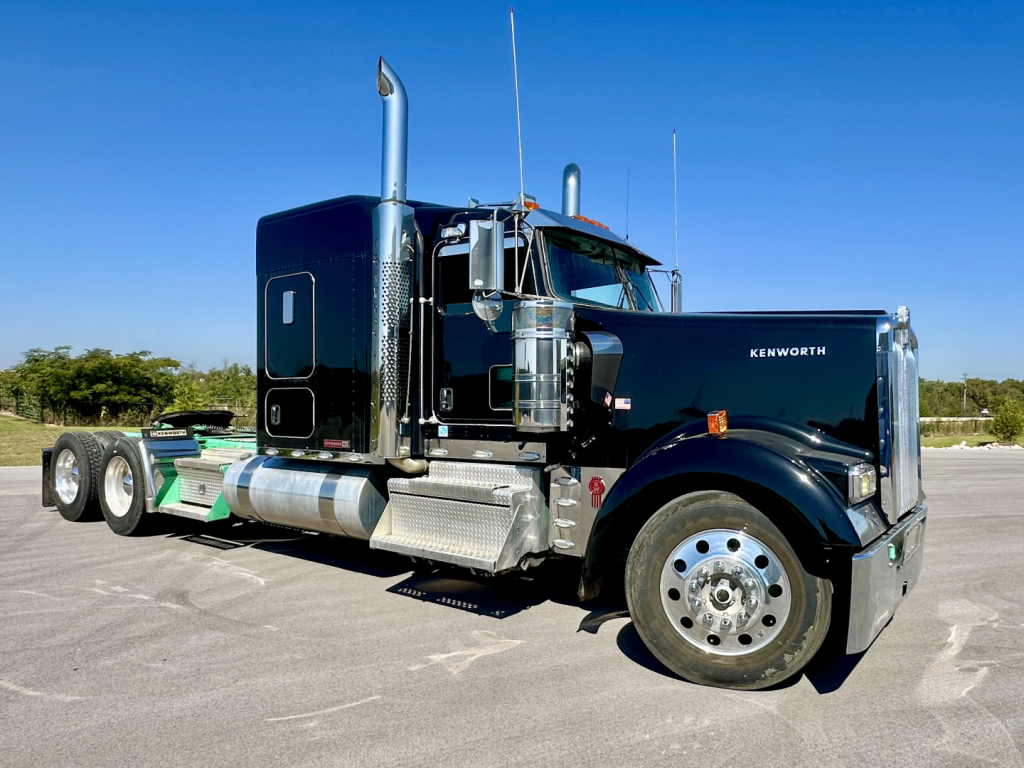
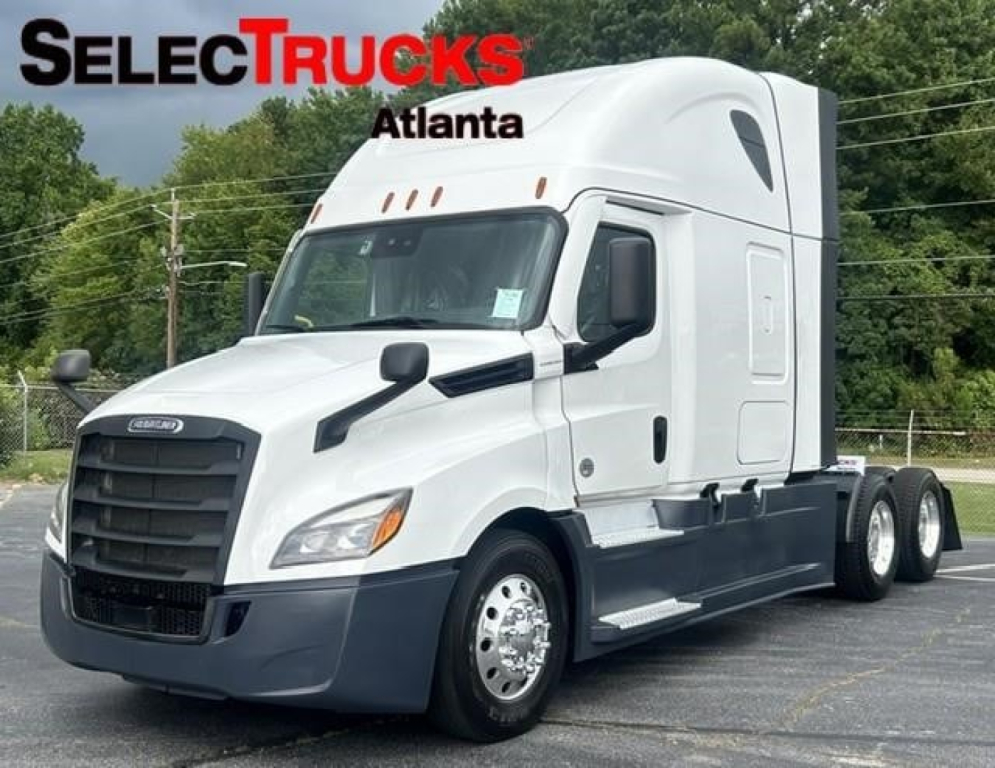
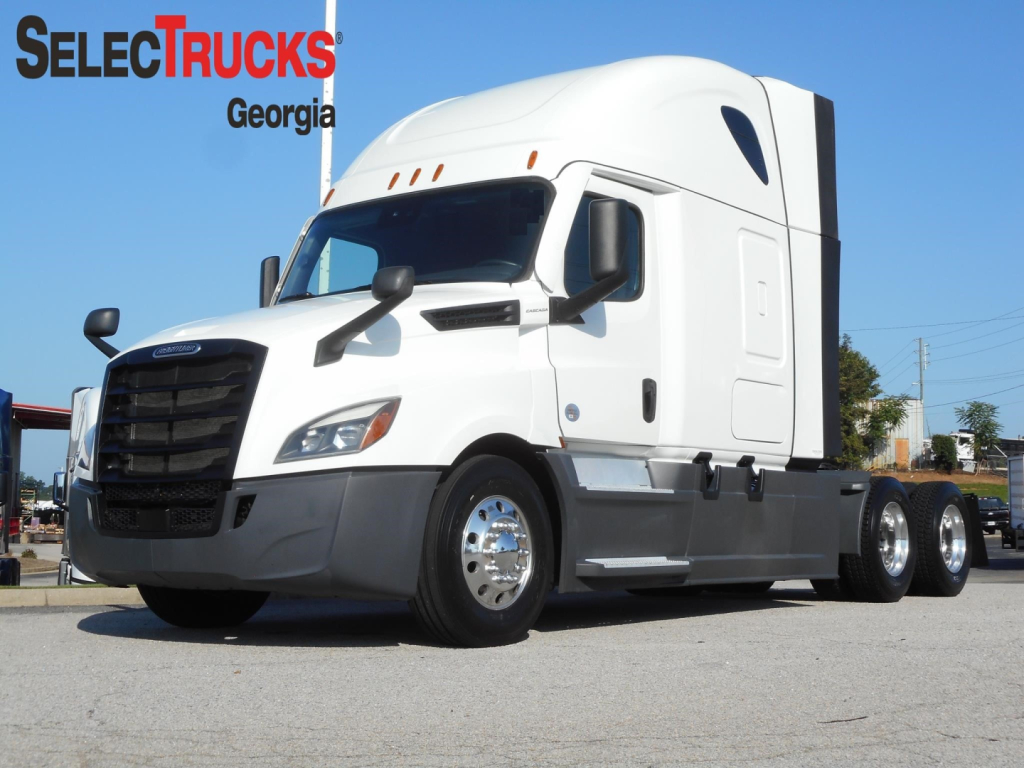
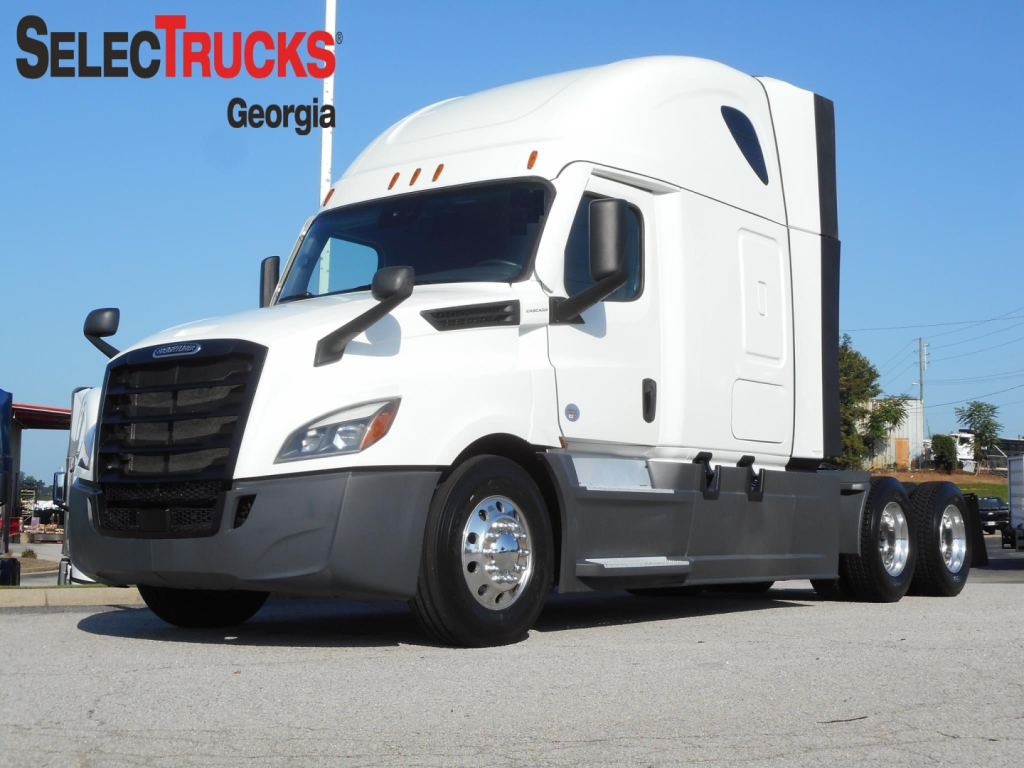
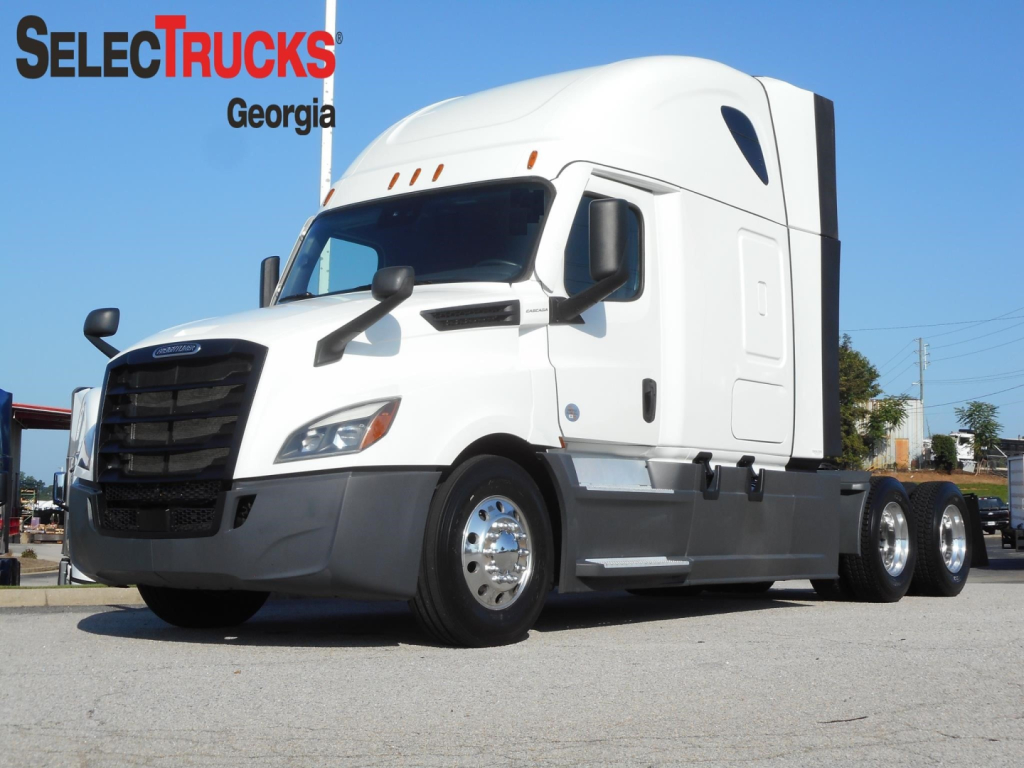
Showing 1 to 28 of 72 results
Selling a used 2024 conventional sleeper truck? List your used 2024 conventional sleeper truck for sale and reach thousands of commercial buyers.
Used 2024 Conventional Sleeper Trucks
The big buying decisions usually start with the powertrain. In this category, buyers will commonly see Detroit DD15, Cummins X15, Paccar MX-13, Volvo D13, and Mack MP8 engines, often in the 400 to 500 horsepower range, with higher-horsepower specs available for heavier or faster-duty applications. Automated transmissions such as the DT12, Endurant, and I-Shift dominate late-model sleeper specs because they reduce driver fatigue and help standardize fuel economy across fleets. Rear axles are commonly rated at 40,000 pounds, and axle ratios such as 2.47, 2.64, 2.79, or 3.08 can tell you a lot about intended use. Lower ratios generally favor linehaul fuel economy, while deeper ratios can make more sense for heavier loads, mountain routes, or vocational crossover work.
Sleeper configuration matters as much as the engine. A 72-inch or 76-inch raised-roof sleeper is common in this market, often with upper bunk layouts, bunk heaters, premium interior trim, refrigerator prep, inverter wiring, and expanded storage. Buyers comparing listings should pay close attention to wheelbase, fuel capacity, fairings, fifth wheel type, and brake spec. A truck with full side fairings, cab extenders, dual aluminum tanks, air-slide fifth wheel, and disc brakes may be better suited for highway freight and trailer interchange. Safety and driver-assist systems are also a major factor on 2024 trucks. Collision mitigation, adaptive cruise, lane-departure warning, digital dash packages, and telematics integration are common and can affect insurance, driver acceptance, and uptime planning.
Because these are used 2024 sleeper trucks, condition review is less about age and more about application history, warranty carryover, and spec alignment. A former fleet tractor may offer strong maintenance documentation and standardized components, while an owner-operator spec may include more comfort and appearance upgrades. Check engine hours against mileage, confirm aftertreatment service history, inspect tires and brakes for even wear, and verify sleeper HVAC, APU presence, and emissions warranty status. For buyers hauling dry van, reefer, or general freight, a late-model conventional sleeper can deliver modern efficiency and a livable cab with fewer compromises than older highway tractors.
Frequently Asked Questions about Used 2024 Conventional Sleeper Trucks
What is a conventional sleeper truck?
A conventional sleeper truck is a highway tractor with the engine mounted ahead of the cab and a built-in sleeper compartment behind the driver seats. It is the standard layout for long-haul and over-the-road trucking because it combines better service access, strong aerodynamics on modern models, and a separate space for driver rest. In the used 2024 market, most conventional sleepers are configured for 5th wheel trailer work in dry van, reefer, flatbed, and general freight applications.
What engines and transmissions are common in used 2024 conventional sleeper trucks?
Most used 2024 conventional sleeper trucks are powered by late-model heavy-duty diesel engines such as the Detroit DD15, Cummins X15, Paccar MX-13, Volvo D13, or Mack MP8. Horsepower commonly falls between 400 and 500 HP, though some trucks are spec'd higher for heavy haul or performance preference. Automated manual transmissions are now the norm in this category, including the DT12, Endurant, and Volvo I-Shift, because they improve consistency, reduce training time, and help support fuel economy targets.
What sleeper size is best for long-haul work?
For long-haul operations, a 72-inch or 76-inch high-roof sleeper is the most common choice because it gives drivers enough room for rest, storage, and onboard amenities. A larger sleeper usually adds practicality for teams, multi-day routes, and carriers trying to improve driver retention. Buyers should look beyond length alone and compare bunk layout, standing room, storage design, HVAC performance, and whether the truck includes options like a bunk heater, APU, inverter, or refrigerator space.
What should I check when buying a used 2024 conventional sleeper truck?
Start with the original build spec and compare it to the work the truck will actually do. Review engine hours, mileage, maintenance records, aftertreatment service, tire wear, brake condition, suspension components, and any fault code history. It is also smart to confirm axle ratio, wheelbase, sleeper size, and safety system content, since those details affect fuel economy, maneuverability, and resale. On a used 2024 model, warranty status, emissions coverage, and telematics history can be just as important as the visual condition.
Are used 2024 conventional sleeper trucks good for fleet use and owner-operators?
Yes. For fleets, used 2024 conventional sleepers often make sense because they provide current technology, standardized parts availability, and late-model driver-assist systems without the cost of a new order. For owner-operators, they can offer a strong balance of modern fuel economy, better cab comfort, and remaining useful life. The key is matching the truck's spec to the lane, freight, and maintenance budget rather than buying only by make, mileage, or appearance.