
Used 2024 Volvo Conventional Sleeper Trucks For Sale
Shop used 2024 Volvo conventional sleeper trucks. Compare VNL and VNR specs, D13 power, I-Shift transmissions, sleeper sizes, and axle setups.
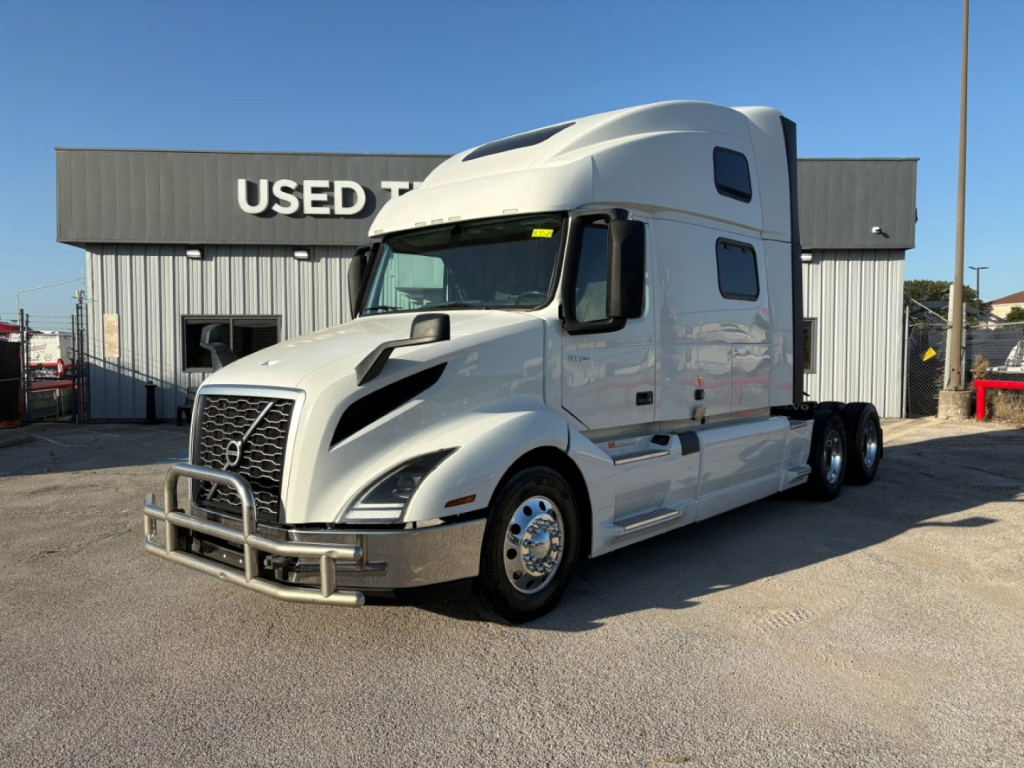
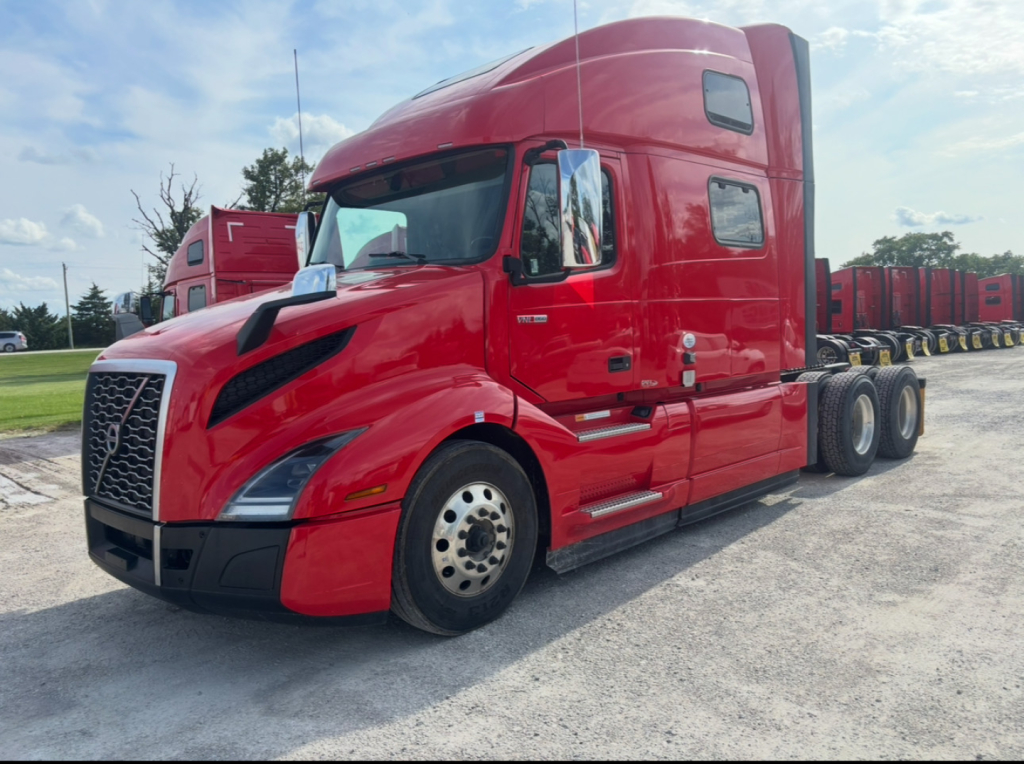
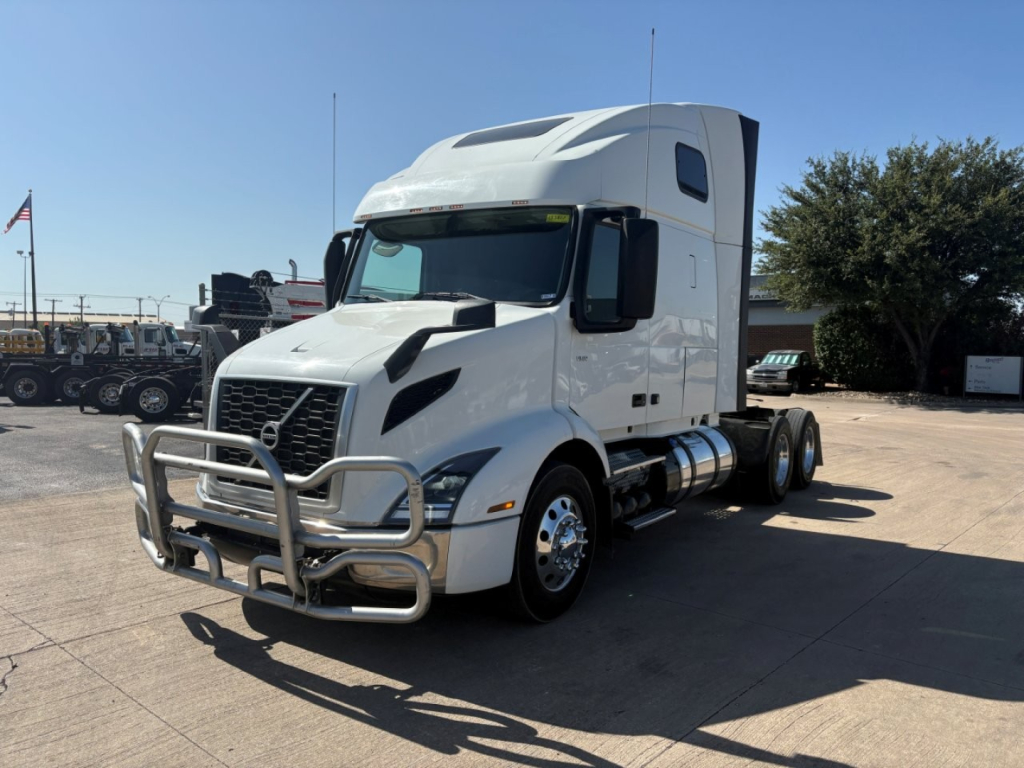
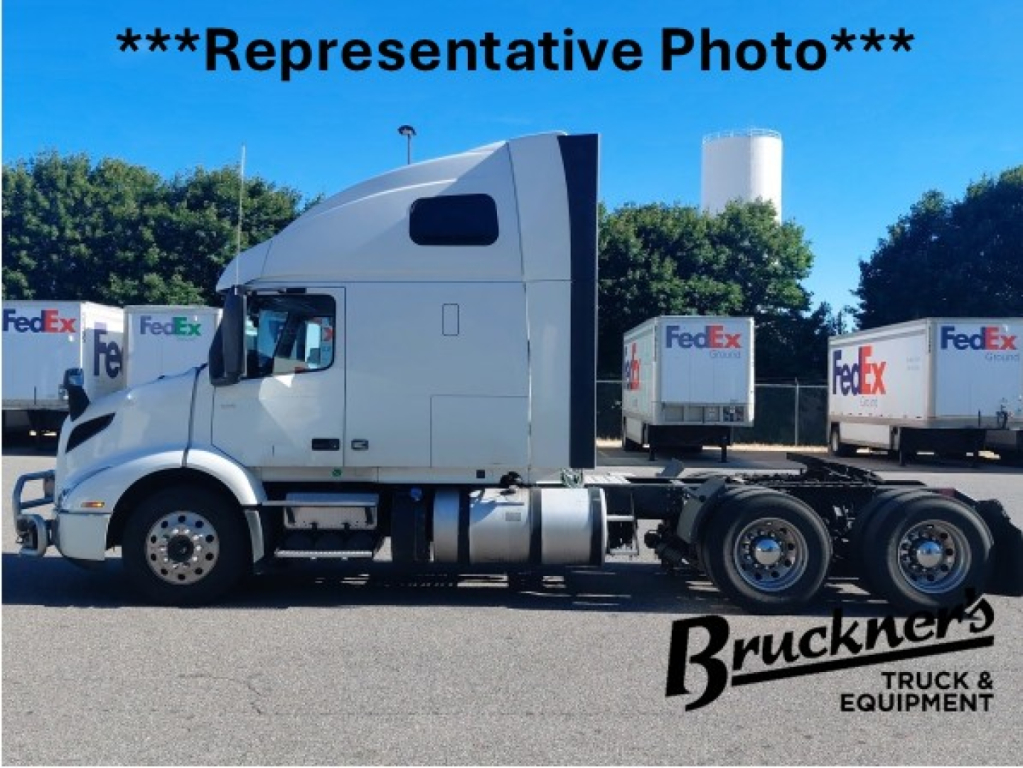
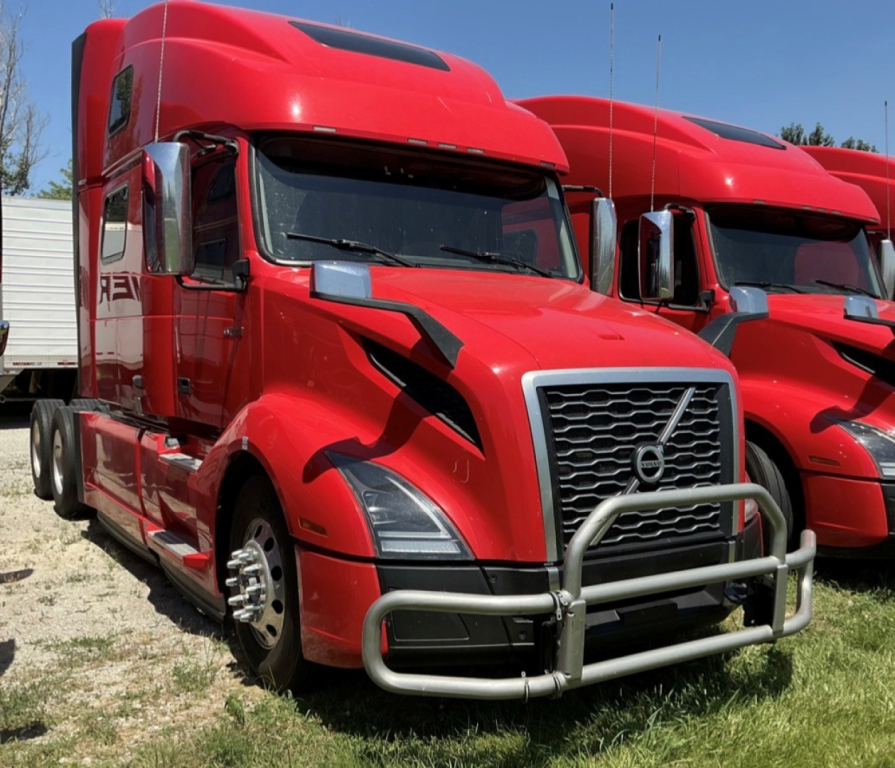
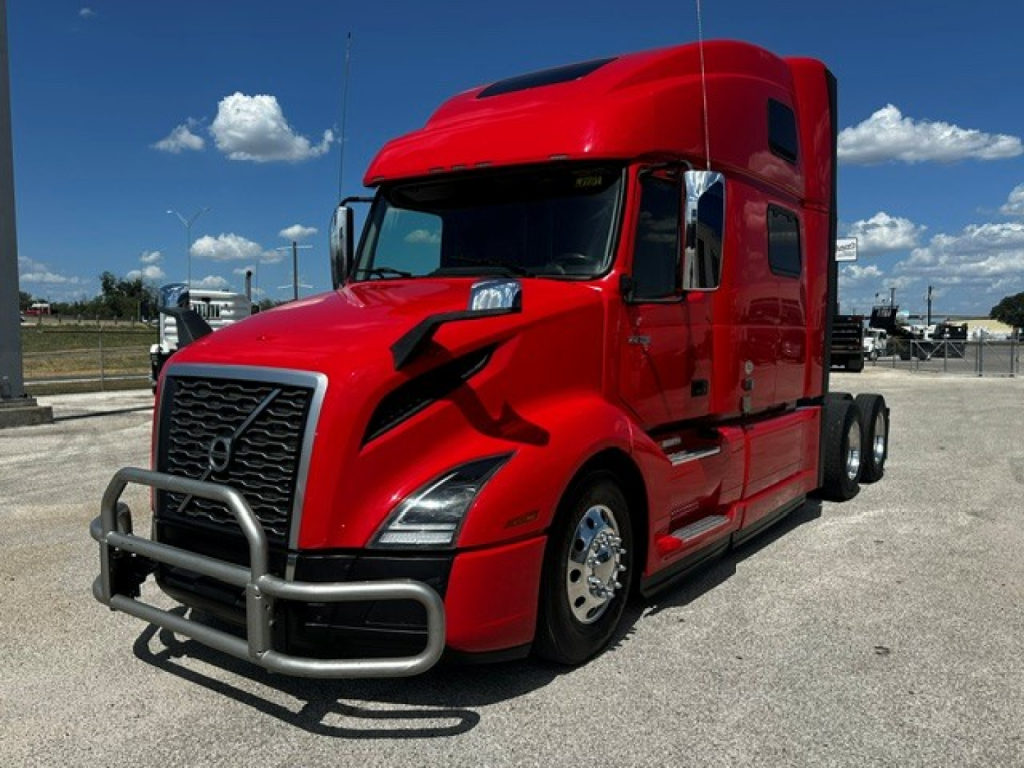
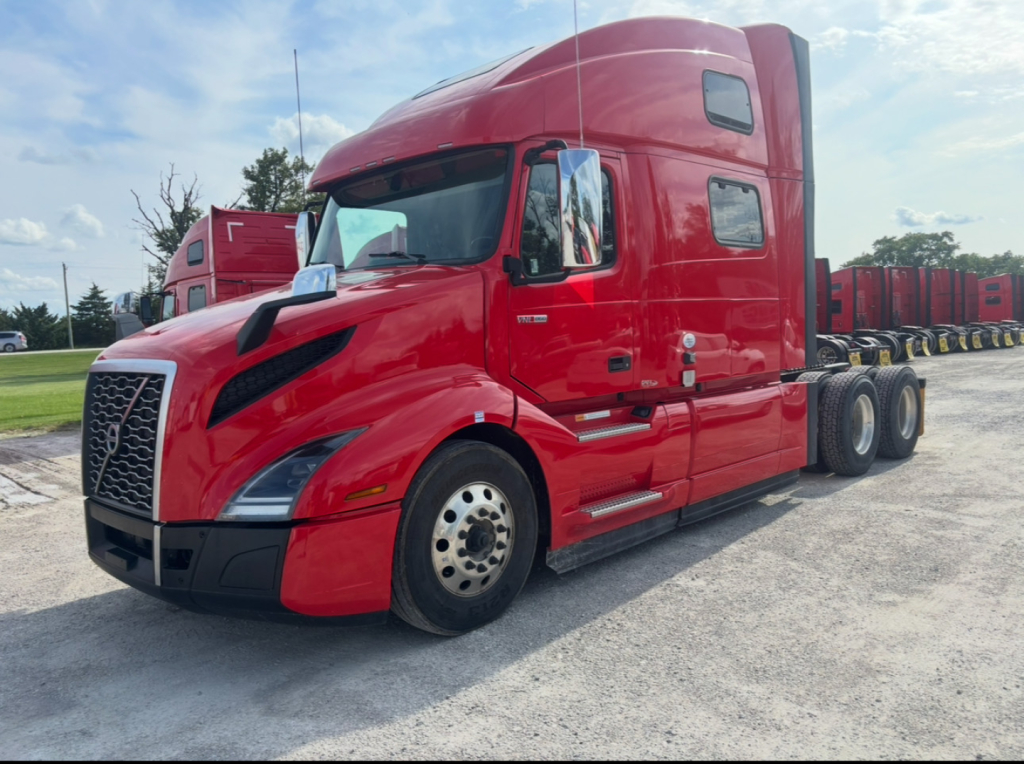
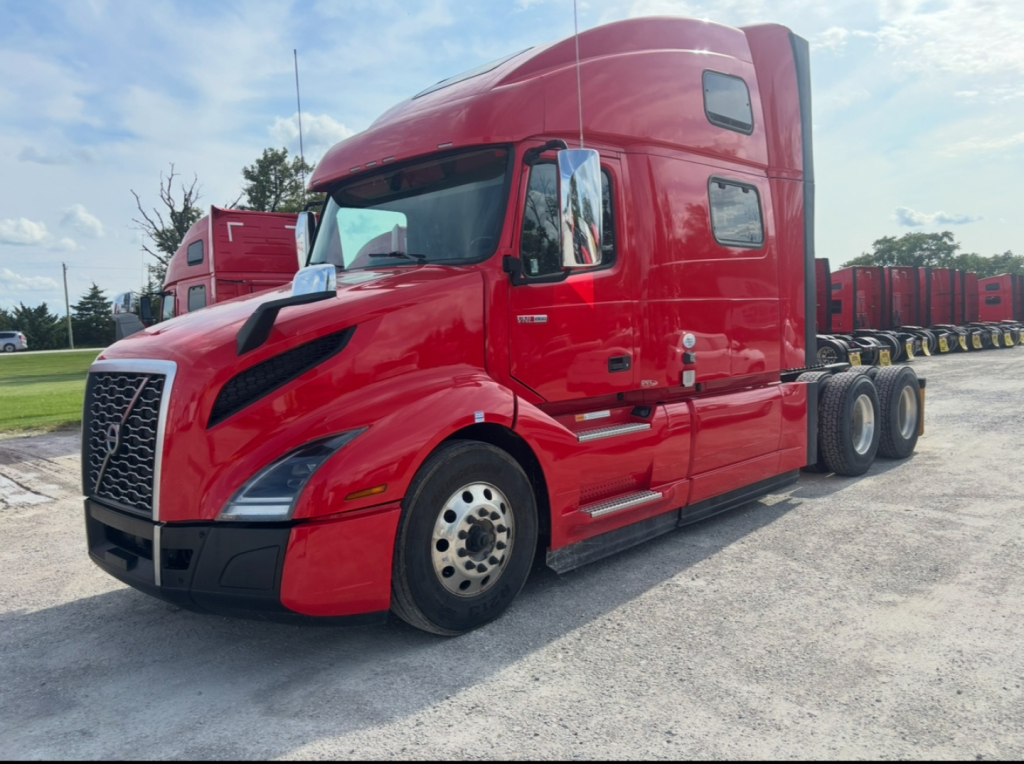
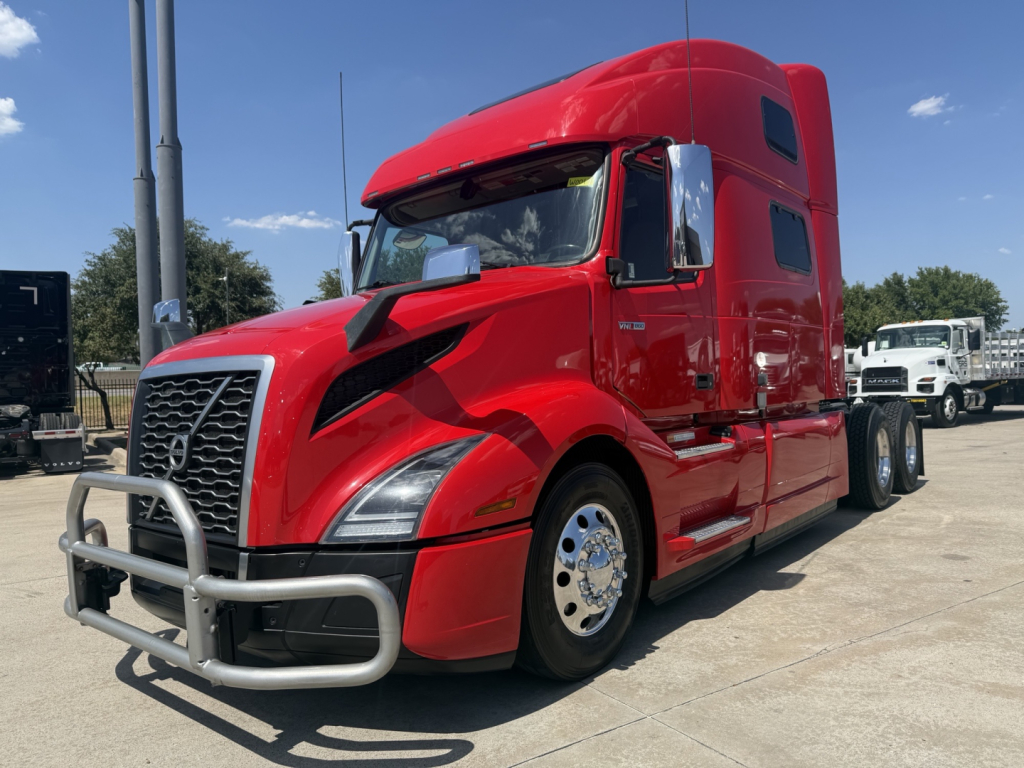
Selling a used 2024 volvo conventional sleeper truck? List your used 2024 volvo conventional sleeper truck for sale and reach thousands of commercial buyers.
Used 2024 Volvo Conventional Sleeper Trucks
The sleeper itself is a major buying point on a 2024 model. Volvo sleeper cabs are known for a driver-friendly layout, good interior storage, and integrated idle-reduction features such as bunk heaters, inverters, and APU-ready setups. On long-wheelbase VNL sleepers, buyers should compare roof height, bunk arrangement, refrigerator and workstation options, and the presence of premium trim packages that affect driver retention on team or long-haul operations. Exterior equipment also matters more than it seems. Side fairings, cab extenders, quarter fenders, dual tanks, and horizontal or vertical exhaust can affect service access, weight distribution, and aerodynamic performance.
Spec choice should match the freight and terrain. A 2.28 or 2.64 rear axle ratio generally points to fuel-focused highway use, while a 3.08 ratio may better suit heavier gross weights, more start-stop duty, or hilly lanes. Many Volvo conventional sleepers in this year range carry 40,000 lb rear axles, air ride suspension, air-slide fifth wheels, and 22.5 low-profile tires. Disc brakes and collision mitigation systems are common on newer units and can be strong value points for fleets focused on safety compliance and reduced stopping distances. Wheelbase, fuel capacity, and tire setup, including super singles versus duals, should be reviewed alongside kingpin setting requirements and trailer swing clearance.
A used 2024 Volvo sleeper truck can appeal to buyers looking for late-model emissions equipment, updated safety technology, and a modern cab without paying new-truck pricing. The main evaluation points are service history, remaining warranty coverage if any, software and aftertreatment maintenance, and signs of previous idle-heavy use. On Volvo models, buyers also pay close attention to I-Shift performance, D13 drivability, adaptive cruise and mitigation system calibration, and the condition of cab electronics and interior sleeper components. A well-matched conventional sleeper can lower cost per mile while improving driver acceptance on long runs.
Frequently Asked Questions about Used 2024 Volvo Conventional Sleeper Trucks
What is the difference between a Volvo VNL sleeper and a Volvo VNR sleeper?
The Volvo VNL is typically the primary long-haul platform, with larger sleeper options, stronger highway aerodynamics, and a cab layout aimed at extended time on the road. The Volvo VNR is generally more compact and is often chosen for regional haul, shorter turn times, or operations that need a sleeper but still want easier maneuverability. The right choice depends on route length, dock access, wheelbase limits, and how much living space the driver needs.
What engine and transmission are common in used 2024 Volvo conventional sleeper trucks?
Most used 2024 Volvo conventional sleepers are expected to have a Volvo D13 diesel engine paired with the Volvo I-Shift automated transmission. Typical horsepower ratings often fall in the 405 to 455 hp range, though exact specs vary by application. This combination is popular because it balances fuel economy, highway performance, and driver ease of operation, especially in fleet and over-the-road use.
Which rear axle ratio is best in a Volvo sleeper truck?
A lower numerical ratio such as 2.28 or 2.64 is usually chosen for fuel-efficient highway operation at steady road speed. A higher numerical ratio such as 3.08 can be better for heavier loads, frequent starts and stops, or routes with more grade. Buyers should match the ratio to cruising speed, tire size, transmission gearing, and average gross combination weight instead of judging the ratio by itself.
Are disc brakes and collision mitigation worth prioritizing on a used 2024 Volvo sleeper?
For many buyers, yes. Disc brakes can improve stopping consistency and are often easier to inspect for wear, while collision mitigation systems can support fleet safety goals and insurance discussions. On a late-model sleeper, those features can add value if the systems are functioning properly and service records show the truck has been maintained and calibrated correctly.
What should buyers inspect first on a used 2024 Volvo conventional sleeper truck?
The first priorities are powertrain service records, fault-code history, aftertreatment maintenance, and transmission operation under load. After that, inspect the sleeper equipment, cab electronics, tires, brakes, suspension, fifth wheel, and signs of excessive idle time or rough prior use. A late-model truck can look clean and still need attention in areas like emissions components, software updates, or safety system calibration, so a full diagnostic review is important.