
Used 2024 Peterbilt Conventional Sleeper Trucks For Sale
Shop the 2024 used Peterbilt conventional sleeper truck category with key specs, sleeper options, powertrain insights, and long-haul buying guidance.
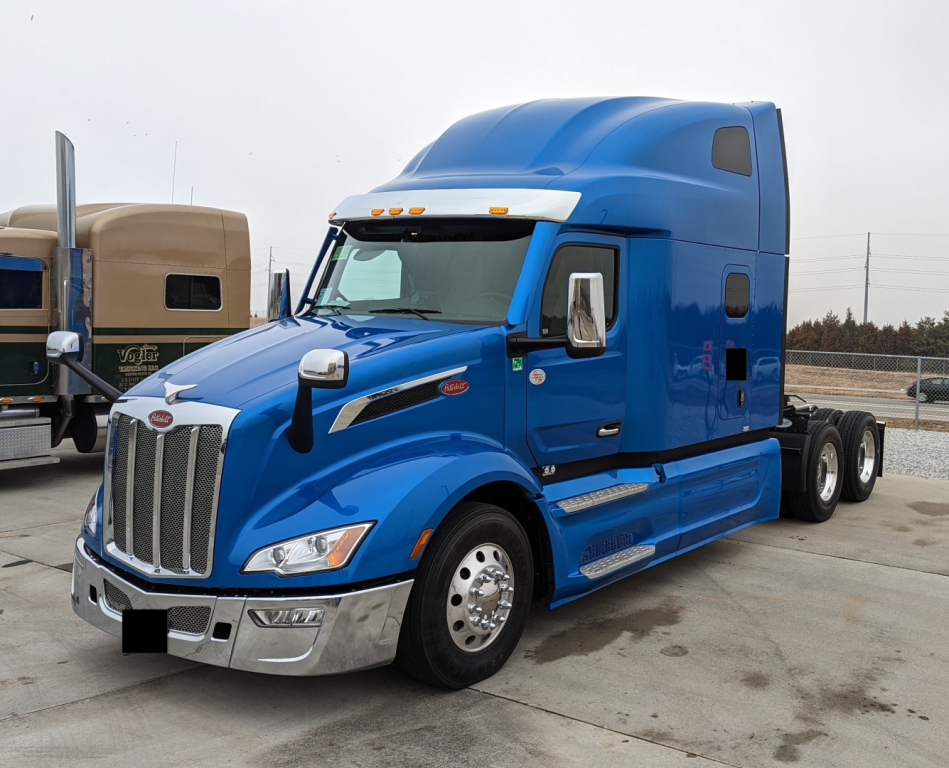
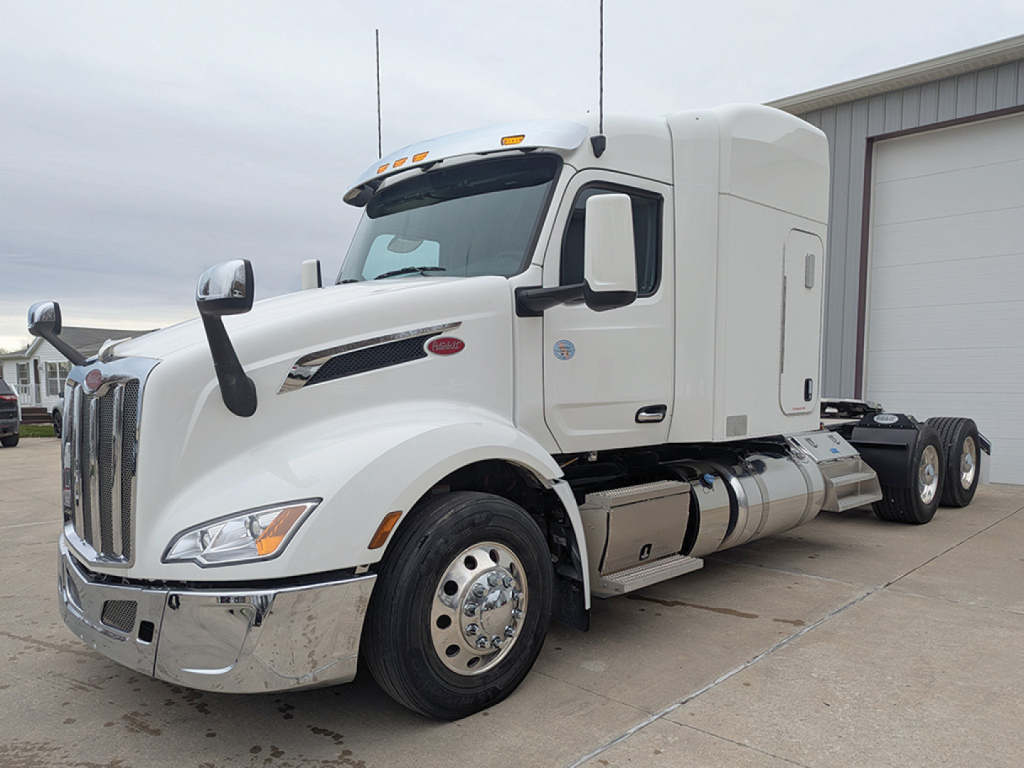
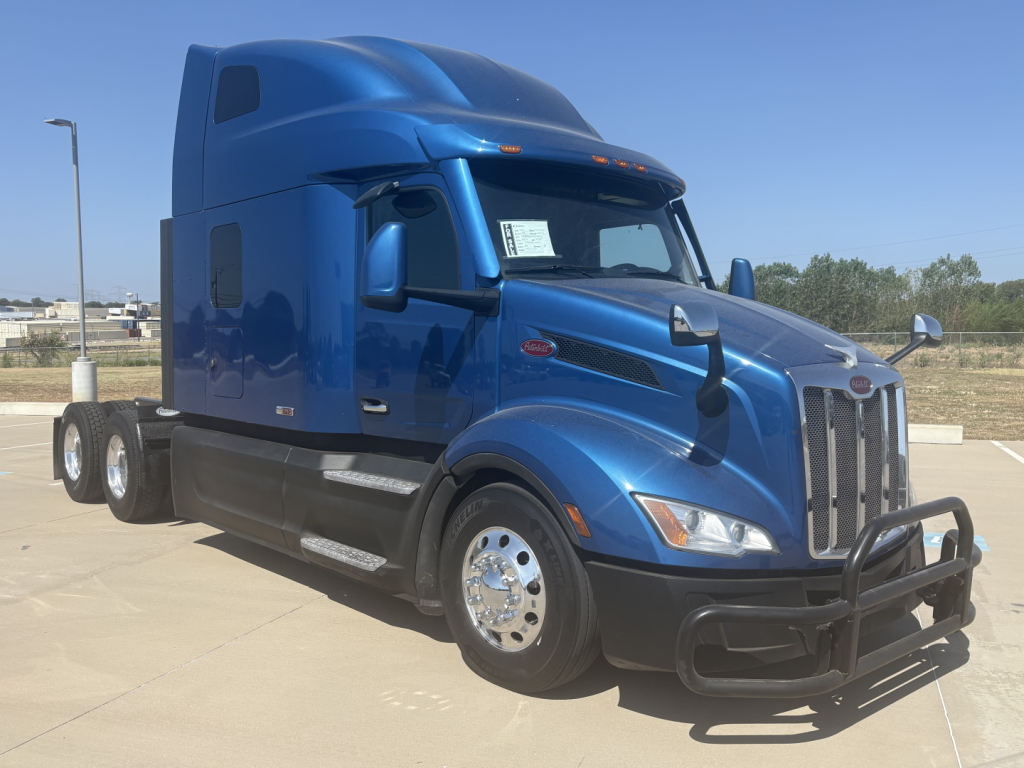
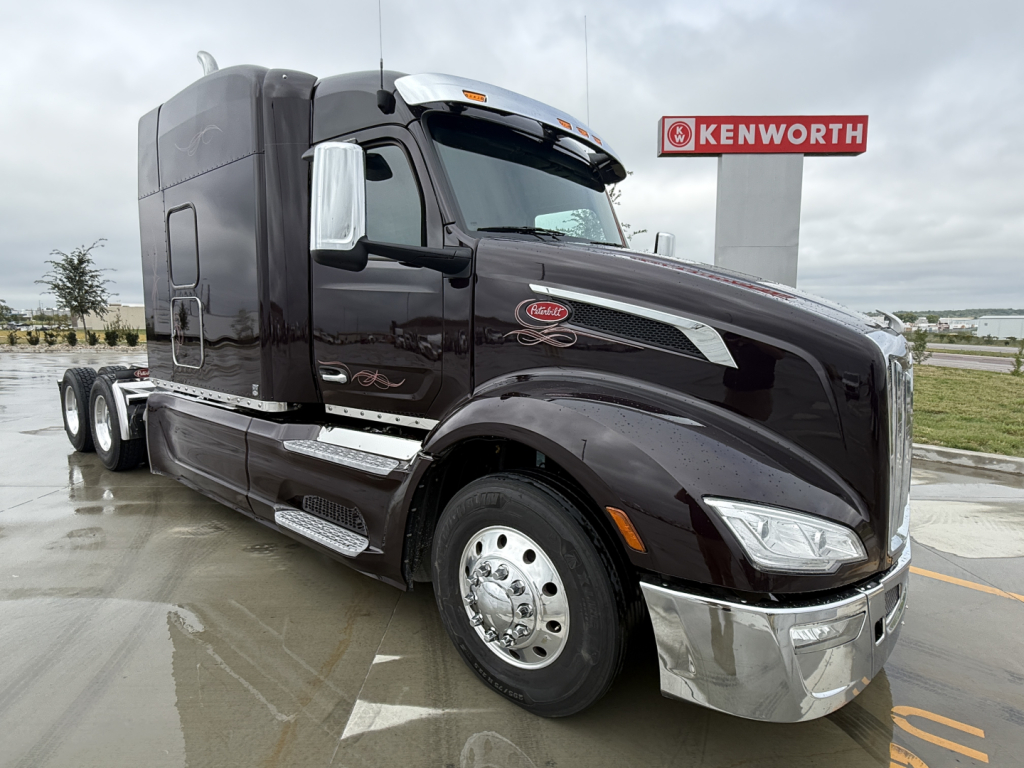
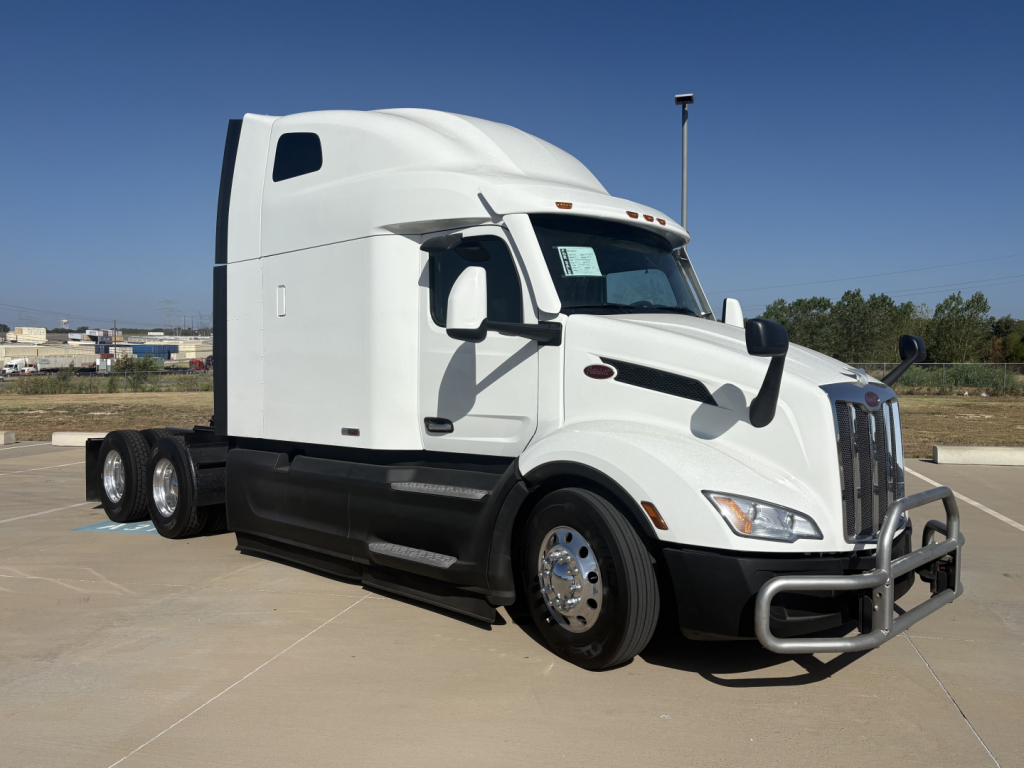
Have used 2024 peterbilt conventional sleeper truck to sell? List it here to reach thousands of buyers.
Used 2024 Peterbilt Conventional Sleeper Trucks
For a 2024 model year sleeper, common specs center on 12.9L to 15L diesel power, automated manual transmissions, 6x4 drivetrains, and 40,000 lb rears, with horsepower often landing in the 400 to 510 range for fleet linehaul and climbing higher in some owner-operator builds. Peterbilt sleepers in this category are commonly equipped with PACCAR MX-series engines, though engine availability depends on how the truck was originally configured. High-roof and mid-roof sleepers, often in 72-inch to 80-inch layouts, are typical for long-haul work. Buyers should compare interior livability details such as bunk configuration, inverter prep, auxiliary power unit installation, bunk heater, storage layout, and idle reduction equipment, because those details directly affect driver retention and downtime costs.
A late-model used Peterbilt sleeper should also be evaluated as a total operating package, not just a mileage and paint decision. Pay close attention to rear axle ratio, transmission model, tire size, and wheelbase because those specs determine cruise rpm, maneuverability, and trailer compatibility. Air-ride suspension, air-slide fifth wheels, disc brakes, collision mitigation systems, lane departure warning, and factory telematics are all worth confirming on 2024 trucks because they can materially change safety performance and maintenance budgeting. If the truck was used in slip-seat or team service, inspect the sleeper carefully for interior wear and idle hours. Service records, aftertreatment history, warranty status, and any emissions or software campaign completion matter as much as engine make or horsepower.
Peterbilt remains a strong choice in the conventional sleeper market because buyers typically value the brand's driver appeal, dealer coverage, and broad mix of fleet-spec and premium-spec configurations. The right 2024 used sleeper depends on the lane and the freight. A fuel-efficient aero truck with a lower axle ratio makes sense for dry van and reefer miles, while a heavier-spec sleeper with a different wheelbase and gearing may fit specialized or higher-GCW work better. The best comparison process is to match the truck's sleeper size, powertrain, maintenance history, and cab configuration to the exact duty cycle it will run, then verify that the emissions system, tires, brakes, and chassis spec support that workload without adding avoidable cost per mile.
Frequently Asked Questions about Used 2024 Peterbilt Conventional Sleeper Trucks
What is the most common application for a used 2024 Peterbilt conventional sleeper truck?
The most common application is long-haul and regional highway freight where the driver needs a sleeper berth for overnight runs. In the Peterbilt lineup, conventional sleeper trucks are typically spec'd as road tractors for dry van, reefer, and general freight service, with aerodynamic configurations favored for fuel economy and premium interior packages favored for driver comfort and retention.
What sleeper sizes are typical on Peterbilt conventional sleeper trucks?
Typical sleeper sizes in this category range from about 72 inches to 80 inches, depending on the model and original buyer's spec. High-roof sleepers offer more stand-up room and storage for long-haul operations, while smaller or flat-top sleepers can reduce height and weight for certain applications. The right size depends on trip length, team driving needs, and how much onboard storage or idle reduction equipment the operation requires.
What should buyers check first on a used 2024 Peterbilt sleeper?
Start with the powertrain and operating history. Verify engine model, horsepower rating, transmission type, rear axle ratio, and wheelbase, then review service records, idle hours, and any warranty coverage that may remain. On a 2024 truck, it is also important to confirm emissions system service history, software updates, driver-assist features, brake type, tire condition, and whether the truck has an air-slide or stationary fifth wheel that matches the intended trailer mix.
Are Peterbilt conventional sleepers usually automatic or manual?
Most late-model 2024 conventional sleepers are equipped with automated manual transmissions because they improve driver accessibility, support fuel-efficiency targets, and reduce clutch-related wear. Manual transmissions still appear in some specialized or owner-operator specifications, but the market has largely shifted toward automated options for highway service. Transmission choice should be evaluated alongside axle ratio and engine calibration because those three specs work together to determine road speed, gradeability, and fuel burn.
Why do axle ratio and wheelbase matter on a sleeper truck?
Axle ratio and wheelbase have a direct effect on how the truck performs in its intended lane. A taller highway ratio can lower cruise rpm and help fuel economy, while a shorter ratio can improve startability and pulling power for heavier loads or tougher terrain. Wheelbase affects ride quality, trailer gap, bridge law flexibility, and turning radius. On a sleeper tractor, these are core spec decisions that influence revenue efficiency just as much as horsepower or sleeper size.