
Used 2024 Freightliner Conventional Sleeper Trucks For Sale
Shop used 2024 Freightliner conventional sleeper trucks, including Cascadia-style highway tractors with DD15 power, sleeper options, and aero specs.
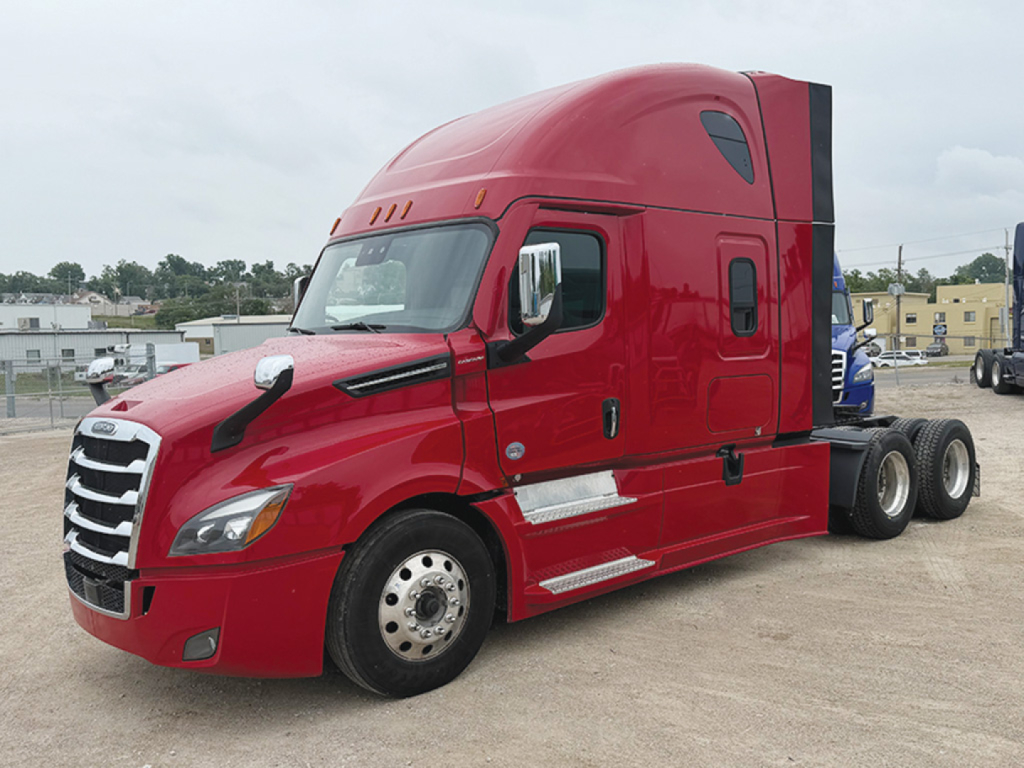
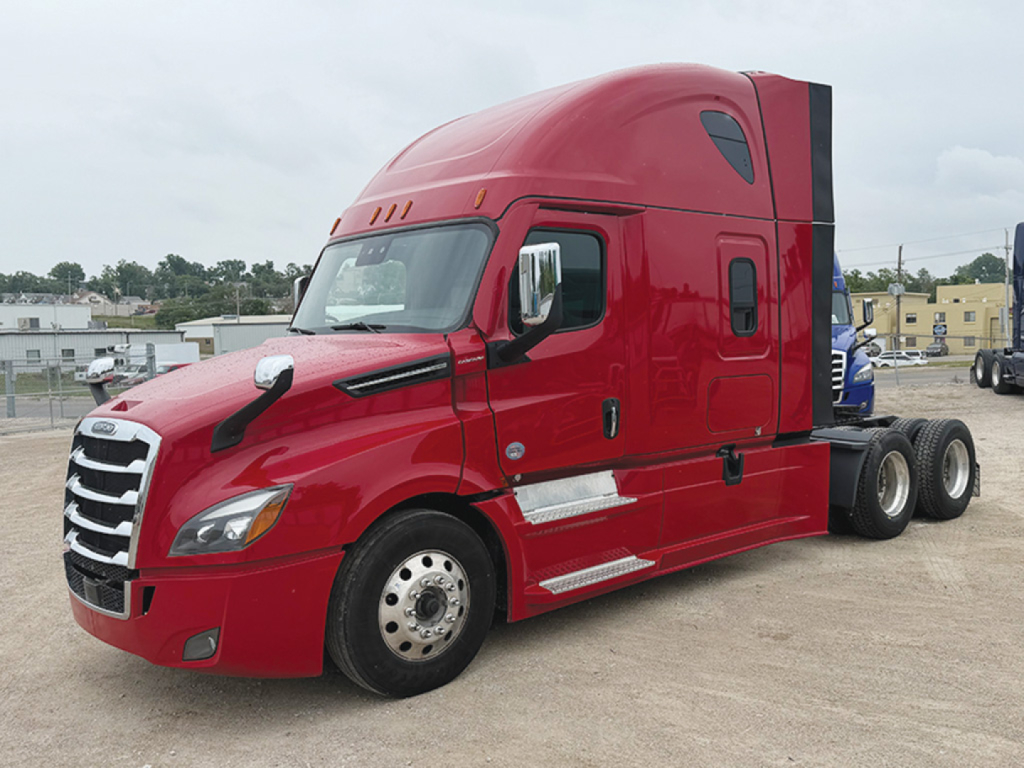
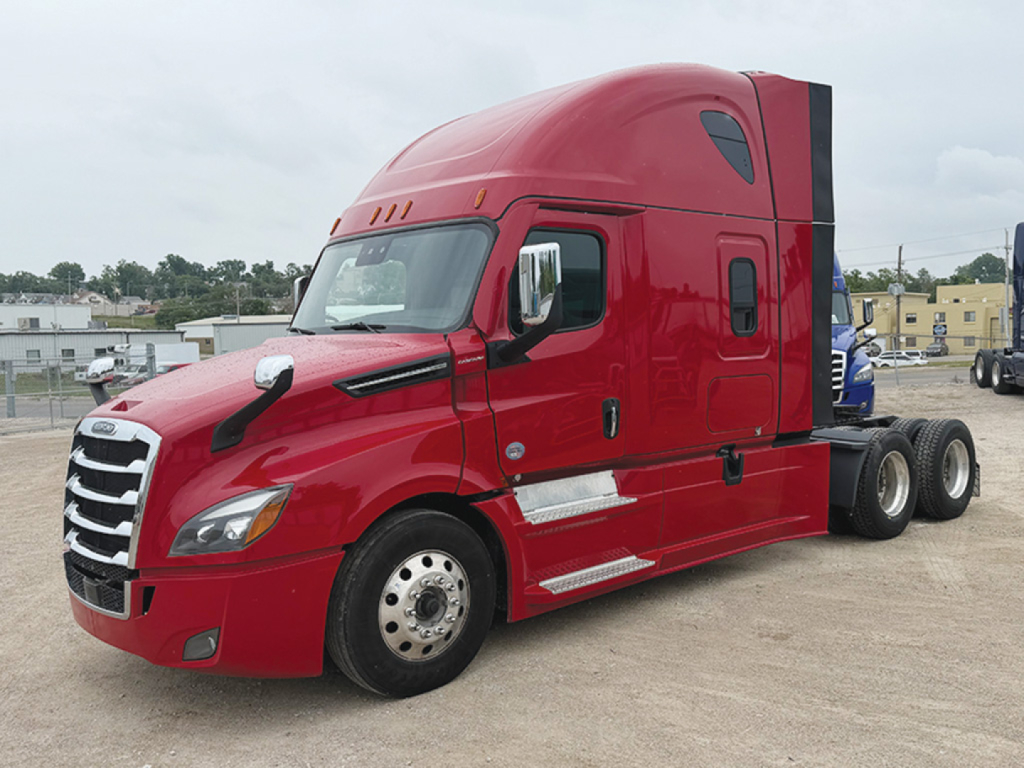
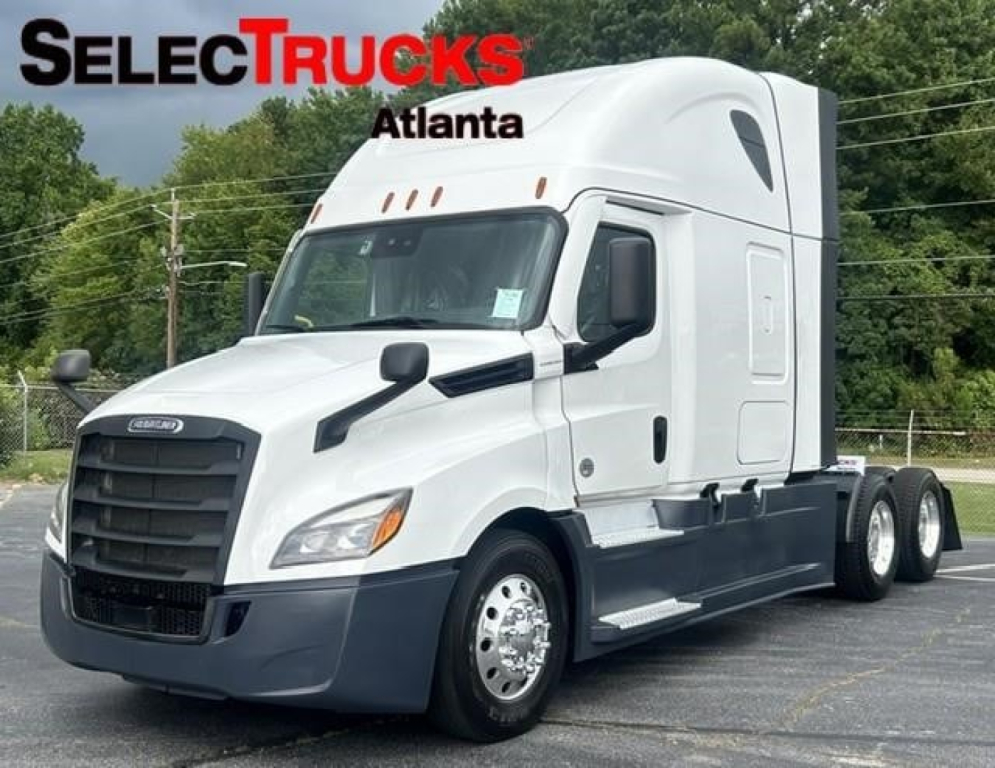
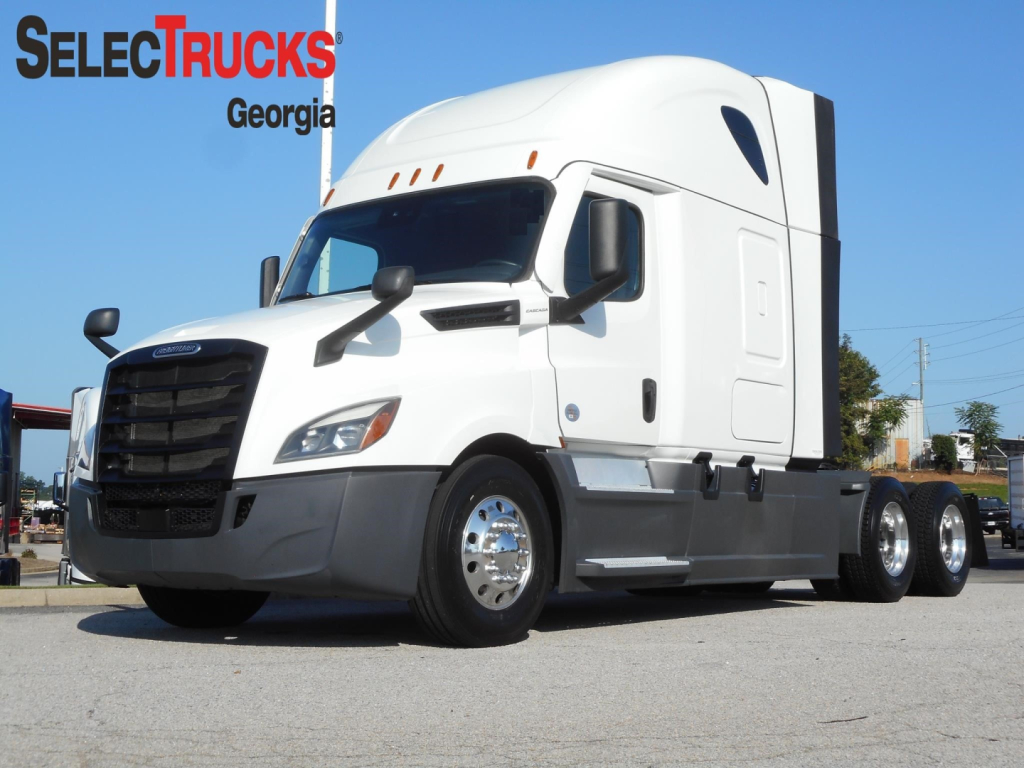
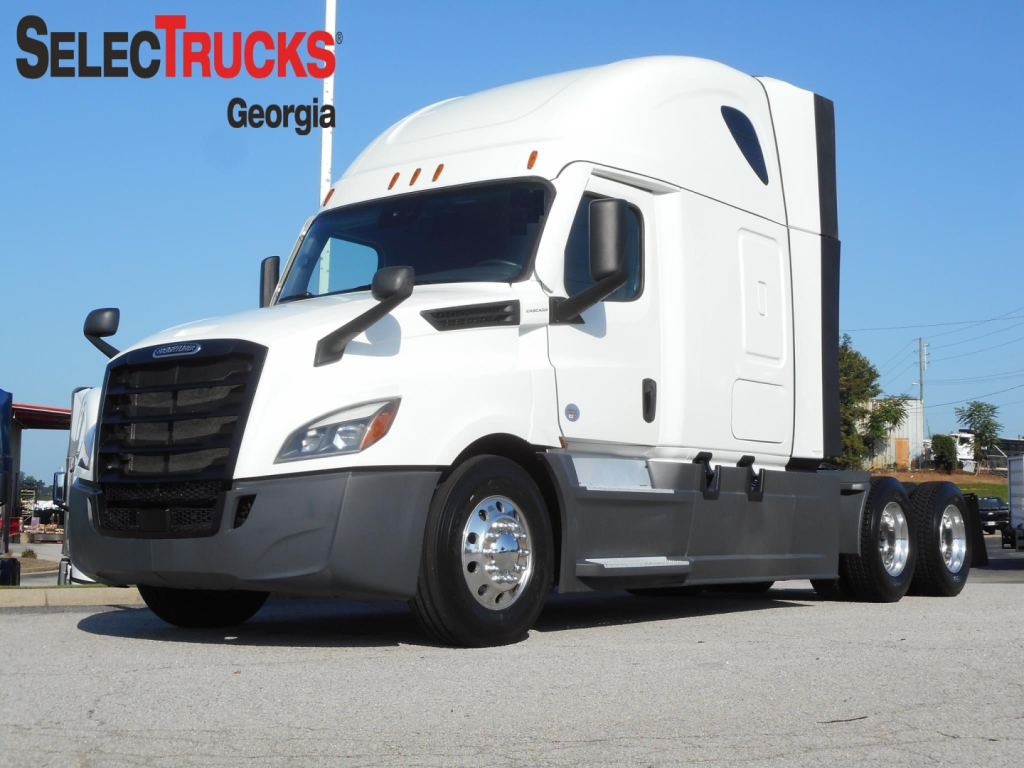
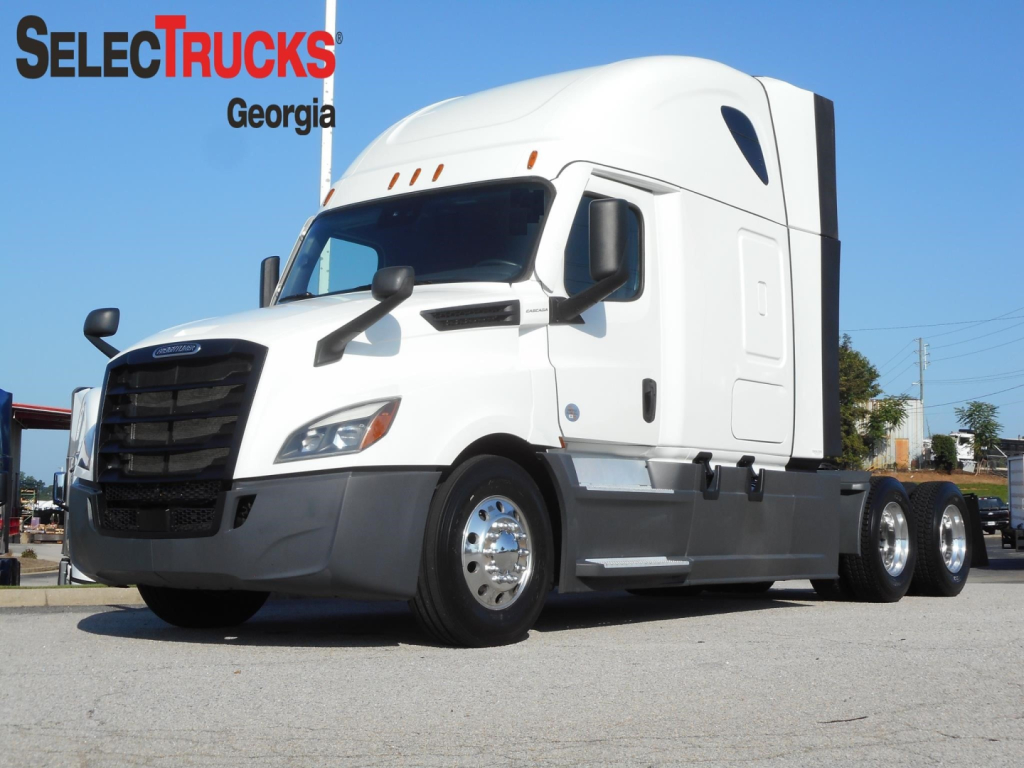
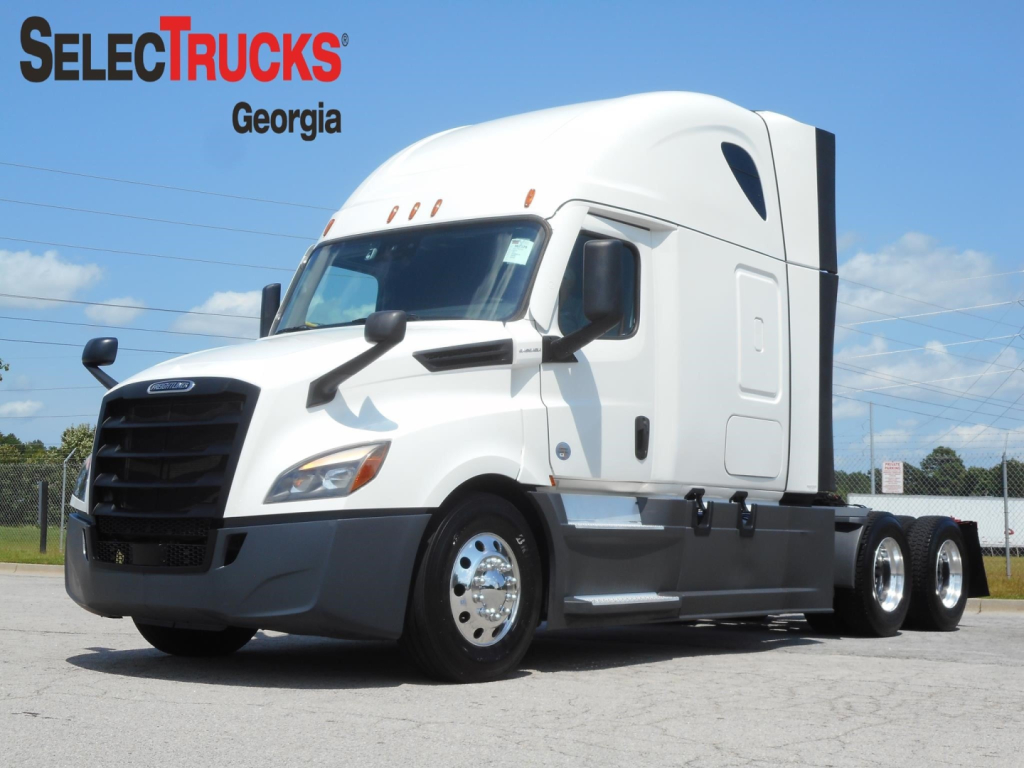
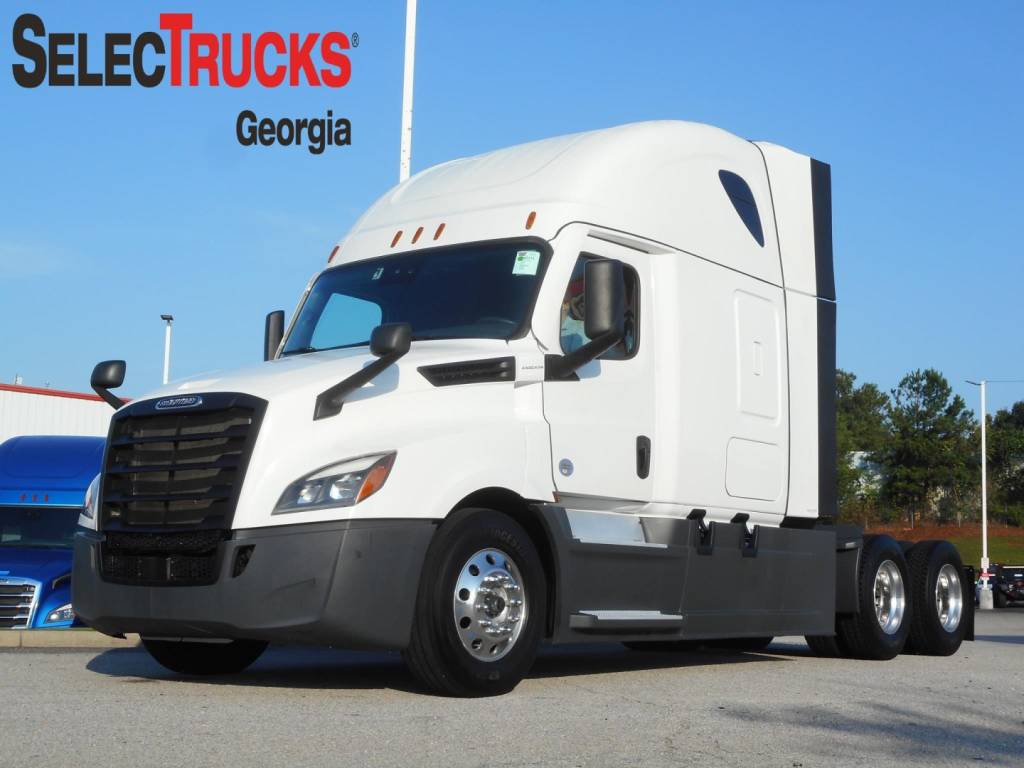
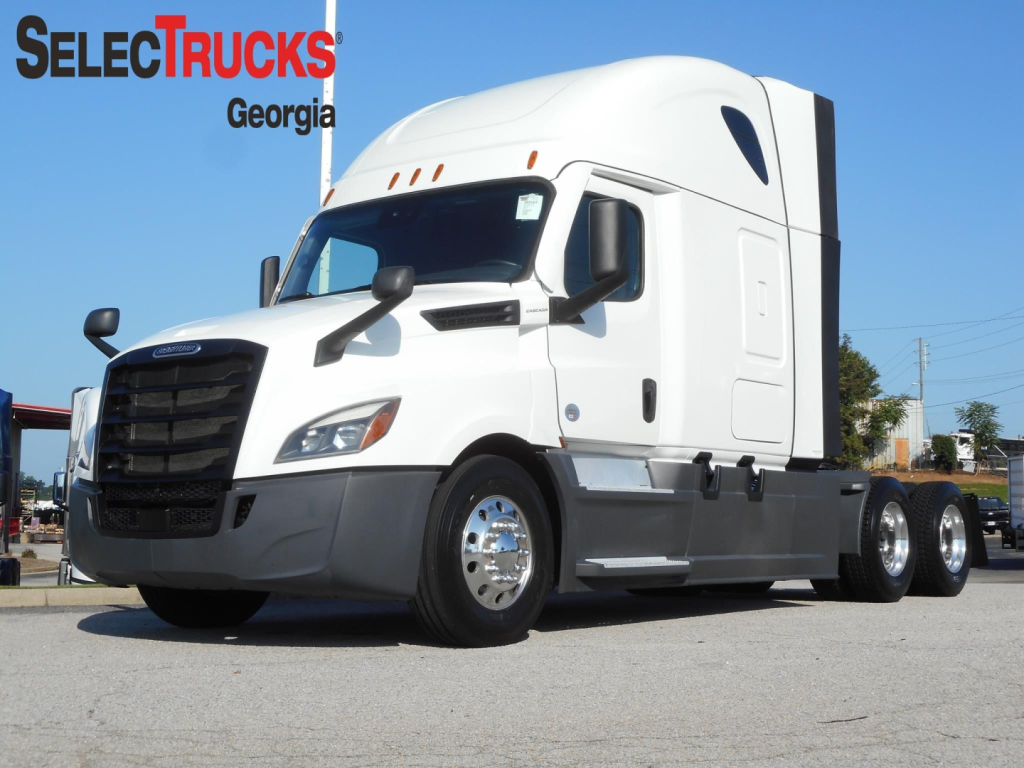
Selling a used 2024 freightliner conventional sleeper truck? List your used 2024 freightliner conventional sleeper truck for sale and reach thousands of commercial buyers.
Used 2024 Freightliner Conventional Sleeper Trucks
The biggest buying decisions usually come down to sleeper size, rear axle ratio, safety package, and idle-reduction equipment. Raised-roof sleepers in the 60-inch to 72-inch range are common, with single-bunk and double-bunk layouts depending on route length and team use. A used 2024 Freightliner sleeper may also include a factory inverter, refrigerator, bunk heater, or APU, all of which matter if the truck is spending nights away from the terminal. On the chassis side, look closely at wheelbase, fuel capacity, fifth wheel type, and suspension spec. A 6x4 highway tractor with air ride suspension and a sliding fifth wheel is standard for many operations, but exact specs should match trailer length, commodity weight, and the lanes the truck will run.
Powertrain spec is where operating cost is won or lost. Many 2024 Freightliner conventional sleeper trucks are equipped with a Detroit DD15 in the 400 to 505 horsepower range, paired with the DT12 automated transmission and fuel-efficient axle ratios such as 2.64, 2.85, or 3.08. That setup is aimed at linehaul efficiency and lower driver fatigue, especially at highway speeds. Buyers should still verify emission system history, idle hours, service records, brake type, tire condition, and any remaining warranty coverage. Collision mitigation, lane departure warning, adaptive cruise control, and side guard assist are increasingly common on late-model Freightliner sleepers and can add real value for fleets balancing insurance, safety scoring, and driver retention.
A used 2024 Freightliner conventional sleeper truck makes the most sense for buyers who want a late-model aero tractor with modern safety tech and a platform that is easy to keep in service. The right truck depends less on badge appeal and more on how the spec fits the freight. Regional-haul buyers may prioritize a smaller sleeper and lighter curb weight, while long-haul operators often want maximum bunk amenities, larger tanks, and idle-management equipment. Comparing mileage, engine hours, maintenance history, and sleeper configuration across multiple listings will usually tell you more than the model year alone.
Frequently Asked Questions about Used 2024 Freightliner Conventional Sleeper Trucks
What engine and transmission are most common in a used 2024 Freightliner conventional sleeper truck?
Most used 2024 Freightliner conventional sleeper trucks are spec'd with a Detroit DD15 diesel engine and a Detroit DT12 automated manual transmission. This is a common linehaul combination because it balances fuel economy, highway drivability, and broad service support. Horsepower ratings often fall in the mid-400 range, but the right rating depends on gross weight, terrain, and average cruise speed.
Is a 2024 Freightliner sleeper truck a good fit for long-haul freight?
Yes. A 2024 Freightliner conventional sleeper is primarily designed for over-the-road use, especially dry van, reefer, and general freight lanes. Raised-roof sleeper layouts, aerodynamic fairings, larger fuel capacity, and idle-reduction options make these trucks well suited for runs that keep the driver away from home for multiple nights. The exact sleeper size and amenities should match the length of haul and whether the truck will be used for solo or team operation.
What should I inspect first on a used 2024 Freightliner conventional sleeper?
Start with maintenance records, engine hours, mileage, and fault history. Then review the aftertreatment system, transmission operation, brake wear, tire condition, suspension components, and any signs of collision repair. On a sleeper tractor, it also makes sense to inspect bunk HVAC, inverter, refrigerator, APU or bunk heater if equipped, and the general condition of the cab interior. A late-model truck can still vary significantly based on duty cycle and prior maintenance discipline.
Are safety systems common on used 2024 Freightliner sleeper trucks?
Yes. Many late-model Freightliner conventional sleepers are equipped with advanced driver-assistance features such as collision mitigation, adaptive cruise control, lane departure warning, and side guard assist. These systems can matter for fleet safety policy, insurance performance, and driver acceptance. Buyers should verify which features are present on each truck because safety packages can vary by original fleet spec.
What sleeper size is best on a used 2024 Freightliner conventional truck?
The best sleeper size depends on route structure and driver needs. Smaller sleepers can reduce weight and may be adequate for regional work with occasional overnights. Larger raised-roof sleepers, often in the 70-inch range, provide more storage and better living space for long-haul or team applications. If the truck will be used as a true over-the-road unit, comfort features inside the sleeper can be just as important as the drivetrain spec.