
Used 2024 Freightliner Conventional Sleeper Trucks For Sale in Georgia
Shop used 2024 Freightliner conventional sleeper trucks in Georgia. Compare Cascadia specs, sleeper layouts, Detroit power, and fleet-ready features.
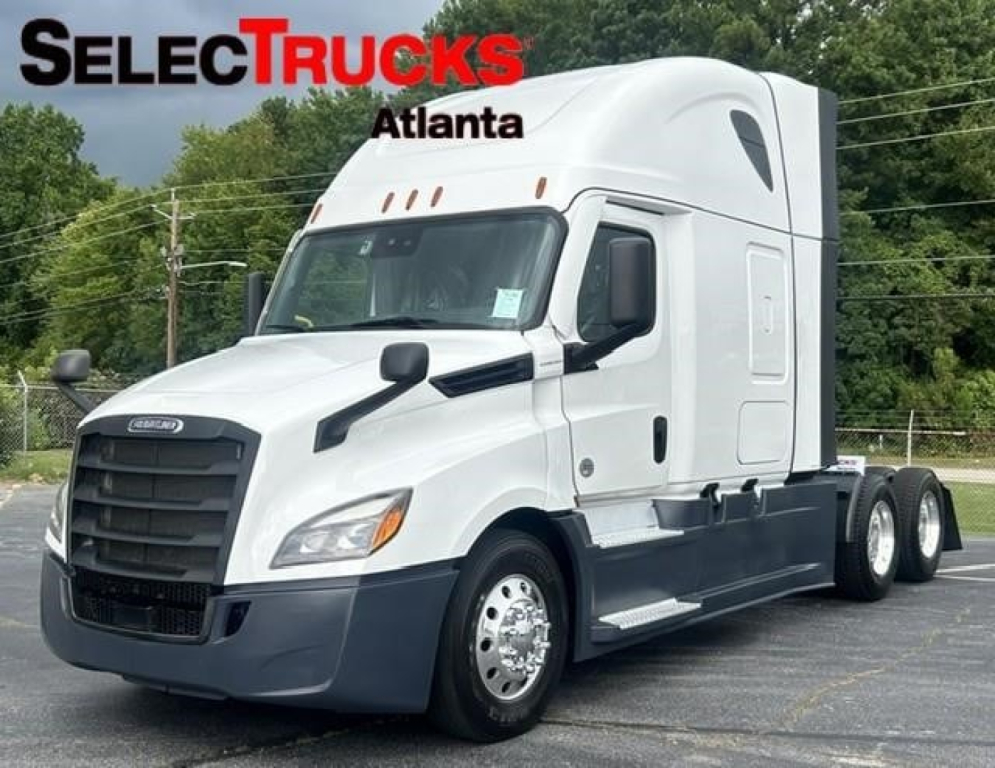
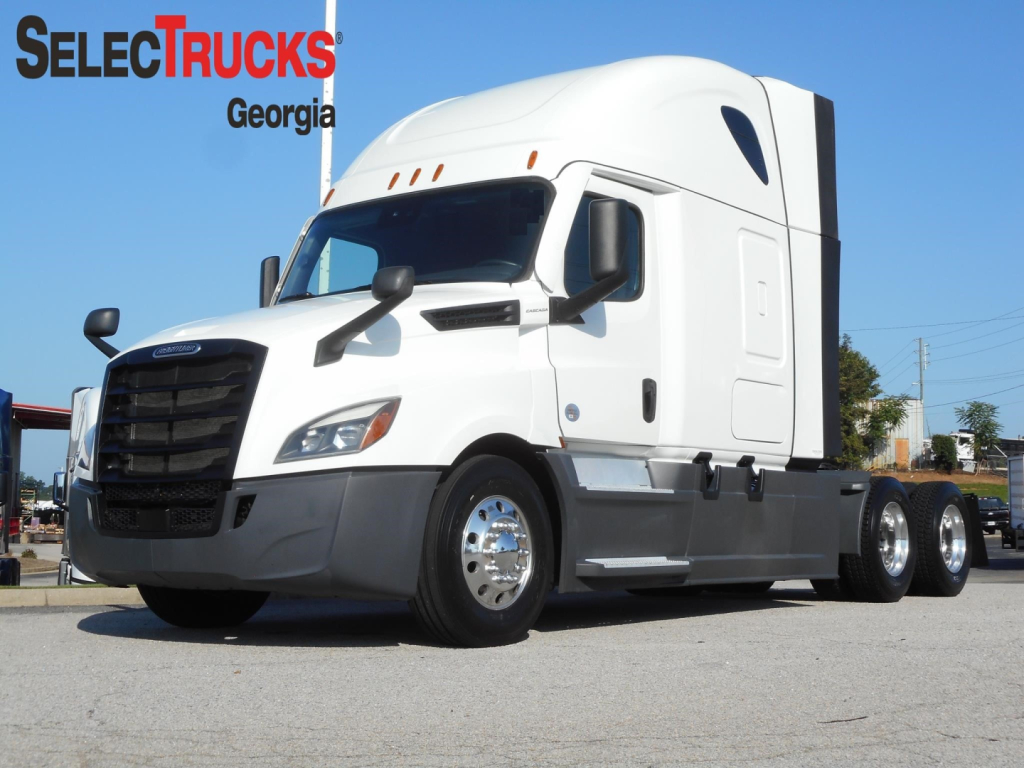
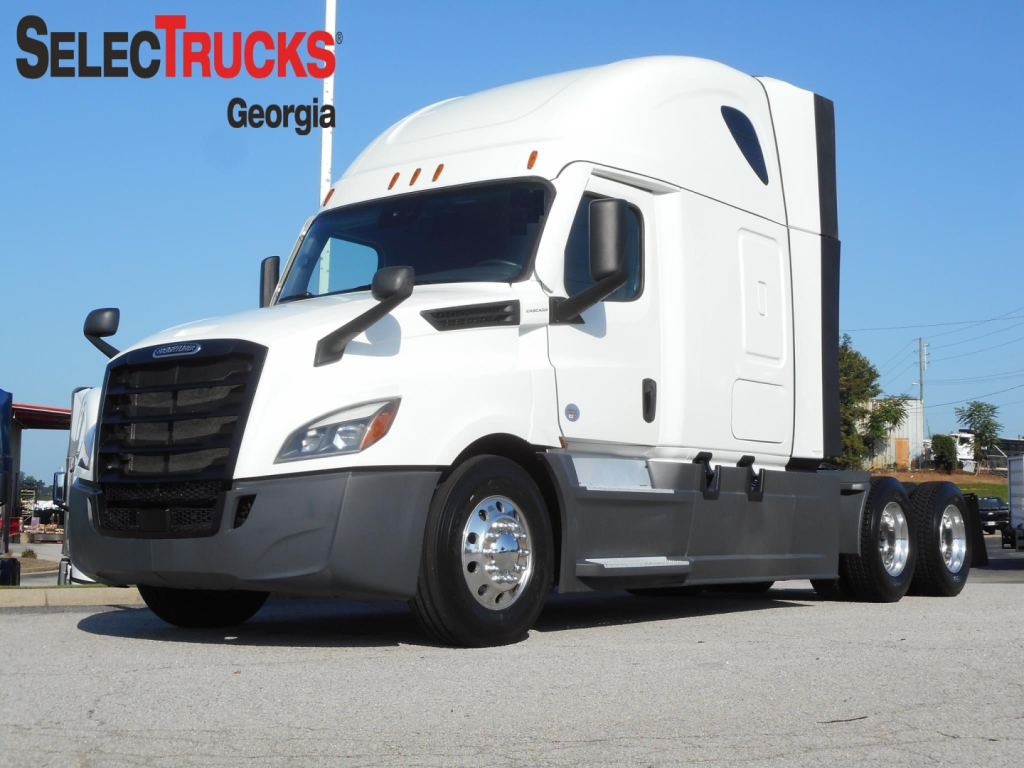
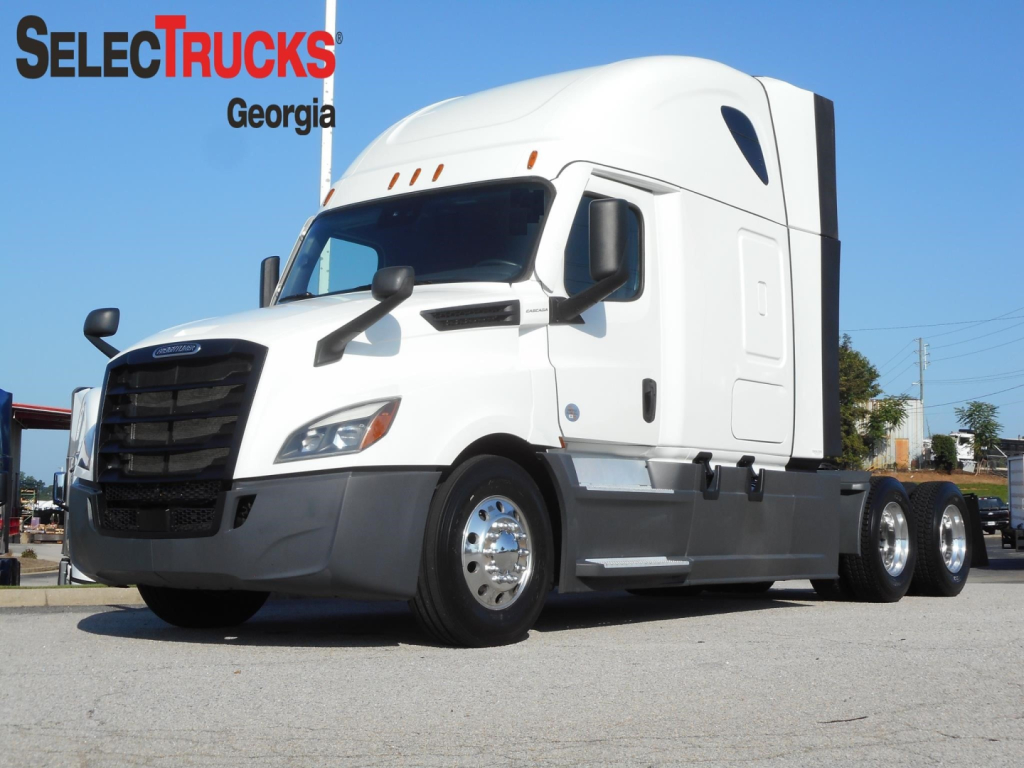
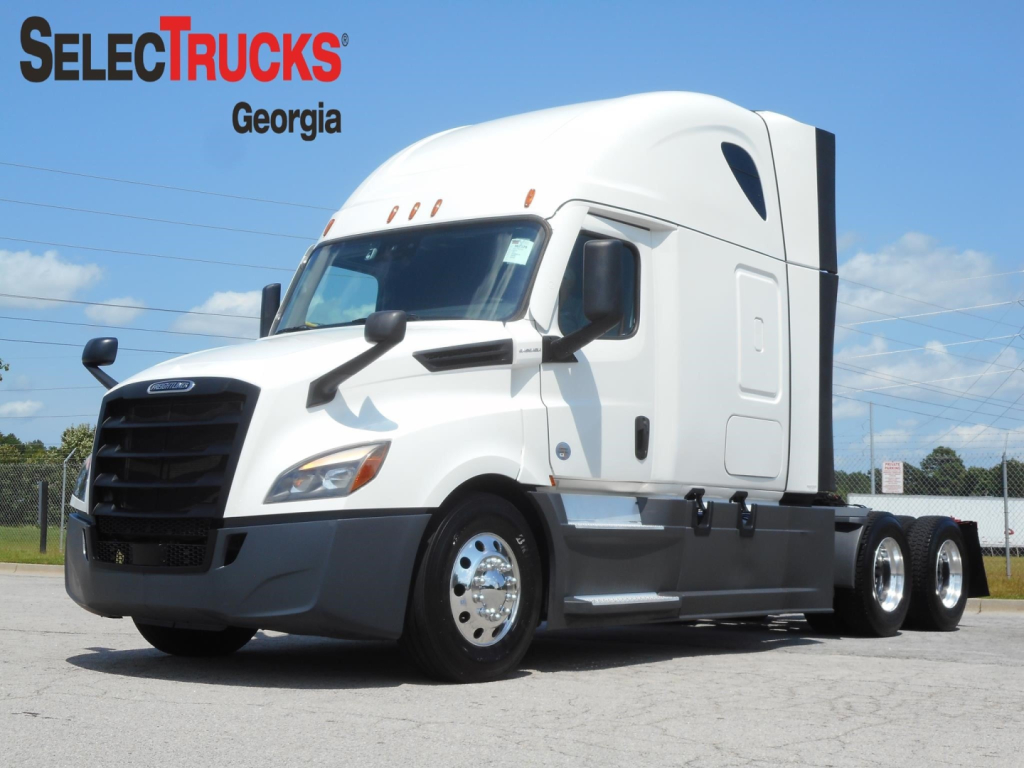
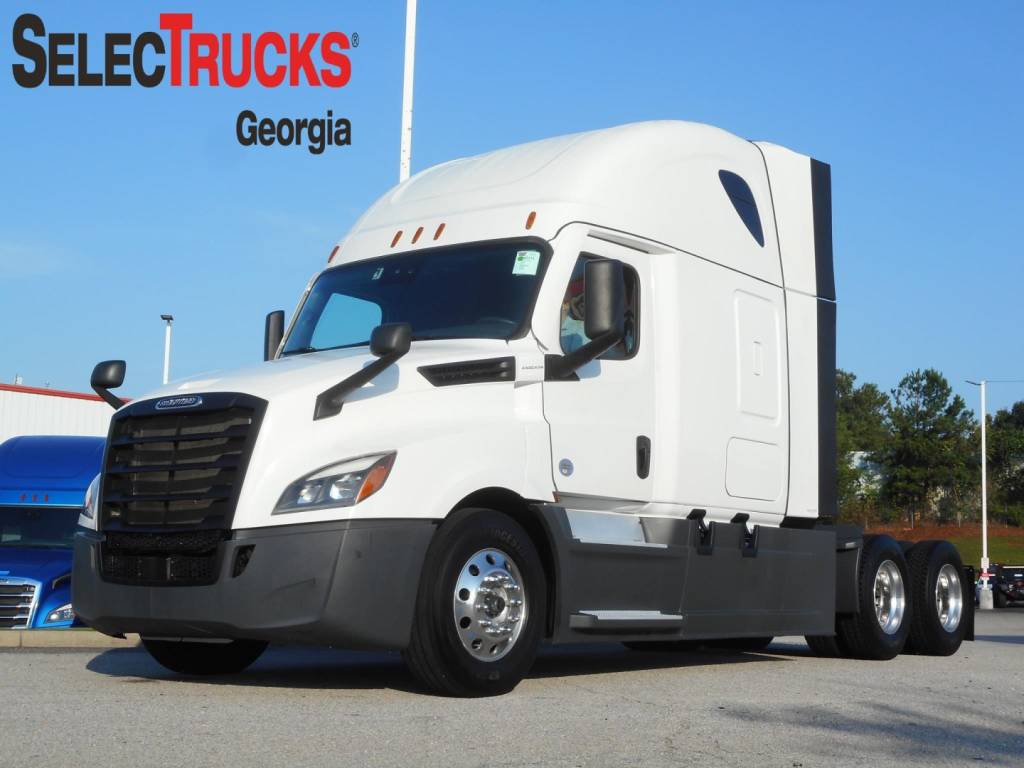
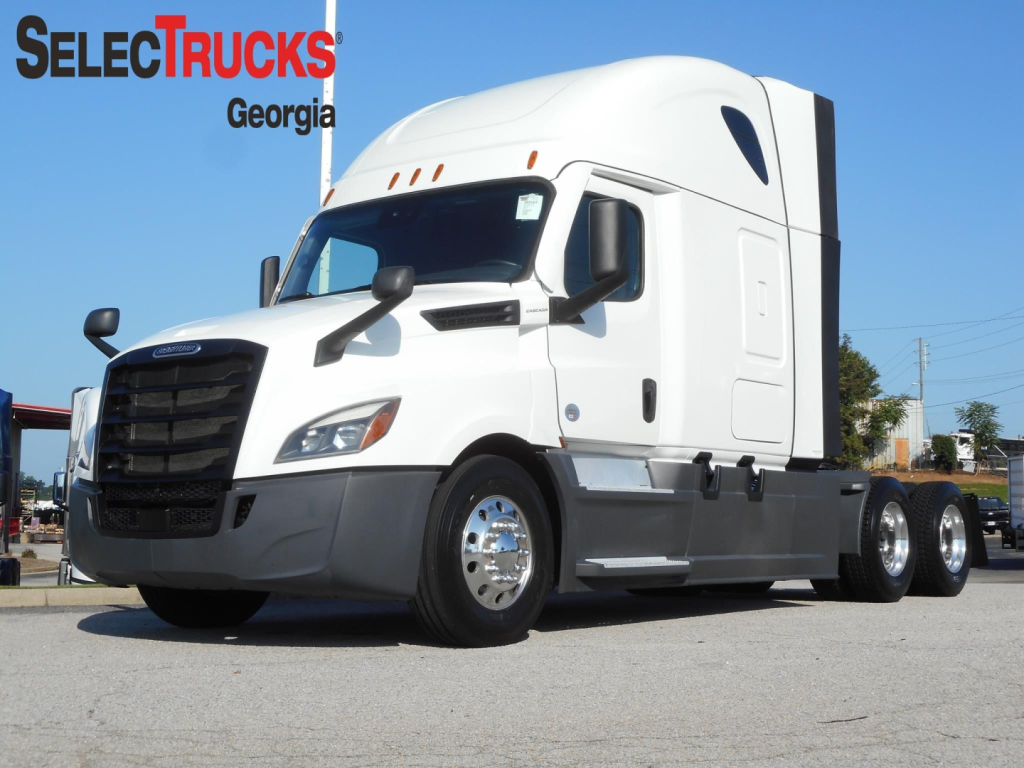
Selling a used 2024 freightliner conventional sleeper truck? List your used 2024 freightliner conventional sleeper truck for sale and reach thousands of commercial buyers.
Used 2024 Freightliner Conventional Sleeper Trucks in Georgia
Most 2024 Freightliner sleeper specs in the market center on Detroit powertrains, especially the DD13 for lighter or weight-sensitive applications and the DD15 for higher gross combination weights and longer haul work. A DT12 automated manual transmission is common and usually preferred in fleet service because it helps standardize operation and supports fuel-efficiency programming. In a conventional sleeper, wheelbase, rear axle ratio, and fuel capacity are just as important as horsepower. A 72-inch raised roof sleeper is common for over-the-road use, while shorter sleeper configurations may make more sense for regional operations that still need occasional overnight capability. Buyers should also review suspension spec, front axle rating, and whether the truck is set up with dual tanks, APUs, bunk heaters, inverters, refrigerators, or double-bunk interiors.
Late-model Freightliner conventional sleepers often come equipped with a stronger safety and driver-assist package than older trucks. Features such as collision mitigation, adaptive cruise, lane departure warning, and side object detection can be significant for private fleets and carriers working under strict safety score expectations. On a used 2024 truck, it is worth confirming software status, calibration history, and any sensor or radar repairs, especially if the truck has seen heavy fleet use. A buyer should also inspect emissions service records, idle hours, tire wear pattern, brake life, and aftertreatment history. Because these trucks are designed for high annual miles, documented maintenance and a clean chassis history usually matter more than cosmetic condition alone.
For buyers in Georgia, a used 2024 Freightliner conventional sleeper can be a strong fit for interstate freight moving through Atlanta, Savannah, Macon, and the broader Southeast. Freightliner dealer coverage and parts availability remain a major advantage when uptime is critical. The best choice usually comes down to matching the sleeper and powertrain to the route. A DD15 with a larger sleeper and higher fuel capacity fits long-distance irregular route work, while a DD13 or more compact Cascadia sleeper may be better for regional lanes with frequent terminal turns. Focus on drivetrain spec, safety equipment, sleeper amenities, and maintenance records first. Those are the items that most directly determine operating cost, driver retention, and long-term value in the used sleeper truck market.
Frequently Asked Questions about Used 2024 Freightliner Conventional Sleeper Trucks in Georgia
What engine is most common in a used 2024 Freightliner conventional sleeper truck?
The most common engines are the Detroit DD13 and Detroit DD15. The DD13 is often chosen for regional haul, lighter freight, or applications where lower curb weight matters. The DD15 is the more common choice for over-the-road sleeper trucks because it handles heavier loads and sustained highway miles well. The right engine depends on average gross weight, terrain, and how much power reserve your operation wants.
Is a Freightliner Cascadia sleeper a good choice for long-haul work in Georgia and the Southeast?
Yes. The Cascadia is widely used in Georgia and across the Southeast because it combines aerodynamic efficiency, a strong dealer network, and common drivetrain configurations that simplify service planning. It is well suited for dry van, reefer, and general freight moving on major corridors where uptime and fuel economy are critical. Buyers should still match the sleeper size, fuel capacity, and axle ratio to the actual lane structure rather than buying by model name alone.
What should I inspect first on a used 2024 Freightliner sleeper truck?
Start with maintenance records, engine hours, idle hours, and aftertreatment history. Then inspect tires, brakes, suspension, steering components, and signs of uneven wear that may indicate alignment or chassis issues. On trucks with advanced safety systems, confirm the status of sensors, radar, and calibration work. Inside the sleeper, check HVAC performance, bunk equipment, inverter operation, refrigerator function, and signs of excessive interior wear that may point to hard fleet use.
What sleeper features matter most on a used conventional sleeper?
The most important sleeper features are the ones that affect driver comfort and idle reduction. Common high-value items include a double bunk, bunk heater, APU, refrigerator, power inverter, and adequate storage. A larger raised-roof sleeper is usually better for teams or extended over-the-road runs, while a smaller sleeper may be enough for regional work. The best setup depends on how many nights the truck is expected to stay out and whether the operation runs solo or team drivers.
Are automated manual transmissions standard in late-model Freightliner sleeper trucks?
In many late-model Freightliner sleeper trucks, yes. The Detroit DT12 automated manual transmission is very common and is often preferred for fleet use because it helps improve consistency, supports fuel-efficiency strategies, and reduces variation between drivers. Buyers should still verify clutch and transmission service history, software updates, and how the transmission was spec'd with the engine and rear axle ratio. A well-matched automated transmission setup can have a major impact on performance and operating cost.