
Used 2024 Conventional Sleeper Trucks For Sale in Georgia
Browse used 2024 conventional sleeper trucks in Georgia. Compare specs, sleeper sizes, powertrains, safety systems, and fleet-ready options.
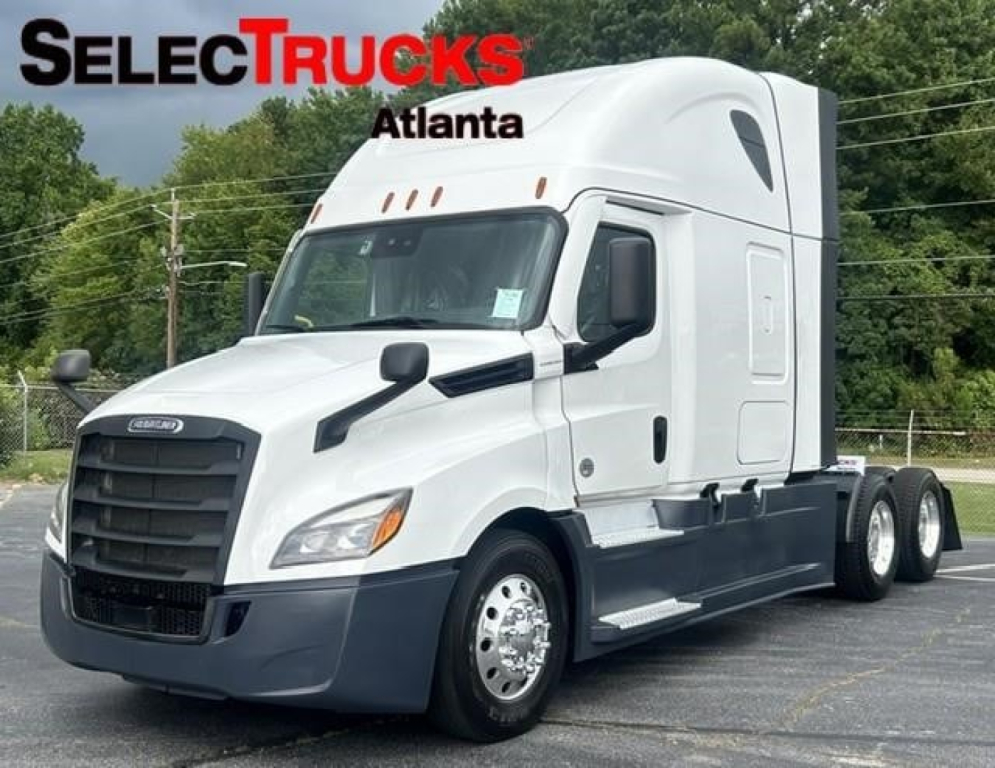
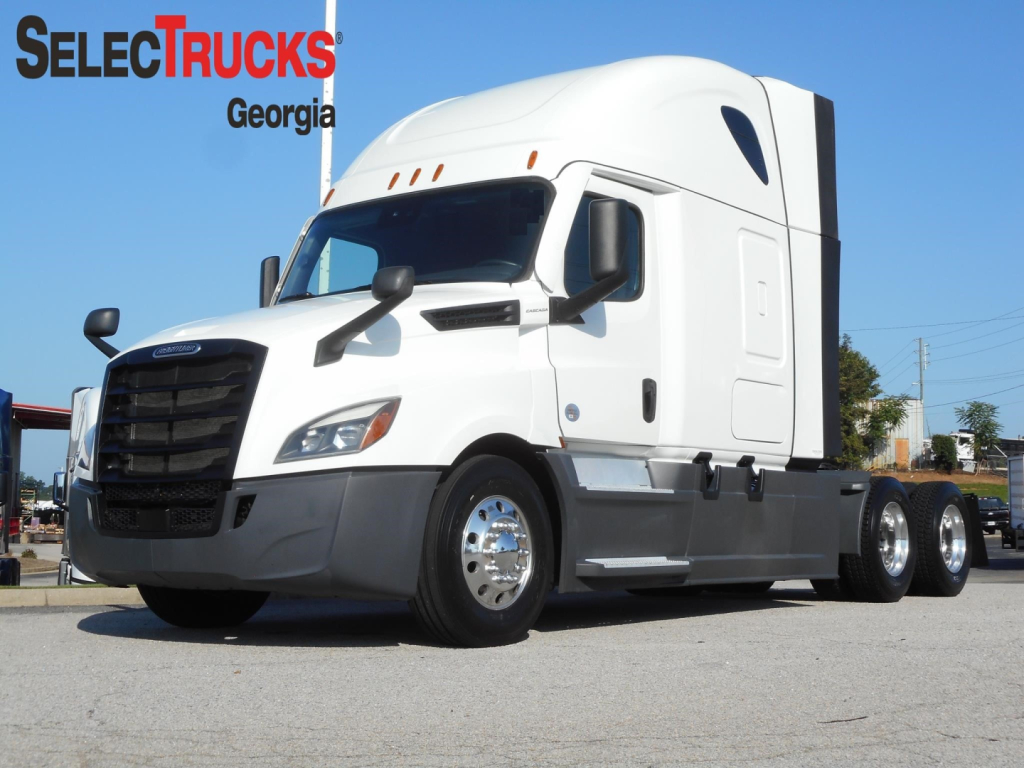
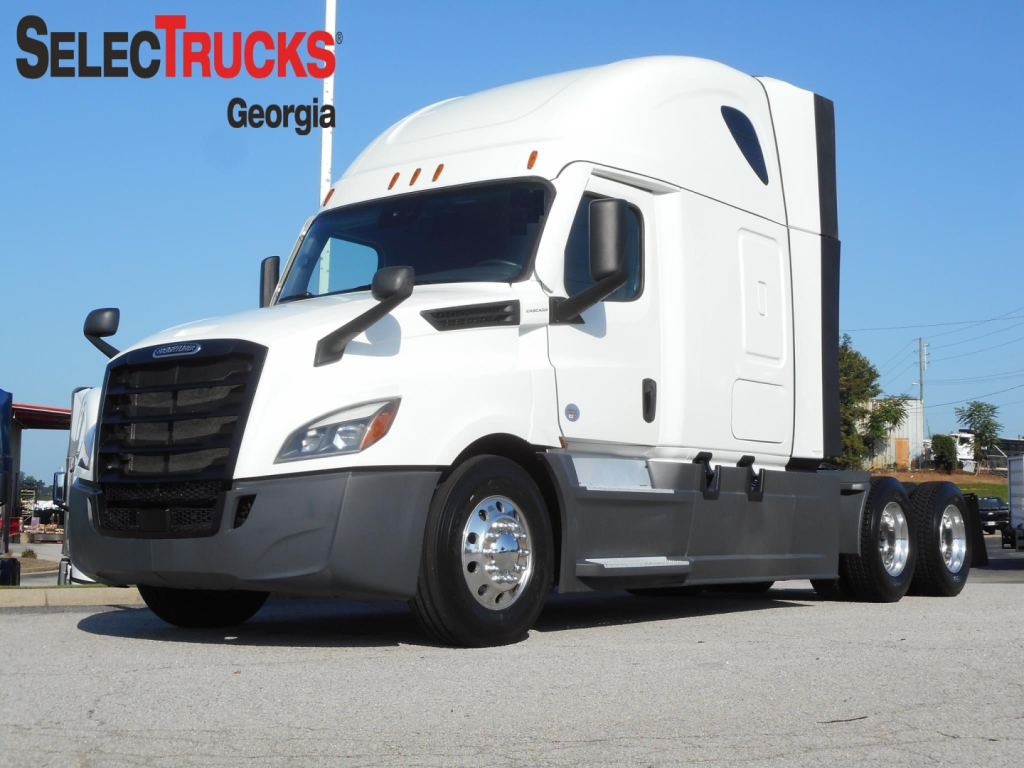
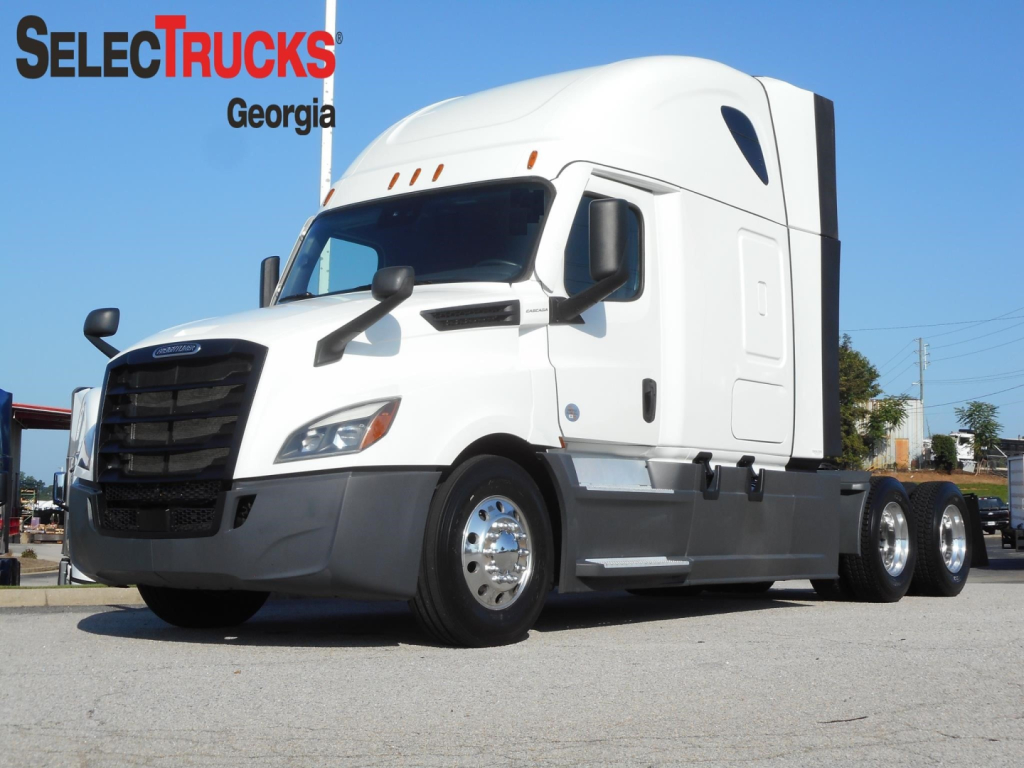
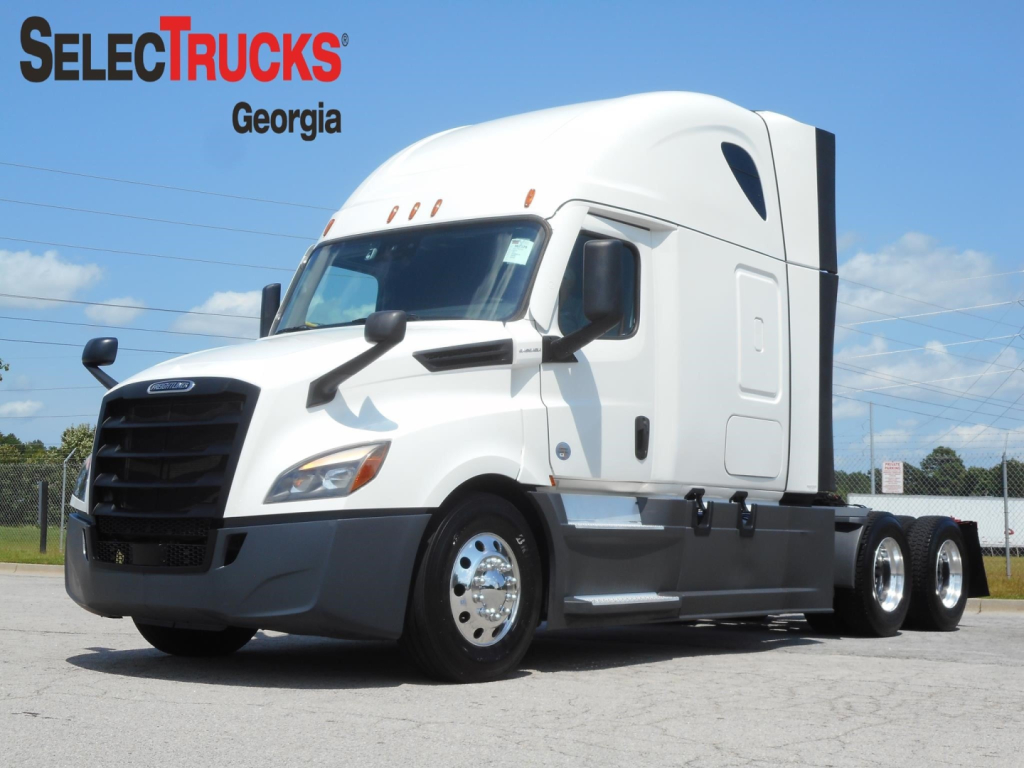
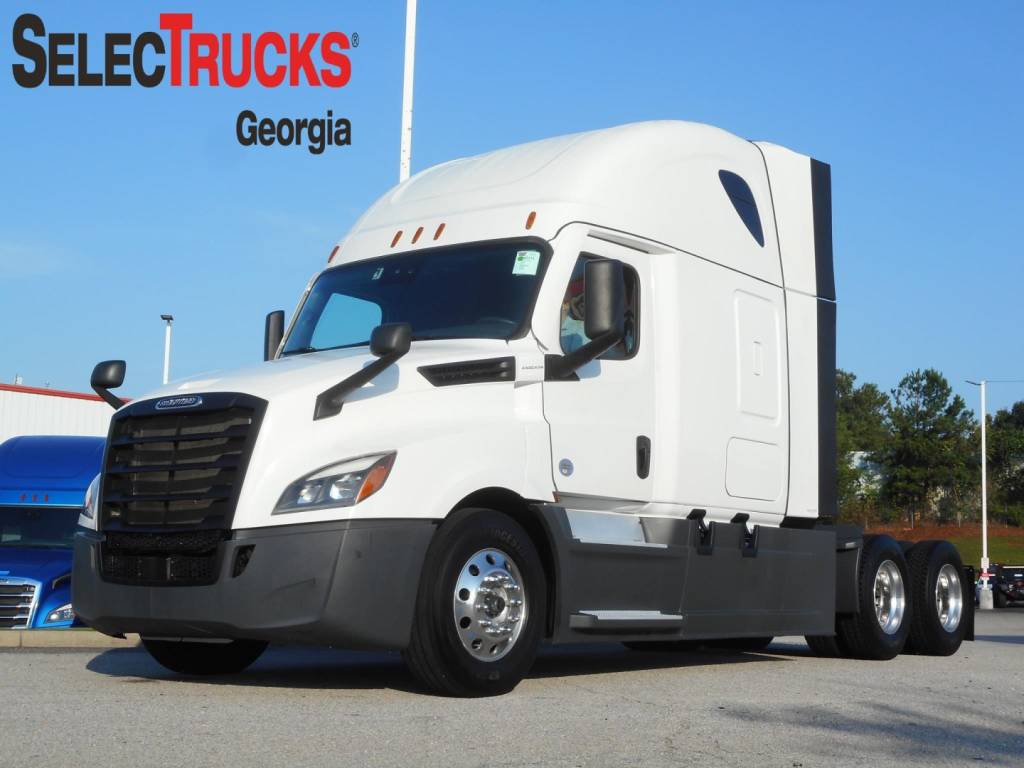
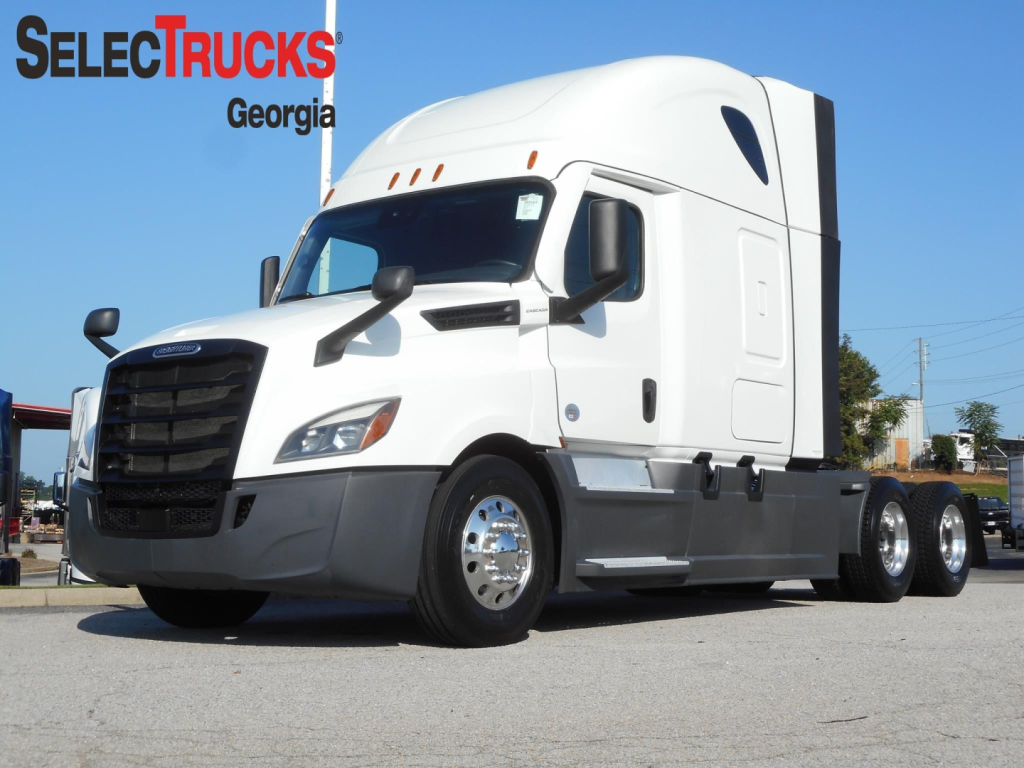
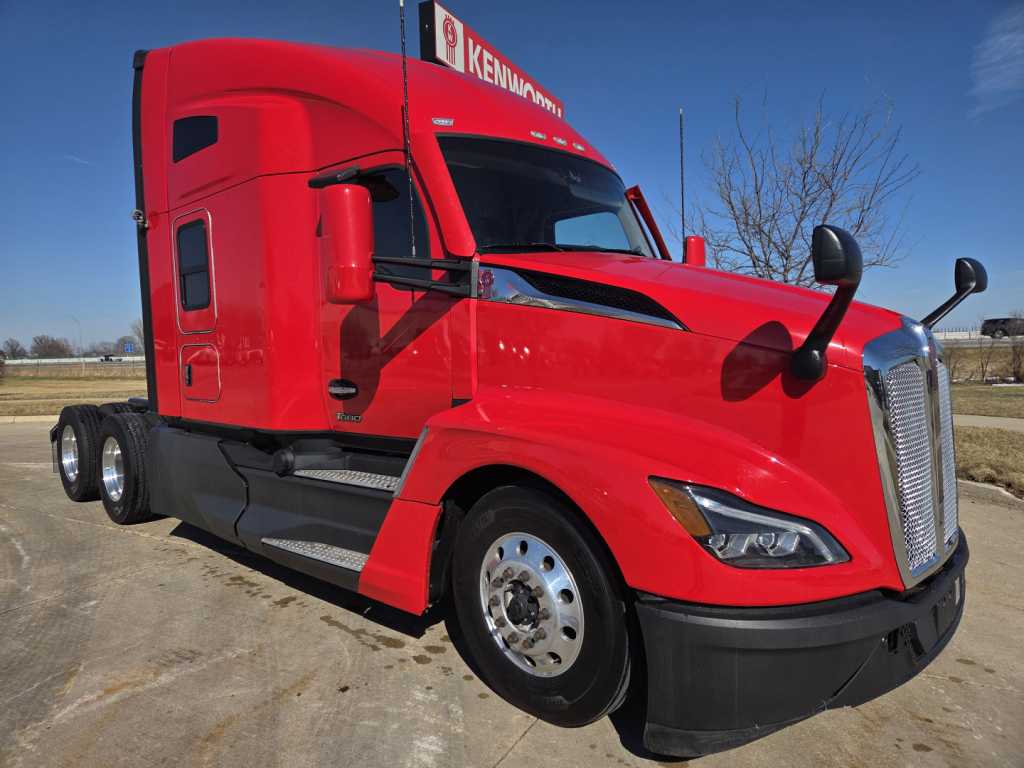
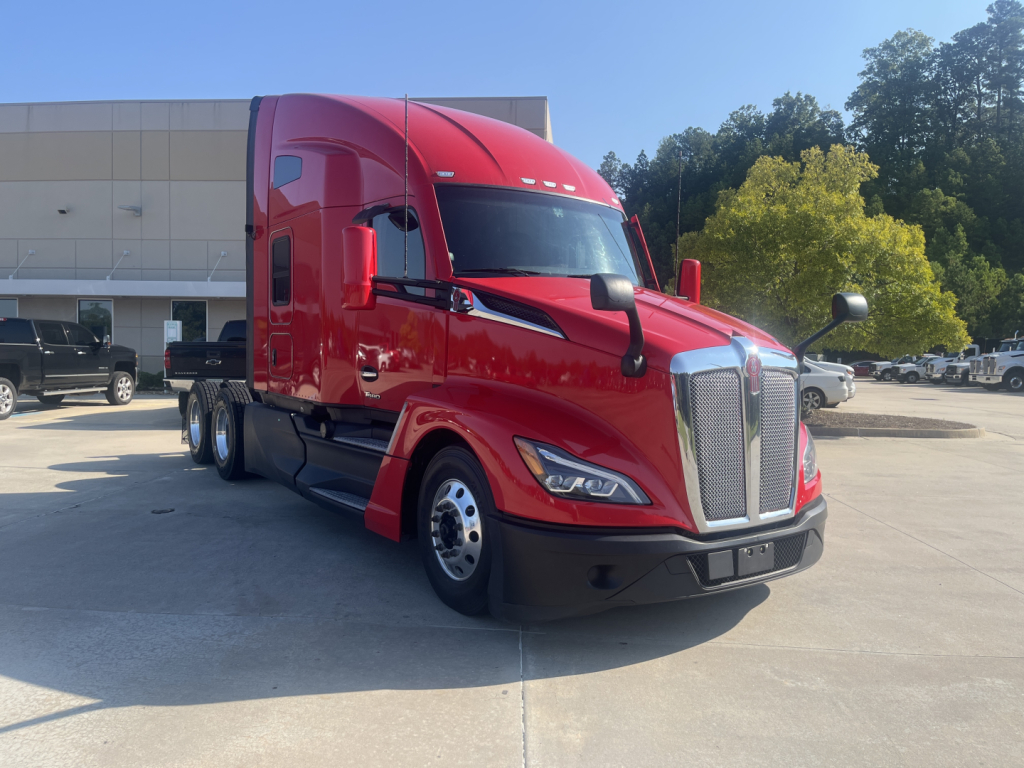

Selling a used 2024 conventional sleeper truck? List your used 2024 conventional sleeper truck for sale and reach thousands of commercial buyers.
Used 2024 Conventional Sleeper Trucks in Georgia
The first buying decision is usually powertrain. Many 2024 sleepers on the market are spec'd with 13-liter to 15-liter diesel engines in the 400 to 505 horsepower range, paired with automated manual transmissions such as a DT12, Endurant, or mDRIVE. Common rear axle ratios are selected to balance cruise RPM, gradeability, and fuel economy, so it pays to match the truck to your freight and terrain instead of shopping horsepower alone. Georgia-based buyers hauling van, reefer, or dry bulk often focus on 6x4 tandem axle configurations, a 72-inch to 80-inch raised-roof sleeper, 230-inch to 250-inch wheelbase, and a fifth wheel setup that gives enough kingpin setting flexibility for different trailer lengths and bridge laws.
Late-model 2024 conventional sleepers typically include the features fleets now expect: collision mitigation, adaptive cruise, lane departure warning, disc or drum brake options, air ride suspension, and aerodynamic packages designed to reduce fuel burn at highway speed. Cab spec matters too. Double bunk sleepers, bunk heaters, refrigerators, inverters, power windows and mirrors, Bluetooth radios, and upgraded insulation can make a real difference in retention and downtime on longer routes. Buyers comparing used units should look closely at tire condition, brake life, idle hours, maintenance history, emissions aftertreatment service, and any remaining factory warranty or documented reconditioning, because those items affect total operating cost more than paint or trim.
Freightliner Cascadia, Western Star, Peterbilt, Kenworth, Volvo, and International all compete in this class, but the right truck depends on application. A fuel-mileage focused fleet may prioritize aero fairings, downsped drivetrains, and predictive cruise. A heavier vocational-leaning sleeper may need a more robust chassis, higher GVWR and GCWR ratings, and different suspension or front axle capacity. For Georgia operators, cooling performance, APU or bunk heater strategy, and dealer service coverage across the Southeast are practical considerations. The best used 2024 conventional sleeper truck is the one with a verified maintenance record, a drivetrain spec that matches your lane and gross weight, and a sleeper layout your driver can live with week after week.
Frequently Asked Questions about Used 2024 Conventional Sleeper Trucks in Georgia
What is a conventional sleeper truck used for?
A conventional sleeper truck is a highway tractor with a rear sleeper compartment designed for regional and long-haul operation. It is commonly used to pull dry vans, refrigerated trailers, flatbeds, and other semitrailers where drivers need overnight accommodations, added storage, and a more comfortable cab for multi-day trips. Compared with day cabs, sleeper trucks add weight and wheelbase but deliver better suitability for over-the-road freight.
What engine and transmission specs are common in used 2024 conventional sleeper trucks?
Most used 2024 conventional sleeper trucks are equipped with 13-liter or 15-liter diesel engines rated roughly from 400 to 505 horsepower, often paired with automated manual transmissions. Popular combinations include Detroit DD13 or DD15 engines with DT12 transmissions, Cummins X15 with Endurant, and proprietary setups from Volvo, Mack, or other OEMs. Buyers should compare horsepower, torque rating, rear axle ratio, and cruise RPM together, because those specs determine real-world fuel economy and drivability more accurately than horsepower by itself.
What should I inspect on a used 2024 sleeper truck before buying?
The most important checks are maintenance records, fault code history, emissions system service, tire and brake remaining life, and signs of collision or frame repair. On a late-model sleeper, confirm operation of collision mitigation, adaptive cruise, lane departure systems, bunk HVAC, refrigerator, inverter, and sleeper accessories. It is also smart to review idle hours, PTO history if equipped, DOT inspection status, and any warranty coverage that may still apply. A clean service file and proper spec match are usually more valuable than cosmetic appearance.
What sleeper size is best for Georgia regional and over-the-road work?
For Georgia regional freight with occasional overnights, a mid-roof or shorter raised-roof sleeper may be enough if payload and maneuverability matter. For full over-the-road operation, many buyers prefer a 72-inch to 80-inch raised-roof sleeper with double bunk configuration, more cabinet space, and room for a refrigerator or inverter setup. The right sleeper size depends on trip length, driver preference, and whether the truck will stay out for days at a time.
Why do many buyers choose a used 2024 model instead of ordering new?
A used 2024 conventional sleeper can offer current-generation safety systems, aerodynamic improvements, and driver amenities without the full cost of a new truck. It may also be available sooner than a factory order and can provide a clearer picture of real operating performance if maintenance records are available. For many fleets and owner-operators, that makes a late-model used truck an efficient way to control acquisition cost while still getting modern spec and comfort.