
Used 2024 Conventional Sleeper Trucks For Sale in Texas
Shop used 2024 conventional sleeper trucks in Texas. Compare aero sleepers, engine ratings, wheelbases, and long-haul spec options.
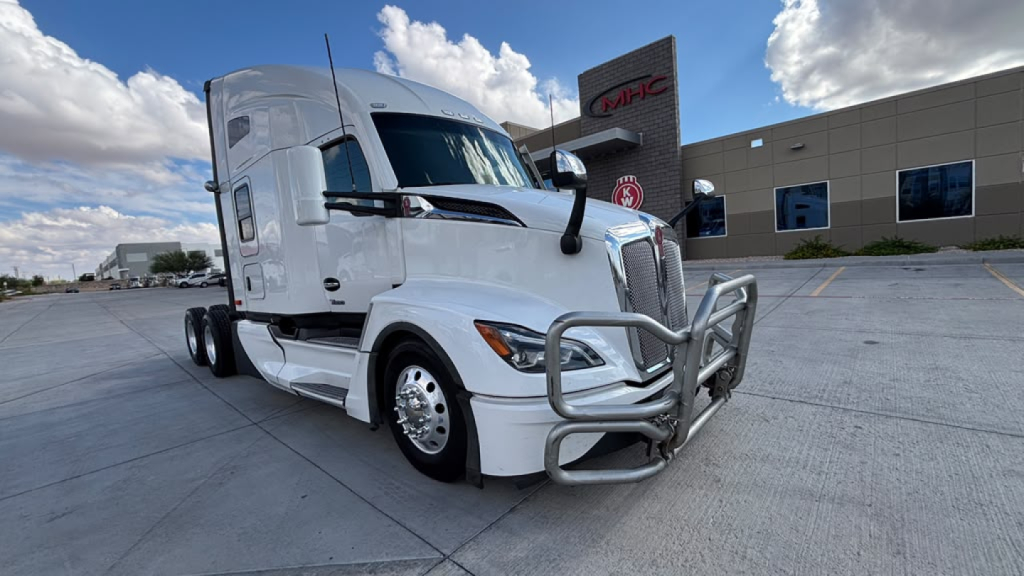
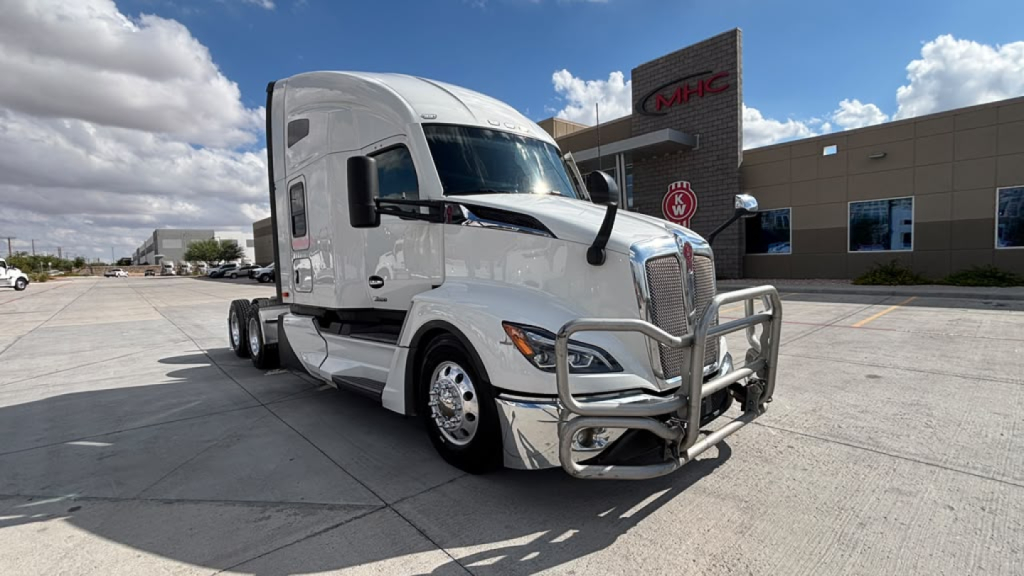
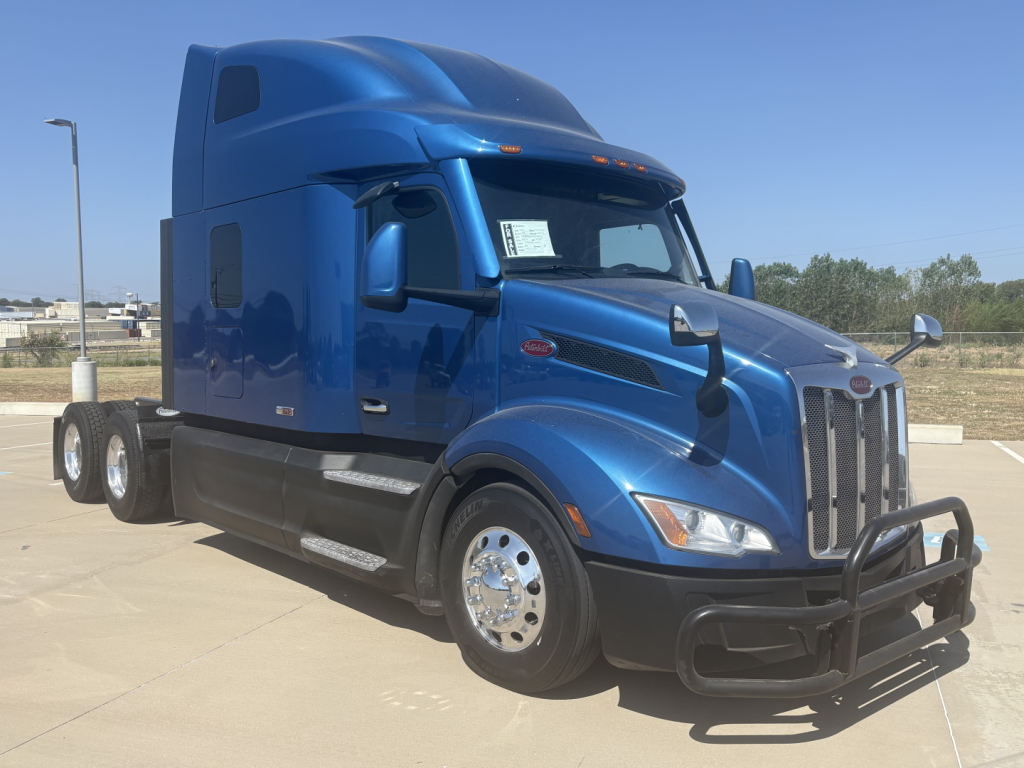
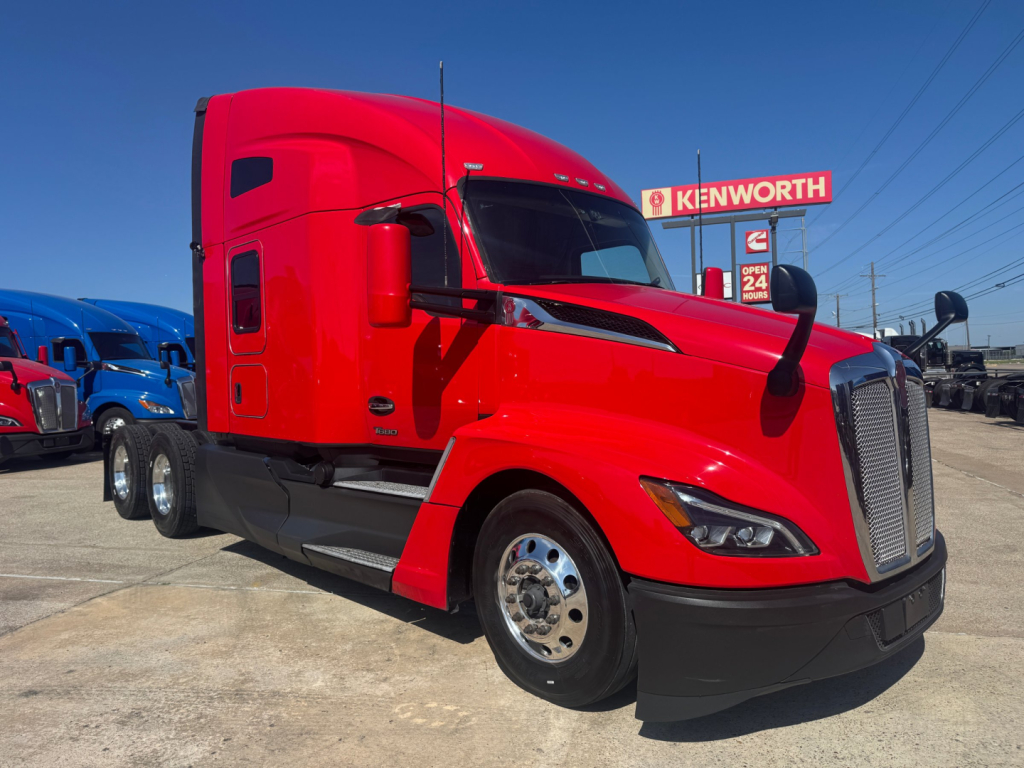
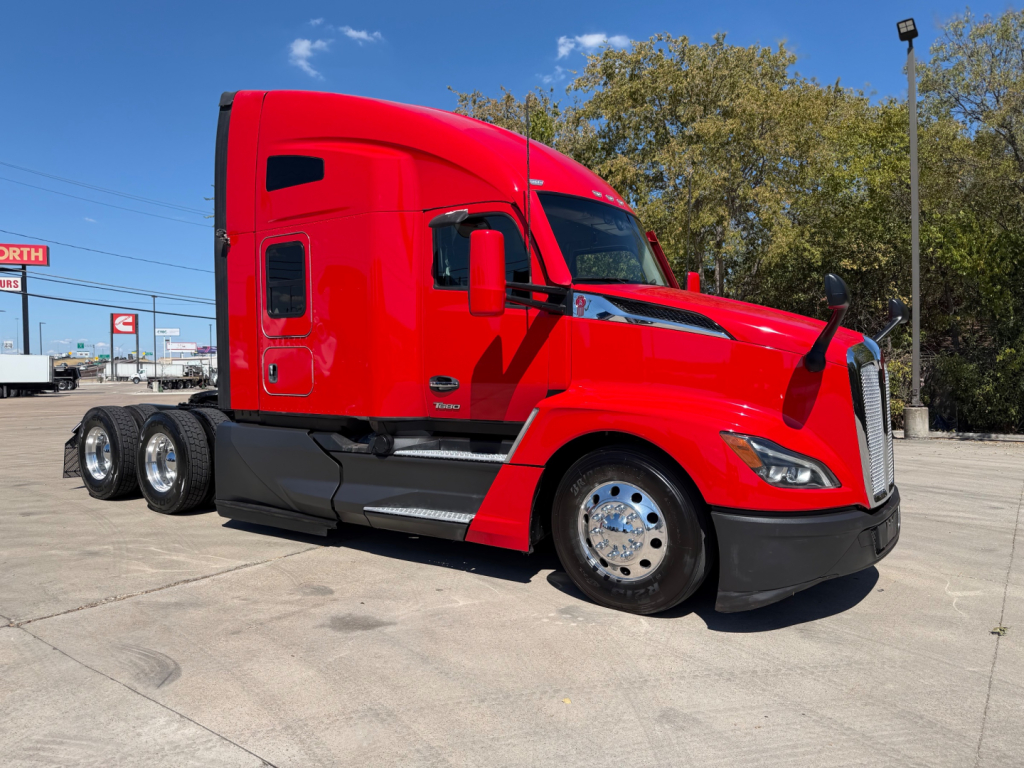
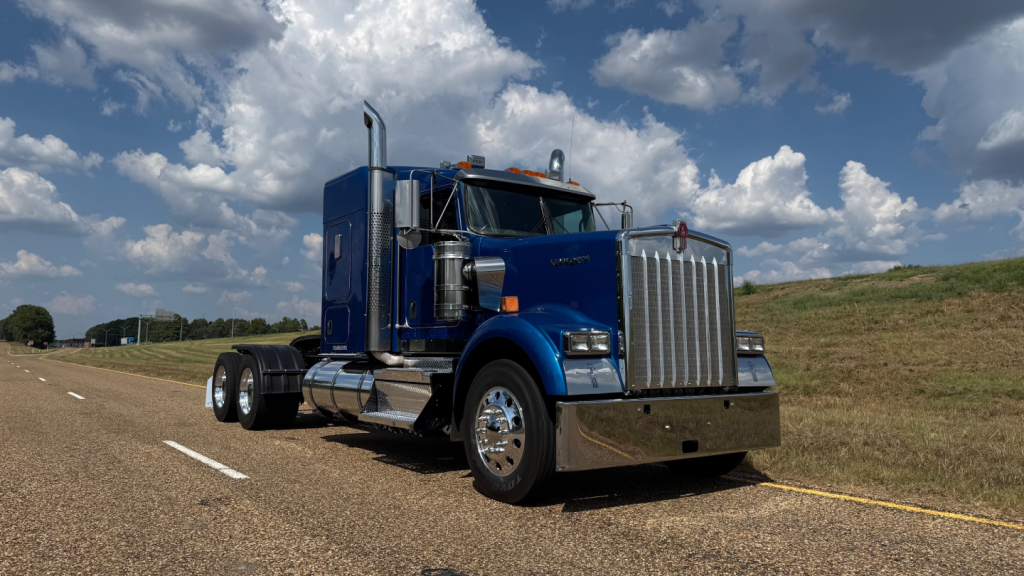
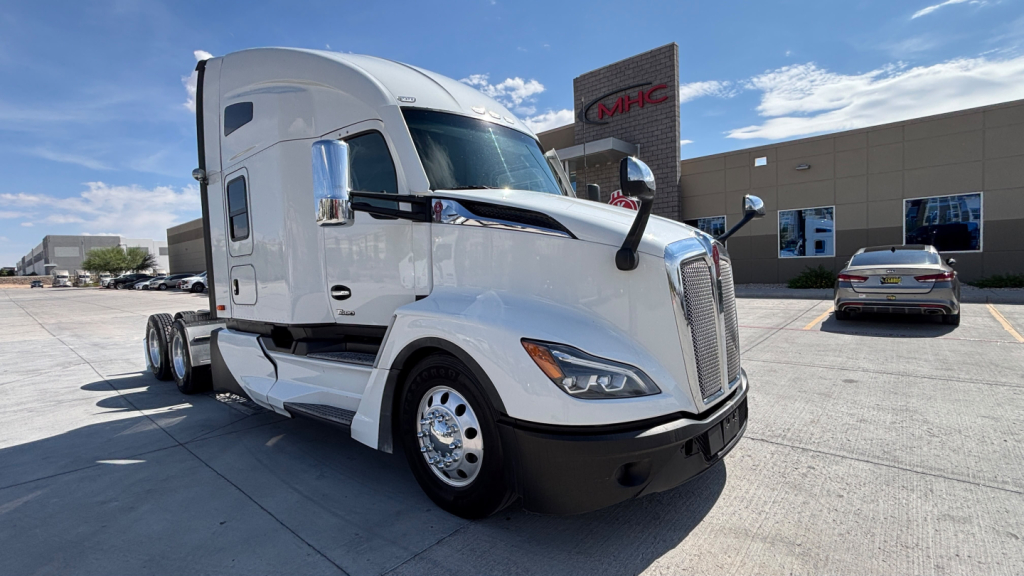
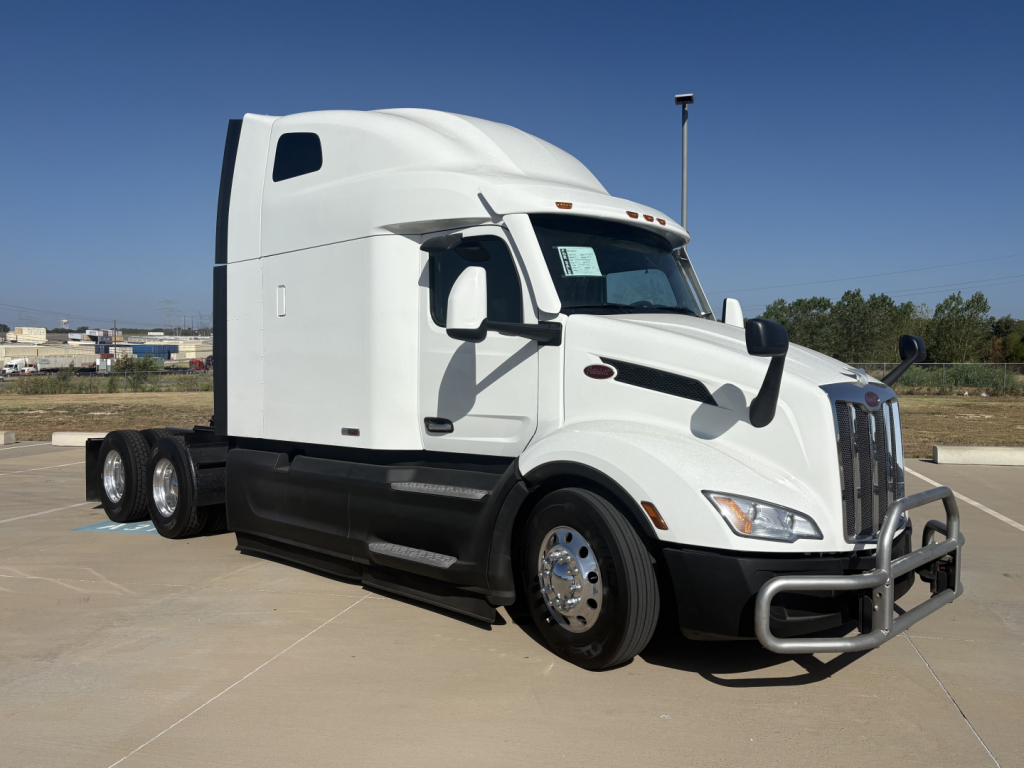
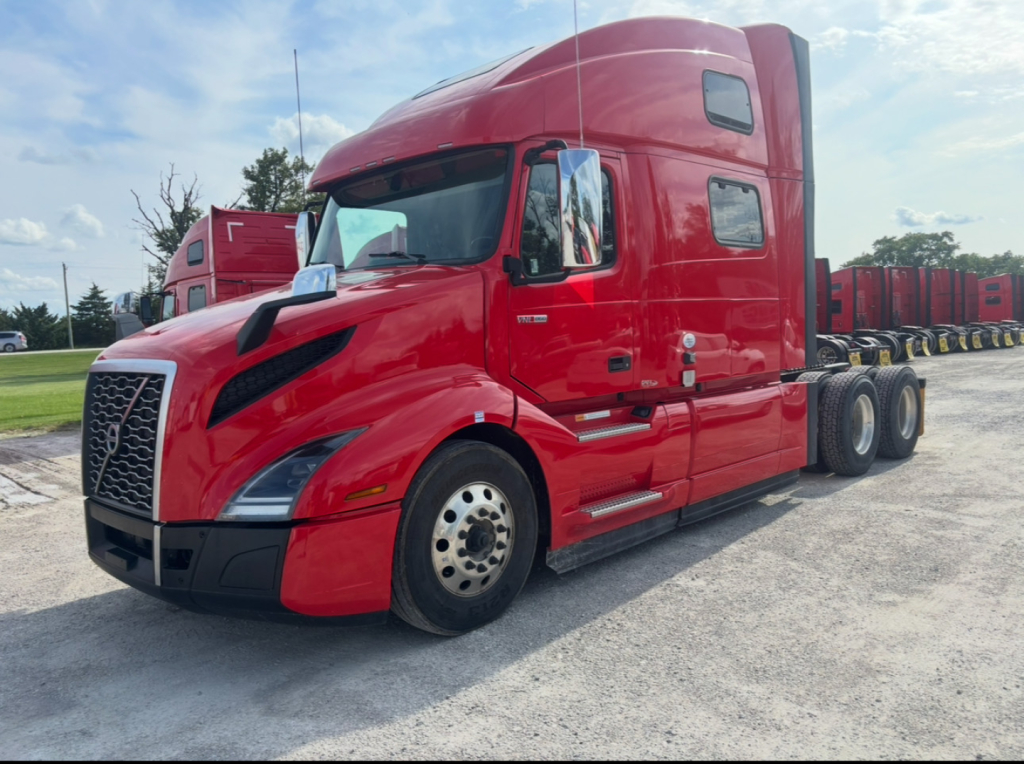
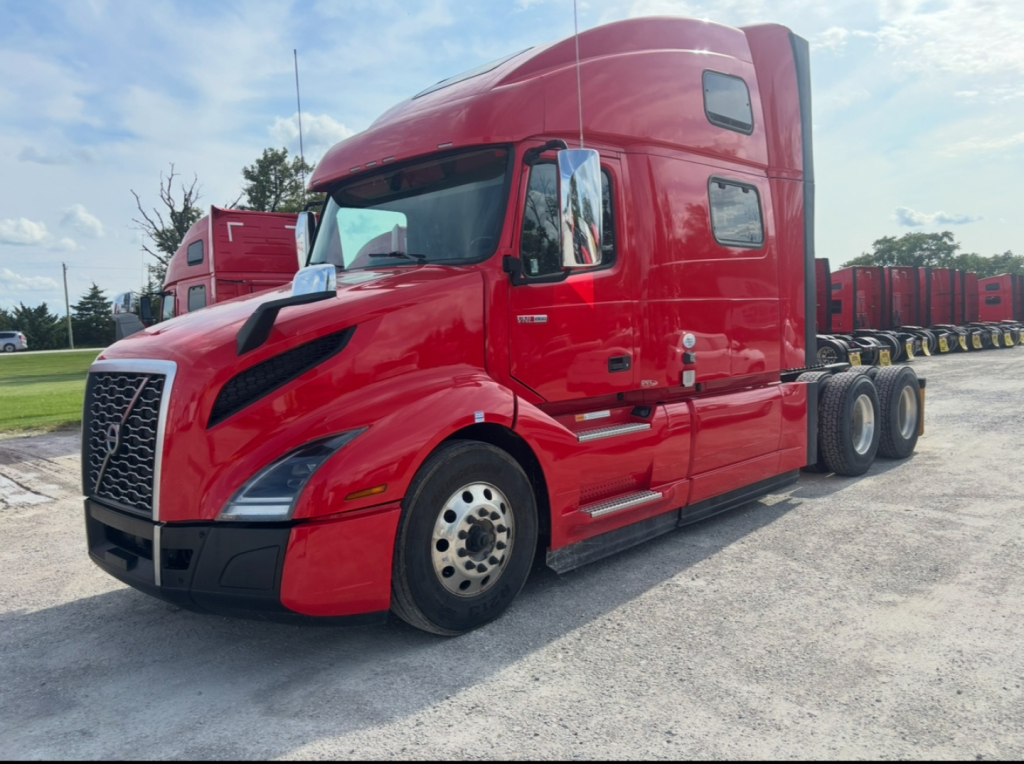
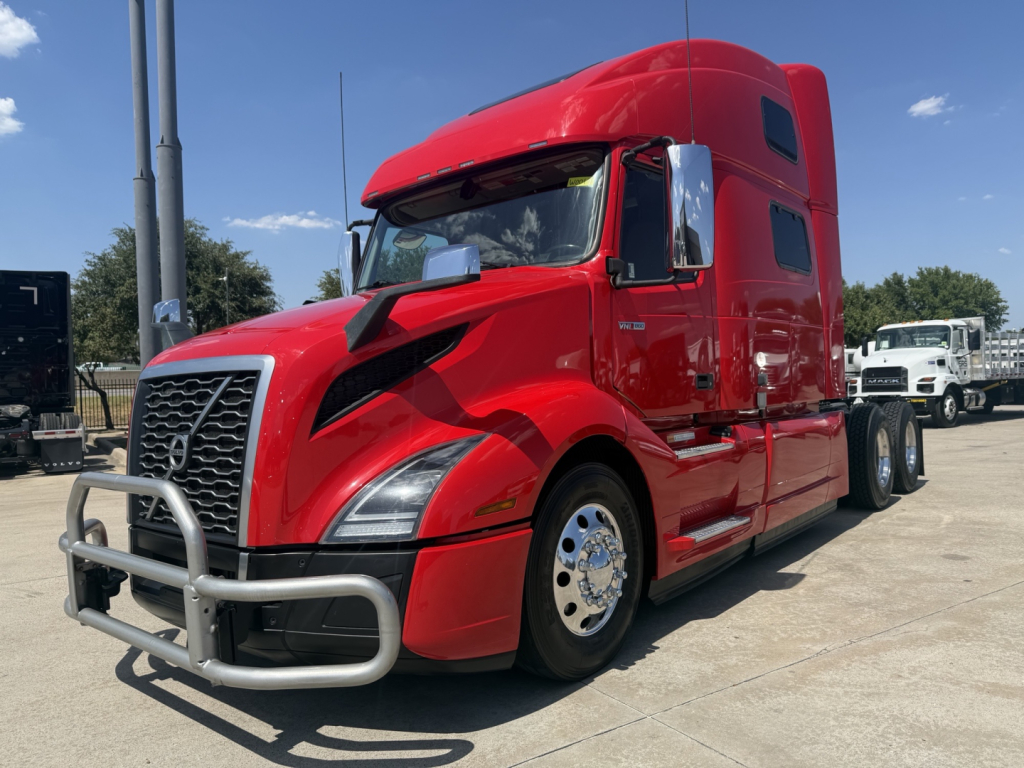

Selling a used 2024 conventional sleeper truck? List your used 2024 conventional sleeper truck for sale and reach thousands of commercial buyers.
Used 2024 Conventional Sleeper Trucks in Texas
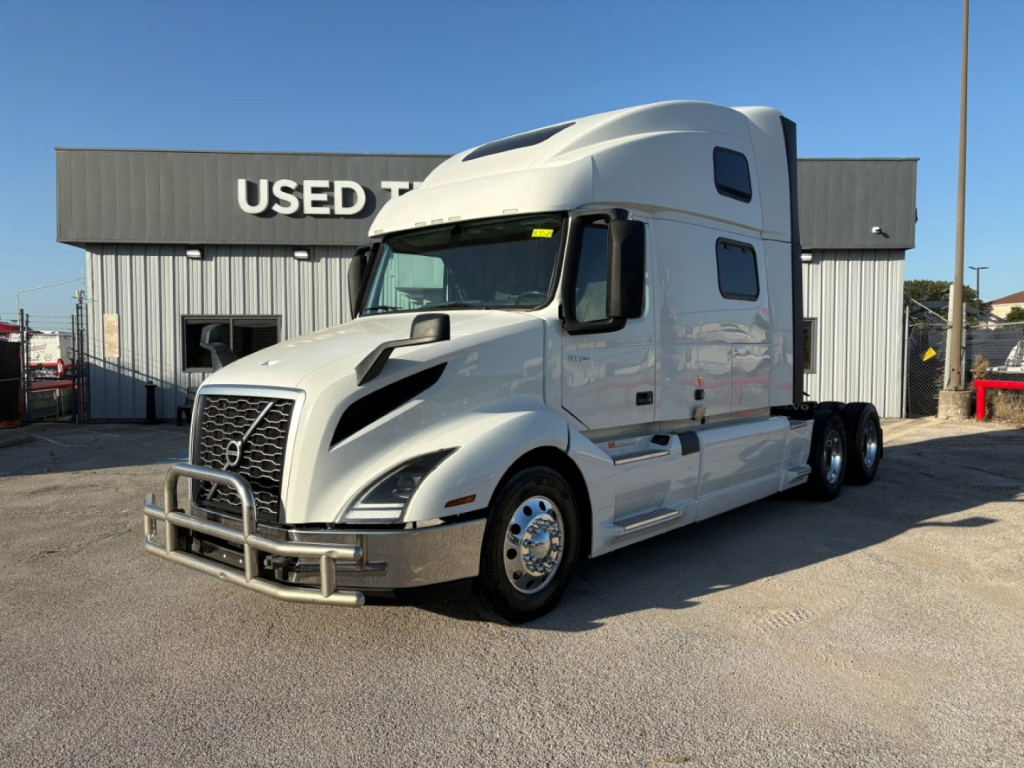
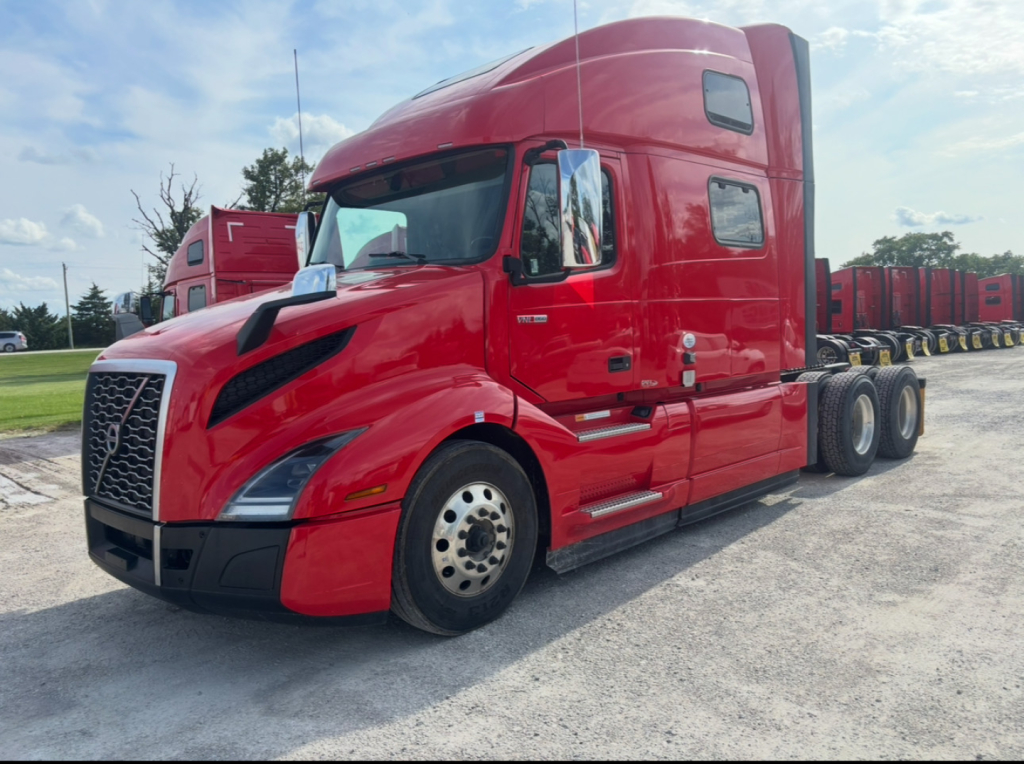
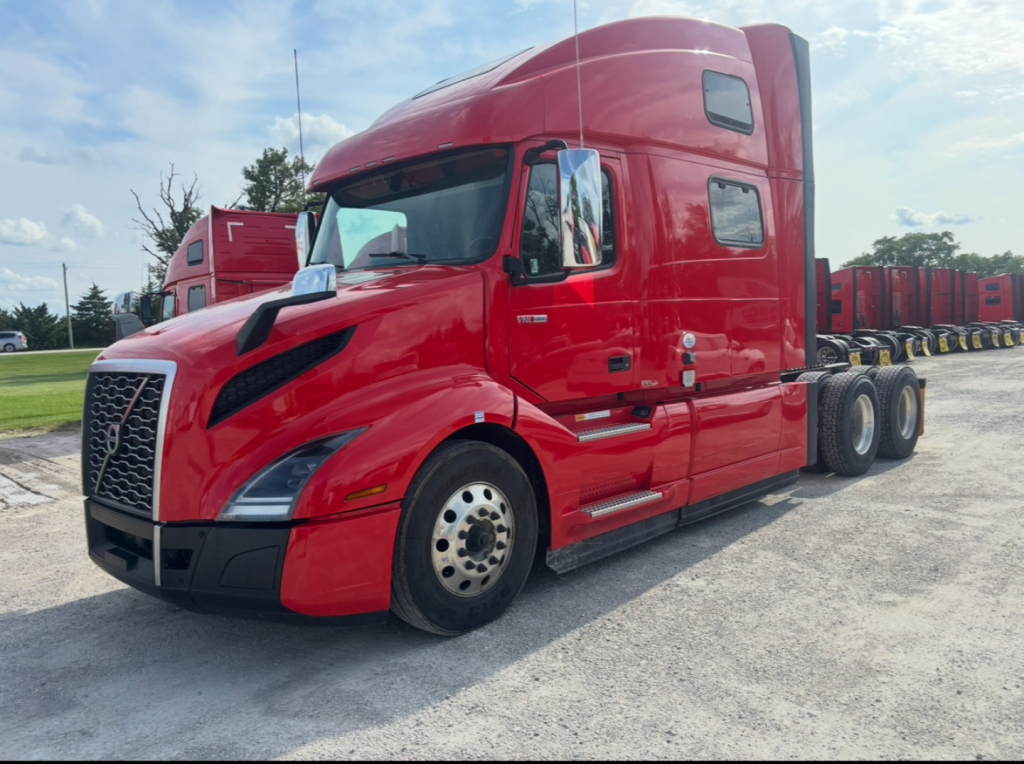
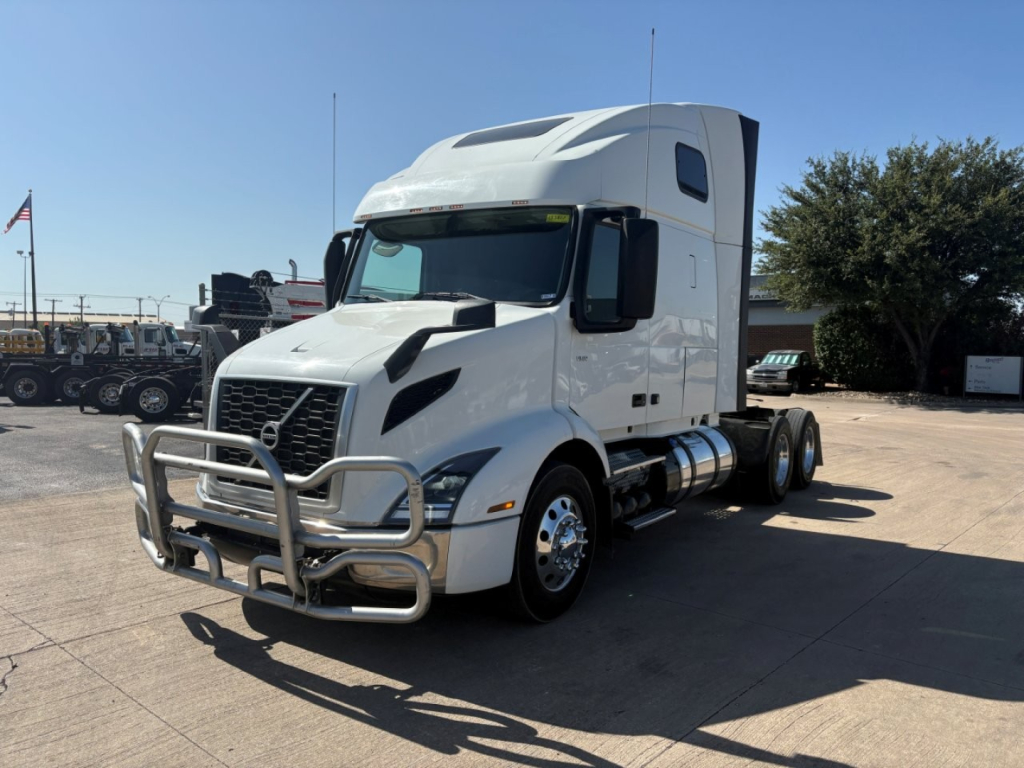
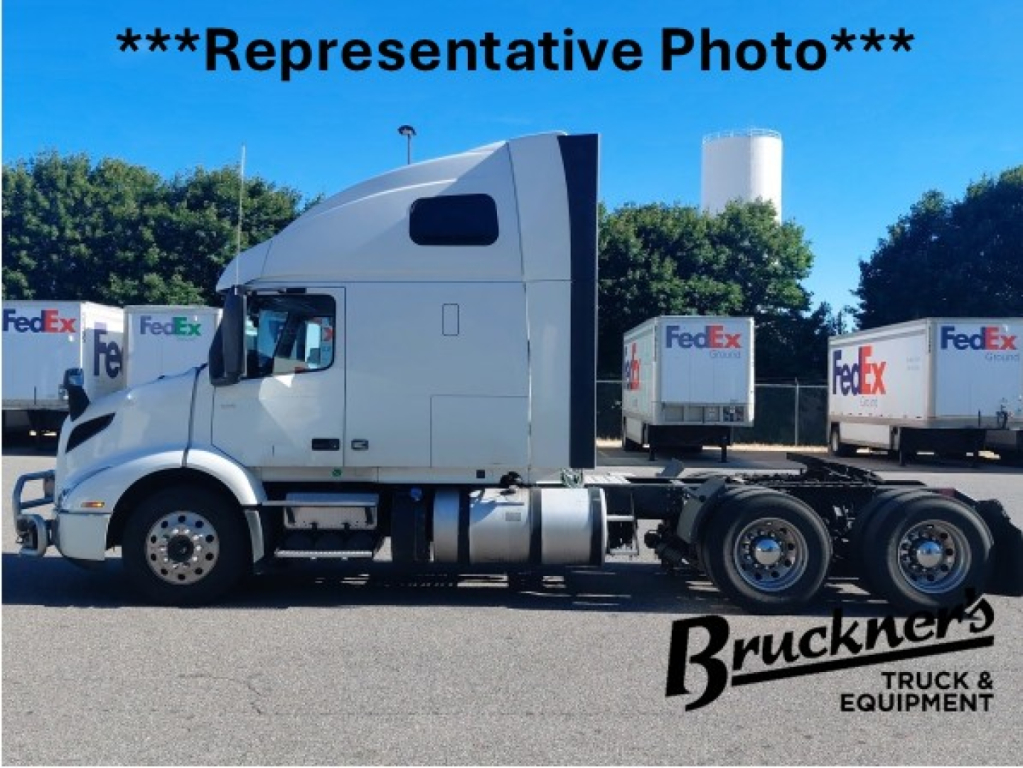
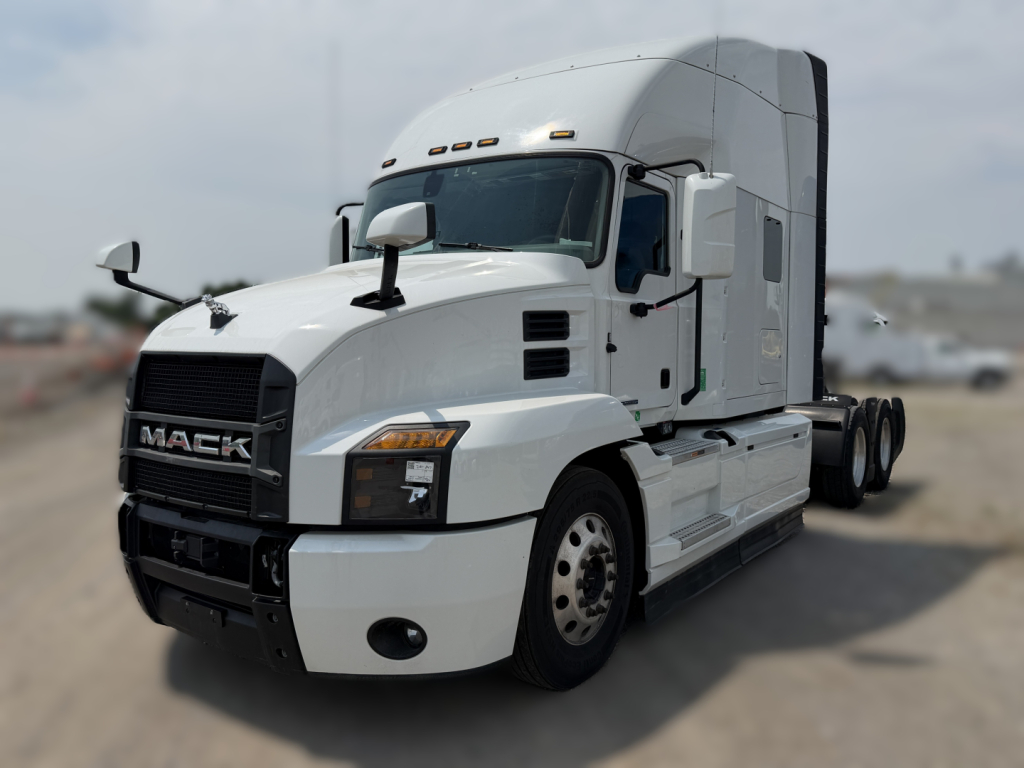
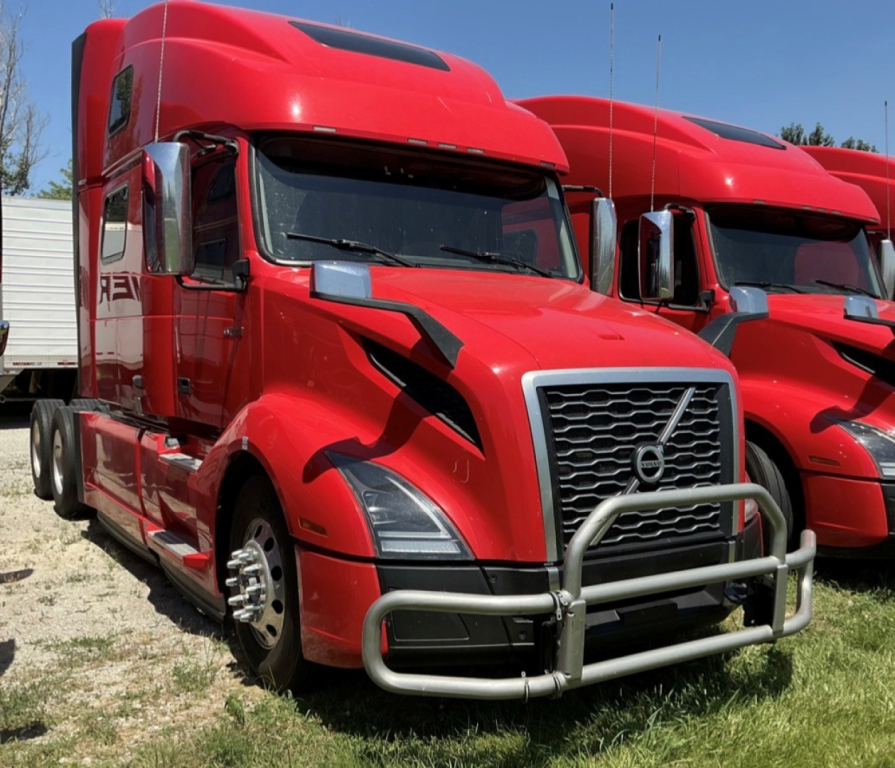
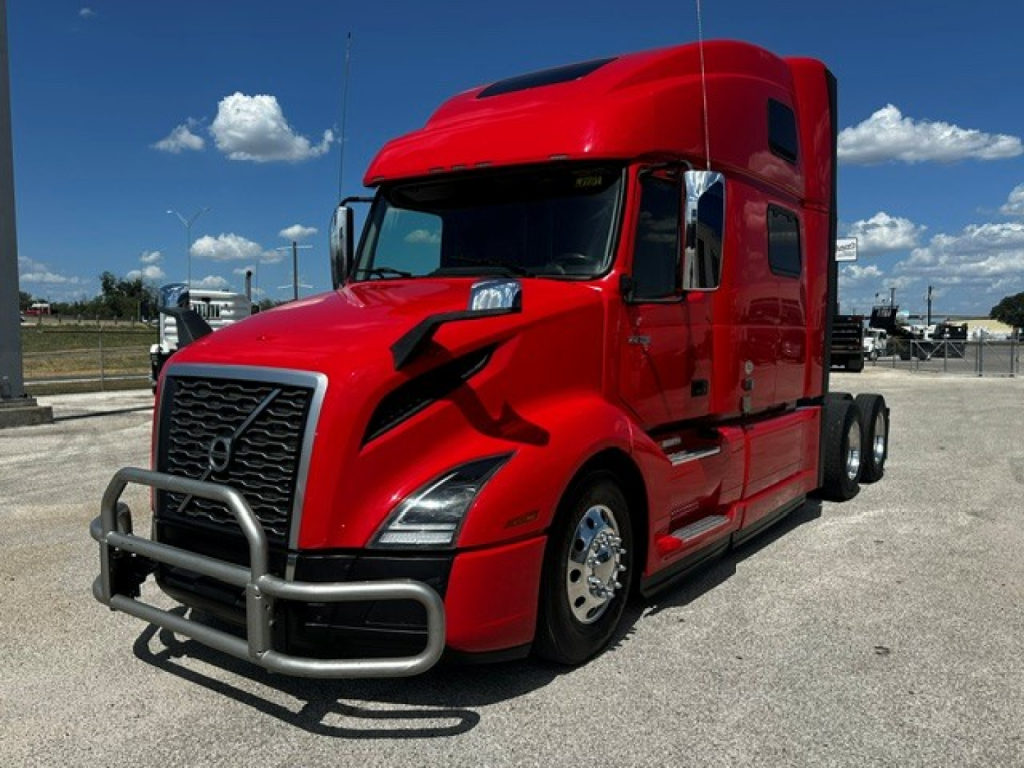
The first buying decision is usually sleeper size and powertrain. A mid-roof or smaller sleeper can make sense for regional lanes and weight-sensitive applications, while a 70- to 80-inch raised-roof sleeper is more common for teams or long-haul use. Typical 2024 specs include 400 to 505 horsepower, automated manual transmissions, tandem drive axles, and wheelbases commonly in the low-220s to mid-230s depending on sleeper length and fuel capacity. Engines in this class often include the Detroit DD13 or DD15, PACCAR MX-13, Cummins X15, Volvo D13, or Mack MP8. Buyers should compare rear axle ratios, fuel tank capacity, and suspension setup closely because those details determine cruise RPM, gradeability, payload flexibility, and how well the truck matches Texas interstate speeds and mixed terrain.
A used 2024 sleeper should also be evaluated as a driver retention and uptime asset, not just a price point. Look at bunk layout, cabinet space, HVAC performance at idle, inverter prep, fridge provisions, and APUs or idle-management equipment if the truck will stay out for several nights at a time. Safety and fleet technology matter more on late-model trucks, so check for collision mitigation, adaptive cruise, lane departure warning, disc brakes versus drums, tire pressure monitoring, and telematics integration. Service history is critical on these trucks because even low-mile units can vary widely based on idle hours, duty cycle, and how consistently software updates and preventive maintenance were handled.
For Texas buyers, axle and chassis spec should match the freight before brand preference takes over. A truck pulling general freight out of Dallas, Fort Worth, Houston, San Antonio, or the I-35 corridor may need a different sleeper, wheelbase, and gearing than a unit running heavy cross-border freight or oilfield-related lanes. Pay attention to fifth wheel position, frame layout, fairings, and tire size if trailer interchange and turning radius are important. The best used 2024 conventional sleeper truck is the one with a documented maintenance record, a proven powertrain spec for your lanes, and a sleeper setup that supports the kind of miles your operation expects to run.
Frequently Asked Questions about Used 2024 Conventional Sleeper Trucks in Texas
What is a conventional sleeper truck?
A conventional sleeper truck is a Class 8 highway tractor with the engine mounted ahead of the cab and a built-in sleeper compartment behind the driver seats. It is designed for regional and over-the-road freight where the driver needs rest space, storage, and better living accommodations than a day cab provides. In the used market, conventional sleepers are the most common tractor style for van, reefer, flatbed, and dedicated lane operations.
What horsepower is common in a used 2024 conventional sleeper?
Most used 2024 conventional sleeper trucks are spec'd between 400 and 505 horsepower, with 1,650 to 1,850 lb-ft of torque being common depending on the engine and application. Lower horsepower ratings are often chosen for fuel-focused regional work, while higher ratings are more common in heavy long-haul or mountain applications. The right choice depends on gross combination weight, terrain, cruise speed targets, and rear axle ratio.
Are automated transmissions standard in late-model sleeper trucks?
Automated manual transmissions are now the dominant spec in late-model conventional sleepers, including many 2024 used trucks. They improve shift consistency, reduce clutch wear, help with fuel economy, and make driver onboarding easier. Buyers should still confirm software calibration, clutch life data where available, and how the transmission is matched to the engine rating and axle ratio.
What should I check first on a used 2024 sleeper truck?
Start with the maintenance history, engine hours, idle hours, warranty status, and fault code history if available. Then verify key operating specs such as sleeper size, wheelbase, rear axle ratio, suspension type, tire condition, brake setup, and fifth wheel placement. On a late-model truck, electronic features and emissions system service records are just as important as mileage because those items can affect uptime and repair cost quickly.
Is a 72-inch or 70-inch sleeper better than a mid-roof sleeper?
A larger raised-roof sleeper is usually better for long-haul use, team operations, and driver retention because it gives more standing room, storage, and bunk comfort. A mid-roof sleeper can be a strong choice for regional freight where the truck returns more often, total height matters, or curb weight needs to stay lower. The better option depends on trip length, driver expectations, and how much living space the operation truly needs.