
Used 2015 Conventional Sleeper Trucks For Sale
Shop used 2015 conventional sleeper trucks with specs on engines, sleepers, wheelbase, axle ratios, and long-haul operating needs.
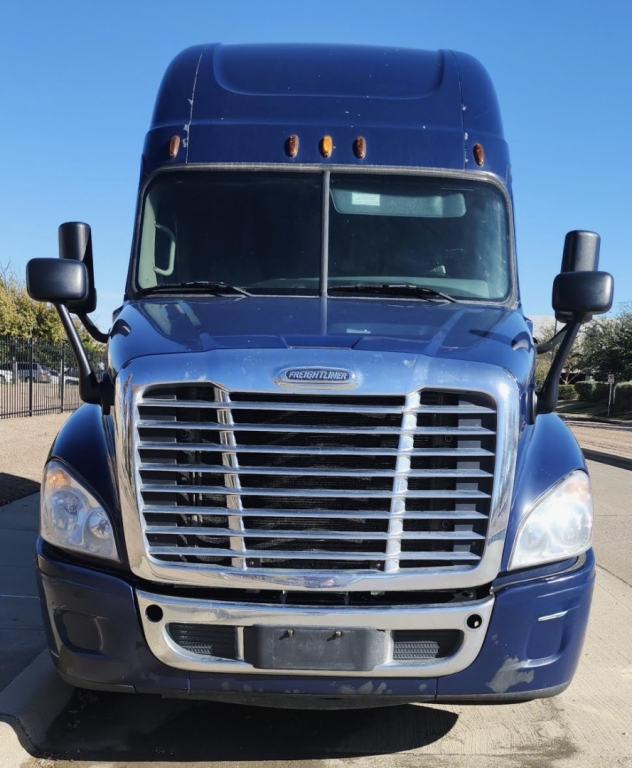
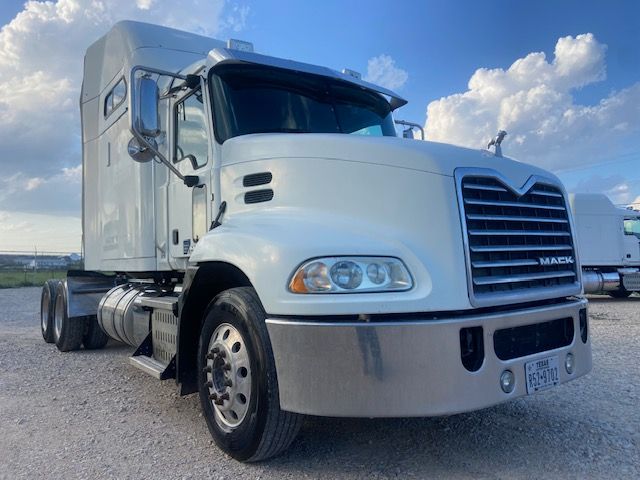
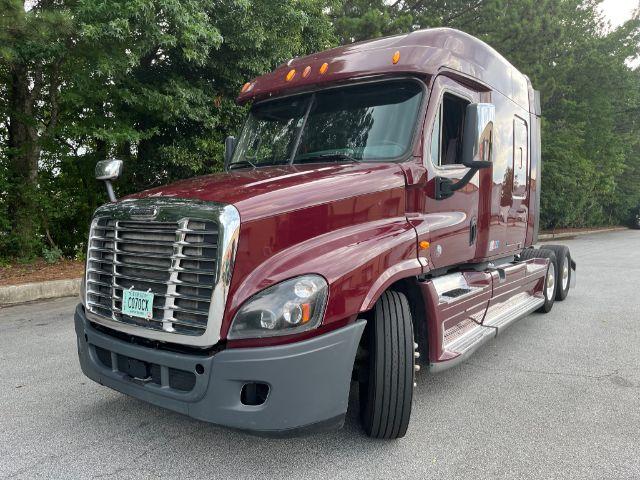
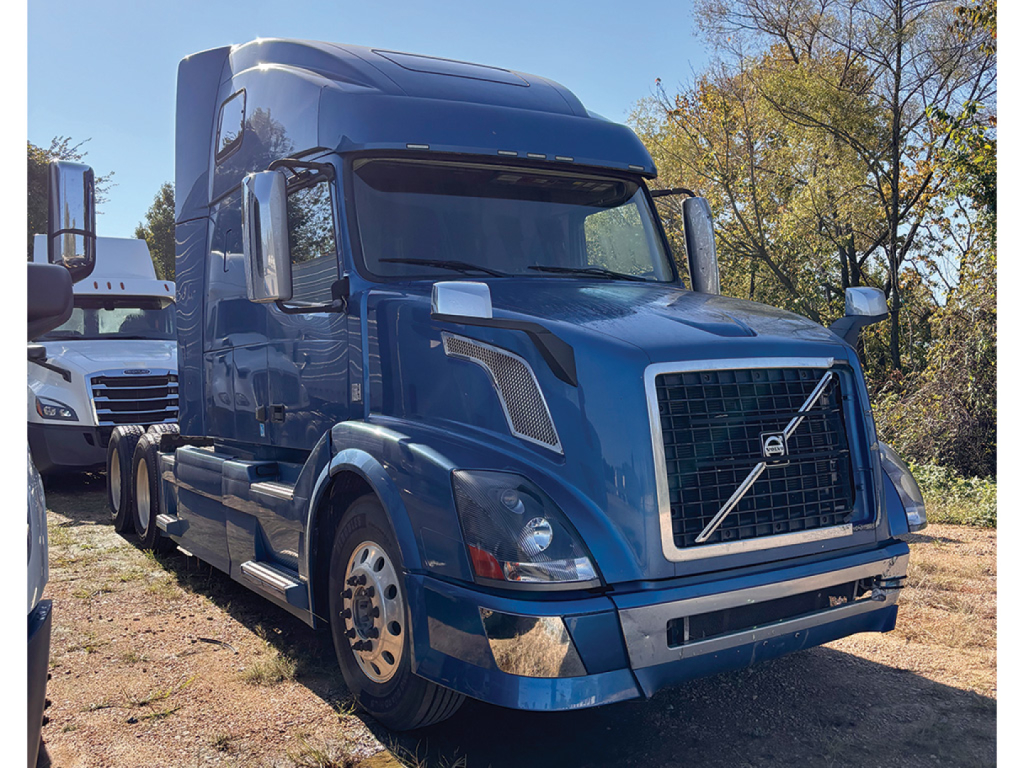
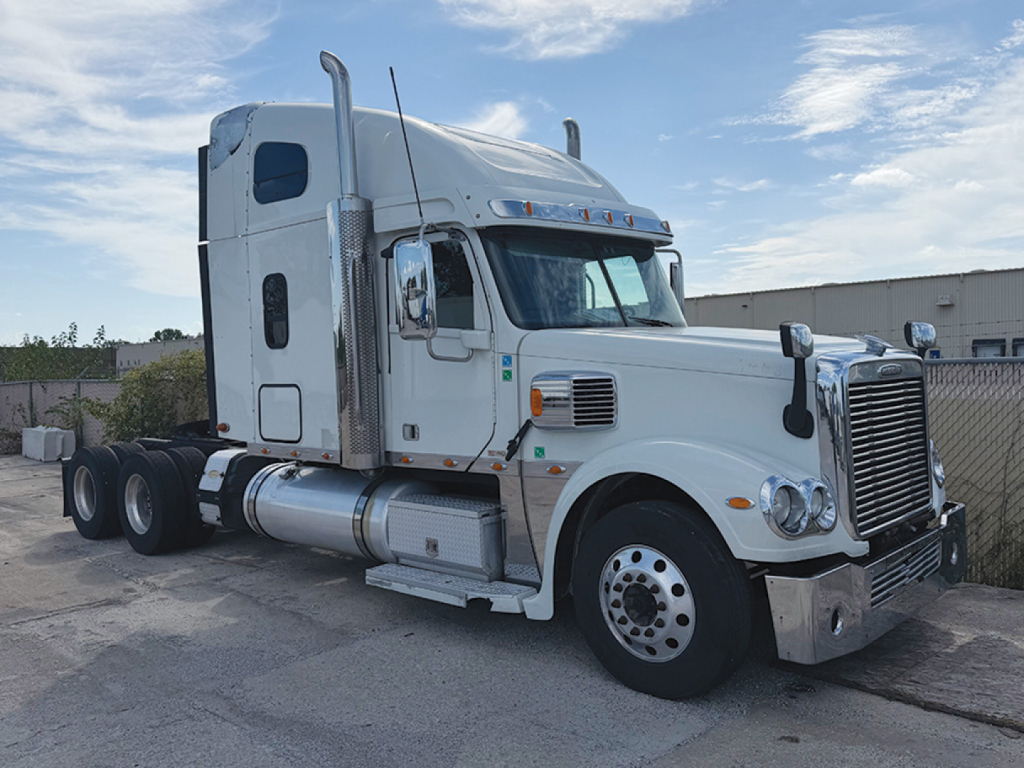
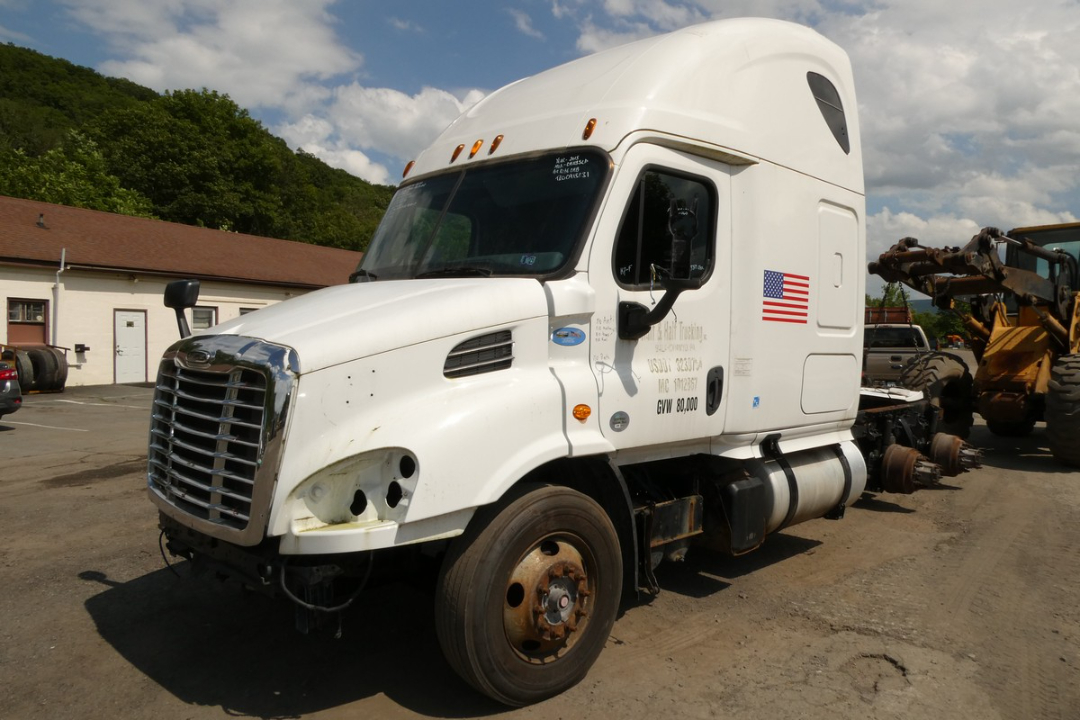
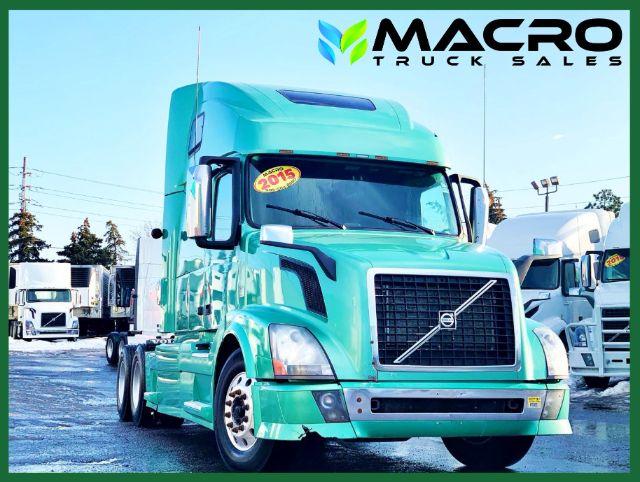
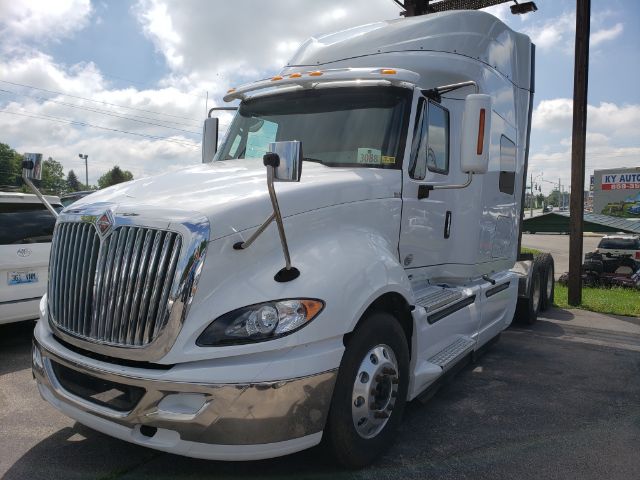

Selling a used 2015 conventional sleeper truck? List your used 2015 conventional sleeper truck for sale and reach thousands of commercial buyers.
Used 2015 Conventional Sleeper Trucks
A 2015 conventional sleeper can be found with 60-inch to 80-plus-inch sleepers, single or double bunk layouts, and raised-roof configurations designed for regional or long-haul use. Typical engines include the Detroit DD13 and DD15, Cummins ISX15, Volvo D13, and PACCAR MX-13, generally rated from about 400 to 500 horsepower. Automated manual transmissions became much more common in this period, including Detroit DT12, Volvo I-Shift, and Eaton UltraShift, though manual 10-speed and 13-speed trucks are still in the market. Most highway specs use 2.64 to 3.36 rear axle ratios, 220-inch to 250-inch wheelbases, and 12,000-pound front axles with 40,000-pound rears. For many buyers, the right spec depends on lane assignment: lighter, faster-geared trucks tend to favor van and reefer work, while heavier drivetrain specs make more sense for bulk, heavy haul, or mountain routes.
The biggest buying decision on a used 2015 sleeper is not just make and model. It is emissions history, maintenance discipline, and how the truck was geared and equipped for its prior job. Trucks from this year commonly use SCR with DPF systems, so it is smart to review aftertreatment service records, fault history, regen behavior, and any injector, turbo, EGR, or DEF-related repairs. Mileage matters, but documented engine work, transmission calibration history, clutch life on automated units, and suspension and steering wear often matter more. Buyers should also look at frame condition, fifth wheel wear, bunk HVAC operation, tire wear pattern, and signs of idle-heavy use. If the truck will run team freight or longer tours, interior layout, cabinet storage, inverter setup, and bunk comfort become real productivity factors, not luxury items.
For freight buyers, a 2015 conventional sleeper remains a proven choice for dry van, refrigerated, dedicated contract, and general long-haul operations. It also fits many regional applications where a day cab does not provide enough flexibility. Disc brakes, collision mitigation, adaptive cruise, air slide fifth wheels, and tire pressure systems began appearing more often around this era, so spec differences can be significant from one truck to the next. A well-matched 2015 sleeper should balance emissions reliability, fuel economy, sleeper usability, and driveline spec with the weight and terrain of the freight it will actually pull.
Frequently Asked Questions about Used 2015 Conventional Sleeper Trucks
What engine and transmission combinations are common in used 2015 conventional sleeper trucks?
Used 2015 conventional sleeper trucks are commonly equipped with Detroit DD13 or DD15, Cummins ISX15, Volvo D13, or PACCAR MX-13 engines, usually in the 400 to 500 horsepower range. Transmission choices often include automated manuals such as the Detroit DT12, Volvo I-Shift, and Eaton UltraShift, along with traditional 10-speed and 13-speed manuals. The best combination depends on route profile, gross weight, and driver preference, but fuel economy and service support are usually the top deciding factors.
Are 2015 conventional sleeper trucks good for over-the-road use?
Yes. A 2015 conventional sleeper truck is built primarily for over-the-road and regional highway work. Most are aerodynamic tractors with raised-roof sleepers, larger fuel capacity, tandem axles, and highway gearing suited for dry van, reefer, and general freight applications. The right sleeper size, bunk layout, and drivetrain spec can make a major difference in driver comfort and trip efficiency on longer runs.
What should I inspect first on a used 2015 sleeper truck?
Start with emissions and maintenance history. On a 2015 model, that means checking DPF and SCR service records, fault codes, regen history, DEF system performance, and any prior repairs involving the turbo, EGR system, or injectors. After that, inspect engine blow-by, transmission operation, differential condition, suspension wear, steering play, brake condition, tire wear pattern, and fifth wheel wear. The sleeper itself should also be checked for HVAC performance, water leaks, electrical issues, and bunk component function.
What sleeper size is best in a 2015 conventional sleeper truck?
That depends on the job. A 60-inch to 72-inch sleeper is often enough for regional or shorter over-the-road lanes, while 72-inch to 80-plus-inch sleepers are more common in long-haul and team operations. Larger sleepers usually offer more cabinet space, better bunk arrangements, and room for inverters, refrigerators, and workstation options. The tradeoff is usually a little more weight and sometimes a longer wheelbase.
How do axle ratio and wheelbase affect a 2015 conventional sleeper truck?
Axle ratio and wheelbase have a direct effect on fuel economy, maneuverability, and grade performance. Faster ratios such as 2.64 to 2.85 usually favor fuel-efficient highway operation on lighter freight, while ratios closer to 3.08 or 3.36 can be better for heavier loads or hillier terrain. Wheelbase influences ride quality, trailer gap, turning radius, and how the truck fits different trailer lengths and kingpin settings. Buyers should match those specs to their actual freight and route conditions, not just to a general preference.