
Used 2015 Conventional Sleeper Trucks For Sale in Texas
Browse used 2015 conventional sleeper trucks in Texas. Compare sleeper sizes, engine specs, emissions systems, wheelbase, and drivetrain options.
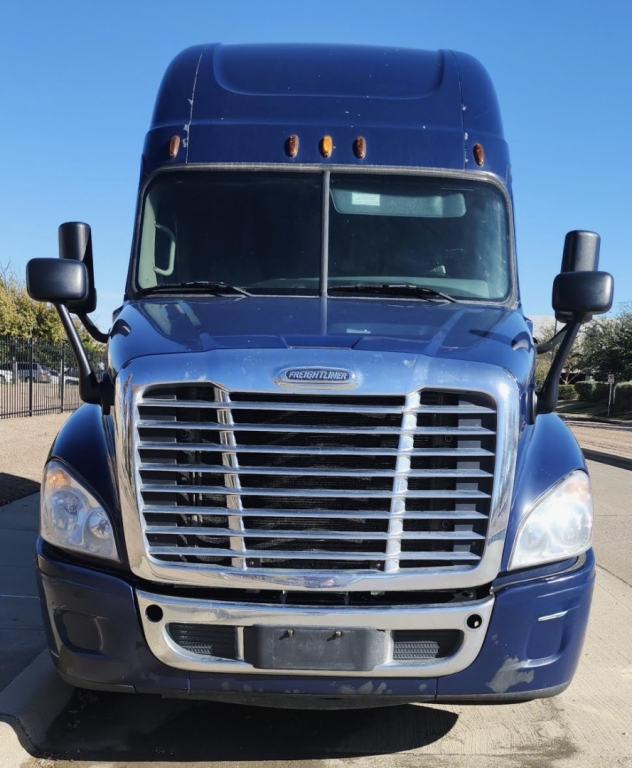
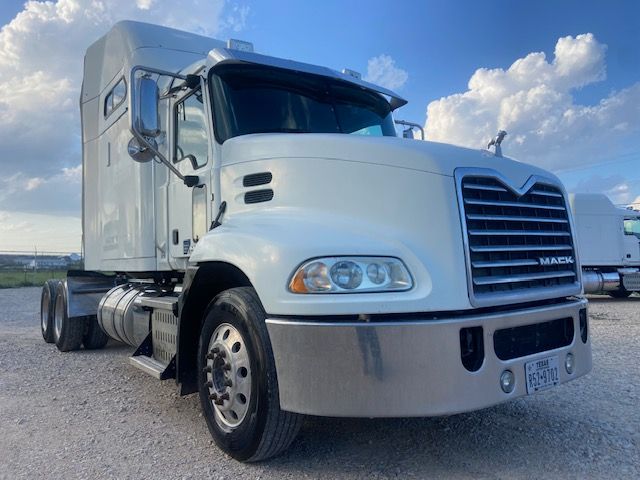
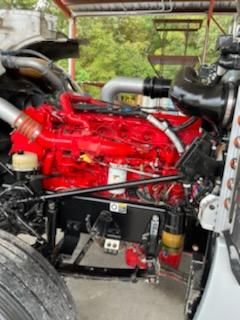
Selling a used 2015 conventional sleeper truck? List your used 2015 conventional sleeper truck for sale and reach thousands of commercial buyers.
Used 2015 Conventional Sleeper Trucks in Texas
Most 2015 conventional sleepers are built around aerodynamic highway platforms such as the Freightliner Cascadia, Volvo VNL, Peterbilt 579, Kenworth T680, International ProStar, or Mack Pinnacle and Anthem predecessors, with sleeper sizes often ranging from 60-inch mid-roof setups to 72-inch and larger raised-roof configurations. Common engine choices include the Detroit DD13 and DD15, Cummins ISX, Paccar MX-13, Volvo D13, Mack MP8, and in some cases the International MaxxForce, which requires especially careful review of fault codes, emissions history, and prior repairs. Buyers should confirm horsepower and torque ratings against the intended haul. A truck set at 400 to 455 horsepower may suit general van freight, while heavier or more demanding lanes may justify 500 horsepower or more. Transmission choice also affects value, with automated manuals gaining share in this era but many buyers still preferring a 10-speed or 13-speed manual for familiarity and service simplicity.
Sleeper layout and chassis spec matter because two trucks from the same year can be configured for very different work. Wheelbase, fuel capacity, rear axle ratio, suspension type, and front axle rating all influence ride, maneuverability, and payload flexibility. Texas buyers often prioritize strong cooling performance, dependable APU or bunk HVAC operation, and enough fuel capacity for longer runs between major freight corridors. Inside the sleeper, look for bunk condition, cabinet integrity, refrigerator setup, inverter installation, and signs of water intrusion around seals or roof components. Outside, pay attention to fairings, hood alignment, tire wear patterns, air ride condition, fifth wheel wear, and frame modifications that may affect resale or driveline geometry.
The best used 2015 conventional sleeper truck is usually the one with the clearest maintenance story and the right spec for the freight, not simply the lowest price. A pre-purchase inspection should include ECM download, blow-by check, clutch or transmission evaluation, suspension inspection, brake measurements, and a full scan of active and inactive fault codes. It is also smart to verify kingpin setting compatibility with your trailer mix and to check for practical details like dual tanks, locking differentials, tire inflation systems, collision mitigation equipment, and bunk idle solutions. A well-spec'd 2015 sleeper can still deliver solid service life, but only if the truck's emissions components, driveline, and cab systems have been evaluated with the same attention as the engine badge on the hood.
Frequently Asked Questions about Used 2015 Conventional Sleeper Trucks in Texas
What should I check first on a used 2015 conventional sleeper truck?
Start with the maintenance history, engine hours, idle hours, and aftertreatment records. On a 2015 model, the DEF system, DPF, SCR components, and EGR-related repairs can be major cost drivers, so fault code history and recent emissions work matter immediately. After that, review tires, brakes, suspension, clutch or transmission condition, and signs of coolant or oil leaks. An ECM download and a pre-purchase inspection are worth the cost because they help verify how the truck was actually used.
Are 2015 sleeper trucks still good for over-the-road work?
Yes, many 2015 conventional sleepers are still viable for over-the-road service if the spec matches the lane and the truck has been maintained properly. This year range can offer a lower purchase price while still delivering an aerodynamic cab, decent sleeper amenities, and highway-friendly drivetrains. The key is to avoid buying on appearance alone. A clean sleeper with neglected aftertreatment or driveline issues can cost more in downtime than a higher-mile truck with documented service history.
Which engines are common in 2015 conventional sleeper trucks?
Common engines in this segment include the Detroit DD13 and DD15, Cummins ISX, Paccar MX-13, Volvo D13, Mack MP8, and some International MaxxForce engines depending on the brand. Each has a different reputation for fuel economy, service access, and emissions performance. Buyers should focus on maintenance records, current fault codes, and local service support in addition to brand preference. Engine model alone does not tell the full story on a used truck.
What sleeper size is best for a 2015 conventional truck?
The best sleeper size depends on route length, driver preference, and weight sensitivity. A 60-inch sleeper can work well for regional freight and lighter overall vehicle weight, while a 72-inch or larger raised-roof sleeper gives more storage and better livability for longer trips. Buyers should compare bunk layout, storage, HVAC performance, and installed accessories like refrigerators, inverters, and APUs. Sleeper comfort affects retention and productivity just as much as engine spec affects road performance.
Why does wheelbase and axle ratio matter on a used sleeper truck?
Wheelbase and rear axle ratio directly affect maneuverability, ride quality, fuel economy, and how the truck performs with different trailer lengths and load profiles. A longer wheelbase may improve ride and fuel tank capacity but reduce maneuverability in tighter yards. Rear axle ratio influences cruising RPM, startability, and grade performance. These details matter because a sleeper truck built for light dry van freight may feel completely wrong in heavier regional or flatbed work.