
Used Conventional Sleeper Trucks For Sale in Indiana
Browse used conventional sleeper trucks in Indiana, including long-haul road tractors with tandem axles, sleeper cabs, and fleet-ready specs.
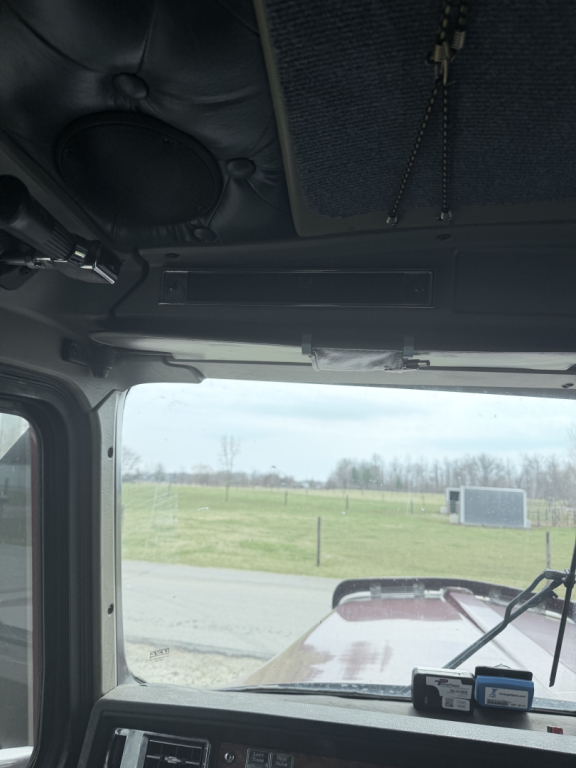
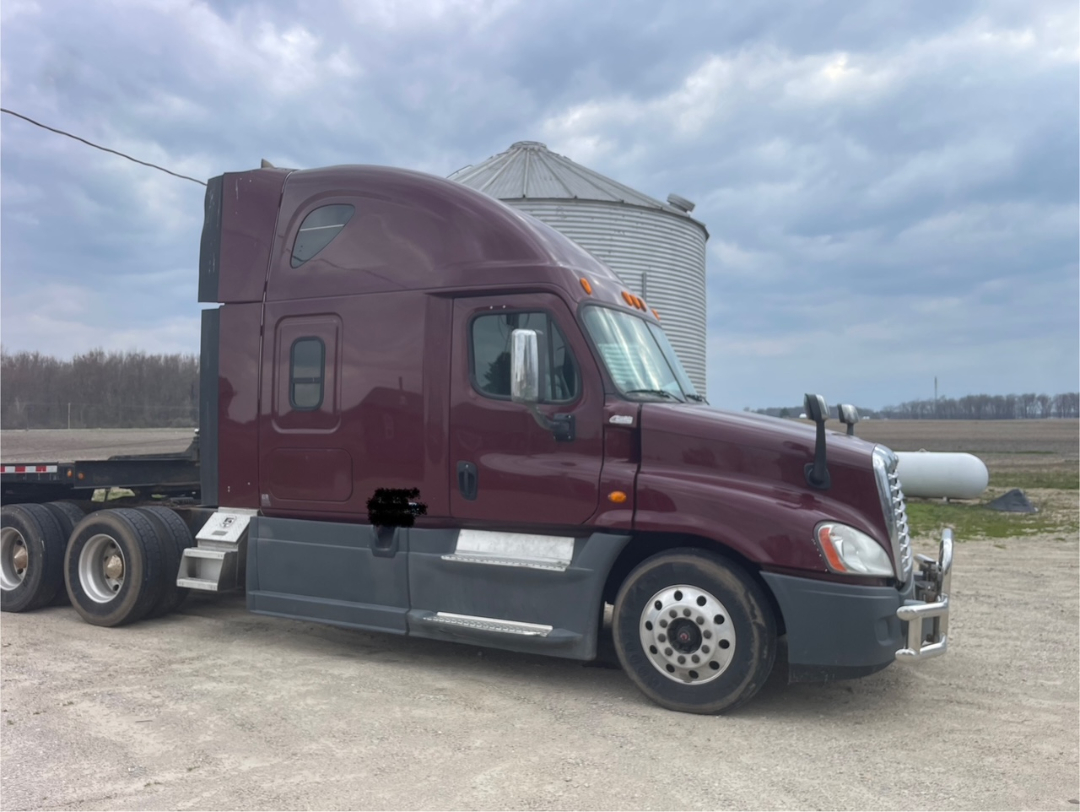
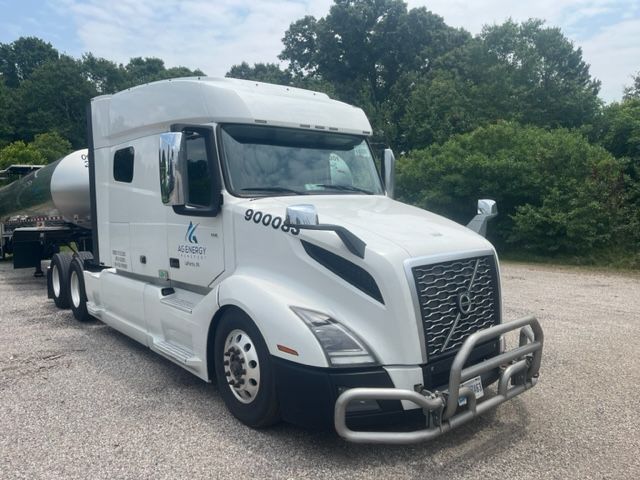
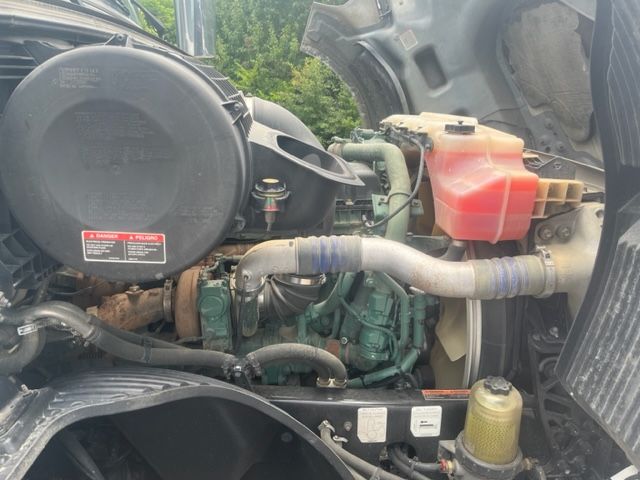
Selling a used conventional sleeper truck? List your used conventional sleeper truck for sale to reach thousands of commercial buyers.
Used Conventional Sleeper Trucks in Indiana
The first decisions usually come down to sleeper size, powertrain, and operating profile. Used conventional sleepers commonly carry engines in the 400 to 500 horsepower range, with popular platforms including the Detroit DD13 and DD15, Paccar MX-13, Cummins X15, and Volvo D13. Transmissions may be automated manuals or 10-speed and 13-speed manuals, depending on age and original spec. Wheelbase, rear axle ratio, and fifth wheel position matter if the truck will see a mix of dry van, reefer, flatbed, or specialized trailer work. Buyers should also compare raised-roof sleepers versus mid-roof configurations, especially if cab storage, bunk layout, and stand-up room affect driver retention or team operation.
On a used sleeper tractor, mileage alone does not tell the whole story. Service history, idle hours, emissions system condition, tire and brake life, and signs of prior body or frame damage usually matter more than the odometer by itself. Indiana buyers often put extra value on trucks with clean rust profiles, especially around cab mounts, battery boxes, frame rails, crossmembers, and suspension components that see winter road treatment. It is also smart to verify aftertreatment repairs, clutch or transmission work, DPF and DEF system performance, and any recent cooling system or suspension service. A truck with a documented maintenance schedule and a spec that matches the intended freight is usually the better buy than one chosen only for price or model year.
Comfort and operating efficiency are a major part of this category. Many used conventional sleeper trucks include double bunks or condo sleepers, driver-focused seating, in-cab storage, refrigerators, APUs, and fairing packages designed to improve fuel economy. Fleet buyers may focus on standardization, safety systems, and ease of parts support, while owner-operators often pay closer attention to interior condition, ride quality, and options that reduce hotel and idle costs. For Indiana-based operations, a well-matched conventional sleeper can cover everything from Midwest regional freight to multi-state over-the-road routes with the durability, range, and driver accommodations expected from a true highway tractor.
Frequently Asked Questions about Used Conventional Sleeper Trucks in Indiana
What is a conventional sleeper truck?
A conventional sleeper truck is a Class 8 road tractor with a hooded engine layout and a built-in sleeping compartment behind the cab. It is designed for regional and over-the-road hauling where the driver may spend nights in the truck. Most conventional sleepers are tandem-axle tractors used with van, reefer, and flatbed trailers, and they balance highway comfort, serviceability, and cargo-hauling capability better than day cabs for longer routes.
What should I look for when buying a used conventional sleeper truck in Indiana?
Focus on maintenance records, engine and transmission history, emissions system health, and the truck’s current tire, brake, and suspension condition. In Indiana, rust inspection is especially important because winter road salt can affect frame rails, cab structure, battery boxes, and mounting hardware. Buyers should also check idle hours, verify any DPF, DEF, or EGR repairs, inspect the sleeper for water leaks or HVAC issues, and confirm the axle ratio and wheelbase fit the intended trailer and route profile.
Which engines are common in used conventional sleeper trucks?
Common engines in this category include the Detroit DD13 and DD15, Paccar MX-13, Volvo D13, and Cummins X15. These engines are widely used in fleet and owner-operator sleeper tractors because they offer strong highway performance and broad service support. The best choice depends on your preferred dealer network, familiarity with the platform, emissions history, and whether the truck will run heavy loads, fuel-sensitive lanes, or high annual miles.
Are automated manual transmissions better than manual transmissions in sleeper tractors?
Automated manual transmissions are now common in used sleeper trucks because they reduce driver fatigue, help with fuel economy consistency, and simplify training across a fleet. Manual transmissions still appeal to some buyers who prefer direct control, lower electronics complexity, or specific heavy-haul and specialized applications. The better choice depends on driver preference, maintenance support, and how standardized you want the truck to be with the rest of the operation.
How many miles is too many on a used conventional sleeper truck?
There is no single mileage number that automatically makes a sleeper tractor a poor buy. A well-maintained highway truck with documented service and major repairs can be a better purchase than a lower-mile truck with poor upkeep or unresolved emissions problems. Buyers should weigh mileage alongside engine hours, maintenance intervals, component replacements, driveline condition, and how the truck was used in its previous service life.