
Used Conventional Sleeper Trucks For Sale in Florida
Browse used conventional sleeper trucks in Florida. Compare raised-roof and mid-roof highway tractors by engine, sleeper size, wheelbase, and spec.
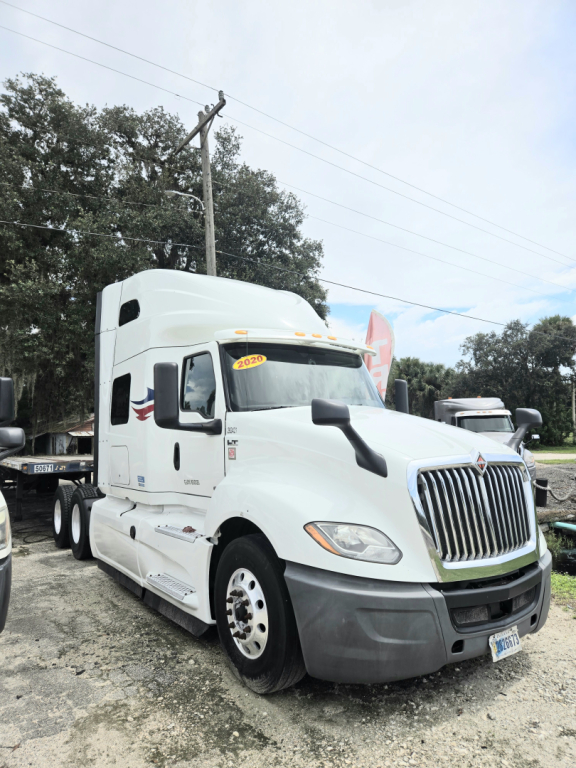
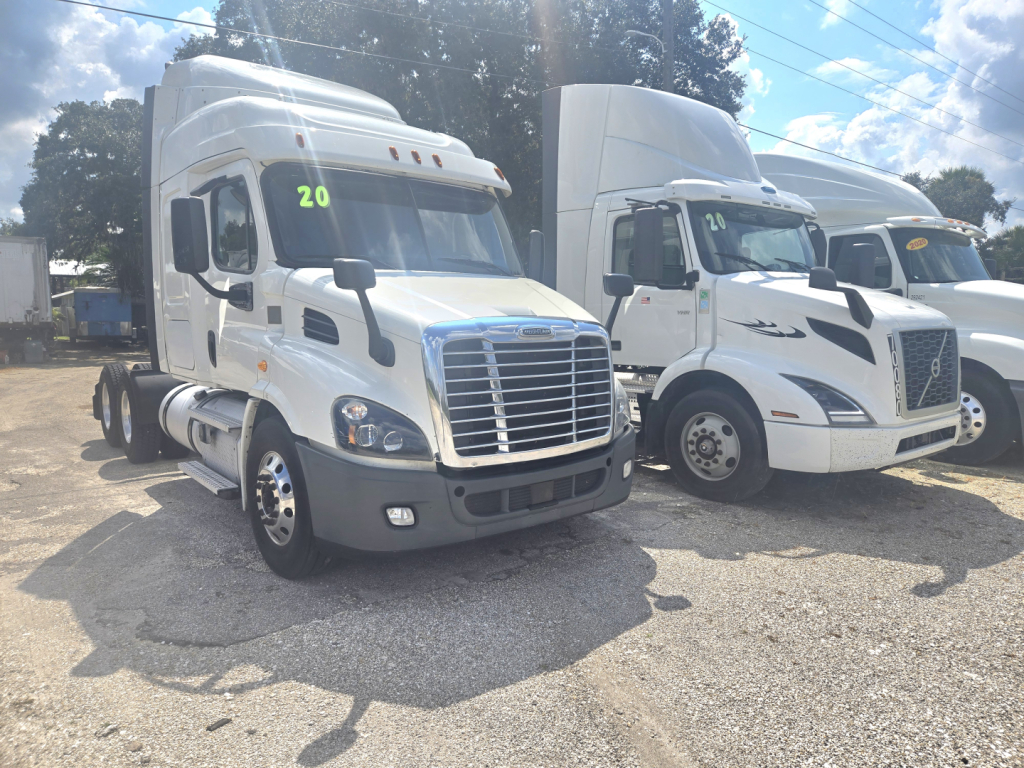
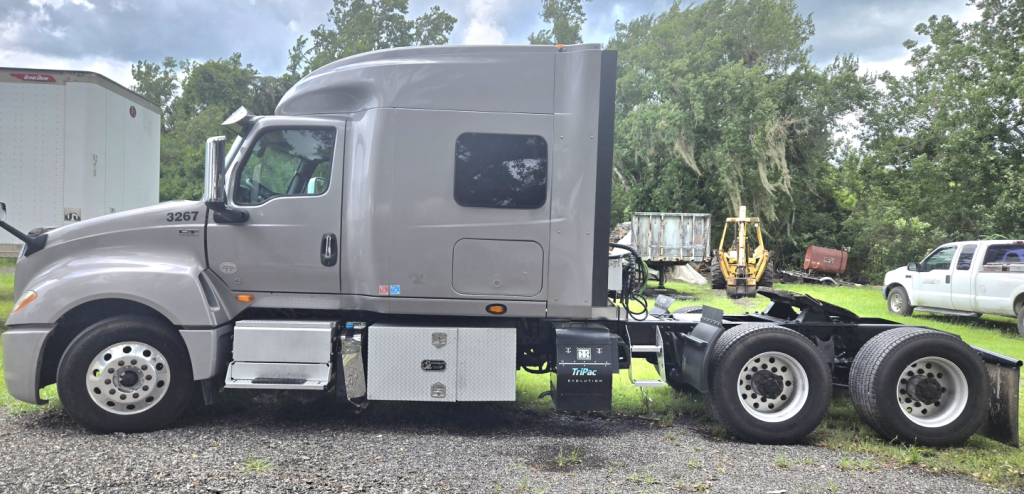
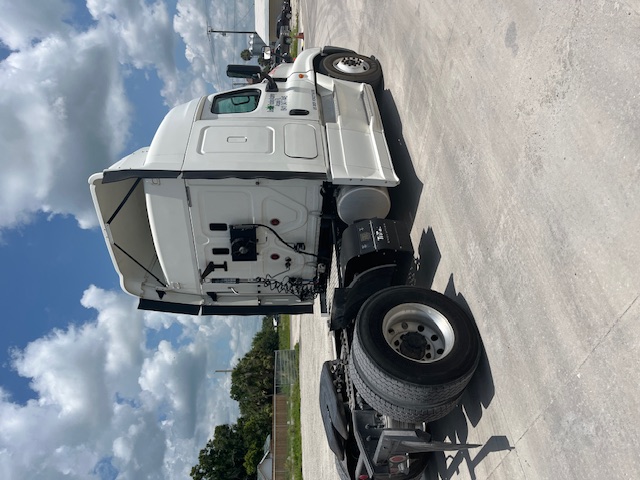
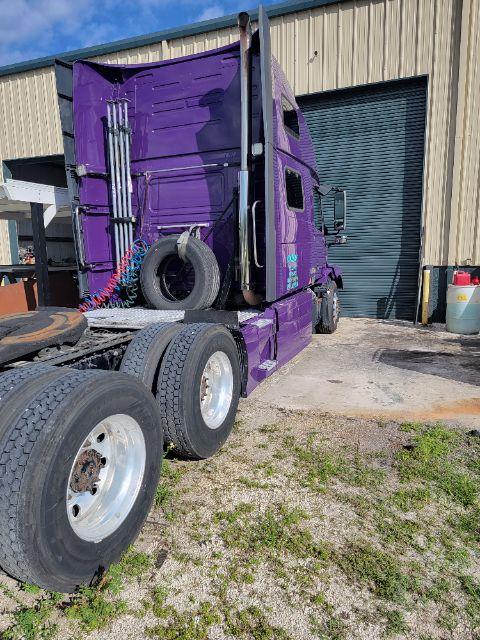
Selling a used conventional sleeper truck? List your used conventional sleeper truck for sale and reach thousands of commercial buyers.
Used Conventional Sleeper Trucks in Florida
The biggest buying decisions usually come down to sleeper size, powertrain, and overall operating history. Mid-roof sleepers are lighter and often better suited for regional freight where drivers still need a bunk, while raised-roof sleepers offer more standing room, cabinet space, and better livability for extended runs. Common engines in this class include the Cummins X15, Detroit DD13 and DD15, Volvo D13, Mack MP8, and PACCAR MX series, with horsepower commonly ranging from about 400 to 500 HP. Transmissions may be manual, automated manual, or fully automatic depending on the spec and age of the truck, and rear axle ratios, wheelbase, and fifth wheel position all affect fuel economy, maneuverability, and trailer compatibility.
For a used buyer, condition matters more than badge alone. Review engine hours alongside odometer miles, and look closely at service records for emissions system work, clutch or transmission repairs, injector history, turbo replacement, and cooling system maintenance. On sleeper trucks, cab and bunk condition can tell you a lot about how the truck was used. Check bunk HVAC operation, auxiliary power equipment if fitted, mattress and cabinet wear, water leaks around seals, and signs of excessive idle time. A Florida truck can be attractive because it may show less corrosion than equipment from northern states, but coastal exposure still makes it smart to inspect wiring, frame, crossmembers, air tanks, and aluminum components for salt-related deterioration.
Spec matching is what separates a good deal from a truck that fights your operation. A 72-inch raised-roof sleeper with large fuel capacity may make sense for over-the-road lanes, while a shorter mid-roof sleeper and moderate wheelbase may be easier to place in dedicated regional work. Buyers should verify front axle rating, suspension type, tire size, brake condition, and emissions compliance before making a decision, especially if the truck will cross multiple states or go into ports and larger shipper networks. If uptime is the priority, focus on a mainstream powertrain with strong parts support and dealer coverage across the Southeast. If driver retention matters, sleeper layout, noise level, ride quality, and storage can be just as important as horsepower.
Frequently Asked Questions about Used Conventional Sleeper Trucks in Florida
What is a conventional sleeper truck used for?
A conventional sleeper truck is built for freight operations that require a road tractor with an integrated sleeping compartment behind the cab. It is most commonly used in over-the-road and regional hauling, including dry van, refrigerated freight, flatbed, and dedicated contract lanes. The sleeper allows a driver to rest legally and comfortably during multi-day trips, which makes this configuration more versatile than a day cab for routes involving overnight stays.
What should I check first on a used conventional sleeper truck?
Start with the powertrain history, emissions system service records, and the condition of the sleeper itself. Buyers should compare mileage to engine hours, review any major repairs to the engine, transmission, clutch, DPF, DEF, EGR, turbo, and cooling system, and inspect for fault codes. Inside the sleeper, check bunk HVAC, cabinet integrity, leaks, electrical accessories, and signs of excessive wear, because the living area often reflects how hard the truck was run.
Is a mid-roof or raised-roof sleeper better?
The better choice depends on the freight lane and driver needs. A mid-roof sleeper is usually lighter, simpler, and easier to assign to regional or shorter-haul work where a bunk is still necessary. A raised-roof sleeper provides more headroom, storage, and comfort for long-haul operation, team driving, or drivers spending extended time on the road. The tradeoff is typically higher empty weight and a larger overall profile.
Which engines are common in used conventional sleeper trucks?
Common engines in this category include the Cummins X15, Detroit DD13 and DD15, Volvo D13, Mack MP7 and MP8, and PACCAR MX-13. Most used highway sleeper tractors are spec'd in the 400 to 500 horsepower range with torque suited for 80,000-pound GCW operation. The best engine choice often comes down to your shop familiarity, local dealer support, parts availability, and the truck's documented maintenance history rather than brand preference alone.
Are used sleeper trucks in Florida a good option?
Florida-based used sleeper trucks can be attractive because they often avoid the heavy road salt exposure seen in northern markets. That can mean less rust on the frame, suspension, and undercarriage components. Buyers should still inspect carefully for corrosion related to coastal humidity and salt air, especially on wiring, fasteners, crossmembers, and aluminum parts. A clean southern truck can be a strong value if the mechanical records are equally solid.