
Used 2017 Conventional Sleeper Trucks For Sale
Shop used 2017 conventional sleeper trucks. Compare aerodynamics, sleeper size, engine specs, drivetrain choices, and long-haul features.
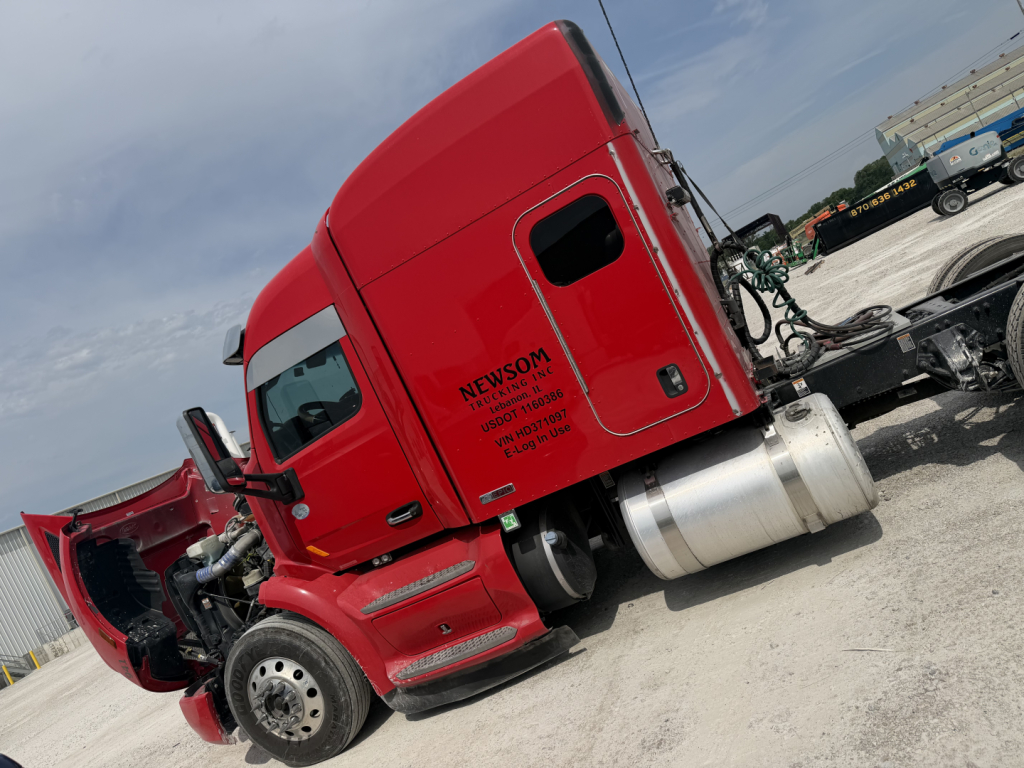
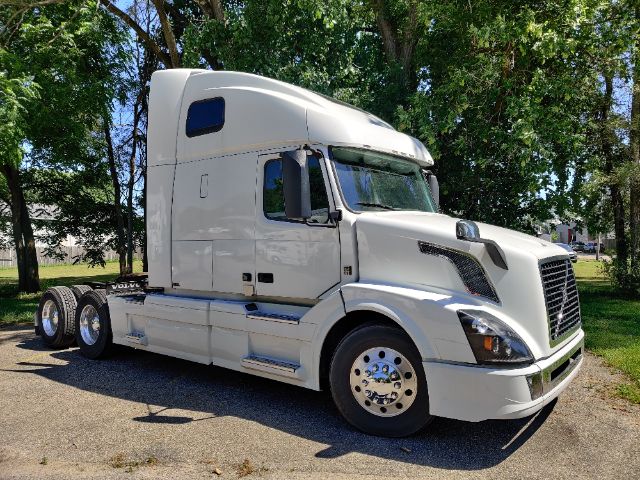
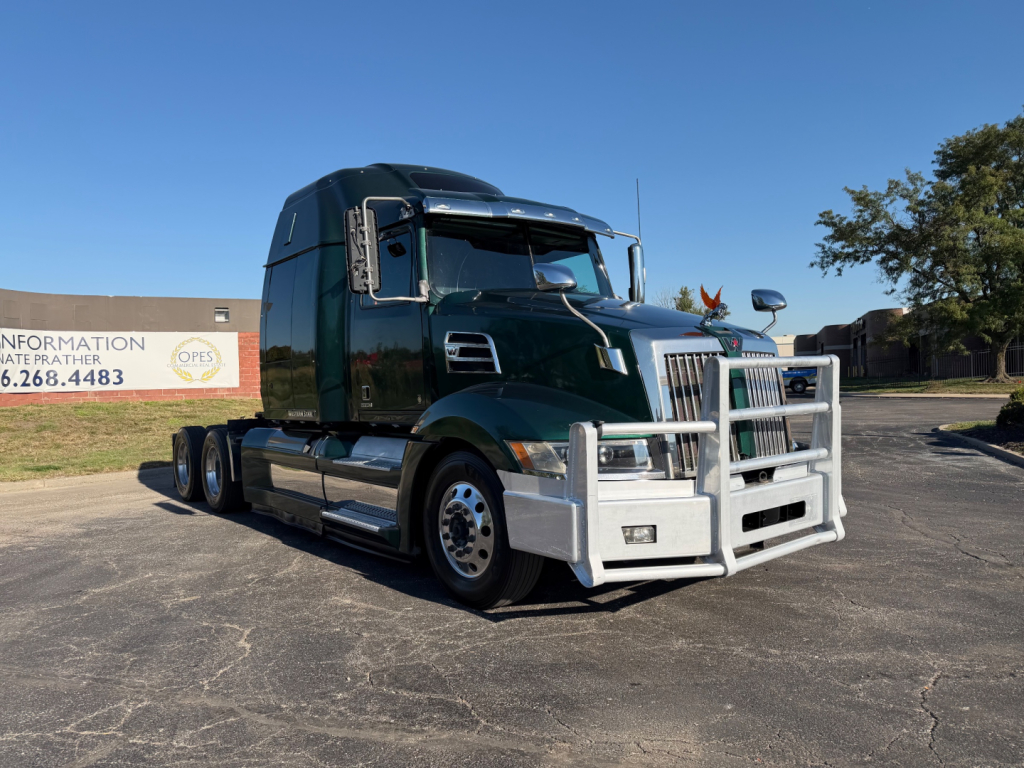
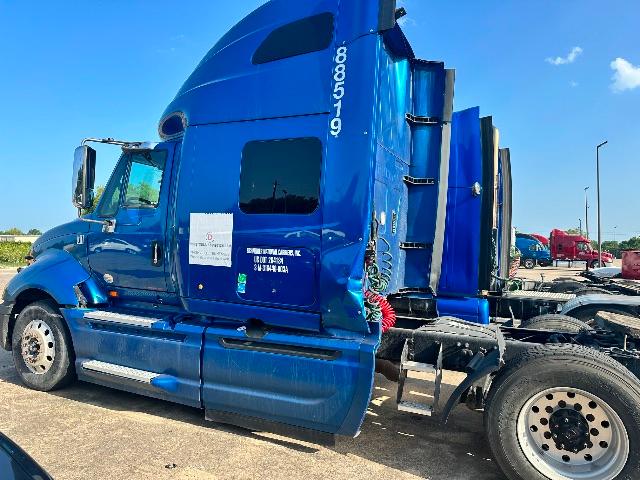
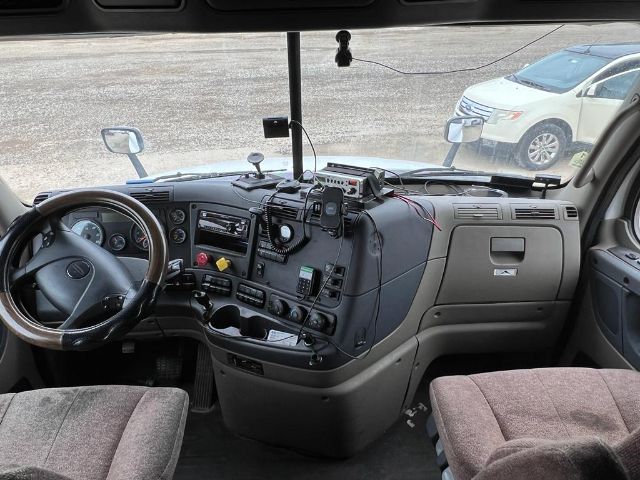

Selling a used 2017 conventional sleeper truck? List your used 2017 conventional sleeper truck for sale and reach thousands of commercial buyers.
Used 2017 Conventional Sleeper Trucks
The big buying decision is spec, not badge. A 2017 sleeper can be configured with engines in the 400 to 500 horsepower range, common torque ratings from 1450 to 1850 lb-ft, and automated manual or manual transmissions depending on fleet history and driver preference. Rear axle ratios often fall in the 2.64 to 3.42 range, with faster ratios aimed at fuel mileage and taller direct-drive or overdrive combinations aimed at heavier lanes or mixed terrain. Wheelbase, fifth wheel travel, and fuel capacity all affect how the truck fits your operation. Sleeper sizes typically range from compact mid-roof designs to 72-inch and larger raised-roof sleepers with double bunks, refrigerator prep, inverters, bunk heaters, and storage for weeks on the road.
For a used 2017 model, emissions and maintenance records deserve close attention. These trucks are deep into the diesel particulate filter, selective catalytic reduction, and EGR era, so service history on the aftertreatment system matters. Buyers should look at idle hours versus road miles, oil sample history, injector and turbo work, clutch life on automated manuals, suspension wear, and any documentation on DPF cleanings or one-box replacements. Front disc brakes, collision mitigation, lane departure warning, and automated transmissions became more common around this period, so 2017 conventional sleepers can offer a meaningful step up in driver-assist technology and operating efficiency compared with older iron.
Cab condition and spec alignment will usually decide long-term value. A truck running dry van at highway speed needs a different setup than one pulling reefer in mountain lanes or handling irregular-route freight. Check bunk layout, cabinet space, mattress configuration, APU or optimized idle equipment, inverter capacity, and the condition of fairings, hood, and chassis skirts since aero damage shows up at the fuel pump. If the truck will be reassigned across states or fleets, pay attention to tire size, suspension type, brake configuration, and kingpin-to-rear-axle settings to make sure bridge law, trailer swing clearance, and loading patterns all line up with the work.
Frequently Asked Questions about Used 2017 Conventional Sleeper Trucks
What is a 2017 conventional sleeper truck best suited for?
A 2017 conventional sleeper truck is best suited for long-haul and regional over-the-road freight where the driver may spend nights in the truck. These tractors are commonly used for dry van, refrigerated freight, dedicated contract lanes, and general truckload service. The sleeper compartment adds rest space, storage, and often hotel-load features that make them a better fit than day cabs for multi-day trips.
What engine and transmission specs are common in used 2017 conventional sleepers?
Most used 2017 conventional sleeper trucks are equipped with 11- to 15-liter diesel engines rated roughly from 400 to 500 horsepower, with torque commonly between 1450 and 1850 lb-ft. Popular engines include the Detroit DD13 and DD15, Cummins ISX and X15, PACCAR MX-13, and Volvo D13 depending on make. Automated manual transmissions are very common in this year range, although some trucks still carry manual transmissions, especially in owner-operator or specialty applications.
What should I inspect first on a used 2017 sleeper semi truck?
Start with maintenance history, engine hours, aftertreatment service records, and any fault code history. On a 2017 model, the DPF, SCR, EGR system, turbocharger, and sensors are critical inspection points because emissions-related downtime can be expensive. It is also smart to review clutch and transmission operation, suspension wear, brake type and condition, tire wear patterns, and signs of fairing or sleeper damage that may indicate hard highway miles or poor prior repairs.
Are 2017 conventional sleeper trucks fuel efficient?
Many 2017 conventional sleeper trucks can deliver strong fuel economy for their class when spec'd correctly. Aerodynamic hoods, side fairings, roof fairings, downsped drivetrains, and automated manuals were widely adopted by this model year. Actual fuel performance depends on rear axle ratio, engine rating, cruise speed, idle time, trailer type, terrain, and how well the truck's aero components have been maintained.
How do I choose the right sleeper size in a 2017 road tractor?
Sleeper size should match trip length, team or solo operation, and driver retention goals. A smaller sleeper may work for regional routes with occasional overnight runs, while a 72-inch raised-roof sleeper is better for longer dispatch cycles and drivers who need standing room, more storage, or a double bunk. Features such as a refrigerator, bunk heater, inverter, cabinets, and workstation can matter just as much as sleeper length if the truck will stay out for extended periods.